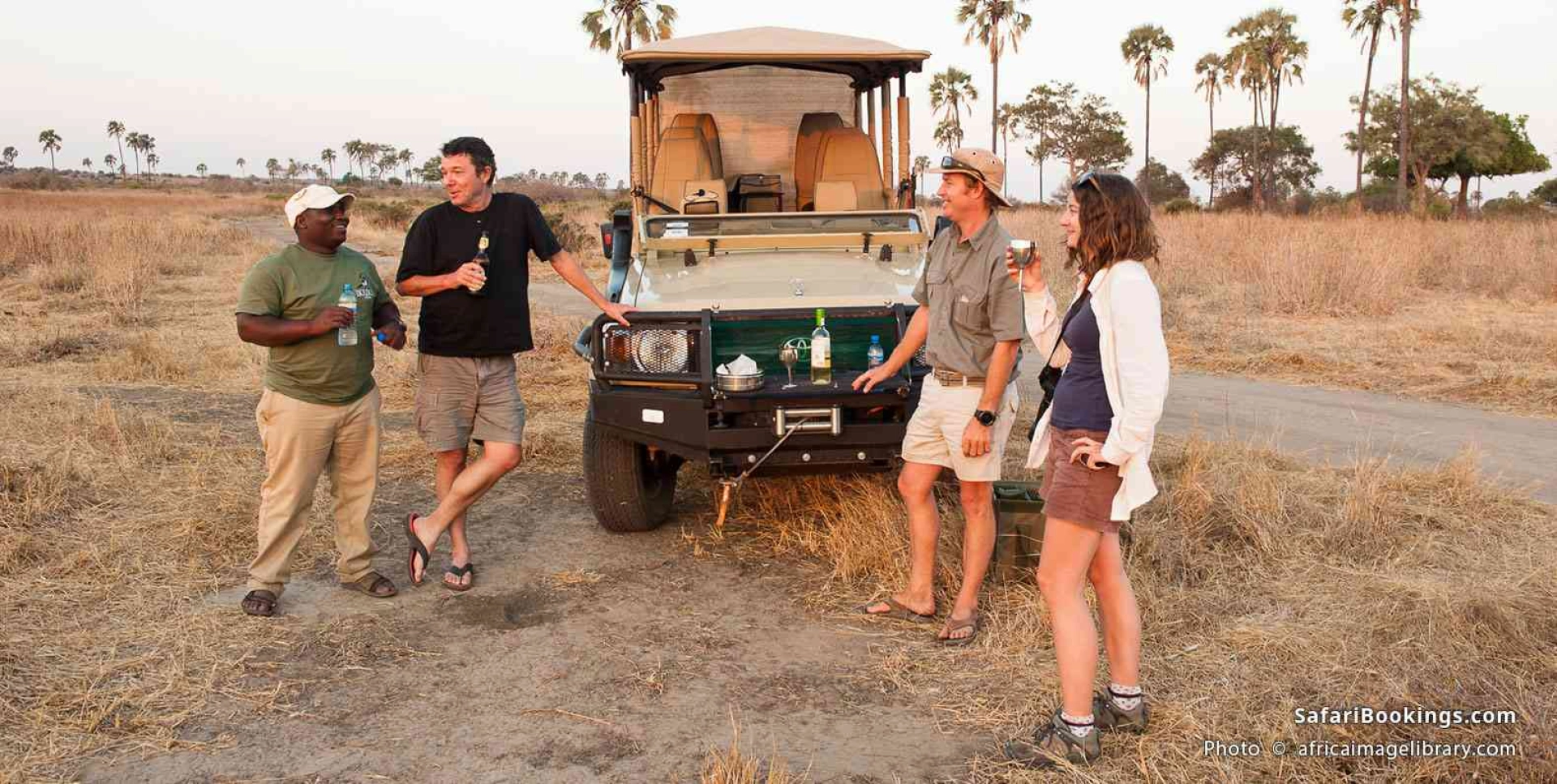
Tipping in Zambia: Complete Safari, Walking Safari & Travel Tipping Guide
Understanding tipping in Zambia is particularly useful for safari travellers because Zambia is famous for highly personalised wilderness…
Read article

Travel Guide
Ethiopia is one of the most distinctive travel destinations in Africa, but it is also one of the easiest countries to misunderstand when planning a first journey. Travelers who know East Africa primarily through Kenya, Tanzania,…
Ethiopia is one of the most distinctive travel destinations in Africa, but it is also one of the easiest countries to misunderstand when planning a first journey. Travelers who know East Africa primarily through Kenya, Tanzania, Uganda and Rwanda may arrive expecting another conventional wildlife safari. Ethiopia offers wildlife, but the country’s greatest strength is much broader. A well-designed Ethiopia tour can move through ancient religious centers, high-altitude mountain landscapes, endemic wildlife habitats, traditional communities, historic cities, dramatic escarpments and some of the most culturally significant places on the African continent.
This is a destination where history is not confined to a museum. It remains visible in churches, monasteries, pilgrimage routes, ceremonies, architecture, languages and living religious traditions. It is also a country where geography repeatedly changes the character of the journey. The Ethiopian Highlands rise dramatically above surrounding lowlands. The Simien Mountains contain enormous cliffs and deep valleys. The Bale highlands support species found nowhere else. Northern Ethiopia contains some of the country’s best-known historical monuments, while the south introduces travelers to completely different landscapes and cultures.
For this reason, the best Ethiopia tours are rarely designed around one attraction. They are built around a theme.
Some travelers come primarily for history and want Lalibela, Gondar and other northern cultural sites. Others want Simien Mountains trekking. Birdwatchers may build an itinerary around Ethiopia’s remarkable endemic and near-endemic species. Wildlife enthusiasts may focus on the Ethiopian wolf, geladas and mountain nyala. Photographers may combine highland scenery with traditional architecture and cultural events. More adventurous travelers may investigate specialized expeditions to remote regions where conditions and travel advisories permit.
The key to planning Ethiopia successfully is therefore not asking, “What are the ten places I should see?” A better question is: “What kind of Ethiopia do I want to experience, and how much time do I have to experience it properly?”
A conventional safari in Kenya or Tanzania often revolves around game drives through savannah ecosystems. The vehicle is the center of the experience. Wildlife sightings define the day. An Ethiopia holiday works differently. Some days may involve wildlife viewing. Others may involve walking through historic towns, visiting churches, hiking across high plateaus, meeting local guides or traveling through agricultural landscapes. The destination therefore rewards curiosity beyond the traditional Big Five checklist.
That is precisely why Ethiopia combines so well with neighboring East African safari destinations. A traveler can experience the Masai Mara or Serengeti for classic big-game viewing and then visit Ethiopia for history, mountains and endemic wildlife. Alternatively, Ethiopia can precede a Uganda gorilla trekking safari, producing an itinerary that combines ancient cultural heritage with one of Africa’s greatest primate encounters.
Yes, but not in the same way as Kenya, Tanzania or Botswana. Ethiopia contains extraordinary wildlife, including several species with extremely restricted ranges. For wildlife enthusiasts, the attraction is often not sheer numbers of large mammals but biological uniqueness. The Ethiopian wolf is one of the country’s flagship species. It inhabits Afroalpine environments and is among the world’s rarest canids. The Bale Mountains are particularly important for the species. The gelada, sometimes incorrectly described as a baboon, is another Ethiopian specialty. These grass-eating primates are closely associated with highland habitats and are famously observable in the Simien Mountains.
Mountain nyala, another Ethiopian endemic, is a major target for wildlife enthusiasts visiting Bale. This makes Ethiopia wildlife tours especially rewarding for experienced safari travelers who have already seen lions, elephants and giraffes elsewhere and now want to understand Africa’s less familiar ecosystems.
Few African destinations can compete with Ethiopia for travelers interested in history. The country’s historical narrative includes ancient kingdoms, long-standing Christian traditions, Islamic heritage, imperial capitals and major archaeological sites. The northern historical circuit is therefore one of the foundations of Ethiopia cultural tours. The best-known locations include Lalibela and Gondar, while other historically important areas can be incorporated depending on accessibility and current travel conditions.
Because conditions in parts of Ethiopia can change, itinerary planning should always be based on current official travel advice and up-to-date local operational information rather than an old guidebook or previously published route.
For many first-time visitors, Lalibela is the place they most strongly associate with Ethiopia. The town is famous for its medieval rock-hewn churches, created by carving into and around volcanic rock rather than constructing conventional buildings upward from foundations. What makes Lalibela especially powerful is that the churches are not simply archaeological monuments. They remain places of worship.
Pilgrims continue to arrive. Priests conduct religious services. White-robed worshippers move through passages and courtyards. Incense, chanting and prayer can become part of the visitor’s experience. A Lalibela tour is therefore most rewarding when approached as both historical exploration and an encounter with a living religious landscape.
At least two nights is preferable for most travelers. Three nights can be even better for photographers, cultural travelers and visitors who want to explore beyond the most famous church complex. A rushed one-night visit may technically allow you to see important monuments, but it leaves little room for atmosphere. Lalibela is not a destination that should be experienced solely through a checklist.
The changing light, religious activity and surrounding highland landscape are part of its appeal.
Visitors should remember that many religious sites are active sacred spaces. Dress respectfully. Follow local instructions regarding footwear and photography. Do not assume that every ceremony can be photographed. Ask before photographing individuals, particularly priests and worshippers. A knowledgeable local guide is extremely valuable because architectural details become much more meaningful when explained within Ethiopia’s religious and historical context.
Gondar provides another important chapter in Ethiopia’s historical story. The city became associated with Ethiopia’s imperial period and is famous for the fortified royal enclosure commonly known as Fasil Ghebbi. Its castles and associated structures reveal architectural influences different from Lalibela’s rock-hewn churches. This contrast is one reason northern Ethiopia benefits from a multi-stop itinerary.
Lalibela and Gondar are not repetitions of one another. They represent different periods, architectural forms and historical narratives.
Travelers interested in cultural festivals may specifically plan around Timkat, the Ethiopian Orthodox celebration of Epiphany.
Gondar is particularly famous for its celebrations. Festival travel can be extraordinary, but it also requires more planning. Accommodation demand rises. Crowds increase. Photography becomes more complicated. Transport may require advance arrangements. Travelers should attend respectfully, remembering that they are witnessing a major religious event rather than a staged tourism performance.
The Simien Mountains provide one of Africa’s most dramatic highland landscapes. Escarpments fall into enormous valleys. Jagged peaks rise above plateaus. Trails follow cliffs that can appear almost impossibly steep. For hikers, this is one of Ethiopia’s defining destinations. But you do not need to be a hardcore expedition trekker to appreciate the Simiens. Different itineraries can accommodate different fitness levels. Some visitors undertake multi-day trekking routes. Others use shorter walks and scenic viewpoints.
One of the great wildlife experiences of a Simien Mountains tour is observing geladas. These primates spend significant amounts of time feeding on grasses and other vegetation in open highland habitats. Large groups may be visible across the plateau. Their social behavior can be fascinating to watch. For photographers, the combination of geladas and mountain scenery creates opportunities completely different from photographing wildlife from a safari vehicle.
Altitude should be taken seriously. Some travelers who are physically fit at sea level may still feel the effects of elevation. A sensible trekking itinerary allows time for acclimatization and does not treat every day as a race. Weather can also change quickly. Warm sunshine may be followed by cold wind or cloud. Layered clothing is therefore essential. A Simien Mountains trekking tour should be designed according to the traveler’s fitness, experience and desired level of comfort.
For wildlife enthusiasts, the Bale Mountains can be even more important than the Simiens. The park protects a remarkable range of habitats, from montane forests to Afroalpine environments. The high Sanetti Plateau is especially famous among travelers searching for the Ethiopian wolf. The Bale region also supports mountain nyala, numerous bird species and other wildlife.
For travelers interested in conservation and endemic species, Bale should be considered a major safari destination rather than an optional side trip.
Seeing an Ethiopian wolf is fundamentally different from watching a lion pride in the Serengeti. The animal is rarer, the ecosystem is specialized, and the conservation story is more precarious. Ethiopian wolves are adapted to high-altitude Afroalpine habitats and depend heavily on small mammals. Their restricted distribution makes habitat conservation particularly important. A good Ethiopia wildlife safari should therefore explain not only where to find the wolves but why their ecosystem matters.
The mountain nyala is another Ethiopian endemic and one of the country’s most distinctive large mammals. Bale is a major destination for travelers hoping to observe the species. This illustrates why Ethiopia deserves more attention from serious African wildlife enthusiasts. The country does not simply offer “fewer animals than Kenya.” It offers animals that Kenya does not. That is a completely different value proposition.
Ethiopia is one of Africa’s outstanding birding destinations. Its varied elevation, geography and relative ecological isolation have produced a particularly interesting avifauna, including endemic and near-endemic species. A dedicated Ethiopia birding tour can include highland plateaus, Rift Valley lakes, forests, wetlands and arid habitats. Birders should resist trying to combine serious birding with a fast general sightseeing itinerary.
Birding requires time. A roadside stop that takes a non-birder ten minutes can take a birder an hour. If birding is a primary interest, tell your tour operator in advance so the guide, vehicle schedule and accommodation locations can be chosen accordingly.
The Rift Valley introduces another ecological dimension. Lakes and wetlands can support substantial birdlife, while the landscapes contrast with the higher mountains. Travelers moving south from Addis Ababa may pass through several Rift Valley environments depending on the chosen route. For general tours, these areas can break up long drives. For birdwatchers, they can become major destinations in their own right.
The Omo Valley has long attracted travelers interested in the cultural diversity of southern Ethiopia. Numerous communities with distinct languages, traditions, livelihoods and forms of dress live across the wider region. However, cultural tourism here needs to be approached thoughtfully. People are not attractions. A good Omo Valley tour should emphasize respectful interaction, local guides, appropriate permission for photography and realistic explanations of contemporary life. Communities are dynamic. They are not frozen representations of a historical past.
Photography is one of the most sensitive issues. Do not assume that payment automatically creates unrestricted permission. Ask first. Listen to your guide. Avoid photographing vulnerable situations. Do not encourage children to leave school or daily responsibilities for repeated tourist transactions. Buy locally produced goods when appropriate. Most importantly, approach communities with the same respect you would expect visitors to show in your own home. Responsible cultural tourism is not an optional extra. It determines whether tourism creates dignity or exploitation.
Many travelers treat Addis Ababa only as a transit point. That is a mistake. The Ethiopian capital can provide important context before traveling elsewhere in the country. Museums, markets, churches, restaurants, coffee culture and contemporary urban life help travelers understand Ethiopia beyond its ancient monuments. A well-designed Addis Ababa city tour can be particularly valuable at the beginning of the trip. It gives historical orientation. It also allows travelers to recover from international flights before moving into more demanding itineraries.
Coffee is inseparable from Ethiopia’s international identity and domestic social culture. Ethiopia is widely recognized as coffee’s original homeland, and coffee traditions remain deeply embedded in daily life. Travelers should make time for a traditional coffee experience rather than treating coffee merely as a beverage purchased between activities. The preparation, roasting, aroma and social ritual reveal something about Ethiopian hospitality.
Food and drink can be among the most accessible ways to understand a destination.
Ethiopian food is another highlight. Injera forms the foundation of many meals and is accompanied by different stews, vegetables, pulses and meat dishes. Travelers unfamiliar with Ethiopian cuisine should experiment gradually rather than ordering only familiar international food. Vegetarians can often find substantial options. Religious fasting traditions have contributed to a rich range of plant-based dishes.
The Danakil Depression has historically been promoted as one of Ethiopia’s most extreme adventure destinations, known for intense heat, unusual geological environments and remote desert landscapes. However, it is also a region where security, access and operating conditions require particularly careful assessment. Travelers should never plan a Danakil expedition based solely on dramatic photographs or an old travel blog. Current official travel advisories and professional local assessments are essential.
If conditions are not suitable, the correct decision is to choose another destination. No photograph is worth ignoring serious security advice.
Cultural festivals can transform an ordinary itinerary into an extraordinary one. Timkat is among the best known internationally. Meskel, associated with the Finding of the True Cross in Ethiopian Orthodox tradition, is another important celebration. Festival dates follow Ethiopia’s religious calendar and should be verified for the specific travel year. Travelers attending major celebrations should expect crowds and increased accommodation demand.
A meaningful first trip should ideally have at least seven to ten days. Two weeks is considerably better. Three weeks allows a deeper combination of history, trekking, wildlife and southern Ethiopia. The country’s scale should not be underestimated. A map can make destinations appear closer than the real travel experience suggests. Road conditions, mountains and routing affect transfer times.
With seven days, focus. Do not attempt to see the entire country. A short historical itinerary might concentrate on Addis Ababa, Lalibela and another accessible northern destination.
A wildlife-focused week might prioritize Bale. A trekking-focused trip might combine Addis Ababa with the Simiens if routing and conditions permit. The best short itinerary is specialized.
Ten days allows greater balance. Travelers can combine several historical destinations or pair culture with a mountain region. This is often the minimum duration at which Ethiopia begins to feel like a journey rather than a series of transfers.
Two weeks is excellent for first-time visitors. A carefully designed 14-day Ethiopia itinerary can combine major historical attractions with mountains, wildlife or the south without forcing every destination into a single night. This duration is particularly suitable for photographers and travelers coming from Europe or North America who want the long-haul flight to feel worthwhile.
Three weeks allows depth. You can spend longer in the mountains. Add dedicated birding. Explore cultural regions more slowly. Include rest days. A longer trip also reduces the temptation to fly or drive somewhere simply because it appears on a “top ten” list.
A strong first-time route might begin with Addis Ababa before continuing to major northern historical destinations and the Simien Mountains. The exact routing should reflect current access and operational conditions. Spend multiple nights in important places. Allow a full day for Lalibela rather than arriving late and departing early the next morning. Allow enough time in the Simiens to actually walk. This principle matters more than the precise number of stops.
A wildlife-oriented trip should devote substantial time to the Bale Mountains. Search for Ethiopian wolves on the high plateau. Explore habitats associated with mountain nyala. Include serious birding. If conditions and routing permit, another highland region can add geladas and contrasting scenery. This creates an Ethiopia safari centered on endemic species rather than conventional Big Five viewing.
Ethiopia is extraordinarily rewarding photographically. Rock-hewn churches. Mountain escarpments. Geladas. Ethiopian wolves. Markets. Coffee ceremonies. Religious processions. Highland villages. Rift Valley landscapes. But cultural photography requires sensitivity. The camera should not become a barrier between traveler and host. Spend time before photographing. Learn names when possible. Ask permission. Sometimes the best experience should remain a memory rather than an image.
There is no meaningful single answer to “How much does an Ethiopia tour cost?” The price depends on duration, group size, accommodation, internal flights, vehicle requirements, guides, entrance fees and specialist activities. A private tour for two people will usually cost more per person than a small-group departure because vehicle and guide costs are divided between fewer travelers. A trekking itinerary has different cost structures from a luxury cultural tour.
A birding trip may require specialist guides. Remote routes can require more logistical support. The correct approach is to compare complete itineraries rather than headline daily prices.
Budget travelers can reduce costs through simpler hotels, shared arrangements and carefully chosen routes. But avoid cutting costs in areas that directly affect safety and experience. A knowledgeable guide is worth paying for at complex historical sites.
A reliable vehicle matters on long road journeys. Appropriate trekking support matters in remote mountain environments. Cheap should not mean poorly organized.
For many travelers, midrange represents the best balance. Comfortable accommodation, private transport and good guiding create a strong experience without the price of premium hotels at every stop. Money can then be allocated to the parts of the trip that matter most, such as additional trekking days or specialist wildlife guiding.
Luxury in Ethiopia may not always resemble luxury in established beach or safari-resort destinations. The strongest high-end experience often comes from private logistics, excellent guides, carefully chosen accommodation and reduced travel friction rather than extravagant hotel facilities everywhere. A private vehicle, flexible schedule and well-positioned room can create more value than simply choosing the most expensive hotel.
A private Ethiopia tour provides flexibility. Photographers can wait for light. Birders can stop unexpectedly. Families can adjust departure times. Couples can travel at their own pace. Small-group tours reduce per-person cost and can provide a social experience. Neither format is universally better. Choose according to personality and budget.
Because Ethiopia contains enormous elevation differences, there is no single weather description that applies everywhere. Highland conditions can be dramatically cooler than lowland regions. Rainfall patterns also vary geographically. Travel planning should therefore consider the exact route rather than treating Ethiopia as one climate zone. For trekking, trail conditions and mountain visibility matter. For cultural travel, festival dates may determine timing. For birding, seasonal movements and breeding behavior may influence priorities.
Layering is essential. Travelers frequently underestimate how cold Ethiopian highlands can feel, especially early in the morning and at night. Bring a warm layer even if your image of Africa is dominated by heat. For trekking, appropriate footwear is essential. Sun protection matters at altitude. A lightweight rain layer is useful. Cultural visits require modest clothing. The ideal packing list depends heavily on the itinerary.
Addis Ababa itself sits at significant elevation, and mountain itineraries go much higher. Travelers may notice breathlessness, headache or fatigue. Hydration, gradual acclimatization and sensible pacing help. Anyone with relevant medical concerns should seek professional medical advice before undertaking high-altitude trekking.
Distances should be interpreted in hours, not kilometers. Mountain roads and local conditions can make relatively short map distances take considerable time. This is another reason not to overfill an itinerary. A day spent driving for eight hours simply to tick another destination off the list may contribute less to the holiday than an extra night where you already are.
Domestic flights can dramatically reduce travel time on some routes. However, schedules and availability should always be checked for the specific travel dates. A well-designed itinerary may combine road transfers and flights strategically. Flying everywhere can remove the landscape context. Driving everywhere can consume too much time. Balance is best.
An Ethiopia and Kenya tour creates excellent contrast. Ethiopia contributes history, highlands and endemic species. Kenya contributes classic savannah wildlife in destinations such as the Masai Mara, Amboseli and Samburu. For a first major East African journey, this can be extremely rewarding.
An Ethiopia and Uganda safari may be even more distinctive. Begin with Ethiopian culture and highland landscapes. Continue to Uganda for Bwindi gorilla trekking, Kibale chimpanzee trekking, Queen Elizabeth National Park or Murchison Falls. The combination covers history, mountains, rainforest primates and savannah wildlife.
Rwanda can add mountain gorillas and a compact, high-quality safari extension. This works particularly well for travelers whose primary Ethiopia interest is cultural but who want to add one major primate experience before returning home.
Combining Ethiopia with Tanzania can create a journey spanning ancient culture and the Serengeti safari experience. Travelers with sufficient time may continue to Zanzibar afterward. This becomes a large itinerary, so two to three weeks is preferable.
Yes, but itinerary design matters. Long road journeys and intensive historical explanations may be tiring for younger children. Families should use fewer destinations, comfortable accommodation and flexible schedules. Wildlife, mountains and interactive cultural experiences can be particularly engaging.
Yes, especially through organized private or group tours. A guided itinerary reduces logistical complications and provides cultural interpretation. Solo travelers should compare private-tour supplements against scheduled group departures.
Ethiopia’s cultural richness creates responsibilities. Respect religious customs. Ask before photographing people. Support locally owned businesses where possible. Avoid reducing communities to exotic stereotypes. Follow park rules. Do not approach wildlife irresponsibly. Listen to local guides. Responsible travel produces better encounters because it begins with respect rather than consumption.
The greatest mistake when planning Ethiopia tours is trying to force the country into the conventional African safari template. Ethiopia deserves to be experienced on its own terms. Come for Lalibela, but understand the living faith surrounding the churches. Walk through the Simien Mountains, but look beyond the scenery to the geladas feeding along the plateau.
Search for the Ethiopian wolf in Bale, but learn why the Afroalpine ecosystem supporting it is so fragile. Drink coffee, but understand its place in Ethiopian life. Visit communities, but approach people as hosts rather than attractions. Then, if time permits, connect Ethiopia with the wider region. Add a Kenya safari for lions and the Masai Mara. Continue to Tanzania for the Serengeti and Ngorongoro Crater. Travel to Uganda for mountain gorilla trekking in Bwindi, chimpanzees in Kibale and savannah wildlife. Add Rwanda for Volcanoes National Park.
This is where Ethiopia becomes especially powerful within a wider African journey. It contributes something the other destinations cannot replicate. At Adventure in the Wild Safaris, we can design customized Ethiopia tours and East Africa safari combinations around your available days, interests, preferred accommodation standard and onward destinations. The best Ethiopia itinerary is not necessarily the longest.
It is the one that gives this extraordinary country enough time to reveal why it is unlike anywhere else in Africa.
Get quick answers to the most common questions. If you still have questions, our safari experts are here to help.
Ethiopia is especially known for ancient cultural heritage, Lalibela’s rock-hewn churches, highland scenery, the Simien and Bale Mountains, endemic wildlife, birding, coffee culture and diverse living traditions.
Yes, particularly for endemic wildlife such as Ethiopian wolves, mountain nyala and geladas. It is different from a classic Kenya or Tanzania Big Five safari.
Seven days is possible for a focused itinerary. Ten to fourteen days is much better for a first comprehensive journey.
For travelers interested in history, architecture and religion, Lalibela is one of Ethiopia’s most important destinations.
Yes. The Bale and Simien highlands are particularly important for distinctive wildlife.
The Bale Mountains are one of the most important destinations for travelers hoping to observe Ethiopian wolves in the wild.
The Simien Mountains are famous for gelada encounters.
Excellent. Ethiopia’s endemic and near-endemic species make it one of Africa’s most important specialist birding destinations.
Yes. Ethiopia’s cultural and highland attractions contrast beautifully with Kenya’s classic savannah safari areas.
Yes. This is an outstanding combination for travelers seeking both cultural depth and primate experiences.
Pack layers for variable temperatures, modest clothing for religious sites, comfortable walking shoes and appropriate trekking gear if visiting the mountains.
Some regions are extremely hot, while high-altitude areas can be surprisingly cold. Climate varies dramatically with elevation.
Very much so, but cultural photography should always be respectful and permission-based.
Yes. Timkat and Meskel are among the country’s major religious celebrations, but dates and logistics should be planned carefully.
For photographers, birders, couples and travelers seeking flexibility, private touring can be extremely valuable.
Curious travelers who value history, culture, landscapes, walking and unusual wildlife generally find Ethiopia especially rewarding.
Our safari experts are here to help you plan your safari. Get personalized advice, the latest information and a free, no-obligation quote.
We typically reply within a few hours.

Share This Article
Understanding tipping in Zambia is particularly useful for safari travellers because Zambia is famous for highly personalised wilderness…
Read article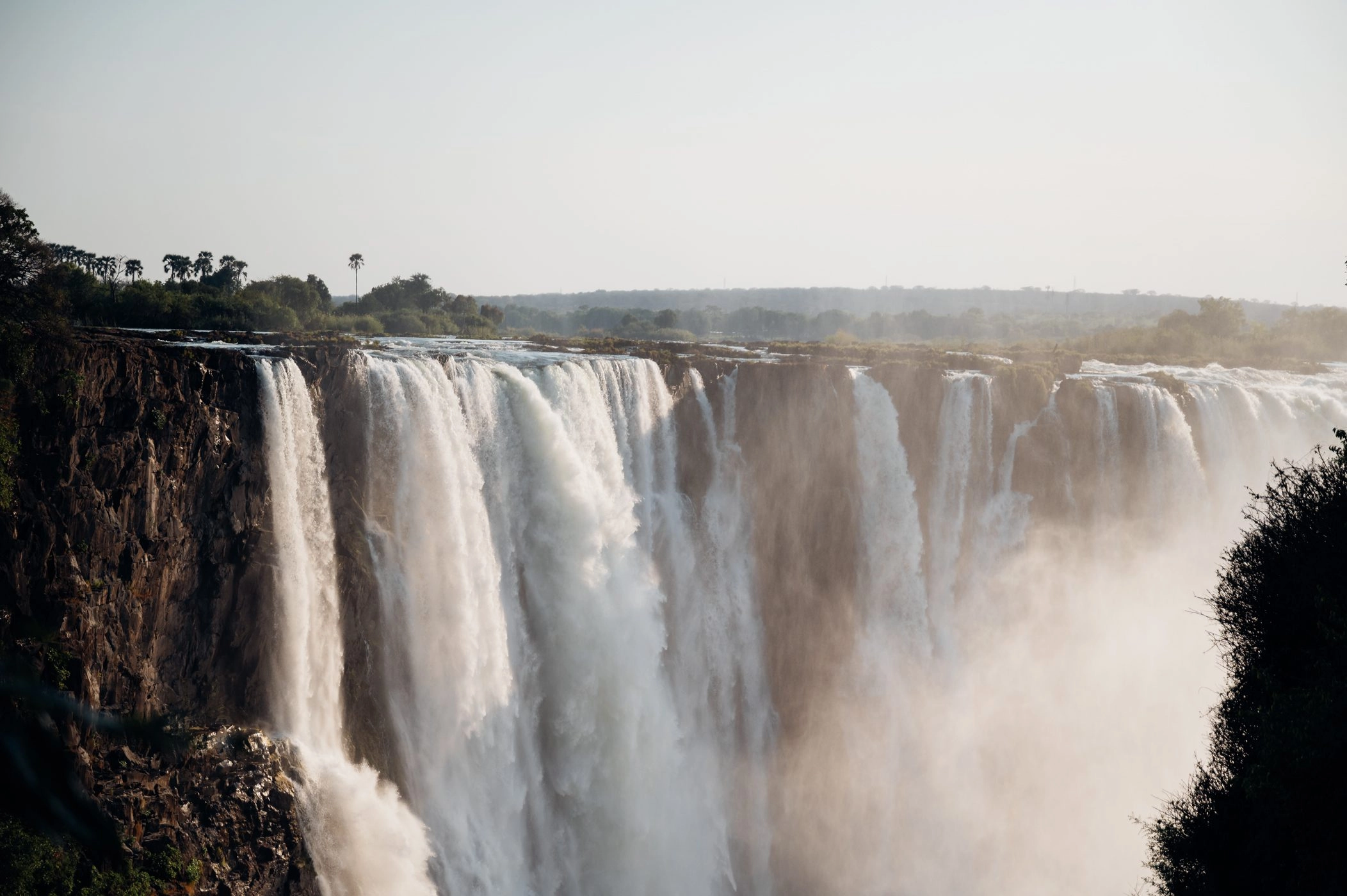
Understanding tipping in Zimbabwe is particularly important for safari travellers because the country has one of southern Africa's…
Read article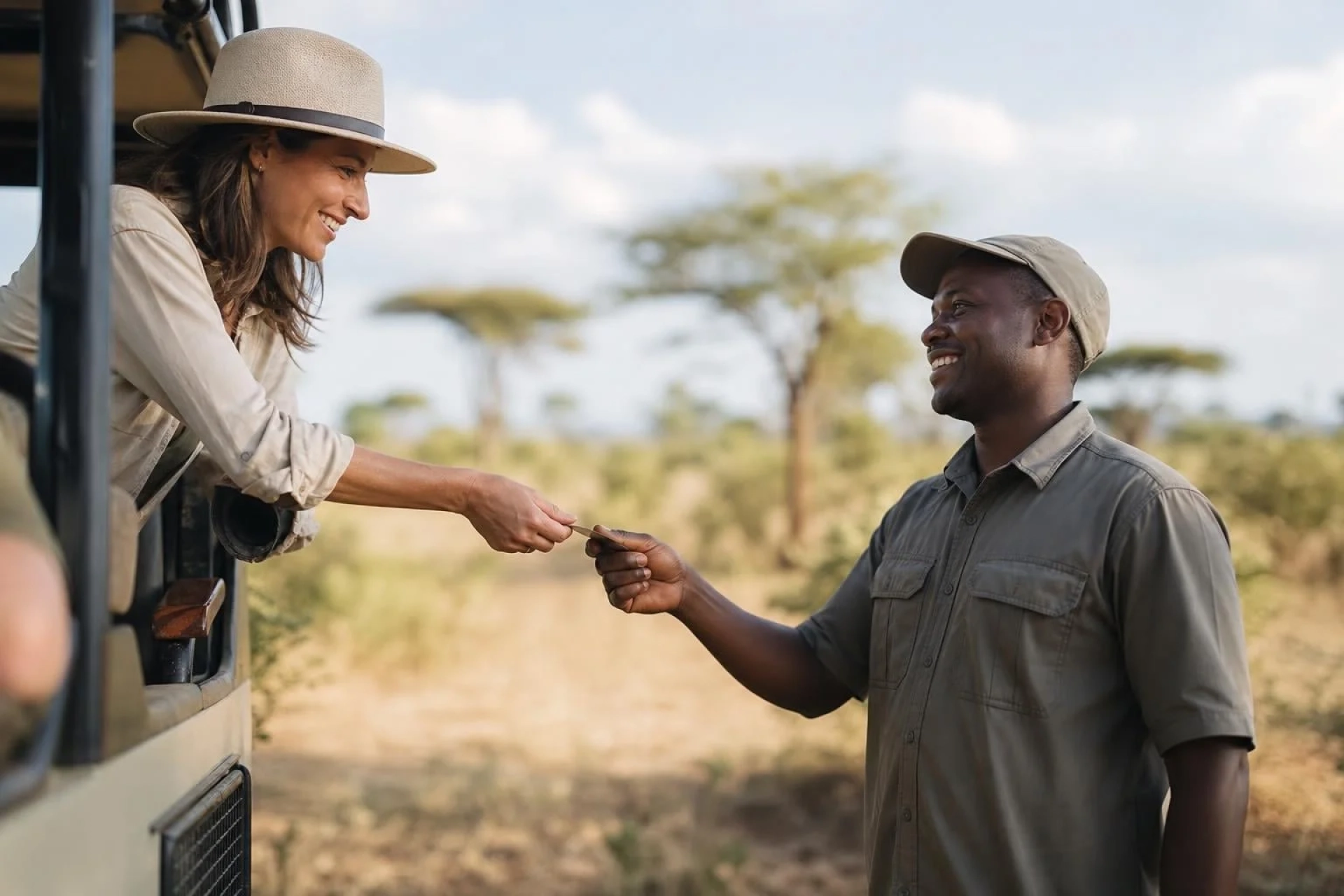
Tipping in Namibia differs subtly from tipping in many other major African safari destinations because a significant proportion…
Read article
Tipping in Botswana is relatively easy once travellers understand how the country's safari industry operates. Unlike many East…
Read articleLet us take you closer to the wildlife, people and places that make Africa extraordinary.
Plan Your Safari Today