Tipping in Zambia: Complete Safari, Walking Safari & Travel Tipping Guide
Understanding tipping in Zambia is particularly useful for safari travellers because Zambia is famous for highly personalised wilderness…
Read article
Travel Guide
There is no single month that can accurately be described as the best time to go on safari in Africa for every traveller, every country and every wildlife experience. Africa is too large, too ecologically diverse…
There is no single month that can accurately be described as the best time to go on safari in Africa for every traveller, every country and every wildlife experience. Africa is too large, too ecologically diverse and too strongly influenced by regional weather systems for one simple safari season to apply everywhere.
January can be outstanding for wildebeest calving in northern Tanzania while southern Africa is experiencing its greener, wetter summer period. June can bring increasingly dry conditions to many East African safari destinations while also marking an important transition toward southern Africa’s dry-season wildlife viewing. September can be excellent for gorilla trekking in Uganda, classic game viewing in several East African parks and dry-season safaris in parts of southern Africa, while October can bring rising temperatures and dramatic wildlife concentrations around permanent water in some regions.
This is why a month-by-month African safari calendar is more useful than a generic statement that one season is universally best. The first question should not be, “What is the best month for Africa?” It should be, “What do I most want to experience?”
A traveller whose priority is the Great Wildebeest Migration requires different timing from someone planning a Uganda gorilla trekking safari. A photographer wanting lush landscapes and dramatic storm clouds may
This detailed African safari calendar by month explains those differences and helps travellers match the timing of their journey to the wildlife, landscapes and destinations that matter most.
Before looking at individual months, it is important to understand why African safari seasons are more complicated than “summer” and “winter.” Much of tropical Africa is influenced more strongly by rainfall patterns than by the four-season calendar familiar to travellers from Europe and North America. Many safari destinations are therefore described in terms of dry seasons, wet seasons, green seasons, long rains, short rains or regional transitional periods. Even those terms can be misleading when applied too broadly.
Uganda and Rwanda have equatorial and highland influences. Northern Tanzania and southern Kenya have rainfall patterns associated with the East African climate system. Botswana’s Okavango Delta experiences seasonal flooding whose timing is partly disconnected from local rainfall because much of the water originates farther north in Angola. Cape Town has a Mediterranean-type climate with wetter winters and drier summers, while Kruger’s seasonal pattern is broadly the reverse.
A good Africa safari itinerary therefore considers the exact destination rather than relying on continental generalisations.
The dry season is popular for good reasons. As water becomes scarce, wildlife may concentrate around rivers, waterholes and other permanent sources. Vegetation can become thinner, improving visibility. Roads may be easier to navigate, and there may be fewer mosquitoes in some environments. But the dry season also has disadvantages. Popular parks can become busier. Dust can increase. Landscapes may turn brown. Accommodation rates can rise substantially during peak travel periods. Famous sightings can attract multiple safari vehicles.
The African green season, by contrast, can bring lush vegetation, newborn animals, dramatic skies, excellent birding and lower visitor numbers in some destinations. Rain does not normally mean that every day is completely washed out. Tropical rainfall can occur in intense bursts followed by clearer periods, although conditions vary significantly between destinations. For photographers, green-season colour can be extraordinary. For budget-conscious travellers, seasonal accommodation rates may also be attractive. The correct choice depends on priorities.
One of the most common safari-planning misconceptions concerns the Great Wildebeest Migration. Travellers often ask, “When does the migration happen?” The migration does not simply begin in July and end in October. Wildebeest, zebras and other herbivores move through the greater Serengeti-Mara ecosystem throughout the year in response to rainfall, grazing and water availability. What changes is where the herds are concentrated and what stage of the annual cycle is most likely to be observed.
During the early part of the year, large numbers are generally associated with the southern Serengeti and Ndutu region, where calving is a major attraction. As conditions change, herds move northwest and eventually toward the western and northern parts of the ecosystem. Some reach the Mara River region and may cross between Tanzania and Kenya. Later, movements turn south again.
These movements are ecological rather than scheduled. Rainfall can shift timing. River crossings cannot be guaranteed on a specific date. This is why a knowledgeable Tanzania safari planner considers broad seasonal patterns rather than promising a particular wildlife event at a particular hour.
January is an excellent safari month for travellers who understand where to go. In northern Tanzania, attention increasingly focuses on the southern Serengeti ecosystem and the wider Ndutu area as large wildebeest herds occupy nutrient-rich short-grass plains. The exact distribution changes according to rainfall and grazing, but this period forms part of one of the most important phases of the Serengeti migration cycle. The landscape can be beautifully green. Cloud formations create dramatic photography. Predators follow the herbivore concentrations. Lions, cheetahs and hyenas may be encountered around areas where prey is abundant.
For travellers who imagine that good safari requires dry, yellow grass, January Tanzania can be a revelation.
January can also be an excellent period for gorilla trekking in Uganda and Rwanda. Rain is possible throughout the year in tropical mountain forests, and no month should be described as completely dry. However, January often falls within one of the relatively drier periods commonly favoured by trekkers.
In Uganda, visitors can trek mountain gorillas in Bwindi Impenetrable National Park or Mgahinga Gorilla National Park according to permit arrangements and availability. The experience remains physically variable regardless of season. Gorilla families move, trails can be steep, and sections of forest can remain muddy even after several relatively dry days. Travellers should therefore pack waterproof equipment and proper trekking footwear in January just as they would in other months.
January is summer and part of the wetter green season across many southern African safari areas. Rather than dismissing this period, travellers should consider its strengths. Vegetation can be lush, birding can be outstanding and many animals give birth during the broader summer period. Landscapes are photogenic and visitor numbers may differ from peak dry-season months. However, dense vegetation can make some wildlife harder to spot, and afternoon storms are possible. January is therefore particularly attractive to repeat safari travellers, birders and photographers who value atmosphere as much as species checklists.
February is one of the most exciting months for travellers focused on the wildebeest calving season in Tanzania. Large concentrations of wildebeest are generally associated with the southern Serengeti ecosystem during this period, and many calves are born over a relatively compressed part of the season. The presence of vulnerable young naturally attracts predators.
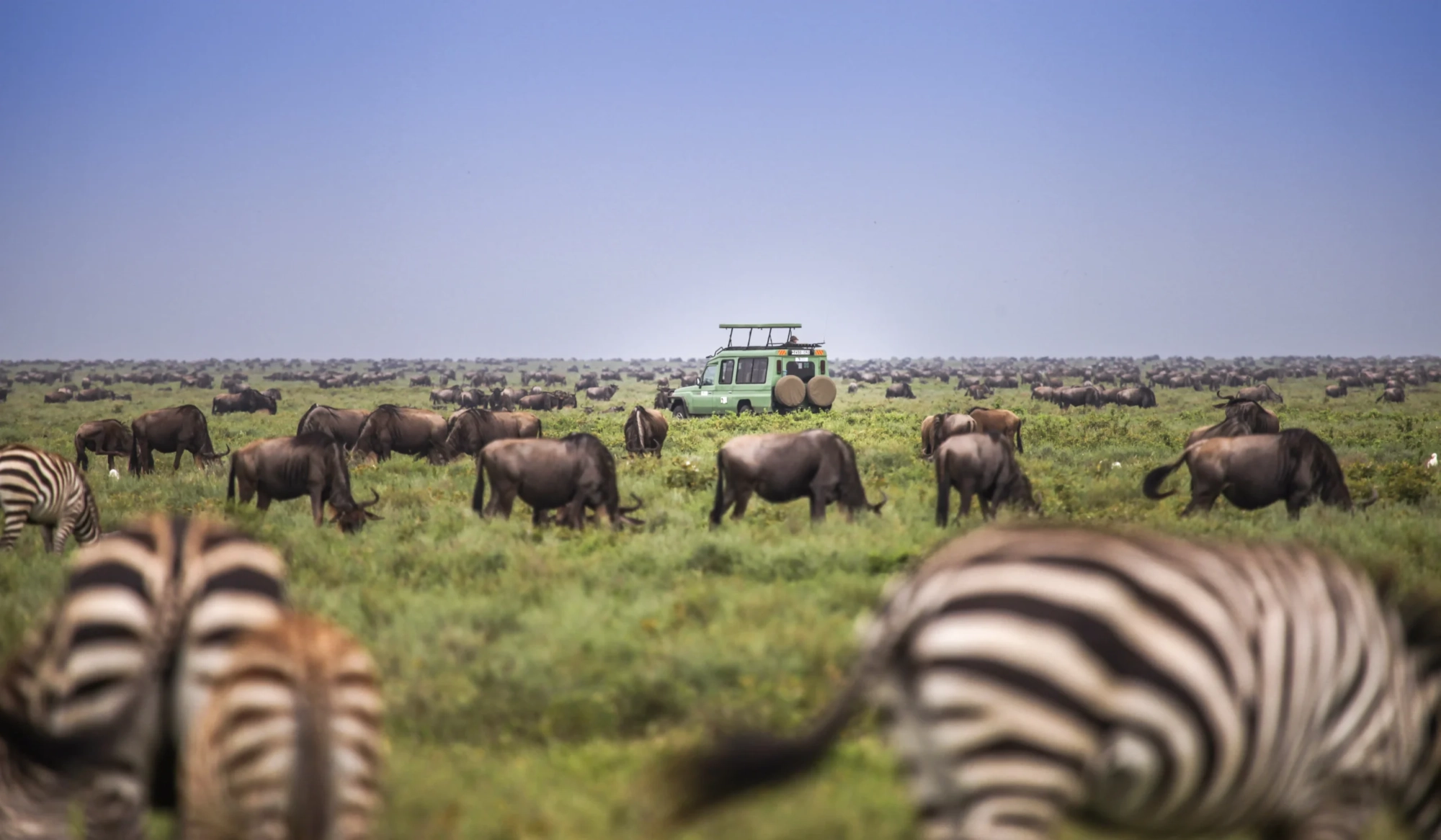
This does not mean every game drive produces a dramatic hunt. Wildlife documentaries compress enormous amounts of observation into a few minutes. Real safari requires patience. But the combination of large herds, young animals, predators and green landscapes makes February one of the most compelling months for a Tanzania wildlife safari.
Photographers frequently appreciate February because the environment looks alive. Green grass creates cleaner backgrounds than dusty dry-season landscapes. Clouds add depth to skies. Newborn animals provide behavioural opportunities, and predators may be active around herd concentrations. The trade-off is weather uncertainty. Rain may affect roads or change herd distribution. Travellers should therefore avoid designing an itinerary so tightly that one weather disruption creates major problems.
Uganda and Rwanda remain strong choices. A Uganda gorilla and chimpanzee safari can combine Bwindi with Kibale National Park, while travellers wanting additional savannah wildlife can add Queen Elizabeth National Park. This combination is particularly attractive because it avoids making the entire holiday dependent on one ecosystem. Even if rain affects a particular afternoon, the journey includes forests, game drives, boat safaris and primate experiences.
March is a transitional month in several East African destinations. The southern Serengeti can remain important for migration activity, although herd distribution increasingly responds to changing rainfall and grazing conditions. As the month progresses, the probability of wetter conditions can increase in parts of East Africa. For flexible travellers, this can create excellent opportunities. Visitor numbers may be lower than during major peak periods. Landscapes can be green. Photography can be beautiful. The key is understanding that March safari weather in East Africa cannot be predicted with absolute precision.
Uganda remains a year-round destination. March can bring increasing rainfall, which affects trekking conditions more than the fundamental availability of wildlife experiences. A Bwindi gorilla trek in March may involve wetter, muddier trails. That can increase physical difficulty, especially on steep terrain. The forest itself, however, is spectacular in wet conditions. Mist, dense vegetation and moisture create the atmosphere that makes Bwindi feel genuinely ancient. Travellers who pack properly and do not expect perfectly dry trails can have an exceptional experience.
Rainfall can stimulate insect activity, plant growth and broader ecological change. Birding remains rewarding, and Uganda in particular offers exceptional diversity because its position connects East African savannah, Central African forest and wetland habitats. A specialist Uganda birding safari can incorporate Mabamba Wetland, Murchison Falls, Kibale, Queen Elizabeth, Bwindi and other important habitats depending on the available number of days.
April is often treated as a month to avoid because it falls within the wetter period in parts of East Africa. That conclusion is too simplistic. April can be genuinely wet, and travellers should be prepared for rain, muddy roads and occasional logistical adjustments. Some remote properties in certain destinations may operate seasonally, and conditions can make particular routes more demanding.
Yet April also offers advantages. Landscapes can be intensely green. Tourist numbers may be lower. Photographers can encounter dramatic weather. Travellers who dislike crowded wildlife sightings may appreciate the quieter atmosphere. In Uganda, gorilla and chimpanzee trekking continue, although forest trails may be slippery. A green-season Uganda safari can therefore work well for travellers comfortable with variable conditions.
Migration movements during this broader period are influenced by rainfall and fresh grazing. Rather than planning around one precise location, travellers should use accommodation and routing appropriate to expected seasonal patterns while retaining some flexibility. This is an important principle throughout the migration year. The animals do not read safari calendars.
May remains part of the wetter period in several East African regions, but conditions can begin transitioning as the month progresses. For travellers who value lower visitor density and green scenery, May can be attractive. The challenge is that road conditions may still be variable, especially after sustained rain. This is where operator experience becomes particularly important.
A good East Africa safari company considers vehicle capability, realistic driving times and accommodation access rather than simply reproducing a standard dry-season itinerary.
Gorilla trekking continues throughout the year subject to permit availability and operational conditions. Rain should be expected as a possibility. Good boots become essential. Gaiters can be useful. A lightweight waterproof jacket protects against both rain and wet vegetation. Porter support can also be valuable, particularly when trails become slippery. The reward is an extraordinarily lush forest environment.
June is one of the major transition points in the African safari calendar.

In much of East Africa, conditions generally become drier. In southern Africa, the dry season becomes increasingly established. This creates excellent wildlife opportunities across a wide geographical area. For travellers who want to combine countries, June can be particularly useful. A Uganda gorilla safari can be linked with Tanzania or Kenya. Southern African destinations such as Botswana, Zambia, Zimbabwe and parts of South Africa also become increasingly attractive for dry-season game viewing.
Migration herds may be moving through western and northwestern parts of the Serengeti ecosystem depending on rainfall and conditions. The western corridor and associated river systems can become important during this broader period. Again, exact movement varies. A safari should be designed around probability rather than promises.
June is popular for gorilla trekking and classic wildlife circuits. A typical Uganda primate and wildlife safari might combine Kibale chimpanzees, Queen Elizabeth National Park and Bwindi. Longer itineraries can add Murchison Falls and Lake Mburo. The relatively drier conditions often make road travel and forest trekking more comfortable, although rain remains possible.
As water sources become increasingly important, wildlife viewing can improve in many southern African ecosystems. Vegetation begins thinning in some areas, making animals easier to locate. Morning temperatures can become cold, especially in open safari vehicles. Travellers who think “Africa is always hot” frequently underestimate the need for warm clothing.
July is one of Africa’s major safari months. It is popular for good reason. East African dry-season conditions are generally favourable. Southern African game viewing can be excellent. Families travel during northern-hemisphere school holidays. Gorilla trekking demand can be high. The disadvantage is equally obvious: popularity. Accommodation and permits may sell earlier. Famous parks can be busier. Prices may reflect peak-season demand. Planning well in advance becomes important.
During the broader July period, migration herds may be moving into northern Serengeti areas, while some groups may approach or enter the wider Mara ecosystem depending on rainfall and movement. This is when international attention increasingly turns toward the famous river-crossing regions. However, travellers must understand the difference between being in the correct region and witnessing a crossing. Wildebeest can gather near a river and wait. They may move away.
They may cross somewhere inaccessible. A crossing can happen when you are at lunch. No ethical operator can guarantee it. A good Great Migration safari increases opportunity through location and sufficient time.
July is a popular month for Bwindi gorilla trekking. Permit availability can therefore become a major planning consideration. Travellers should avoid booking international flights first and assuming gorilla permits can simply be obtained afterward. Ideally, the safari itinerary and permit availability should be coordinated early.
August continues many of July’s strengths. Dry-season wildlife viewing is excellent across numerous destinations. Gorilla trekking remains popular. The Serengeti-Mara ecosystem receives substantial attention, and southern Africa is firmly within its important safari period. This is one of the months when a multi-country journey can work particularly well. A traveller might trek gorillas in Uganda before flying to Tanzania or Kenya for savannah safari.
Another might focus entirely on Botswana and Victoria Falls. The correct choice depends on time and budget.
The Masai Mara can be particularly famous during this broader season because migration herds may occupy parts of the ecosystem. Predator viewing is also a major attraction. However, the Mara is a productive wildlife destination even without migration herds. Travellers should therefore avoid viewing it merely as a location for wildebeest river crossings. Lions, cheetahs, leopards, elephants, giraffes and resident plains game create a much broader safari experience.
Dryer conditions generally make August popular for Uganda gorilla safaris, chimpanzee trekking and national-park circuits. Demand means early planning is sensible. A combined itinerary can move from Kibale’s rainforest to Queen Elizabeth’s savannah and onward to Bwindi, creating remarkable ecological variety within one country.
September is one of the strongest all-round safari months for many travellers.

Dry conditions remain important across large parts of East and southern Africa. Wildlife concentrations around permanent water can be excellent in some southern destinations. Uganda remains attractive for gorillas and chimpanzees. Migration activity can remain important in northern Serengeti and the Mara ecosystem depending on conditions. September can also be appealing because some family-holiday pressure begins easing after the northern summer school-break period. This does not necessarily mean low visitor numbers, but the travel pattern can differ from July and August.
A September gorilla trekking safari in Uganda can combine relatively favourable trekking conditions with wider wildlife activities. Bwindi should not be visited as an isolated one-hour experience if the traveller has sufficient time. The surrounding region offers beautiful mountain landscapes, community tourism opportunities and connections to Queen Elizabeth National Park, Mgahinga and Lake Bunyonyi. A longer itinerary allows travellers to understand southwestern Uganda rather than simply rushing in and out for the gorillas.
As the dry season progresses, some wildlife areas become increasingly concentrated around reliable water. Temperatures can begin rising. The combination of thin vegetation and predictable water dependence can create excellent game viewing. This is particularly valuable for travellers whose priority is large mammals.
October can be a fascinating transitional month. In parts of southern Africa, conditions may be hot and dry before seasonal rains arrive. Wildlife concentrations around water can be dramatic, but daytime heat can be intense. In East Africa, weather patterns begin changing in some regions as shorter rains become increasingly possible. Migration movements also begin transitioning as herds respond to new rainfall and grazing.
This is a month when travellers should pay particular attention to the exact destination rather than relying on broad regional descriptions.
Uganda can receive increased rainfall during the broader September-to-November period, although weather varies by region and year. Gorilla trekking remains fully possible. Travellers should expect forest conditions rather than beach-resort predictability. Rain can make trails more demanding, but the forests remain extraordinary. For many visitors, the mist and moisture actually enhance the atmosphere of Bwindi Impenetrable Forest.
November is a classic green-season transition in several safari regions. Rain can transform dry landscapes quickly. Fresh grass emerges. Migratory birds arrive or become increasingly important in some ecosystems. Photographers gain greener backgrounds and dramatic skies. Tourist numbers may be lower than in peak dry-season months. The disadvantages include unpredictable rainfall and changing road conditions. Travellers who accept those trade-offs can find November extremely rewarding.
Migration herds generally begin moving southward as rainfall patterns create fresh grazing, although exact location varies. This is another period when flexible safari design is valuable. Rather than chasing a fixed point on a map, travellers should understand the ecological process. The Serengeti migration is a response to environmental conditions. That is what makes it genuine.
November can be wet, but gorilla trekking in November remains possible. The advantage can be a quieter travel atmosphere compared with major peak months. Birding can also be excellent. For photographers, Uganda’s already-green landscapes become particularly lush.
December combines holiday travel demand with fascinating wildlife conditions. East Africa can be green and productive. Migration herds may increasingly occupy southern Serengeti areas as the cycle returns toward the calving grounds. Uganda remains a strong gorilla destination, and many travellers use the Christmas and New Year period for longer safari holidays. Because demand can rise sharply around festive dates, early booking is particularly important. Accommodation that appears readily available in September may be heavily booked for late December. Gorilla permits can also require advance planning.
The holiday period makes December popular for family African safaris. Families should select itineraries according to children’s ages and interests rather than simply copying an adult programme. Long drives can be demanding. Certain primate activities have minimum-age requirements that must be confirmed. A good family safari balances wildlife with rest, swimming opportunities where appropriate and manageable travel days.
Gorilla trekking is a year-round activity.
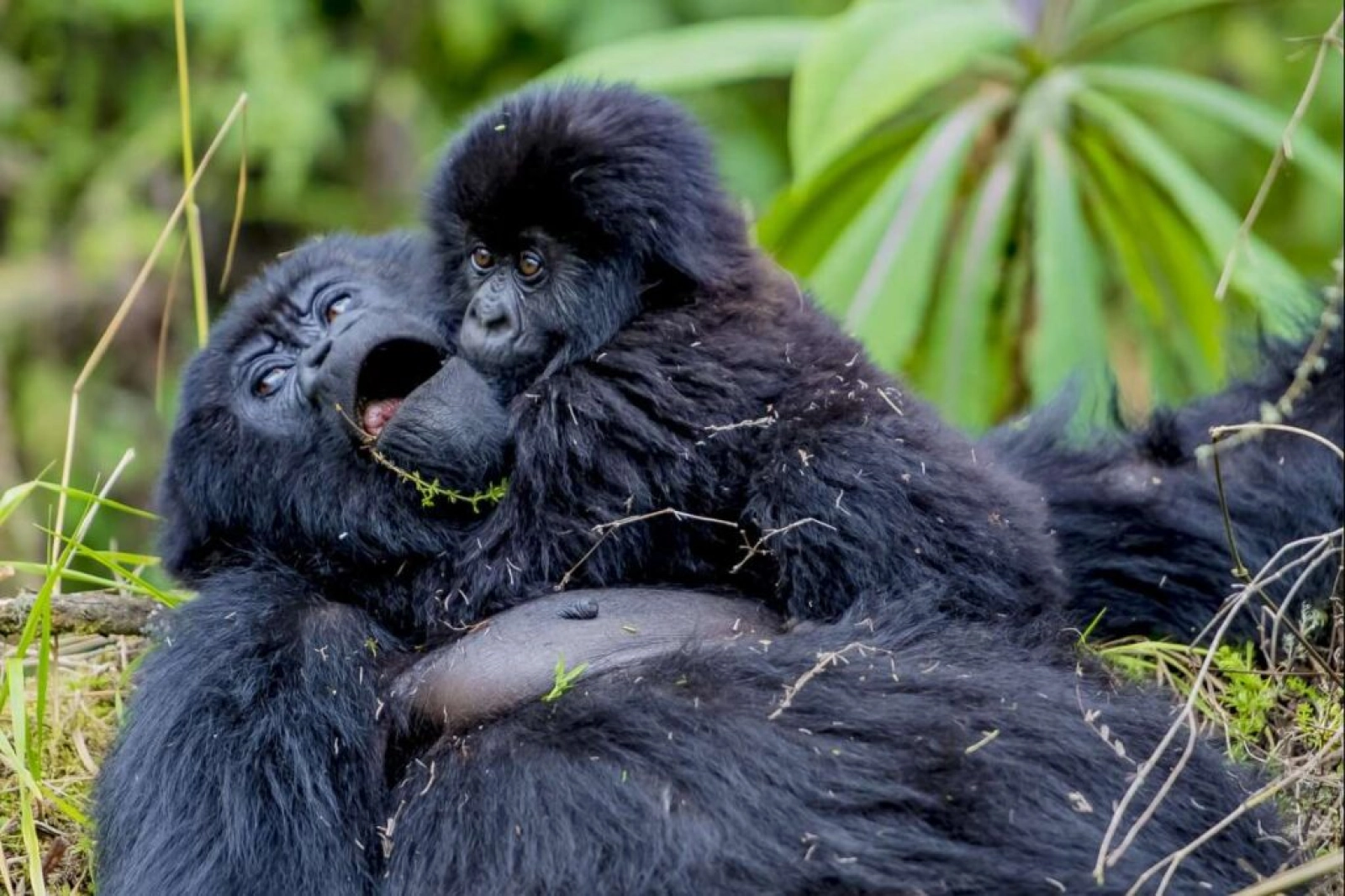
The relatively drier periods are generally popular because trails may be easier, but even those months can receive rain. Bwindi is a tropical mountain forest. Rain is part of the ecosystem. Travellers should therefore choose their best time for gorilla trekking in Uganda based on a combination of trekking comfort, permit availability, wider itinerary plans and personal travel dates.
June through August and around December through February are commonly popular periods. March to May and parts of the later-year rainy period can provide wetter conditions but may appeal to travellers seeking a quieter atmosphere. No month removes the need for proper boots and rain protection.
Chimpanzee trekking in Uganda can also be undertaken throughout the year. Kibale National Park is the country’s best-known chimpanzee destination, while other locations can be incorporated depending on itinerary design. Chimpanzees are highly mobile. Weather, fruiting patterns and forest conditions influence the experience. A chimp trek is therefore not simply a smaller version of gorilla trekking. The animals can move quickly, vocalise dramatically and travel through the canopy. Combining both great apes produces one of Africa’s finest primate journeys.
There is no single best month because different stages appeal to different travellers. January through March can be attractive for southern Serengeti landscapes and the calving period. The following months involve movement through central and western/northwestern parts of the ecosystem. The broader July-to-October period attracts travellers hoping for northern Serengeti and Masai Mara migration experiences, including possible river crossings.
Later in the year, movement generally turns south again. The key word is generally. Rainfall drives the system. Always build flexibility into a Great Migration safari itinerary.
Botswana is particularly interesting because the Okavango Delta’s flood cycle is not simply a direct reflection of local rainfall. Water originating in the Angolan highlands moves gradually into the delta, creating a seasonal pattern that can seem counterintuitive to first-time visitors. The dry-season months are highly popular because wildlife can concentrate around water and delta channels. However, Botswana’s green season offers excellent birding, beautiful landscapes and different wildlife dynamics.
Again, “best” depends on what you want.
South Africa requires destination-specific planning. The Greater Kruger region is commonly associated with excellent dry-season wildlife viewing during the southern winter months, when vegetation can thin and animals depend more strongly on permanent water.
Cape Town follows a very different climatic rhythm. Its summer months are generally warmer and drier, making them popular for beaches, the Cape Peninsula and outdoor activities. A traveller combining Kruger and Cape Town therefore needs to decide which component of the trip deserves seasonal priority. There is no month that optimises every South African experience simultaneously.
A safari and beach holiday in Africa introduces another layer of seasonal planning. Tanzania’s northern circuit can be combined with Zanzibar. Kenya safari destinations can be combined with Diani, Watamu or Lamu. Southern African safaris can be paired with Mozambique, Mauritius or Seychelles depending on route and budget. The best wildlife month is not automatically the best beach month. Wind, rainfall, humidity and sea conditions should all be considered. This is why a complete itinerary needs to be planned as one journey rather than as separate safari and beach reservations.
Travellers wanting mountain gorillas and classic savannah safari can combine Uganda and Tanzania throughout much of the year. June through September is particularly popular because relatively dry conditions align well across many of the major destinations. However, January and February can be outstanding for travellers who want Uganda gorillas followed by the southern Serengeti calving period. This is an excellent example of how safari timing should follow specific wildlife goals rather than conventional peak-season labels.
Uganda and Kenya also combine naturally. July through September can work particularly well for travellers interested in dry-season gorilla trekking and the wider Masai Mara migration period. Yet Kenya remains an excellent wildlife destination outside the migration months. If gorillas are the primary objective, the itinerary can be timed around Uganda first and Kenya selected according to the best complementary experience.
Birders often view safari seasons differently from travellers focused only on mammals. Rain can stimulate breeding behaviour, insect activity and plant growth. Migratory species may increase diversity during particular periods.
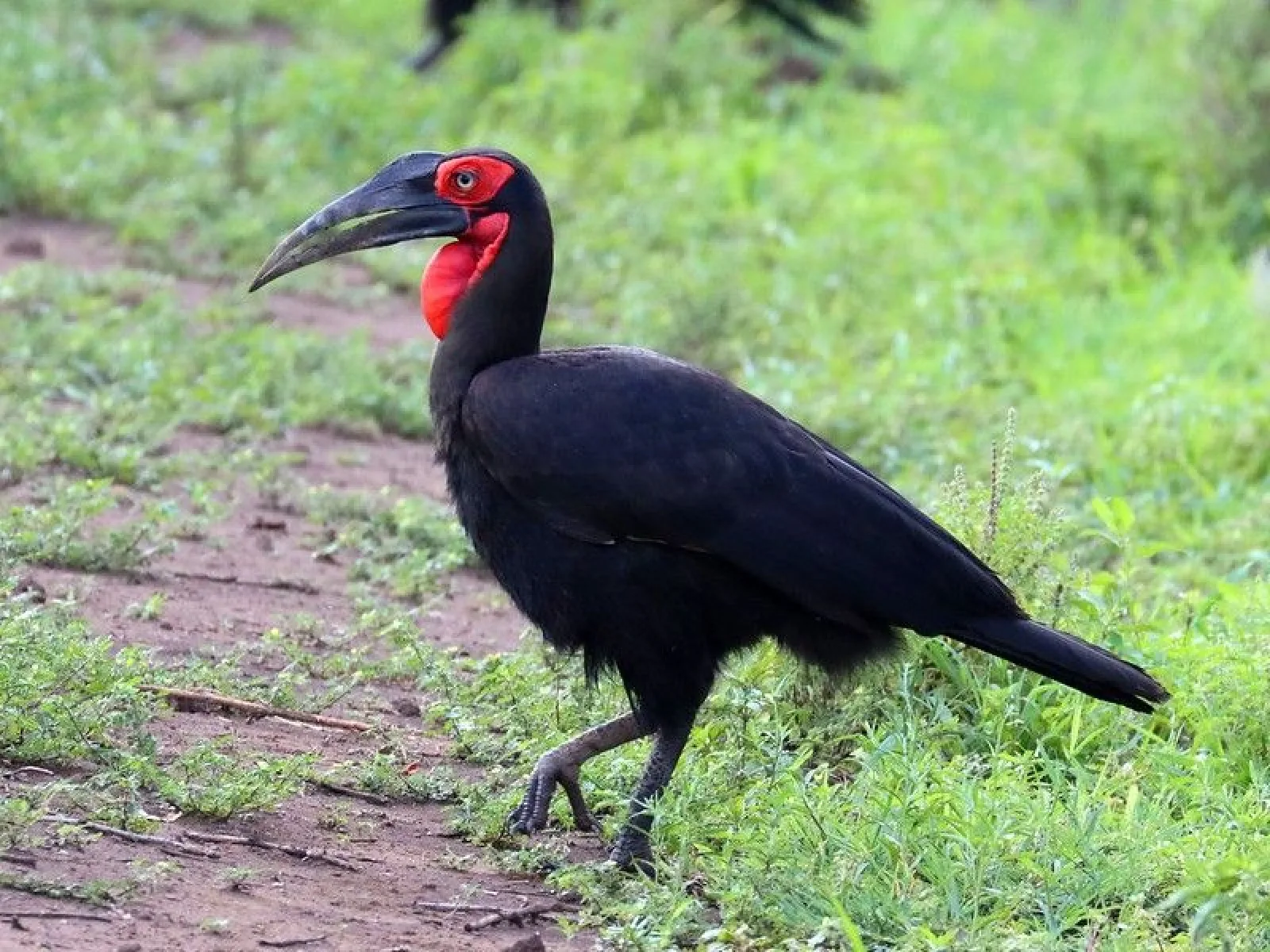
Uganda is particularly valuable because it combines numerous habitats within a relatively compact country. Wetlands around Lake Victoria, savannah parks, Albertine Rift forests and mountain environments create exceptional variety. A specialist Uganda birdwatching tour can therefore be rewarding in seasons that conventional safari marketing sometimes labels less desirable.
Photographers should think about light and landscape as well as wildlife density. Dry seasons may provide easier visibility but can produce dust and harsh midday light. Green seasons offer saturated colour, storm clouds and cleaner backgrounds but can make animals harder to see through vegetation. Neither is universally superior. A first-time visitor wanting straightforward wildlife photography may favour dry conditions. An experienced photographer who already has classic lion portraits may
The least expensive period varies by country and property. Shoulder and green-season rates can sometimes reduce accommodation costs substantially. But price should never be evaluated in isolation. A cheaper lodge that requires expensive additional transport may not reduce the total trip cost. Likewise, a low-season itinerary that becomes operationally difficult because of weather may not represent good value. Ask for the total safari cost, not merely the nightly accommodation rate.
The most important lesson from this calendar is that every month offers somewhere compelling.
January and February can be outstanding for Tanzania’s southern Serengeti ecosystem and Uganda gorillas. March through May reward flexible green-season travellers. June marks the beginning of a broad high-quality safari period across much of East and southern Africa. July through September are major peak wildlife months. October is an important transition. November brings green-season renewal in many areas, while December combines holiday travel with renewed migration interest in Tanzania and year-round primate opportunities in Uganda.
Instead of searching for the one “perfect” month, identify the month available to you and then choose the destination that performs best for your priorities. That is a much more effective way to plan Africa.
There is no single best month for the entire continent. July through September are popular for many East and southern African destinations, while January and February can be exceptional for Tanzania’s calving season and Uganda gorilla trekking. Green-season months can offer excellent birding, photography and lower visitor density.
Mountain gorilla trekking operates throughout the year in Uganda and Rwanda. Relatively drier months are popular because trekking conditions can be easier, but rain remains possible at any time.
The Great Migration occurs throughout the year. The best month depends on whether you want calving in the southern Serengeti, movement through western and northern Tanzania or the broader river-crossing period around northern Serengeti and the Masai Mara.
No. River crossings are natural events and cannot be guaranteed for a particular day or time.
No. It provides a different safari experience. Green landscapes, dramatic skies, birding and lower visitor numbers can be major advantages, although roads and wildlife visibility may be more challenging in some destinations.
Yes. A Uganda gorilla and Tanzania safari or Uganda gorilla and Kenya safari is one of East Africa’s finest combinations.
Yes. December can be excellent, but Christmas and New Year demand means early booking is advisable.
At Adventure in the Wild Safaris, we recommend beginning safari planning with your priorities rather than a predetermined country. Tell us when you can travel. Tell us whether you want mountain gorillas, chimpanzees, the Great Migration, Big Five wildlife, birding, photography, beaches or a combination. From there, the route can be matched to the season.
A January traveller may be directed toward Uganda and the southern Serengeti. An August traveller may combine Bwindi with the Masai Mara or northern Tanzania. A November photographer may
Africa does not have one safari season. It has hundreds of overlapping natural rhythms. Rain falls in one region while another becomes dry. Wildebeest move north and then south. The Okavango floods long after rainfall has fallen far away. Gorillas move through mountain forests regardless of the month printed on a traveller’s ticket. Birds arrive. Grass grows. Waterholes shrink. Predators follow prey. The best month-by-month safari calendar therefore does not tell every traveller to arrive in August. It helps each traveller understand what Africa is doing during the month they can travel.
Choose the wildlife experience. Choose the landscape. Choose the level of comfort and crowding you prefer. Then choose the destination. When those decisions are aligned, there is almost always somewhere in Africa where the safari season is exactly the one you were looking for.

Share This Article
Understanding tipping in Zambia is particularly useful for safari travellers because Zambia is famous for highly personalised wilderness…
Read article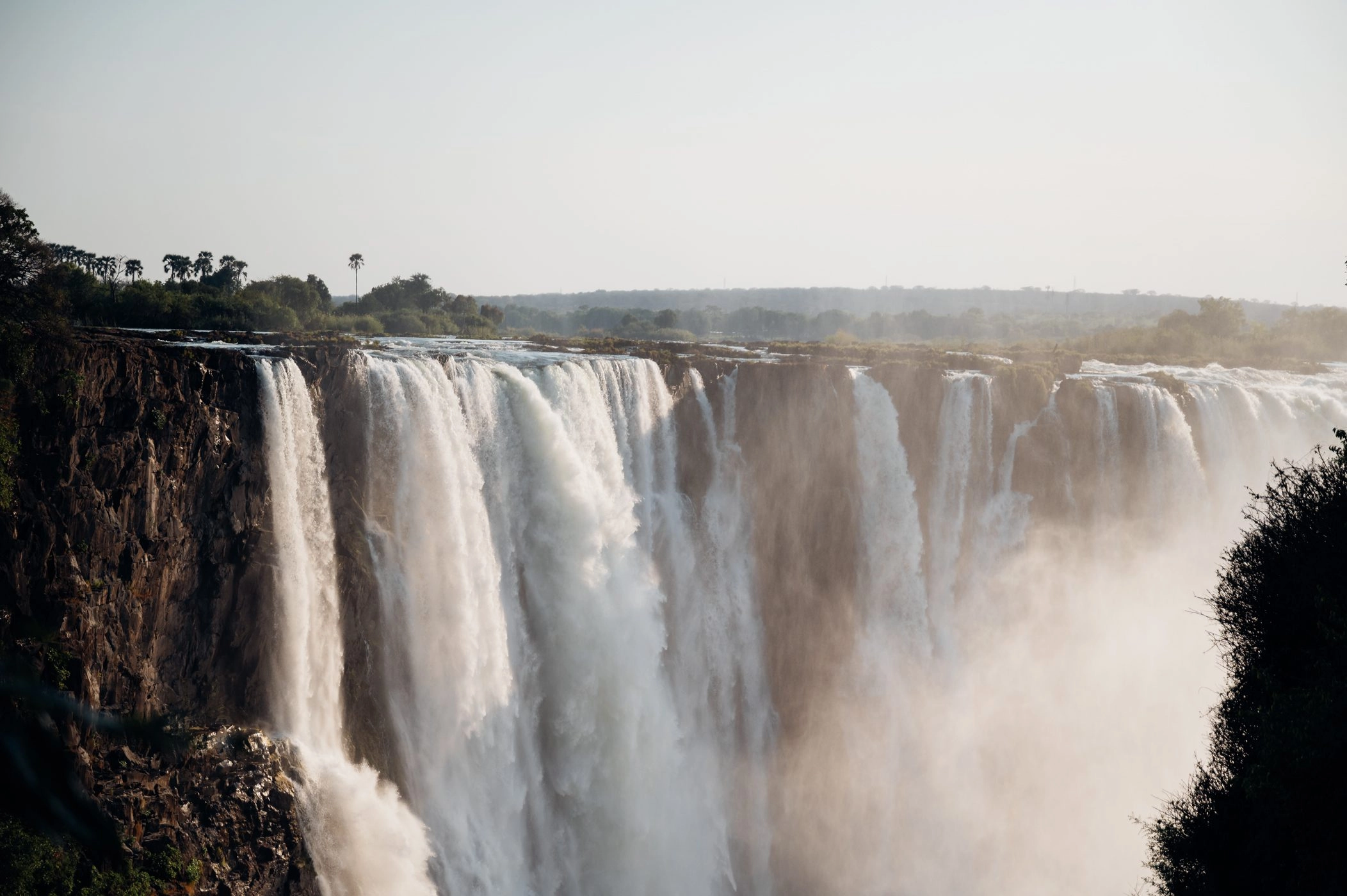
Understanding tipping in Zimbabwe is particularly important for safari travellers because the country has one of southern Africa's…
Read article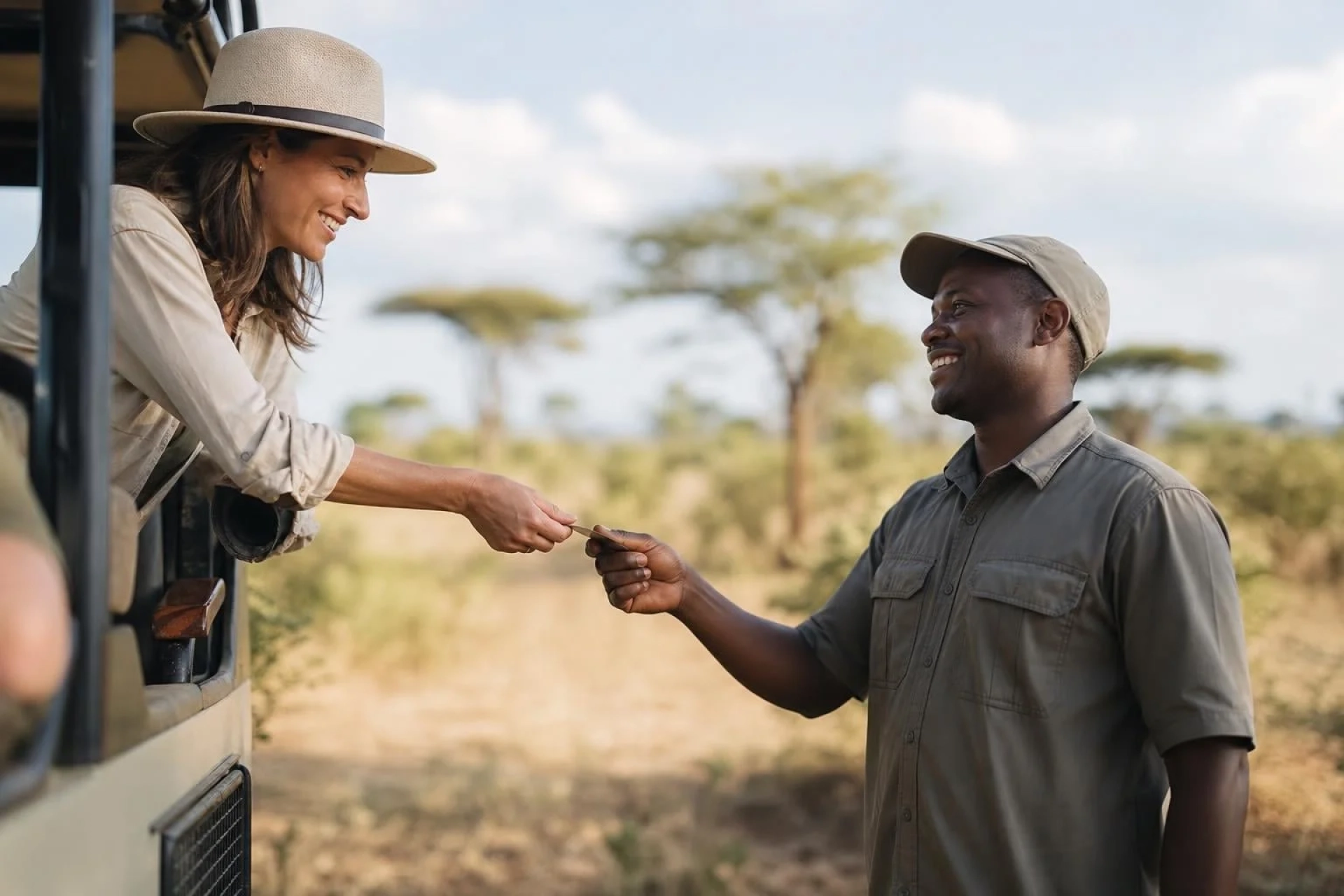
Tipping in Namibia differs subtly from tipping in many other major African safari destinations because a significant proportion…
Read article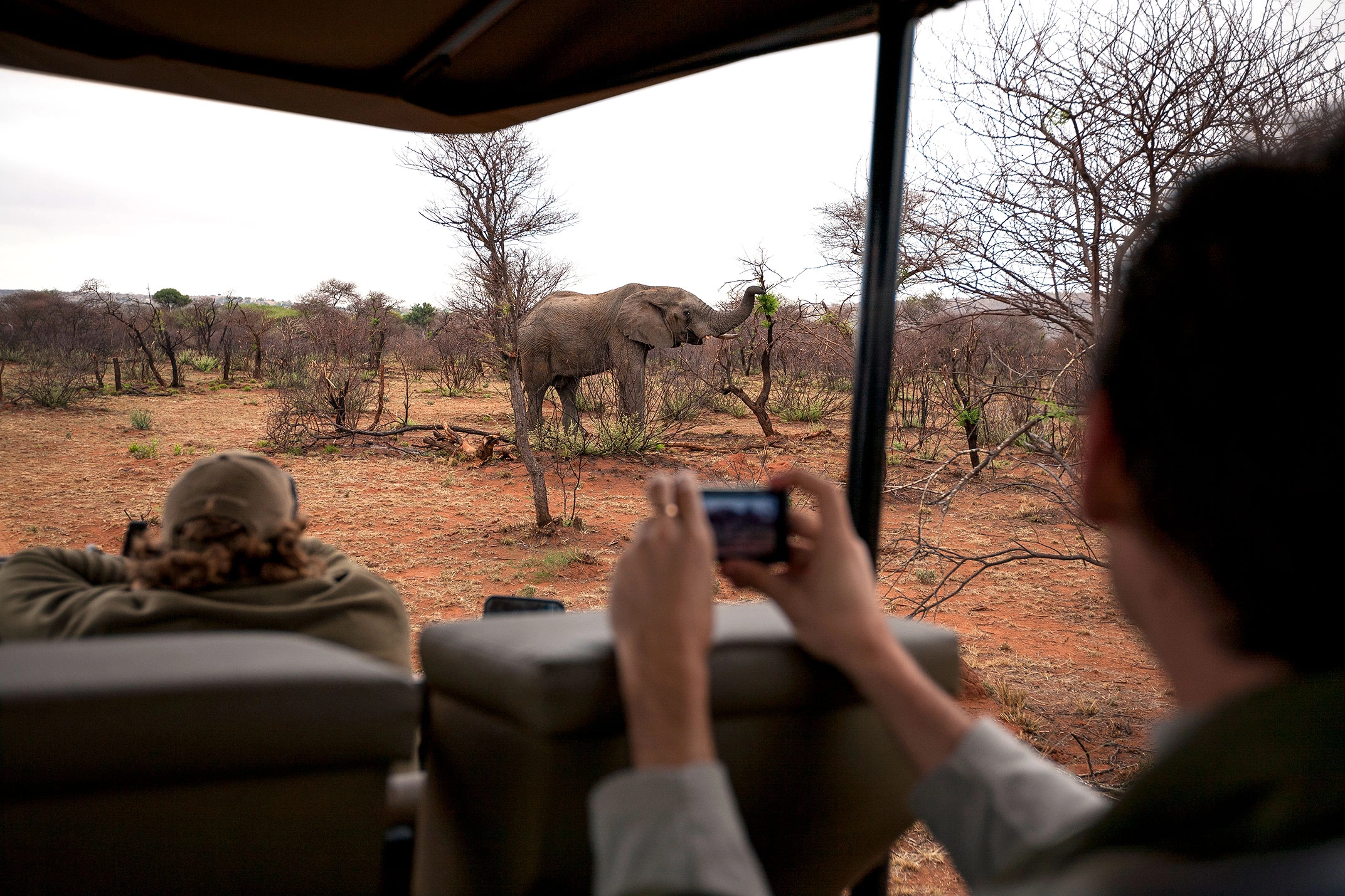
Tipping in Botswana is relatively easy once travellers understand how the country's safari industry operates. Unlike many East…
Read articleLet us take you closer to the wildlife, people and places that make Africa extraordinary.
Plan Your Safari Today