Tipping in Zambia: Complete Safari, Walking Safari & Travel Tipping Guide
Understanding tipping in Zambia is particularly useful for safari travellers because Zambia is famous for highly personalised wilderness…
Read article

Travel Guide
An African safari is no longer defined only by sitting inside a vehicle and searching for lions. Modern safari itineraries can combine game drives, gorilla trekking, chimpanzee tracking, walking safaris, boat cruises, mokoro excursions, birding, hot-air…
An African safari is no longer defined only by sitting inside a vehicle and searching for lions. Modern safari itineraries can combine game drives, gorilla trekking, chimpanzee tracking, walking safaris, boat cruises, mokoro excursions, birding, hot-air balloon flights, horseback safaris, night drives, mountain hiking, cultural experiences and photographic safaris. The variety is one reason Africa works so well for travellers with very different interests.
A couple can travel together while choosing different activities on the same day. One traveller may go gorilla trekking while another takes a guided forest walk. A family can combine short game drives with boat trips. Photographers can prioritise private vehicles and longer wildlife observations. Active travellers can add mountains and walking safaris. The challenge is deciding which African safari activities genuinely improve the itinerary. Trying to do everything can make a safari exhausting and unnecessarily expensive.
This detailed FAQ explains the major activities available across Uganda, Rwanda, Kenya, Tanzania, Botswana, South Africa and other African safari destinations, what they involve, who they suit and how they can be combined.
A game drive is the classic safari activity. Travellers explore a national park, reserve or conservancy in a safari vehicle while a professional guide searches for wildlife. Game drives can take place in the morning, afternoon or, where regulations permit, at night. The guide does far more than drive. They interpret tracks, animal calls, habitat and behaviour. A skilled guide can recognise when antelope are staring toward a hidden predator or when birds are reacting to a snake or mammal. This interpretation turns wildlife viewing into ecological understanding.
The answer depends on destination. East African savannah areas can produce lions, elephants, giraffes, buffaloes, zebras, cheetahs, leopards, hyenas and numerous antelopes. Botswana can add large elephant concentrations, African wild dogs and wetland wildlife. South African reserves provide strong Big Five possibilities. Uganda’s Queen Elizabeth and Murchison Falls national parks combine savannah mammals with extensive birdlife. No specific animal is guaranteed.
Morning game drives generally begin around sunrise or earlier where local regulations permit. Temperatures are cooler. Predators may still be active after the night. Light is often excellent for photography. Herbivores begin feeding. The atmosphere alone makes early drives worthwhile. The disadvantage is obvious: you must wake early. On safari, that becomes normal remarkably quickly.
Afternoon drives normally begin after the hottest part of the day and continue toward sunset. Wildlife becomes more active as temperatures fall. Photographic light becomes warmer. Predators may begin preparing for nighttime activity. A safari combining morning and afternoon drives allows travellers to experience changing animal behaviour throughout the day.
A full-day drive remains in the wildlife area for most of the day. Lunch may be carried as a picnic. This works particularly well in large ecosystems where returning to the lodge would consume valuable time. Full-day drives can be productive for photographers and migration-focused safaris. They can also become tiring. Not every safari day needs to last ten hours.
A night game drive explores wildlife after darkness using controlled spotlighting and specialist guiding. Nocturnal species that are difficult to see during the day may become active. Depending on destination, travellers might encounter genets, civets, bushbabies, hyenas, porcupines, owls or predators hunting. Night drives are not permitted everywhere. Activity rules vary between national parks, private reserves and community conservancies. Always follow local regulations.
Private drives provide flexibility. You can remain longer with a particular animal. Photographers can position themselves more carefully. Families can adapt timing around children. Birders can stop repeatedly for small species without worrying about other guests. Shared drives cost less and can be highly enjoyable. The better option depends on budget and interests.
Gorilla trekking involves hiking through mountain forest with professional guides and trackers to locate a habituated mountain gorilla family. The best-known destinations are Bwindi Impenetrable National Park and Mgahinga Gorilla National Park in Uganda and Volcanoes National Park in Rwanda. The experience is completely different from a vehicle safari. You enter the forest on foot.
Terrain can be steep. Vegetation can be dense. Conditions may be muddy. The reward is an extraordinary period observing one of humanity’s closest living relatives at close range under regulated conditions.
It can be. Difficulty depends on gorilla location, terrain, weather and personal fitness. Some groups may be reached relatively quickly. Others require several hours. Prepare through regular walking before the trip. Wear suitable footwear. Carry water. Use a porter where available. The trek is part of the experience rather than merely an obstacle before the gorillas.
Many do. Age alone does not determine ability. Fitness, balance, mobility and medical conditions matter more. Travellers with concerns should discuss them with their operator before booking. Porters can provide valuable support. A walking pole can help on steep or slippery terrain.
Gorilla trekking is subject to minimum-age rules established by the relevant wildlife authorities. Families should confirm current requirements before planning. For younger children, alternative activities can sometimes be organised while adults trek. This is particularly important when designing a family Uganda or Rwanda safari.
Wear long trousers, a long-sleeved shirt, good walking footwear and a lightweight waterproof layer.
Gardening-style gloves can help when using vegetation for balance. Gaiters can be useful in muddy conditions. Neutral practical clothing is preferable. The forest can be cool in the morning and humid once walking begins.
Chimpanzee trekking involves entering forest habitat with trained guides to locate habituated chimpanzee communities. Uganda’s Kibale National Park is one of Africa’s best-known chimpanzee destinations. The experience differs dramatically from gorillas. Chimpanzees can move quickly. They climb high into trees. Their vocalisations travel through the forest. A quiet forest can suddenly erupt with calls. This creates a highly dynamic primate experience.
Gorillas often spend considerable periods on or near the ground and can appear comparatively calm. Chimpanzees are generally faster and more mobile. Gorilla trekking frequently feels intimate and contemplative. Chimpanzee trekking can feel energetic and unpredictable. Neither is better. Travellers interested in primates should consider doing both.
Yes. Uganda is particularly strong for this combination. Kibale National Park can be followed by Queen Elizabeth National Park and then Bwindi Impenetrable National Park. The route combines chimpanzees, savannah wildlife and mountain gorillas within one country. This is one of Africa’s most diverse primate-and-wildlife circuits.
A boat safari explores wildlife from the water. This changes the viewing angle completely. Hippos become a central feature. Crocodiles can be observed along shorelines. Elephants, buffaloes and antelopes may approach the water. Birdlife can be exceptional. Boat safaris also provide relief from long hours inside a vehicle.
Uganda has several excellent boat-safari destinations. The Kazinga Channel in Queen Elizabeth National Park is particularly famous for hippos, buffaloes, elephants and waterbirds. Murchison Falls National Park offers boat trips on the Nile, including journeys toward the base of the falls. Lake Mburo also provides boat-based wildlife viewing. These experiences make Uganda especially strong for travellers who want activity variety.
The Kazinga Channel links Lakes George and Edward. Boat excursions travel along a wildlife-rich section of the channel. Large numbers of hippos are often visible. Buffaloes rest near the shoreline. Elephants may approach the water. Fish eagles and numerous other birds occupy the banks. Because animals frequently tolerate boats differently from vehicles, photography can be excellent.
The Nile flows through Murchison Falls National Park before forcing itself through the dramatic gorge associated with the falls. Boat trips explore the river below the falls. Travellers can see hippos, crocodiles, waterbirds and mammals along the riverbanks. The activity complements game drives on the park’s savannah areas.
A mokoro safari is one of Botswana’s signature experiences. A mokoro is a traditional-style narrow canoe used in the Okavango Delta. Modern tourism operations often use durable alternatives to traditional wooden craft. A trained poler guides the mokoro through shallow channels. The experience is quiet. Instead of covering enormous distances, travellers focus on reeds, frogs, birds, aquatic plants and the atmosphere of the Delta.
Activities are managed according to local conditions and professional judgement. The Okavango is genuine wildlife habitat. Hippos, elephants and other animals occur within the ecosystem. Guides assess routes and conditions. Guests must follow instructions. The objective is not to approach dangerous animals closely. It is to experience the wetland environment quietly and responsibly.
A motorboat covers greater distances. It can reach broader channels and search larger areas. A mokoro is slower and more intimate. The two experiences complement each other. Travellers spending several nights in the Okavango Delta can benefit from both.
A walking safari explores the African wilderness on foot with qualified guides. Walking changes perception. Inside a vehicle, travellers naturally focus on large animals. On foot, tracks, dung, plants, insects, sounds and wind direction suddenly become important. A guide may explain how to identify a predator track, how termites shape ecosystems or how plants have been used traditionally. The landscape becomes more detailed.
Walking opportunities exist in several African countries. Zambia is particularly famous for walking safari traditions. South Africa, Zimbabwe, Botswana, Uganda, Kenya and Tanzania also offer walking experiences in appropriate locations. Rules and minimum ages vary. Some walks focus primarily on nature interpretation rather than approaching large mammals.
Walking in genuine wildlife habitat carries inherent risk. This is why activities are controlled and led by trained professionals according to local regulations. Guests must follow instructions immediately. Do not wander away from the group. Do not run unless specifically instructed. Remain quiet when requested. Professional guiding reduces risk; it does not turn wild animals into predictable attractions.
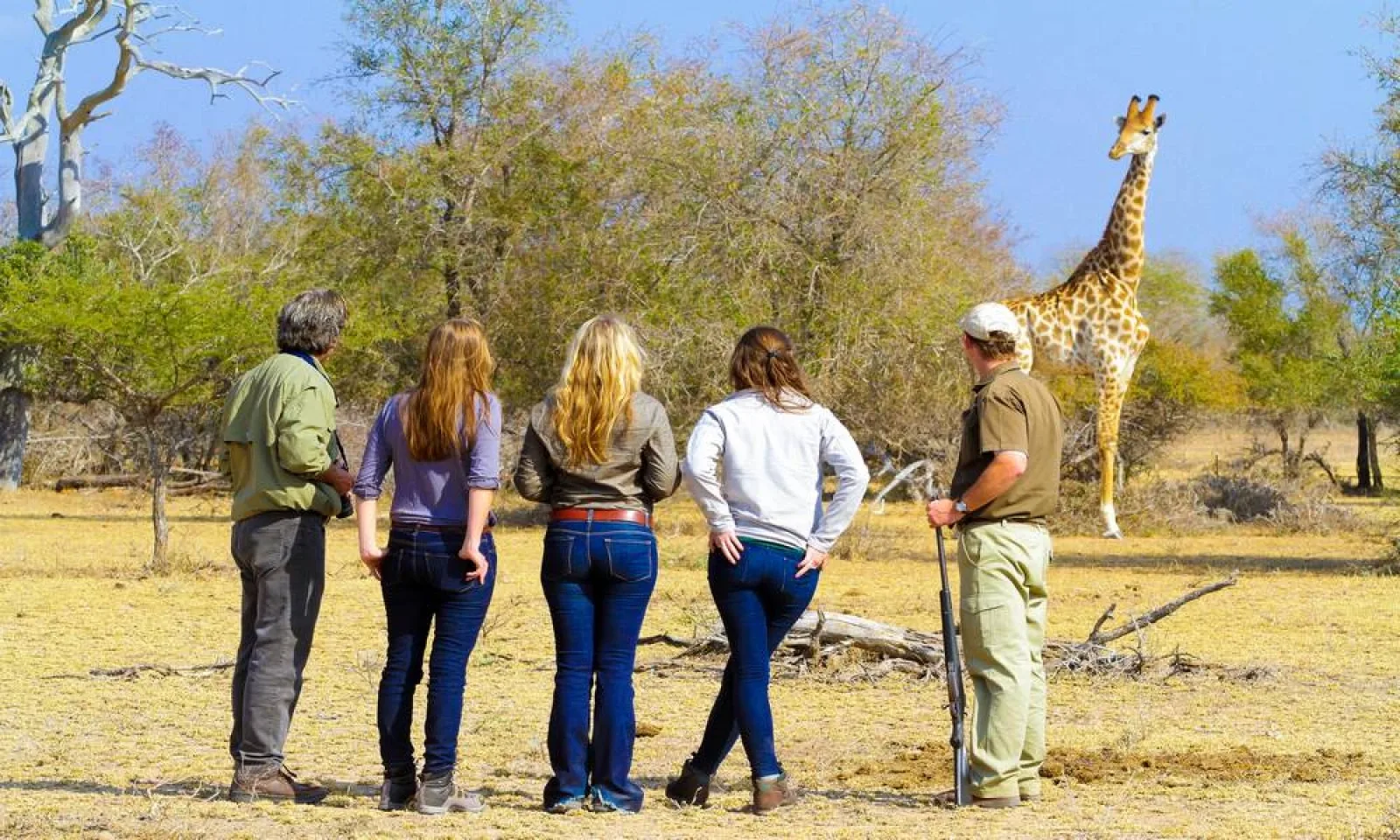
Some conservation areas offer guided walking experiences focused on rhinoceroses. These activities are highly controlled. The objective is to observe rhinos responsibly while learning about conservation and tracking. They should never be confused with approaching a wild rhinoceros independently.
A birding safari in Africa is designed around bird identification, habitats and specialist guiding. Africa offers extraordinary avian diversity. Uganda is particularly attractive because forest, wetland, savannah and montane habitats occur within relatively compact distances. Birding can also be incorporated into ordinary wildlife safaris. You do not need to be an expert. A good guide can transform a casual interest into one of the trip’s most rewarding dimensions.
Uganda lies at the meeting point of several ecological regions. Albertine Rift forests, wetlands, savannahs, lakes and tropical forests create substantial diversity. Specialist travellers may search for species associated with the Albertine Rift as well as iconic wetland birds such as the shoebill. Combining birding with gorillas and chimpanzees creates an exceptionally rich nature itinerary.
Uganda is one of the best-known destinations for shoebill watching. Wetland excursions near Entebbe are often incorporated into arrival or departure days. Other wetland areas can also provide possibilities. Sightings are never guaranteed. The experience often involves boat exploration through papyrus habitat.
A hot-air balloon safari provides an aerial view of wildlife landscapes around sunrise. The experience is particularly famous in the Serengeti and Masai Mara. From the air, travellers appreciate the scale of plains, rivers and animal movements in a way that ground vehicles cannot replicate. Ballooning is relatively expensive. It should be treated as an optional enhancement rather than an essential requirement for a successful safari.
For many travellers, yes. For others, the same money might be better spent on another safari night. The decision depends on budget. Honeymooners and travellers celebrating major occasions may value the uniqueness. Dedicated wildlife photographers may prefer additional private game-drive time. Neither choice is wrong.
A horseback safari allows experienced or appropriately matched riders to explore wildlife areas from horseback. Animals can sometimes respond differently to horses than vehicles. The experience is active and immersive. Lake Mburo National Park in Uganda is one location where horseback safari activities are associated with the wider tourism area. Riding requirements vary. Tell the operator your genuine experience level. Do not exaggerate riding ability.
Some operators offer experiences suitable for less experienced riders. Others require strong riding ability. The terrain and wildlife context matter. Always disclose your experience accurately. Safety depends partly on matching the correct horse and route to the rider.
Cycling activities exist in selected African destinations. They are not appropriate everywhere because of dangerous wildlife. Where permitted, cycling can provide a refreshing break from vehicle travel. Hell’s Gate in Kenya is particularly known for active experiences within its distinctive landscape. Guided community cycling can also be incorporated into some East African itineraries.
Cultural experiences can include community visits, traditional performances, food experiences, craft workshops, historical interpretation and guided village activities. Quality varies enormously. Responsible cultural tourism should involve local participation and meaningful economic benefit. People should never be treated as exhibits. The strongest experiences are based on genuine exchange rather than staged intrusion.
They can be when designed responsibly. Ask who manages the experience. Does the community receive meaningful financial benefit? Are photographs handled respectfully? Can residents decline participation? Is the visit structured around learning rather than spectacle? Responsible safari companies should evaluate these questions before including cultural activities.
Coffee tours can be excellent cultural and agricultural activities in East Africa. Travellers may learn how coffee is grown, harvested, processed and prepared. These experiences work particularly well between wildlife destinations because they reveal the human landscapes through which safari vehicles travel. Rwanda and Uganda both have strong coffee traditions.
A community walk generally involves a local guide introducing travellers to livelihoods, agriculture, markets, crafts or community initiatives. The best walks are small-scale and conversational. They provide context that game drives cannot. Safari destinations are not empty wilderness islands. Communities live around protected areas and are deeply connected to conservation outcomes.
Golden monkey trekking is available in the Virunga region, including Mgahinga Gorilla National Park in Uganda and Volcanoes National Park in Rwanda. Golden monkeys are active, visually distinctive primates associated with montane bamboo habitats. The trek can be an excellent addition to a gorilla safari. Because the experience differs from gorillas, doing both is not repetitive.
Different African destinations provide opportunities to observe colobus monkeys. East Africa contains several colobus species and subspecies associated with forest habitats. Primate-focused travellers can incorporate colobus viewing alongside chimpanzees, gorillas and golden monkeys. This creates a much broader understanding of African primate diversity.
A guided forest walk focuses on ecology rather than one flagship animal. Travellers may learn about trees, butterflies, birds, monkeys, medicinal plants and forest structure. Forest walks are useful for companions who are not participating in gorilla trekking. They also work well as lower-intensity activities between demanding trekking days.
Canopy walks use elevated walkways or bridges to provide a different perspective on forest habitat.
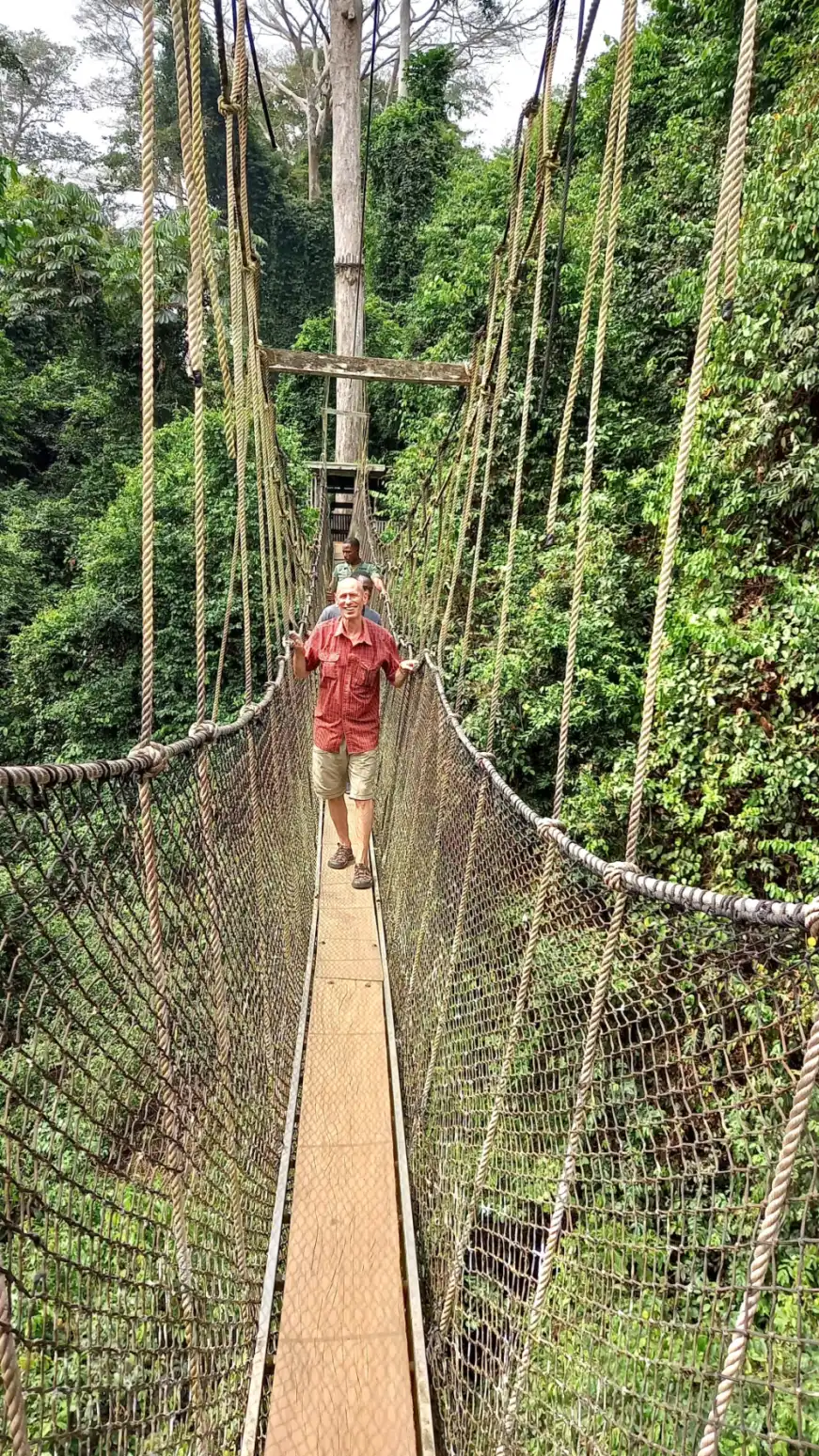
They can be particularly valuable for birding and appreciating forest structure. Availability is destination-specific. Travellers uncomfortable with heights should check the design before booking.
East Africa provides substantial opportunities to combine wildlife with mountain hiking. Uganda offers the Rwenzori Mountains and Virunga volcanoes. Rwanda provides volcanic hiking opportunities. Tanzania contains Mount Kilimanjaro and Mount Meru. Kenya offers Mount Kenya. These activities range from day hikes to serious multi-day expeditions. They should not be casually inserted into ordinary safari itineraries without adequate preparation.
Mount Gahinga is one of the Virunga volcanoes accessible from the Uganda side through Mgahinga Gorilla National Park. A climb can complement gorilla or golden-monkey activities. Conditions can be steep and wet. Reasonable fitness is required. Travellers should allow adequate time rather than scheduling a strenuous climb immediately around exhausting international travel.
A nature walk might last two hours. A mountain climb can occupy an entire day. A multi-day expedition is another category entirely. When an itinerary says “hike,” ask what that actually means. Distance, elevation gain, terrain and expected duration matter more than the activity name.
A photographic safari prioritises conditions for wildlife photography. Vehicle occupancy is often lower. Guides may position vehicles according to light direction. Guests may remain at one sighting much longer than ordinary tourists. Departure times can be earlier. Specialist vehicles may offer camera supports. A photographic safari is not simply an ordinary safari where everyone owns a camera.
Not always. Casual photographers can perform very well on shared safaris. Serious photographers benefit from fewer people per vehicle because positioning becomes easier. If photography is a major reason for travel, tell the operator before booking. The vehicle arrangement matters.
A fly-in safari connects wildlife areas using light aircraft. Although transport rather than an activity in itself, flying can become part of the experience because travellers see African landscapes from the air. Fly-in safaris are particularly common in Botswana. They also occur in Kenya, Tanzania and other destinations. The main advantages are time and access. The main disadvantages are price and luggage limitations.
Scenic flights are designed primarily for aerial viewing rather than transportation. They can operate around major landscapes such as Victoria Falls or remote wilderness regions. Helicopter and fixed-wing options may be available. They are generally premium optional activities.
Victoria Falls supports a broad range of experiences. Visitors can explore viewpoints around the falls, take scenic flights, enjoy river-based activities and combine the destination with nearby wildlife safaris. Activity availability and seasonal suitability vary. Victoria Falls works particularly well with Chobe National Park in Botswana.
The Chobe River provides one of southern Africa’s great boat-safari environments. Elephants are a major attraction. Hippos, crocodiles, buffaloes and numerous birds can also be encountered. Combining a morning game drive with an afternoon boat trip reveals the ecosystem from two completely different perspectives.
The Delta can provide mokoro excursions, motorboat safaris, game drives, birding, walking and scenic flights depending on camp location, water conditions and concession rules. Not every camp offers every activity. Some areas are strongly water-based. Others provide excellent vehicle access. Choose the camp according to the experience you want.
Fishing is available in selected destinations under local regulations. Some rivers and lakes support sport-fishing activities. Permits, seasons and catch rules may apply. Fishing should be organised through legitimate operators rather than attempted independently in protected areas.
Only where accommodation explicitly confirms it is safe. Never enter natural rivers or lakes simply because the water appears calm. Hippos, crocodiles, currents and waterborne health risks can make seemingly attractive water dangerous. Lodge swimming pools are a completely different matter. Always ask.
Canoeing is available in certain destinations. The activity can range from calm-water paddling to serious river expeditions. Wildlife conditions matter. Professional guiding is essential where large animals occur. Do not assume a canoe activity is equivalent to recreational paddling on a city lake.
A sundowner is the safari tradition of stopping at a suitable location near sunset for drinks and snacks. The experience is less about alcohol than atmosphere. Watching the African sky change colour after a game drive can become one of the trip’s quietest highlights. Availability depends on park and reserve regulations.
A bush breakfast is served at a designated outdoor location during or after a morning wildlife activity. Luxury camps often use such meals to create a sense of occasion. They are enjoyable but not necessary for a successful safari. Budget travellers should not feel they are missing the core experience if meals remain at the lodge.
A bush dinner moves the evening meal into an outdoor wilderness setting where operationally safe and permitted. Lanterns, fires and the surrounding sounds create atmosphere. This is especially popular on honeymoons and luxury safaris. Again, it is an enhancement rather than the essence of safari.
Families benefit from variety.

Shorter game drives can be combined with boat trips, swimming time and appropriate nature activities. Long transfers should be reduced. Activity age limits must be checked. A safari designed for adults should not simply be reused for young children.
Private game drives, scenic flights, balloon safaris, boat cruises, sundowners and selected luxury dining experiences can work beautifully. However, honeymoon planning should still preserve wildlife time. Do not fill every evening with elaborate extras until the itinerary becomes exhausting. Privacy and pacing often matter more than the number of “romantic” activities.
Game drives and boat safaris are generally accessible to many older travellers. Walking and trekking should be matched to mobility. Private vehicles can allow greater flexibility. Accommodation with fewer stairs and shorter walking distances can make a significant difference. Discuss needs before confirming the safari.
Gorilla trekking, chimpanzee tracking, mountain hiking, walking safaris, horseback riding and selected canoeing experiences create a highly active safari. Adventure travellers should still build recovery time into the itinerary. Three strenuous trekking days in succession can reduce enjoyment.
Private or low-occupancy game drives are particularly valuable. Boat safaris provide low-angle wildlife photography. Mokoro excursions create intimate environmental images. Gorilla and chimpanzee trekking require different camera strategies. Birding guides can help photographers locate specialised species. The itinerary should be designed around light and time rather than simply the number of parks.
Often, yes. This is particularly useful for couples and families with different interests. One traveller might go horseback riding while another takes a walking safari. One person may have a gorilla permit while another joins a forest walk. Private itineraries provide the greatest flexibility for arranging parallel activities. Discuss this before booking because transport logistics need coordination.
Usually one major morning activity and one afternoon activity are enough. Some experiences, such as gorilla trekking or a mountain climb, should occupy the day. Do not overschedule. Safari becomes more enjoyable when there is time to rest, shower, enjoy the lodge and process what you have seen.
Absolutely. Rest is not wasted safari time. Early mornings accumulate. Long drives create fatigue. A free afternoon can make the next day’s wildlife experience far more enjoyable. Luxury safari design increasingly recognises the importance of pacing. Budget itineraries should do the same.
For capacity-limited activities, yes. Gorilla permits, chimpanzee permits, balloon flights and specialist experiences can have limited availability. Ordinary lodge activities may sometimes be arranged locally, but advance booking provides certainty. If an activity is a major reason for travel, do not leave it to chance.
Some are. Some are optional. A standard itinerary might include game drives and a boat safari while excluding ballooning. Luxury lodge rates may include scheduled activities. Other properties charge separately. Read the inclusion section carefully.
Specialist activities can involve permits, highly trained guides, limited group sizes, specialised equipment or aviation costs. A gorilla permit supports regulated access and conservation systems. A balloon safari requires aircraft equipment and specialist crew. A private photographic vehicle removes seats that could otherwise be sold to additional guests. Understanding the cost structure helps travellers decide which activities are worth prioritising.
Start with three categories. First, identify the experiences you would regret missing. Second, identify activities that sound interesting but are optional. Third, identify activities you have little interest in. Build the safari around the first category. Add the second only when time and budget permit. Ignore the third even if travel marketing calls it “unmissable.” This creates a much more personal itinerary.
A strong first safari usually combines several activity types. For example, an Uganda safari might include chimpanzee trekking in Kibale, game drives and a Kazinga Channel boat safari in Queen Elizabeth National Park, gorilla trekking in Bwindi and perhaps a walking safari in Lake Mburo. A Kenya itinerary might combine Mara game drives, a Rift Valley experience and Amboseli. A Botswana trip might combine game drives, a Chobe boat safari and Okavango mokoro excursions. Variety prevents safari fatigue.
For many travellers, mountain gorilla trekking is the defining experience. But Uganda’s strength comes from combining it with other activities. Chimpanzee tracking adds another primate experience. Game drives introduce savannah mammals. Boat safaris create water-based viewing. Birding expands the wildlife focus dramatically. The “best” activity depends on the traveller.
Classic game drives in the Masai Mara are among Kenya’s signature experiences. Ballooning can add an aerial perspective. Amboseli offers elephant-focused game viewing. Samburu provides distinctive northern wildlife. Active travellers can incorporate walking or cycling in suitable locations.
Serengeti game drives remain central. Ngorongoro Crater provides a distinctive full-day wildlife experience.

Tarangire is superb for elephants. Balloon safaris can be added in appropriate areas. A Tanzania itinerary can also extend to Kilimanjaro or Zanzibar, creating a wildlife-mountain-beach combination.
The answer is often a combination. Game drives reveal predators and terrestrial wildlife. Mokoro excursions reveal the Delta’s quieter channels. Boat safaris explore deeper waterways. Chobe adds exceptional river-based wildlife viewing. Botswana is at its best when travellers experience both land and water.
Kruger and private-reserve game drives provide classic Big Five experiences. Walking safaris can add depth. Self-driving provides unusual independence. South Africa’s strength is flexibility: travellers can choose between fully guided luxury and relatively independent national-park travel.
Yes. Kenya can combine with the Indian Ocean coast. Tanzania can combine with Zanzibar. Southern African safaris can connect with Indian Ocean islands through regional flights. Beach extensions work particularly well after active safari itineraries because they provide recovery time.
Absolutely. A Kenya and Uganda safari can combine Masai Mara game drives with Bwindi gorillas. A Tanzania-Uganda journey can combine Serengeti and Ngorongoro with gorilla and chimpanzee trekking. A Rwanda safari can combine Akagera game drives with Volcanoes National Park primates. These combinations create some of Africa’s most diverse journeys.
They can be when managed properly. Responsible operators follow park regulations, avoid harassing wildlife, manage waste, employ local people and support conservation systems. Travellers also have responsibilities. Do not pressure guides to drive off-road where prohibited. Do not request dangerously close animal approaches. Do not litter. Do not feed wildlife. Respect photography restrictions. Responsible tourism protects the experiences future travellers hope to enjoy.
Too many vehicles can alter animal behaviour and reduce the quality of the sighting. A responsible guide maintains appropriate distance and avoids trapping wildlife. Photographers should resist the temptation to demand increasingly close positioning. A natural behaviour photograph is often more meaningful than a stressed animal filling the frame.
No. Habituated does not mean domesticated. This applies particularly to primates. Physical distance protects both humans and animals from disease transmission and behavioural disturbance. Follow guide instructions at all times.
Policies vary. Some activities may be delayed, relocated or cancelled for safety. Refund conditions depend on the supplier. Travel insurance can be valuable where weather affects expensive prepaid activities. A flexible itinerary can sometimes allow rescheduling.
For highly important activities, additional itinerary flexibility can be useful. International flights should not connect too tightly with permit-based experiences. Weather and aviation delays can occur. A carefully designed itinerary includes realistic transfer margins rather than assuming every movement will happen perfectly.
Adventure in the Wild Safaris designs itineraries around the activities travellers genuinely want rather than automatically placing every client on the same route. A primate enthusiast may need gorilla trekking, chimpanzee trekking and golden monkey tracking. A photographer may need private game drives and more nights in fewer locations. A family may benefit from shorter drives and more boat-based activities.
An active couple might combine mountain hiking with wildlife. A honeymoon itinerary may add ballooning and private experiences. A birder may need specialist guides and slower travel. These differences matter. The best safari is not the one containing the most activities. It is the one in which the activities fit together naturally.
African safari planning becomes much easier when travellers stop asking how many activities they can fit into a trip. The more useful question is what each activity adds. A game drive teaches you to read open landscapes. A walking safari teaches you to notice tracks. A boat safari changes your relationship with water and wildlife. A mokoro teaches you how quiet a wetland can be. Gorilla trekking takes you into a mountain forest where every step makes the eventual encounter more meaningful. Chimpanzee trekking introduces speed, sound and social complexity.
Birding reveals hundreds of animals you would otherwise drive past. A cultural experience reminds you that conservation landscapes exist alongside human communities. A mountain climb adds physical challenge. A free afternoon gives you enough space to appreciate everything you have already experienced. That is what a great African safari itinerary should achieve. Not constant movement. Not endless boxes to tick. But a sequence of contrasting experiences that gradually reveals how varied Africa really is.
One day you may be watching a lion pride from a vehicle. The next you may be standing beneath giant forest trees listening for chimpanzees. Several days later you may be following mountain-gorilla trackers through Bwindi. Then perhaps you are sitting quietly on a boat while elephants appear beside the water. These experiences cannot be ranked neatly from best to worst. Together, they are what make an African safari extraordinary.

Share This Article
Understanding tipping in Zambia is particularly useful for safari travellers because Zambia is famous for highly personalised wilderness…
Read article
Understanding tipping in Zimbabwe is particularly important for safari travellers because the country has one of southern Africa's…
Read article
Tipping in Namibia differs subtly from tipping in many other major African safari destinations because a significant proportion…
Read article
Tipping in Botswana is relatively easy once travellers understand how the country's safari industry operates. Unlike many East…
Read articleLet us take you closer to the wildlife, people and places that make Africa extraordinary.
Plan Your Safari Today