Safari Tanzanie départ Montréal : conseils et organisation
Safari Tanzanie départ Montréal : le guide complet Un safari Tanzanie départ Montréal demande généralement davantage de préparation…
Read article
Travel Guide
Africa's safari industry is constantly evolving. New airline routes shorten journey times, conservation projects change how protected landscapes are managed, destinations introduce new visitor experiences, and improvements to lodges, roads and regional transport can significantly affect…
Africa’s safari industry is constantly evolving. New airline routes shorten journey times, conservation projects change how protected landscapes are managed, destinations introduce new visitor experiences, and improvements to lodges, roads and regional transport can significantly affect the way travellers plan an African safari. The African safari news for July 2024 reflected this constant change.
Among the most interesting developments was renewed international air connectivity to Tanzania, including plans by Air France to return to Kilimanjaro after an absence of almost three decades. Across the continent, safari destinations continued strengthening connections between major wildlife areas and international travel hubs, while conservation, tourism investment and new travel options remained important themes.
For travellers, these developments are more than industry headlines. A new flight can make a complicated safari itinerary considerably easier. Better regional air links can make it possible to combine countries that previously required inconvenient connections. Conservation initiatives can improve wildlife protection, while responsible tourism investment can create employment and expand the range of safari experiences available.
This July 2024 edition of our Africa safari travel news looks at some of the broader trends affecting safaris across East and Southern Africa while also explaining how travellers can use safari news when planning future journeys.
One of the notable aviation developments reported during this period was Air France’s planned resumption of services to Kilimanjaro International Airport in Tanzania.
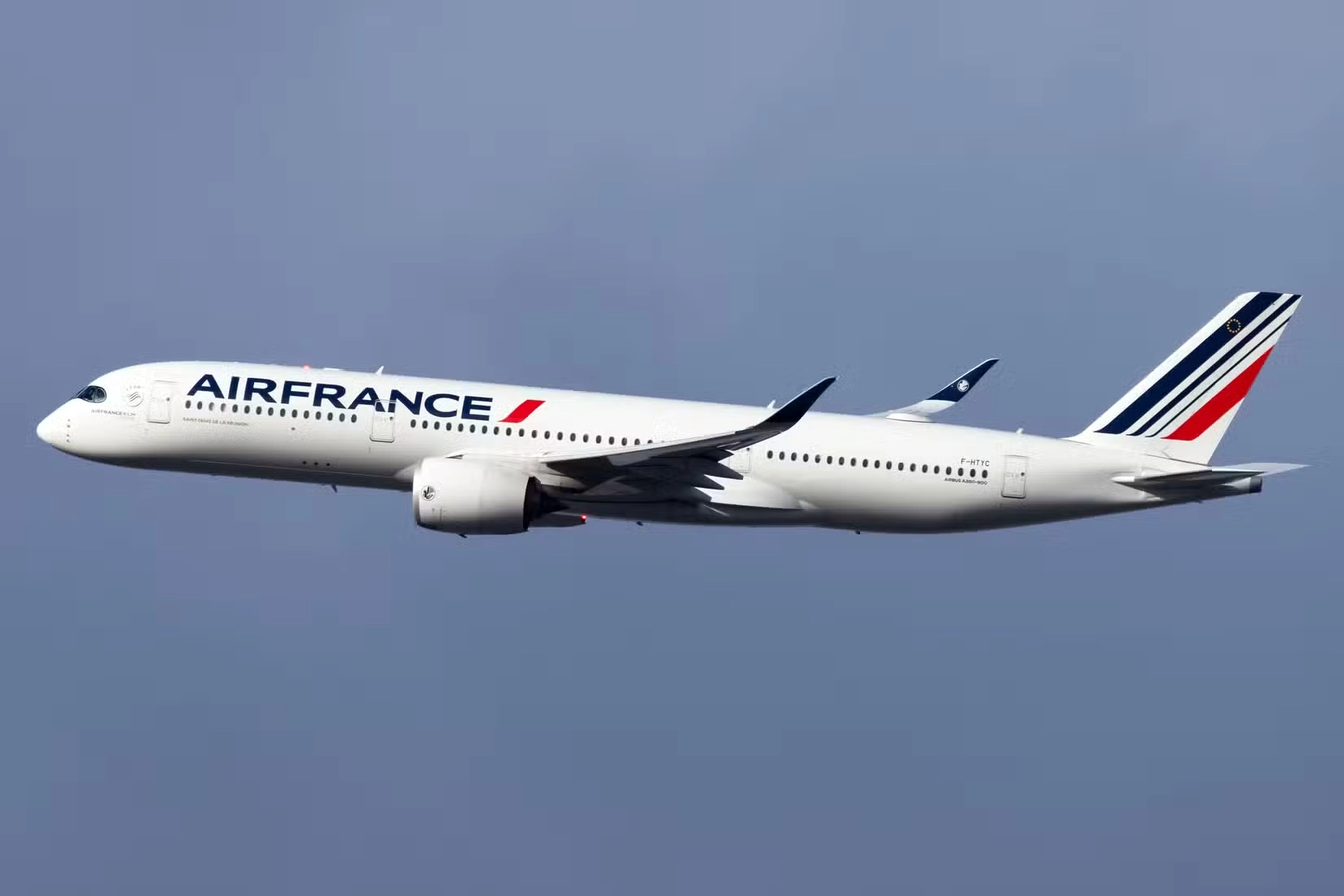
For international safari travellers, Kilimanjaro is one of East Africa’s most strategically important airports. The airport provides access to northern Tanzania’s celebrated safari circuit, including Arusha, Tarangire National Park, Lake Manyara National Park, Ngorongoro Conservation Area and Serengeti National Park. It is also the main international gateway for travellers planning to climb Mount Kilimanjaro. The planned return of Air France after a long absence demonstrated the continued strength of international demand for Tanzania.
More direct connections are particularly important in safari tourism because reaching wildlife destinations can otherwise require several separate flights. A traveller beginning in Europe might traditionally fly to an African hub or the Middle East before connecting to East Africa and then travelling overland or by light aircraft to a safari lodge. Improved connectivity can reduce this complexity. For Tanzania, greater access to Kilimanjaro also strengthens competition between international airlines, potentially giving travellers more choices in departure times, routing and fare structure.
Many first-time travellers assume Dar es Salaam is the natural airport for every Tanzania safari.
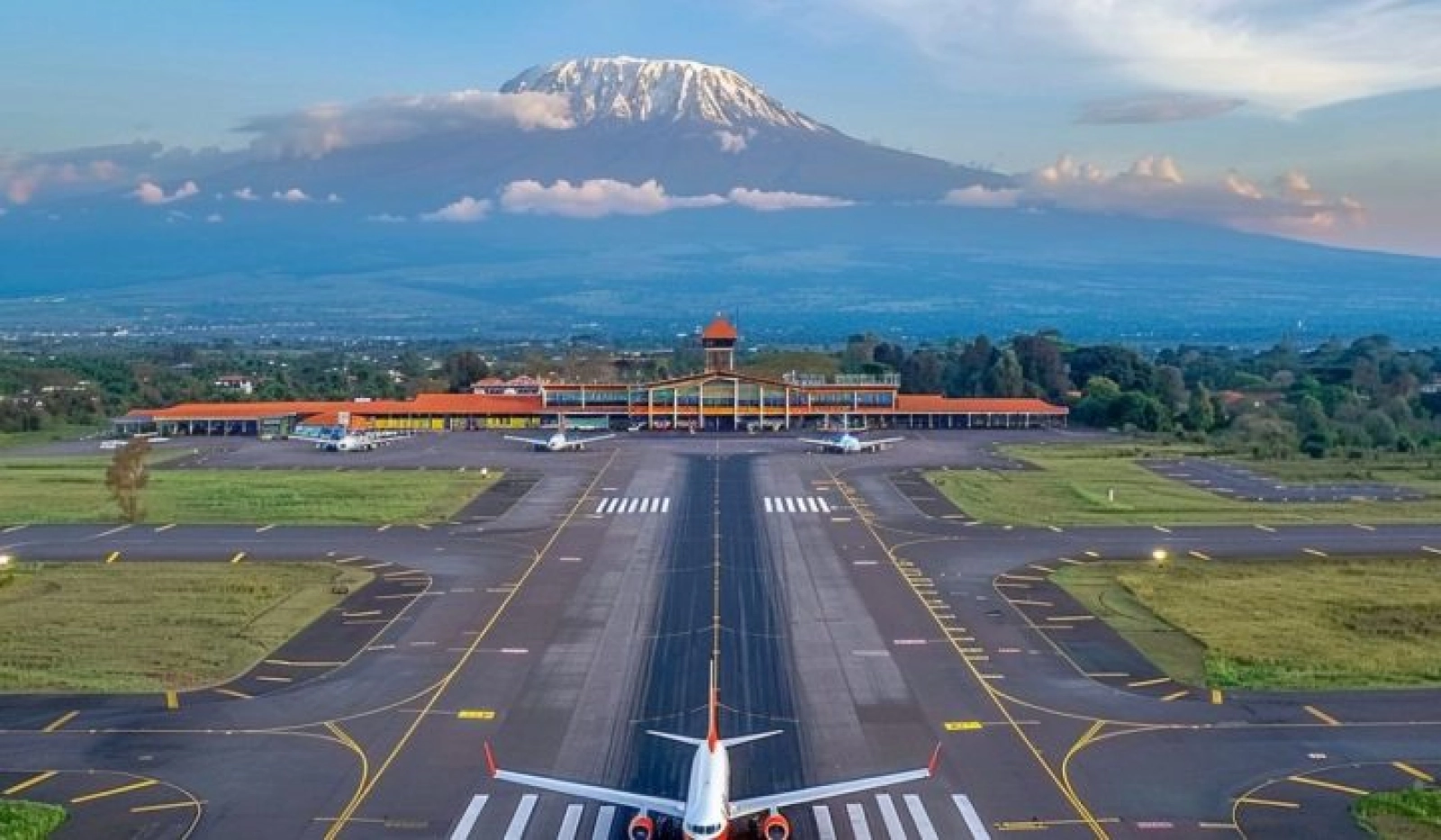
In reality, travellers heading to northern Tanzania usually benefit from using Kilimanjaro International Airport. From here, Arusha can be reached relatively easily, and Arusha functions as the primary departure point for many northern Tanzania safaris. This makes Kilimanjaro particularly convenient for visitors planning a classic route through: Tarangire National Park Lake Manyara National Park Ngorongoro Crater Serengeti National Park These destinations form one of Africa’s most famous wildlife circuits. The same airport also serves travellers combining a Tanzania wildlife safari with a Kilimanjaro climb.
Adding new long-haul services therefore has implications well beyond aviation. It can strengthen hotels, safari companies, guides, transport providers and other businesses throughout northern Tanzania.
Tanzania remains one of the cornerstone destinations of the African safari industry.
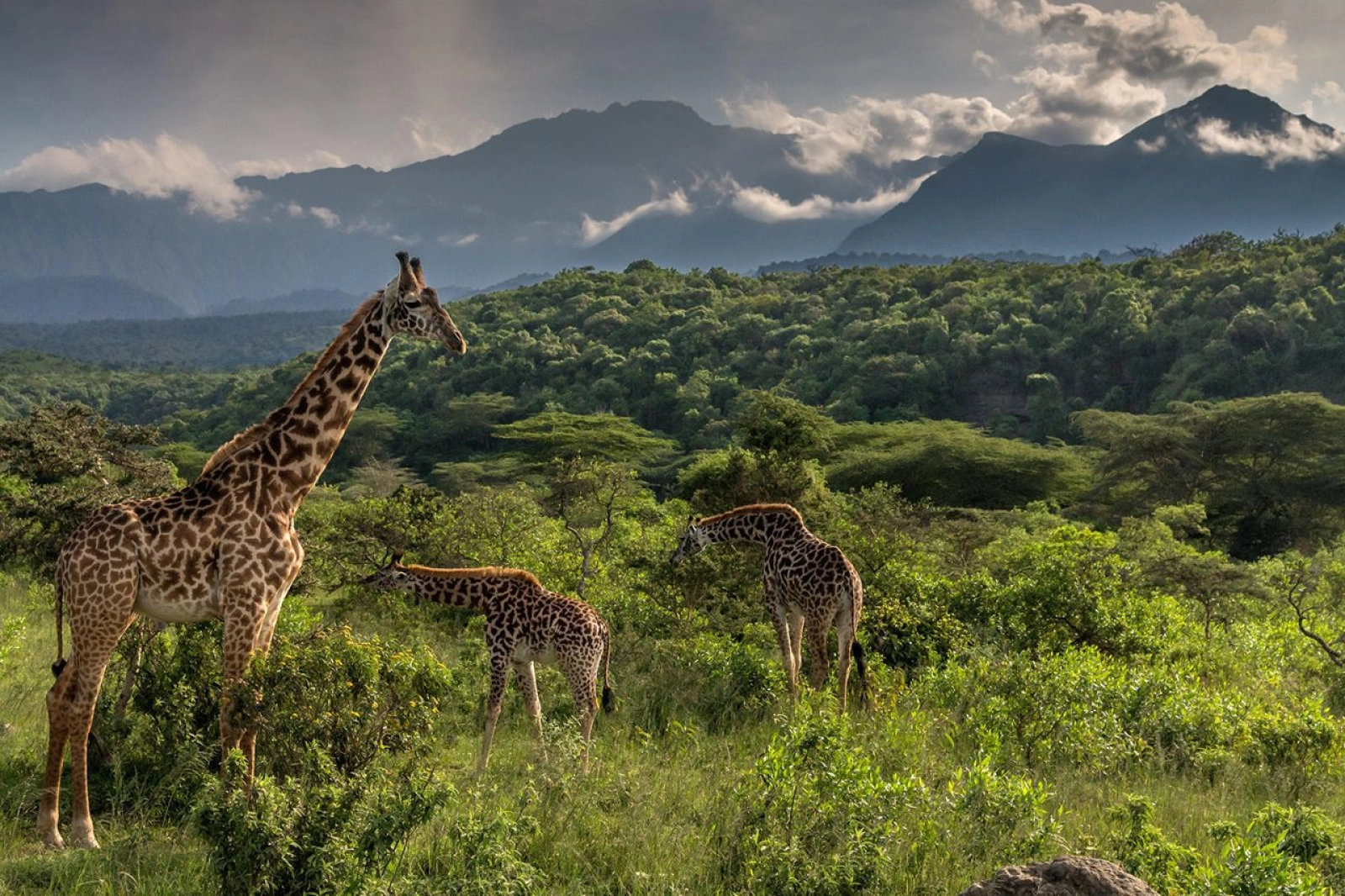
Its appeal is unusually broad. The Serengeti provides one of the world’s greatest concentrations of large mammals. Ngorongoro offers spectacular wildlife viewing inside a dramatic volcanic landscape. Tarangire is particularly famous for elephants and baobab-dominated scenery. Nyerere National Park and Ruaha National Park provide more remote alternatives in southern Tanzania. Mount Kilimanjaro attracts trekkers from around the world. Zanzibar then allows travellers to finish a wildlife itinerary beside the Indian Ocean.
This diversity means a Tanzania safari holiday can be designed for many different travel styles. First-time safari travellers may concentrate on the northern circuit. Repeat visitors may prefer Ruaha, Katavi or Nyerere. Photographers might design itineraries around wildlife movements and seasonal light. Families may combine shorter game drives with carefully selected lodges. Honeymooners can pair a private safari with Zanzibar. Additional international flights help make all of these journeys easier.
Safari tourism depends heavily on connectivity.
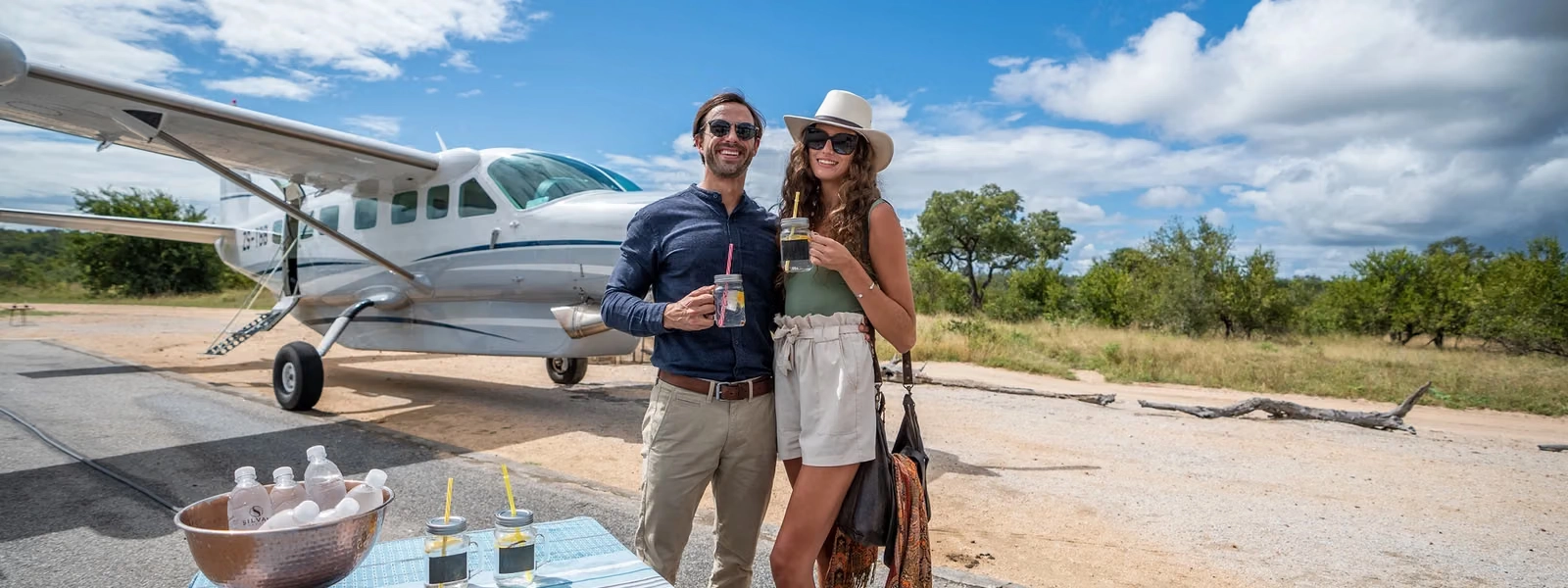
Wildlife destinations are often located far from major cities. A traveller might begin with an intercontinental flight, continue on a regional route, board a light aircraft and then drive several hours before reaching camp. Reducing even one step can make a substantial difference. Airlines increasingly recognise the tourism value of destinations such as: Kilimanjaro Nairobi Entebbe Kigali Johannesburg Cape Town Windhoek Maun Victoria Falls These airports function as gateways to some of Africa’s most important wildlife landscapes.
When international or regional capacity increases, safari travellers gain more flexibility. This is particularly useful for multi-country itineraries.
Another important safari travel trend is increasing interest in multi-country African safari itineraries.
Travellers flying long distances to Africa often want to experience several ecosystems during the same journey. In East Africa, popular combinations include: Kenya and Tanzania Uganda and Rwanda Kenya and Uganda Tanzania and Rwanda Uganda, Kenya and Tanzania These combinations can create very different experiences within one holiday. A traveller might begin with the Great Migration in the Serengeti, continue to Uganda for gorilla trekking in Bwindi Impenetrable National Park, and finish beside Lake Victoria or the Indian Ocean.
Another journey could combine Masai Mara wildlife viewing in Kenya with gorilla trekking in Rwanda. Improved airline connections make these combinations increasingly practical.
Uganda continues to attract travellers interested in a combination of primates and classic safari wildlife. The country’s greatest international draw remains mountain gorilla trekking. Bwindi Impenetrable National Park and Mgahinga Gorilla National Park protect part of the remaining global population of mountain gorillas. However, reducing Uganda to gorilla trekking overlooks much of what makes the country special. A complete Uganda safari may include: Chimpanzee trekking in Kibale National Park Game drives in Queen Elizabeth National Park
Boat safaris on the Kazinga Channel Murchison Falls National Park Rhino tracking Lake Mburo National Park Birding safaris Cultural experiences Hiking and mountain adventures Uganda is especially attractive for travellers who want a varied safari rather than a journey focused only on open savannah. Dense rainforest, volcanic landscapes, wetlands, lakes and traditional wildlife parks can all be incorporated into a single itinerary.
Demand for African gorilla trekking safaris remains strong. Unlike traditional game drives, gorilla trekking involves entering tropical forest on foot with trained guides and trackers. Visitors may spend hours walking before locating a habituated gorilla family. Once the gorillas are found, the encounter becomes one of Africa’s most intimate wildlife experiences. For travellers planning a gorilla safari, preparation should begin well in advance. Permits are limited. Specific trekking sectors and accommodation can fill during popular travel periods.
A carefully organised itinerary is particularly important for travellers combining gorillas with Kenya, Tanzania or Rwanda.
Rwanda remains another major destination for mountain gorilla tourism. Volcanoes National Park provides access to habituated gorilla families living within the Virunga volcanic landscape. Rwanda has deliberately positioned itself strongly within the premium tourism sector. The country’s relatively compact geography also makes it possible to combine gorilla trekking with other experiences without enormous driving distances. Visitors can include: Kigali Akagera National Park Nyungwe National Park Lake Kivu Volcanoes National Park
A Rwanda safari can therefore combine primates, savannah wildlife, cultural experiences and scenic landscapes.
Kenya continues to be one of the destinations most closely associated with the word “safari.” The country’s tourism identity was shaped by famous wildlife landscapes such as the Masai Mara National Reserve, Amboseli National Park, Tsavo and Samburu. International air connectivity through Nairobi makes Kenya particularly useful for regional journeys. A Kenya safari can also be combined efficiently with beach destinations along the Indian Ocean. For many travellers, the Masai Mara remains the main attraction.
The reserve is famous for lions, leopards, cheetahs, elephants and large herbivore populations. During the appropriate period, wildebeest from the wider Serengeti-Mara ecosystem may move through the reserve as part of the Great Migration.
Few wildlife events receive as much international attention as the Great Wildebeest Migration. Approximately speaking, the wider movement involves vast numbers of wildebeest alongside zebra and other grazers circulating through the Serengeti-Mara ecosystem according to rainfall and fresh grazing. The exact timing varies. This is important. Marketing materials often make the migration sound like an event occurring at exactly the same place and time every year. Nature is less predictable.
Rainfall patterns influence herd movements. River crossings cannot be guaranteed for specific dates. A well-designed Great Migration safari therefore considers likely seasonal locations while allowing enough time in productive wildlife areas.
Safari tourism exists because wildlife and habitats survive. This relationship makes conservation inseparable from tourism. Across Africa, protected areas face challenges including habitat loss, poaching, climate pressure, population growth around conservation areas and competition for water and land. Tourism can contribute to solutions when managed responsibly. Park fees and conservation levies generate revenue. Safari lodges provide employment. Community conservancies can create incentives for protecting wildlife outside traditional national parks. Responsible travellers therefore play a role simply through the choices they make.
Selecting reputable operators and conservation-focused accommodation can increase the positive impact of a safari.
One of the most important developments in modern African tourism has been the increasing role of community conservancies. Kenya provides particularly well-known examples. Land surrounding traditional national reserves can be managed for wildlife while generating income for local landowners. This approach can expand habitat beyond formal park boundaries. For visitors, conservancies often provide a different safari experience. Vehicle numbers may be controlled. Night drives may be possible. Guided walks may complement conventional game drives.
Some areas allow off-road approaches under carefully managed conditions. Community-based tourism therefore provides both conservation and experiential advantages when implemented responsibly.
While East Africa is famous for the Great Migration and gorilla trekking, Southern Africa provides a completely different range of experiences. South Africa offers outstanding accessibility and enormous tourism diversity. Botswana has developed a reputation for high-quality wilderness safaris. Namibia combines wildlife with desert landscapes. Zimbabwe and Zambia are strongly associated with Victoria Falls as well as excellent wildlife reserves. A Southern Africa safari can therefore combine activities that would be difficult to replicate elsewhere.
South Africa is particularly suitable for travellers seeking flexibility. The country has extensive infrastructure and a wide range of accommodation. Kruger National Park remains its most famous safari destination. Kruger is home to the Big Five and an extraordinary diversity of other wildlife. Private reserves bordering the wider Kruger ecosystem offer guided safari experiences, while the national park itself remains famous for self-drive travel. Visitors can combine safari with: Cape Town
The Cape Winelands Garden Route Johannesburg Panorama Route This makes South Africa attractive to first-time visitors who want wildlife alongside broader sightseeing.
Botswana has become synonymous with exclusive wilderness experiences. The Okavango Delta is the country’s most famous destination. Water flowing from Angola spreads across northern Botswana, creating channels, lagoons, floodplains and islands. Wildlife moves through this changing landscape. Depending on location and season, visitors may explore by traditional-style mokoro, motorboat, safari vehicle or on foot. Botswana also offers outstanding wildlife viewing in areas such as Chobe National Park, the Linyanti region and the Kalahari.
The country’s safari industry has historically emphasised relatively low visitor density in many premium areas. For travellers seeking privacy and wilderness, this can be extremely attractive.
Victoria Falls remains one of Africa’s most important natural attractions. Located on the border between Zimbabwe and Zambia, the falls can easily be incorporated into broader regional safari itineraries. Travellers can combine Victoria Falls with: Hwange National Park Chobe National Park South Luangwa Lower Zambezi Okavango Delta This makes Victoria Falls much more than a standalone sightseeing destination. It functions as a useful connecting point within Southern Africa.
The modern African safari lodge is changing. Luxury once meant large rooms and formal service. Today, many travellers are equally interested in sustainability, privacy, meaningful local experiences and environmental design. Newer safari properties increasingly focus on: Solar energy Reduced plastic use Water conservation Local sourcing Community employment Conservation partnerships Low-impact architecture These trends reflect broader changes in travel expectations. Guests increasingly want to understand how their safari contributes to the destination.
Another growing trend is the fly-in African safari. Instead of spending entire days driving between destinations, travellers use scheduled or charter light aircraft. Fly-in safaris are particularly common in Botswana. They are also popular in Tanzania, Kenya, Namibia, Zambia and Zimbabwe. The primary advantage is time. A road transfer that might require eight hours can sometimes be replaced by a short flight. The disadvantage is cost. Light aircraft can add significantly to the safari budget.
Baggage restrictions are also often stricter. For shorter holidays, however, flying can greatly improve the balance between travelling and actually being on safari.
Travellers are also increasingly comparing private safaris with scheduled group departures. A private safari gives travellers their own vehicle and guide. This creates flexibility. Photographers can spend longer at sightings. Families can adjust daily routines. Couples can choose their preferred pace. Group safaris may provide a more affordable alternative. Costs for transport and guiding are shared among several travellers. They can also create a social experience for solo travellers. Neither approach is universally better.
The ideal option depends on budget and travel style.
Certain African experiences require limited permits. Gorilla trekking is one example. Chimpanzee trekking can also have controlled numbers. Special activities at particular reserves may require advance reservations. Travellers should therefore distinguish between ordinary accommodation bookings and experiences constrained by permit availability. A hotel may still have rooms even when a trekking permit is unavailable. This is particularly relevant during popular travel months. For a Uganda gorilla safari or Rwanda gorilla tour, securing permits should form part of the earliest planning stages.
Safari costs vary enormously. A camping safari and a private luxury fly-in safari belong to completely different price categories. Costs are influenced by: Destination Accommodation level Number of travellers Private versus shared transport Park fees Permits Internal flights Travel season Length of trip Included activities Travellers comparing quotations should examine inclusions carefully. A cheaper safari is not automatically better value if permits, park fees, meals or essential transfers are excluded.
Sustainability has become an important consideration for both safari operators and travellers. African tourism frequently takes place in ecologically sensitive areas. Responsible practices include reducing unnecessary plastic, respecting wildlife viewing distances, supporting conservation initiatives and using businesses that employ and train local staff. Travellers can also reduce pressure on highly visited locations by exploring lesser-known destinations. Instead of concentrating entirely on famous reserves, repeat visitors can consider parks that receive fewer tourists.
This distributes tourism revenue and often produces remarkable wilderness experiences.
Safari planning has changed dramatically. Travellers now compare lodges, itineraries, wildlife seasons and transport routes online before contacting an operator. Detailed digital maps and travel resources make research easier. However, safari planning remains unusually dependent on local expertise. Online research cannot always account for road conditions, seasonal wildlife movements or realistic transfer times. This is where knowledgeable African safari specialists remain valuable. A professionally designed itinerary should balance ambition with realism.
Many safari travellers are also moving away from itineraries built solely around game drives. Increasingly, they want journeys combining wildlife with: Gorilla trekking Chimpanzee trekking Walking safaris Mountain climbing Cultural visits Coffee experiences Boat safaris Horse riding Birdwatching Photography Beach holidays This creates richer itineraries and spreads tourism benefits across a broader range of communities and destinations.
By 2024, African tourism had moved well beyond the dramatic disruptions of the pandemic years. International travel had recovered strongly in many destinations. Airlines continued restoring or expanding routes. Safari lodges reopened or invested in upgrades. Travellers again planned ambitious multi-country journeys. The recovery highlighted how important international tourism is to many conservation economies. Protected landscapes require funding. Tourism provides part of that funding. This creates another reason why responsible safari travel can have benefits far beyond the visitor’s personal experience.
With so many options, selecting a destination can feel overwhelming. Travellers should begin by identifying their main priorities. For the Great Migration, Tanzania and Kenya are obvious starting points. For mountain gorillas, choose Uganda or Rwanda. For a combination of gorillas, chimpanzees and traditional safari wildlife, Uganda is particularly strong. For desert landscapes, Namibia is exceptional. For water-based wilderness, Botswana stands out. For a first safari with strong infrastructure and self-drive possibilities, South Africa can be ideal.
For walking safaris, Zambia is among Africa’s classic destinations. Understanding these differences makes planning far easier.
Travel news can affect a safari in surprisingly practical ways. A new direct flight may reduce a journey by several hours. A park regulation may change vehicle access. A new lodge can open a previously difficult-to-reach region. A conservation initiative may protect an important wildlife corridor. Updated visa procedures can simplify border crossings. Travellers should therefore review current information shortly before departure rather than relying entirely on plans made many months earlier.
The African safari news of July 2024 highlighted a broader reality about travel across the continent: Africa’s safari industry is never standing still. New international flights make wilderness regions easier to reach. Regional connections make multi-country journeys more realistic. Conservation continues to influence how protected areas are managed. Safari lodges are becoming more environmentally conscious. Travellers are seeking increasingly varied experiences beyond traditional vehicle-based wildlife viewing. At the centre of all these developments remains the reason people continue travelling to Africa: extraordinary landscapes and wildlife.
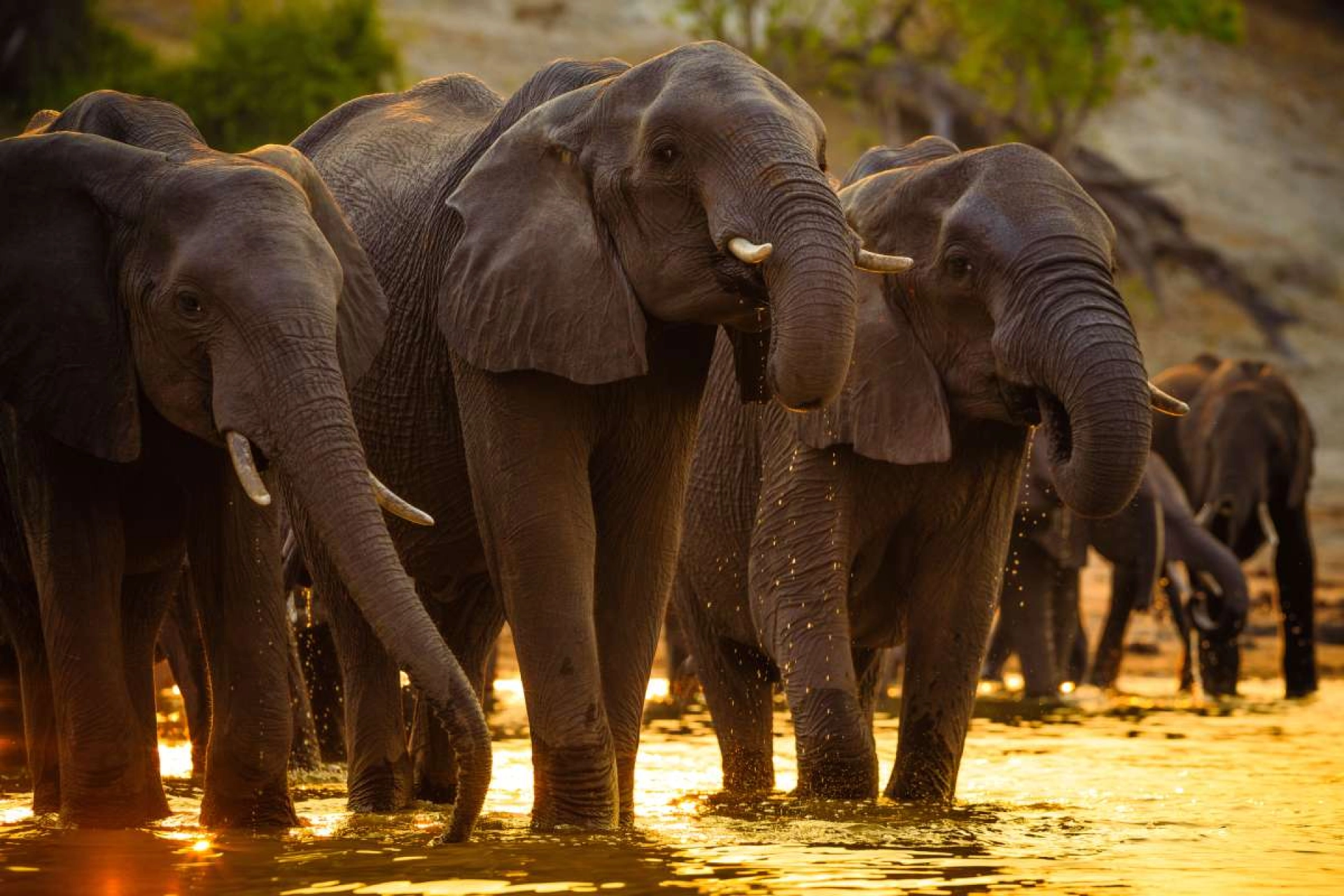
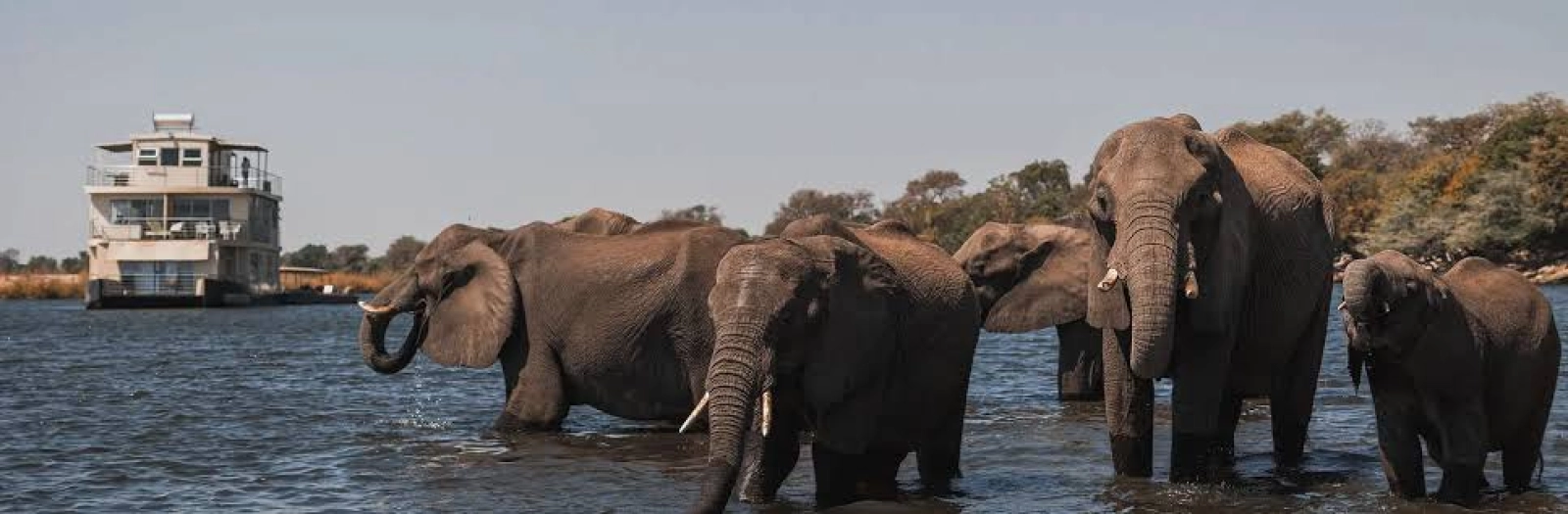
Whether that means watching elephants below Mount Kilimanjaro, following wildebeest across the Serengeti, trekking through Bwindi in search of mountain gorillas, exploring the Okavango Delta by boat or searching for lions in Kruger National Park, Africa continues to offer some of the world’s most powerful travel experiences. Better connectivity does not reduce the sense of adventure. It simply makes more of the continent accessible. And for travellers planning their next African safari holiday, keeping up with Africa travel news, airline developments, safari regulations and conservation updates can make the difference between a complicated journey and an exceptionally well-designed adventure.
Get quick answers to the most common questions. If you still have questions, our safari experts are here to help.
One notable development was the planned return of Air France flights serving Kilimanjaro in Tanzania, strengthening access to northern Tanzania’s safari circuit and Mount Kilimanjaro.
For many northern Tanzania itineraries, Kilimanjaro International Airport is the most convenient international gateway, with onward transfers through Arusha and domestic air connections to safari areas.
Kenya, Tanzania, Uganda, Botswana and South Africa can all be excellent. The best choice depends on whether your priority is the Big Five, Great Migration, gorilla trekking, photography, luxury or a combination of experiences.
Yes. A Kenya and Tanzania safari is one of East Africa’s classic combinations and can include the Masai Mara, Serengeti, Ngorongoro and other parks.
Yes. Travellers can combine a Tanzania safari with gorilla trekking in Uganda or Rwanda using regional flights.
The main destinations for mountain gorilla trekking are Uganda’s Bwindi Impenetrable National Park and Mgahinga Gorilla National Park, and Rwanda’s Volcanoes National Park. Mountain gorillas also occur in Virunga National Park in the Democratic Republic of Congo, though travel conditions and official advice should always be checked carefully.
Both Tanzania and Kenya offer exceptional migration viewing. Tanzania hosts the herds for a substantial part of their annual cycle, while Kenya’s Masai Mara is particularly famous for migration viewing during periods when herds move into the northern ecosystem.
Yes. Many safari lodges and tour operators offer family-friendly itineraries, although minimum ages can apply to activities such as gorilla trekking, walking safaris and certain game drives.
Private safaris provide greater flexibility and are especially suitable for couples, families and photographers. Group safaris usually offer a lower per-person cost and can be excellent for solo travellers.
Our safari experts are here to help you plan your safari. Get personalized advice, the latest information and a free, no-obligation quote.
We typically reply within a few hours.

Share This Article
Safari Tanzanie départ Montréal : le guide complet Un safari Tanzanie départ Montréal demande généralement davantage de préparation…
Read article
Safari Tanzanie départ Genève : comment préparer son voyage ? Un safari Tanzanie départ Genève demande une organisation…
Read article
Safari Tanzanie départ Bruxelles : pourquoi cette porte d'entrée est intéressante ? Pour les voyageurs belges et ceux…
Read article
Safari Tanzanie départ Paris : comment organiser son voyage ? Un safari Tanzanie départ Paris commence bien avant…
Read articleLet us take you closer to the wildlife, people and places that make Africa extraordinary.
Plan Your Safari Today