Safari Tanzanie départ Montréal : conseils et organisation
Safari Tanzanie départ Montréal : le guide complet Un safari Tanzanie départ Montréal demande généralement davantage de préparation…
Read article
Travel Guide
Few African animals illustrate both the success and fragility of wildlife conservation as powerfully as the rhinoceros. Rhinos look prehistoric. Their enormous bodies, thick skin and distinctive horns create the impression of animals capable of surviving…
Few African animals illustrate both the success and fragility of wildlife conservation as powerfully as the rhinoceros. Rhinos look prehistoric. Their enormous bodies, thick skin and distinctive horns create the impression of animals capable of surviving almost anything. Yet modern rhinoceroses are extraordinarily vulnerable. Habitat loss, illegal wildlife trade and persistent demand for rhino horn have pushed populations into crisis repeatedly. At the same time, decades of determined conservation have demonstrated that decline is not inevitable.
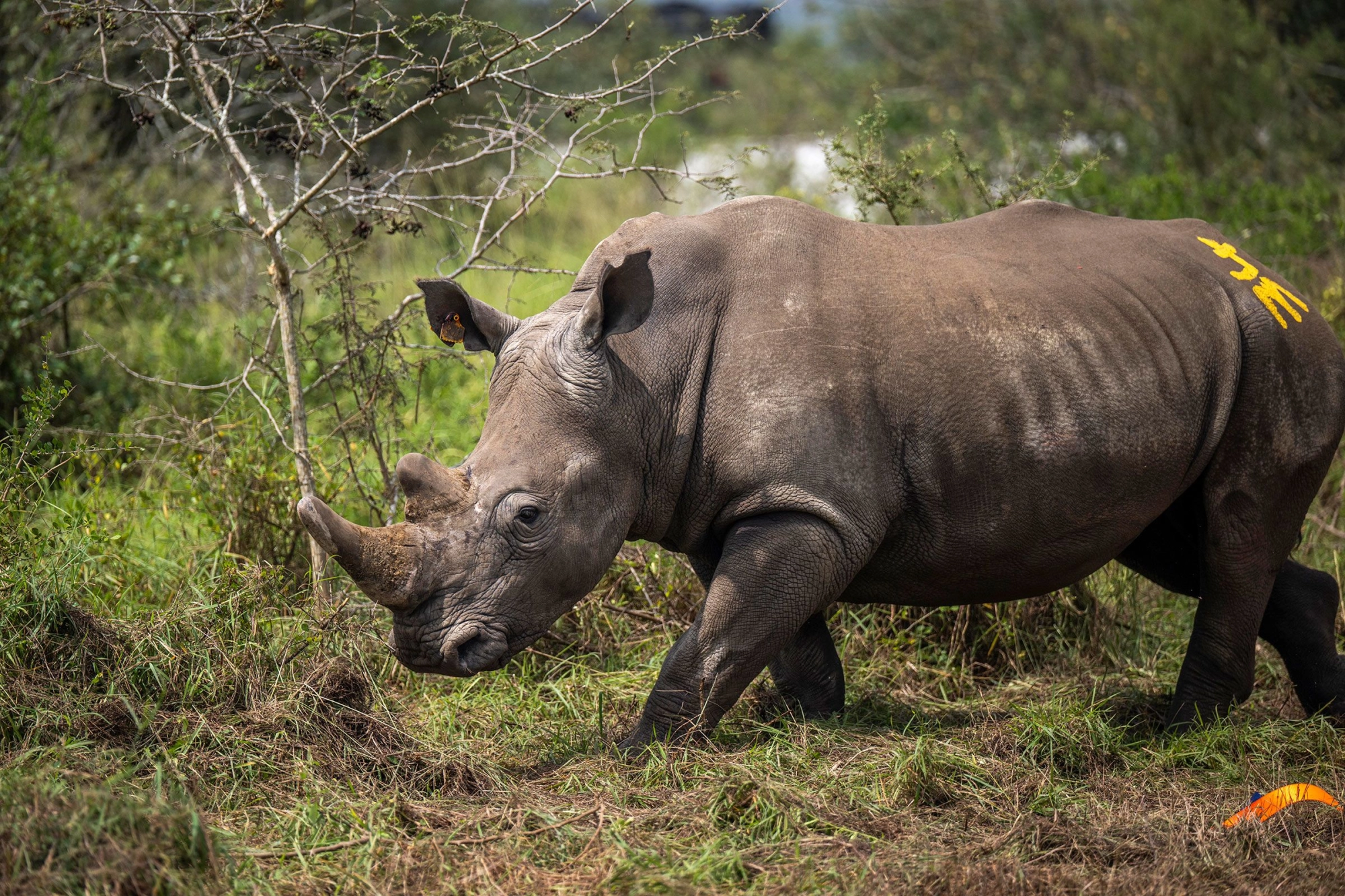
Protected areas, translocations, anti-poaching programs, veterinary science, monitoring, community partnerships and international cooperation have all helped rebuild rhinoceros populations that once appeared destined to disappear. One of the most ambitious projects currently reshaping African rhino conservation is African Parks’ Rhino Rewild initiative. The project began after African Parks assumed responsibility for approximately 2,000 southern white rhinos from a private breeding operation in South Africa. The objective is extraordinary: move these animals into safe, well-managed protected landscapes across Africa over roughly a decade, strengthening or establishing wild rhino populations while restoring their ecological role.
By September 2026, the effort has already progressed from ambition to large-scale action.
Rhinos have been relocated into protected areas in South Africa and beyond, including Rwanda’s Akagera National Park and Garamba National Park in the Democratic Republic of Congo. African Parks reports that more than 630 southern white rhinos had been translocated under the initiative by the end of 2025, while wild-born calves are already being recorded after releases.
This is more than a story about moving animals. It is a story about whether conservation can recreate viable, connected populations rather than simply keeping endangered wildlife alive behind increasingly intense protection. For safari travelers, the implications are enormous. Rhino conservation ensures that future visitors may still experience one of Africa’s most extraordinary animals in wild landscapes.
It is easy to explain rhino conservation emotionally. Rhinos are iconic. Watching one walk quietly across African grassland is unforgettable. But rhino conservation also matters ecologically. White rhinos are large grazers. Their feeding influences vegetation structure. They move nutrients through ecosystems. Their movements can affect habitat used by many other species. African Parks specifically identifies southern white rhinos as important grazers whose reintroduction can influence vegetation, nutrient cycling and wider ecosystem recovery.
Protecting rhinos therefore supports more than one species. It contributes to protecting the landscapes that sustain entire wildlife communities.
Africa is home to two living rhinoceros species: The white rhinoceros. The black rhinoceros. Despite their names, both are broadly gray in color. The distinction did not arise because one animal is truly white and the other black. Instead, the species differ strongly in body shape, feeding ecology and behavior.
White rhinos are generally larger than black rhinos. Their broad, square lips are adapted to grazing. Watch a white rhino feeding and you often see its head held relatively low as it crops grass. Two subspecies have historically been recognized: The southern white rhino. The northern white rhino. The southern form became one of conservation’s remarkable historical recoveries. African Parks notes that southern white rhinos may have fallen to only around 30–40 animals during the early twentieth century before conservation programs helped numbers rise dramatically, reaching approximately 20,000 by around 2010 before renewed poaching caused serious declines.
The northern white rhino story is far more tragic. Only two females remain, meaning the subspecies is considered functionally extinct in the conventional reproductive sense. The contrast between these two histories demonstrates both the possibility and urgency of conservation.
Black rhinos are generally smaller and more compact. Their pointed, prehensile upper lip is adapted for browsing leaves and shrubs. They often use thicker vegetation than white rhinos. Black rhinos can also have a reputation for being more reactive. That does not mean they naturally seek conflict. Like all wild animals, their behavior depends on circumstances. Poor eyesight combined with defensive instincts can make encounters unpredictable, which is why safari guides maintain appropriate distances.
Rhino horn is composed primarily of keratin, the same structural protein found in human hair and fingernails. Yet illegal markets have assigned it enormous financial value. This creates powerful incentives for organized poaching networks. A rhinoceros can be killed within minutes for horns that took years to grow. Conservation teams must therefore protect animals constantly. Rangers. Aircraft. Tracking technology. Intelligence operations. Veterinary teams. Security personnel. Prosecutors. Communities. All can become part of the effort required to keep a rhino alive.
The escalation of rhino poaching transformed conservation management in southern Africa. Protected areas that once focused mainly on habitat and tourism increasingly required sophisticated security operations. Rangers began working in environments where wildlife protection could involve armed criminal groups. Rhinos were fitted with tracking devices. Some populations were dehorned. Information about rhino locations became highly sensitive. Safari guides and tourists were encouraged not to share real-time locations online. The scale of the crisis demonstrated an uncomfortable reality:
A national park boundary alone does not protect wildlife. Effective conservation requires active management.
The origins of the current Rhino Rewild initiative lie in an unusual situation.
A private South African breeding operation called Platinum Rhino held approximately 2,000 southern white rhinoceroses. When the enterprise encountered financial problems, the property and rhinos were placed up for auction in 2023 but failed to attract a buyer. The potential consequences were serious. The population risked fragmentation through separate sales, leaving the long-term conservation future of the animals uncertain. African Parks intervened. After due diligence, support from the South African government and emergency funding, the conservation organization acquired the project with one major objective:
Rewild the approximately 2,000 southern white rhinos into secure African protected areas. The plan is designed to unfold over about ten years.
Two thousand rhinos represent a substantial proportion of the global southern white rhino population. African Parks estimated the original group could represent as much as roughly 15 percent of the world’s remaining wild southern white rhino population. That makes the project globally significant. Failure would have represented a major conservation setback. Successful rewilding, by contrast, offers opportunities to establish new populations and strengthen existing ones. The project essentially transforms a conservation liability into a continent-wide opportunity.
The phrase “release rhinos into the wild” sounds simple. Reality is extraordinarily complex. A destination must have appropriate habitat. It needs sufficient water. Vegetation must support rhino feeding. Security must be strong. Veterinary risks must be assessed. The protected area must have enough space. Management capacity matters. Local social and political conditions matter. Moving hundreds of rhinos into unsuitable landscapes would not be conservation. It would simply transfer risk. That is why destinations are assessed before animals are moved.
African Parks describes evaluating habitat suitability, security, management capability and the potential for sustainable populations before translocations occur.
Transporting a rhinoceros is a major veterinary operation. Animals may need to be immobilized. Veterinary teams monitor respiration, temperature and stress. Specialized crates and transport vehicles are required. Journeys need careful timing. Once rhinos arrive, monitoring continues. Managers need to know whether animals are feeding normally, adapting to unfamiliar landscapes and establishing territories or social relationships. This makes rhino translocation a combination of science, logistics and conservation management.
The first Rhino Rewild translocations began in 2024. African Parks reports that 40 rhinos were moved to Munywana Conservancy and 120 were moved into reserves associated with the Greater Kruger Environmental Protection Foundation. These were not symbolic relocations involving two or three animals. They demonstrated the possibility of moving rhinoceroses at substantial scale. By the end of 2024, hundreds of animals had already left the original breeding facility. African Parks later reported that 376 rhinos were moved during 2024, including 216 directly rewilded into six South African protected areas and another 160 transferred to a staging reserve as part of preparations for future release.
Greater Kruger has become an important destination within the project. In 2024, 120 southern white rhinos were moved to partner reserves within the Greater Kruger landscape. A second major transfer followed in November 2025 when another 160 animals were moved into Greater Kruger partner reserves. African Parks reported that these rhinos were dehorned as part of efforts to reduce poaching risk and were being closely monitored after release. That means at least 280 Rhino Rewild southern white rhinos had been moved into the broader Greater Kruger partner landscape across those two major operations.
For conservationists, strengthening protected rhino populations inside large, professionally managed landscapes spreads risk. For safari travelers, it improves the possibility that rhinoceroses remain part of future Kruger and Greater Kruger safaris.
One of the most exciting developments occurred in Akagera National Park in Rwanda.
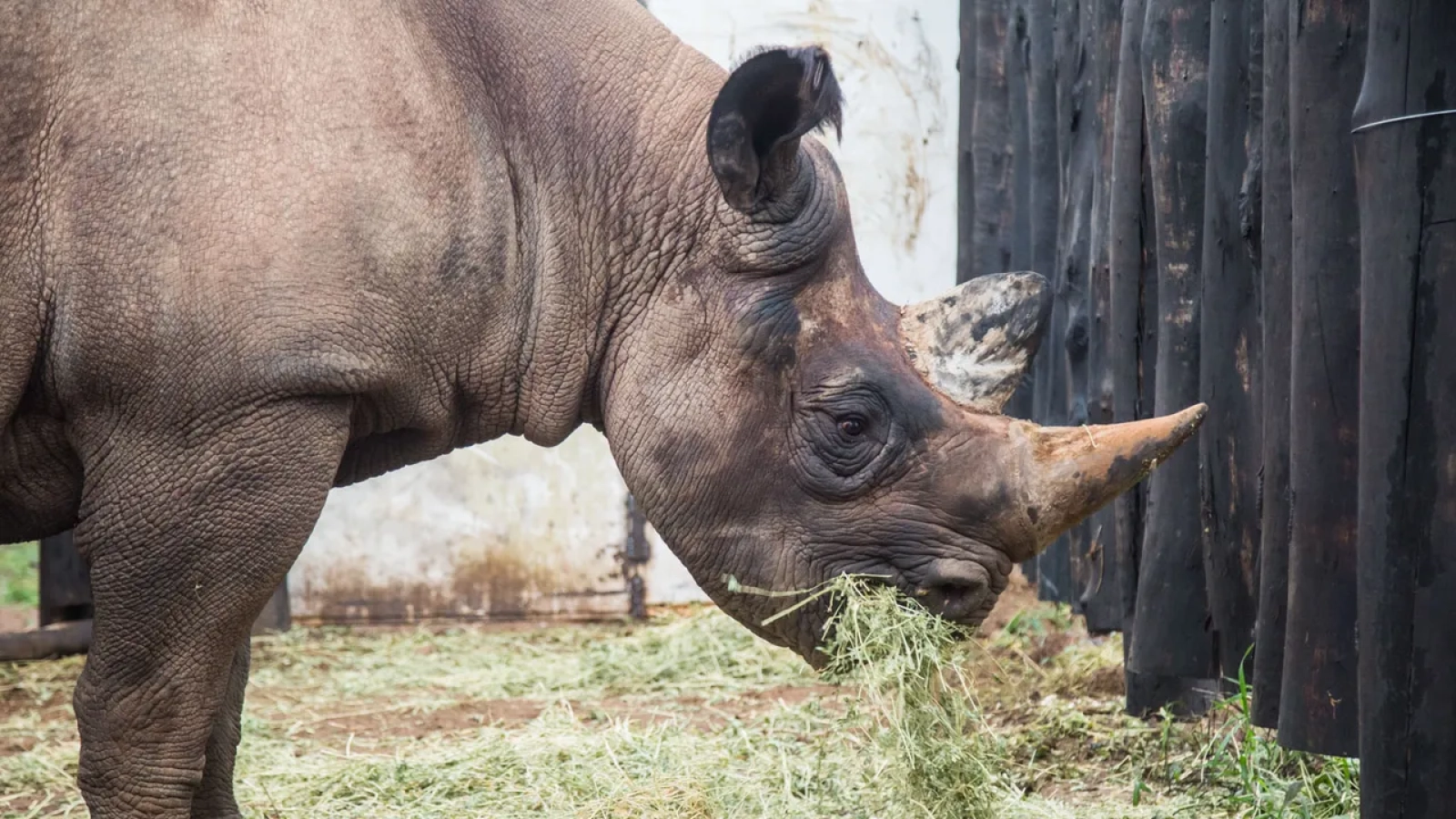
African Parks’ Rhino Rewild updates report that southern white rhinos have been moved into Akagera as part of the continent-wide initiative. This is particularly interesting because Rwanda is globally associated with mountain gorillas. Akagera has dramatically expanded the country’s wildlife tourism identity. Travelers can now combine Big Five safari experiences in Akagera with gorilla trekking in Volcanoes National Park. The growth of rhino populations further strengthens Rwanda as a complete wildlife destination.
Another historic milestone came when southern white rhinos were moved to Garamba National Park in the Democratic Republic of Congo. In December 2025, African Parks announced a translocation of 24 southern white rhinos to Garamba. This was particularly significant because the park had lost its last northern white rhinos to poaching years earlier. African Parks later noted that rhinos were again moving through Garamba in late 2025 and early 2026, roughly two decades after the park’s last northern white rhino disappeared.
Reintroducing rhinoceroses therefore represents more than increasing population numbers. It restores an ecological function that had vanished from the landscape.
By the end of 2025, African Parks reported that Rhino Rewild had moved more than 630 southern white rhinos into secure, professionally managed conservation settings. That is already an extraordinary logistical achievement. But the project’s long-term ambition is much larger. The objective remains approximately 2,000 animals over the full program. This means conservation teams still have years of difficult work ahead.
Translocation numbers attract headlines. But the ultimate success of a rewilding project is not simply how many animals are transported. It is whether they survive, reproduce and establish sustainable populations. African Parks reported more than 30 calves born in wild release areas as Rhino Rewild progressed. These births are extremely significant. A calf represents evidence that at least some adults have adapted well enough to reproduce successfully. Over time, repeated births and improved survival should become more important than the number of trucks leaving the original breeding farm.
Conservation is not simply about maximizing the number of animals. Genetic diversity matters. Small isolated populations can face inbreeding and reduced long-term resilience. Strategic translocations can help exchange genetic material between populations. This is one reason moving rhinos into several protected landscapes can be valuable. Instead of concentrating too many animals in one place, managers can reinforce multiple populations. However, genetic planning must be carefully managed. A successful project considers ancestry, sex ratios, age structure and existing local populations rather than moving animals randomly.
Releasing rhinos into larger landscapes does not remove the poaching threat. In some ways, it makes protection more complicated. Conservation managers must ensure every destination has credible security. Ranger patrols. Intelligence networks. Technology. Veterinary response. Monitoring. Law enforcement partnerships. Community relationships. All are essential. African Parks explicitly uses security and management capacity among the criteria for determining suitable release destinations. Without protection, rewilding would simply deliver rhinos into environments where they could be targeted.
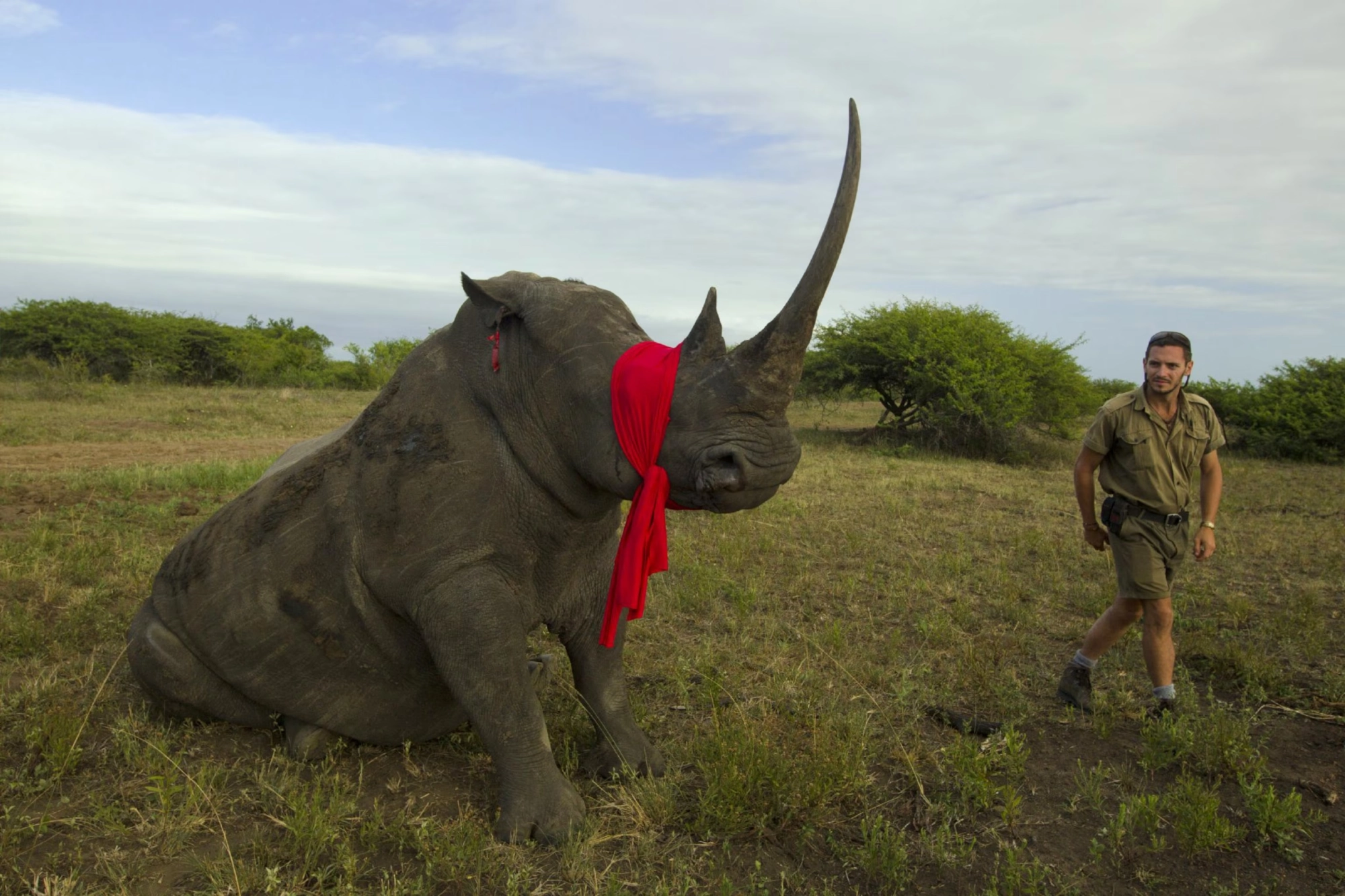
One controversial but increasingly used tool is rhino dehorning. The logic is straightforward. Removing most of the horn reduces the financial incentive for poachers. The rhino is immobilized by professionals and the horn is cut without removing the growth region, meaning it can regrow. This is not an ideal conservation outcome. In an ideal world, rhinos would retain their natural horns without becoming targets. But conservation operates in the world that exists.
African Parks confirmed that the 160 white rhinos moved into Greater Kruger partner reserves in late 2025 were dehorned as a poaching-risk reduction measure. Dehorning does not remove the need for security. Small horn stumps remain valuable. Poachers may also kill rhinos simply to avoid tracking an already-dehorned animal again. Therefore dehorning works best as part of a broader anti-poaching strategy.
Safari tourism can contribute directly to rhinoceros conservation.
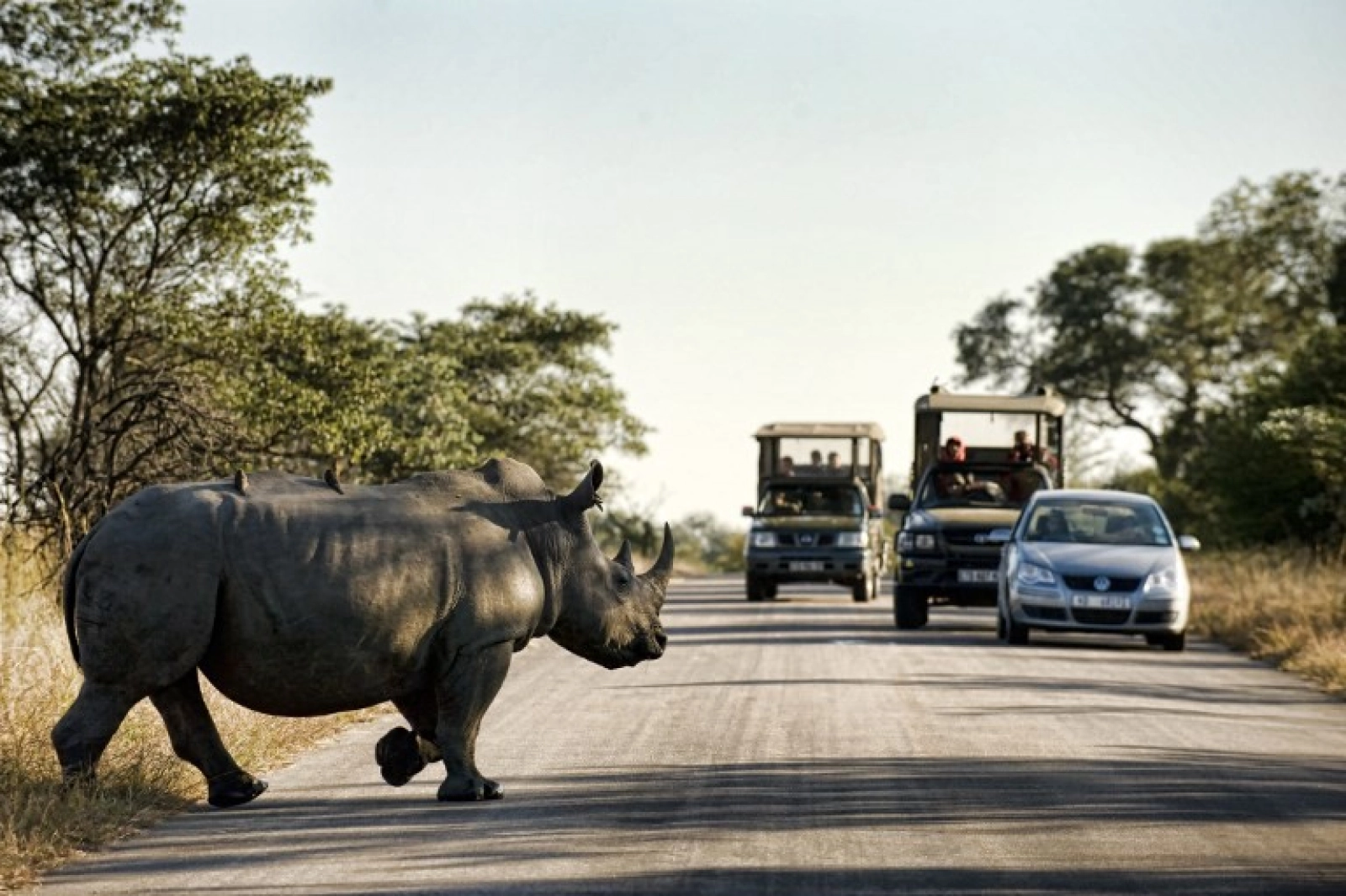
Visitors pay park fees. They stay in lodges employing local people. They hire guides. They purchase services from surrounding communities. When wildlife generates legitimate economic value, protected areas have stronger financial and political incentives to survive. This is particularly important for expensive species such as rhinos. Rhino protection requires money. Rangers need salaries. Vehicles need fuel. Aircraft need maintenance. Monitoring equipment costs money. Veterinary operations cost money. Tourism is therefore one of several mechanisms that can help fund conservation.
Travelers also have responsibilities. Never pressure a guide to approach rhinoceroses too closely. Do not share real-time rhino locations publicly. Avoid posting GPS coordinates or geotagged photographs that reveal sensitive areas. Support legitimate protected areas and reputable safari operators. Do not purchase wildlife products. Ask questions about conservation. Respect ranger instructions. A visitor may believe an Instagram post is harmless. But detailed location information can travel far beyond the intended audience.
Responsible safari behavior matters.
South Africa remains one of the most important destinations for white rhino viewing. The wider Greater Kruger ecosystem is particularly significant. Other protected areas across Southern Africa also maintain important populations. Rwanda’s Akagera National Park is increasingly important for travelers interested in combining rhinos with broader East African experiences. Uganda also offers rhino encounters at Ziwa Rhino Sanctuary, providing travelers with a valuable conservation experience on routes toward Murchison Falls.
Each destination operates under different management conditions. Travelers should never assume sightings are guaranteed.
Uganda’s rhinoceros story demonstrates how wildlife can disappear from a country and later begin returning through dedicated conservation. Rhinos became extinct in Uganda in the wild after decades of instability and poaching. Today, Ziwa Rhino Sanctuary plays a central role in rebuilding the country’s rhino future. Visitors can track rhinos on foot under professional supervision. This creates a very different experience from observing them from a vehicle. The broader long-term ambition has been to establish conditions under which rhinos could once again occupy suitable protected landscapes.
For travelers undertaking a Murchison Falls safari, Ziwa can provide an important conservation-focused stop.
Rwanda’s Akagera National Park illustrates how intensive protected-area management can rebuild wildlife populations. The park has become one of East Africa’s strongest conservation success stories. Rhinos, lions and other large mammals have helped transform Akagera into a Big Five safari destination. The arrival of additional southern white rhinos under Rhino Rewild strengthens this conservation role further. A Rwanda journey can therefore combine: Big Five game viewing in Akagera. Primate experiences in Nyungwe.
Mountain gorilla trekking in Volcanoes National Park. This gives travelers far more wildlife variety than Rwanda’s reputation as simply a gorilla destination suggests.
South Africa remains central to the global rhino story because it holds a very large proportion of the world’s southern white rhinos. That makes the country both a conservation stronghold and a major poaching target. Private reserves, national parks, nonprofit organizations and security agencies have invested enormous resources in keeping rhinos alive. The Rhino Rewild initiative further emphasizes South Africa’s importance by using secure landscapes within the country as release destinations while also exporting animals to strengthen populations elsewhere.
Concentrating too many animals in one country or landscape creates risk.
A severe poaching surge. Disease. Political instability. Habitat change. Management failure. Any of these could have disproportionate impact. By establishing strong populations across multiple secure landscapes, conservationists effectively spread that risk. If one population experiences difficulty, others remain. This is sometimes described as creating a more resilient metapopulation. For long-lived animals such as rhinos, that strategic thinking is essential.
Rewilding is not just about returning charismatic animals because tourists like them. Large herbivores shape ecosystems. White rhinos graze heavily. Their feeding influences plant height and structure. Their dung moves nutrients. Their paths and wallows alter microhabitats. Other species respond to these changes. Returning rhinos to suitable landscapes therefore restores part of an ecological process. This is a critical distinction. A conservation project should not be judged only by how many rhinos appear in photographs.
The deeper question is whether functioning ecosystems are being rebuilt.
Long-term conservation cannot succeed by excluding people living around protected areas. Communities need tangible reasons to support wildlife conservation. Employment is one factor. Tourism can create work for guides, lodge staff, rangers, drivers and suppliers. Conservation organizations may support schools, clinics, enterprises or infrastructure depending on the landscape. But relationships must go deeper than charity. People living alongside wildlife should benefit from successful protected areas. Where communities experience only crop damage, restricted access and dangerous wildlife without meaningful benefits, resentment grows.
Good conservation therefore combines wildlife protection with human development.
Rhino conservation is expensive. Tracking technology costs money. Security personnel cost money. Veterinary interventions cost money. Aircraft operations cost money. Moving a rhinoceros across hundreds or thousands of kilometers requires enormous logistical resources. That means conservation organizations must build sustainable financing systems. Tourism can contribute. Philanthropy contributes. Governments contribute. International donors contribute. Private reserves contribute. No single funding source is sufficient.
It is tempting to view rhino translocations and population increases as evidence that the crisis is solved. It is not. Poaching pressures remain. Habitat continues disappearing in parts of Africa. Conservation funding is never guaranteed. Political and economic conditions change. The future of rhinoceroses therefore depends on maintaining successful programs for decades, not simply celebrating one successful translocation.
While Rhino Rewild focuses primarily on southern white rhinos, black rhino conservation remains equally important. Black rhinos have suffered catastrophic historical declines. Reintroduction and translocation programs have helped establish populations in protected landscapes. Because black rhinos browse rather than graze, habitat suitability differs from that required by white rhinos. Conservation therefore needs species-specific planning. One rhino management model cannot simply be applied everywhere.
The northern white rhino represents one of conservation’s most sobering lessons.
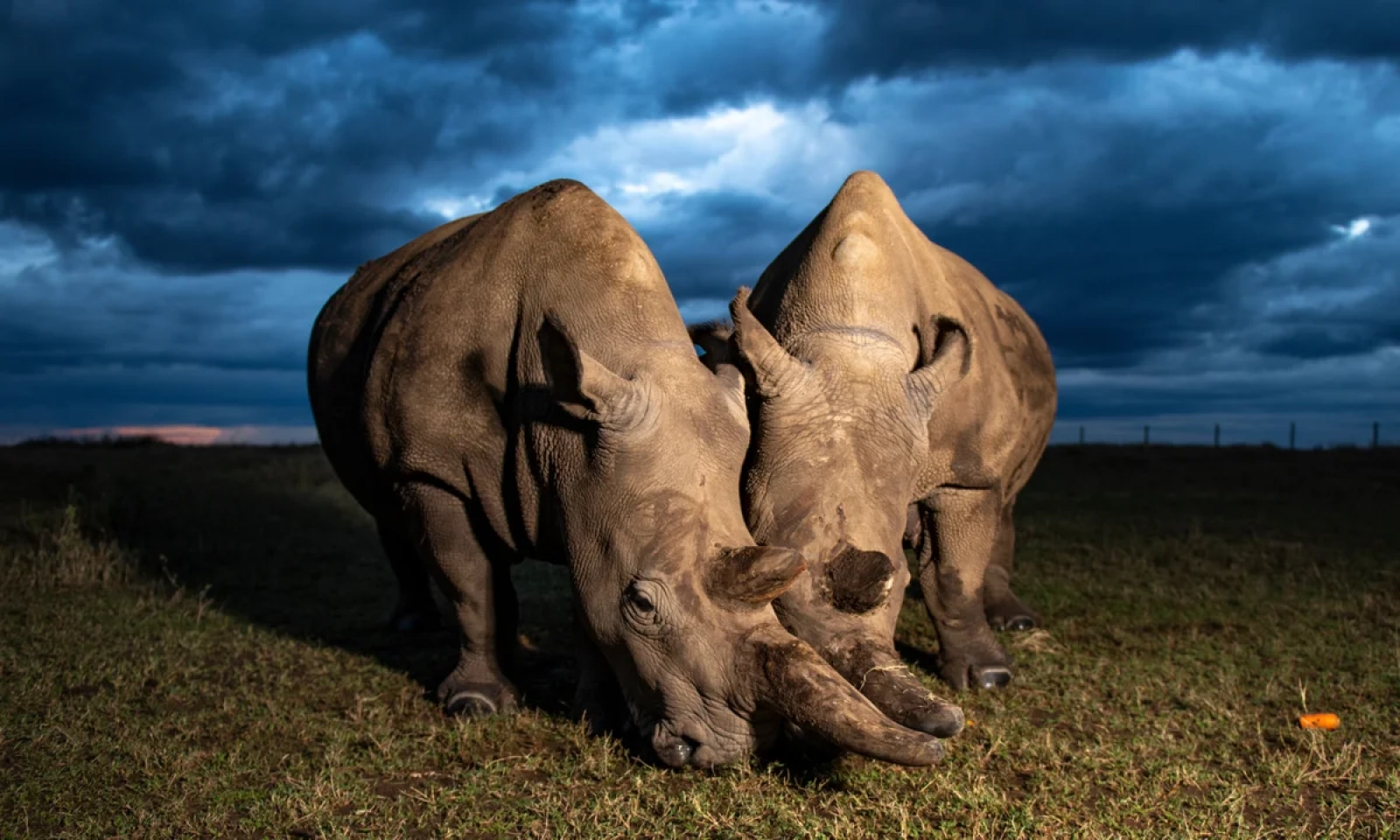
Only two females remain. Scientists continue exploring assisted reproductive technologies in an attempt to preserve genetic material and potentially produce future embryos. Whether those efforts ultimately rebuild a viable population remains uncertain. The lesson for other rhino populations is painfully clear: Conservation action must happen before numbers collapse to such extreme levels. Once a species reaches only a handful of individuals, recovery becomes exponentially more difficult.
The southern white rhino tells the opposite story. From a tiny remnant population during the twentieth century, numbers increased dramatically through sustained conservation. Protected areas. Translocations. Breeding. Management. Security. All played roles. The species’ recovery demonstrates what conservation can accomplish. Its later poaching losses demonstrate that achievements can also be reversed. Conservation is not a finished project. It requires permanent vigilance.
Rhinos are fantastic photographic subjects. Their texture, horns and enormous bodies create dramatic images. But photography must never take priority over animal welfare. Do not ask guides to move too close. Do not block an animal’s path. Do not surround mothers with calves. Avoid loud behavior. And once again, consider carefully before publishing location data. The best wildlife photograph is one obtained without changing the animal’s behavior.
A good rhino safari in Africa should leave travelers with more than photographs. It should explain why the animals survived. Who protects them. What threats remain. How tourism contributes. Why local communities matter. Why translocations happen. Why some animals are dehorned. This deeper understanding transforms a Big Five sighting into something far more meaningful.
Uganda and Rwanda provide another interesting comparison. Mountain gorillas and rhinoceroses require very different management strategies. Yet their conservation stories share important principles. Wildlife needs secure habitat. Tourism can create funding. Strict visitor regulations matter. Communities need benefits. Long-term monitoring is essential. International cooperation can be powerful. For travelers combining gorilla trekking and African safaris, seeing both conservation models provides valuable perspective on how difficult wildlife protection can be.
At Adventure in the Wild Safaris, wildlife encounters are most meaningful when travelers understand the ecosystems and conservation stories behind them. Uganda itineraries can combine Ziwa rhino tracking, Murchison Falls wildlife, chimpanzee trekking and mountain gorillas. Rwanda journeys can combine Akagera’s Big Five wildlife with gorilla trekking in Volcanoes National Park. Longer African safaris can include the Greater Kruger ecosystem and other major rhino conservation landscapes in Southern Africa. The goal is not simply to tick rhinoceros from a wildlife checklist.
It is to encounter these remarkable animals responsibly while supporting destinations where conservation and tourism reinforce each other.
The story of African rhinos is not simply a story of decline. It is a story of repeated crisis followed by extraordinary human effort. Southern white rhinos once approached extinction and then recovered dramatically. Poaching later reversed some of those gains. Now, one of the largest mammal rewilding efforts ever attempted is moving hundreds of rhinos into secure landscapes across Africa. Forty to one conservancy. A hundred and twenty to Greater Kruger.
Another hundred and sixty into the same broader landscape. Seventy to Akagera. Twenty-four to Garamba. Hundreds more moved through staging areas and additional protected landscapes. Behind every number are veterinary teams, trackers, pilots, drivers, rangers, conservation managers, donors, governments and communities. And behind every successful release is an animal stepping from a transport crate into a landscape where its ancestors once belonged. That is what makes the Rhino Rewild initiative so significant.
It is not merely preserving rhinos. It is attempting to restore them as functioning components of African ecosystems. The work is far from finished. Poaching remains a threat. Security remains expensive. Suitable habitat is finite. Funding must continue. Communities need meaningful benefits from conservation. But the progress already achieved proves something important: Large-scale restoration is still possible. For travelers fortunate enough to encounter a rhinoceros on an African safari, that knowledge should change the experience.
The animal standing quietly in front of you may exist there because generations of conservationists refused to accept extinction as inevitable. And protecting that future remains one of the most important conservation challenges—and opportunities—in Africa.
Get quick answers to the most common questions. If you still have questions, our safari experts are here to help.
Africa has two living rhino species: the white rhinoceros and black rhinoceros.
Rhino Rewild is an African Parks initiative designed to rewild approximately 2,000 southern white rhinos from a former private breeding operation into safe, professionally managed protected areas across Africa.
The initiative was designed as an approximately ten-year effort to move the rhinos into appropriate conservation landscapes.
African Parks reported more than 630 southern white rhinos translocated under Rhino Rewild by the end of 2025.
Release and translocation destinations have included protected areas in South Africa as well as Akagera National Park in Rwanda and Garamba National Park in the Democratic Republic of Congo.
Major Rhino Rewild operations included 120 southern white rhinos moved to Greater Kruger partner reserves in 2024 and another 160 in 2025.
Dehorning is used in some conservation areas to reduce the financial incentive for poachers. It is not a complete solution and must be combined with effective security.
Yes. When properly removed without damaging the growth area, rhino horn can regrow.
No. Rhino horn is primarily composed of keratin.
Only two females remain, making conventional natural recovery extraordinarily difficult.
Their history already demonstrates that substantial recovery is possible when populations receive strong protection and professional management.
Ziwa Rhino Sanctuary is Uganda’s principal rhino conservation destination and can be included in safari itineraries toward Murchison Falls.
Yes. Akagera National Park protects rhinos and offers Big Five safari experiences.
Yes. Kruger and the broader Greater Kruger ecosystem remain important rhino landscapes, although sightings cannot be guaranteed and location information is carefully protected.
Avoid sharing real-time locations or precise GPS data because such information can create security risks.
Responsible safari tourism can generate park fees, conservation funding, employment and economic incentives for protecting wildlife habitat.
Our safari experts are here to help you plan your safari. Get personalized advice, the latest information and a free, no-obligation quote.
We typically reply within a few hours.

Share This Article
Safari Tanzanie départ Montréal : le guide complet Un safari Tanzanie départ Montréal demande généralement davantage de préparation…
Read article
Safari Tanzanie départ Genève : comment préparer son voyage ? Un safari Tanzanie départ Genève demande une organisation…
Read article
Safari Tanzanie départ Bruxelles : pourquoi cette porte d'entrée est intéressante ? Pour les voyageurs belges et ceux…
Read article
Safari Tanzanie départ Paris : comment organiser son voyage ? Un safari Tanzanie départ Paris commence bien avant…
Read articleLet us take you closer to the wildlife, people and places that make Africa extraordinary.
Plan Your Safari Today