Safari Tanzanie départ Montréal : conseils et organisation
Safari Tanzanie départ Montréal : le guide complet Un safari Tanzanie départ Montréal demande généralement davantage de préparation…
Read article
Travel Guide
One of the first questions almost every traveler asks when planning Africa is deceptively simple: How much does an African safari cost? The difficulty is that an African safari is not one standardized product. A three-day…
One of the first questions almost every traveler asks when planning Africa is deceptively simple: How much does an African safari cost? The difficulty is that an African safari is not one standardized product. A three-day shared road safari using simple accommodation cannot meaningfully be compared with a ten-day private fly-in safari using exclusive wilderness camps.
A Uganda gorilla trekking safari has a completely different cost structure from a self-drive Namibia trip. A Great Migration safari during peak season in northern Serengeti may cost considerably more than visiting another Tanzania park during shoulder season. A family of six can distribute private vehicle costs across several people, while a solo traveler may pay a single supplement.
A couple may spend heavily on luxury accommodation but relatively little on activities. Another couple may sleep in budget lodges but purchase gorilla permits, chimpanzee permits and internal flights. This is why asking “How much is a safari?” without defining the itinerary is similar to asking “How much does a car cost?” The answer depends on what you are buying. The correct approach is to understand the components of safari pricing and then decide which components matter most to you.
Kenya Wildlife Service itself describes safari pricing as varying according to trip type and itinerary length and currently gives a broad illustrative range of about US$70–US$400 per person per night for Kenya safari arrangements covering components such as park fees, meals, accommodation and game drives. That wide spread demonstrates why headline figures alone are rarely enough.
This detailed African safari budget planning guide for 2027 explains where safari money actually goes, which expenses can be reduced safely, which corners should not be cut, how destination choice affects cost and how to build a realistic budget without sacrificing the wildlife experiences that brought you to Africa in the first place.
Before choosing lodges, decide approximately how much you can spend on the entire journey. Include: international flights; safari package; permits; pre- and post-safari hotels; insurance; visa or travel-authorization costs where applicable; tips; drinks; personal spending; vaccinations or health preparations; and emergency contingency. Travelers frequently make the mistake of allocating their entire budget to the safari quotation and forgetting everything around it. If your complete holiday budget is $6,000, you should not automatically book a $6,000 safari.
International airfare fluctuates dramatically according to: origin; season; airline; booking date; route; and baggage allowance. For comparison purposes, it is usually easier to calculate your African safari land cost separately. This allows you to compare safari proposals fairly. A tour operator cannot control whether your flight from New York, London, Amsterdam or Sydney costs $700 or $1,800.
A properly constructed safari package may include: airport transfers; private or shared vehicle; professional safari guide; fuel; accommodation; specified meals; game drives; park fees; boat safaris; domestic transport; and selected permits or activities. However, inclusions vary. Never assume. One quotation may include all park fees. Another may list them separately. One may include drinking water. Another may not. One may include gorilla permits. Another may quote the safari first and permits afterward.
The only fair comparison is line by line.
Most safari prices are shaped by seven major variables: destination; season; accommodation category; transport style; number of travelers; activities and permits; and trip duration. Understanding these allows you to control your budget intelligently.
Different African countries have different tourism structures. A self-drive safari in South Africa or Namibia can have a very different cost profile from a remote Botswana fly-in safari. Kenya has a large established road-safari industry. Tanzania’s northern circuit can involve substantial conservation and concession-related costs. Uganda combines road safaris with specialist primate permits. Rwanda offers compact routing but premium gorilla trekking. Botswana often emphasizes lower-volume wilderness tourism. Destination choice is therefore a budget decision before you select a hotel.
Season affects accommodation rates dramatically. Peak season generally corresponds with periods of high demand and favorable wildlife conditions. Examples include migration periods in Kenya and Tanzania and dry-season safari periods in several southern African destinations. Low and shoulder seasons can reduce accommodation costs. But “cheap season” should not automatically be interpreted as “bad season.” Green-season safaris can offer: dramatic skies; lush scenery; newborn animals; excellent birding; fewer vehicles; and attractive rates.
Accommodation can consume a huge share of the budget. Safari lodging ranges from: public campsites; basic guesthouses; budget tented camps; mid-range lodges; luxury camps; to extremely exclusive villas. The wildlife outside does not become more expensive because your room has a plunge pool. This makes accommodation one of the easiest areas to adjust.
Transport is another major cost. Possible styles include: shared minivan; private safari van; private 4×4; self-drive; scheduled flight; charter aircraft; boat; and combinations. Private vehicles cost more when occupied by one or two travelers. As group size increases, per-person cost can fall because the fixed vehicle expense is divided.
Safari economics favor small groups. Imagine a vehicle and guide costing a fixed amount per day. If one traveler pays that cost, the safari is expensive. If four travelers divide it, the per-person figure falls substantially. This is why solo safaris can be expensive. It is also why a private safari for a family or group of friends can provide surprisingly strong value.
Specialized activities can significantly affect the budget. Examples include: gorilla trekking permits; chimpanzee trekking; hot-air ballooning; helicopter flights; specialist walking safaris; private boat charters; and premium conservation experiences. Travelers should prioritize the experiences they genuinely value rather than adding every optional activity.
Every additional day adds: accommodation; meals; guide time; vehicle use; fuel; and potentially park fees. But shortening a safari too aggressively can produce poor value. If two days of a four-day trip are spent transferring, the safari may be cheaper but far less satisfying.
These are not the same thing. A budget safari removes unnecessary luxury while protecting the essential wildlife experience. A cheap safari may reduce quality everywhere. That can mean: overcrowded vehicles; poorly maintained equipment; unrealistic itineraries; distant accommodation;

inexperienced guiding; or hidden exclusions. The goal is not to find the lowest number. The goal is to obtain the most safari for the money.
Do not compromise excessively on: vehicle reliability; guide quality; safety; sufficient game-viewing time; legitimate permits; appropriate park access; and sensible routing. These form the foundation of the safari.
You can often save on: room size; luxury bathroom features; private pools; premium alcohol; spa treatments; charter flights; exclusive dining; and unnecessary upgrades. A comfortable bed, hot shower and good location are enough for many travelers.
Budget safari accommodation can include permanent tented camps, guesthouses and simple lodges. “Budget” does not automatically mean uncomfortable. Many affordable properties offer: private rooms; en-suite bathrooms; mosquito nets where needed; meals; electricity; and good locations. The important question is value.
Mid-range safaris are often the sweet spot. Travelers receive substantially greater comfort without reaching extreme luxury pricing. A good mid-range lodge may provide: spacious rooms; private bathrooms; good meals; reliable electricity; pleasant communal areas; and excellent safari access. For many travelers, upgrading beyond this point produces diminishing returns.
Luxury becomes worthwhile when it improves more than the room. A premium camp may provide: superior location; small guest numbers; exceptional guides; private vehicles; exclusive activities; and better wildlife access. That can justify the cost. Paying more merely for expensive furniture may not.
At the highest level, safari becomes a hospitality experience as much as a wildlife trip. Private villas, personal chefs, charter aircraft, spa treatments and exclusive-use vehicles may be included. There is nothing wrong with this style if it matches the traveler. But it is not required to see exceptional wildlife.
This distinction causes confusion. Some expenses are charged per person. Others are effectively fixed per vehicle or booking. Per-person costs may include: park fees; meals; accommodation; permits; and flights. Shared fixed costs may include: vehicle; guide; fuel; and some transfers. This is why group size matters.
Solo travelers frequently face higher per-person rates because they cannot divide private transport or room costs. Ways to reduce the price include: joining scheduled departures; sharing a vehicle; choosing properties without large single supplements; and traveling during shoulder season. A solo traveler should always ask whether a group safari departure exists.
Couples are the most common private-safari configuration. The vehicle cost is divided between two people. For East African road safaris, this can be more expensive than group travel but offers enormous flexibility. Couples can reduce costs by: using mid-range accommodation; limiting internal flights; and designing geographically efficient routes.
Four travelers often create excellent private-safari economics. Vehicle and guide costs are spread across four people. You retain privacy while achieving a lower per-person transport cost. For groups of friends, this can be one of the best ways to safari.
Families can also benefit from shared transport. However, room configuration matters. Family rooms can be cheaper than multiple separate rooms. Children’s park-fee and accommodation policies vary. Always provide exact ages when requesting a quotation.
Kenya offers safari options across an enormous range. Budget group safaris are widely available. Private road safaris occupy the middle. Luxury conservancy and fly-in safaris reach the premium end. Kenya Wildlife Service currently notes that packaged tours may incorporate park-entry fees in the total cost, while self-organized visitors can pay applicable KWS fees separately through official systems. However, the Masai Mara’s fee structure is not simply interchangeable with KWS national-park tariffs, so travelers should verify the exact protected area included in their itinerary.
Consider: road travel from Nairobi; shared departures; mid-range or budget camps; travel outside peak migration weeks; and combining geographically sensible parks. Do not attempt to visit every famous Kenyan reserve in five days.
Tanzania’s northern circuit is globally famous. The Serengeti, Ngorongoro, Tarangire and Lake Manyara can be combined efficiently, but park and conservation-related charges contribute significantly to overall pricing. TANAPA maintains official park tariffs, and its tariff page confirms that different visitor categories and park-related charges apply. For 2027 planning, current official tariffs should always be rechecked when finalizing a quotation rather than copying numbers from an old article.
The first strategy is route efficiency. The second is accommodation selection. The third is season. The fourth is group size. Travelers can also avoid unnecessary domestic flights where road transfers remain practical.
Serengeti can become expensive because of: park fees; camp costs; concession-related charges where applicable; vehicle costs; long distances; and high seasonal demand. Migration season intensifies this. The best way to save is not necessarily shortening the stay. It may be choosing a simpler camp.
The Great Migration commands premium prices during famous river-crossing months. Well-located northern Serengeti and Masai Mara camps can sell early. Budget travelers should consider whether seeing a river crossing is essential. If not, other migration stages can provide spectacular wildlife at different seasonal price points.
Uganda’s cost structure differs because primate permits can represent a significant portion of the trip. A classic Uganda route may include: Murchison Falls; Kibale; Queen Elizabeth; Bwindi; and Lake Mburo. Road transport connects these destinations. Accommodation exists across several categories. The largest single specialist expense for many travelers is gorilla trekking.
When planning a gorilla safari, budget for the permit first. Then design accommodation and transport around it.
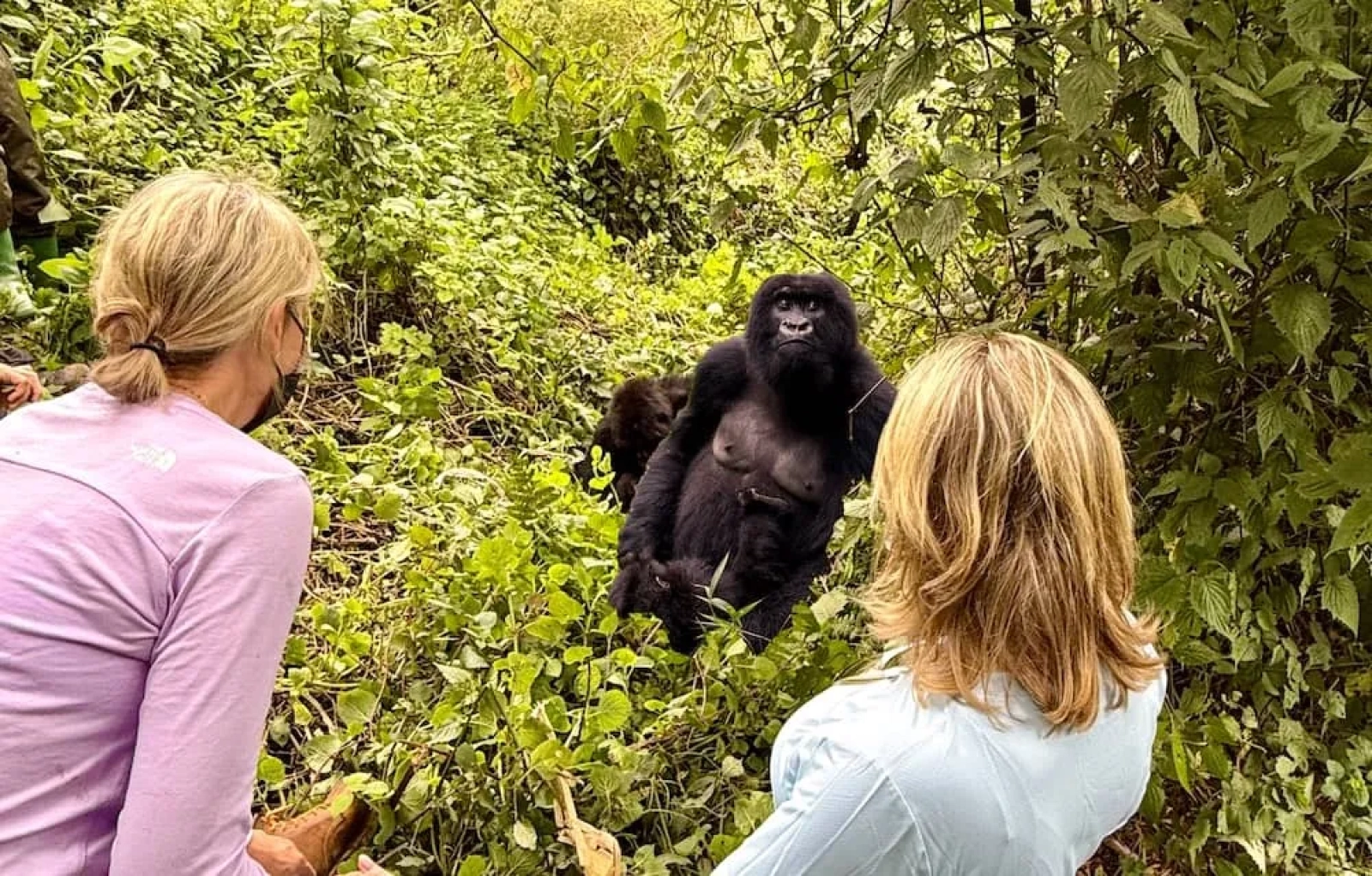
Do not spend heavily on a luxury lodge and discover afterward that the essential permit pushes the trip beyond budget. Permit rules and rates can change, so always verify current official information before payment.
Uganda is particularly suited to mixed-category planning. You can use: budget accommodation in transit locations; mid-range lodges around national parks; and perhaps one luxury upgrade near Bwindi. This allows money to be concentrated around experiences that matter.
Rwanda offers efficient travel distances and a highly developed high-value tourism sector. Gorilla trekking can represent a major expense. Travelers whose priority is simply seeing mountain gorillas should compare the complete Uganda and Rwanda trip cost rather than looking only at permit price. Transport time, accommodation and onward routing matter.
The cheapest permit does not automatically produce the cheapest entire safari. A traveler arriving in Kigali may find one route convenient. Someone combining Queen Elizabeth and Kibale may find Uganda far more logical. Compare the complete itinerary.
Botswana is frequently perceived as expensive because many famous camps operate within remote wilderness areas using low-volume tourism models. Light aircraft transfers can increase cost. However, not every Botswana safari requires ultra-luxury camps. Chobe and other accessible areas can be approached differently.
Consider: road-accessible destinations; shoulder season; mobile safaris; and combining Chobe with Victoria Falls. Avoid assuming every Okavango experience requires the most expensive lodge category.
Namibia can offer excellent value for confident self-drive travelers. Vehicle rental becomes the major transport cost. Accommodation can range widely. A route incorporating Etosha National Park, Damaraland, Swakopmund and Sossusvlei can be organized without a private safari guide. However, driving distances are substantial.
Self-driving saves guide costs but transfers responsibility to the traveler. You must handle: navigation; fuel; vehicle issues; wildlife spotting; and long-distance driving. For some travelers, the saving is worthwhile. Others prefer paying for a guide and focusing entirely on the journey.
South Africa offers perhaps Africa’s broadest range of safari pricing. Self-drive public-park safaris can be relatively accessible. Private reserves can be extremely luxurious. This makes South Africa useful for travelers who want strong control over budget.
Zambia is renowned for walking safaris and remote bush camps. Some experiences are premium-priced because of remote logistics and small camp sizes. Travelers should evaluate value rather than assuming a less famous country is automatically cheaper.
Zimbabwe can provide excellent wildlife value. Hwange combines naturally with Victoria Falls. More remote areas may involve higher transfer costs. A well-routed Zimbabwe itinerary can be very competitive.
Protected-area fees are not arbitrary extras. They contribute to conservation and management. In many destinations, they represent a significant component of the safari price. Travelers comparing operators should confirm whether these fees are included.
Conservation costs change. Governments revise tourism policies. Currency values fluctuate. Protected areas alter fee structures. This is why articles containing precise future prices become outdated quickly. For 2027 travel, request a quotation based on rates applicable to your actual dates.
Some destinations charge additional fees for staying in particular areas or accommodations. These may not appear as “park entry.” They can still be part of the safari cost. Ask your operator for an inclusive quotation.
Solo travelers may pay more because one person occupies a room priced partly around double occupancy. Some lodges waive or reduce single supplements in lower seasons. This is worth asking about.
A quoted lodge rate may look reasonable until several bush flights are added. Always calculate transport to and from the property.
Late arrivals often require an extra hotel night. Early departures may require another. These should be included in the overall holiday budget.
Tipping practices vary by country and property. Guides, trackers, porters and lodge teams may all be part of the gratuity budget. Ask for guidance before travel.
Some lodges include selected beverages. Others charge separately. Luxury “all-inclusive” terminology also varies. Confirm exactly what is covered.
Laundry may be included at some properties and charged at others. On long safaris, this can affect packing decisions.
Entry rules vary according to nationality and can change. Do not use an old blog as your immigration authority. Check official government requirements for each country.
Travel insurance should be treated as part of the trip budget. Policies vary, but travelers commonly consider: medical treatment; emergency evacuation; trip cancellation; delays; and baggage. For remote safaris, emergency evacuation coverage deserves particular attention.
Payment methods can affect final cost. Operators or payment processors may apply transaction fees. Bank transfers may involve sending and receiving charges. Ask before paying.
Safari prices may be quoted in US dollars while travelers earn in pounds, euros, Australian dollars or other currencies. Exchange-rate movement can alter the real cost.
Do not carry excessive cash. A moderate amount can be useful for: tips; small purchases; local markets; and places where electronic payment is unavailable. Your operator should provide country-specific guidance.
Often. A properly inclusive safari simplifies budgeting. However, “all-inclusive” must be defined. Ask whether it includes: park fees; activities; premium drinks; laundry; airport transfers; and gratuities. Never assume.
Group safaris divide transport costs. This makes them attractive for: solo travelers; couples; and budget-conscious guests. Private safaris cost more but provide flexibility. For four to six travelers, private travel may become highly competitive.
Lower cost is the obvious advantage. They also provide social interaction. But there are compromises. Departure dates may be fixed. Accommodation choices may be predetermined. Wildlife interests must be shared.
You control: departure time; game-drive duration; photography stops; meal timing; and itinerary pace. For families and photographers, this can justify the additional cost.
Even within a lodge, game drives may be shared. A luxury camp does not always include a private vehicle. If vehicle privacy matters, ask whether it is included or charged separately.
Road safaris are generally cheaper. Fly-in safaris save time. The right comparison includes the value of time.

If driving requires ten hours and flying requires one, a flight may effectively buy an additional safari day.
Consider flying when: the road journey is extremely long; your itinerary is short; you have mobility concerns; or the flight significantly improves time in the wildlife area.
Driving works well when parks connect naturally. Northern Tanzania is a good example. Uganda’s western safari circuit also works naturally by road. A vehicle becomes both transport and safari platform.
Poor routing can be surprisingly expensive. Imagine driving six hours east, then returning six hours west because two cheap lodges were selected without considering geography. You save on rooms but spend more on fuel and lose safari time. Good route design is a financial tool.
First, choose your essential experience. Is it: gorillas; the Great Migration; Big Five wildlife; chimpanzees; Victoria Falls; Okavango; or photography? Second, select the best destination for that experience. Third, determine the minimum sensible number of days. Fourth, choose accommodation category. Fifth, decide between private and shared transport. Sixth, add permits and optional activities. Finally, add contingency.
Suppose your dream is gorilla trekking in Uganda. Budget for that first. Do not spend the first half of the planning process comparing swimming pools in Queen Elizabeth National Park. The gorilla permit and Bwindi logistics are the foundation. Everything else can be adjusted.
This is one of the best safari budgeting rules. Four nights in a good mid-range camp may produce a better safari than two nights in an extraordinary luxury lodge. Wildlife requires time.
Constantly moving increases fuel and reduces wildlife time. Two- and three-night stays are often more efficient. The safari also becomes less tiring.
Shoulder season can reduce costs while retaining excellent wildlife. The exact months vary. Research the specific destination. Do not rely on a generic “Africa low season.”
Green season can be exceptional. Advantages may include: lower rates; fewer vehicles; dramatic clouds; lush scenery; migrant birds; and young animals. Disadvantages may include: rain; thicker vegetation; more difficult roads; and dispersed wildlife. Whether this is good value depends on your priorities.
Yes, when the seasonal event is essential. If your dream is a northern Serengeti river crossing, peak migration timing makes sense. If you simply want lions and elephants, paying migration-season prices may be unnecessary.
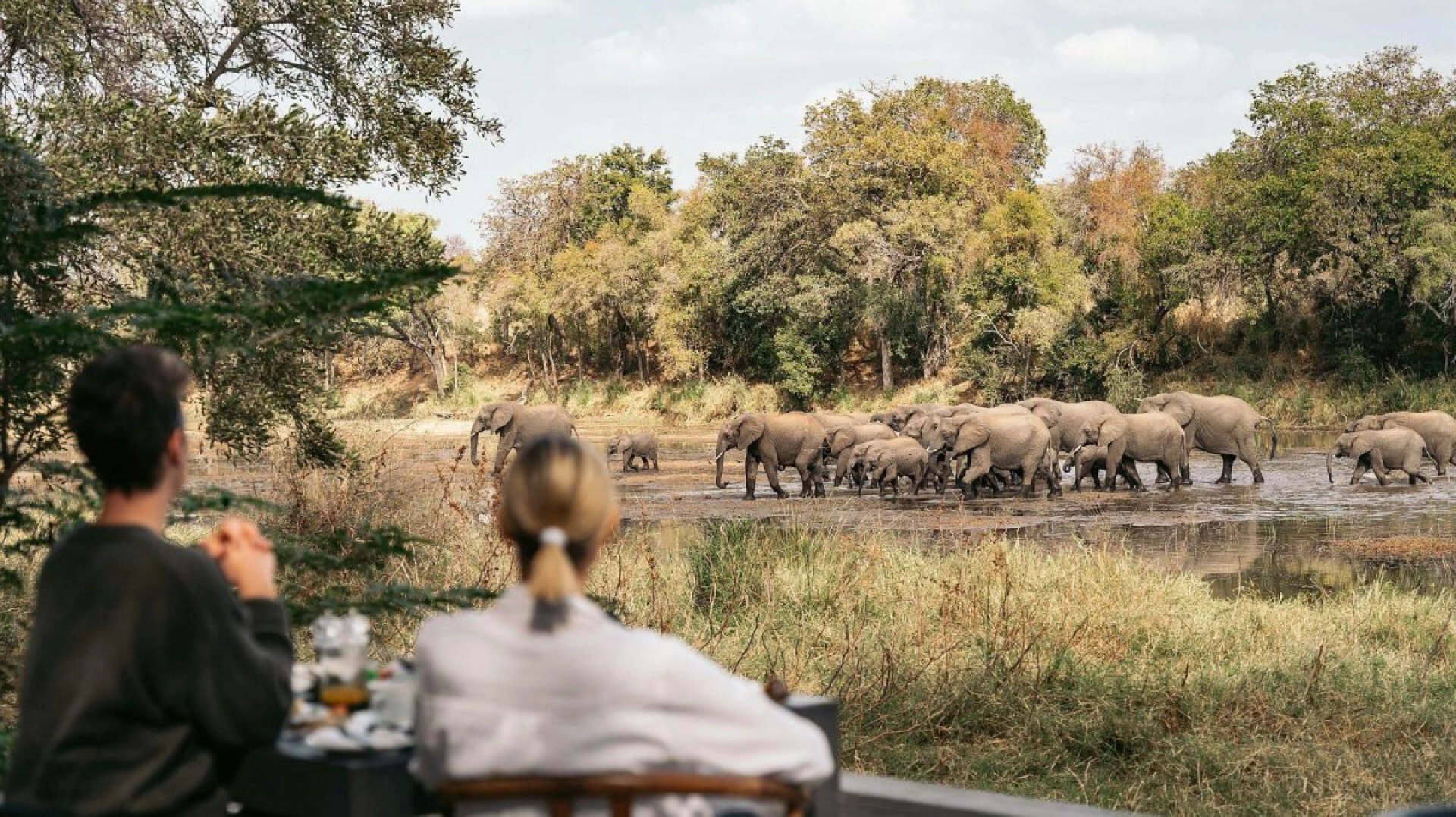
You do not need to visit the most famous park. A less famous destination may provide the wildlife you want at lower cost. For example, travelers interested in elephants have numerous options beyond the Masai Mara or Serengeti. Safari should be built around wildlife priorities rather than brand recognition.
A rushed itinerary might include five parks in seven days. This sounds impressive on paper. In practice, it can mean endless packing and driving. Three well-chosen ecosystems often provide a better experience.
Staying just outside a protected area can reduce costs. But calculate gate access. A cheap lodge ninety minutes from the wildlife area is not necessarily good value. Ask for exact transfer time.
Camping can reduce accommodation costs and increase immersion. Styles range from basic participatory camping to comfortable mobile tented safaris. Do not assume “camping” means one standard level.
Mobile safaris can provide excellent value in destinations such as Botswana and migration areas. The camp moves or operates seasonally to follow wildlife opportunities. Some are budget-oriented. Others are extremely luxurious.
Most lodge-based safari packages include meals because remote camps have few outside dining options. City hotels may use different meal plans. Check whether your quotation includes: breakfast; lunch; dinner; and drinking water.
Inform the operator early. Vegetarian, vegan, gluten-free and other dietary requirements can often be accommodated with advance notice. Remote camps need preparation time.
Alcohol can increase incidental spending significantly. Some properties include house beverages. Others charge individually. Premium wines and spirits may be excluded even from inclusive packages.
Hot-air balloon safaris are spectacular but expensive optional activities. If your budget is limited, compare the cost with an extra safari night. For many wildlife-focused travelers, the additional night provides more value.
This illustrates smart prioritization. If your dream is gorillas, protect the permit. Downgrade the lodge before removing the wildlife experience. A mountain gorilla does not care whether you slept in a standard room or presidential suite.
Chimpanzee permits add another specialist activity cost. Uganda offers several chimpanzee destinations, each with different logistics. The best choice should consider the overall route rather than permit price alone.
Boat safaris can provide excellent value because they reveal wildlife from a different perspective. Examples include: Kazinga Channel; Murchison’s Nile; Chobe River; and Okavango water activities. If included in the itinerary, they can significantly diversify the safari.
Guided walking safaris may be included or charged separately depending on destination. Specialist walking destinations can justify higher costs through guiding expertise. Never attempt independent walking where wildlife rules prohibit it.
Community and cultural visits should be evaluated for authenticity and benefit sharing rather than chosen solely because they are cheap. Ask how fees support the host community.
Photographers may need to spend differently. Priorities include: private vehicle; window seat; luggage allowance; charging facilities; and time. A cheaper group safari may become frustrating if camera access is poor.
For non-photographers, good binoculars may improve the safari more than purchasing a complicated camera. Wildlife can be far from the road. Binoculars reveal behavior invisible to the naked eye.
Small aircraft often impose strict baggage limits. Travelers carrying heavy photography equipment should confirm allowances before booking. Excess baggage arrangements can create additional cost.
Using lodge laundry services allows you to pack less. This becomes especially useful on fly-in safaris with baggage restrictions.
You do not need an entirely new wardrobe. Comfortable neutral-colored clothing usually works. Prioritize: layers; sun protection; rain protection where relevant; and appropriate footwear. Expensive branded safari clothing is optional.
For vehicle-based safaris, comfortable closed shoes may be sufficient. For gorilla trekking, chimpanzee trekking or walking safaris, stronger footwear becomes more important. Spend according to activity.

For forest trekking, useful items include: sturdy footwear; long trousers; long sleeves; rain protection; daypack; water; and gloves if recommended for vegetation. You do not need expedition-level mountaineering equipment.
Create a separate gratuity envelope in your overall budget. This prevents last-day confusion. Ask the operator for current destination-specific guidance.
Keep contingency funds. Unexpected expenses may include: flight changes; extra hotel nights; medical consultation; lost baggage; or itinerary disruption. Do not plan a safari with zero financial buffer.
Deposit size is not a measure of operator quality. Understand: payment schedule; cancellation terms; permit conditions; and refund policies. Read the booking terms before sending money.
Do not compare only the final number. Compare: number of nights; accommodation names; room category; meal plan; vehicle type; private vs shared safari; park fees; permits; activities; airport transfers; internal flights; and exclusions. Only then can you determine which safari is actually cheaper.
The difference may be completely legitimate. One operator may include: better accommodation; private vehicle; all park fees; more game drives; and a domestic flight. Another may exclude several of those. A cheaper headline rate can hide a more expensive final trip.
Ask: Are all park fees included? Are permits included? Is the vehicle private? How many passengers? Which accommodation is confirmed? Are meals included? Is drinking water included? Are airport transfers included? What is excluded? What happens if government fees change? These questions prevent surprises.
Be cautious when: the price is dramatically below every competitor; the operator will not name accommodations; permit arrangements are vague; the itinerary contains impossible drive times; payment details do not match the company; or inclusions remain unclear. Cheap should never mean suspicious.
A professional operator pays for: trained staff; vehicle maintenance; insurance; licenses; office support; guide development; and emergency assistance. These costs contribute to reliability. The cheapest company may not have the same operational depth.
A breakdown can destroy a carefully planned day. Vehicle maintenance is therefore part of the safari product even though travelers rarely see it listed. Saving a small amount by choosing an unreliable operator can become extremely expensive.
A guide transforms wildlife from sightings into understanding. Experienced guides interpret: tracks; calls; behavior; habitat; weather; and conservation. Good guiding is worth paying for.
Local operators can provide excellent value because they manage the ground arrangements directly. They may also offer more itinerary flexibility. Travelers should verify reputation, licensing and booking conditions.
DIY travel can reduce costs in self-drive-friendly destinations. However, complex East African itineraries involving permits, border crossings and multiple parks benefit substantially from professional coordination. The cheapest planning method is not always the easiest or safest.
Self-drive costs include: vehicle rental; insurance; fuel; park fees; accommodation; food; and possibly one-way charges. Travelers should also account for the value of their own driving time.
Fuel can become substantial on long overland routes. A route that looks short on a map may involve rough roads, detours and wildlife drives. Efficient itinerary design reduces fuel consumption.
This depends on destination, season and route. Some parks and roads strongly favor 4×4 vehicles. Others can be accessed with standard vehicles. Never choose a vehicle purely on rental price without considering terrain.
Multi-country safaris may involve: visas; vehicle paperwork; road permits; insurance; and transfer arrangements. These costs should be incorporated from the beginning.
A Kenya–Tanzania–Uganda itinerary can be extraordinary but is rarely the cheapest way to safari. Each international transition adds logistics. The trip becomes worthwhile when each country provides a distinct experience. For example: Masai Mara Great Migration; Serengeti; and Uganda gorilla trekking.
If you have already allocated four days to Serengeti, do you need another four days in a very similar savannah park? Perhaps. But if the budget is tight, adding a rainforest or river ecosystem may create more value. Diversify the experience.
Spend enough for comfort and location. Beyond that, ask what additional money buys. If an extra $500 per night buys only a larger bathtub, it may not matter. If it buys exclusive access to a low-density conservancy, it may be transformative.
Honeymooners can use a mixed approach. Spend moderately on the core safari. Upgrade one or two special nights. Add a beach stay. This creates memorable luxury without paying premium rates every night.
Families should prioritize:
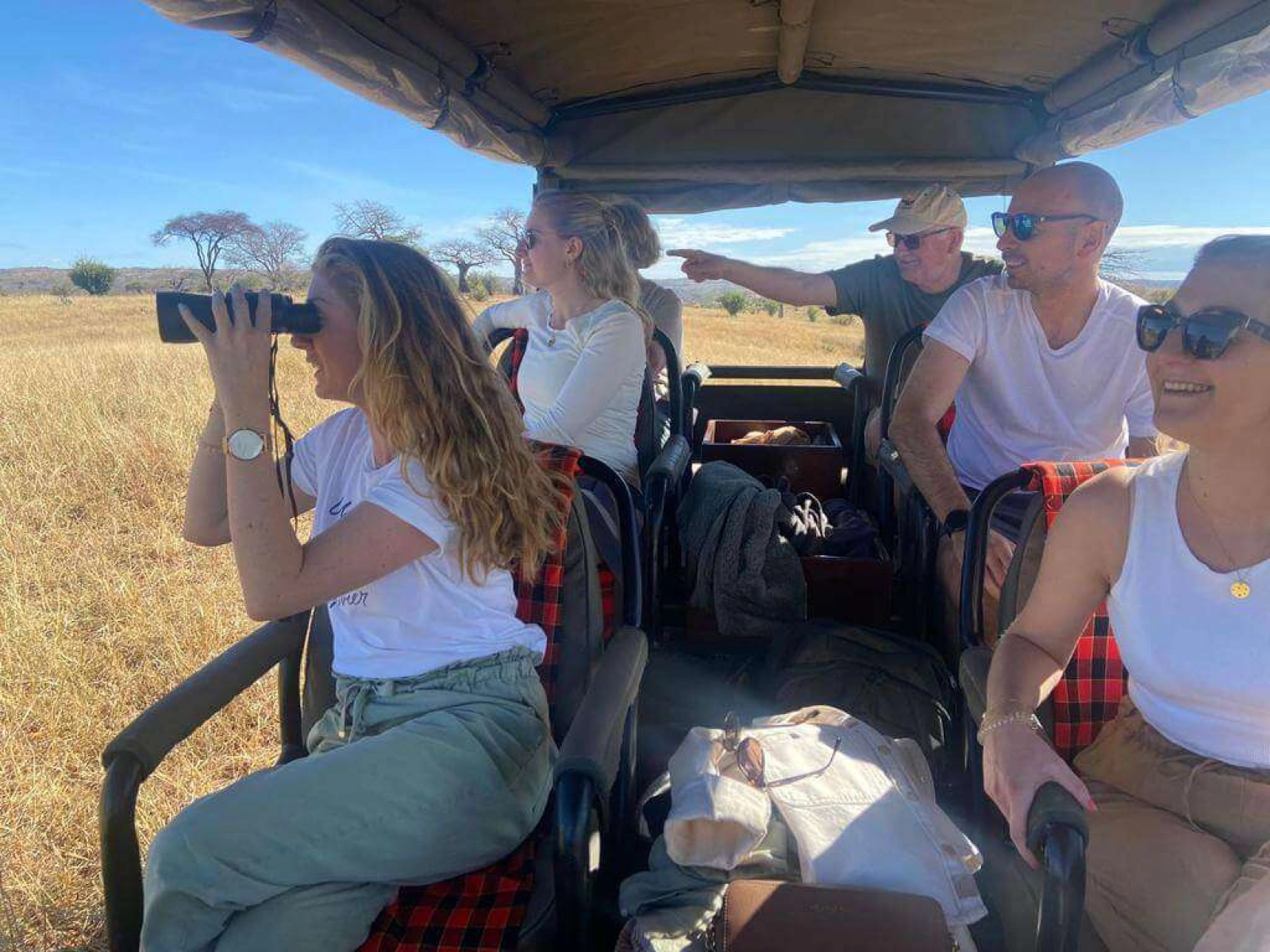
private vehicle; family rooms; shorter transfer days; and child-friendly lodges. Saving on room luxury while retaining a private vehicle can be a smart trade.
Comfort matters. Avoid false economies such as extremely long road transfers or very basic beds if these reduce enjoyment. A short domestic flight or better-located lodge may justify the extra cost.
Join scheduled departures. Look for camps with limited single supplements. Travel outside peak season. Consider destinations with established group-tour infrastructure. These can reduce the solo premium considerably.
Last-minute availability can occasionally create opportunities. But it is risky for: gorilla permits; migration camps; small luxury lodges; and holiday periods. Travelers with fixed dates should not rely on last-minute discounts.
Some lodges and operators may offer incentives for early commitment. Even when there is no discount, early booking secures better choices. This can indirectly save money because you avoid being forced into a more expensive remaining property.
A knowledgeable safari specialist can save time and prevent expensive routing mistakes. The value depends on expertise. Generic travel booking knowledge is not the same as understanding African safari logistics.
Many African safari quotations for international travelers use US dollars. Exchange-rate changes can affect travelers paying from other currencies. If your budget is tight, monitor this exposure.
Confirm: company bank details; invoice; booking terms; amount; currency; and payment reference. Never send funds based only on an informal message.
Permits and special activities may have stricter cancellation conditions than accommodation. Travel insurance can therefore be particularly important. Read terms before paying.
Safari contracts often specify how statutory fee increases are handled. Ask whether the quotation is fixed or whether future government increases may be passed on. This matters for trips booked far in advance.
When planning a 2027 African safari, use current quotations rather than assuming 2025 or 2026 rates will remain unchanged. Official fee structures can be revised. Kenya, for example, implemented revised conservation-fee regulations from October 2025, illustrating why historical blog prices should not be treated as permanent.
Imagine your priority is gorillas and chimpanzees. Protect the costs of: gorilla permit; chimpanzee permit; reliable private transport; and enough nights. Then select budget or mid-range lodges. Do not remove Kibale or Bwindi merely to afford a luxury hotel elsewhere.
Suppose your priority is Masai Mara wildlife. Choose three or four nights in a well-positioned budget or mid-range camp. Travel by road. Join a shared safari if necessary. Avoid adding distant parks simply to lengthen the destination list.
Suppose your priority is the Great Migration. Spend money on being in the correct Serengeti region. Use a simpler camp if necessary. Do not choose a cheap lodge several hours from the expected migration area.
Suppose your dream is the Okavango. Consider spending fewer nights but protecting the core Delta experience, then add a more accessible destination such as Chobe. This can balance cost and exclusivity.
Rent an appropriate vehicle. Use comfortable but modest accommodation. Stay multiple nights in Etosha rather than racing through. Self-drive can reduce the cost of a private guide.
When budget is tight, travelers often reduce days first. That may be the wrong move. Reducing accommodation category while keeping the itinerary length can preserve wildlife time. A seven-day budget safari may be far more satisfying than a four-day luxury safari.
Upgrade when it solves a real problem. Examples: a better location reduces two hours of daily driving; a flight replaces a ten-hour road transfer; a private vehicle improves photography; or a premium lodge provides exclusive wildlife access. These upgrades change the experience.
Do not upgrade simply because the room photographs look more impressive. You may spend most daylight hours outside the room. Luxury is valuable only if you value it.
A useful conceptual approach is to direct most of the safari budget toward the elements that create the actual experience: location; time; guide; vehicle; permits; and wildlife access. Use the remaining discretionary portion for room upgrades and luxury extras. The percentages do not need to be literal. The principle matters.
Choose clean mid-range accommodation. Use private transport if your group size makes it economical. Stay longer in fewer destinations. Avoid expensive unnecessary flights. Spend on the experiences you care about. The result can feel premium even without luxury lodges.
A realistic safari budget can be thought of as: Safari transport + accommodation + protected-area fees + specialist permits + activities + flights + personal expenses + contingency. Do not begin with the lodge. Begin with the wildlife objective. If you want gorillas, protect the gorilla component. If you want migration, protect the correct migration location. If you want photography, protect vehicle space. If you want elephants, choose the right ecosystem. Once the core experience is secured, adjust accommodation and transport style until the total fits your budget.
A traveler spending $15,000 can have a disappointing safari if the itinerary is badly designed. A traveler spending $3,000 can have an extraordinary experience if the route is efficient, the guide is excellent and the wildlife areas are chosen intelligently. Safari quality is not purchased exclusively through luxury. It comes from time, place, guiding and planning. That is the central principle behind learning how to budget African safari costs. At Adventure in the Wild Safaris, we can structure budget, mid-range and luxury African safaris across Uganda and the wider East African region, including gorilla trekking in Uganda, chimpanzee trekking, the Great Wildebeest Migration, Kenya safaris, Tanzania safaris, Rwanda itineraries and multi-country journeys.
A good safari budget should not ask: “How cheaply can we do Africa?” It should ask: “How can we use our available budget to spend the maximum amount of meaningful time experiencing Africa?” That question produces a much better safari.
Get quick answers to the most common questions. If you still have questions, our safari experts are here to help.
There is no universal figure. Costs vary enormously by country, season, accommodation and travel style. Kenya Wildlife Service currently illustrates this range with a broad US$70–US$400 per-person-per-night estimate for different Kenya safari types.
Shared road safaris, self-drive trips in suitable countries and budget camping arrangements are among the lowest-cost options.
It can be at the entry-level group-safari end, but exact comparisons depend on itinerary, season and protected areas.
Uganda can provide good road-safari value, but gorilla and chimpanzee permits increase the cost of primate-focused itineraries.
Premium primate tourism can make Rwanda expensive, although compact travel distances can reduce some transport costs.
Remote camps, low-volume tourism and light-aircraft logistics contribute to premium pricing in many Botswana safari areas.
In some destinations and travel styles, yes. In others, particularly remote or permit-heavy safaris, this may be unrealistic.
It may be possible in certain shared, camping or self-drive contexts, but travelers should examine what is actually included.
No.
For families, photographers and small groups, often yes.
Reputable professionally operated group safaris can be an excellent way to travel.
Properly managed safari camps follow wildlife-safety procedures. Guests must obey staff instructions.
They often are in packaged safaris, but always confirm.
Usually not unless specifically stated.
Usually not in ground safari quotations.
Normally no.
Some cash is useful, but avoid carrying excessive amounts.
Often, but payment methods and transaction charges vary by operator.
A reputable local operator can provide excellent value and destination expertise.
For peak migration, gorilla permits, Christmas, New Year and small high-demand camps, early planning is advisable.
Sometimes, but fixed-date travelers should not rely on it.
This varies by destination. Shoulder and green seasons often provide better rates.
Usually not if wildlife is your primary objective.
Keep enough contingency to handle unexpected transport, hotel or personal expenses without disrupting the trip.
Our safari experts are here to help you plan your safari. Get personalized advice, the latest information and a free, no-obligation quote.
We typically reply within a few hours.

Share This Article
Safari Tanzanie départ Montréal : le guide complet Un safari Tanzanie départ Montréal demande généralement davantage de préparation…
Read article
Safari Tanzanie départ Genève : comment préparer son voyage ? Un safari Tanzanie départ Genève demande une organisation…
Read article
Safari Tanzanie départ Bruxelles : pourquoi cette porte d'entrée est intéressante ? Pour les voyageurs belges et ceux…
Read article
Safari Tanzanie départ Paris : comment organiser son voyage ? Un safari Tanzanie départ Paris commence bien avant…
Read articleLet us take you closer to the wildlife, people and places that make Africa extraordinary.
Plan Your Safari Today