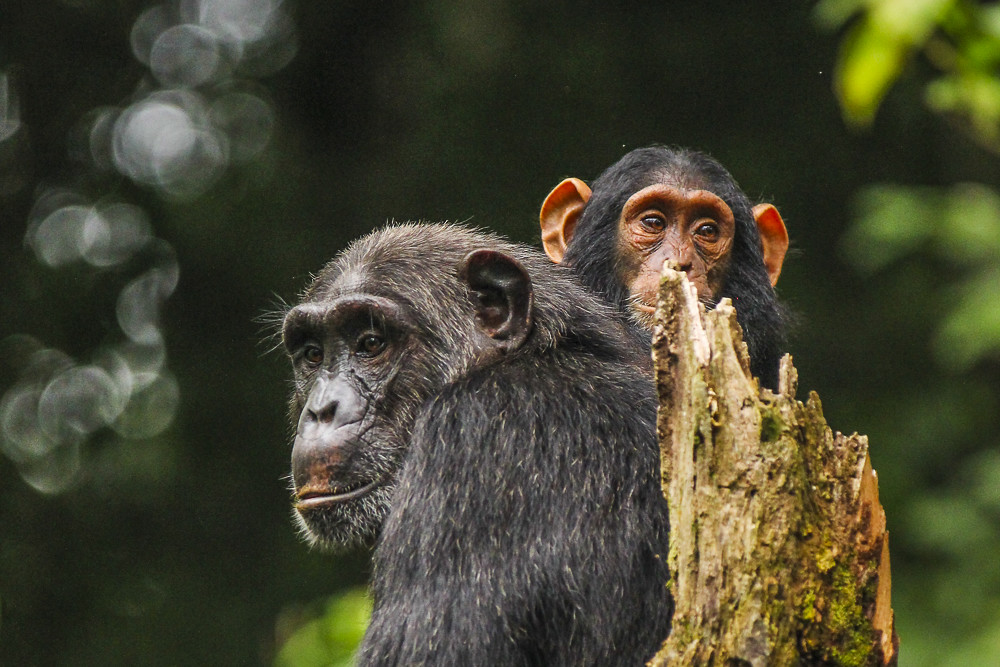
Revised Gorilla and Chimpanzee Trekking Permit Prices
Revised Gorilla and Chimpanzee trekking permit prices New prices imposed on Chimpanzee trekking permits as of 1 July…
Read article
Chimpanzees
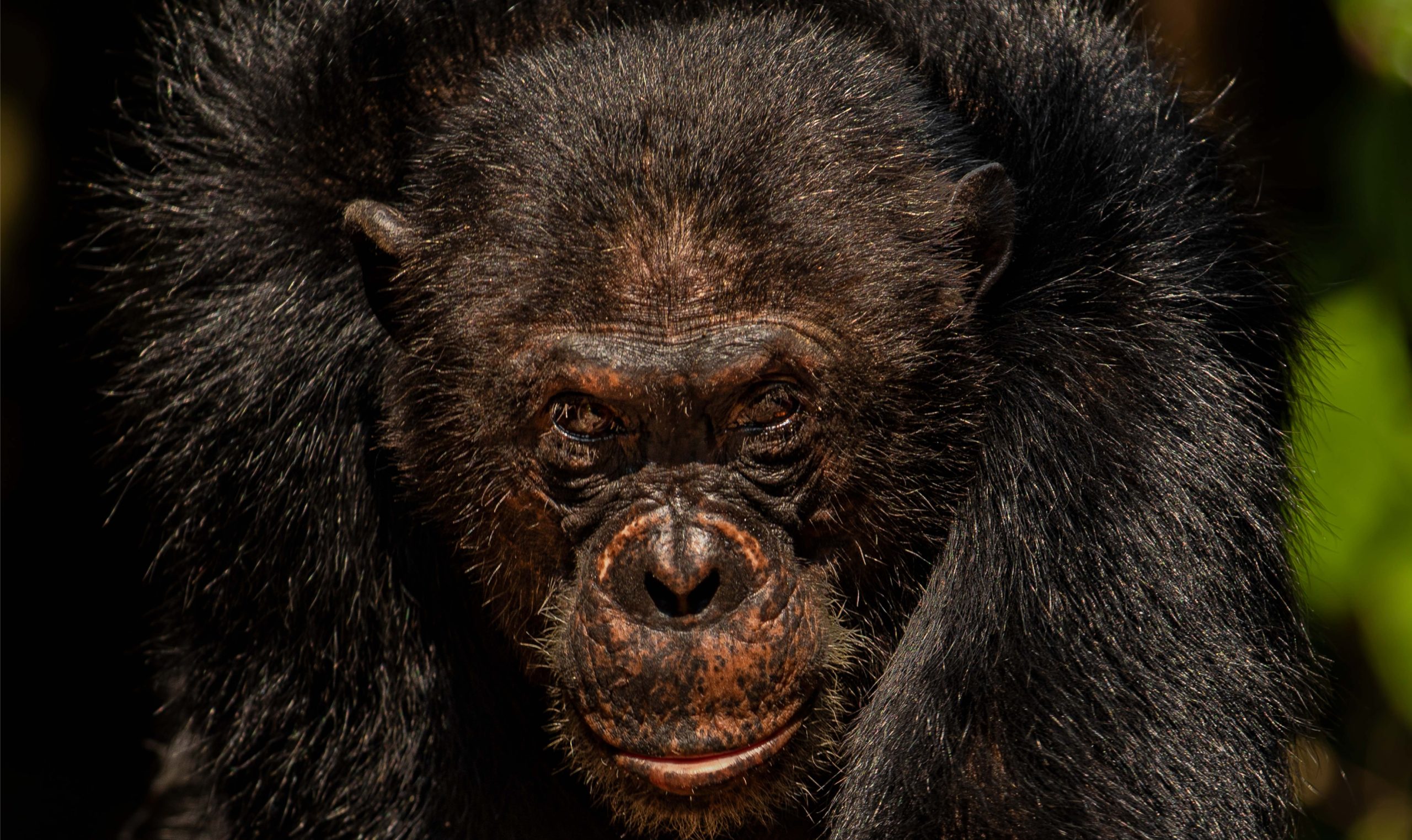
The male chimpanzee plays a central role in chimp society. Known for their intelligence, strength, and complex social dynamics, male chimps are key figures in the political and reproductive structure of their groups. Male chimpanzees are…
The male chimpanzee plays a central role in chimp society. Known for their intelligence, strength, and complex social dynamics, male chimps are key figures in the political and reproductive structure of their groups.
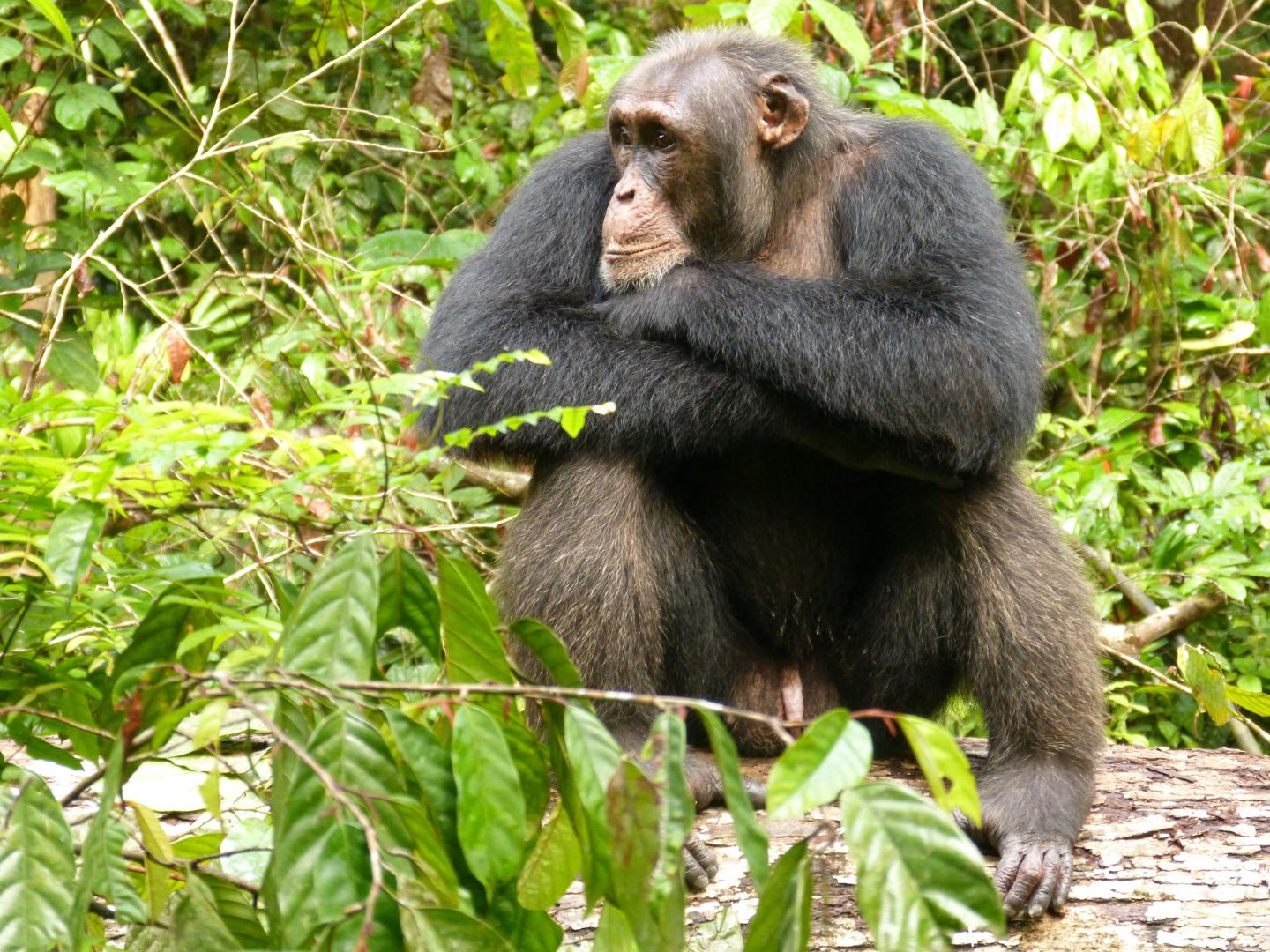
Male chimpanzees are generally larger and more muscular than females. On average, a full-grown male weighs between 40–60 kg (88–132 lbs) and stands about 1.2 meters (4 feet) tall when upright. They have broad shoulders, strong arms, and a prominent sagittal crest on the skull, which helps anchor powerful jaw muscles.
Male chimps live in a highly structured dominance hierarchy. Each group typically has an alpha male—the dominant male who holds power through strength, strategy, and social alliances.
Alpha males maintain their position by:
However, dominance is never guaranteed—other males may challenge the alpha at any time, and power struggles can be intense.
Though female chimps may mate with multiple males, alpha males often enjoy priority access to fertile females. They use their status and strategic alliances to increase their chances of siring offspring, though studies show lower-ranking males also successfully reproduce.
Male chimpanzees are more likely to remain in their birth group for life, forming long-term social bonds with each other. These alliances are crucial for climbing the dominance ladder or defending territory from rival groups.
Activities that strengthen male bonds include:
Male chimps are known for both cooperative behavior and extreme aggression. In some cases, they engage in lethal conflict with rival groups, especially during territorial disputes. Inside their own groups, power struggles can lead to violence but are often resolved through post-conflict grooming and peacemaking.
In the wild, male chimps live in large territories and are constantly active—patrolling, competing, and interacting. In captivity, their social needs must be carefully managed, especially when multiple males are housed together. Enrichment, space, and structured social groups are essential for their well-being.
Male chimpanzees embody the fascinating mix of cooperation, competition, and intelligence that defines primate life. Their role in chimpanzee society is critical not just for group survival, but also for the unique political and emotional depth that makes chimps so closely connected to us.
Read our guide to chimpanzee trekking

Share This Article
Revised Gorilla and Chimpanzee trekking permit prices New prices imposed on Chimpanzee trekking permits as of 1 July…
Read article
Which African country has the most chimpanzees? The African country with the most chimpanzees is Uganda. This is…
Read article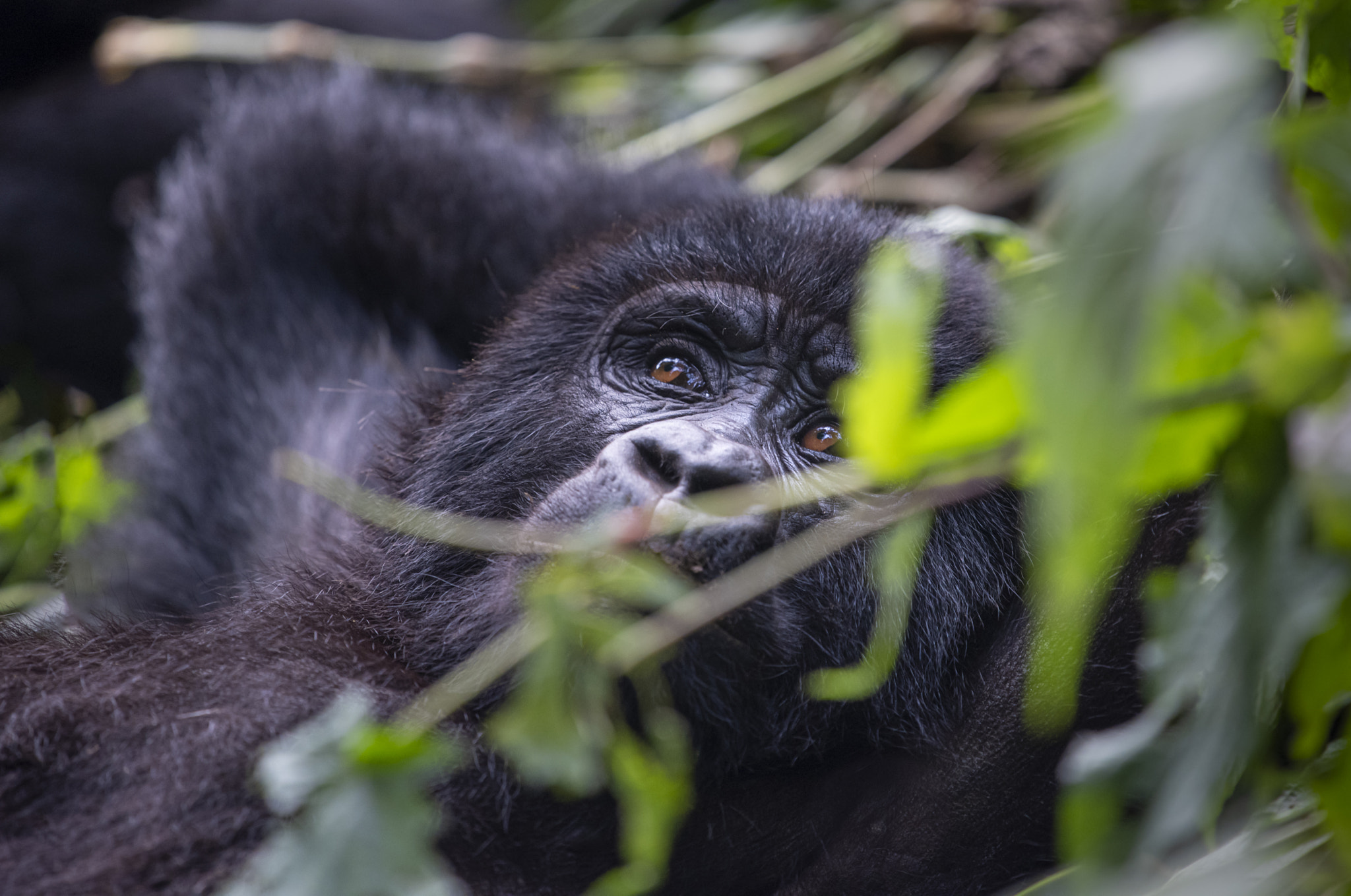
Where is the headquarters of Kibale National Park? The headquarters of Kibale National Park is located in Kanyanchu,…
Read article
Where can a tourist go for chimpanzee trekking in Uganda? In Uganda, there are several prime locations for…
Read articleLet us take you closer to the wildlife, people and places that make Africa extraordinary.
Plan Your Safari Today