What should I look for when booking a luxury African safari?
When booking a luxury African safari, look beyond the room and compare the quality of guiding, wildlife location,…
Read article
FAQs
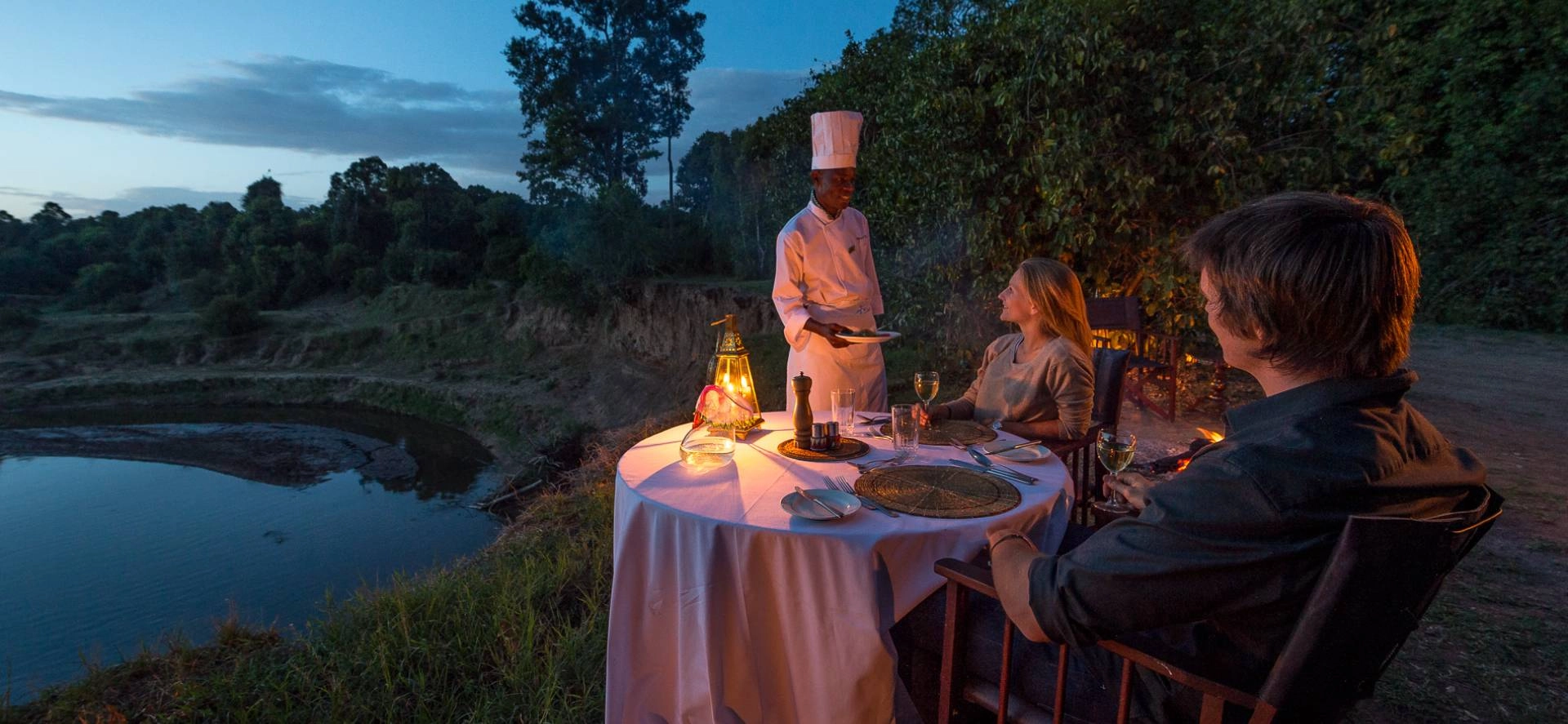
Definitive answer: A bush dinner is an outdoor evening meal arranged in a safe safari setting away from the normal lodge dining room. It may include lanterns, a fire where permitted, table service and local entertainment, but formats vary widely. Safety, wildlife conditions, weather and reserve regulations determine where and how it can operate.
Definitive answer: A bush dinner is an outdoor evening meal arranged in a safe safari setting away from the normal lodge dining room. It may include lanterns, a fire where permitted, table service and local entertainment, but formats vary widely. Safety, wildlife conditions, weather and reserve regulations determine where and how it can operate.
| Safari detail | Typical arrangement |
|---|---|
| Toilets | Lodges, gates, visitor centers or designated stops |
| Morning drinks | At camp, takeaway, or a permitted stop |
| Picnic lunch | Useful on full-day drives and transfers |
| Sundowner | Late-afternoon refreshment at a safe permitted location |
| Bush meals | Outdoor dining subject to weather, wildlife and local rules |
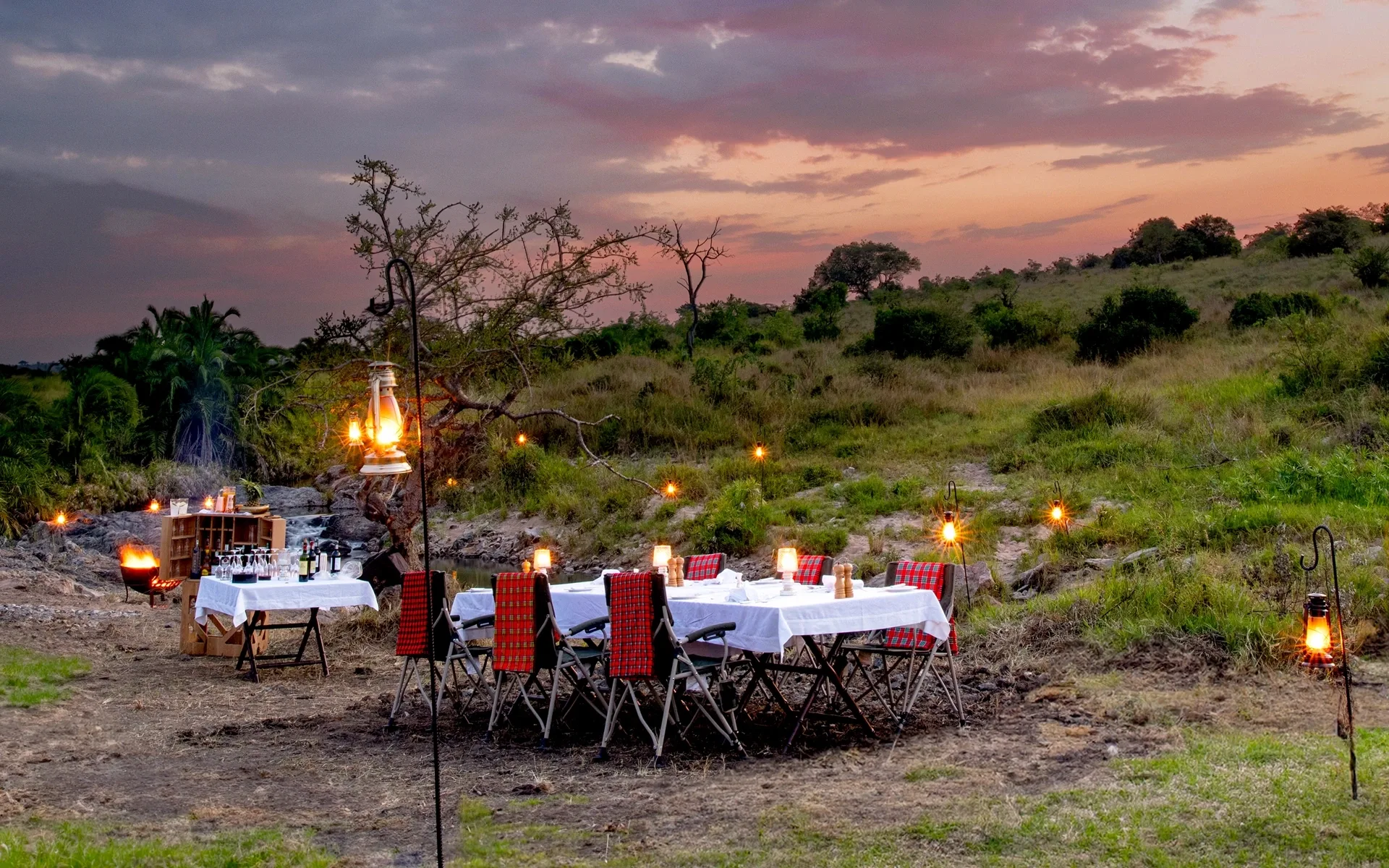
A bush dinner is an outdoor evening meal arranged in a safe safari setting away from the normal lodge dining room. It may include lanterns, a fire where permitted, table service and local entertainment, but formats vary widely. Safety, wildlife conditions, weather and reserve regulations determine where and how it can operate.
Safari days commonly begin early because dawn can be productive for wildlife viewing and temperatures are comfortable. Guests may have a light drink or snack before departure, return for breakfast later, or combine the drive with a planned bush meal. Afternoon drives often begin after lunch and may continue toward sunset, depending on park opening hours and the operating rules of the wildlife area.
Facilities vary enormously. Major parks can have visitor centers, gates, picnic sites and designated toilets, while remote concessions or wilderness sectors may have very limited infrastructure. Do not judge the overall safari quality by the number of facilities: remoteness can be part of the appeal, but travelers should know what to expect and prepare accordingly.
Use lodge facilities before departure and tell the guide early if you need another stop. Guides know the authorized or practical options on their route and can often adjust the plan without losing much wildlife time. Travelers who need frequent access to facilities should mention this during itinerary planning so drive lengths and routes can be adapted.
Coffee, tea, water, snacks and meals may be provided by the lodge or operator depending on the itinerary. Full-day drives often use packed lunches, while premium or private experiences may include more elaborate outdoor meals. Confirm what is included, particularly if you have dietary restrictions, allergies or specific meal-time requirements.
The attraction of a bush breakfast, picnic or dinner is the setting. Eating outdoors can extend the sense of being immersed in the landscape rather than repeatedly returning to the lodge. The best experiences remain low-impact and well managed, with staff controlling food service, waste and guest movement in accordance with local rules.
A scenic stop is still part of a wildlife environment. Never walk away from the group, approach animals or choose your own stopping place. Guides assess visibility, animal activity, terrain and reserve rules before allowing guests out of a vehicle. A location that looks empty to a visitor may still contain wildlife nearby.
Sundowners are often timed to the final part of an afternoon drive, but not every national park permits vehicles to remain out after normal operating hours. Private reserves and concessions may have different rules. The guide therefore plans the stop around both the sunset and the legal or operational time needed to return to camp.
Outdoor dining is weather-dependent. Rain, wind, extreme heat, cold evenings or wildlife activity can force a change of location or a return to the lodge. During dry periods, dust can also influence where food is served. Flexible expectations are important because safety and comfort take priority over reproducing a particular photograph or setup.
Send dietary information before arrival rather than waiting until a remote camp. Safari kitchens can often accommodate common preferences, but remote supply chains require advance planning. Serious allergies should be communicated clearly to both the operator and property, and travelers should follow appropriate personal medical advice regarding emergency medication.
Good bush dining should leave little or no trace. Operators should remove waste, avoid feeding wildlife and use established or approved sites where required. Guests can help by not dropping food, packaging or cigarette waste and by following staff instructions. Wildlife should never learn to associate safari vehicles or picnic areas with food.
Ask how long the drive will last, whether there are planned toilet stops, what food and water are provided, what clothing is appropriate, and whether the drive includes a sundowner or bush meal. These simple questions make the day more comfortable and help travelers carry only what they actually need.
Small comfort details can materially improve a safari day. We plan meal timing, safe stops, water, transfer time and wildlife-viewing windows together rather than treating them as separate issues. For private safaris, there can be more flexibility to adapt the day's rhythm to the travelers, provided park rules and operational conditions allow it.
Game-drive meals, coffee stops, sundowners and bathroom breaks are normal logistical parts of safari travel, but arrangements vary by destination. Ask the guide about the day's plan, use designated facilities when available and follow instructions whenever leaving the vehicle. The goal is to stay comfortable without compromising safety, conservation or valuable wildlife time.
Continue with what to expect on a game drive, full-day safari drives, safari lodge meals, family safari planning, safari packing, private game drives and African safari etiquette.

Share This Article
When booking a luxury African safari, look beyond the room and compare the quality of guiding, wildlife location,…
Read article
The Great Migration in Africa happens all year because the herds continuously circulate through the Serengeti–Mara ecosystem in…
Read article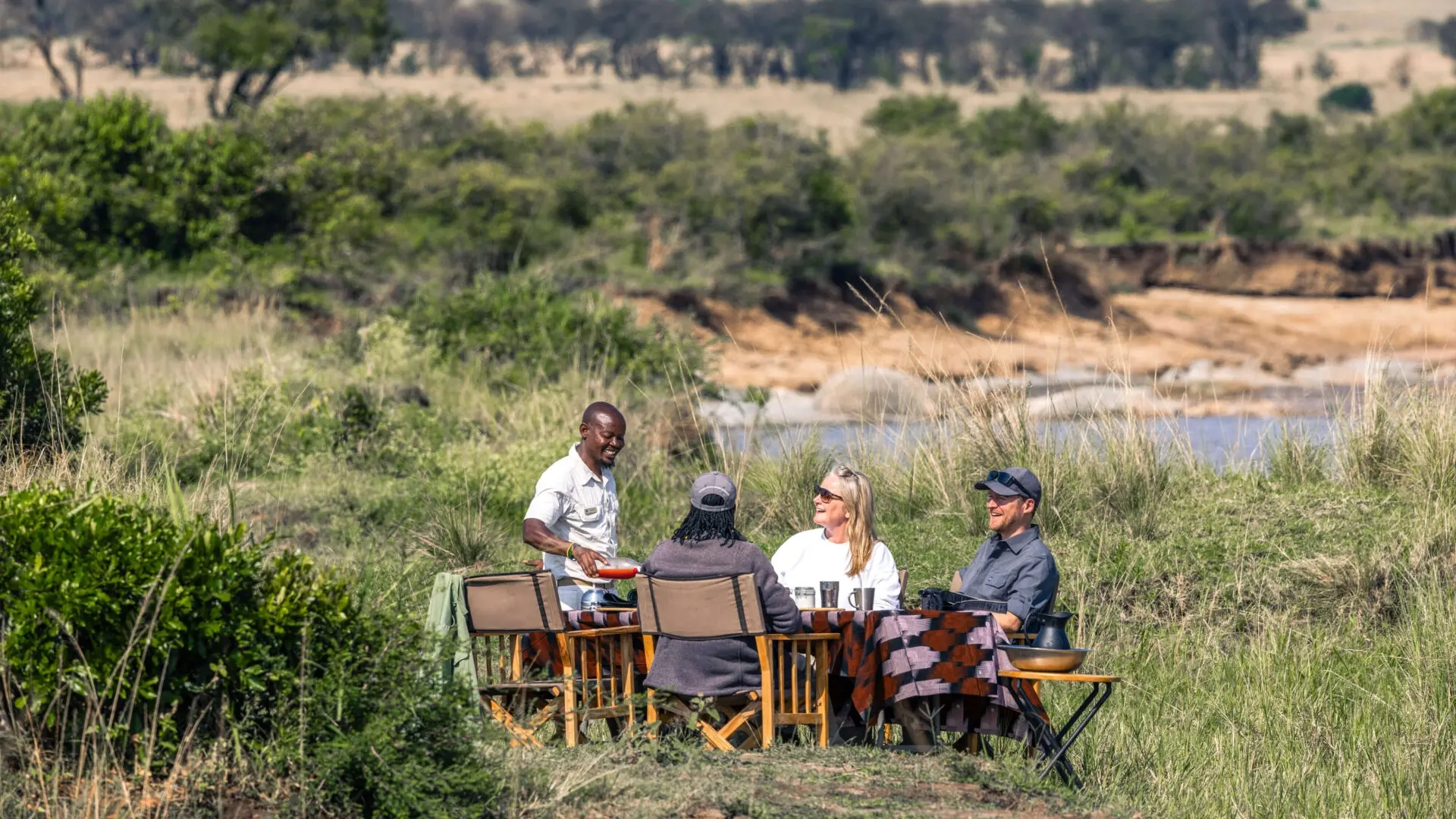
Definitive answer: A picnic lunch on safari is a packed or catered midday meal eaten at an approved…
Read article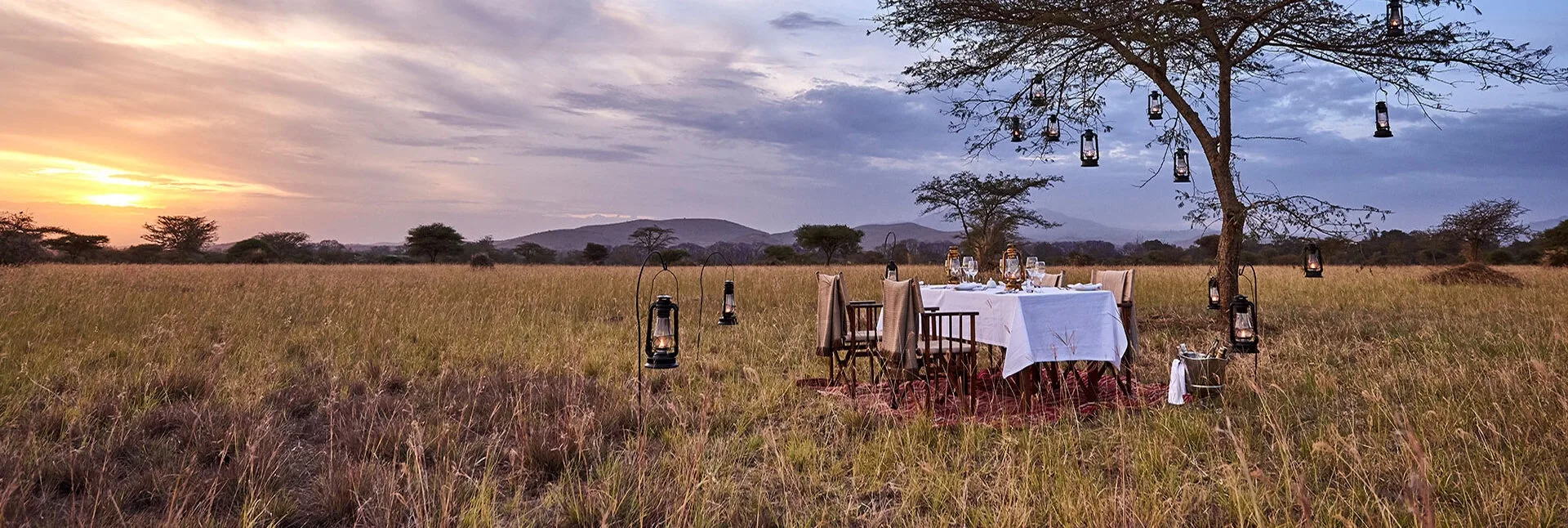
Definitive answer: A bush breakfast is a breakfast served outdoors in a designated natural setting, often after an…
Read articleLet us take you closer to the wildlife, people and places that make Africa extraordinary.
Plan Your Safari Today