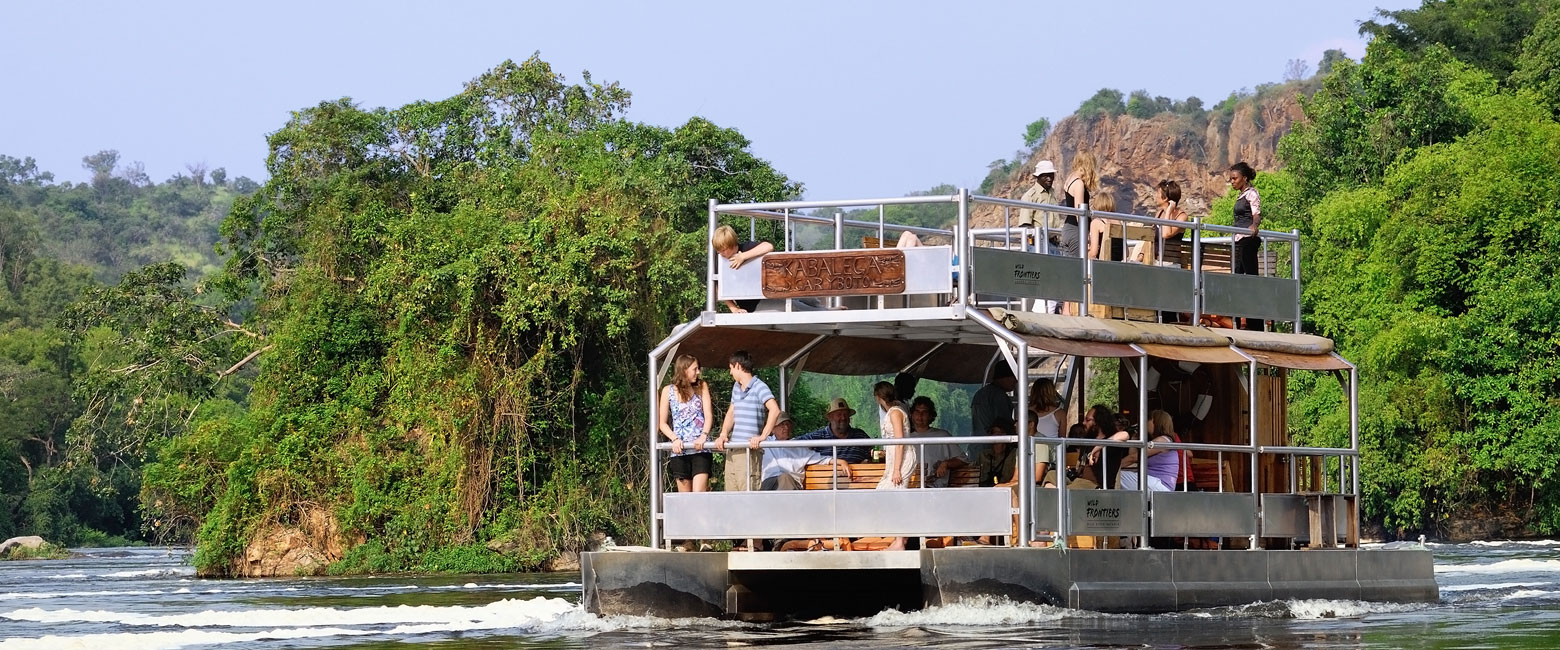
How long is the boat cruise in Murchison Falls?
How long is the boat cruise in Murchison Falls? The boat cruise in Murchison Falls National Park is…
Read article

Uganda
What is the history of Kidepo National Park? - Kidepo National Park, nestled in the remote northeastern region of Uganda, stands as one of Africa’s most captivating and unspoiled wildlife sanctuaries. Renowned for its breathtaking landscapes,…
What is the history of Kidepo National Park? –
Kidepo National Park, nestled in the remote northeastern region of Uganda, stands as one of Africa’s most captivating and unspoiled wildlife sanctuaries. Renowned for its breathtaking landscapes, diverse ecosystems, and abundant wildlife, Kidepo has evolved through a rich and intricate history marked by conservation efforts, colonial influences, and local community interactions. This essay delves into the historical trajectory of Kidepo National Park, tracing its origins, the establishment of protected status, challenges faced over the decades, and its current role in conservation and tourism.
Long before the designation of Kidepo as a national park, the region was inhabited by indigenous communities, primarily the Kidepo people, from whom the park derives its name. These communities practiced pastoralism and subsistence agriculture, living in harmony with the diverse ecosystems of the Kidepo Valley. The area was characterized by its vast savannahs, riverine forests, and rugged terrains, providing sustenance and shelter to both humans and wildlife. The traditional knowledge and practices of these communities played a crucial role in maintaining the ecological balance of the region.
During the late 19th and early 20th centuries, Uganda came under British colonial rule. The colonial administration saw the Kidepo Valley’s ecological value but mostly as a resource for exploitation. Initial conservation efforts were sporadic and lacked comprehensive planning. The focus was more on regulating hunting activities rather than establishing a systematic approach to wildlife preservation.
In response to global conservation movements and African national parks, the British colonial government considered formal protection for the Kidepo region in the 1950s. A national park was considered due to its rich biodiversity and low human disturbance, according to surveys and exploratory missions.
Kidepo National Park was officially established in 1962, shortly after Uganda gained independence in 1962. The establishment was part of a broader national strategy to protect the country’s natural heritage and promote tourism as a source of revenue. The designation encompassed approximately 3,270 square kilometers, making it one of Uganda’s largest and most remote national parks.
The early years of the park were challenging due to its remote location, which hindered access and infrastructure development. Wildlife censuses, anti-poaching measures, and community engagement to support conservation efforts were conducted despite these challenges.
In the decades following its establishment, Kidepo National Park faced numerous challenges that threatened its ecological integrity. Political instability, economic hardships, and inadequate funding hampered effective park management. Uganda was particularly tumultuous in the 1970s and 1980s, a time of civil unrest and the repressive Idi Amin regime. These conditions led to increased poaching, habitat degradation, and a decline in wildlife populations.
Efforts to combat these issues were often undermined by limited resources and political distractions. International support and partnerships became crucial in sustaining conservation initiatives. Anti-poaching and habitat restoration projects received technical and financial support from WWF and IUCN.
The late 20th and early 21st centuries witnessed a revival of conservation efforts in Kidepo National Park. With Uganda experiencing relative political stability, the government prioritized environmental conservation and tourism development. Significant investments were made in infrastructure, including the construction of roads, ranger stations, and visitor facilities, aimed at improving access and enhancing the visitor experience.
Modern conservation strategies in Kidepo focus on several key areas:
Beyond its ecological importance, Kidepo National Park holds cultural significance for the indigenous communities residing in and around the park. Traditional practices, folklore, and ancestral ties to the land are integral to the region’s heritage. To protect local communities from development, conservation strategies include cultural heritage preservation.
The broader conservation plan includes protection of the park’s cultural heritage sites, such as historic burial sites and sacred forests. Park authorities and community leaders are documenting and celebrating Kidepo’s cultural narratives to strengthen human-nature connections.
As of 2023, Kidepo National Park stands as a testament to the resilience of conservation efforts amidst challenges. The park continues to attract wildlife enthusiasts, researchers, and tourists from around the world, contributing to Uganda’s reputation as a premier safari destination. Ongoing projects focus on enhancing biodiversity, improving infrastructure, and fostering sustainable community partnerships.
Looking ahead, the future of Kidepo National Park hinges on balancing ecological preservation with socio-economic development. Climate change poses emerging threats, necessitating adaptive management strategies to ensure the park’s long-term viability. Continued investment in research, conservation technologies, and community-based initiatives will be crucial in addressing these challenges.
What is the history of Kidepo National Park? Kidepo National Park’s history is one of conservation, colonial legacies, political upheavals, and local communities’ and international partners’ dedication. Kidepo illustrates the challenges and successes of wildlife conservation in Africa, from its primitive beginnings to its current status as a thriving national park. Protecting and sustaining Kidepo National Park will ensure that its unparalleled beauty and biodiversity inspire and benefit future generations.

Share This Article
How long is the boat cruise in Murchison Falls? The boat cruise in Murchison Falls National Park is…
Read article
Why is it called Murchison Falls? Murchison Falls, one of Uganda's most iconic natural landmarks, was named during…
Read article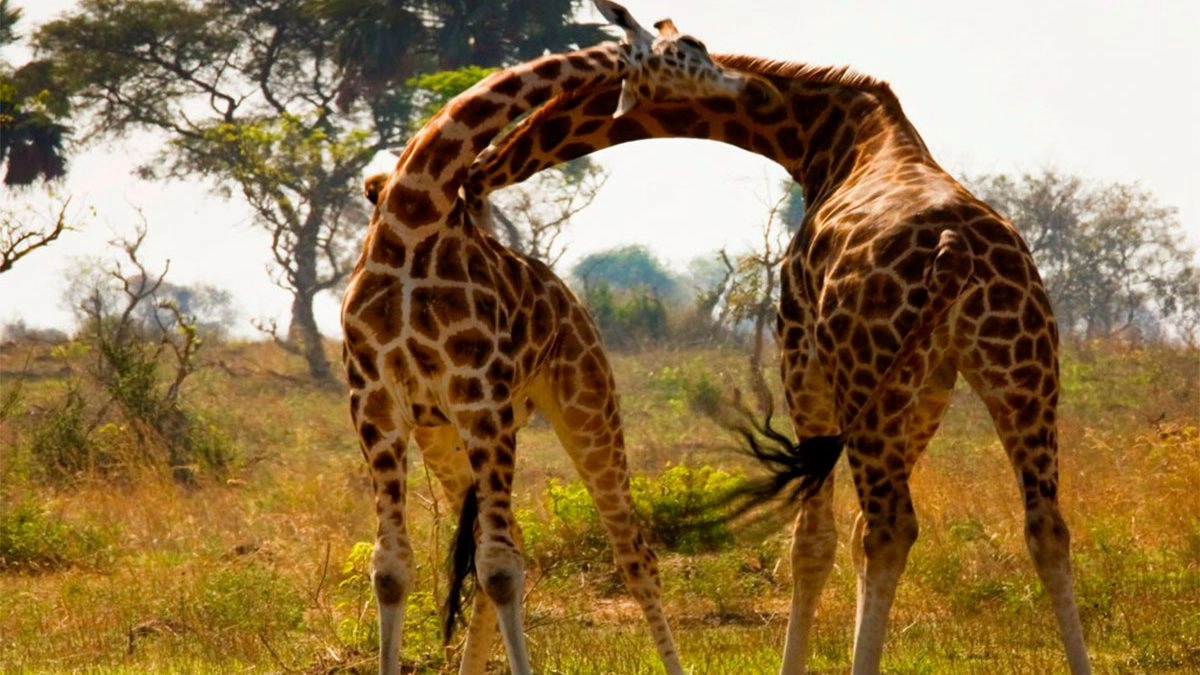
What should I wear to Murchison falls? When visiting Murchison Falls National Park in Uganda, you’ll need comfortable,…
Read article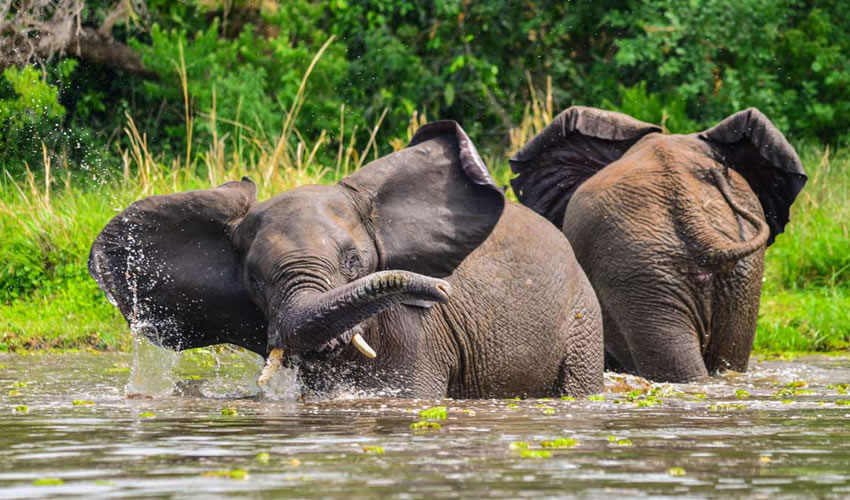
Is Murchison Falls worth a visit? Absolutely, Murchison Falls National Park in Uganda is a must-visit destination, especially…
Read articleLet us take you closer to the wildlife, people and places that make Africa extraordinary.
Plan Your Safari Today