
Âge minimum trek gorilles
Quel est l'âge minimum pour faire un trek gorilles en Ouganda ? L'âge minimum pour un trek gorilles…
Read article

Adventure In The Wild Travel Stories & Deals
What is the most popular food in Uganda? - The Most Popular Food in Uganda: A Culinary Exploration Uganda, often referred to as the "Pearl of Africa," boasts a rich cultural and culinary heritage. The country's…
What is the most popular food in Uganda? –
The Most Popular Food in Uganda: A Culinary Exploration
Uganda, often referred to as the “Pearl of Africa,” boasts a rich cultural and culinary heritage. The country’s diverse ethnic groups have contributed to a vibrant food scene that showcases an array of flavors and ingredients. Among the many delicacies, one dish stands out as a staple and symbol of Ugandan cuisine: matoke (mashed green bananas). Matoke, alongside other traditional foods, represents the heart of Uganda’s culinary identity. This essay explores matoke and its cultural significance, preparation methods, and the broader Ugandan culinary landscape.
Green bananas native to the highlands of East Africa make matoke, also known as amatooke in some regions. This dish is particularly significant among the Baganda people, Uganda’s largest ethnic group. It serves as a central part of daily meals and is often considered a cultural symbol of hospitality and community.
The preparation of matoke involves peeling the green bananas, wrapping them in banana leaves, and steaming them until soft. Once cooked, we mash the bananas to achieve a smooth, creamy consistency. Traditionally, matoke is served with a variety of accompaniments such as groundnut (peanut) sauce, beef or goat stew, beans, or fish, providing a balanced and flavorful meal.
Matoke is more than just food; it is a cultural cornerstone. In many Ugandan households, serving matoke during celebrations, family gatherings, and ceremonies is a mark of respect and unity. Its preparation is often a communal activity, bringing families and neighbors together. The dish also symbolizes abundance and fertility in traditional Baganda beliefs, making it a common offering in rituals and festivities.
While matoke is a national favorite, Uganda’s culinary scene is diverse and regionally varied. Some other popular dishes include:
Ugandan dishes typically utilize locally available ingredients, reflecting the country’s agricultural richness. Staples like bananas, maize, millet, cassava, sweet potatoes, and yams form the backbone of most meals. Protein sources include beans, fish (particularly tilapia from Lake Victoria), beef, goat, and chicken. Tomatoes, onions, and local spices often flavor sauces, while vegetables such as sukuma wiki (collard greens), eggplant, and amaranth leaves contribute a nutritious element.
In Uganda, food is a communal experience, and dining customs emphasize respect and togetherness. Family members or guests often gather around a central platter to share meals. It is customary to wash hands before eating, as many Ugandans prefer eating with their hands to fully savor the food.
What is the most popular food in Uganda? Uganda’s most popular food, matoke, embodies the country’s rich cultural heritage and culinary traditions. Many Ugandans consider it a staple food, deeply rooted in their social and cultural practices. Alongside matoke, Uganda’s diverse cuisine reflects the nation’s agricultural abundance and the creativity of its people. By preserving and celebrating these culinary traditions, Uganda continues to strengthen its identity and share its flavors with the world.

Share This Article
Quel est l'âge minimum pour faire un trek gorilles en Ouganda ? L'âge minimum pour un trek gorilles…
Read article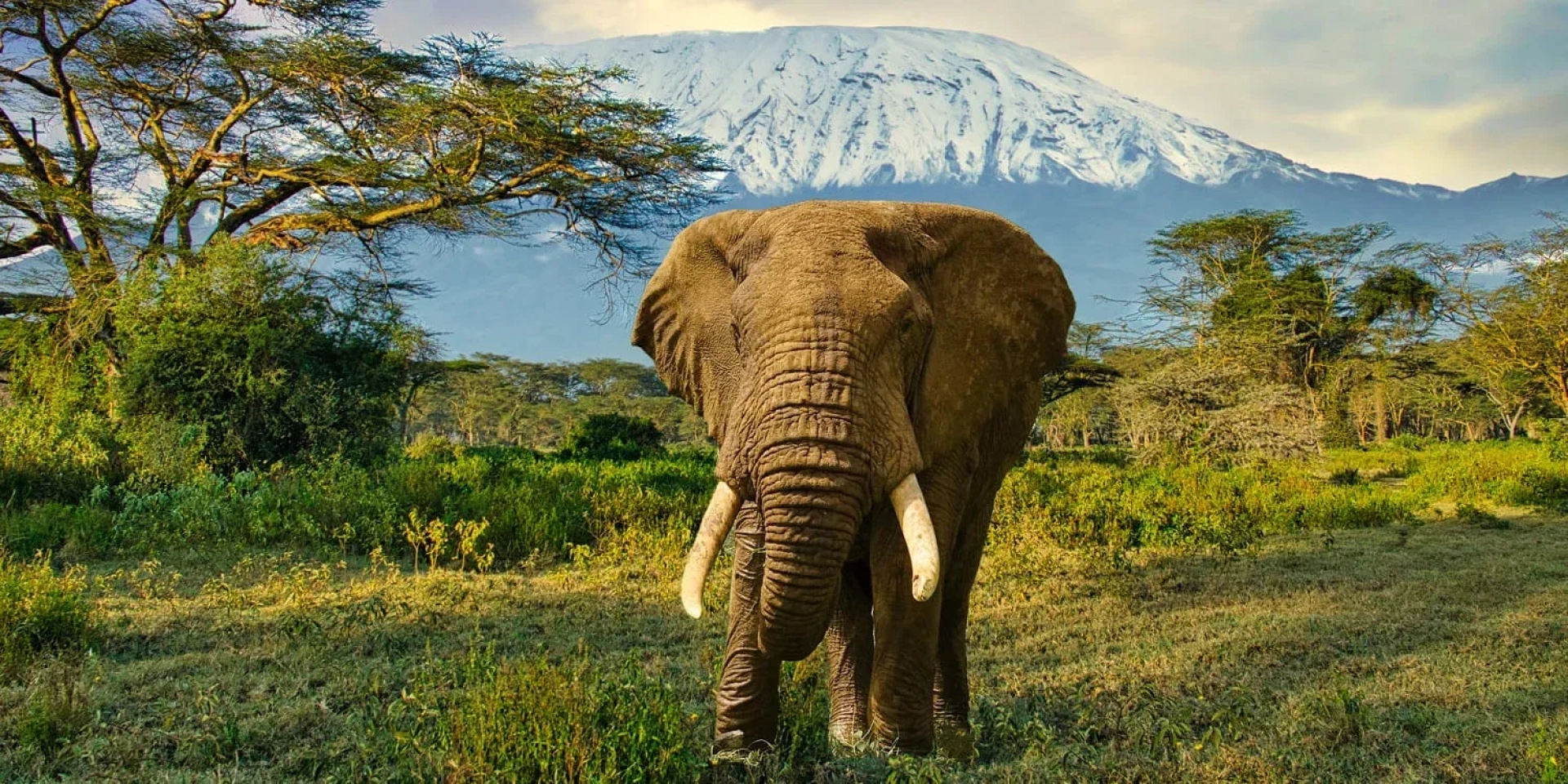
Un safari à Amboseli offre l'une des images les plus emblématiques d'Afrique : une famille d'éléphants traversant une…
Read article
Which site in Tanzania is famous for its annual migration of over 1.5 million wildebeest and 250000 zebras?…
Read article
Uganda is not only ranking as the best and famous home for the rare endangered mountain gorilla but…
Read articleLet us take you closer to the wildlife, people and places that make Africa extraordinary.
Plan Your Safari Today