
10 of the Safest Places To Visit in Africa in 2025-2026
The following are the ten most secure countries in Africa to visit between 2025 and 2025: 10 of…
Read article

Africa travel
Who lives in the Okavango Delta? The Okavango Delta is not only home to a vast array of wildlife, but also to several indigenous human communities who have lived in the region for centuries. These communities have a deep…
Who lives in the Okavango Delta? The Okavango Delta is not only home to a vast array of wildlife, but also to several indigenous human communities who have lived in the region for centuries. These communities have a deep connection to the land and the environment, and their lifestyles are intertwined with the rhythms of the delta’s seasonal flooding and abundant natural resources. Here’s a look at the people who live in and around the Okavango Delta:
The San people, also known as the Bushmen, are among the oldest inhabitants of southern Africa and have lived in the Okavango Delta region for thousands of years. The San traditionally lived as hunter-gatherers, using their extensive knowledge of the environment to hunt wildlife and gather plant foods. Their cultural practices and spiritual beliefs are deeply rooted in their connection to the land and its ecosystems.
The BaYei (also known as the BaYei of the Okavango or Bayei) are an ethnic group native to the Okavango Delta, particularly in the areas around Moremi Game Reserve and Chief’s Island. They are one of the largest ethnic groups in the region and have lived in the delta for centuries.
The Hambukushu are another ethnic group living in the Okavango region. They are traditionally semi-nomadic and have historically lived along the banks of the Okavango River and its tributaries.
The Herero people are an ethnic group who historically lived in the northwestern part of Botswana, around the Okavango Delta. They are known for their distinctive cultural practices and their cattle-herding lifestyle.
The Tswana people are the largest ethnic group in Botswana and have historically lived across the country, including areas near the Okavango Delta. While they are more prevalent in the central and southern parts of Botswana, some Tswana communities have settled near the delta’s edge, particularly in towns such as Maun, which is the gateway to the delta.
The Wayeyi (sometimes called Yei) are a small ethnic group who traditionally lived in the northern part of Botswana, near the Okavango River.
In addition to the indigenous communities, the Okavango Delta is home to a growing number of people who work in the tourism and conservation sectors. These include guides, lodge staff, rangers, and park managers. Tourism plays a crucial role in the region’s economy, providing jobs and funding for conservation efforts.
The people of the Okavango Delta hold a deep spiritual connection to the land. Many of the indigenous communities practice traditional rituals, songs, and dances that reflect their reverence for nature and the animals that live in the delta. For example, some groups believe in ancestral spirits that are connected to particular parts of the landscape, and these beliefs influence their practices around land use, hunting, and water management.
The Okavango Delta is home to several indigenous groups, including the San (Bushmen), BaYei, Hambukushu, Herero, Tswana, and Wayeyi, each with their unique cultures, traditions, and ways of life. These communities have lived in harmony with the delta for centuries, utilizing its resources for fishing, farming, livestock herding, and hunting. In recent times, many have adapted to modern lifestyles, engaging in eco-tourism, conservation, and other economic activities that help preserve the delta’s unique ecosystem.

Share This Article
The following are the ten most secure countries in Africa to visit between 2025 and 2025: 10 of…
Read article
What districts are near Kibale National Park? Kibale National Park is located in Western Uganda and spans several…
Read article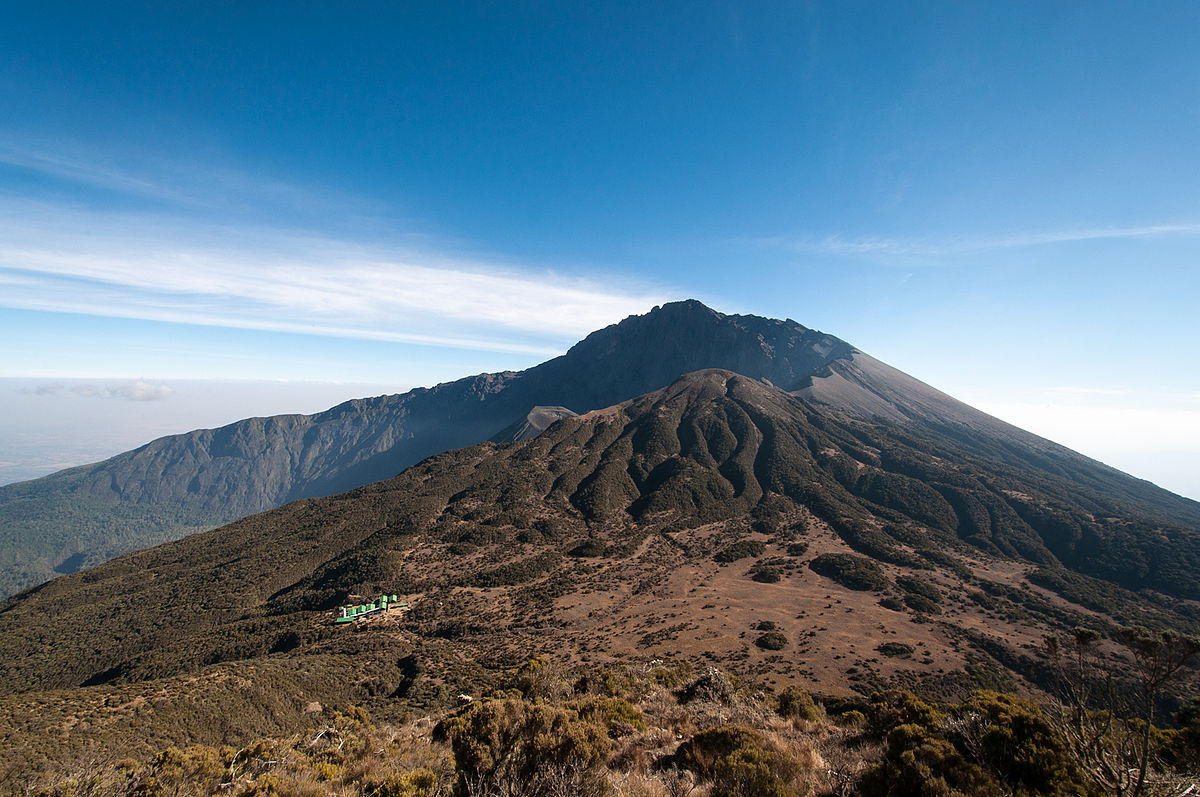
Mountains in Africa: Africa is home to some of the most majestic and diverse mountain ranges in the…
Read article
Your Big African Safari Planner: What to Expect from the Top Safari Countries in 2026 As the new…
Read articleLet us take you closer to the wildlife, people and places that make Africa extraordinary.
Plan Your Safari Today