
Best gorilla trekking Uganda
Are you searching for best gorilla trekking in Uganda? Adventure in the wild safari is at your service…
Read article

Africa Travel Guide
Mountain gorillas (Gorilla beringei beringei) are among the most iconic and awe-inspiring primates in the world. Living in the misty mountains of East-Central Africa, they’ve captured the hearts of conservationists and travelers alike. But despite recent…
Mountain gorillas (Gorilla beringei beringei) are among the most iconic and awe-inspiring primates in the world. Living in the misty mountains of East-Central Africa, they’ve captured the hearts of conservationists and travelers alike. But despite recent population gains, mountain gorillas remain endangered(mountain gorilla endangered status) and face multiple ongoing threats. Here’s why.
Mountain gorillas are found in only two isolated regions:
These gorillas live in high-altitude, cloud-covered forests between 2,200 and 4,300 meters (7,000–14,000 ft) above sea level.
Mountain gorillas are classified as Endangered on the IUCN Red List. Though their numbers have surpassed 1,000 individuals thanks to conservation efforts, they still face multiple threats that make their survival fragile.
One of the biggest threats to mountain gorillas is the destruction of their natural habitat. Population growth in surrounding areas leads to deforestation for:
Gorilla habitats are increasingly fragmented, isolating groups and making them more vulnerable to disease and inbreeding.
While mountain gorillas are not usually hunted for bushmeat, they often fall victim to poacher snares set for other animals. These traps can maim or kill gorillas—especially curious young ones. There’s also ongoing risk from the illegal pet trade and the collection of gorilla parts.
As gorilla habitats shrink, conflicts with local communities increase. Gorillas sometimes raid crops, leading to retaliation. Also, gorillas may come into contact with domestic animals or humans carrying diseases.
Because gorillas share over 98% of our DNA, they are highly susceptible to human-transmitted diseases like:
Even a common cold can be fatal to gorillas. This makes human-gorilla interaction during trekking highly regulated.
Mountain gorillas in the Democratic Republic of the Congo live in areas affected by armed conflict and instability. Rangers and conservation staff often face danger while protecting these primates, and infrastructure for tourism and monitoring is disrupted.
Despite these threats, mountain gorilla numbers have slowly increased in recent decades. Conservation initiatives include:
The Dian Fossey Gorilla Fund, African Wildlife Foundation, and local governments have played key roles in safeguarding these great apes.
You can support mountain gorilla conservation by:
Mountain gorillas have come back from the brink—but they’re not safe yet. Ongoing conservation and education are vital to ensuring these gentle giants continue to survive and thrive in the wild. With the support of global travelers, conservationists, and local communities, we can protect one of the planet’s most inspiring species.
One of the most powerful ways to support mountain gorilla conservation is through responsible gorilla trekking. This life-changing experience allows visitors to hike through lush forests and come face-to-face with a habituated gorilla family — while directly funding their protection.
Gorilla trekking is available in only three countries: Uganda, Rwanda, and the Democratic Republic of the Congo (DRC). Each destination offers a unique trekking experience, set against breathtaking backdrops and rich biodiversity.
 Uganda – Bwindi & Mgahinga
Uganda is one of the most popular gorilla trekking destinations, home to more than half of the world’s remaining mountain gorillas.
Rwanda offers the most luxurious and accessible gorilla trekking experience. Volcanoes National Park, made famous by Dian Fossey, is home to 12 habituated gorilla families. Trekking here is well organized, with short transfer times and high-end lodges.
For the adventurous traveler, the DRC offers a more rugged and off-the-beaten-path trekking experience in Virunga National Park. It’s home to several gorilla groups and offers the most affordable gorilla permits, as well as hikes to the active Mount Nyiragongo volcano.
Note: Due to occasional security concerns, always check travel advisories and go with certified operators.
The best time for gorilla trekking is during the dry seasons when trails are less muddy and the forest is easier to navigate:
Permits are limited and in high demand — booking in advance is essential.
Every permit purchased helps fund:
By choosing ethical and eco-friendly tour operators, you become part of the solution to saving mountain gorillas.
Mountain gorilla trekking is more than a bucket-list wildlife experience — it’s a way to actively protect an endangered species while empowering local communities. Whether you’re trekking in the dense jungles of Uganda, the misty slopes of Rwanda, or the raw beauty of the Congo, your presence matters. Book responsibly, trek respectfully, and leave inspired.
“Gorilla trekking is more than a safari — it’s a powerful reminder of our shared humanity and the importance of protecting our natural world.”
— Adventure in the wild Safaris

Share This Article
Are you searching for best gorilla trekking in Uganda? Adventure in the wild safari is at your service…
Read article
Interesting Facts about the Mountain Gorillas in Uganda, Rwanda and Congo Facts about Mountain Gorillas -Mountain Gorillas are…
Read article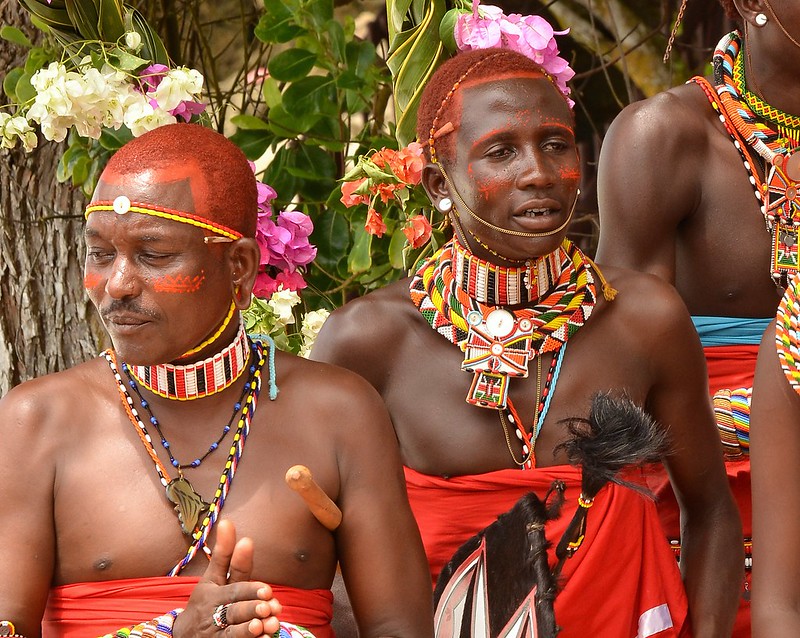
Learn and have the best in well-designed Gorillas and Masai mara in order to see Masai Culture people…
Read article
Buhoma region is located In the northern part of Bwindi Impenetrable national park in Uganda. Buhoma is the…
Read articleLet us take you closer to the wildlife, people and places that make Africa extraordinary.
Plan Your Safari Today