

Birding Safari in Lake Kivu
A birding safari in Lake Kivu Congo introduces travelers to the dramatic western shores of one of Africa's great highland lakes. Lake Kivu lies between Rwanda and the Democratic Republic of Congo, surrounded by steep volcanic landscapes, fertile agricultural hills, wetlands, fishing communities and areas of natural vegetation.
- Location Lake Kivu, DR Congo
- Duration Half Day – Multi-Day
- Difficulty Easy to Moderate
- Best For Birdwatchers, Photographers & Nature Lovers
Birding in Lake Kivu
A birding safari in Lake Kivu Congo introduces travelers to the dramatic western shores of one of Africa's great highland lakes. Lake Kivu lies between Rwanda and the Democratic Republic of Congo, surrounded by steep volcanic landscapes, fertile agricultural hills, wetlands, fishing communities and areas of natural vegetation.
On the Congolese side, the lake forms part of a much larger biodiversity landscape associated with the Albertine Rift and the Virunga region.
For birdwatchers, this geography is particularly important.
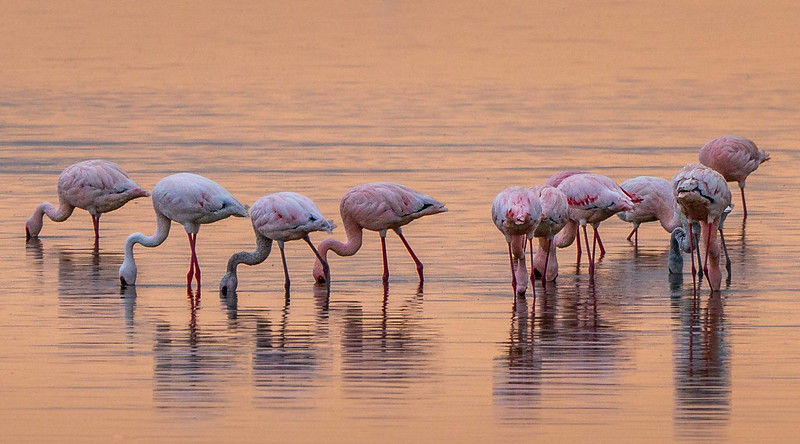
Open water attracts cormorants, kingfishers, herons and other waterbirds, while gardens, wetlands, agricultural edges and wooded slopes add an entirely different selection of species.
The nearby volcanic highlands further increase the ecological diversity.
Lake Kivu can therefore become an interesting component of a broader DR Congo birding and wildlife safari, particularly for travelers also interested in Albertine Rift birds and the exceptional landscapes of eastern Congo.
Plan Your DR Congo Birding SafariWhy Go Birding at Lake Kivu Congo?
What to Expect on a Lake Kivu Birding Safari
One night provides only limited birding time.
Two or three nights are more suitable if Lake Kivu is a genuine birding destination within the itinerary.
This allows a boat excursion, lakeshore walk and visits to nearby habitats.
Travelers connecting Lake Kivu to more specialized forest destinations can use the lake as a transitional stop.
Your Birding Experience Can Include
- Professional birding or nature guide
- Early-morning birdwatching
- Bird identification assistance
- Habitat interpretation
- Bird photography opportunities
- Personalised searches for target species
Responsible Bird Watching
Birders should avoid disturbing wildlife.
Do not approach nesting birds closely.
Recorded calls should be used sparingly.
Lake Kivu Congo
Learn more
Waterbirds
Lake Kivu provides feeding and resting habitat for numerous water-associated birds. Cormorants are often conspicuous.
Habitat
Local habitats
Best area
Lake Kivu
Status
Resident / Seasonal

Lake Kivu Congo
Learn more
The Albertine Rift Connection
Lake Kivu lies within the broader Albertine Rift, one of Africa's most important centers of biodiversity. The highlands surrounding the lake contain numerous restricted-range species.
Habitat
Local habitats
Best area
Lake Kivu
Status
Resident / Seasonal
Lake Kivu Congo
Learn more
Virunga Landscapes
The northern Lake Kivu region lies beneath the Virunga volcanic chain. The dramatic mountains create both ecological and visual interest.
Habitat
Local habitats
Best area
Lake Kivu
Status
Resident / Seasonal
Lake Kivu Congo
Learn more
Specialist Bird Guides
A specialist guide adds substantial value. Experienced bird guides recognize calls and understand how local species use different habitats.
Habitat
Local habitats
Best area
Lake Kivu
Status
Resident / Seasonal
Lake Kivu Congo
Learn more
Conservation Importance
Large freshwater ecosystems such as Lake Kivu depend on healthy shorelines, wetlands and catchment areas. Birds can serve as visible indicators of ecological health.
Habitat
Local habitats
Best area
Lake Kivu
Status
Resident / Seasonal
Best Birding Areas in Lake Kivu
A good birding itinerary around Lake Kivu should include several environments rather than concentrating on a single site.
Birding Around Goma
Goma is the principal urban center on the Congolese shore of northern Lake Kivu. The city provides access to the lake and the broader Virunga landscape.
Best for: Birdwatchers exploring Lake Kivu.
Birding by Boat
A boat trip is one of the most enjoyable ways to explore the Congolese side of Lake Kivu. Boats provide access to quiet coves, islands and sections of shoreline not easily reached by road.
Best for: Birdwatchers exploring Lake Kivu.
Lakeshore
Walking along suitable lakeshore areas can be productive. Birders should scan rocks, exposed branches and shallow water.
Best for: Birdwatchers exploring Lake Kivu.
Wetlands and Reedbeds
Small wetlands and reedbeds around sheltered parts of the lake deserve close attention. Dense vegetation can conceal rails, weavers and other wetland-associated birds.
Best for: Birdwatchers exploring Lake Kivu.
Early Morning
Early morning is normally the best time. Bird activity is high and temperatures are comfortable.
Best for: Birdwatchers exploring Lake Kivu.
Afternoon
Afternoon birding becomes increasingly productive as temperatures cool. Raptors may be seen soaring during warmer periods.
Best for: Birdwatchers exploring Lake Kivu.
Birding Habitats of Lake Kivu
Understanding habitats makes birdwatching much more productive.
Woodland & Forest Edges
Listen for calls and watch canopy and understory movement along forest and woodland edges.
Open Country
Greater visibility supports raptor watching and terrestrial species.
Wetlands
Water attracts waterbirds and can be especially rewarding for photography.
Habitat Edges
Edges between habitats often concentrate bird activity.

Best Time for Birding
Birding around Lake Kivu is possible throughout the year.
Resident species remain present in every season.
- Year-round Birdwatching is possible throughout the year; seasonal conditions change which species are most active.
- Migration periods Migrants can increase diversity during certain months — ask us about your target species before booking.
- After the rains Rainfall can refresh habitats and boost breeding activity and wetland productivity.
- Drier months Drier conditions may improve road access and visibility for open-country scanning and photography.
Half-Day vs Full-Day Birding Tours
Lake Kivu birding can be arranged to match your available time.
Half-Day Birding Safari — An early start concentrating on one or two productive habitats near your base. Ideal for stopovers and travellers with limited time.
Full-Day Birding Safari — More time to explore different elevations or habitat types and build a stronger day list.
Adventure in the Wild Safaris can arrange private birding guides and connect Lake Kivu with a wider DR Congo itinerary.
Adventure in the Wild Safaris can arrange private birding guides and connect Lake Kivu with a wider DR Congo itinerary.
Enquire About a Private Birding Tour
Bird Photography
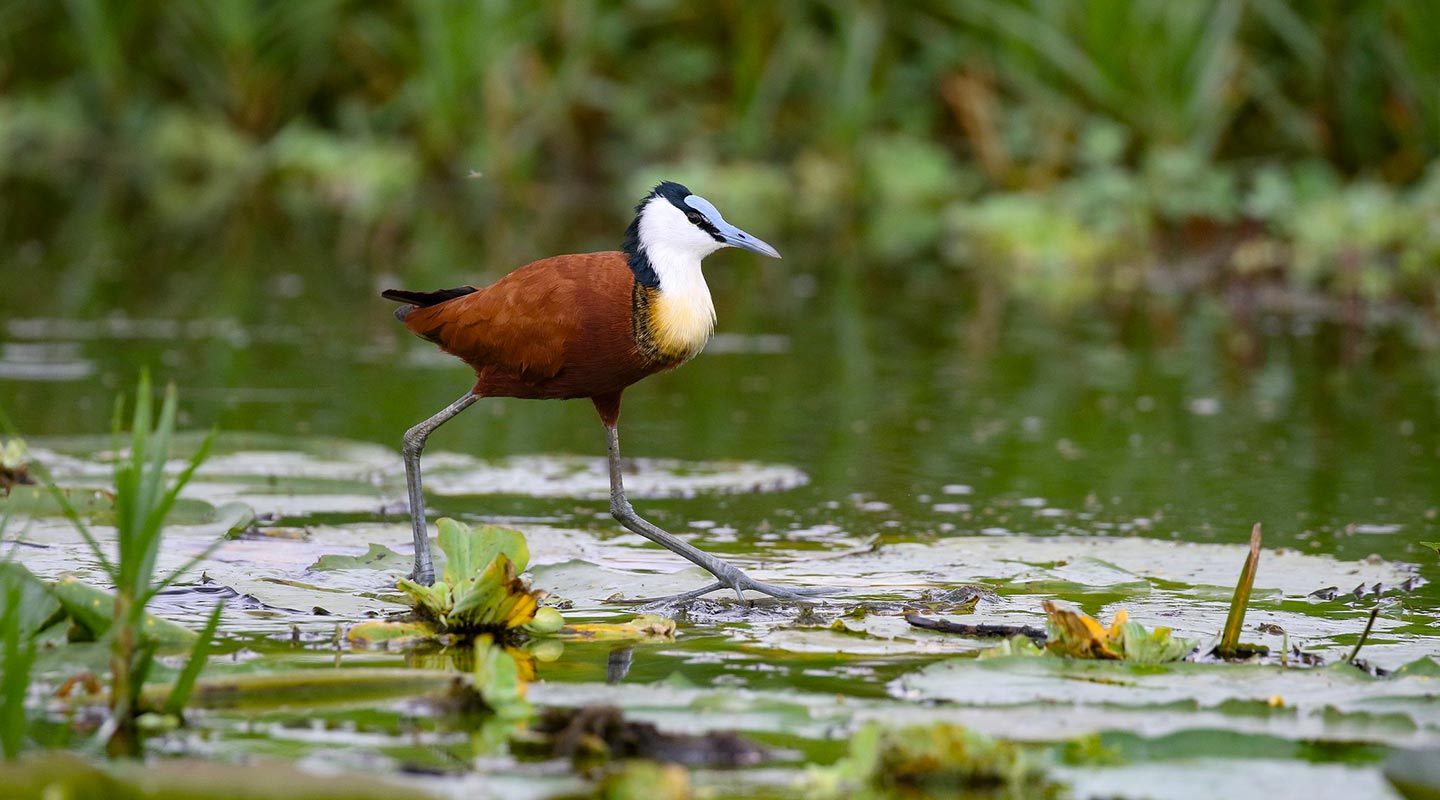
Lake Kivu offers strong bird-photography opportunities.
Large waterbirds are relatively easy subjects.
- Carry a telephoto lens where possible
- Keep spare batteries ready
- Avoid disturbing birds for photographs
- Photograph during softer morning light
- Allow time for positioning and waiting
- Always place wildlife welfare ahead of the photograph
Responsible birding protects wildlife and habitats. Keep distance from nesting birds, use playback cautiously, stay on authorised tracks, avoid litter, and support professional local guides.
What to Pack
Bring quality binoculars, a bird field guide or mobile identification application and appropriate camera equipment.
- Quality binoculars
- Regional bird field guide or app
- Camera with telephoto lens
- Spare batteries
- Memory cards
- Neutral-coloured clothing
- Sun hat
- Sunscreen
- Refillable water bottle
- Small daypack
- Light jacket
- Comfortable walking shoes
- Personal medication
Lightweight walking shoes are suitable for lakeside areas.
Carry a rain jacket because weather can change quickly.
How to Reach Lake Kivu
Lake Kivu is incorporated into privately guided DR Congo journeys.
- Gateway Access Lake Kivu is reached as part of a wider DR Congo itinerary. We arrange private transfers timed for early birding starts.
- Private Guided Tour Adventure in the Wild Safaris can arrange specialist birding guides and logistics around Lake Kivu.
- Combined Itineraries Birding days can be placed at the start or end of a longer DR Congo safari.
Accommodation
Accommodation options vary according to the specific section of the Congolese shoreline visited.
- Budget Good-value options suitable for travellers focused on time in the field.
- Mid-Range Comfortable lodges or hotels with reliable service and convenient access for early pick-ups.
- Luxury Higher-end properties combining comfort with easy logistics for private birding guides.
- Birding-Friendly Base Prefer properties with gardens, natural surroundings or easy early-morning departures.
Combining Lake Kivu Congo With Virunga Birding
Where travel arrangements and local access allow, birders can combine Lake Kivu with the broader Virunga region.
Other Experiences
Pair Lake Kivu birding with other experiences in the same area.

Frequently Asked Questions About Birding in Lake Kivu
Is Lake Kivu good for bird watching?
Yes. Lake Kivu offers productive habitats for both casual and dedicated birders.
Do I need a specialist birding guide?
A specialist guide greatly improves identification, especially for calls, habitat preferences and target species.
What is the best time of day for birding?
Early morning is generally best; late afternoon can also be productive.
Should I bring binoculars?
Yes. Binoculars are essential for any birding safari.
Can I combine birding with other safari activities?
Absolutely. Lake Kivu birding can be combined with other DR Congo destinations and experiences.
Include Birding in Your DR Congo Safari
Plan Your Lake Kivu Birding Experience
A birding safari in Lake Kivu Congo offers a fascinating combination of waterbirds, volcanic scenery and access to the wider biodiversity of the Albertine Rift. Kingfishers, cormorants, herons and African Fish Eagles provide rewarding lakeside observation, while wetlands, gardens and surrounding hills add further species. For experienced birders, the greatest potential lies in combining Lake Kivu with higher-elevation habitats. For general wildlife travelers, the lake offers a relaxing break between more active safari experiences. Allow at least two nights where possible, schedule boat trips for the morning and travel with knowledgeable local guides. When incorporated thoughtfully into a broader Central African journey, Lake Kivu becomes much more than a scenic stop: it becomes part of an extraordinary regional birding experience connecting lakes, forests and volcanic mountains.
- Trusted Local Experts
- Tailor-Made Itineraries
- Memorable & Responsible Travel