Virunga is often approached almost
Virunga is often approached almost exclusively as a wildlife destination. Historically, international travelers have associated the park with mountain gorilla trekking and Mount Nyiragongo.

A Virunga National Park cultural safari offers a deeper perspective on one of Africa's most extraordinary conservation landscapes by exploring the communities, cultural traditions and human stories surrounding the protected area. Located in eastern Democratic Republic of the Congo, Virunga National Park is internationally recognized for mountain gorillas, volcanoes, tropical forests, savannahs and remarkable biodiversity, but its story cannot be fully understood without considering the people who live around it.
A Virunga National Park cultural safari offers a deeper perspective on one of Africa's most extraordinary conservation landscapes by exploring the communities, cultural traditions and human stories surrounding the protected area. Located in eastern Democratic Republic of the Congo, Virunga National Park is internationally recognized for mountain gorillas, volcanoes, tropical forests, savannahs and remarkable biodiversity, but its story cannot be fully understood without considering the people who live around it.
Virunga is Africa's oldest national park and one of the continent's most ecologically diverse protected landscapes. Its official tourism information describes environments ranging from dense forest and volcanic landscapes to savannah plains and the Rwenzori Mountains.
Yet the region is also part of the wider African Great Lakes cultural landscape. Communities engage in agriculture, livestock keeping, fishing, commerce, crafts, transport and a variety of other livelihoods.
A cultural safari can therefore focus on local guides, Goma, Lake Kivu, farming, food, art, music, community conservation and the relationship between residents and protected landscapes.
Travelers should be aware that Virunga's official tourism website currently states that mountain gorilla and Nyiragongo treks are closed until further notice. These activities should not be sold or described as presently operating unless the park officially reopens them.
Plan Your Cultural Safari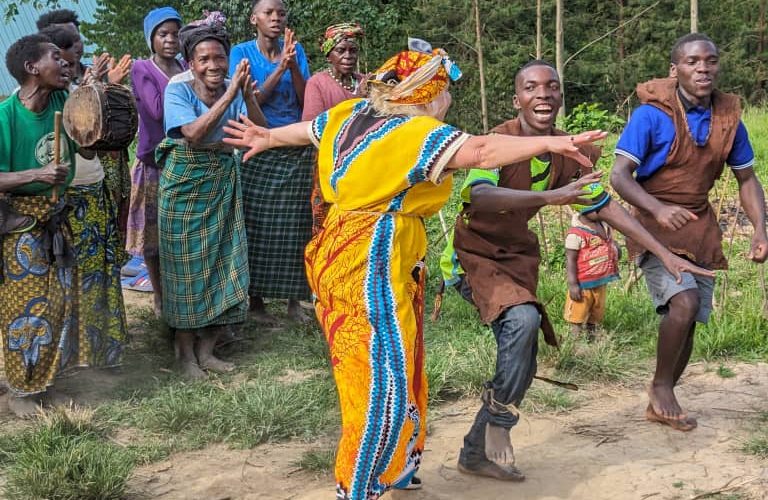
Virunga occupies an extraordinary geographical setting.
The protected area stretches across varied environments and contains volcanoes, forests, wetlands, mountains and savannah landscapes.
Food is central to cultural discovery.
Regional cuisine can include cassava, plantains, beans, vegetables, rice, fish, meat and a wide variety of sauces and accompaniments.
A cultural safari in Virunga National Park can include several complementary experiences. Exact programmes vary by community partner — responsible arrangements emphasise genuine interaction.
Virunga occupies an extraordinary geographical setting. The protected area stretches across varied environments and contains volcanoes, forests, wetlands, mountains and savannah landscapes. The park was designated a UNESCO World Heritage Site in 1979 and is recognized internationally for exceptional biodiversity.
Millions of people live in the broader eastern Congo region, including communities around protected landscapes. Livelihoods vary according to location. Agriculture is particularly important, while fishing and trade support other households.
French is also important in administration and formal communication. Other community languages are spoken throughout the wider region. Language provides an immediate gateway into culture.

A cultural stay in Goma can introduce visitors to the regional context before or after exploring other areas where travel is permitted. Activities may include markets, food, volcanic landscapes, local art and Lake Kivu. The city has been strongly influenced by volcanic activity from nearby Nyiragongo.

Fishing communities, transport, agriculture and commerce are closely connected to the lake. Travelers may explore appropriate lakeshore areas, taste freshwater fish or learn about local livelihoods. Where suitable boat excursions are available, seeing the landscape from the water can provide a different perspective.

The fertile volcanic soils of the wider Virunga region support productive agriculture. Depending on altitude and location, communities cultivate vegetables, bananas, beans and other crops. A locally organized farm visit can explain cultivation methods and household livelihoods.

Coffee production is important in parts of the broader Great Lakes region. Where appropriate initiatives are available, coffee tours in eastern Congo can provide a rewarding cultural experience. Visitors may learn about planting, harvesting, washing, drying and roasting.
Food is central to cultural discovery. Regional cuisine can include cassava, plantains, beans, vegetables, rice, fish, meat and a wide variety of sauces and accompaniments. A Congolese food tour or hosted meal allows travelers to explore these flavors while learning about agricultural traditions.
The Democratic Republic of the Congo is internationally renowned for music. Goma and other eastern cities have active creative communities. Where local performances are accessible, a cultural safari can include music or dance.
Artisans may produce baskets, fabrics, jewelry, carvings, paintings and other handmade products. Buying local Congolese crafts can create direct economic benefits. Visitors should purchase from reputable community enterprises or individual producers where possible.
Oral storytelling can preserve environmental knowledge, family histories and local perspectives on major events. Travelers who take time to listen may discover how communities understand wildlife, mountains and historical change. The relationship between residents and Virunga National Park is particularly interesting.
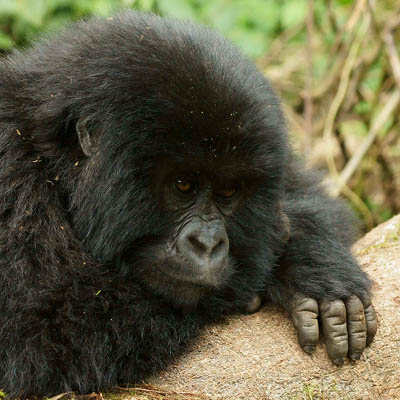
Virunga is globally associated with mountain gorillas. The park's published information says its gorilla sector protects an important proportion of the world's mountain gorilla population. Historically, trekking involved Virunga rangers and trackers leading visitors to habituated gorilla groups.
Cultural experiences are easiest to enjoy when they are woven into the wider itinerary rather than treated as an afterthought.
A Lake Kivu cultural extension can be an excellent way to broaden a future Virunga itinerary. Fishing, coffee, food, markets and lakeside scenery add significant cultural depth.
Best for: Combined itineraries
When border travel is operating normally, the geographical proximity of Goma, Gisenyi, Musanze and Volcanoes National Park can allow regional combinations. Rwanda currently offers its own mountain gorilla tourism infrastructure, making it a potential alternative for travelers whose primary objective is gorilla trekking.
Best for: Combined itineraries
Where regional conditions allow appropriate travel, cultural activities can be educational for families.
Food, craft and agriculture experiences can help children understand how communities live.
However, parents should assess destination-specific travel guidance carefully.
Ask your safari planner for family-friendly community visits with clear photography and gift guidelines.
Plan a Family Cultural Safari
There is no single season that guarantees access to a Virunga cultural experience.
Rainfall patterns influence roads and outdoor activities, but current operating and regional conditions are far more important.
Travelers should check official information close to departure.
A simple cultural visit may take one to two hours, while a more immersive experience can occupy half a day or longer.
Allow enough time so the visit does not feel rushed between other activities.
Tell your safari planner how deeply you want to engage with local culture when designing the itinerary.
Adventure in the Wild Safaris can match you with community partners where fees and craft purchases support residents directly.
Browse DR Congo Safaris
Photography must be handled carefully.
Comfortable, modest clothing is appropriate for cultural visits.
Most cultural visits around Virunga National Park are arranged from nearby lodges, camps or town bases.
Tell us your preferred depth of cultural engagement when you enquire.
Choose a base near Virunga National Park that works with neighbouring communities when culture is a priority.
Combine Virunga National Park with other destinations in DR Congo for a richer cultural and wildlife itinerary.
Pair your cultural safari with wildlife, photography, birding or walking experiences in the same area.
 Bird Watching
Discover birding in Virunga National Park, DR Congo. Find top birding areas, birds to see, best times, guided…
Learn More
Cultural Experiences
A Goma cultural safari offers travelers an opportunity to discover one of the most culturally distinctive cities in…
Learn More
Cultural Experiences
A Bukavu cultural safari introduces travelers to one of eastern Democratic Republic of the Congo's most fascinating cities…
Learn More
Cultural Experiences
A Kahuzi-Biega cultural safari provides an opportunity to look beyond the rainforest and discover the communities, traditions and…
Learn More
Cultural Experiences
A Mount Nyiragongo cultural safari introduces travelers to the human stories, traditions and everyday life that have developed…
Learn MoreActivities may include guided community visits, crafts, food experiences and conversations about heritage. Exact programmes depend on partners.
A simple visit often lasts one to two hours; immersive experiences can take half a day or longer.
Always ask first. Permission is especially important for close portraits and photographs of children.
Ready for a Richer Journey?
Tell us your dates, travel style and how deeply you want to engage with communities around Virunga National Park — Adventure in the Wild Safaris will build cultural experiences into one seamless trip.