Museums & Human Origins
The National Museum introduces Ethiopia's archaeological, historical and artistic heritage — including material connected with early human evolution and the celebrated fossil known as Lucy.


A cultural safari in Addis Ababa provides one of the most fascinating introductions to Ethiopia — ancient history, Ethiopian Orthodox traditions, distinctive cuisine, coffee ceremonies, music, museums and living urban culture in Africa's diplomatic capital.
A cultural safari in Addis Ababa provides one of the most fascinating introductions to Ethiopia, a country with an extraordinary combination of ancient history, religious traditions, distinctive cuisine, music, languages and living cultural practices. Ethiopia's capital is far more than an arrival point for travelers heading toward historical sites or natural attractions — Addis Ababa is itself a rewarding cultural destination that can occupy several days of exploration.
Located in Ethiopia's central highlands, Addis Ababa sits at a high elevation and spreads across hills and valleys beneath Mount Entoto. The city combines government institutions, international organizations, churches, museums, traditional markets, contemporary restaurants, coffee houses and rapidly developing neighborhoods. A guided cultural safari helps visitors make sense of this complexity.
Within a single day, travelers might explore archaeological collections, visit an Ethiopian Orthodox church, drink traditionally prepared coffee, walk through a market and finish the evening enjoying Ethiopian cuisine accompanied by traditional music and dance.
Addis Ababa was founded in the late nineteenth century — its name commonly translated as "New Flower" — and developed into Ethiopia's political and administrative center. Today it is the seat of Ethiopia's federal government and an important diplomatic center for Africa. Modern office buildings and new infrastructure stand alongside older neighborhoods, churches and busy street markets.
Ethiopia differs dramatically from many other African safari destinations. Its cultural identity has developed through thousands of years of history, indigenous kingdoms, Christianity, Islam, trade, migration and regional diversity. People from different Ethiopian ethnic groups live and work in the capital, bringing languages, food, music and traditions from across the country.
The city is especially valuable at the beginning of a longer Ethiopian itinerary because museums and historical sites provide context for places travelers may visit later — Lalibela's churches, the Simien highlands, Bale's Oromo communities or the Danakil's Afar salt traditions.
Plan Your Cultural Safari
A thoughtfully designed cultural day in Addis Ababa typically combines viewpoints, museums, religious sites, markets, coffee and cuisine rather than rushing through a checklist of photo stops.
Mount Entoto rises above the capital and plays an important role in the city's history. Clear weather brings broad views over Addis Ababa; cooler eucalyptus-covered slopes contrast with busy streets below. A guided excursion explains imperial history alongside the city's geography.
The National Museum remains one of the capital's most important cultural attractions. Beyond archaeology and human origins, collections help visitors understand historical periods, art and royal heritage — a knowledgeable guide connects individual objects to Ethiopia's broader story.
Ethnological and cultural collections introduce Ethiopia's extraordinary ethnic diversity. No short city tour can represent every community, but well-interpreted displays help travelers appreciate that "Ethiopian culture" is not a single uniform tradition — useful context before later travel to the Omo Valley, northern Ethiopia or eastern regions.
Religious sites remain active places of worship. Dress respectfully, follow photography rules and remember that churches are spiritual spaces rather than museum displays. Observing worshippers or hearing chanting can be deeply moving when approached with courtesy.
An evening at a traditional Ethiopian restaurant can combine food, music and dance from several regions. Shoulder movements, rhythms and clothing styles highlight diversity — appreciate the evening as an introduction, not a complete representation of Ethiopia's many traditions.
An Addis Ababa cultural safari can include museums, churches, markets, coffee, cuisine, music, textiles and contemporary city life. Exact programmes vary by interest and available time — one day covers highlights; two or three days allow a much richer pace.
Explore archaeological, historical and artistic collections. The museum is particularly famous for early human evolution material associated with Lucy, while also introducing Ethiopia's historical periods, art and royal heritage.
Rise above the capital for imperial history, eucalyptus slopes and panoramic views when weather allows. A guided visit connects scenery with the early development of Addis Ababa.
Begin learning about the Ethiopian Orthodox Tewahedo Church at active places of worship such as Holy Trinity Cathedral. Dress modestly, ask about photography and treat visits as spiritual encounters.
Addis Ababa's enormous commercial districts offer spices, coffee, textiles, household goods and agricultural products. Explore with a guide — markets are working environments, so photograph carefully.
Watch green beans roasted and ground, then coffee prepared in a jebena. The aroma fills the room before small cups are served — a ritual of hospitality and conversation central to Ethiopian identity.
Share injera platters, visit traditional restaurants with regional dance, browse handwoven highland textiles and explore galleries from religious painting to contemporary art.
Young Ethiopians participate in music, fashion, technology and art while negotiating traditional family and religious values. Modern cafés and neighborhoods are as culturally informative as historical sites.
Spending time understanding Ethiopia in Addis Ababa first makes later destinations more meaningful — the capital should not be treated simply as a transit point.
Entoto or a viewpoint, major museum, church visit, injera lunch, afternoon market or coffee ceremony, evening cultural dinner with music — keep routing flexible for traffic.
Best for: Transit days & short stays
Separate museums and history from markets, food, coffee, art and contemporary city life. Slower travel leaves room for coffee houses and spontaneous conversation.
Best for: Culture-focused travellers
Context from Addis deepens Lalibela, Simien, Bale and Danakil visits — history, religion and food knowledge travel with you.
Best for: Full Ethiopia itineraries
Addis Ababa works well for families when the pace respects altitude and jet lag. Museums, coffee ceremonies, injera meals and gentle market walks can be highly educational for children.
Prepare children to behave respectfully in churches and markets. Avoid treating people as attractions, and ask a planner for family-friendly timing with rest breaks.
Take the first day gently after arrival — Addis sits at significant elevation.
Plan a Family Cultural Safari
Addis Ababa can be visited throughout the year. High elevation generally creates milder temperatures than many visitors expect from an African capital — mornings and evenings can feel cool.
Seasonal rainfall influences sightseeing conditions. Travelers interested in religious festivals may plan around major Ethiopian celebrations, which offer extraordinary culture but also crowds and altered schedules.
Travelers with limited time can still experience several important aspects of Addis Ababa in one full day, though traffic can significantly affect routing.
Two or three days allow museums and history on one day, markets, food, coffee and contemporary life on another, plus optional outskirts excursions.
Because of elevation, taking the first day at a comfortable pace is sensible — particularly after a long international flight.
Tell your safari planner whether Addis is a gateway stop or a dedicated cultural focus so museums, churches, coffee and evenings can be sequenced without rush.
Adventure in the Wild Safaris designs Addis cultural days that fit around international flights and onward Ethiopia travel.
Browse Ethiopia Safaris
Responsible cultural travel in Addis Ababa begins with respect — for worshippers, traders, artisans and residents living ordinary modern lives.
Addis Ababa is a complex, rapidly changing city filled with people living modern lives while maintaining deep cultural traditions.
Comfortable walking shoes are essential — city exploration involves museums, markets, churches and uneven surfaces.
Dress comfortably and respectfully while allowing local people to present their culture on their own terms.
Most international visitors arrive at Addis Ababa Bole International Airport, which also serves as the hub for domestic flights across Ethiopia.
Tell us your flight times so we can design a cultural programme that works with arrival and departure energy levels.
Central hotels simplify museum, restaurant and market access; quieter hillside properties suit travelers who want rest between cultural days.
For many travelers, Addis Ababa is the beginning of a much larger Ethiopian adventure — historical destinations, highland landscapes, national parks and culturally diverse regions.
Pair cultural touring with birding, city walking or onward wildlife and heritage experiences across Ethiopia.
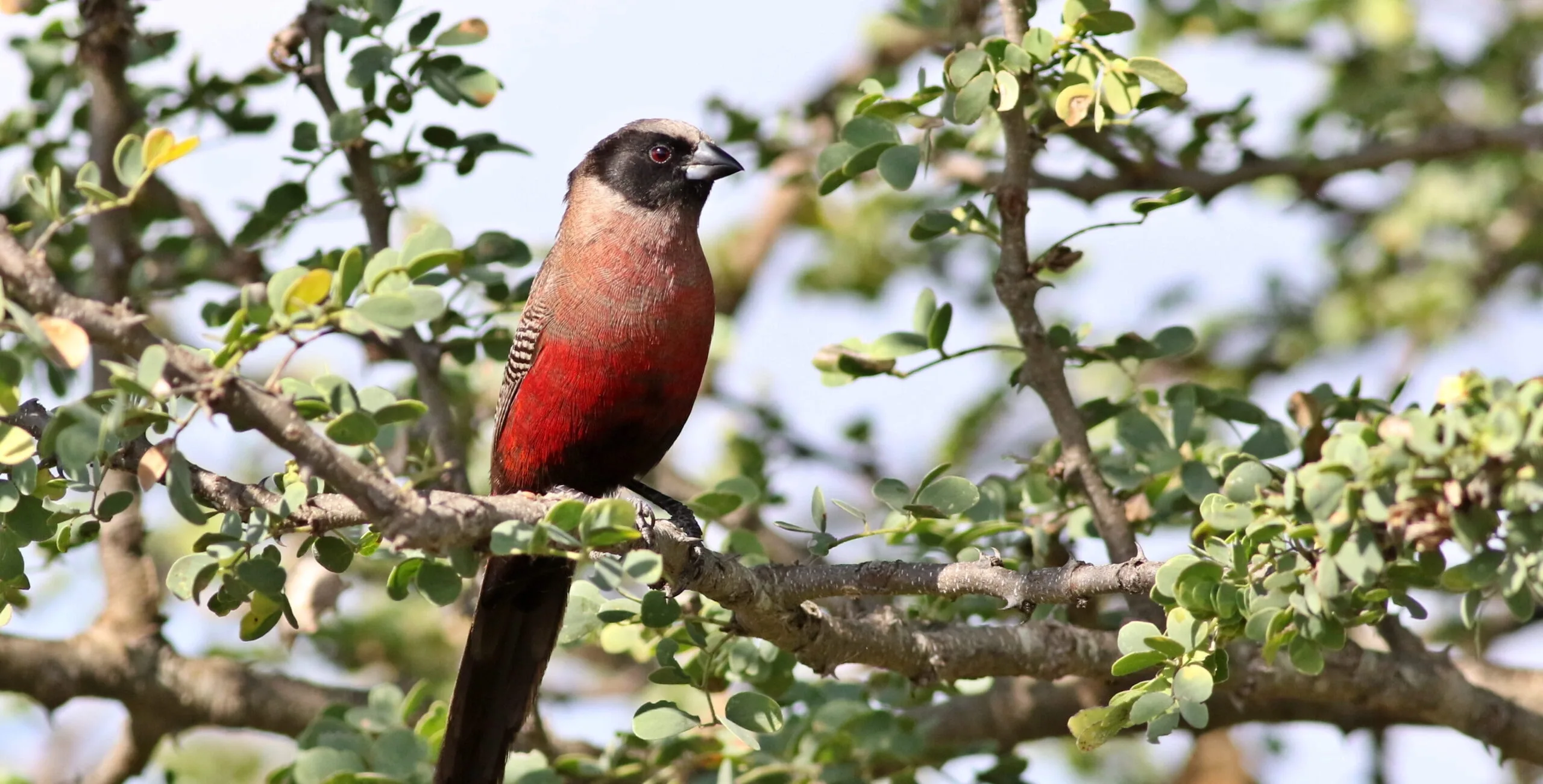 Bird Watching
Explore Ethiopia's highland birdlife on an Addis Ababa birding safari. Visit forests, wetlands and grasslands in search of…
Learn More
Cultural Experiences
A cultural safari in Lalibela is one of Ethiopia's most profound heritage experiences — rock-hewn churches, living Orthodox…
Learn More
Cultural Experiences
A Simien Mountains cultural safari combines dramatic highland escarpments and endemic wildlife with the lives, traditions and livelihoods…
Learn More
Cultural Experiences
A cultural safari in Bale Mountains National Park combines spectacular highland scenery, rare wildlife and meaningful encounters with…
Learn More
Cultural Experiences
A cultural safari in Danakil Depression introduces the Afar people and one of Ethiopia's most extraordinary landscapes —…
Learn MoreOne full day covers highlights. Two or three days allow museums, markets, coffee, cuisine and contemporary city life at a comfortable pace — especially valuable before a longer Ethiopia itinerary.
Programmes often include a museum visit, viewpoint or Entoto stop, church visit, market exploration, coffee ceremony and an injera meal or cultural dinner. Exact routing depends on interests and traffic.
Some visitors notice the elevation after arrival. Take the first day gently, drink water and avoid an overly demanding walking schedule immediately after a long flight.
Yes. Orthodox fasting traditions have contributed to a rich range of plant-based dishes served with injera.
Always ask first for people, and follow site rules. Photography may be restricted in museums, religious sites or sensitive areas.
It can be — but treating it only as a gateway misses museums, coffee, cuisine, churches and contemporary culture that deepen every later Ethiopian destination.
Ready to Discover Ethiopia's Capital?
Tell us your flight times, travel style and interests — Adventure in the Wild Safaris will build museums, churches, coffee, markets and cuisine into a seamless start (or finish) to your Ethiopia journey.