

Birding Safari in Nosy Be
A Nosy Be birding safari combines Madagascar's extraordinary wildlife with the tropical beauty of one of the country's best-known island destinations. Located off Madagascar's northwestern coast, Nosy Be is surrounded by warm Indian Ocean waters and contains a mixture of tropical vegetation, wetlands, coastal habitats, plantations and nearby islands.
- Location Nosy Be, Madagascar
- Duration Half Day – Multi-Day
- Difficulty Easy to Moderate
- Best For Birdwatchers, Photographers & Nature Lovers
Birding in Nosy Be
A Nosy Be birding safari combines Madagascar's extraordinary wildlife with the tropical beauty of one of the country's best-known island destinations. Located off Madagascar's northwestern coast, Nosy Be is surrounded by warm Indian Ocean waters and contains a mixture of tropical vegetation, wetlands, coastal habitats, plantations and nearby islands.
Madagascar is one of the world's most remarkable destinations for birders because millions of years of isolation have produced an exceptionally high level of endemism. Many of the island's birds occur nowhere else on Earth.
Nosy Be can therefore serve both as a relaxing addition to a longer Madagascar wildlife journey and as a base for exploring the distinctive birds and other wildlife of the country's northwestern region.
For travelers planning a wider African adventure, Madagascar can also be combined with gorilla trekking in Uganda or Rwanda, creating an exceptional itinerary focused on endemic wildlife, primates and birds.
Plan Your Madagascar Birding SafariWhy Go Birding in Nosy Be?
What to Expect on a Nosy Be Birding Safari
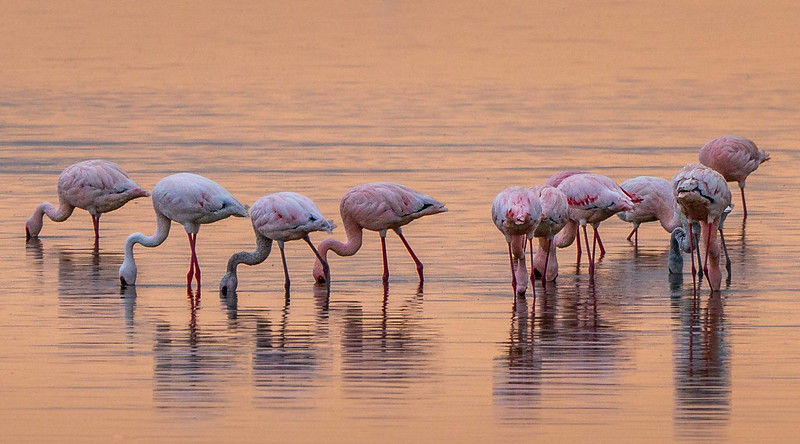
Beginners can enjoy Nosy Be because birding can be combined with general nature walks and sightseeing.
The tropical setting makes the experience relaxed and varied.
Experienced birders, however, should plan carefully.
Working with a specialist guide and providing a list of target species in advance allows the itinerary to focus on productive habitats.
Serious birders may also need to travel beyond Nosy Be to maximize Madagascar endemics.
Your Birding Experience Can Include
- Professional birding or nature guide
- Early-morning birdwatching
- Bird identification assistance
- Habitat interpretation
- Bird photography opportunities
- Personalised searches for target species
Birds to Look for Around Nosy Be
Bird sightings vary according to habitat and season.
Forest and woodland areas can support colorful and vocal species including couas, vangas, sunbirds, bulbuls, flycatchers and other Madagascar specialties.
Wetlands and mangrove habitats add herons, egrets, kingfishers and other water-associated birds.
Nosy Be
Learn more
Madagascar's Extraordinary Endemic Birds
Madagascar's isolation from mainland Africa allowed plants and animals to evolve independently for millions of years. As a result, the country contains entire groups of birds with very limited global distributions.
Habitat
Local habitats
Best area
Nosy Be
Status
Resident / Seasonal

Nosy Be
Learn more
Lokobe Strict Nature Reserve
One of the most important natural areas associated with Nosy Be is Lokobe. The reserve protects remaining native forest and provides opportunities to experience the island's biodiversity in a more natural environment.
Habitat
Local habitats
Best area
Nosy Be
Status
Resident / Seasonal
Best Birding Areas in Nosy Be
A good birding itinerary around Nosy Be should include several environments rather than concentrating on a single site.
Birding Around Wetlands and Mangroves
Wetlands are often among the easiest places to observe birds around tropical islands. Herons, egrets, kingfishers and other species may feed along shallow water.
Best for: Birdwatchers exploring Nosy Be.
Offshore Islands
Nosy Be is surrounded by smaller islands and marine habitats. Excursions to suitable offshore areas can add coastal and marine birds to your checklist.
Best for: Birdwatchers exploring Nosy Be.
What Is Birding Like in Nosy Be?
Birding typically begins early in the morning. This is when temperatures are cooler and many species are most vocal.
Best for: Birdwatchers exploring Nosy Be.
Birding and Lemurs
One of the great advantages of birding in Madagascar is that your attention is rarely restricted to birds. Lemurs may appear while you are searching through the canopy, while reptiles and unusual insects can be encountered along forest trails.
Best for: Birdwatchers exploring Nosy Be.
Birding Habitats of Nosy Be
Understanding habitats makes birdwatching much more productive.
Woodland & Forest Edges
Listen for calls and watch canopy and understory movement along forest and woodland edges.
Open Country
Greater visibility supports raptor watching and terrestrial species.
Wetlands
Water attracts waterbirds and can be especially rewarding for photography.
Habitat Edges
Edges between habitats often concentrate bird activity.

Best Time for a Nosy Be Birding Safari
Bird watching is possible during much of the year, but weather strongly influences travel in Madagascar.
The generally drier months are popular for wildlife tours because trails and roads tend to be easier to navigate.
- Year-round Birdwatching is possible throughout the year; seasonal conditions change which species are most active.
- Migration periods Migrants can increase diversity during certain months — ask us about your target species before booking.
- After the rains Rainfall can refresh habitats and boost breeding activity and wetland productivity.
- Drier months Drier conditions may improve road access and visibility for open-country scanning and photography.
Half-Day vs Full-Day Birding Tours
Nosy Be birding can be arranged to match your available time.
Half-Day Birding Safari — An early start concentrating on one or two productive habitats near your base. Ideal for stopovers and travellers with limited time.
Full-Day Birding Safari — More time to explore different elevations or habitat types and build a stronger day list.
Adventure in the Wild Safaris can arrange private birding guides and connect Nosy Be with a wider Madagascar itinerary.
Adventure in the Wild Safaris can arrange private birding guides and connect Nosy Be with a wider Madagascar itinerary.
Enquire About a Private Birding Tour
Bird Photography
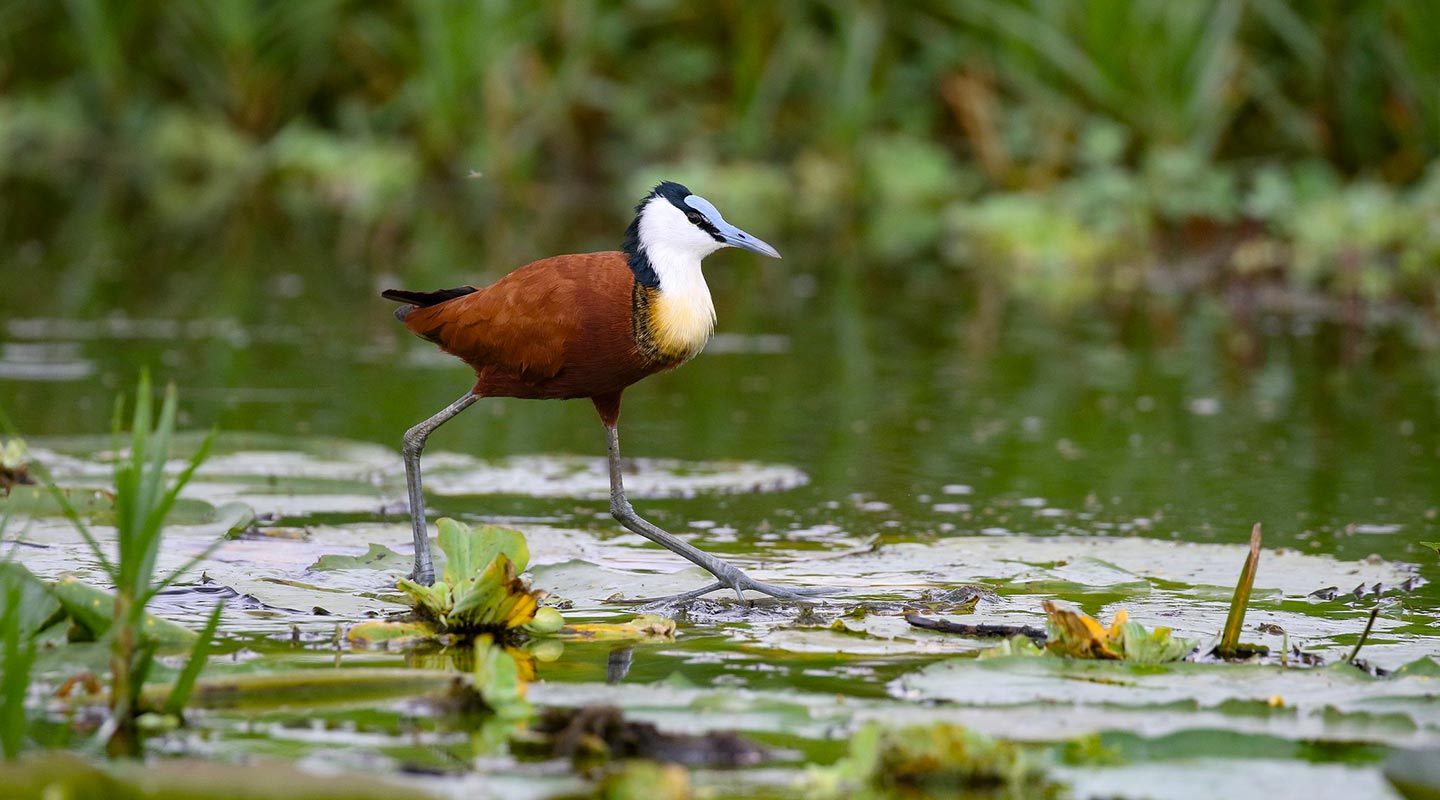
Nosy Be offers varied photographic environments.
Forest photography can be challenging because of low light and dense vegetation.
- Carry a telephoto lens where possible
- Keep spare batteries ready
- Avoid disturbing birds for photographs
- Photograph during softer morning light
- Allow time for positioning and waiting
- Always place wildlife welfare ahead of the photograph
Madagascar's natural ecosystems face significant conservation pressures.
What to Pack
Useful items include:
- Quality binoculars
- Regional bird field guide or app
- Camera with telephoto lens
- Spare batteries
- Memory cards
- Neutral-coloured clothing
- Sun hat
- Sunscreen
- Refillable water bottle
- Small daypack
- Light jacket
- Comfortable walking shoes
- Personal medication
- Binoculars - Camera and telephoto lens - Lightweight breathable clothing - Long trousers for forest walks - Comfortable walking shoes - Rain jacket - Hat - Sunscreen - Insect repellent - Small backpack - Refillable water bottle - Madagascar bird field guide
Dry bags or waterproof covers are useful for boat excursions.
How to Reach Nosy Be
Nosy Be is incorporated into privately guided Madagascar journeys.
- Gateway Access Nosy Be is reached as part of a wider Madagascar itinerary. We arrange private transfers timed for early birding starts.
- Private Guided Tour Adventure in the Wild Safaris can arrange specialist birding guides and logistics around Nosy Be.
- Combined Itineraries Birding days can be placed at the start or end of a longer Madagascar safari.
Accommodation in Nosy Be
Nosy Be has a broad range of accommodation.
- Budget Good-value options suitable for travellers focused on time in the field.
- Mid-Range Comfortable lodges or hotels with reliable service and convenient access for early pick-ups.
- Luxury Higher-end properties combining comfort with easy logistics for private birding guides.
- Birding-Friendly Base Prefer properties with gardens, natural surroundings or easy early-morning departures.
Combining Madagascar with Uganda or Rwanda
Madagascar and the forests of Uganda and Rwanda offer one of Africa's most interesting wildlife combinations.
Other Experiences
Pair Nosy Be birding with other experiences in the same area.

Frequently Asked Questions
Is Nosy Be good for bird watching?
Yes. Nosy Be offers productive habitats for both casual and dedicated birders.
Do I need a specialist birding guide?
A specialist guide greatly improves identification, especially for calls, habitat preferences and target species.
What is the best time of day for birding?
Early morning is generally best; late afternoon can also be productive.
Should I bring binoculars?
Yes. Binoculars are essential for any birding safari.
Can I combine birding with other safari activities?
Absolutely. Nosy Be birding can be combined with other Madagascar destinations and experiences.
Include Birding in Your Madagascar Safari
Plan Your Nosy Be Birding Experience
A birding safari in Nosy Be offers far more than a tropical island holiday. Behind the beaches are forests, wetlands, mangroves and coastal habitats inhabited by birds and wildlife shaped by Madagascar's extraordinary evolutionary history. Whether you are beginning a longer Madagascar birding expedition, adding several wildlife days to a beach holiday or creating a multi-country African journey, Nosy Be provides an attractive combination of bird watching, endemic wildlife and Indian Ocean scenery. Gorilla Uganda Safaris can create tailor-made itineraries combining Nosy Be birding, Madagascar wildlife tours and gorilla trekking in Uganda or Rwanda. For serious birders, additional Madagascar reserves can be incorporated to maximize endemic species, while leisure travelers can balance guided birding excursions with time on the island's tropical coastline. From listening for endemic forest birds at sunrise to watching coastal species beside the Indian Ocean, Nosy Be adds a distinctive island chapter to an African birding adventure.
- Trusted Local Experts
- Tailor-Made Itineraries
- Memorable & Responsible Travel