

Birding Safari in Quirimbas Archipelago
A Quirimbas Archipelago birding safari introduces travelers to one of Mozambique's most fascinating coastal environments, where tropical islands, mangroves, tidal flats, coral-fringed shores, coastal woodland and the warm Indian Ocean create habitat for an interesting mixture of resident and migratory birds.
- Location Quirimbas Archipelago, Mozambique
- Duration Half Day – Multi-Day
- Difficulty Easy to Moderate
- Best For Birdwatchers, Photographers & Nature Lovers
Birding in Quirimbas Archipelago
A Quirimbas Archipelago birding safari introduces travelers to one of Mozambique's most fascinating coastal environments, where tropical islands, mangroves, tidal flats, coral-fringed shores, coastal woodland and the warm Indian Ocean create habitat for an interesting mixture of resident and migratory birds.
Stretching along the coast of northern Mozambique, the Quirimbas region is best known for beautiful islands, marine biodiversity, historic settlements and remote beaches. For bird watchers, however, its real appeal lies in the meeting point between land and sea.
Herons stalk mangrove channels, shorebirds feed across exposed tidal flats, kingfishers occupy coastal vegetation and seabirds travel between islands. Move inland and the bird community changes again as woodland and bush habitats introduce terrestrial species.
The Quirimbas can therefore add an unusual coastal birding and island experience to a broader Mozambique or southern African safari.
Plan Your Mozambique Birding SafariWhy Go Birding in Quirimbas Archipelago?
What to Expect on a Quirimbas Archipelago Birding Safari
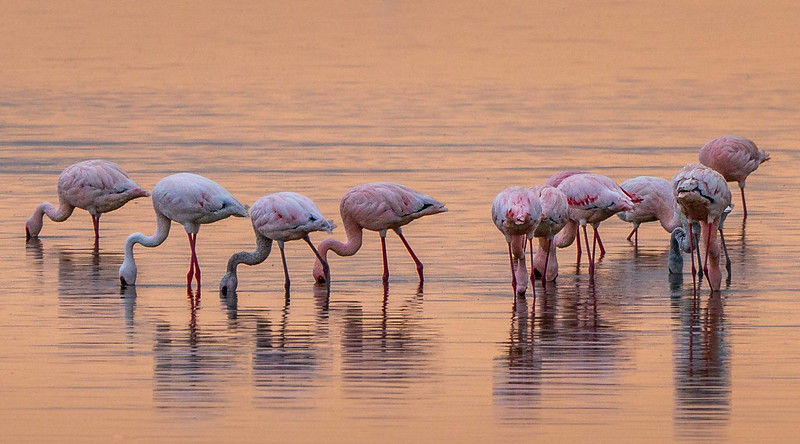
Birding tours generally begin early when many birds are most active.
Your guide helps identify birds by appearance, behaviour and calls while exploring productive habitats around Quirimbas Archipelago.
The pace is flexible — more time is spent where conditions are productive rather than rushing between fixed stops.
Your Birding Experience Can Include
- Professional birding or nature guide
- Early-morning birdwatching
- Bird identification assistance
- Habitat interpretation
- Bird photography opportunities
- Personalised searches for target species
Seabird Watching
Boat journeys between islands provide opportunities to watch for seabirds.
Terns are among the most visible groups, while other ocean-associated species may occur depending on season and location.
Binoculars should always remain accessible during transfers.
Quirimbas Archipelago
Learn more
Migratory Shorebirds
Mozambique's coastline forms part of important migration systems connecting Africa with regions farther north. Seasonal migrants can therefore increase the diversity of coastal birding considerably.
Habitat
Local habitats
Best area
Quirimbas Archipelago
Status
Resident / Seasonal

Best Birding Areas in Quirimbas Archipelago
A good birding itinerary around Quirimbas Archipelago should include several environments rather than concentrating on a single site.
Why Choose the Quirimbas for Birding?
Many African birding safaris concentrate on forests, savannahs or freshwater wetlands. The Quirimbas offer something different.
Best for: Birdwatchers exploring Quirimbas Archipelago.
Birds of the Quirimbas Archipelago
The exact species vary according to island, habitat and season. Coastal environments can support herons, egrets, kingfishers, plovers, sandpipers, terns and other water-associated birds.
Best for: Birdwatchers exploring Quirimbas Archipelago.
Mangrove
Mangroves are among the Quirimbas' most interesting habitats. These salt-tolerant forests create sheltered channels rich in fish, crustaceans and other food.
Best for: Birdwatchers exploring Quirimbas Archipelago.
Tidal Flat
Birding around the coast is strongly influenced by tides. At low tide, extensive feeding areas can become exposed.
Best for: Birdwatchers exploring Quirimbas Archipelago.
Coastal Woodland
Moving away from the shoreline reveals another bird community. Woodland, thickets and village-edge vegetation can support sunbirds, weavers, doves, bulbuls and numerous insectivorous birds.
Best for: Birdwatchers exploring Quirimbas Archipelago.
Birding and Marine Wildlife
One of the main attractions of the Quirimbas is the ability to combine birds with marine nature. Depending on location, season and activities, visitors may also enjoy snorkeling, diving and boat excursions.
Best for: Birdwatchers exploring Quirimbas Archipelago.
Birding Habitats of Quirimbas Archipelago
Understanding habitats makes birdwatching much more productive.
Woodland & Forest Edges
Listen for calls and watch canopy and understory movement along forest and woodland edges.
Open Country
Greater visibility supports raptor watching and terrestrial species.
Wetlands
Water attracts waterbirds and can be especially rewarding for photography.
Habitat Edges
Edges between habitats often concentrate bird activity.

Best Time for Quirimbas Birding
Birding opportunities exist throughout the year, but seasonal weather affects travel conditions.
The drier months are generally favored for island holidays because conditions are more predictable.
- Year-round Birdwatching is possible throughout the year; seasonal conditions change which species are most active.
- Migration periods Migrants can increase diversity during certain months — ask us about your target species before booking.
- After the rains Rainfall can refresh habitats and boost breeding activity and wetland productivity.
- Drier months Drier conditions may improve road access and visibility for open-country scanning and photography.
Half-Day vs Full-Day Birding Tours
Quirimbas Archipelago birding can be arranged to match your available time.
Half-Day Birding Safari — An early start concentrating on one or two productive habitats near your base. Ideal for stopovers and travellers with limited time.
Full-Day Birding Safari — More time to explore different elevations or habitat types and build a stronger day list.
Adventure in the Wild Safaris can arrange private birding guides and connect Quirimbas Archipelago with a wider Mozambique itinerary.
Adventure in the Wild Safaris can arrange private birding guides and connect Quirimbas Archipelago with a wider Mozambique itinerary.
Enquire About a Private Birding Tour
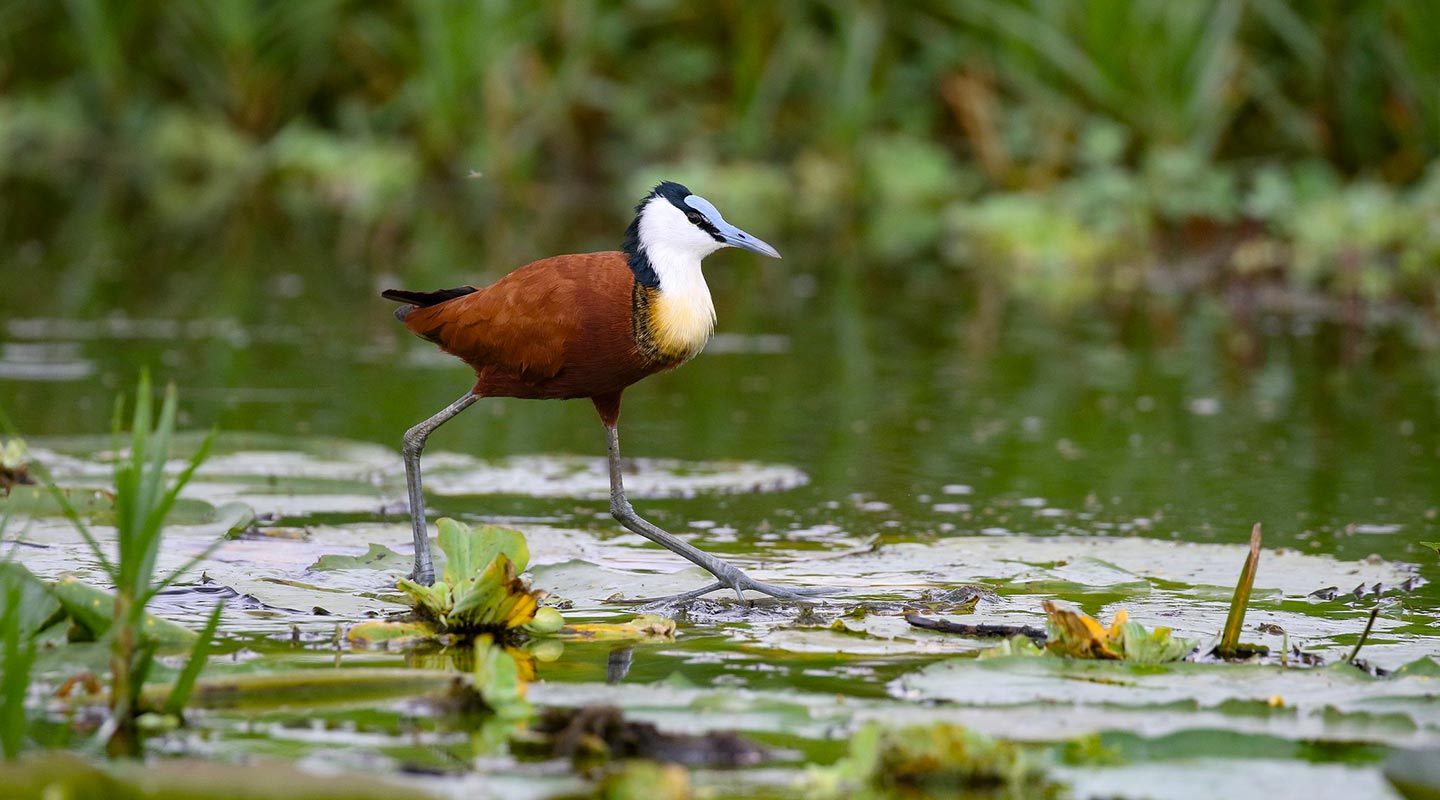
Bird Photography
The Quirimbas can provide excellent photographic opportunities.
Open beaches and tidal flats offer clean backgrounds.
- Carry a telephoto lens where possible
- Keep spare batteries ready
- Avoid disturbing birds for photographs
- Photograph during softer morning light
- Allow time for positioning and waiting
- Always place wildlife welfare ahead of the photograph
Mangroves, seabird colonies and shorebird roosts can be sensitive.
What to Pack
Bring:
- Quality binoculars
- Regional bird field guide or app
- Camera with telephoto lens
- Spare batteries
- Memory cards
- Neutral-coloured clothing
- Sun hat
- Sunscreen
- Refillable water bottle
- Small daypack
- Light jacket
- Comfortable walking shoes
- Personal medication
- Binoculars - Camera and telephoto lens - Spotting scope for serious shorebirding - Lightweight breathable clothing - Hat - Sunscreen - Insect repellent - Comfortable walking shoes - Sandals - Waterproof bag - Refillable water bottle - Bird field guide
Sun protection is particularly important during open coastal excursions.
How to Reach Quirimbas Archipelago
Quirimbas Archipelago is incorporated into privately guided Mozambique journeys.
- Gateway Access Quirimbas Archipelago is reached as part of a wider Mozambique itinerary. We arrange private transfers timed for early birding starts.
- Private Guided Tour Adventure in the Wild Safaris can arrange specialist birding guides and logistics around Quirimbas Archipelago.
- Combined Itineraries Birding days can be placed at the start or end of a longer Mozambique safari.
Accommodation
The archipelago is known for intimate island properties, beach lodges and smaller accommodations.
- Budget Good-value options suitable for travellers focused on time in the field.
- Mid-Range Comfortable lodges or hotels with reliable service and convenient access for early pick-ups.
- Luxury Higher-end properties combining comfort with easy logistics for private birding guides.
- Birding-Friendly Base Prefer properties with gardens, natural surroundings or easy early-morning departures.
Combining Mozambique with Gorilla Trekking
Travelers seeking an even broader African journey can combine Mozambique with Uganda or Rwanda.
Other Experiences
Pair Quirimbas Archipelago birding with other experiences in the same area.

Frequently Asked Questions
Is Quirimbas Archipelago good for bird watching?
Yes. Quirimbas Archipelago offers productive habitats for both casual and dedicated birders.
Do I need a specialist birding guide?
A specialist guide greatly improves identification, especially for calls, habitat preferences and target species.
What is the best time of day for birding?
Early morning is generally best; late afternoon can also be productive.
Should I bring binoculars?
Yes. Binoculars are essential for any birding safari.
Can I combine birding with other safari activities?
Absolutely. Quirimbas Archipelago birding can be combined with other Mozambique destinations and experiences.
Include Birding in Your Mozambique Safari
Plan Your Quirimbas Archipelago Birding Experience
A Quirimbas Archipelago birding safari offers an alternative to the traditional African safari. Instead of watching birds from a vehicle on open savannah, you can follow kingfishers through mangrove channels, scan tidal flats for migrating waders and watch terns above the Indian Ocean. Add tropical beaches, coral reefs and island culture and the result is a distinctive wildlife holiday. Gorilla Uganda Safaris can design tailor-made Mozambique journeys incorporating bird watching, island stays, coastal exploration and wider African safari combinations, subject to current access and travel conditions. For birders wanting to understand Africa's remarkable coastal ecosystems while enjoying the Indian Ocean, the Quirimbas offer an experience very different from the continent's better-known inland reserves.
- Trusted Local Experts
- Tailor-Made Itineraries
- Memorable & Responsible Travel