

Birding Safari in Damaraland
A birding safari in Damaraland explores one of Namibia’s most dramatic arid landscapes in search of birds specially adapted to rocky mountains, gravel plains, dry river valleys and desert-edge environments. Situated in northwestern Namibia, Damaraland is better known for desert-adapted elephants, black rhinos, ancient rock engravings and enormous wilderness scenery, yet it is also one of the country’s most rewarding regions for specialist birders.
- Location Damaraland, Namibia
- Duration Half Day – Multi-Day
- Difficulty Easy to Moderate
- Best For Birdwatchers, Photographers & Nature Lovers
Birding in Damaraland
A birding safari in Damaraland explores one of Namibia’s most dramatic arid landscapes in search of birds specially adapted to rocky mountains, gravel plains, dry river valleys and desert-edge environments. Situated in northwestern Namibia, Damaraland is better known for desert-adapted elephants, black rhinos, ancient rock engravings and enormous wilderness scenery, yet it is also one of the country’s most rewarding regions for specialist birders.
The attraction is not necessarily an enormous daily species count. Damaraland’s value lies in the quality of its birds.
Several Namibian endemic and near-endemic species can be searched for here, including Herero Chat, Rockrunner, Hartlaub’s Francolin, Monteiro’s Hornbill, Rüppell’s Korhaan, White-tailed Shrike, Bare-cheeked Babbler, Carp’s Tit, Rüppell’s Parrot and Violet Wood-Hoopoe.
Finding these species requires understanding the landscape.
Rockrunners occupy rocky slopes rather than open gravel plains. Herero Chats favor specific arid mountain environments. Hornbills and parrots may concentrate around dry river woodland. Sandgrouse can visit water sources at predictable times.
For dedicated birders, Damaraland is therefore a habitat-driven experience where local knowledge matters enormously.
Plan Your Namibia Birding SafariWhy Go Birding in Damaraland?
What to Expect on a Damaraland Birding Safari
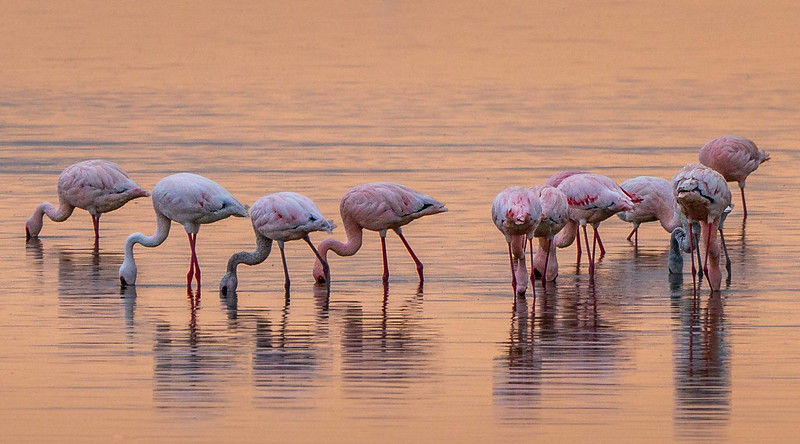
At least three nights are recommended for a meaningful Damaraland birding experience.
Dedicated birders may prefer four or five nights depending on target species and planned route.
The region is enormous.
Travel distances between specialized habitats can be substantial.
Additional nights reduce pressure and create second opportunities for difficult birds.
A carefully designed itinerary may include separate sessions for rocky mountain species, dry-river woodland birds and open-desert targets.
Your Birding Experience Can Include
- Professional birding or nature guide
- Early-morning birdwatching
- Bird identification assistance
- Habitat interpretation
- Bird photography opportunities
- Personalised searches for target species
Responsible Bird Watching
Desert ecosystems can appear extremely tough but are surprisingly fragile.
Vehicles should remain on established roads and tracks.
Driving unnecessarily across untouched gravel plains can leave visible marks that persist for decades.
Damaraland
Learn more
Herero Chat
The Herero Chat is one of Namibia’s most sought-after birds. It is strongly associated with dry rocky environments in western Namibia and can be surprisingly difficult to locate.
Habitat
Local habitats
Best area
Damaraland
Status
Resident / Seasonal

Damaraland
Learn more
Rockrunner
The Rockrunner is another key species of a Damaraland birding safari. As its name suggests, the bird is closely associated with rocky terrain.
Habitat
Local habitats
Best area
Damaraland
Status
Resident / Seasonal
Damaraland
Learn more
White-tailed Shrike
The White-tailed Shrike is another highly desirable Namibian bird. Its bold black, white and gray appearance makes it distinctive when good views are obtained.
Habitat
Local habitats
Best area
Damaraland
Status
Resident / Seasonal
Damaraland
Learn more
Bare-cheeked Babbler
The sociable Bare-cheeked Babbler frequently occurs in groups. Birds move actively through dry woodland and scrub while maintaining almost constant contact with one another.
Habitat
Local habitats
Best area
Damaraland
Status
Resident / Seasonal
Damaraland
Learn more
Violet Wood-Hoopoe
The Violet Wood-Hoopoe is another attractive species associated with dry woodland in Namibia. Its long curved bill and glossy plumage make it easy to recognize when seen well.
Habitat
Local habitats
Best area
Damaraland
Status
Resident / Seasonal
Damaraland
Learn more
Desert-adapted Elephants
Damaraland’s desert-adapted elephants are among the region’s most famous wildlife attractions. These are African elephants that have adjusted their behavior and movement patterns to survive in extremely arid conditions.
Habitat
Local habitats
Best area
Damaraland
Status
Resident / Seasonal
Best Birding Areas in Damaraland
A good birding itinerary around Damaraland should include several environments rather than concentrating on a single site.
Namibian Endemic and Near-Endemic Birds
Namibia has an important group of birds associated with the country’s arid western landscapes and neighboring southwestern Angola. Damaraland is one of the best areas for searching for several of these species.
Best for: Exploring Damaraland.
Hartlaub’s Francolin
The Hartlaub’s Francolin is another Namibian specialty associated with rocky highlands. Early morning is often the most useful period for detecting calling birds.
Best for: Exploring Damaraland.
Monteiro’s Hornbill
The Monteiro’s Hornbill is one of Namibia’s most distinctive dry-country birds. This near-endemic hornbill occurs in arid woodland, scrub and dry river environments.
Best for: Exploring Damaraland.
Rüppell’s Korhaan
The Rüppell’s Korhaan, also known as Rüppell’s Bustard, is a characteristic bird of Namibia’s arid west. Its subtle plumage blends extremely effectively into pale gravel and dry vegetation.
Best for: Exploring Damaraland.
Birding Along Dry River Valleys
Damaraland’s ephemeral rivers are essential wildlife corridors. Although many riverbeds remain dry for most of the year, underground moisture allows larger trees to survive where surrounding plains support only sparse vegetation.
Best for: Birdwatchers exploring Damaraland.
Twyfelfontein
The Twyfelfontein region is internationally famous for ancient rock engravings and dramatic geological scenery. Birding can easily be incorporated into a broader visit.
Best for: Birdwatchers exploring Damaraland.
Birding Habitats of Damaraland
Understanding habitats makes birdwatching much more productive.
Woodland & Forest Edges
Listen for calls and watch canopy and understory movement along forest and woodland edges.
Open Country
Greater visibility supports raptor watching and terrestrial species.
Wetlands
Water attracts waterbirds and can be especially rewarding for photography.
Habitat Edges
Edges between habitats often concentrate bird activity.

Best Time for Birding in Damaraland
Damaraland can be birded throughout the year.
Many of the principal arid-zone specialties are resident.
- Year-round Birdwatching is possible throughout the year; seasonal conditions change which species are most active.
- Migration periods Migrants can increase diversity during certain months — ask us about your target species before booking.
- After the rains Rainfall can refresh habitats and boost breeding activity and wetland productivity.
- Drier months Drier conditions may improve road access and visibility for open-country scanning and photography.
Half-Day vs Full-Day Birding Tours
Damaraland birding can be arranged to match your available time.
Half-Day Birding Safari — An early start concentrating on one or two productive habitats near your base. Ideal for stopovers and travellers with limited time.
Full-Day Birding Safari — More time to explore different elevations or habitat types and build a stronger day list.
Adventure in the Wild Safaris can arrange private birding guides and connect Damaraland with a wider Namibia itinerary.
Adventure in the Wild Safaris can arrange private birding guides and connect Damaraland with a wider Namibia itinerary.
Enquire About a Private Birding Tour
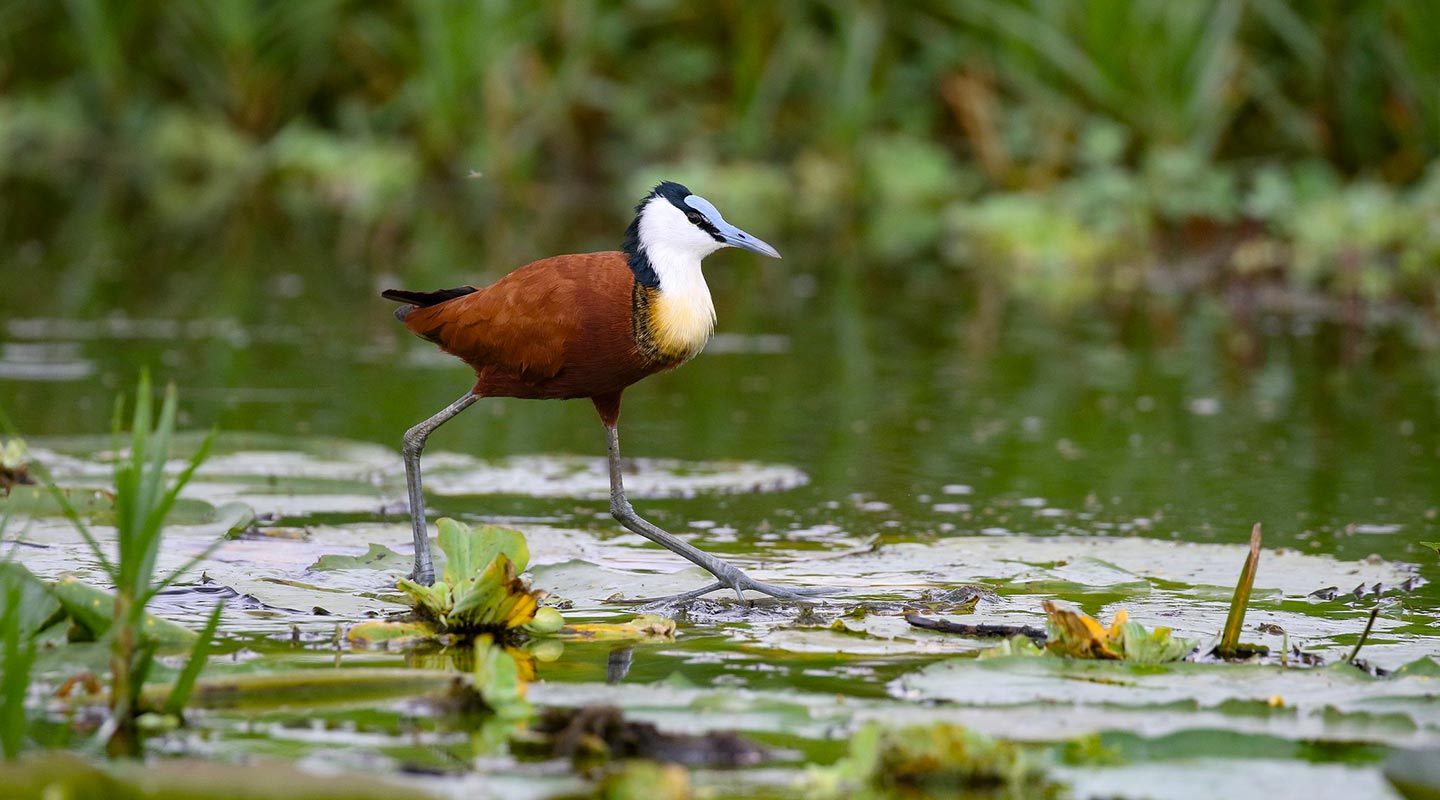
Bird Photography in Damaraland
Damaraland is exceptional for bird photography in Namibia.
The attraction extends beyond close portraits.
- Carry a telephoto lens where possible
- Keep spare batteries ready
- Avoid disturbing birds for photographs
- Photograph during softer morning light
- Allow time for positioning and waiting
- Always place wildlife welfare ahead of the photograph
Responsible birding protects wildlife and habitats. Keep distance from nesting birds, use playback cautiously, stay on authorised tracks, avoid litter, and support professional local guides.
What to Pack for Damaraland Birding
Bring reliable binoculars and a Namibia or southern Africa bird identification guide.
- Bring reliable binoculars and a Namibia or southern Africa bird identification guide
- Wear lightweight, neutral clothing during the day
- Carry warm layers because winter mornings and evenings can be surprisingly cold
- Bring a broad-brimmed hat, sunscreen and sufficient drinking water
- carry telephoto lenses, spare batteries, adequate memory cards and effective dust protection
Wear lightweight, neutral clothing during the day.
Carry warm layers because winter mornings and evenings can be surprisingly cold.
How to Reach Damaraland
Damaraland is incorporated into privately guided Namibia journeys.
- Gateway Access Damaraland is reached as part of a wider Namibia itinerary. We arrange private transfers timed for early birding starts.
- Private Guided Tour Adventure in the Wild Safaris can arrange specialist birding guides and logistics around Damaraland.
- Combined Itineraries Birding days can be placed at the start or end of a longer Namibia safari.
Accommodation in Damaraland
Accommodation ranges from comfortable mid-range camps to exceptional luxury wilderness lodges.
- Budget Good-value options suitable for travellers focused on time in the field.
- Mid-Range Comfortable lodges or hotels with reliable service and convenient access for early pick-ups.
- Luxury Higher-end properties combining comfort with easy logistics for private birding guides.
- Birding-Friendly Base Prefer properties with gardens, natural surroundings or easy early-morning departures.
Combining Damaraland with Etosha National Park
Etosha National Park is one of the strongest additions to a Damaraland birding safari.
Other Experiences
Pair Damaraland birding with other experiences in the same area.

Frequently Asked Questions About Damaraland Birding
Is Damaraland good for bird watching?
Yes. Damaraland offers productive habitats for both casual and dedicated birders.
Do I need a specialist birding guide?
A specialist guide greatly improves identification, especially for calls, habitat preferences and target species.
What is the best time of day for birding?
Early morning is generally best; late afternoon can also be productive.
Should I bring binoculars?
Yes. Binoculars are essential for any birding safari.
Can I combine birding with other safari activities?
Absolutely. Damaraland birding can be combined with other Namibia destinations and experiences.
Include Birding in Your Namibia Safari
Plan Your Damaraland Birding Experience
A birding safari in Damaraland offers something that lush tropical birding destinations cannot—the opportunity to search vast, apparently empty landscapes for highly specialized birds whose lives are intimately connected with one of Africa’s driest environments. Herero Chats among rocky slopes, Rockrunners calling from boulders, Monteiro’s Hornbills in dry river woodland and Rüppell’s Korhaans walking across gravel plains make successful sightings memorable. Add desert-adapted elephants, black rhinos, ancient rock art and enormous wilderness scenery, and Damaraland becomes one of Namibia’s most distinctive safari destinations. Adventure in the Wild Safaris can arrange specialist Namibia birding tours and combine Damaraland with Etosha National Park, Swakopmund, Walvis Bay, the Skeleton Coast and other endemic-bird regions. Tell us your travel dates, number of travelers, preferred accommodation level and priority birds, and we can create a Namibia birding safari around your interests.
- Trusted Local Experts
- Tailor-Made Itineraries
- Memorable & Responsible Travel