
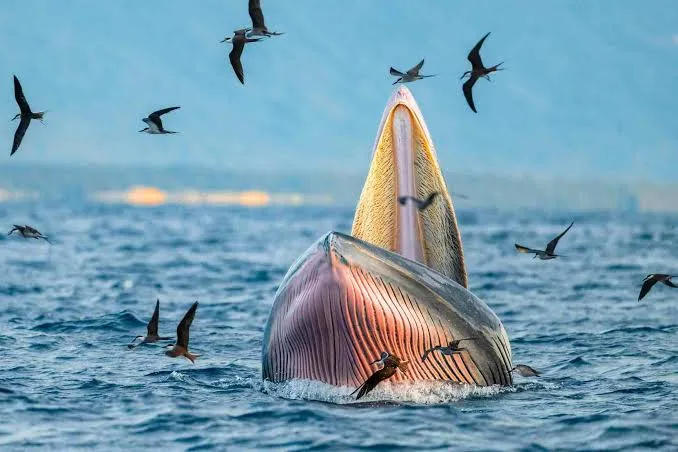
Birding Safari in Addo
Discover the remarkable birdlife of Addo Elephant National Park, where thicket, open grasslands, wetlands, riverine habitats and coastal environments create rewarding birdwatching opportunities alongside some of South Africa's most iconic wildlife.
- Location Addo Elephant National Park, Eastern Cape, South Africa
- Duration Half Day – 3+ Days
- Difficulty Easy to Moderate
- Best For Birdwatchers, Wildlife Photographers & Nature Lovers
Birding in Addo Elephant National Park
A birding safari in Addo Elephant National Park offers a very different perspective on one of South Africa's most celebrated wildlife destinations. While Addo is internationally recognised for its elephants, the park's varied habitats also support an impressive diversity of birdlife, making it an excellent destination for both dedicated birdwatchers and general safari travellers.
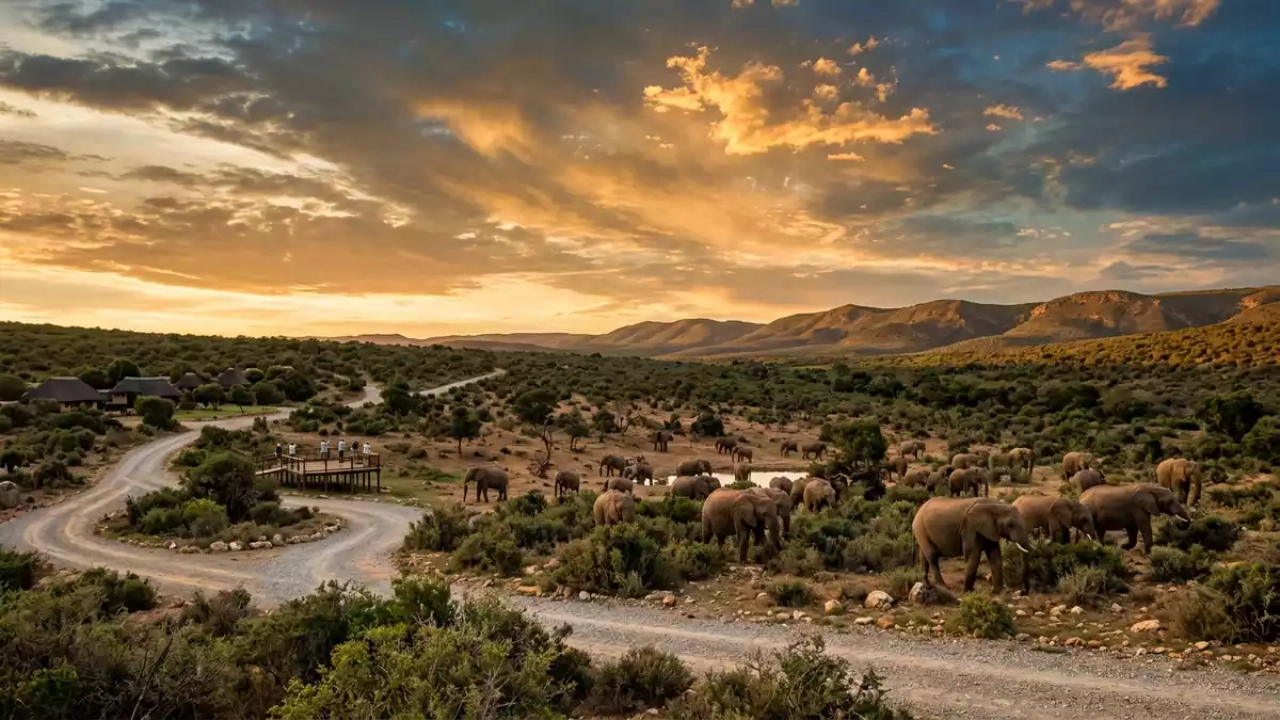
Situated in South Africa's Eastern Cape, Addo encompasses a remarkable range of landscapes. Depending on the areas explored, visitors can encounter dense succulent thicket, open grasslands, wooded valleys, waterholes, seasonal wetlands, river systems and coastal environments.
Each habitat attracts a different collection of birds.
A morning drive may begin with colourful sunbirds, weavers and bulbuls moving through the vegetation before revealing soaring raptors above the plains. Around waterholes, birders can search for water-associated species while simultaneously watching elephants arrive to drink. Elsewhere, open areas provide opportunities to look for terrestrial birds, larks and raptors.
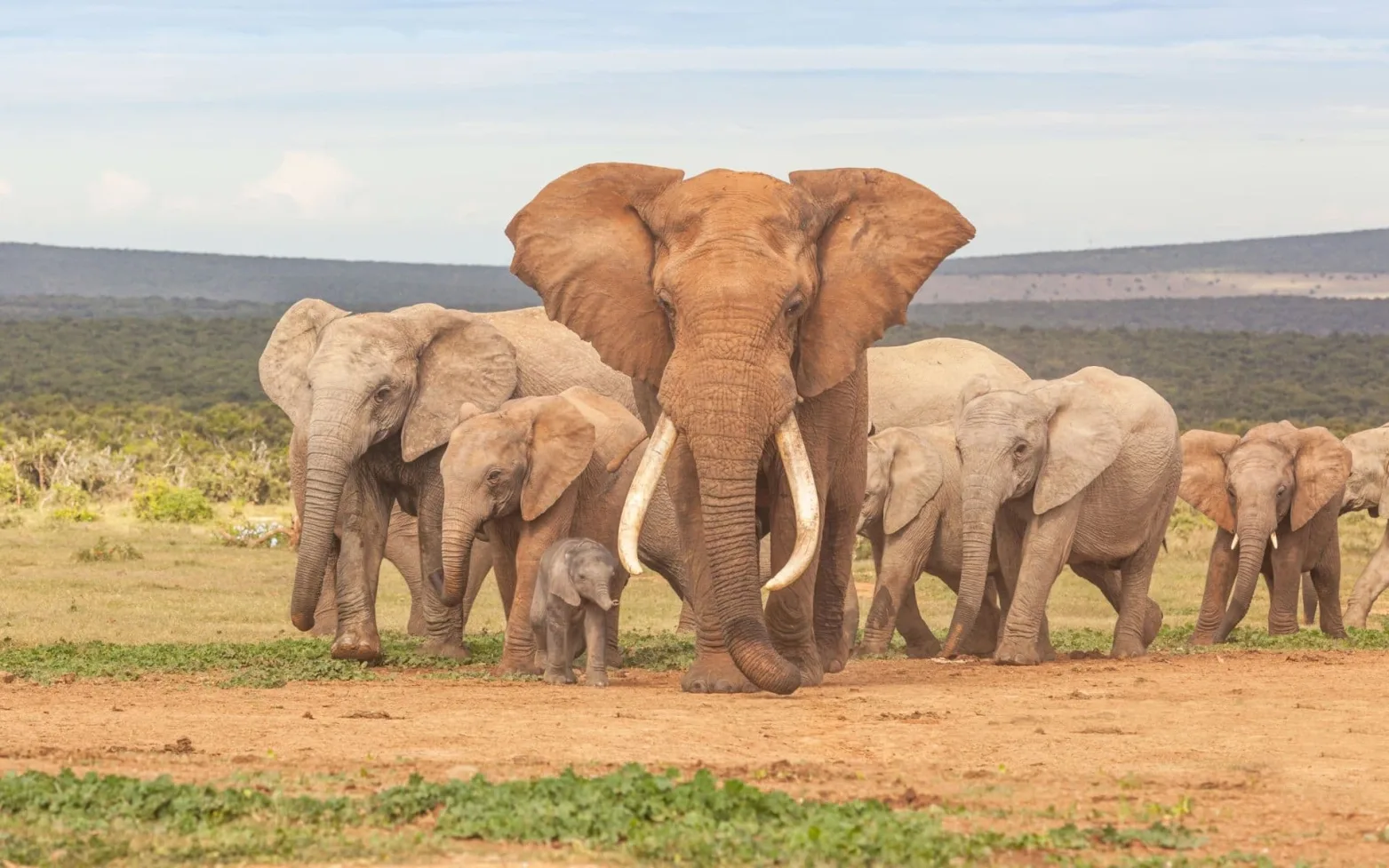
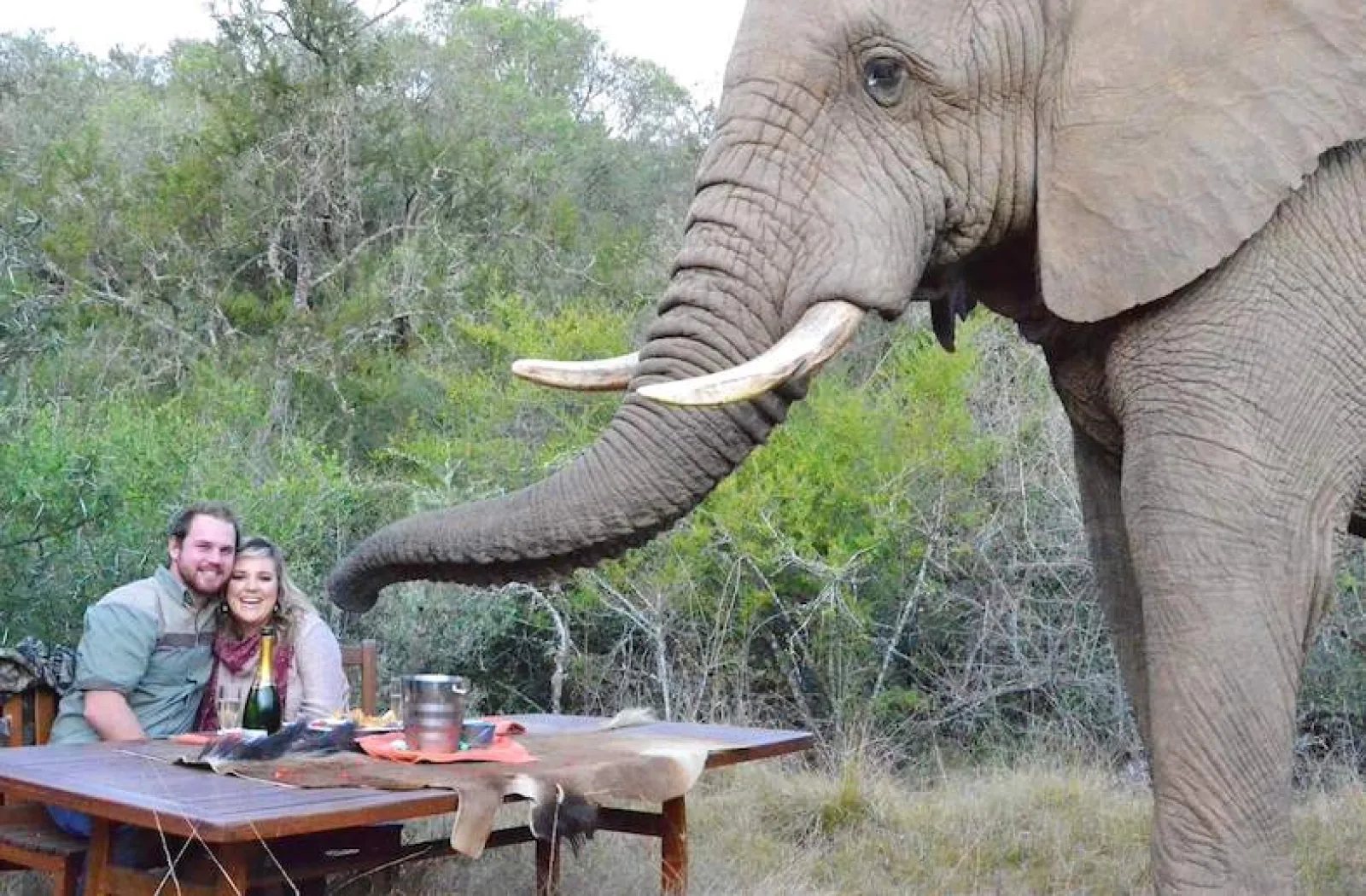
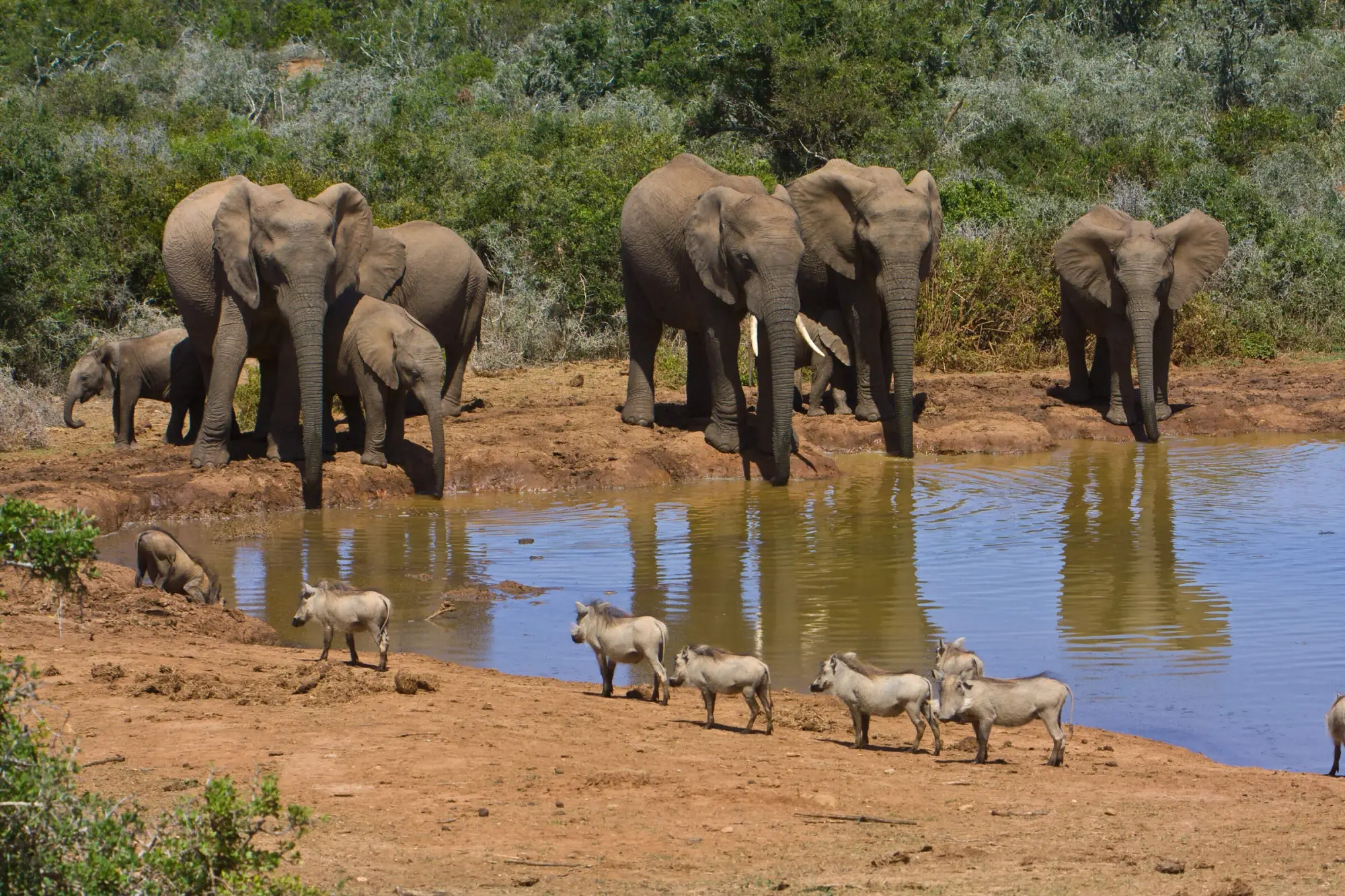
Birdwatching in Addo is particularly rewarding because it can be easily combined with a traditional Big Five safari experience. You do not necessarily have to choose between birding and large mammals. Elephants, buffalo, antelope, zebra and other wildlife may appear while you are searching for birds.
For serious birders, travelling with a knowledgeable birding guide can transform the experience. Calls, habitat preferences, seasonal movements and subtle identification features become important when trying to find a wider variety of species.
For casual birdwatchers, Addo provides an accessible introduction to South African birdlife within one of the country's great national parks.
Plan Your Addo Birding SafariWhy Go Birding in Addo?
What to Expect on an Addo Birding Safari
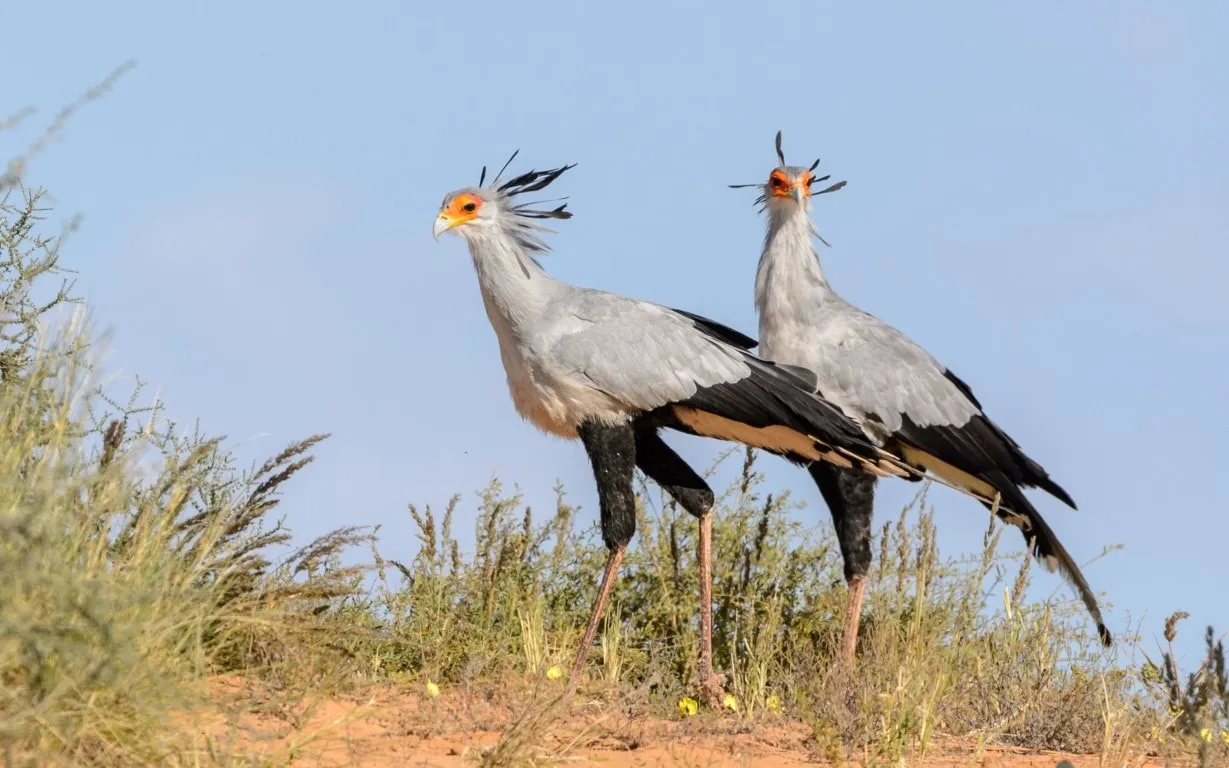
Birding safaris generally begin early in the morning when temperatures are cooler and many birds are most active.
Your guide may start by checking vegetation around your accommodation before entering productive sections of the park. Rather than driving quickly from one large-animal sighting to another, a specialist birding safari typically moves at a slower pace.
Frequent stops allow time to listen for calls, scan treetops, inspect flowering plants, watch waterholes and search the sky for raptors.
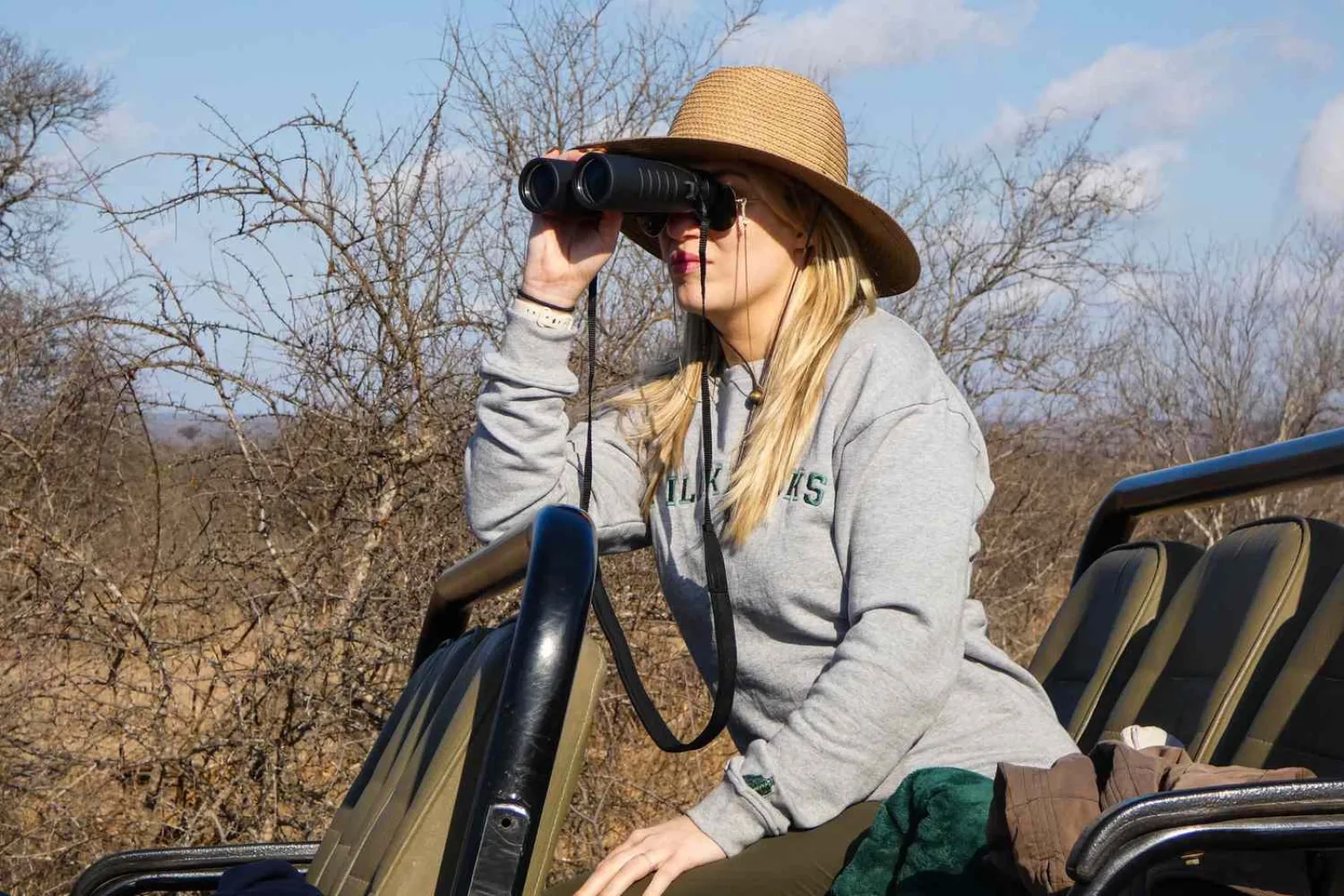
Binoculars become as important as the safari vehicle itself.
Your guide may identify birds by their calls before they become visible and explain how different species use the park's habitats. When an interesting bird is located, the vehicle can remain stationary while everyone observes its behaviour or attempts photographs.
A full birding day may include several habitat types, creating opportunities to build a varied species list.
At the same time, Addo remains a major wildlife destination. Elephant sightings can interrupt a birding session at any moment, while buffalo, zebra, warthogs, antelope and predators may also be encountered.
Your Birding Experience Can Include
- Professional birding or nature guide
- Early-morning birdwatching
- Guided game drives
- Bird identification assistance
- Bird-call interpretation
- Waterhole birding
- Raptor watching
- Bird photography opportunities
- Large mammal sightings
- Habitat interpretation
- Personalised searches for target species
Birds You Can See in Addo
The species encountered depend on the season, weather, habitat and particular section of the park being explored.
Rather than approaching Addo with one fixed checklist, birders should explore several habitat types.
Addo Elephant National Park
Learn more
Raptors
Eagles, buzzards, kestrels & birds of prey
Addo's open skies and varied landscapes provide opportunities to search for eagles, buzzards, kestrels and other birds of prey.
Habitat
Open skies & exposed perches
Best area
Plains & open country
Status
Resident / Seasonal
Addo Elephant National Park
Learn more
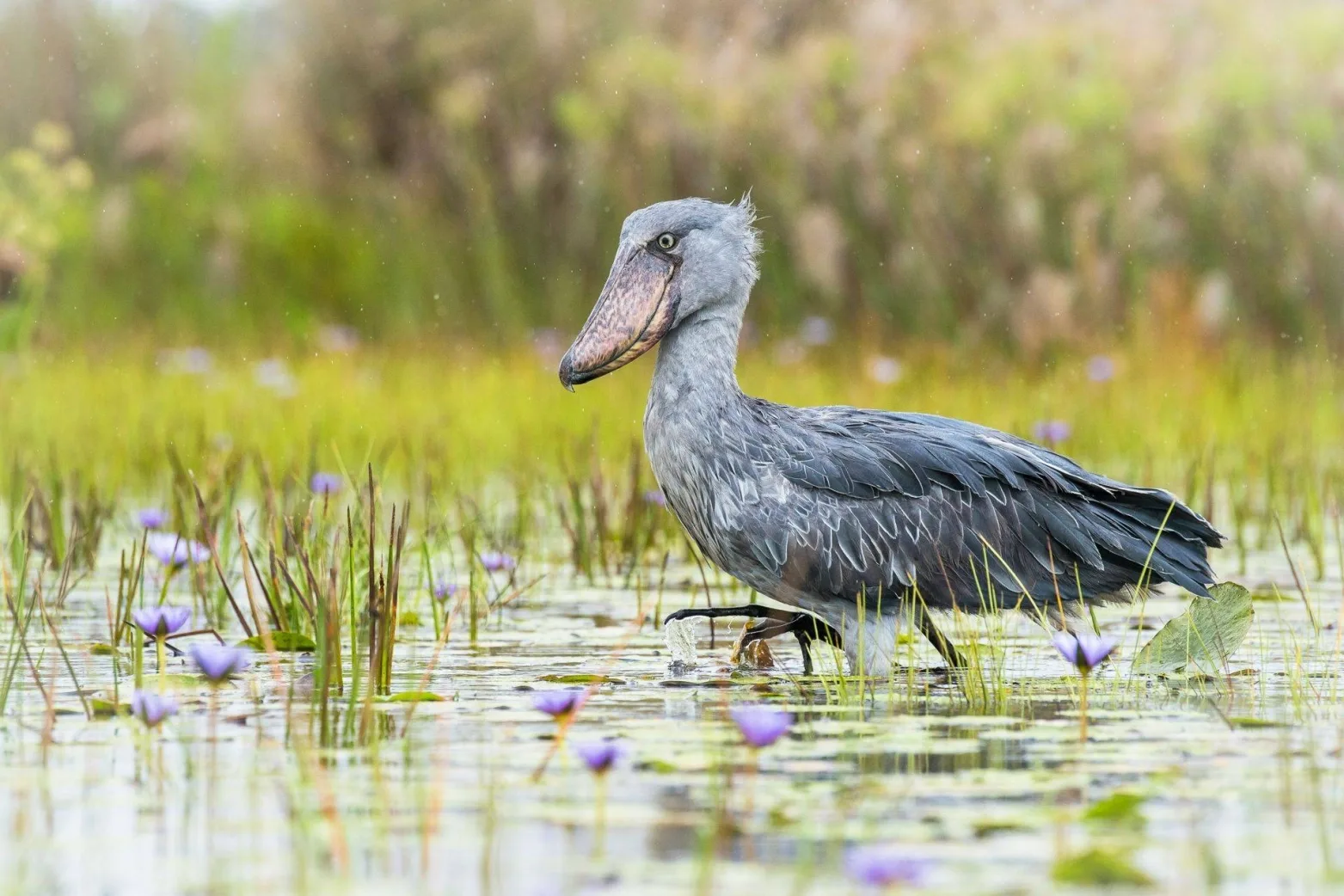
Waterbirds
Herons, egrets, ducks, kingfishers & waders
Waterholes and wet areas can attract herons, egrets, ducks, geese, kingfishers, waders and other water-associated species.
Habitat
Waterholes & wet areas
Best area
Waterholes
Status
Resident / Seasonal
Addo Elephant National Park
Learn more
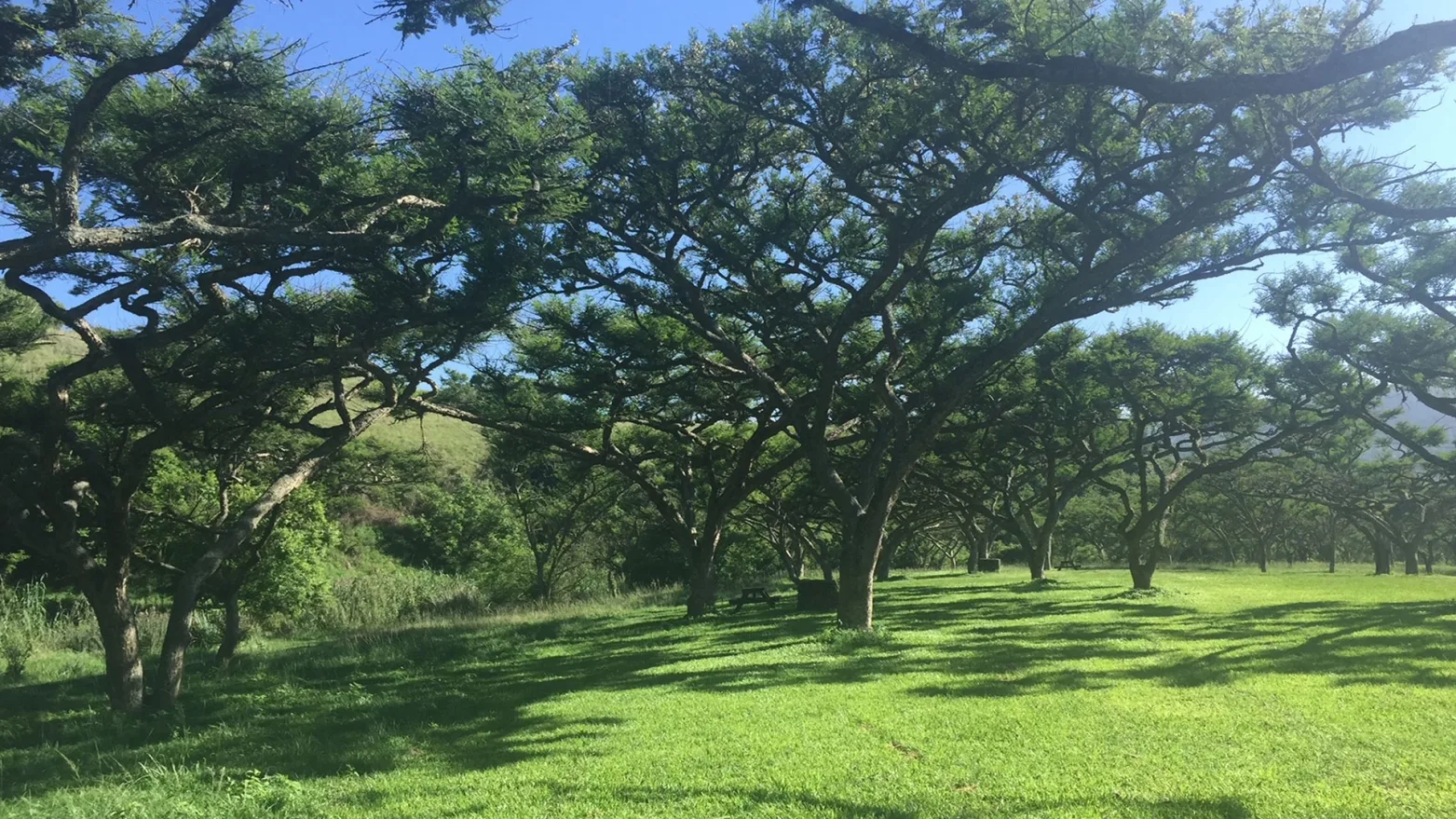
Thicket & Woodland Birds
Sunbirds, bulbuls, robin-chats, warblers & weavers
Look and listen for sunbirds, bulbuls, robin-chats, warblers, shrikes, boubous, weavers and other species moving through dense vegetation.
Habitat
Dense thicket & woodland
Best area
Thicket habitats
Status
Mostly resident
Addo Elephant National Park
Learn more
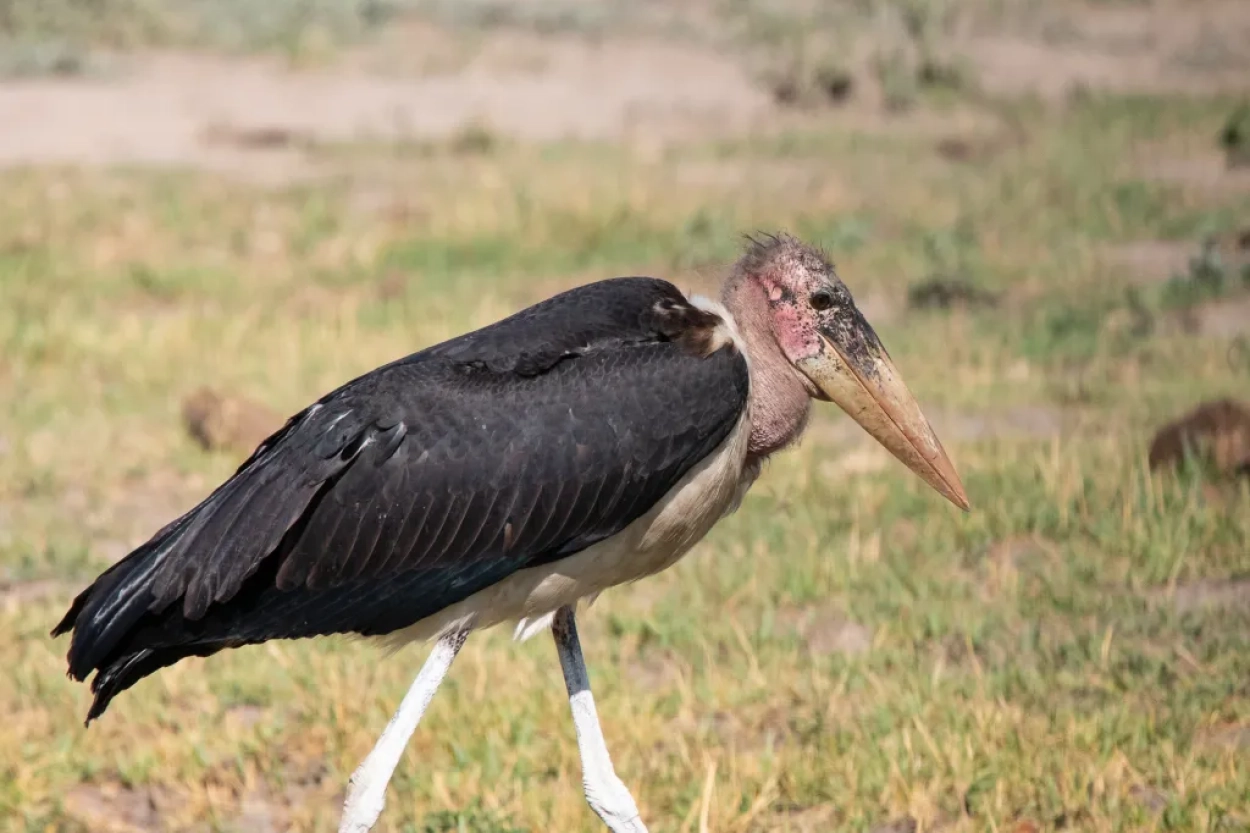
Grassland & Open-Country Birds
Terrestrial species, seed-eaters & raptors
More open areas can produce terrestrial species, seed-eating birds and raptors. Scan roadsides, exposed ground and fence lines.
Habitat
Grasslands & open plains
Best area
Open grassland
Status
Resident / Seasonal
Addo Elephant National Park
Learn more
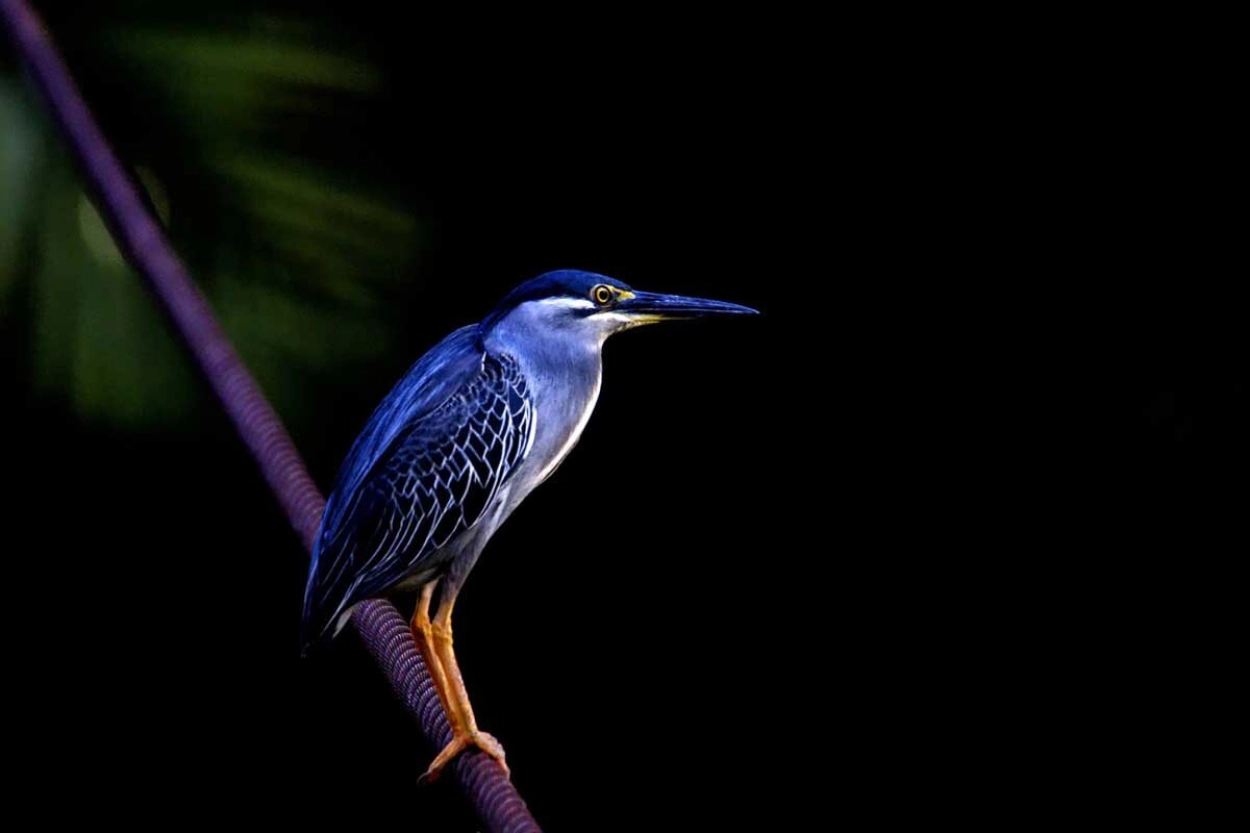
Nocturnal Birds
Owls, nightjars & night species
Travellers participating in suitable guided evening activities may listen or search for owls, nightjars and other nocturnal species.
Habitat
Night drives / evening activities
Best area
Guided evening outings
Status
Resident
Best Birding Areas in Addo Elephant National Park
Birding conditions vary considerably throughout the park. A good birding itinerary should therefore include several environments rather than concentrating exclusively on areas known for elephants.
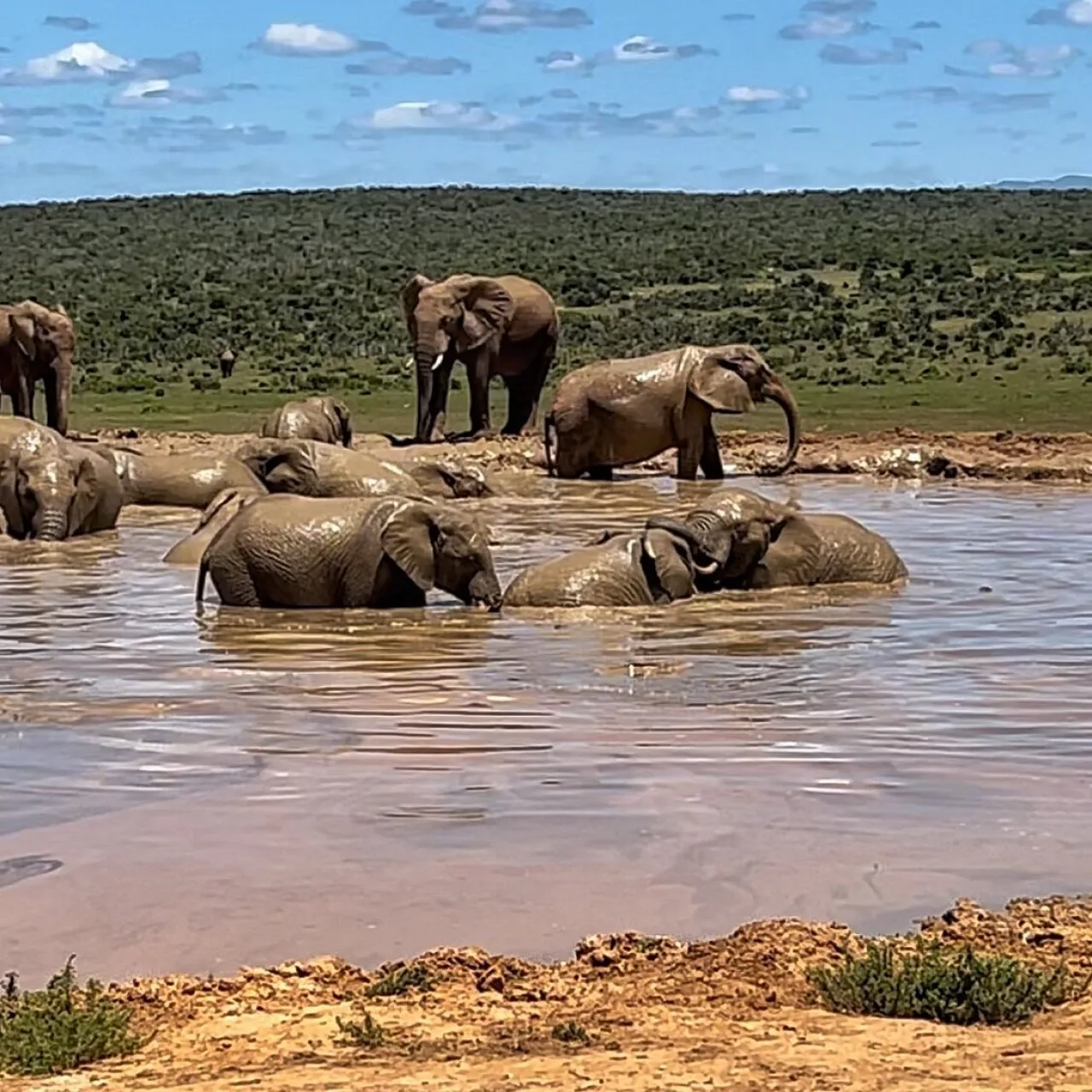
Main Game-Viewing Area
Roadside vegetation, thicket, open patches and waterholes create opportunities to combine birds with elephants and other mammals.
Best for: First-time visitors, general birding, photography and bird-and-mammal combinations.
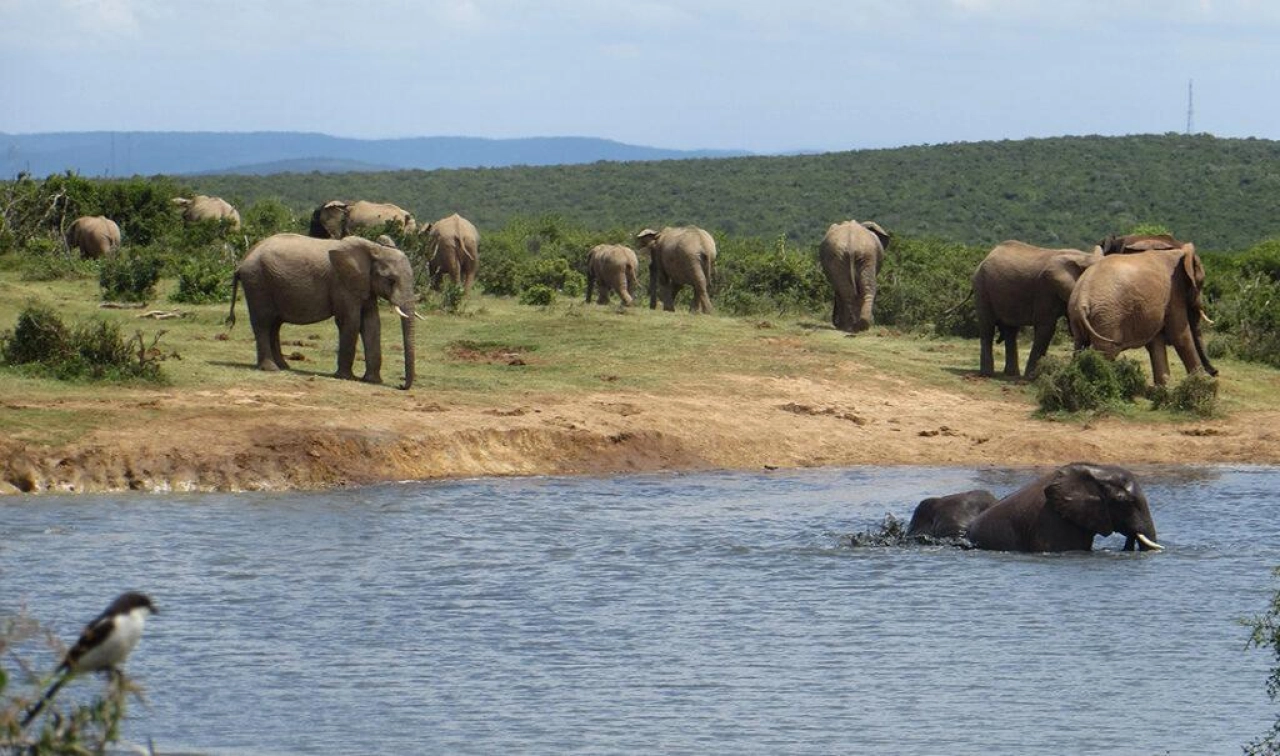
Waterholes
Spend additional time watching surrounding vegetation, exposed ground and water after viewing elephants — small birds may arrive to drink while larger waterbirds use the edges.
Best for: Photography, waterbirds and combined wildlife viewing.
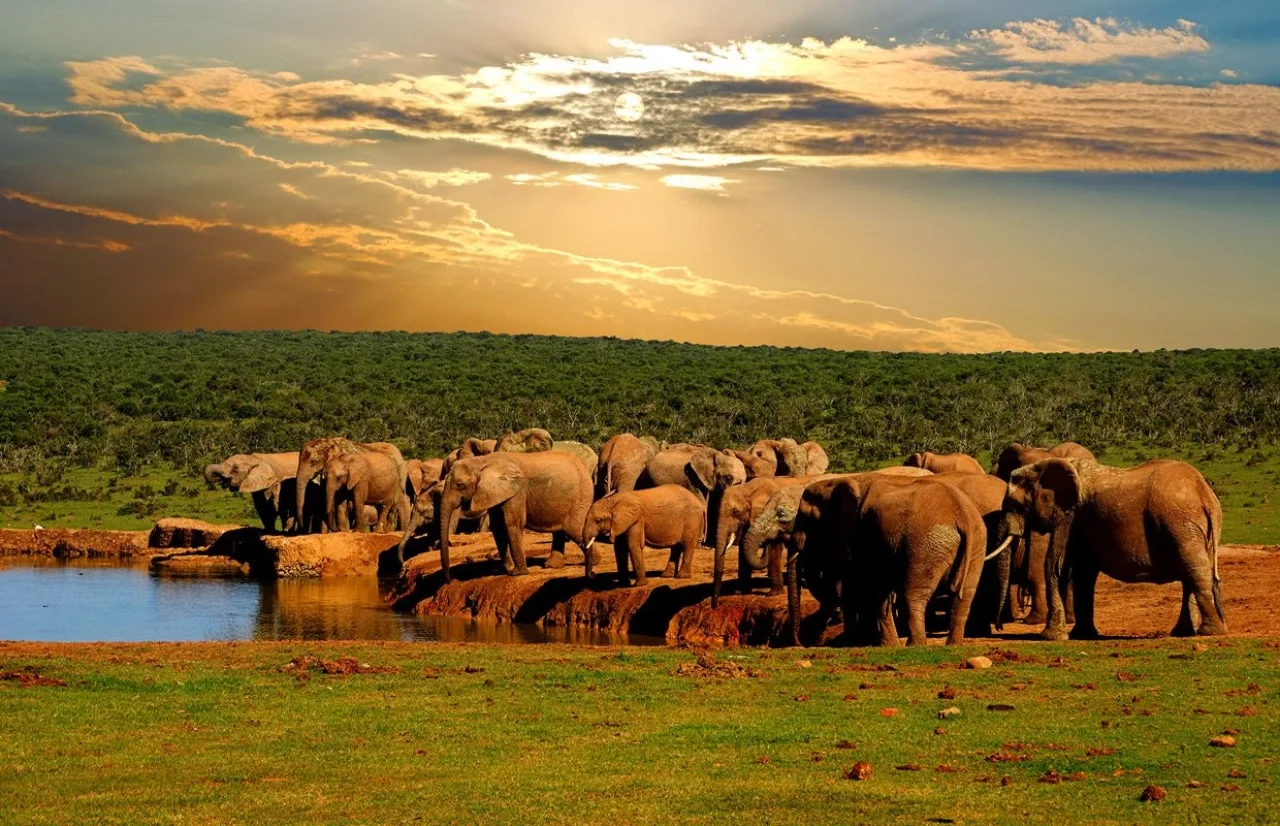
Thicket Habitats
Dense thicket can appear difficult for birdwatching because birds may remain concealed. Listening becomes particularly important — a specialist guide can identify calls and help locate birds.
Best for: Experienced birders, bird calls, smaller species and patient observation.
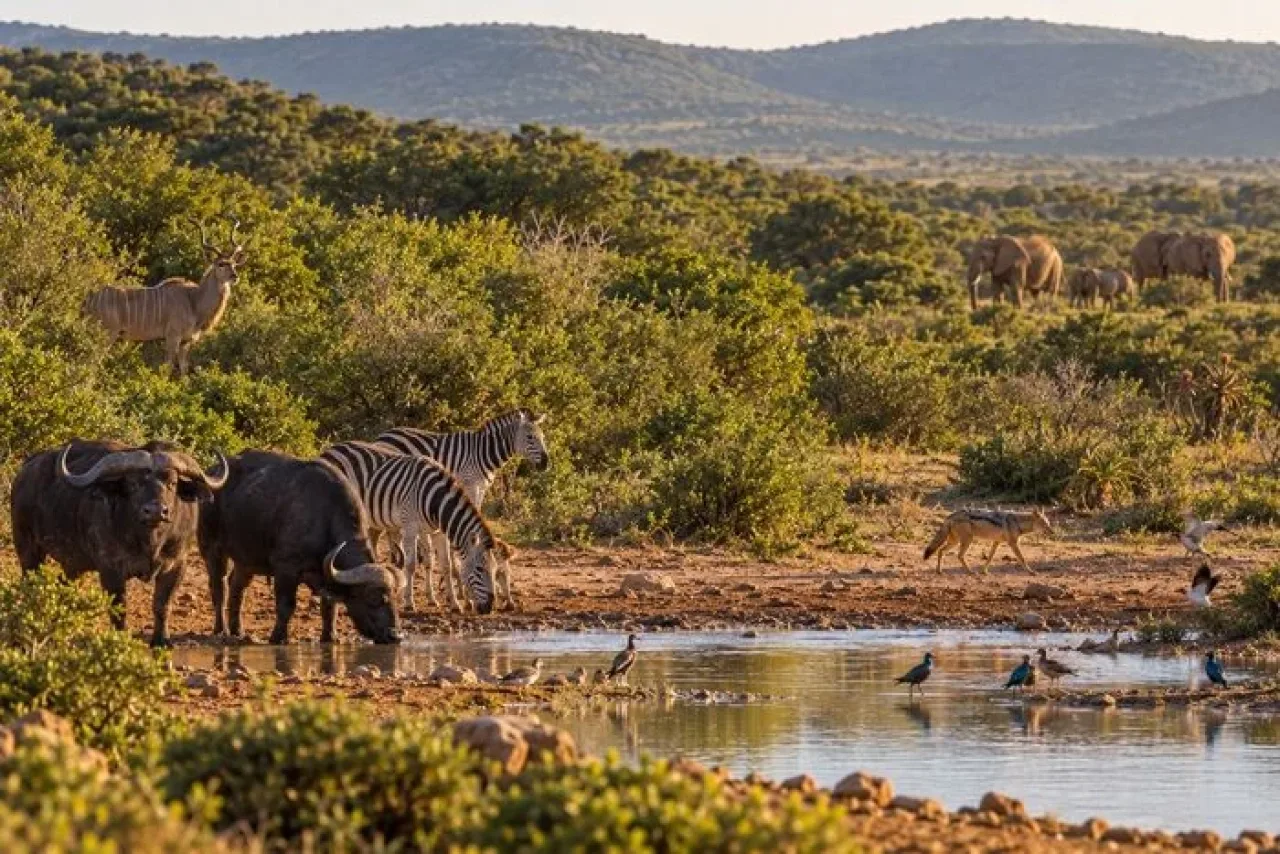
Open Grassland and Plains
Open habitats provide better visibility and can be productive for terrestrial birds and raptors. Scan exposed branches, fence posts and the sky while moving between wildlife areas.
Best for: Raptors, open-country species and photography.
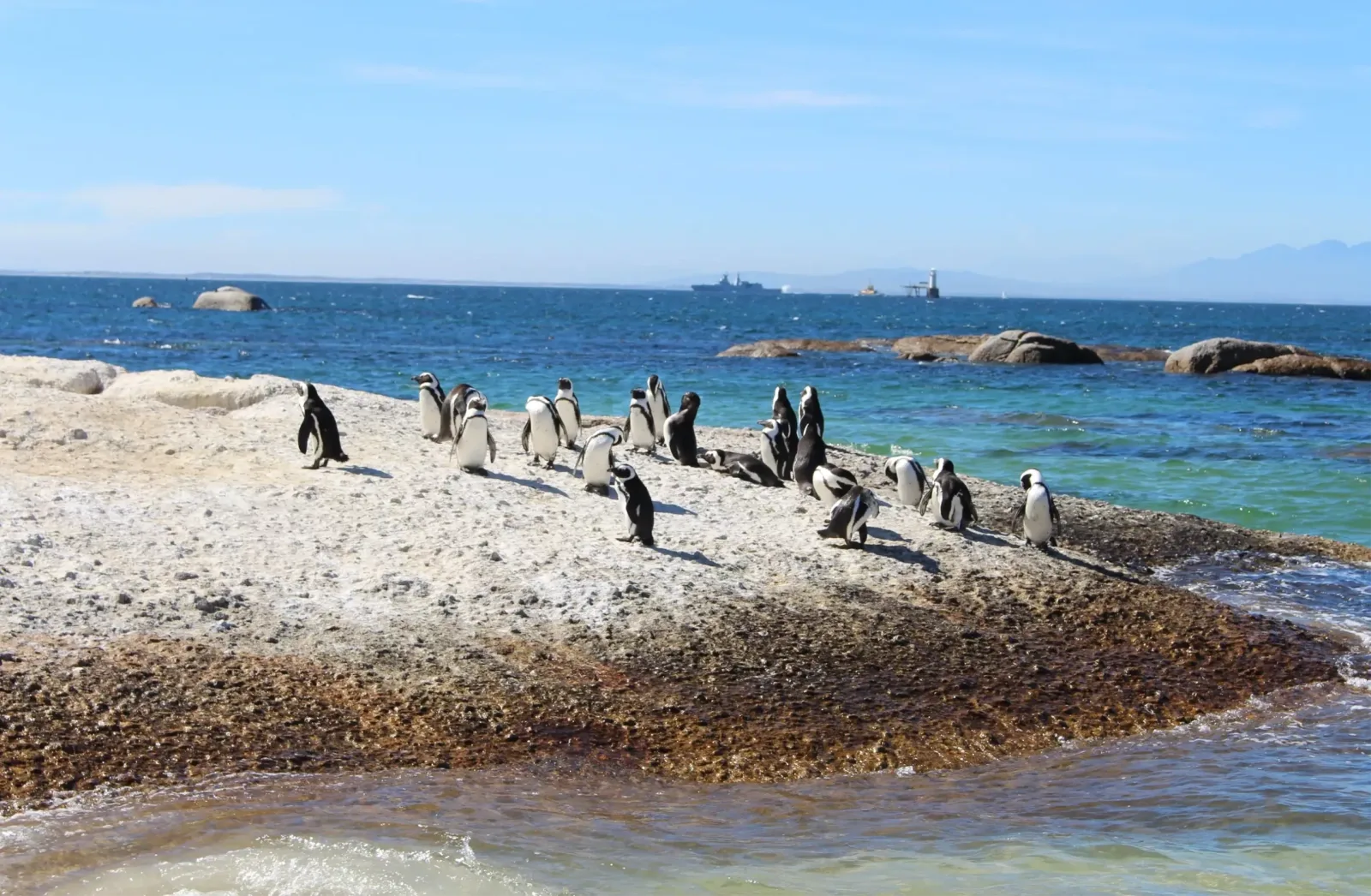
Coastal and Marine Environments
The wider Addo conservation landscape extends towards the coast, adding another ecological dimension for bird-focused itineraries exploring the broader region.
Best for: Extended birding safaris, coastal species and habitat diversity.
Birding Habitats of Addo
Understanding habitats makes birdwatching much more productive.
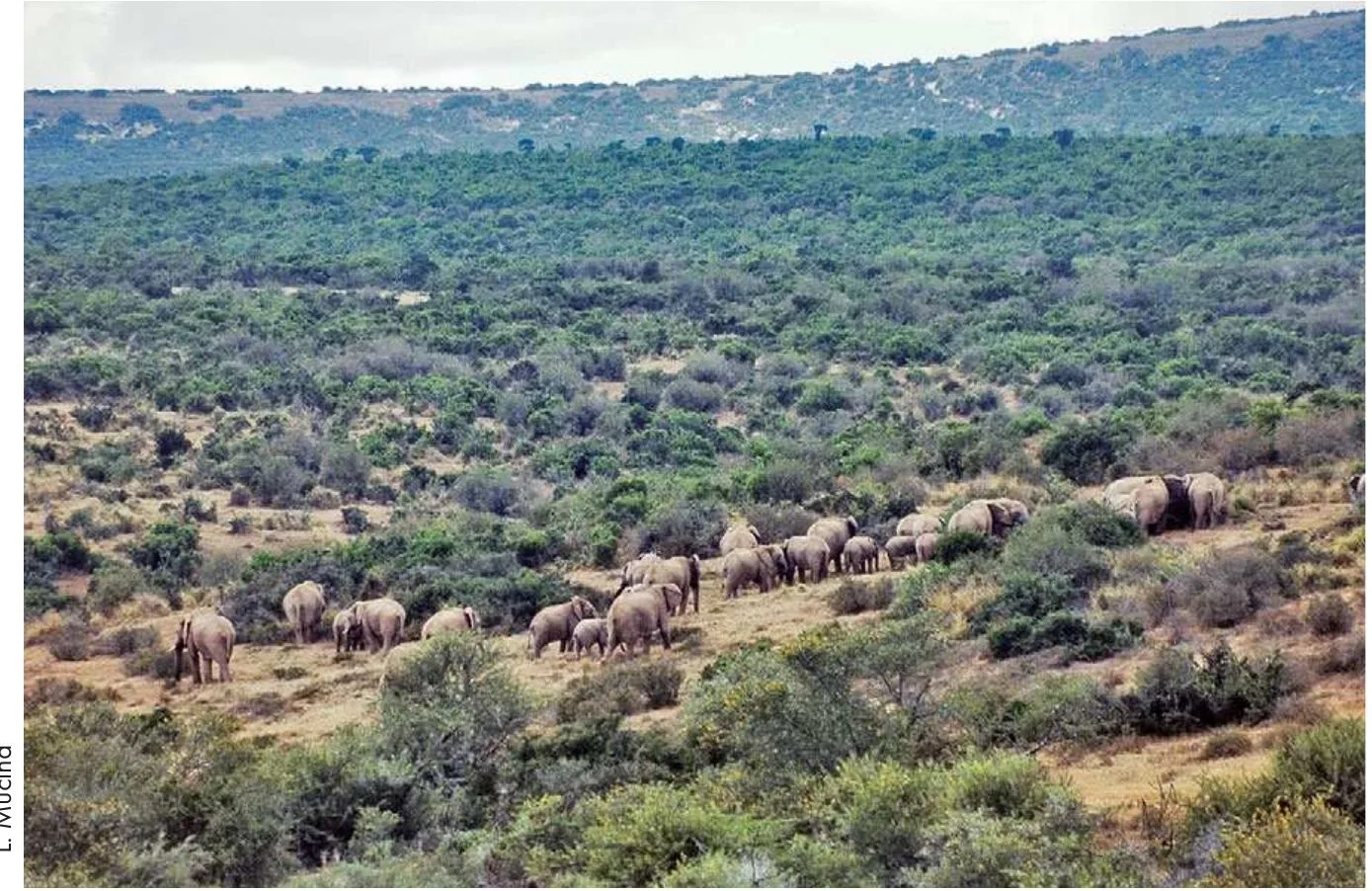
Albany Thicket
Dense thicket is one of the characteristic environments associated with Addo. Although birds can be harder to see in thick vegetation, careful listening and patient observation can reveal considerable activity.
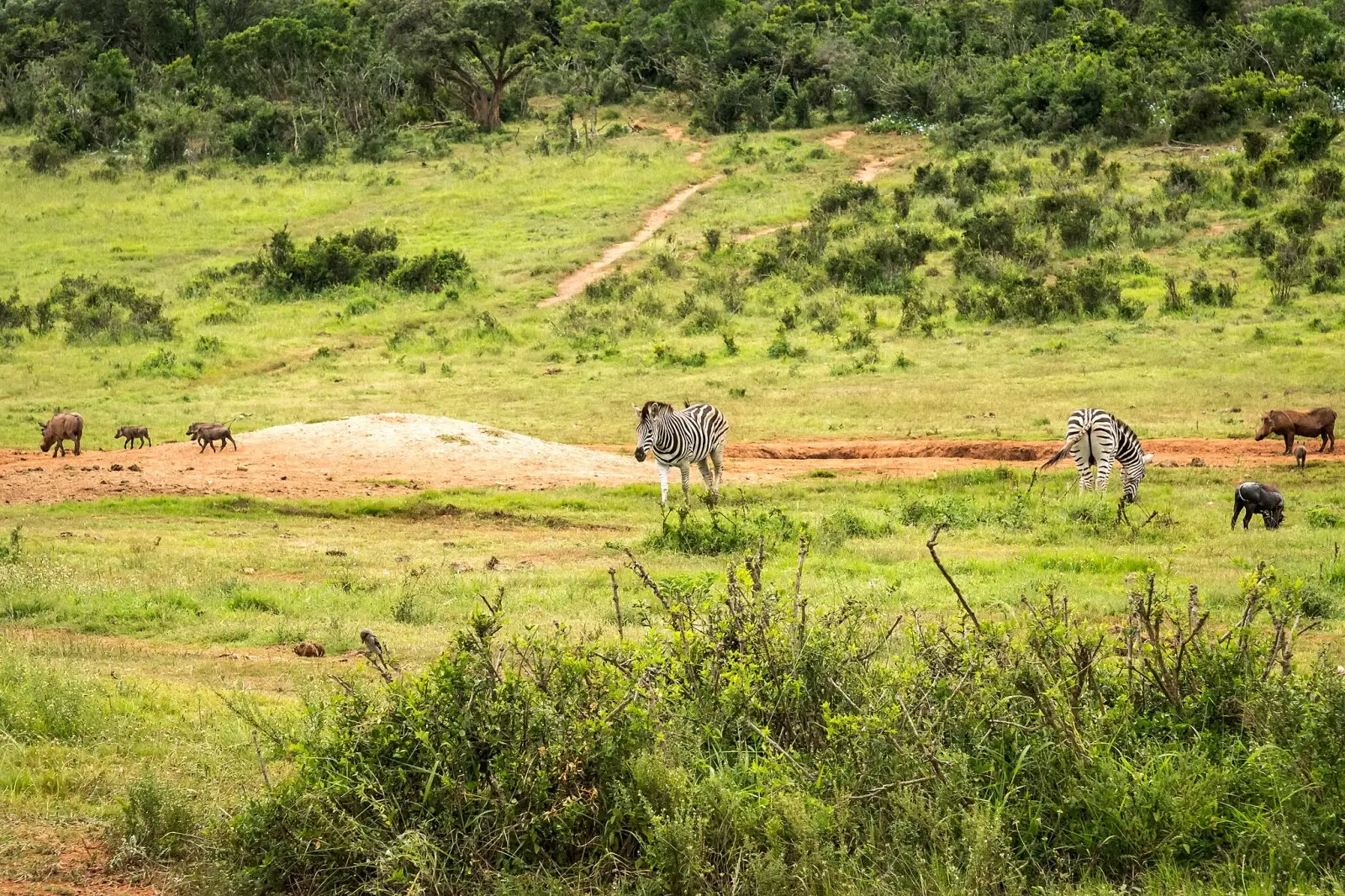
Grasslands and Open Areas
Open environments provide greater visibility and opportunities for watching terrestrial species and birds of prey.
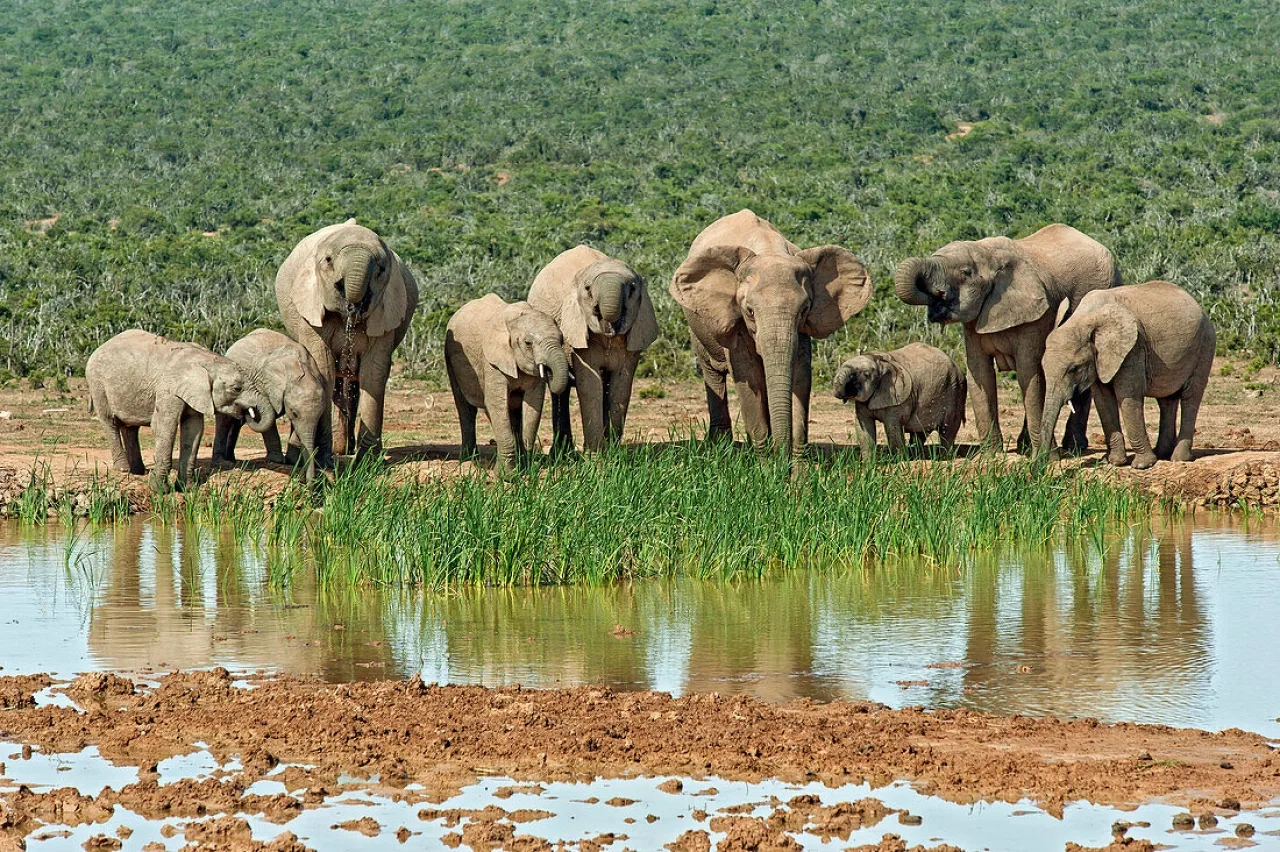
Waterholes and Wet Areas
Water attracts both birds and mammals, making these areas especially productive for observation and photography.
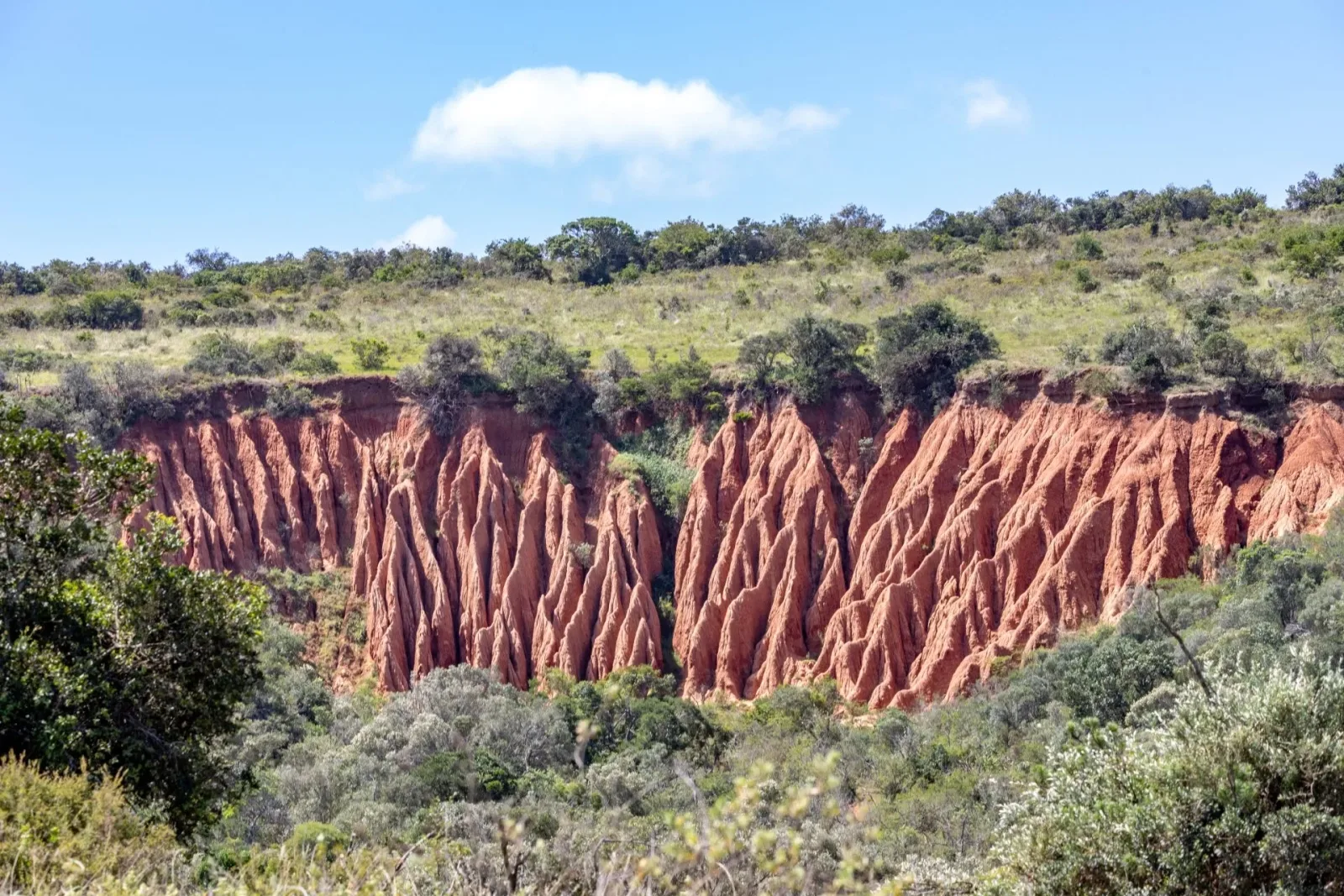
Riverine Vegetation
Vegetation associated with drainage lines and river systems can support bird communities different from those of surrounding dry areas.
Coastal Habitat
The broader protected landscape reaches towards the Indian Ocean, creating opportunities for birders to incorporate coastal and marine environments into longer itineraries.
Best Time for Birding in Addo
Birdwatching can be enjoyed throughout the year, but your priorities should determine when you travel.
- Spring: September to November Spring brings increasing bird activity as temperatures rise and breeding behaviour becomes more noticeable. An excellent period for bird calls, displays and photography.
- Summer: December to February Summer can offer excellent overall bird diversity, particularly with seasonal migrants. Early morning is especially valuable because midday temperatures can become warm.
- Autumn: March to May Autumn can provide comfortable safari conditions and rewarding birding as seasonal patterns begin to change.
- Winter: June to August Winter offers cooler conditions and often excellent general wildlife viewing. Resident birds remain present, making birding worthwhile even outside the warmer migrant season.
Guided vs Self-Drive Birding
Addo can be explored independently or with a professional guide.
Guided Birding Safari — A specialist guide is recommended for travellers who want to maximise their species list. Experienced guides can identify calls, understand habitat preferences and recognise subtle identification features that casual observers may miss. A private birding safari also allows the day's pace to revolve around birds rather than conventional large-mammal viewing.
Self-Drive Birding — Addo is also well suited to independent travellers. Self-driving gives birders freedom to spend longer at productive locations and revisit particular areas. However, visitors should always follow park regulations and remain inside their vehicle where required.
For dedicated birders, combining guided birding with independent exploration can work particularly well.
Adventure in the Wild Safaris can arrange private birding guides, self-drive support and complete Eastern Cape itineraries.
Enquire About a Private Birding Tour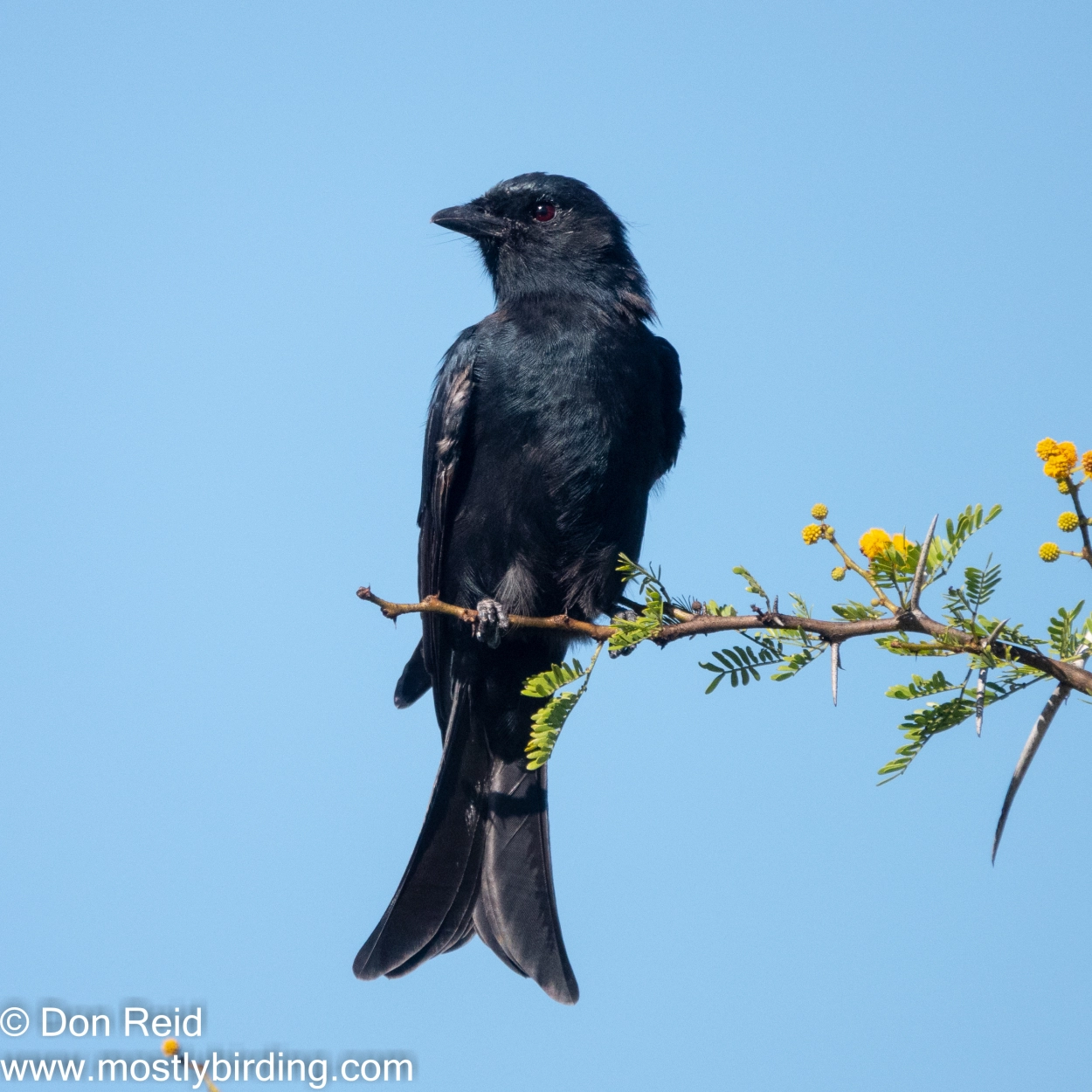
Bird Photography in Addo
Addo provides excellent opportunities for bird photography.
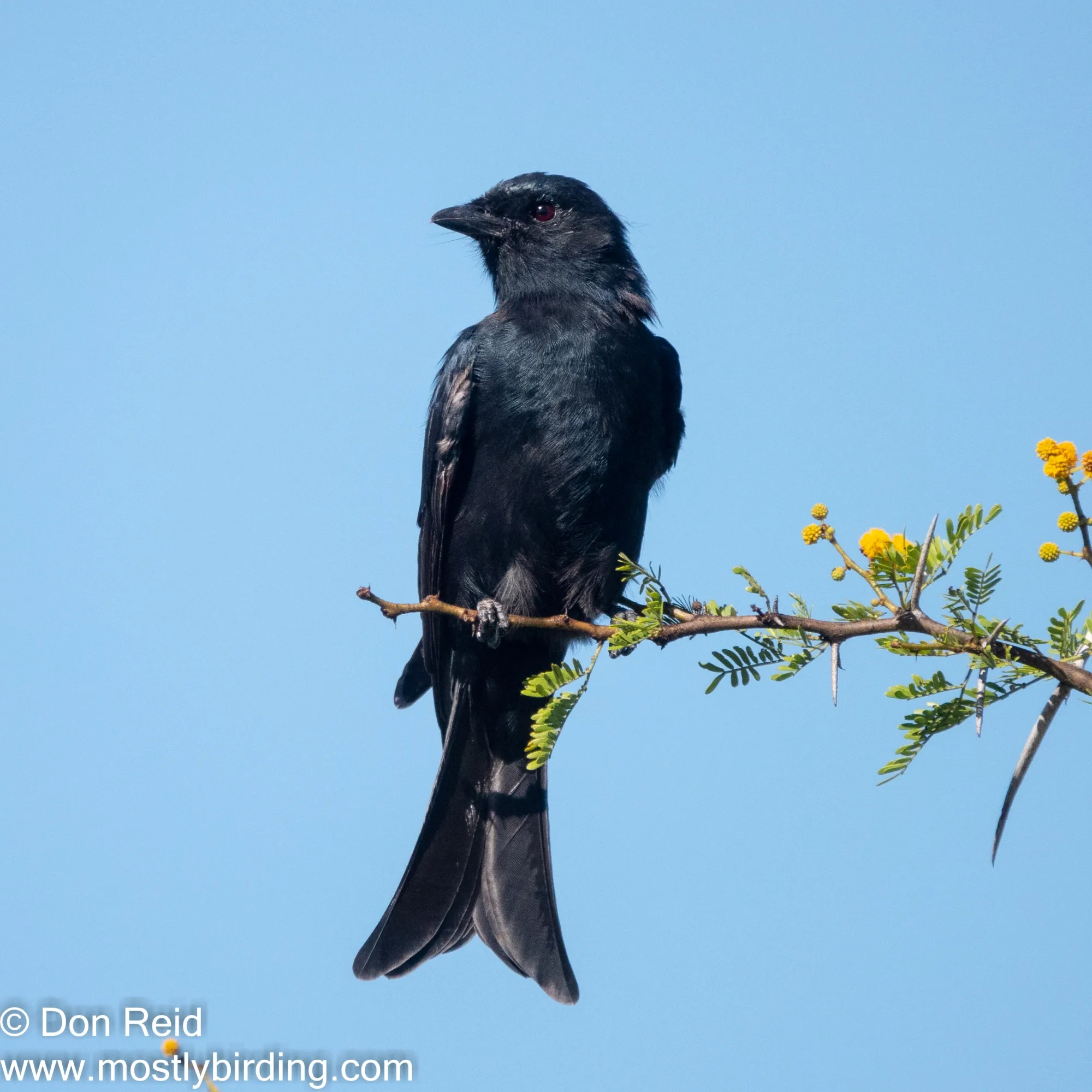
Waterholes can be particularly rewarding because birds may repeatedly visit predictable locations. Open-country birds and perched raptors can also provide cleaner photographic backgrounds than species hidden inside dense thicket.
- Carry a telephoto lens where possible
- Keep spare batteries readily available
- Use a beanbag or stable camera support
- Avoid disturbing birds for photographs
- Watch behaviour rather than continuously changing locations
- Photograph during softer morning and late-afternoon light
- Be patient around waterholes
- Always place the welfare of wildlife ahead of obtaining a photograph
Responsible birding means appreciating the entire habitat rather than concentrating only on rare species. Protecting vegetation, wetlands, water sources and ecological processes is essential for maintaining healthy bird populations.
What to Pack for an Addo Birding Safari
Essential birding equipment makes a major difference to your experience in Addo.
- Quality binoculars
- South African bird field guide
- Bird identification app
- Notebook or digital checklist
- Camera with telephoto lens
- Spare batteries
- Memory cards
- Comfortable walking shoes
- Neutral-coloured clothing
- Lightweight jacket
- Sun hat
- Sunglasses
- Sunscreen
- Refillable water bottle
- Small daypack
- Insect repellent
- Personal medication
Serious birders may also wish to carry a spotting scope when appropriate.
How to Get to Addo Elephant National Park
Addo Elephant National Park is located in South Africa's Eastern Cape.
- From Gqeberha Gqeberha, formerly Port Elizabeth, is one of the main gateways for travellers visiting Addo. The park can be reached by road from the city, making it possible to combine Addo with flights arriving from major South African hubs.
- By Road Addo works well as part of a longer self-drive or privately guided South African itinerary. Road connections allow travellers to combine the park with other Eastern Cape attractions and longer journeys through the country.
- Private Safari Transfer Adventure in the Wild Safaris can arrange private transfers and guided itineraries incorporating Addo with other destinations.
Where to Stay for an Addo Birding Safari
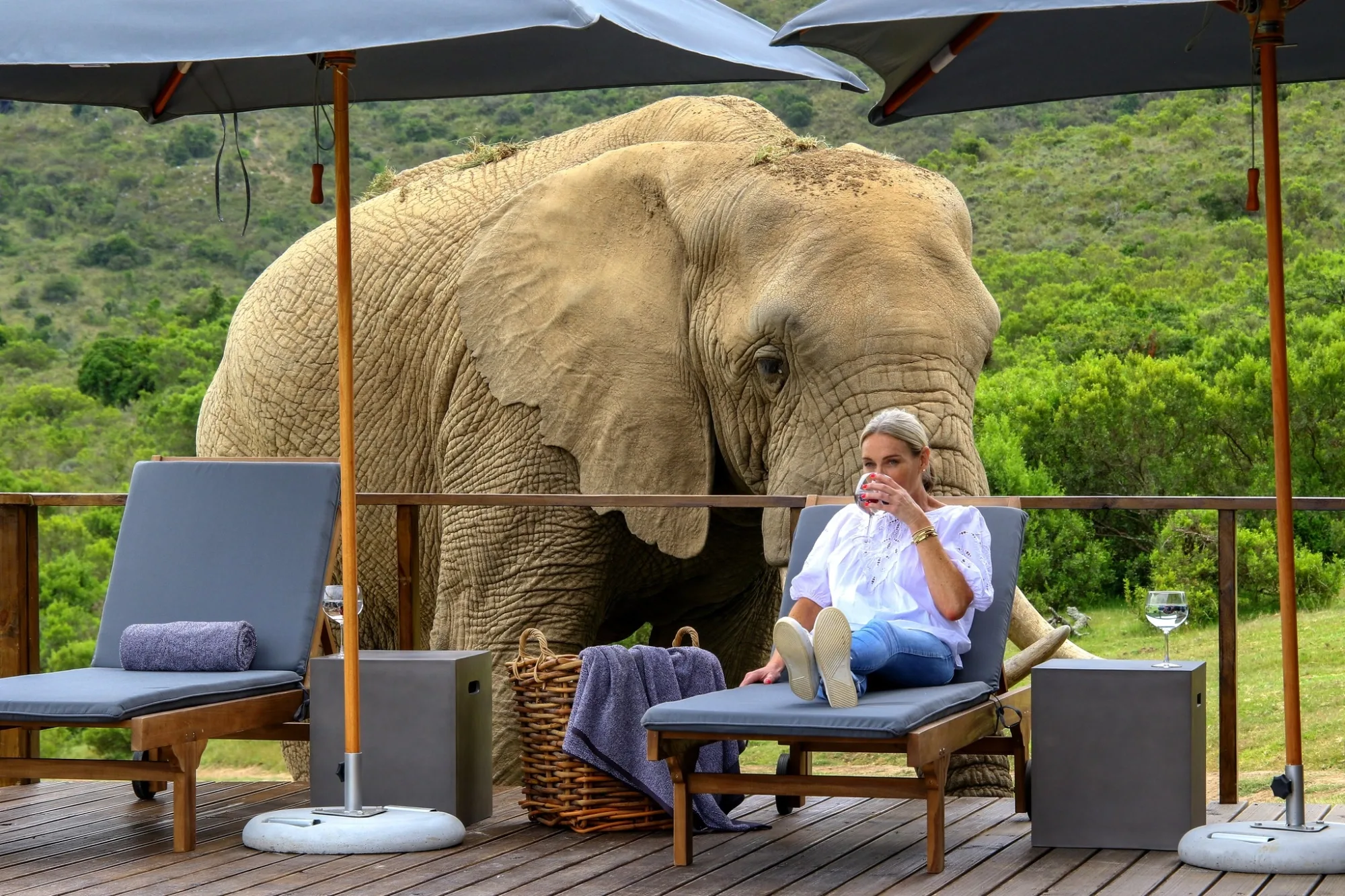
Choosing accommodation close to productive birding areas allows you to take advantage of early mornings and late afternoons. Accommodation options in and around Addo range from comfortable guesthouses and safari camps to more exclusive lodges.
- Budget Good-value accommodation suitable for travellers who want to dedicate most of their time to exploring the park.
- Mid-Range Comfortable lodges and guesthouses offering private facilities, meals and convenient access to Addo.
- Luxury Higher-end safari lodges combining birding and wildlife viewing with spacious accommodation, personalised service and additional safari activities.
- Birding-Friendly Accommodation For dedicated birdwatchers, preference should be given to properties with natural vegetation, gardens, water features or surrounding habitat where birding can continue between game drives.
Combine Birding in Addo With
Build a richer South Africa journey around your Addo birding experience.
Other Experiences
Pair Addo birding with other experiences in Addo Elephant National Park.

Related South Africa Safaris
View All South Africa Safaris
Frequently Asked Questions About Birding in Addo
Is Addo Elephant National Park good for birdwatching?
Yes. Addo's variety of habitats makes it a rewarding birdwatching destination, particularly for travellers who want to combine birding with traditional African wildlife viewing.
Do I need a specialist birding guide?
Not necessarily, but a specialist guide can greatly improve the experience, particularly if you want to identify more species or search for specific birds.
What is the best time of day for birding?
Early morning is generally excellent because many birds are active and temperatures are cooler. Late afternoon can also be productive.
What is the best season for birding in Addo?
Birding is possible throughout the year. Spring and summer can be particularly interesting because of breeding activity and seasonal migrants, while resident birds provide opportunities year-round.
Can I combine birding with elephant viewing?
Absolutely. This is one of the great attractions of Addo. Birdwatching takes place within an important large-mammal conservation area, so elephants and other wildlife can be encountered during the same safari.
Is Addo suitable for beginner birdwatchers?
Yes. Addo is suitable for complete beginners as well as experienced birders.
Can I photograph birds in Addo?
Yes. Bird photography can be excellent, particularly around waterholes and more open habitats.
Should I bring binoculars?
Yes. Binoculars are one of the most important pieces of equipment for any birding safari.
Can children enjoy a birding safari?
Yes. A relaxed birding and wildlife safari can be an excellent family activity, particularly when birdwatching is combined with elephants and other easily recognisable wildlife.
How many days should I spend birding in Addo?
A single day can provide an excellent introduction, but two to three days allows more time to explore different habitats, revisit productive locations and combine birding with general wildlife viewing.
Include Birding in Your South Africa Safari
Plan Your Addo Birding Experience
Discover Addo beyond its famous elephants with a tailor-made birding and wildlife journey through one of the Eastern Cape's most fascinating protected landscapes. Whether you are an experienced birder searching for new species, a wildlife photographer hoping to capture birds and elephants in the same destination, or a first-time safari traveller interested in discovering South Africa's natural diversity, Adventure in the Wild Safaris can design the experience around you. We can combine specialist birding, private game drives, carefully selected accommodation and other South African destinations into one seamless itinerary.
- Trusted Local Experts
- Tailor-Made Itineraries
- Memorable & Responsible Travel