

Birding Safari in Sabi Sands
A birding safari in Sabi Sands combines the exceptional wildlife viewing of one of South Africa's most famous private reserve regions with rewarding Lowveld bird watching. Sharing an unfenced ecological system with the Greater Kruger landscape, Sabi Sands is internationally celebrated for close encounters with leopards, lions, elephants and other large mammals. Yet the same woodland, riverine corridors, seasonal drainage lines and open clearings that support this wildlife also provide habitat for a remarkable variety of birds.
- Location Sabi Sands, South Africa
- Duration Half Day – Multi-Day
- Difficulty Easy to Moderate
- Best For Birdwatchers, Photographers & Nature Lovers
Birding in Sabi Sands
A birding safari in Sabi Sands combines the exceptional wildlife viewing of one of South Africa's most famous private reserve regions with rewarding Lowveld bird watching. Sharing an unfenced ecological system with the Greater Kruger landscape, Sabi Sands is internationally celebrated for close encounters with leopards, lions, elephants and other large mammals. Yet the same woodland, riverine corridors, seasonal drainage lines and open clearings that support this wildlife also provide habitat for a remarkable variety of birds.
For birders, the major advantage is the quality of guiding and the intimate safari format. Game drives are generally conducted in open vehicles with experienced guides and trackers. Although many visitors come primarily for large mammals, a private vehicle can transform the experience into a dedicated birding safari in which time is spent identifying raptors, searching flowering trees for sunbirds and investigating woodland calls rather than driving continuously between major mammal sightings.
Sabi Sands is therefore particularly attractive to couples and families with mixed interests. A dedicated birder can enjoy productive mornings while companions still experience some of southern Africa's finest big-game viewing.
Plan Your South Africa Birding SafariWhy Go Birding in Sabi Sands?
What to Expect on a Sabi Sands Birding Safari
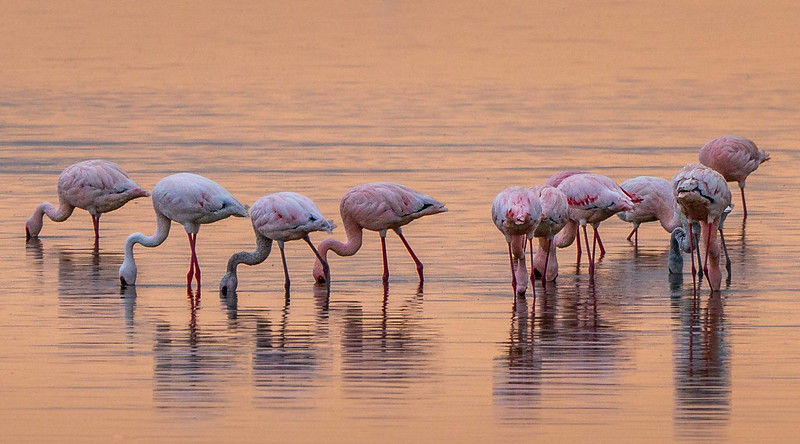
Birding tours generally begin early when many birds are most active.
Your guide helps identify birds by appearance, behaviour and calls while exploring productive habitats around Sabi Sands.
The pace is flexible — more time is spent where conditions are productive rather than rushing between fixed stops.
Your Birding Experience Can Include
- Professional birding or nature guide
- Early-morning birdwatching
- Bird identification assistance
- Habitat interpretation
- Bird photography opportunities
- Personalised searches for target species
Birds You Can See in Sabi Sands
Species depend on season, weather, habitat and the exact sites visited. Discuss target species with us when booking.
Sabi Sands
Learn more
Resident Specialties
Search for regional specialties and commonly encountered birds around Sabi Sands.
Habitat
Local habitats
Best area
Sabi Sands
Status
Resident

Sabi Sands
Learn more
Raptors
Scan ridges, plains and wetland edges for eagles, buzzards and other birds of prey.
Habitat
Open skies
Best area
Sabi Sands
Status
Resident / Seasonal
Sabi Sands
Learn more
Waterbirds
Where wetlands or shorelines occur, expect ducks, herons, egrets, waders and other water-associated species.
Habitat
Wetlands & water
Best area
Sabi Sands
Status
Resident / Seasonal
Best Birding Areas in Sabi Sands
A good birding itinerary around Sabi Sands should include several environments rather than concentrating on a single site.
Understanding Sabi Sands
The Lowveld landscape can initially appear relatively uniform, but closer examination reveals considerable habitat variation. Different tree communities, rivers, drainage lines, open areas and rocky sections support different birds.
Best for: Birdwatchers exploring Sabi Sands.
Woodland
Much of the reserve consists of woodland and bushveld. This habitat supports hornbills, barbets, woodpeckers, rollers, starlings, shrikes, flycatchers, cuckoos and numerous smaller species.
Best for: Birdwatchers exploring Sabi Sands.
Raptors of Sabi Sands
Birds of prey are among the highlights of Lowveld birding. Eagles, hawks, kestrels and other raptors use the reserve's open skies and prominent trees.
Best for: Exploring Sabi Sands.
Hornbills and Barbets
Hornbills are among the most characteristic birds of the South African bushveld. Their distinctive shapes, calls and behavior make them excellent subjects for beginner birders.
Best for: Exploring Sabi Sands.
Summer
The southern African summer is particularly exciting for dedicated birders. Rain transforms the landscape.
Best for: Birdwatchers exploring Sabi Sands.
Dry-Season
The dry winter period offers a different experience. Cool mornings can require warm clothing, but conditions become comfortable as the sun rises.
Best for: Birdwatchers exploring Sabi Sands.
Birding Habitats of Sabi Sands
Understanding habitats makes birdwatching much more productive.
Woodland & Forest Edges
Listen for calls and watch canopy and understory movement along forest and woodland edges.
Open Country
Greater visibility supports raptor watching and terrestrial species.
Wetlands
Water attracts waterbirds and can be especially rewarding for photography.
Habitat Edges
Edges between habitats often concentrate bird activity.

Best Time to Visit
There is no universally superior season.
Summer is particularly attractive to birders because of migrants, breeding behavior and increased vocal activity.
- Year-round Birdwatching is possible throughout the year; seasonal conditions change which species are most active.
- Migration periods Migrants can increase diversity during certain months — ask us about your target species before booking.
- After the rains Rainfall can refresh habitats and boost breeding activity and wetland productivity.
- Drier months Drier conditions may improve road access and visibility for open-country scanning and photography.
Half-Day vs Full-Day Birding Tours
Where offered and appropriate, guided walking provides another perspective.
On foot, travelers become more aware of bird calls, insects, plants, tracks and the structure of the ecosystem.
Smaller birds that receive little attention from a vehicle can become the focus.
Because Sabi Sands contains lions, leopards, elephants, buffaloes and other potentially dangerous animals, walking must always be conducted under professional supervision.
Safety instructions take precedence over birding.
Adventure in the Wild Safaris can arrange private birding guides and connect Sabi Sands with a wider South Africa itinerary.
Enquire About a Private Birding Tour
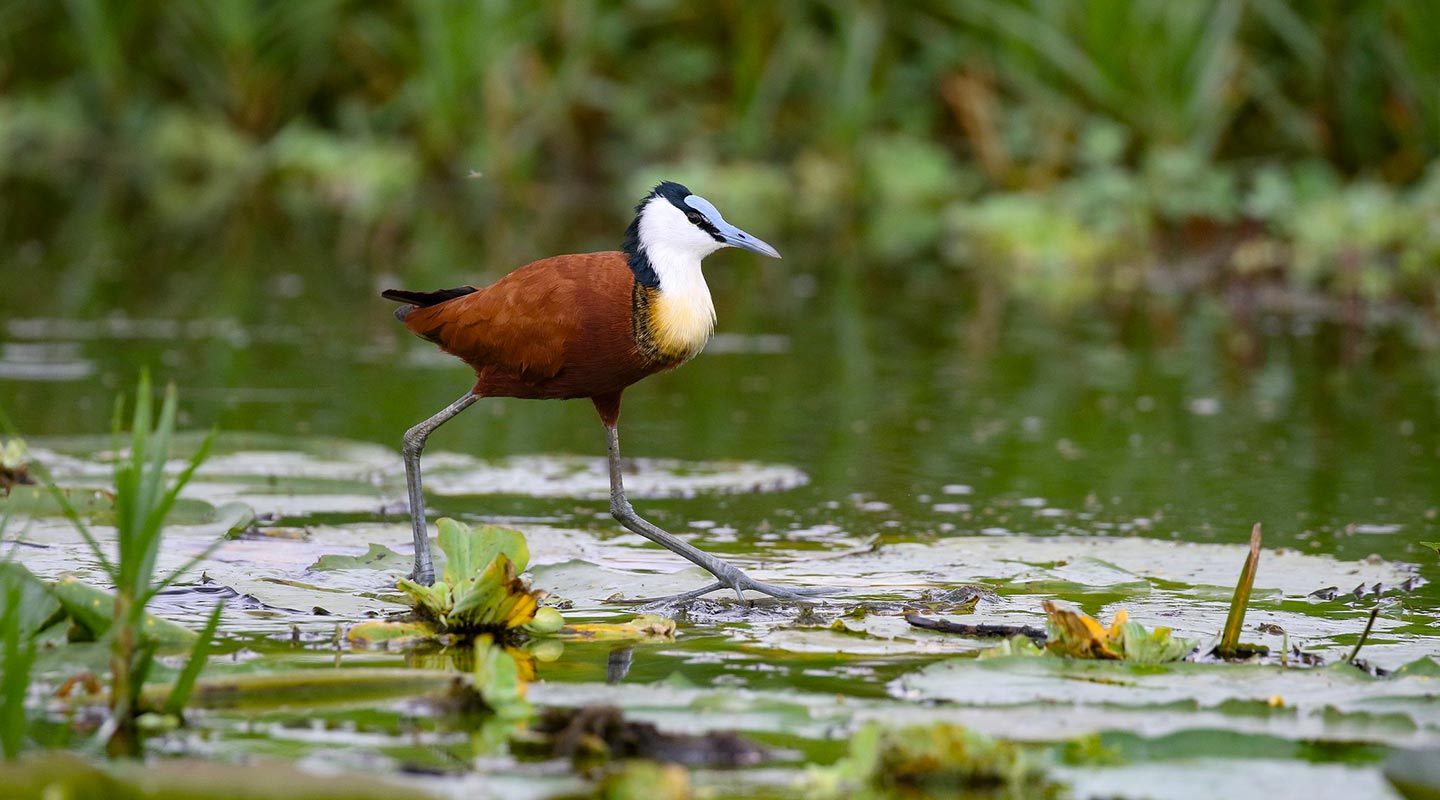
Bird Photography
Open safari vehicles provide an excellent platform for bird photography.
Photographers can use vehicle supports to stabilize larger lenses.
- Carry a telephoto lens where possible
- Keep spare batteries ready
- Avoid disturbing birds for photographs
- Photograph during softer morning light
- Allow time for positioning and waiting
- Always place wildlife welfare ahead of the photograph
Sabi Sands operates within a sensitive wildlife ecosystem.
What to Pack
Binoculars are essential even for travelers carrying cameras.
- Quality binoculars
- Regional bird field guide or app
- Camera with telephoto lens
- Spare batteries
- Memory cards
- Neutral-coloured clothing
- Sun hat
- Sunscreen
- Refillable water bottle
- Small daypack
- Light jacket
- Comfortable walking shoes
- Personal medication
A telephoto lens should be protected from dust.
Bring lightweight neutral clothing, a hat and sunscreen for daytime drives.
How to Reach Sabi Sands
Sabi Sands is incorporated into privately guided South Africa journeys.
- Gateway Access Sabi Sands is reached as part of a wider South Africa itinerary. We arrange private transfers timed for early birding starts.
- Private Guided Tour Adventure in the Wild Safaris can arrange specialist birding guides and logistics around Sabi Sands.
- Combined Itineraries Birding days can be placed at the start or end of a longer South Africa safari.
Accommodation and Birding
Sabi Sands is famous for high-quality safari lodges.
- Budget Good-value options suitable for travellers focused on time in the field.
- Mid-Range Comfortable lodges or hotels with reliable service and convenient access for early pick-ups.
- Luxury Higher-end properties combining comfort with easy logistics for private birding guides.
- Birding-Friendly Base Prefer properties with gardens, natural surroundings or easy early-morning departures.
Combining Sabi Sands with Cape Birding
South Africa's birding diversity extends far beyond the Lowveld.
Other Experiences
Pair Sabi Sands birding with other experiences in the same area.

Frequently Asked Questions
Is Sabi Sands good for bird watching?
Yes. Sabi Sands offers productive habitats for both casual and dedicated birders.
Do I need a specialist birding guide?
A specialist guide greatly improves identification, especially for calls, habitat preferences and target species.
What is the best time of day for birding?
Early morning is generally best; late afternoon can also be productive.
Should I bring binoculars?
Yes. Binoculars are essential for any birding safari.
Can I combine birding with other safari activities?
Absolutely. Sabi Sands birding can be combined with other South Africa destinations and experiences.
Include Birding in Your South Africa Safari
Plan Your Sabi Sands Birding Experience
A birding safari in Sabi Sands demonstrates that one of Africa's most famous big-game destinations has much more to offer than lions and leopards. Slow down and the bushveld reveals hornbills calling from woodland, raptors scanning the plains, colorful rollers using exposed perches and seasonal migrants filling the summer landscape with sound. The advantage is that none of this requires sacrificing classic safari wildlife. Gorilla Uganda Safaris can arrange customized Sabi Sands birding and wildlife journeys incorporating private vehicles, carefully selected lodges and extensions through Kruger National Park, the Western Cape, Uganda or Rwanda. For travelers who want sophisticated safari accommodation, exceptional mammal encounters and rewarding bird watching within the same itinerary, Sabi Sands provides an outstanding southern African experience.
- Trusted Local Experts
- Tailor-Made Itineraries
- Memorable & Responsible Travel