Living Pastoral Landscape
Maasai communities share parts of the conservation area with wildlife. Cultural interpretation explains why herders live here and how grazing rules, tourism and conservation interact.


A Ngorongoro Crater cultural safari combines one of Africa's most remarkable wildlife destinations with living Maasai heritage, pastoralism, archaeology at Olduvai and Laetoli, and the complex relationship between conservation and community livelihoods across the wider Ngorongoro Conservation Area.
A Ngorongoro Crater cultural safari combines one of Africa's most remarkable wildlife destinations with the living heritage of communities that have long occupied the highlands and plains of northern Tanzania. Although the spectacular crater is famous for lions, elephants, buffalo, rhinos, hippos and enormous concentrations of grazing animals, the wider Ngorongoro Conservation Area is also a cultural landscape where people, livestock, archaeology and wildlife intersect.
Unlike most Tanzanian national parks, the conservation area was designed as a multiple-use landscape. Maasai pastoralists continue to live in parts of the area and graze livestock according to conservation regulations. This creates a travel experience that differs fundamentally from wildlife areas where permanent human settlement is largely excluded.
A cultural safari in Ngorongoro can therefore include Maasai cultural experiences, visits to community projects, learning about pastoralism, exploring archaeological sites associated with early human history and understanding the complex relationship between conservation and local livelihoods.
The conservation area covers far more than the famous crater — highlands, volcanic craters, grasslands, forests and plains extending toward the Serengeti, plus important archaeological and paleontological sites. Rules concerning settlement, cultivation, grazing and conservation have changed over time. Visitors should understand that people living in Ngorongoro are not simply attractions alongside wildlife; they are communities whose livelihoods are affected directly by conservation policy and tourism.
Cattle, goats and sheep provide food, economic value and social significance for Maasai families. Pastoralism historically moved livestock according to seasonal grazing and water availability. Today many Maasai participate in tourism, education, business and professional employment while retaining strong cultural attachment to livestock.
Ngorongoro also offers globally significant human-origins context at Olduvai Gorge and the Laetoli footprints region — connecting modern pastoral communities with a landscape that preserves extraordinary evidence of ancient human presence. Few safari destinations combine Big Five wildlife, dramatic volcanic scenery, living Maasai heritage and archaeology within such a compact region.
Plan Your Cultural Safari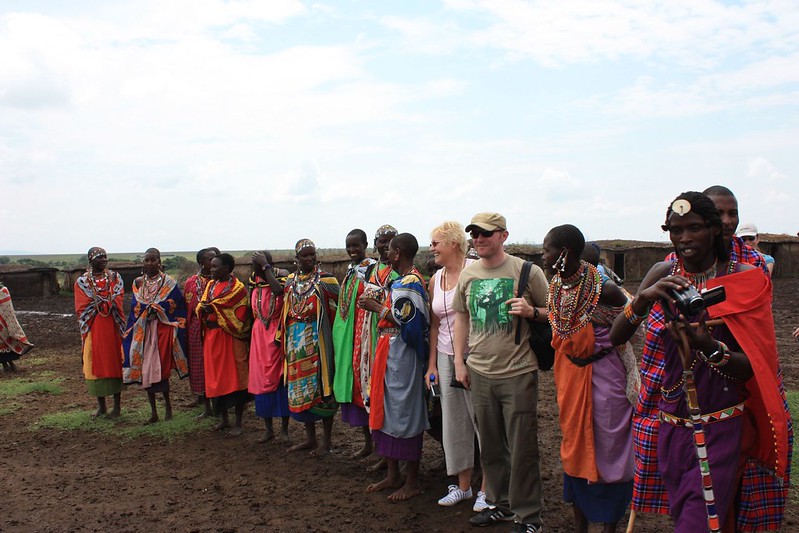
A traditional Maasai family settlement is often described as a boma. Livestock protection influences the layout; homes may be arranged around areas where cattle are enclosed at night. Construction traditionally uses locally available materials.
Community tourism programs may introduce visitors to housing, food, livestock management and family life. Understand whether you are visiting a working residential settlement or a cultural centre designed specifically for visitors — both can offer educational value when managed responsibly.
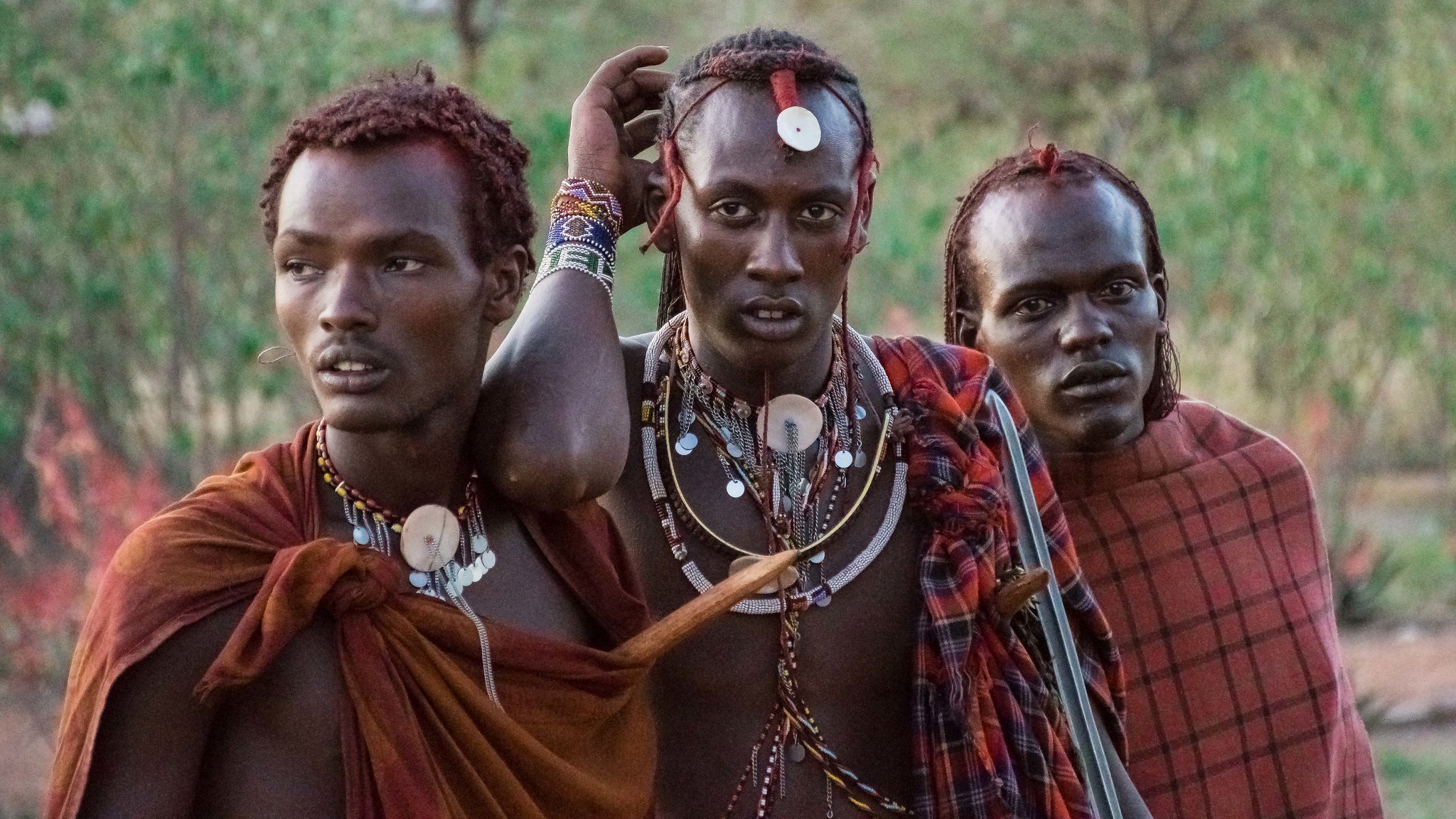
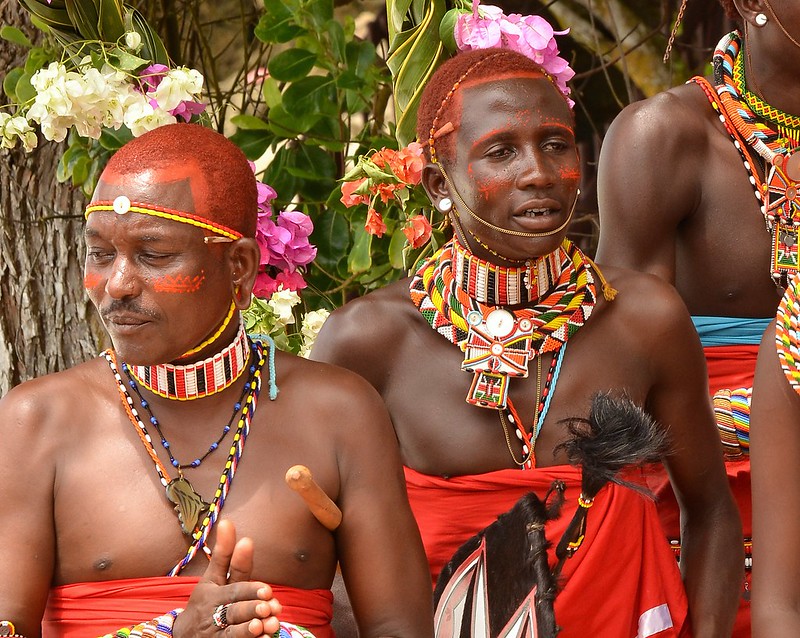
Bright fabrics and beaded jewelry are strongly associated with modern Maasai visual identity. Buying directly from community artisans can provide valuable household income; avoid bargaining aggressively over relatively small amounts for handmade products.
Music and dance may form part of cultural visits. Group singing and vertical jumping are memorable, but interpretation matters — guides can explain when songs or dances are traditionally performed and how age groups influence social roles.
One of the most important cultural and scientific attractions in the wider conservation area is Olduvai Gorge, internationally famous for archaeological and fossil discoveries. Visiting interpretation facilities provides a completely different perspective from wildlife viewing — from modern animals and communities to evidence of human ancestors extending back millions of years.
With extra time, Empakaai and Olmoti craters offer highland walking with Maasai guides in landscapes less crowded than the main crater floor. Cultural walks introduce livestock tracks, plants, medicinal knowledge and traditional place names — always following conservation regulations.
A Ngorongoro cultural safari can weave Maasai heritage, archaeology and highland walking into a northern-circuit itinerary. Responsible programmes treat communities as partners — not stereotypes of red cloth and jumping dances.
Learn how cattle shape identity, diet and social relationships, and how pastoralism has adapted to conservation rules, education and modern economic opportunities.
Bright fabrics and beadwork demonstrate aesthetic skill and can communicate social meanings. Purchase from community producers and ask before photographing artisans.
Performances become meaningful when guides explain age groups, ceremonies and social roles — avoiding purely performative tourism.
Explore interpretation of fossil and archaeological discoveries that reshaped understanding of human evolution — a powerful complement to crater wildlife.

Learn about bipedal footprint discoveries in the broader region. Access arrangements vary — even without visiting the site itself, the story adds archaeological depth.

Highland walks with local guides reveal livestock practices, plants and quieter volcanic landscapes beyond the busy crater floor.

Always request permission for portraits. Some visits include photography in the activity fee, but consent should never be assumed — especially with children.
The crater remains the central wildlife attraction — grasslands, wetlands and woodland supporting wildebeest, zebra, buffalo, lions, hyenas, elephants and one of Tanzania's better chances for black rhinos. Culture and archaeology deepen the same landscape.
Descend early for Big Five game viewing and a picnic lunch, then ascend for a Maasai community experience or Olduvai interpretation later in the day — or schedule culture on a separate day on longer stays.
Best for: 2–3 night crater-rim stays
Lions, elephants, buffalo and rhinos draw international reputation; pairing predator ecology with livestock-protection discussions outside core wildlife areas creates a more honest conservation story.
Best for: Wildlife-first travellers who want depth
Wetlands, grasslands and forests support flamingos, crowned cranes, raptors and many smaller birds — easily combined with cultural touring on a flexible itinerary.
Best for: Mixed-interest travellers
Ngorongoro is excellent for families because wildlife concentrations can reduce the time children need to spend searching for animals. Cultural experiences add educational value.
Older children may enjoy learning about human evolution at Olduvai Gorge. Village visits and archaeological interpretation can turn the safari into a living geography and history lesson.
Couples can combine private game drives with cultural excursions and high-end crater-rim accommodation — popular on Tanzania honeymoon safaris when community interactions add depth between lodge experiences.
Ask your safari planner for family-friendly community visits with clear photography and gift guidelines.
Plan a Family Cultural Safari
Ngorongoro can be visited throughout the year. Wildlife remains on the crater floor in all seasons. Cultural activities and archaeological visits can generally be included year-round.
Temperature can be surprisingly cool on the crater rim, particularly early in the morning and at night — bring warm layers.
One night allows a crater visit but leaves limited time for culture. Two nights are much better — dedicate one day to crater wildlife and another to Maasai communities, Olduvai or highland walking. Three nights provide a deeper experience and reduce rushing.
On longer itineraries, schedule cultural activities on separate days from the main crater descent when possible.
Ngorongoro is one of Tanzania's premium conservation destinations; fees contribute to management and conservation. Also support locally managed cultural experiences so community benefits remain part of socially sustainable conservation.
Tell your planner whether you want a short boma visit, deeper pastoral conversations, Olduvai focus, Empakaai/Olmoti walking, or a mix — accommodation on the rim, in the highlands or near Karatu affects access.
Adventure in the Wild Safaris can match crater wildlife days with community partners and archaeological stops that fit your pace.
Browse Tanzania Safaris
Cultural tourism is most valuable when visitors encounter people as individuals rather than stereotypes. A Maasai community should not be reduced to red clothing, jumping dances and photographs.
Responsible operators prioritize meaningful local partnerships so tourism income reaches residents who share the conservation landscape.
Warm clothing is essential because the crater rim can be cold. Modest clothing is recommended during community visits.
Dress comfortably and respectfully while allowing local people to present their culture on their own terms.

Most northern-circuit safaris reach Ngorongoro by road from Arusha via Tarangire or Lake Manyara, continuing toward the Serengeti.
Tell us how deeply you want to engage with Maasai heritage and archaeology when you enquire.
Crater-rim, highland and Karatu bases each offer different access to wildlife, communities and Olduvai.
Serengeti is the natural continuation of many Ngorongoro itineraries. Lake Manyara (including Mto wa Mbu cultural experiences), Tarangire, Arusha and Kilimanjaro add further cultural and wildlife variety.
Pair culture with wildlife, birding, photography and game drives in the same conservation area.
Programmes may include Maasai community visits, beadwork and crafts, pastoral conversations, Olduvai interpretation, highland walks and pairing culture with a crater game drive. Exact content depends on partners and season.
One night is tight for culture. Two nights are much better; three nights allow crater wildlife, communities and Olduvai or highland walking without rushing.
Yes. Many itineraries dedicate a morning to the crater floor and schedule cultural or archaeological activities after ascending, or on a separate day.
Yes for travelers interested in human origins — it adds a scientific and historical dimension few safari destinations can match.
Always ask first. Permission is especially important for portraits, homes and children. Follow your community host's guidance.
Yes — crater wildlife concentrations and Olduvai interpretation can be highly educational when visits are paced for children and parents prepare respectful behaviour.
Ready for a Deeper Ngorongoro Journey?
Tell us your dates, travel style and whether you want Maasai heritage, Olduvai, highland walks or all three — Adventure in the Wild Safaris will weave them into a seamless northern Tanzania trip.

