Hehe & Mkwawa Heritage
Learn how Chief Mkwawa and Hehe resistance shaped regional memory — southern Tanzania as history, not only wilderness.


A Ruaha National Park cultural safari pairs rugged southern wilderness — elephants, predators, baobabs and the Great Ruaha River — with Hehe heritage around Iringa, Kalenga and Chief Mkwawa history, Isimila archaeology, village livelihoods and community conservation conversations.
A Ruaha National Park cultural safari combines one of Tanzania's most impressive wilderness destinations with the history, traditions and contemporary lives of communities in the southern highlands. Ruaha is renowned for rugged landscapes, large elephant populations, predators and a remote safari atmosphere — yet cultural heritage surrounding the park provides another compelling reason to explore this less-traveled region.
The nearby Iringa region is particularly associated with the Hehe people, whose late-nineteenth-century resistance under Chief Mkwawa occupies an important place in Tanzania's colonial history. Cultural and historical experiences can range from village visits to museums, Kalenga heritage, the Isimila Stone Age site and conversations about contemporary rural life.
Because wildlife viewing is so compelling — elephants along river systems, lions, leopards, cheetahs, wild dogs, antelopes and outstanding birdlife — it is easy to pass through without understanding the communities that have shaped these landscapes. A cultural safari changes that perspective.
Agriculture, livestock, markets, crafts and food experiences introduce everyday southern highland life. Community conservation conversations reveal how elephants and predators create both tourism opportunity and livelihood challenge outside park boundaries — and how the Great Ruaha River links ecological drama inside the park with water realities for farmers beyond it.
Baobab landscapes and guided walking (where offered) complement village walks: professional wildlife interpretation inside the park beside everyday local knowledge of inhabited country. Together they turn Ruaha from a wildlife-only destination into a richer human and historical journey.
Plan Your Cultural Safari
Community visits near Ruaha may include guided village walks, farm visits, local food and craft demonstrations. A local guide explains household organisation, crops, seasonal routines and markets — with conversation valued over silent observation.
History-focused travellers can incorporate Kalenga and Chief Mkwawa heritage: nineteenth-century regional politics, military organisation, colonial conflict and how Mkwawa is remembered today. Knowledgeable local guides connect formal history with community narratives.
Isimila Stone Age Site adds prehistory — tools and striking natural formations that push the cultural timeline far beyond the colonial era. Combining contemporary village life, nineteenth-century Hehe history and archaeology makes the Iringa–Ruaha region especially rewarding for anthropology-minded visitors.
Livestock and farming often overlap as livelihood strategies. Food experiences — staples, cooking methods and shared meals — create relaxed settings for interaction. Markets show contemporary commerce; photograph only with permission.
Inside the park, dry-season concentrations along the Great Ruaha River, baobab scenery and optional walking safaris provide the wildlife backbone. Plan cultural and historical excursions so they do not sacrifice essential game-drive time — often by adding an Iringa-area day before or after the park.
Decide how deeply you want history versus village life — a short community visit fits a conventional safari, while Kalenga and Isimila deserve dedicated time around Iringa.
Explore how Hehe resistance under Chief Mkwawa shaped southern highlands memory and Tanzania's colonial-era narrative.
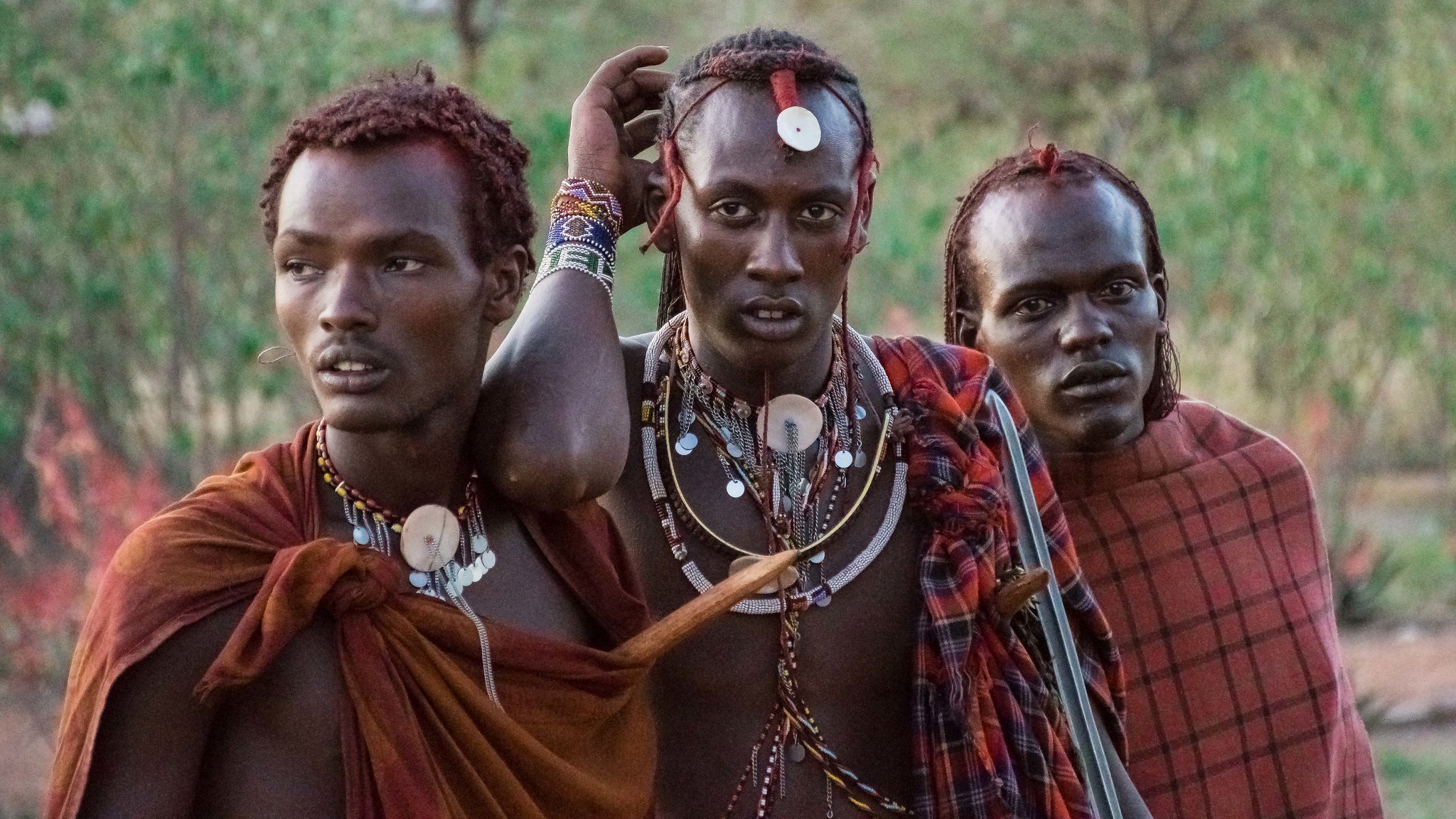
Guided visits provide context on nineteenth-century politics, conflict and the continuing importance of Mkwawa in local historical memory.
Prehistoric tools and dramatic formations extend the cultural safari from village life into deep human prehistory.

Walk residential areas and farms; discuss rainfall, markets and how wildlife near protected areas affects household strategies.

Learn how cattle, goats and crops support households; share meals and explore markets as social-commercial centres.

Buy weaving, pottery, carving or textiles from producers; discuss elephants, predators and tourism benefits with community partners.

Connect Great Ruaha water ecology and baobab landscapes with local plant knowledge — and pair park walks with community walks outside.

Ruaha's elephants, lions, leopards, cheetahs, wild dogs, antelope diversity and birdlife remain central. Cultural and historical excursions complement — they should not replace — time along river systems and baobab plains.
Keep prime wildlife hours for Ruaha, then visit a neighbouring community or market when schedules allow.
Best for: Classic Ruaha stays
Add Kalenga and/or Isimila before or after the park so historical depth does not cut into game drives.
Best for: History & archaeology travellers
Guided wildlife walks inside approved areas plus community walks outside reveal different forms of environmental knowledge.
Best for: Active, curious travellers
Ruaha's mix of wildlife, archaeology and culture suits families when paced carefully — children may enjoy food growing, crafts or Isimila's dramatic formations. Use the journey to introduce history, conservation and cultural diversity.
Couples seeking a less crowded Tanzania safari often love Ruaha's remote lodges and private drives. A community visit or historical excursion adds variety between wildlife activities — meaningful shared experiences beyond luxury alone.
Ask for age-appropriate pacing and clear rules on gifts and photography.
Plan a Family Cultural Safari
Ruaha can be visited across seasons. Dry months concentrate animals near water with clearer vegetation; greener months transform scenery and excel for birding. Cultural activities fit much of the year, though roads and farming routines shift seasonally.
Three to four nights is a useful minimum for many Ruaha safaris; longer suits serious wildlife enthusiasts.
If Kalenga, Isimila or deeper village time matter, add time in the Iringa area before or after the park rather than compressing everything into park days.
Discuss priorities early so a tailor-made journey balances game drives, walking, cultural visits and historical excursions without rushing.
Adventure in the Wild Safaris designs Ruaha itineraries that honour both wilderness quality and southern highlands heritage.
Browse Tanzania Safaris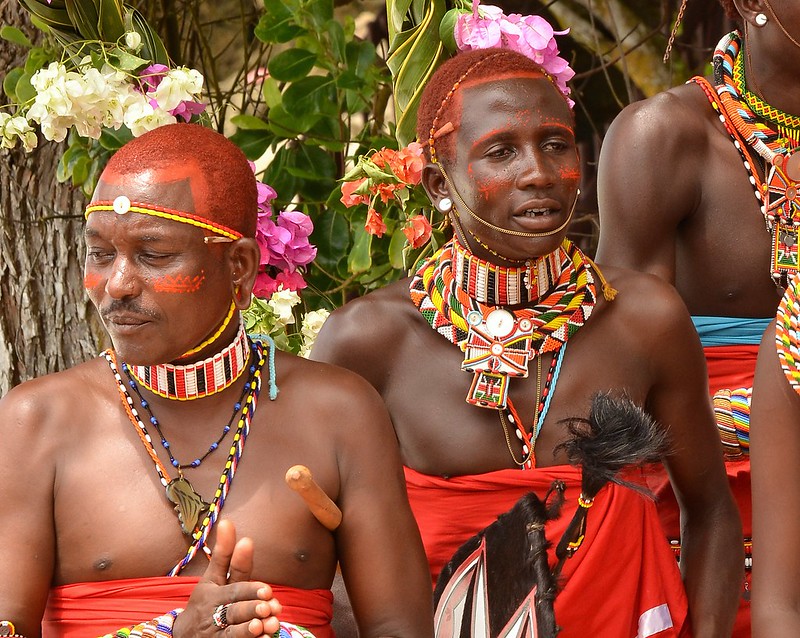
Prioritise experiences with local participation. Hosts determine what visitors can see and photograph — payment does not grant unrestricted photo rights.
The objective of cultural tourism should be understanding rather than collecting images.
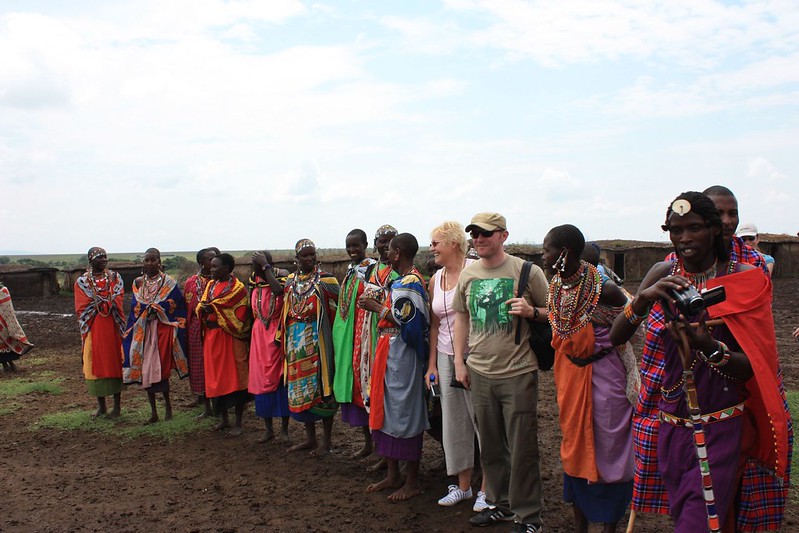
Lightweight safari clothing suits most activities. Modest dress for community visits; good walking shoes help at villages and heritage sites.
Dress for respect in communities and comfort on game drives.
Ruaha is commonly reached by light aircraft or as part of southern circuit road/fly combinations from Dar es Salaam, Nyerere or Mikumi. Iringa serves as the natural base for Kalenga and Isimila.
Ask us to sequence park nights and Iringa cultural time so neither feels rushed.
Park-edge and remote Ruaha camps prioritise wildlife; Iringa hotels or lodges unlock Kalenga, Isimila and town-market culture.
Ruaha and Nyerere form one of Tanzania's finest southern combinations. Add Mikumi or Udzungwa for variety, then Zanzibar for Swahili heritage and beaches after inland wilderness and highland history.
Pair culture with wildlife, walking and birding in the same region.
Beyond village and farm visits, the Iringa region offers Hehe history, Kalenga/Mkwawa heritage and the Isimila Stone Age site — unusual depth for a southern Tanzania safari.
Three to four park nights suit many travellers; add an Iringa day if Kalenga and Isimila matter so game drives stay unhurried.
Yes — Nyerere's waterways and boat safaris pair superbly with Ruaha's rugged landscapes and predators.
Yes when paced well — wildlife plus archaeology and simple farm or craft activities work for many ages.
Always ask first. Payment for a tour does not automatically permit photographing everyone you meet.
Ready for Wilderness & Highland Heritage?
Tell us your dates and whether you want villages, Kalenga, Isimila or conservation conversations — Adventure in the Wild Safaris will build them into your southern Tanzania journey.

