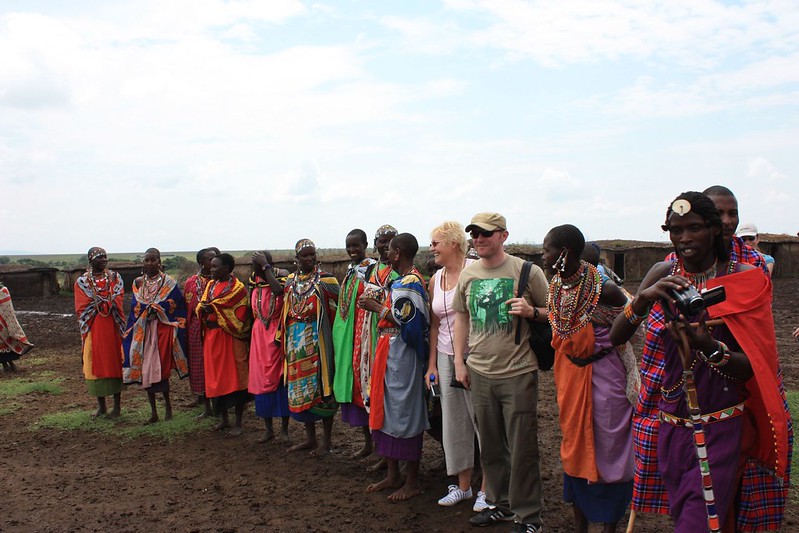
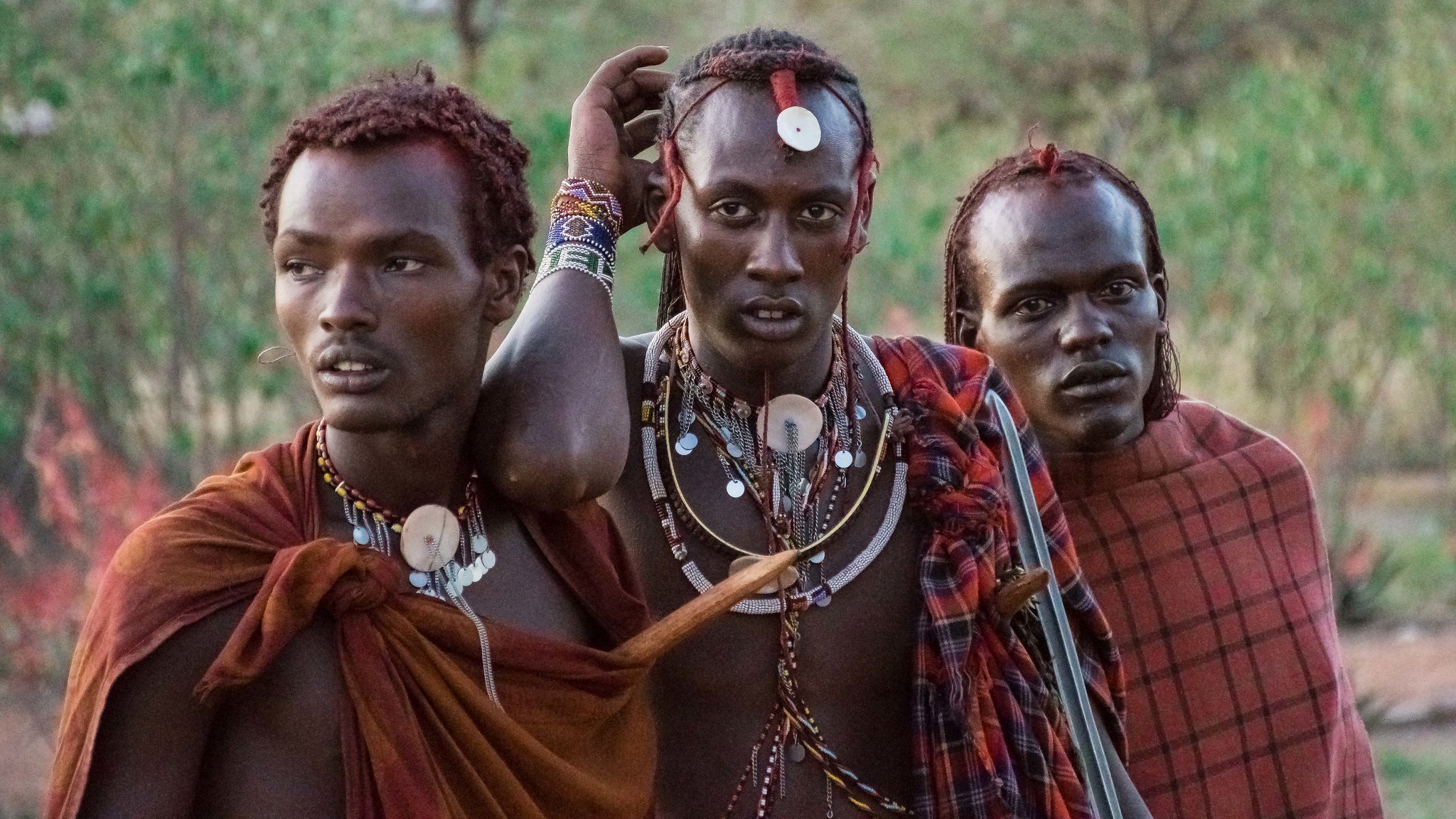
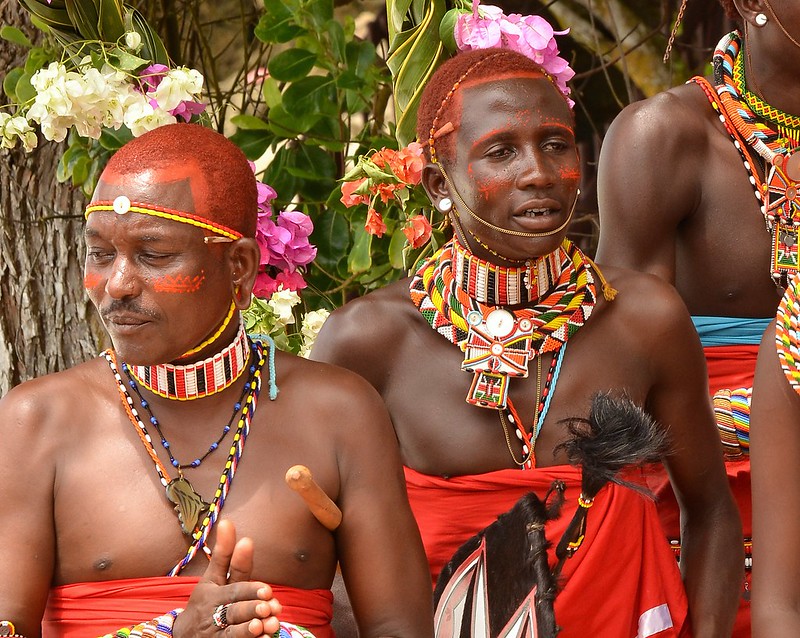
A Serengeti cultural safari adds a powerful human dimension to one of the world's most celebrated wildlife destinations. The Serengeti is internationally famous for vast grasslands, enormous concentrations of wildlife and the annual movements of wildebeest and zebras known collectively as the Great Migration. Yet the broader Serengeti ecosystem is also part of a cultural landscape shaped by generations of human history.
Travelers who combine wildlife viewing with cultural experiences can discover northern Tanzania beyond its lions, cheetahs and migrating herds. Community encounters may introduce Maasai pastoral traditions, local crafts, food, music, oral history and contemporary village life.
A carefully organized cultural safari does not reduce local communities to tourist attractions. Instead, it encourages meaningful exchange and provides travelers with context for understanding the landscapes through which they travel. Land that appears simply as “wilderness” may have layers of human history, pastoral use, migration routes and cultural meaning.
The Maasai are among the best-known pastoral communities in East Africa and are strongly associated with landscapes around northern Tanzania. Cattle remain culturally important, while pastoral knowledge has historically been shaped by seasonal access to grazing and water. The strongest experiences are led by community members themselves — with time to ask questions and hear local perspectives rather than only watching a performance.
Pastoralism is more complex than simply owning cattle. It involves detailed knowledge of livestock health, grazing resources, rainfall, water and landscapes. Education, modern employment, tourism, conservation policies, population growth, land pressures and technology are all influencing contemporary pastoral communities. Understanding this adaptation prevents cultural tourism from presenting Maasai life as something unchanged for centuries.
Communities that have lived near wildlife landscapes for generations often possess detailed knowledge of animal behavior and environmental conditions. Conversations may reveal local names for animals, stories associated with wildlife and practical strategies for protecting livestock — complementing the ecological explanations provided by professional safari guides.
Plan Your Cultural Safari →