Maasai Pastoral Context
Learn how livestock, household organisation and environmental knowledge work in communities living near elephant and baobab country.


A Tarangire National Park cultural safari combines elephants, ancient baobabs and the Tarangire River with Maasai and Barabaig pastoral traditions, village walks, beadwork, local food and community conservation across northern Tanzania's culturally diverse Manyara region.
A Tarangire National Park cultural safari combines exceptional wildlife viewing with communities, traditions and rural landscapes surrounding one of northern Tanzania's most distinctive parks. Tarangire is famous for elephants, ancient baobab trees, seasonal wildlife concentrations and the Tarangire River — yet the broader region is also shaped by pastoral communities, farmers, livestock keepers, artisans and trading centres.
Tarangire sits ideally within the northern safari circuit and is frequently combined with Lake Manyara, Ngorongoro Crater and Serengeti National Park, making cultural activities easy to integrate. The Maasai are particularly recognisable for pastoral traditions and distinctive clothing, while other communities — including Barabaig pastoralists in parts of the wider northern region — contribute to a diverse cultural landscape that should not be reduced to a single identity.
During dry periods the river and remaining water sources attract large numbers of animals from surrounding areas. That seasonal movement beyond park boundaries is why relationships between protected areas and neighbouring communities matter: wildlife crosses community land, and people have direct conservation experiences travellers rarely see from a vehicle.
Modern Maasai communities engage with education, tourism, technology and business while maintaining important aspects of cultural identity. A responsible cultural safari acknowledges both tradition and change — cattle and mobility historically shaped livelihoods, but contemporary life is more diverse than tourist stereotypes suggest.
Community conservation around Tarangire means listening carefully: elephants that thrill visitors beneath baobabs can damage crops; predators may threaten livestock. Successful conservation requires meaningful benefits for neighbours, not only protection inside boundaries.
Plan Your Cultural Safari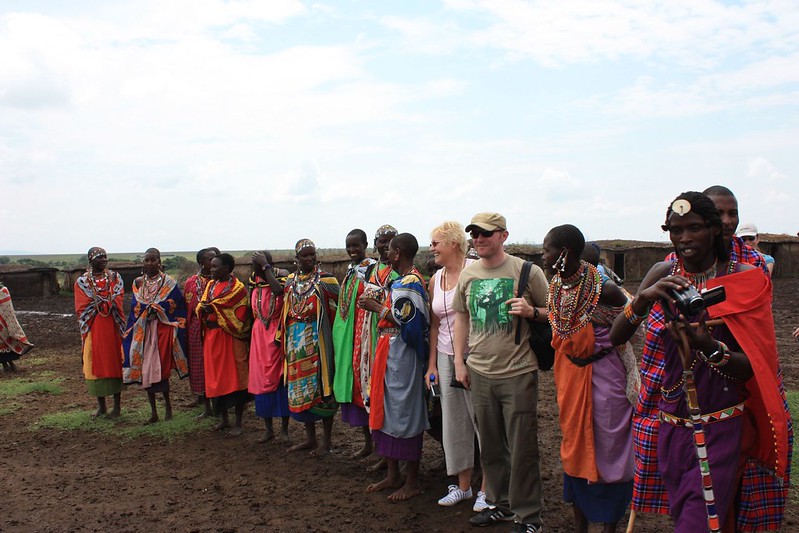
A guided visit to a Maasai boma may introduce settlement layout, family homes and livestock areas. Remember a boma is a home — follow hosts, ask before entering private spaces, and prefer everyday subjects (housing, water, education, livestock protection) over rushing toward a performance.
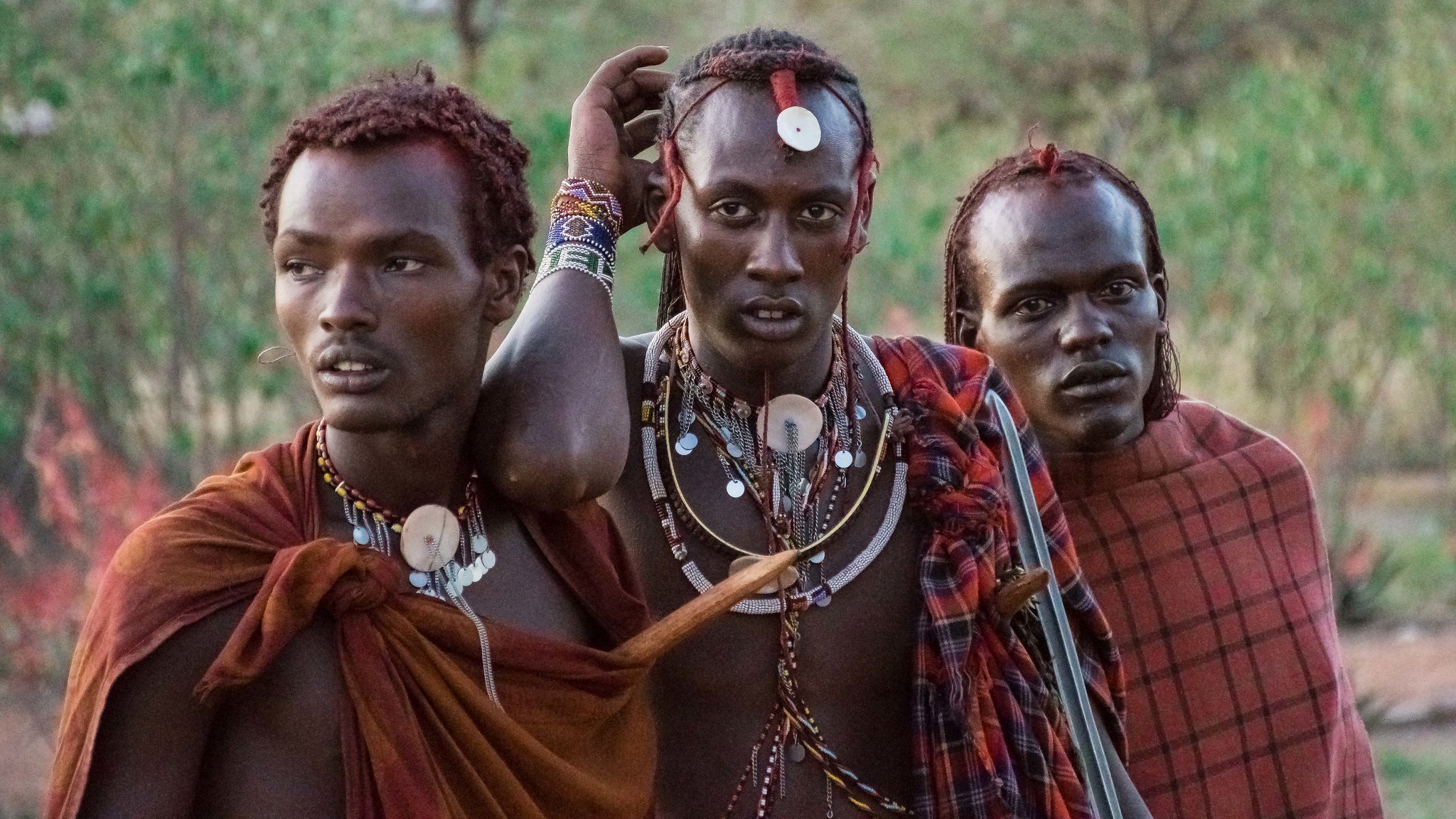
Traditional clothing — often with prominent red and other colours — expresses identity in daily life and ceremony, not only tourism. Local guides can explain styles by age, preference or occasion. Beadwork necklaces, bracelets and earrings demonstrate skill and social meaning; women's groups often produce pieces for local use and sale.
Songs and dances may be included. The well-known jumping by Maasai men is one element of a larger tradition — ask for explanation so context transforms a short demonstration into learning. Village walks may also pass small farms, livestock areas and schools, revealing agricultural traditions that coexist with pastoral landscapes.
Markets and food experiences introduce contemporary commerce and hospitality. Communicate dietary needs in advance. Cultural walks outside the park differ from wildlife walking safaris: one focuses on inhabited livelihoods, the other on ecology and tracks with qualified personnel — including both is exceptionally rewarding.
A typical balanced day might feature morning game drives among elephants and baobabs, then an afternoon community visit — or culture during a transfer toward Manyara, Ngorongoro or the Serengeti so wildlife days stay unhurried.
Favour organised programmes with clear local participation. Communities should help design and control the experience rather than hosting unauthorized photo stops.
Learn settlement layout, livestock roles and contemporary change — with respectful questions and host-led access to private spaces.
Explore clothing identity, artisan beadwork and — when offered — songs and jumping dance explained as social tradition, not spectacle alone.
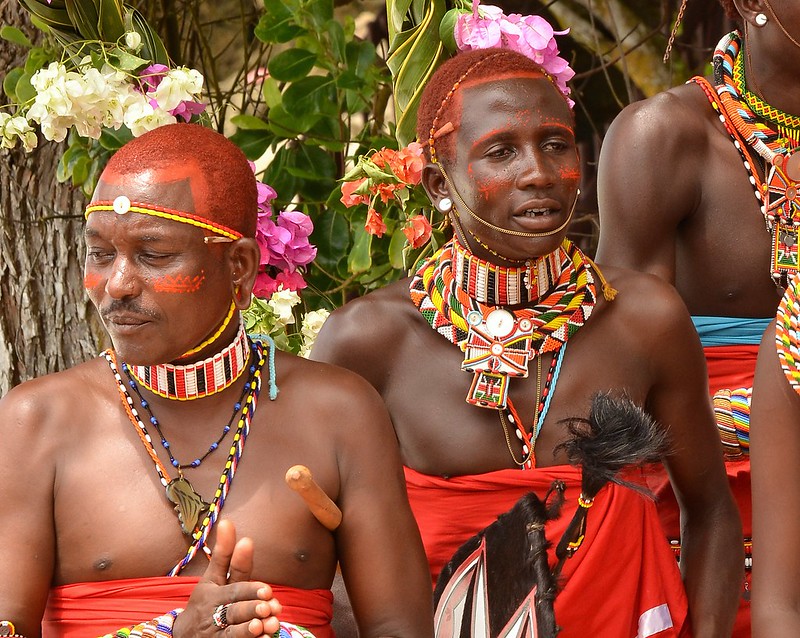
Where itineraries allow, encounter pastoral communities beyond the Maasai — a reminder of Tanzania's varied cultural geography.
Walk homes, farms, shops and schools; discuss rainfall, food security and markets that tourism advertising often oversimplifies.
Guided market visits and shared meals reveal ingredients, trade and hospitality — always with photography etiquette.

Connect iconic park images — elephant herds beneath baobabs along the Tarangire River — with community perspectives on crop damage, livestock risk and tourism benefits.

Combine inhabited-landscape interpretation outside the park with qualified ecological walking where permitted — two complementary ways of reading the land.

Tarangire is particularly famous for elephants, with lions, leopards, giraffes, zebras, wildebeest, antelopes and exceptional birdlife across wetlands, woodland and open habitats. Culture should complement — never replace — that wildlife focus.
Game drive among baobabs and river habitats early, then a boma, village or craft visit after lunch.
Best for: Classic northern circuit days

Short distances make market visits, village walks and agricultural experiences easy alongside Manyara wildlife.
Best for: Manyara region itineraries
Continue the cultural thread from Tarangire communities into pastoral landscapes near Ngorongoro and the wider Serengeti ecosystem.
Best for: Full northern Tanzania routes
Tarangire suits families because wildlife sightings can be frequent and varied. Short interactive craft, livestock or farm activities introduce rural Tanzania without overwhelming younger travellers — prepare respectful behaviour and avoid sweets or money given to children.
Couples and honeymooners can use private vehicles to fold an afternoon village walk between morning game drives. For travellers who value meaning as much as luxury, local encounters often become trip highlights.
Ask for family-friendly partners and clear guidelines on gifts and photography.
Plan a Family Cultural Safari
Cultural activities can generally be arranged year-round and are not dependent on migration movements. Wildlife viewing changes seasonally — drier months often bring dramatic concentrations around water; greener periods transform scenery and birding.
Two nights introduce Tarangire well; three nights better if you want relaxed game drives plus a dedicated community experience.
Alternatively, arrange culture during transfers between Tarangire and another northern destination so days do not become a race.
Tell your planner whether you prefer a short boma visit, extended village walk, crafts, food or conservation-focused conversation.
Adventure in the Wild Safaris designs northern Tanzania itineraries that balance Tarangire's elephants and baobabs with respectful Maasai and community time.
Browse Tanzania Safaris
Respect should guide every community visit. Follow hosts, dress appropriately and request permission before entering homes.
The objective should be exchange and understanding rather than simply collecting photographs.
Comfortable safari clothing works for Tarangire cultural excursions. Dress relatively modestly for villages — lightweight trousers or longer skirts and shirts covering the shoulders.
Neutral tones suit game drives; modest layers show respect in villages.

Tarangire is typically reached by road from Arusha as part of northern circuit itineraries — often the first or early park on multi-day Tanzania safaris.
Ask us to place Tarangire culture at the start of your northern safari or during a relaxed transfer day.
Lodges and camps near Tarangire can arrange neighbouring community visits around game-drive schedules when partners are confirmed in advance.
Pair Tarangire with Lake Manyara, Ngorongoro Crater and Serengeti for classic wildlife diversity — then add Zanzibar for Swahili coastal culture after savannah days.
Pair culture with wildlife, birding and game drives in the same park.
Typically Maasai boma or village visits, beadwork, optional song and dance with context, markets or food, and conversations on pastoral life and conservation — alongside elephant and baobab game drives.
Depending on route and partners, programmes may introduce Barabaig or other groups. Not every village offers identical traditions — diversity is a strength.
Two nights introduce the park; three better if you want dedicated culture plus relaxed wildlife time. Culture can also fit on transfer days.
Yes — frequent wildlife plus short interactive craft or livestock activities work well when privately paced.
Always ask first. Your guide can facilitate introductions; never assume tour payment covers every portrait.
Ready for Elephants, Baobabs & Culture?
Tell us your dates and whether you want Maasai bomas, beadwork, Barabaig encounters or conservation conversations — Adventure in the Wild Safaris will build them into your Tanzania trip.

