Arabica From Plant to Cup
Walk coffee gardens, learn harvesting and processing, then roast, grind and brew beside the trees — memorable for coffee lovers and useful income for farming households.


A Sipi Falls cultural safari combines some of eastern Uganda's most beautiful scenery with authentic coffee farming, village life, traditional food and the cultures of communities on the slopes of Mount Elgon.
A Sipi Falls cultural safari combines some of eastern Uganda's most beautiful scenery with authentic opportunities to experience coffee farming, village life, traditional food, local history and the cultures of communities living on the slopes of Mount Elgon. Although Sipi is best known for its dramatic waterfalls, travelers who spend an additional day exploring the surrounding villages discover that the destination offers much more than hiking and photography.
The Sipi area lies on the northwestern foothills of Mount Elgon, close to a landscape of cliffs, valleys, coffee gardens and cultivated hillsides. The fertile volcanic soils and cool mountain conditions are particularly suitable for growing Arabica coffee, making Sipi Falls coffee tours one of the most popular cultural experiences in eastern Uganda.
Visitors can walk with local farmers, follow coffee from the tree to the cup, explore village footpaths, taste locally prepared food and learn about the cultural traditions of communities associated with the wider Mount Elgon region.
A Sipi cultural experience combines easily with Sipi Falls hiking, Mount Elgon National Park, birding, rock climbing and longer eastern Uganda safari itineraries.
Sipi Falls is located near Kapchorwa on Mount Elgon's northern foothills, generally reached by road from Kampala or Entebbe via Jinja and Mbale. The journey introduces a very different Uganda from the western gorilla circuit — high escarpments, deep valleys, farmland and water plunging over dramatic cliffs, with many farms reached along footpaths where local guides are especially valuable.
Plan Your Cultural Safari
A Sipi Falls coffee experience usually begins in a garden. Farmers or guides explain planting, shade, pruning and — in season — hand selection of ripe red cherries. Processing may demonstrate pulping, washing and drying before roasting, grinding and brewing.
Drinking freshly prepared coffee beside the garden where it grew is one of the highlights of a Sipi cultural safari, with direct financial benefits to farming households.
Guided village walks introduce life beyond coffee — footpaths past homes, gardens, shops, schools and viewpoints. Because Sipi is mountainous, discuss fitness before selecting a route.
Traditional farming experiences explain methods on steep slopes, soil conservation, rainfall and why Mount Elgon's volcanic soils matter. Food experiences may include helping with simple preparation before sharing a meal with hosts.
Sipi Falls hiking usually involves guided walks through farms and steep landscapes to viewpoints. Trails may be slippery after rain; sturdy shoes are essential. Because routes pass community land, waterfall hiking naturally overlaps with cultural tourism.
Always request permission before photographing people, ceremonies, homes or children. Interact first — a short conversation produces more respectful images.
A Sipi Falls cultural safari can include several complementary experiences. Exact programmes vary by community partner — book coffee tours through credible projects or responsible operators.
Eastern Uganda near Kapchorwa on Mount Elgon's northwestern foothills, reached via Kampala/Entebbe, Jinja and Mbale. Escarpments, valleys, farmland and cliff waterfalls define the landscape; many attractions sit on footpaths, so local guides are especially valuable.

The wider Mount Elgon region holds several identities. Bagisu or Bamasaba are strongly associated with many Elgon areas, while Sipi and Kapchorwa also have important Sebei connections. Avoid treating every community as identical — a knowledgeable guide explains the specific people you visit.
Altitude, volcanic soils and climate favour Arabica. Smallholders grow coffee beside bananas and other crops. A coffee experience shows the work behind a finished cup — meeting farmers instead of only tasting a beverage.
Tours usually begin among the trees — seedlings, shade, pruning and healthy plant selection. Depending on season you may see white flowers, green berries or ripe red cherries selected by hand. Quality begins long before roasting.
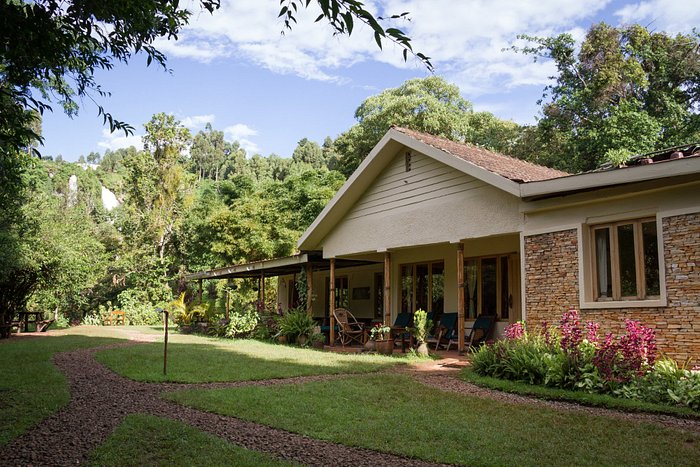
After harvest, cherries are pulped, washed and dried. Community tours may show how outer fruit is removed and beans prepared. Traditional techniques can differ from large commercial systems; each stage influences the finished cup — deeper appreciation for Uganda coffee tourism.
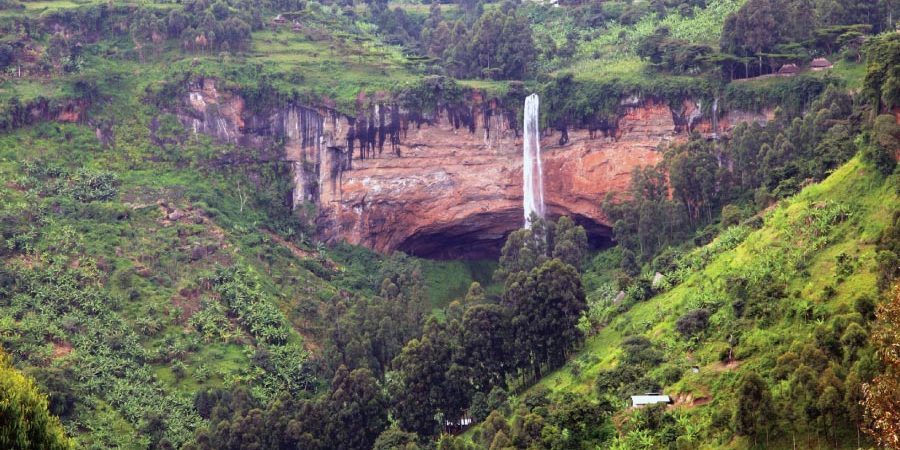
Often the most interactive stage: roast dried beans on simple equipment as aroma transforms, help grind, then brew. Fresh coffee beside the garden where it grew is a Sipi highlight and supports farming households directly.
Footpaths pass homes, gardens, shops, schools and viewpoints. Guides explain livelihoods and introduce participating residents. Walking is slower than driving — stop, ask questions and notice landscape detail. Discuss fitness; some routes are steep.
Agriculture shapes almost every view. Beyond coffee, families grow food crops. Agricultural experiences explain steep-slope methods, soil conservation, rainfall and crop transport — and why volcanic soils are so valuable. Farming shapes family life, food traditions and land relationships.
Combine coffee with host demonstrations of garden-grown ingredients. Dishes vary by community and season. Helping with simple preparation and sharing the meal opens conversation about agriculture, family life and customs.
Mount Elgon culture is strongly associated with Bagisu/Bamasaba traditions, including Imbalu — the male circumcision rite tied to identity, adulthood, family and community. Ceremonies are not tourist performances; observe only with consent and guidance. Outside ceremonial periods, guides can explain history and meaning without intrusion.

Sipi and Kapchorwa offer chances to learn Sebei livelihoods, family structures, food and highland relationships. Kapchorwa is also internationally associated with distance running — high altitude and training culture interest sport-minded travelers alongside coffee and waterfalls.
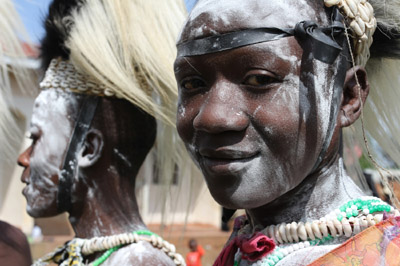
Community groups may organize music and dance tied to celebration, social events or identity — ask for explanations of songs and movements. Craft groups produce baskets, jewelry and woven goods; buy fairly from producers, especially women's groups supporting household needs and education.
Guided walks through farms, villages and steep landscapes reach viewpoints over plains. Customize by fitness and time; trails can be slippery after rain. Routes through community land mean waterfall hiking naturally overlaps with cultural tourism when local guides interpret farms and plants along the way.
Hike in cooler morning hours and visit a coffee farm later, or spread activities across two days. Two or three nights beat a rushed day trip; sunrise and sunset over the escarpment can be spectacular.
Sipi gates Mount Elgon National Park — ancient volcano, vast caldera, forests and moorland. Pair community time with nature walks or multi-day treks. Birding rewards slow exploration of forest, farmland and cliffs; rock climbing and other adventures (when operating) suit active travelers and families with teenagers.
Sipi works as a short break from Kampala or as part of a longer eastern Uganda safari beyond the western gorilla circuit.
Use Sipi as a gateway for caldera views, forest walks or multi-day Mount Elgon hiking after coffee and village experiences.
Best for: Hiking + culture
Stop in Jinja for a Source of the Nile cruise, kayaking or adventure activities before continuing east to Sipi — a strong eastern Uganda pairing.
Best for: Kampala–east circuits
Add Pian Upe Wildlife Reserve for highland culture plus wildlife landscapes, or continue north toward Kidepo for repeat visitors exploring beyond western Uganda.
Best for: Extended eastern/northern routes
Sipi suits families and active travelers: coffee tours, village walks, food experiences and waterfall hikes can be paced by age and fitness.
Rock climbing and adventure options (when available) appeal to teenagers seeking more than conventional game drives.
Discuss trail steepness and coffee-harvest timing with your planner so mornings and afternoons stay enjoyable rather than exhausting.
Ask for family-friendly coffee partners and clear photography guidelines for children.
Plan a Family Cultural Safari
Sipi can be visited throughout the year. Relatively drier periods around December to February and June to August generally provide easier hiking conditions.
Waterfalls can be particularly impressive after rain, and wetter months create intensely green landscapes. Coffee experiences vary with the agricultural cycle — ask about harvest timing when booking if that is a priority.
Mountain weather changes quickly; carry rain protection regardless of month.
Two nights provide enough time for a waterfall hike and coffee experience. Three nights are better for culture, birding or additional walking.
Visitors planning a longer Mount Elgon trek naturally require more time. A slower stay lets you enjoy the scenery rather than treating Sipi as a quick roadside stop.
Tell your planner whether Arabica coffee, Bagisu/Sebei interpretation, crafts, birding or adventure climbing is the priority.
Book coffee tours through credible community projects or responsible operators so farming households benefit directly.
Sipi can be a standalone short break from Kampala or part of an eastern route via Jinja toward Mount Elgon, Pian Upe or Kidepo.
Adventure in the Wild Safaris can match you with coffee farmers and community partners where fees and craft purchases support Sipi households directly.
Browse Uganda Safaris
A responsible Sipi Falls cultural safari should support local guides, farmers, artisans and community enterprises while protecting trails and cliffs.
Respect for privacy and trail safety is as important as paying agreed activity fees — hosts are neighbours, not exhibits.
Comfortable walking shoes with good grip are essential — trails can be steep and slippery.
Dress comfortably and respectfully while allowing local people to present coffee culture and highland life on their own terms.
Sipi is generally reached by road from Kampala or Entebbe, often traveling through Jinja and Mbale into eastern Uganda.
Tell us whether Sipi is a short break or part of a longer eastern/northern safari when you enquire.
Lodges and camps around Sipi often work with neighbouring coffee farmers and community guides. Choosing the right base improves walks, tastings and waterfall access.
By slowing down with local people, a Sipi Falls cultural safari becomes more than sightseeing — a meaningful introduction to eastern Uganda's landscapes, coffee culture and community life.
Pair your cultural safari with hiking, coffee tours, birding, photography or family experiences.
 Bird Watching
https://www.gorillaugandasafaris.com/experiences/uganda/sipi-falls/birding-safari/
Learn More
Cultural Experiences
A Mount Elgon cultural safari goes beyond waterfalls, caves and hiking trails — meeting Bagisu communities, Arabica coffee…
Learn More
Cultural Experiences
A Jinja cultural safari combines the heritage of eastern Uganda with the history, scenery and communities surrounding the…
Learn MoreProgrammes may include Arabica coffee tours, village walks, farming visits, traditional food, Bagisu/Sebei interpretation, crafts, waterfall hikes and optional birding or adventure activities. Exact activities depend on partners.
Two nights cover a waterfall hike and coffee experience. Three nights are better for extra walking, birding or culture. Mount Elgon treks need more time.
Yes. Sipi pairs naturally with Jinja on the Nile and Mount Elgon hiking, and can continue toward Pian Upe or Kidepo.
Yes. Coffee tours, village walks, food and paced waterfall hikes adapt well; adventure options may suit active teenagers.
Coffee experiences vary with the agricultural cycle — ask about seasonal conditions when booking if harvest is a priority.
Only with community consent and appropriate guidance. Ceremonies are not performances created for tourists.
Use credible coffee partners, buy crafts fairly, avoid gifts to children, ask before photos and leave no litter on trails.
Ready for a Richer Eastern Journey?
Tell us your dates, coffee interests and fitness — Adventure in the Wild Safaris will build village walks, Arabica tours and waterfall hikes into one seamless eastern Uganda trip.