
What should I look for when booking a luxury African safari?
When booking a luxury African safari, look beyond the room and compare the quality of guiding, wildlife location,…
Read article

Travel Guide
Cape Town is one of Africa's most visually spectacular cities. There is just one thing first-time visitors sometimes underestimate: the wind. A calm morning can become a dramatically windy afternoon. Beach umbrellas disappear down the sand.…
Cape Town is one of Africa’s most visually spectacular cities. There is just one thing first-time visitors sometimes underestimate: the wind. A calm morning can become a dramatically windy afternoon. Beach umbrellas disappear down the sand. Whitecaps form across Table Bay. Clouds race over the mountains. The famous southeastern summer wind can become strong enough that outdoor plans need to change completely. But a windy day in Cape Town is not automatically a ruined day.
In fact, some of the best things to do in Cape Town become even better when the wind starts blowing. For kitesurfers and windsurfers, strong wind is exactly what they came for. For travelers who prefer calmer experiences, Cape Town has excellent museums, galleries, food markets, shopping areas, wine estates and other indoor Cape Town attractions. This means you can design two completely different windy-day strategies. You can embrace the wind.
Or escape from it. Both can produce an excellent day. This detailed guide explores 10 fun things to do in Cape Town on a windy day, from kitesurfing in Bloubergstrand to art museums at the V&A Waterfront, scenic drives, food experiences and sheltered activities. Cape Town Tourism continues to identify Blouberg and Big Bay as major kitesurfing and windsurfing areas precisely because of their strong and reliable wind conditions.
Cape Town’s geography creates highly dynamic weather.
Mountains rise abruptly beside two ocean systems. Large-scale atmospheric pressure systems interact with local topography. During summer, the famous Cape Doctor—a strong southeasterly wind—frequently affects the city. The name traditionally reflects the idea that the wind clears pollution and stale air from the urban area. For travelers, it simply means flexibility is important. Do not build a Cape Town holiday itinerary that depends completely on one weather-sensitive activity every day. Instead, keep a few windy-day Cape Town activities available as alternatives.
One of the most useful things to understand is that wind conditions vary dramatically across Cape Town.
It may be extremely windy at Bloubergstrand while relatively sheltered elsewhere. The Atlantic Seaboard may feel different from the southern suburbs. A beach can be uncomfortable while a museum only a few kilometers away is perfectly pleasant. This microclimate variation means you should not abandon the entire day because conditions look bad outside your hotel. Change neighborhoods.
Table Mountain deserves particular attention on windy days.
The Table Mountain Aerial Cableway can operate in some windy conditions, but strong enough wind can cause temporary closure for safety reasons. The official cableway advises travelers to check its current operating status before traveling to the lower station. Therefore, if Table Mountain is your main plan, always verify operating conditions first. If the cableway closes, use one of the activities below instead.
If you actually enjoy the wind, there may be no better activity than Cape Town kitesurfing.
Bloubergstrand is internationally recognized for wind sports. The broad beaches, Table Bay wind and iconic view toward Table Mountain create one of the city’s most recognizable adventure settings. Cape Town Tourism describes Blaauwberg as a major playground for kitesurfing and windsurfing, with locations including Kite Beach, Dolphin Beach, Blouberg Beach and Big Bay.
Wind is only part of the attraction.
The setting is extraordinary. From the water, Table Mountain forms an enormous flat-topped backdrop across Table Bay. Onshore, photographers can capture colorful kites suspended above waves with the mountain behind them. This combination of wind, water and scenery has made Bloubergstrand kitesurfing one of the signature adventure activities in Cape Town.
Big Bay Cape Town is another excellent location. It is particularly popular with watersports enthusiasts and has restaurants and facilities nearby. Cape Town Tourism specifically highlights Big Bay as a top area for kitesurfing.
Yes—but only with qualified instruction. Kitesurfing is not an activity where beginners should simply rent equipment and experiment alone. Wind, waves and powerful kites can become dangerous quickly. Book professional Cape Town kitesurfing lessons. Beginners generally start by learning: kite control, wind windows, safety releases, launch procedures, and body dragging. Only later do they progress to standing on a board.
Kitesurfing is ideal for: adventure travelers, active couples, solo travelers, and repeat Cape Town visitors looking for something more exciting than conventional sightseeing. For inexperienced travelers who do not want to participate, simply watching experienced riders at Blouberg can still be entertaining.
Kitesurfing receives most of the attention, but windsurfing in Cape Town also benefits from the city’s windy conditions. Boards with attached sails allow experienced riders to use the same strong winds that discourage ordinary beachgoers. Blouberg and the wider Table Bay area are among the obvious places to investigate. Cape Town Tourism identifies the area as a center for both windsurfing and kitesurfing.
The two sports use wind very differently. Windsurfing uses a sail attached directly to the board. Kitesurfing uses a large controllable kite connected to the rider through lines and a harness. Both require instruction. Both become more technically demanding as wind strengthens. For beginners, a professional school should determine whether conditions are suitable.
This point is important. Strong wind may excite experienced riders but make conditions inappropriate for first-timers. Never assume “the windier, the better.” A reputable instructor will assess wind direction, strength, swell and beach conditions. Safety should always override the desire to complete an activity.
You do not need to enter the water to enjoy a windy Cape Town beach day. Blouberg provides one of the best views of Table Mountain anywhere in the city. Watching experienced kitesurfers launch, carve through waves and jump above the water can be an attraction in itself. Cape Town Tourism describes Blouberg’s beachfront as a hub for professional and amateur kiteboarders and surfers drawn by the area’s wind and waves.
Many of the classic photographs showing the entire Table Mountain massif are taken from this side of the bay. Wind often creates dramatic ocean texture. Fast-moving clouds and spray add atmosphere. For Cape Town photography, a windy day can therefore be visually rewarding.
The Blouberg and Big Bay areas also contain numerous restaurants and cafés. This means you can watch the weather from indoors while still enjoying the iconic Table Mountain view. For travelers who dislike being battered by sand on the beach, this is a much more comfortable compromise.
When the wind becomes genuinely unpleasant, go indoors. One of the strongest options is Zeitz Museum of Contemporary Art Africa, better known as Zeitz MOCAA, in the Silo District at the V&A Waterfront. The museum is dedicated to contemporary art from Africa and its diaspora and occupies a transformed historic grain silo. Even travelers with limited interest in conventional art museums often find the building itself fascinating.
It is indoors. It is large enough to occupy several hours. It sits within the broader Waterfront district, where restaurants, shops and other attractions are nearby. Current museum information lists general opening hours from 10:00 a.m. to 6:00 p.m., with last entry at 5:30 p.m., though travelers should always confirm on their visit date.
The transformation of the old grain silo is part of the experience. The interior atrium was carved dramatically through original concrete silo tubes. The architecture gives the museum a completely different atmosphere from a conventional rectangular gallery building.
The V&A Waterfront is one of the easiest places to spend a windy day because many attractions are indoors or only require short outdoor walks. Restaurants, shops, markets, museums and entertainment venues are concentrated within a relatively compact area. This makes the Waterfront particularly useful when Cape Town’s weather is unpredictable.
Travelers can browse everything from large international stores to locally made products. This can be a practical opportunity to buy: South African souvenirs, clothing, gifts, art, and safari accessories.
A windy day is an excellent excuse to slow down and enjoy Cape Town restaurants. The Waterfront contains a wide selection of cuisines. Seafood is particularly popular, but there are options across many budgets.
Several indoor attractions are accessible in and around the Waterfront. This makes it easy to build a weather-proof half-day without long transfers.
The Waterfront is particularly useful for Cape Town family holidays because families can move between activities without extensive driving. If children become tired, cafés and restaurants provide easy breaks.
Strong wind does not interfere with eating. Cape Town has one of the strongest food scenes in Africa, and a windy day provides an excellent reason to explore it. Instead of trying to force a beach day, make food the focus.
A guided Cape Town food tour can introduce travelers to the city’s diverse cultural history through cuisine. Depending on route and operator, tastings may include: Cape Malay dishes, South African snacks, African-inspired cuisine, baked goods, local coffee, and contemporary food culture. A food tour connects naturally with Bo-Kaap, city-center history and wider South African culture.
The Bo-Kaap is particularly associated with Cape Malay heritage. Food traditions include aromatic spices and dishes influenced by centuries of migration, enslavement, adaptation and cultural exchange. Rather than treating Bo-Kaap only as a place for photographs of colorful houses, culinary experiences can provide deeper cultural context.
Cape Town’s restaurant scene ranges from simple cafés to high-end tasting menus. If your outdoor plan collapses because of wind, move lunch earlier and turn it into an event. A long meal followed by a museum can create an excellent alternative day.
The Two Oceans Aquarium is another strong indoor Cape Town attraction, particularly for families. It fits naturally into a Waterfront day. Aquariums work particularly well when strong winds make coastal activities uncomfortable.
Cape Town occupies a region influenced by two major ocean systems. Marine ecosystems are therefore central to the city’s identity. A good aquarium visit helps travelers understand that the Cape Peninsula is not simply scenic coastline. It forms part of a biologically important marine environment.
For families, the aquarium creates a welcome change from: long road transfers, museums designed mainly for adults, and weather-sensitive outdoor attractions. It can easily be combined with lunch, Waterfront exploration and other nearby activities.
A windy day can become your cultural day. Cape Town has a complicated and fascinating history. Instead of struggling against the weather, explore that history indoors. Potential themes include: colonial history, slavery, apartheid, forced removals, art, maritime history, and indigenous heritage.
The history of District Six is essential to understanding apartheid-era forced removals in Cape Town. A museum visit adds social context to a city that tourists can otherwise experience only through scenery and restaurants.
The Iziko Museums of South Africa encompass several cultural and natural-history institutions in Cape Town. Their collections allow travelers to explore archaeology, history, natural science and art.
The Castle of Good Hope is one of Cape Town’s major historical landmarks. Parts of the experience are outdoors, but substantial interpretation can still be enjoyed in less-than-perfect weather.
Many international visitors arrive in South Africa primarily for a Kruger safari. Cape Town gives them an opportunity to understand the country’s human history as well.
If central Cape Town is extremely windy, conditions in the Cape Winelands may sometimes feel completely different. Stellenbosch, Franschhoek and Paarl sit inland from the most exposed Atlantic coastline. Weather still varies, but a Winelands day provides many indoor experiences.
Historic Stellenbosch combines wine estates, restaurants, architecture and galleries. Visitors can enjoy tastings indoors while learning about South Africa’s wine industry.
Franschhoek is another popular choice. It combines dramatic mountain scenery with excellent restaurants and wine estates. A windy city day can become a relaxed Franschhoek wine tour.
This should be obvious, but it matters. If wine tasting is the focus, use a professional transfer, guided tour or designated driver. A private Cape Winelands tour removes this concern entirely.
Families do not necessarily need to avoid the Winelands. Some estates provide large gardens, food experiences and other attractions suitable for children. Research the specific estate rather than assuming every wine property is adult-only.
Cape Town rewards flexibility. If conditions are unbearable in one neighborhood, go somewhere else. This is particularly useful for travelers with a private driver or rental vehicle. A Cape Peninsula scenic drive can become a weather-chasing adventure.
Chapman’s Peak Drive is one of the world’s most dramatic coastal roads. However, severe weather can affect road conditions and occasional closures, so check current status before departing. When open, the road provides spectacular views.
Hout Bay can provide restaurants, harbor scenery and access toward the Cape Peninsula. Conditions may differ dramatically from Blouberg.
Kalk Bay offers cafés, restaurants, galleries and shops. It is a useful destination when you want an atmospheric neighborhood rather than an exposed beach.
Historic Simon’s Town provides naval heritage, coastal scenery and access toward Boulders Beach.
Cape Point and the Cape of Good Hope are dramatic in wild weather, but strong wind requires extra caution. Cliff edges and exposed viewpoints can become hazardous. Never prioritize a photograph over safety.
Sometimes the best windy-day activity is simply appreciating the drama. Clouds streaming across Table Mountain, rough Atlantic water and kites filling the sky can be spectacular. Find a sheltered café or hotel viewpoint and let the weather become part of the Cape Town experience. Not every travel day needs to involve ten attractions.
Conditions can change quickly. The cableway monitors weather and can suspend operations if winds become unsafe. The official cableway specifically notes that strong wind may force closure for safety. If the cableway is closed, do not assume hiking is automatically safer. Exposed mountain routes can be difficult in strong wind, cloud and changing temperatures. Choose another day.
This is an important safety principle. Some visitors think: “The cable car is closed, so we’ll hike instead.” That can be exactly the wrong decision. Cableway closure can indicate weather that is also unpleasant or hazardous for hikers. Check mountain conditions independently and use experienced local guidance when necessary.
Lion’s Head hiking is extremely popular, especially around sunrise and sunset. Strong wind makes exposed sections much less enjoyable and potentially more dangerous. If conditions are poor, postpone the hike. Cape Town is not short of alternative activities.
It depends on what you want. For sunbathing, probably not. For kitesurfing, absolutely. For photography, potentially yes. For long family picnics, strong blowing sand can make conditions miserable. The key is matching the activity to the weather.
Blouberg is arguably one of the best places to deliberately visit when it is windy because the weather itself becomes entertainment. Cape Town Tourism repeatedly identifies the neighborhood as one of the city’s main wind-sport areas. Watch the kites. Photograph Table Mountain. Eat indoors. Then move elsewhere if the wind becomes overwhelming.
Beginners should follow instructor recommendations. Strong wind and rough water can create challenging conditions. Never choose a surf or kitesurf location simply because an online article recommends it. Local ocean conditions change hour by hour.
Couples have excellent options. Combine: a museum, long lunch, wine tasting, and dinner. Or embrace the weather with a kitesurf lesson followed by cocktails overlooking the ocean. A windy day can become one of the most memorable parts of a Cape Town honeymoon if plans remain flexible.
Families should emphasize shorter transfers and indoor variety. A strong combination could include: the aquarium, Waterfront lunch, a museum, and early dinner. Older children may enjoy watching kitesurfers at Blouberg before moving indoors.
This is where Cape Town becomes exciting. Strong wind can create opportunities for: kitesurfing, windsurfing, and other wind-dependent sports. Experienced participants should still use local weather reports and appropriate professional operators.
Wind adds movement. Waves become larger. Clouds move faster. Kites fill the sky. Sea spray creates atmosphere. Instead of photographing postcard-perfect stillness, focus on drama. Good subjects include: Blouberg kitesurfing, Table Mountain beneath fast-moving clouds, rough Atlantic coastline, and colorful urban scenes protected from the wind.
Cape Town is one of the easiest cities in Africa for turning bad weather into a culinary day. Explore: Cape Town food tours, Cape Malay cuisine, Cape Winelands wine tasting, Waterfront seafood, coffee shops, bakeries, and contemporary restaurants. The city rewards slow eating.
The term Cape Doctor refers to Cape Town’s famous southeasterly wind. It is particularly associated with warmer months. For visitors, it can be frustrating when it disrupts beach and mountain plans. For locals and wind-sport enthusiasts, it is simply part of Cape Town’s personality.
Conditions vary day by day, but exposed parts of the Table Bay coastline such as Bloubergstrand are particularly associated with strong wind. That is exactly why the area is so important for Cape Town kitesurfing and windsurfing.
Wind can occur throughout the year, but strong southeasterly winds are especially associated with the warmer summer period. Individual days vary considerably. Always check short-term forecasts rather than planning purely from seasonal averages.
Do not preassign every attraction rigidly to one date. Instead, divide activities into two categories. Weather-sensitive activities: Table Mountain, Lion’s Head, beach days, Cape Point viewpoints, boat excursions. Flexible activities: museums, restaurants, shopping, Winelands tours, aquarium visits, and indoor cultural experiences. When the forecast looks excellent, do the mountain. When the wind arrives, move the flexible activities forward. This strategy dramatically improves a Cape Town vacation.
Boat travel is weather-dependent. Strong wind and rough seas can affect marine excursions. If a Robben Island tour is an essential part of your trip, do not leave it until your final day. Build flexibility into the schedule in case conditions cause changes or cancellations.
A private Cape Peninsula tour provides greater flexibility than a rigid group program because the route can sometimes be adjusted around weather conditions. However, certain exposed viewpoints will remain windy regardless of transport. Bring a jacket even when the city feels warm.
Layers are essential. Cape Town weather changes quickly. A useful combination includes: comfortable trousers, closed shoes, light sweater, wind-resistant jacket, sun protection, and sunglasses. Avoid hats that cannot be secured. A hat disappearing toward the Atlantic is a classic Cape Town lesson.
Wind carries sand and sea spray. If photographing at beaches: keep lens changes to a minimum, use a protective bag, and clean equipment carefully afterward. Fine sand can damage camera mechanisms.
Strong crosswinds can affect driving, particularly in exposed areas. Hold doors carefully when opening them. A sudden gust can damage a rental-car door. Drive according to conditions rather than posted maximum speeds.
Cape Town is one of the world’s great city destinations, but it becomes even more rewarding when combined with a South Africa wildlife safari. A classic itinerary could include: Cape Town, the Cape Winelands, and Kruger National Park. Another excellent route combines: Cape Town, the Garden Route, and an Eastern Cape safari. Adventure travelers may continue farther into Southern Africa toward: Victoria Falls, Botswana, or Namibia. These combinations allow travelers to experience both urban culture and African wilderness.
Travelers sometimes become frustrated when wind disrupts the exact itinerary they created months earlier. Cape Town rewards a different attitude. Treat your schedule as flexible. When the mountain is clear, go up immediately. When wind makes the beaches uncomfortable, visit galleries. When Blouberg is blowing strongly, watch kitesurfers. When central Cape Town is unpleasant, head inland toward the Winelands. The ability to change plans is one of the best Cape Town travel tips.
Cape Town would not be the same without its wind. The same southeasterly gusts that knock over café umbrellas help create one of the world’s great kitesurf destinations. They clear the city’s skies. They race clouds across Table Mountain. They generate spectacular waves along the coast. And occasionally, they completely destroy your original sightseeing plan. That does not have to destroy the day. Go kitesurfing at Bloubergstrand. Watch windsurfers at Big Bay.
Explore Zeitz MOCAA. Spend several hours at the V&A Waterfront. Visit the aquarium. Turn the day into a Cape Town food tour. Drive to the Cape Winelands. Learn South African history inside a museum. Or simply find a protected restaurant window and watch the weather roll across Table Bay. Some of the best travel experiences happen when you stop fighting the conditions and adapt to them. In Cape Town, a windy day is not necessarily bad weather. Sometimes it is simply an invitation to experience the city differently.

Get quick answers to the most common questions. If you still have questions, our safari experts are here to help.
Excellent options include kitesurfing in Blouberg, visiting the V&A Waterfront, exploring museums, visiting Zeitz MOCAA, wine tasting in Stellenbosch or Franschhoek, eating at local restaurants and taking flexible scenic drives.
No. Conditions vary by season, day and neighborhood.
Its strong winds, open coastline and excellent Table Mountain views create outstanding conditions for wind sports.
Yes, with professional instruction and suitable conditions.
Sometimes. The cableway monitors conditions and may close if wind becomes unsafe. Check official operating status before traveling.
Not automatically. Strong wind can also make hiking hazardous.
Museums, Zeitz MOCAA, the aquarium, shopping, restaurants and cultural attractions are excellent choices.
Yes. Many attractions, restaurants and stores are indoors.
Yes. Wine estates provide numerous indoor tasting and dining experiences, although weather still varies across the region.
Yes. It provides one of Cape Town’s best full views of Table Mountain.
Yes. The Table Bay and Blouberg area is well known for wind-based watersports.
The aquarium, Waterfront, museums and child-friendly restaurants are strong choices.
Yes. Marine activities can be affected by weather and sea conditions.
It can be extremely exposed. Follow local warnings and remain well away from unsafe cliff edges.
Keep your itinerary flexible and move weather-sensitive activities to calmer days.
Our safari experts are here to help you plan your safari. Get personalized advice, the latest information and a free, no-obligation quote.
We typically reply within a few hours.

Share This Article
When booking a luxury African safari, look beyond the room and compare the quality of guiding, wildlife location,…
Read article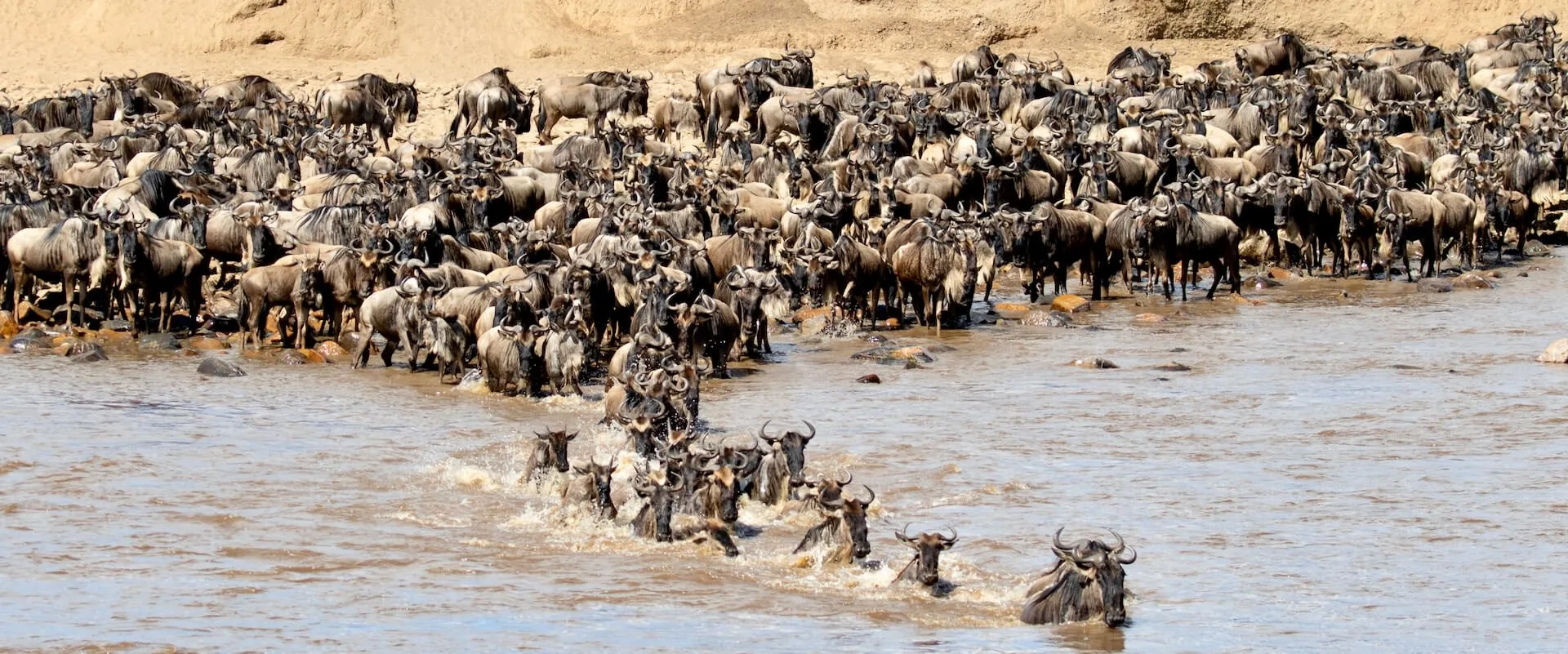
The Great Migration in Africa happens all year because the herds continuously circulate through the Serengeti–Mara ecosystem in…
Read article
Definitive answer: A picnic lunch on safari is a packed or catered midday meal eaten at an approved…
Read article
Definitive answer: A bush dinner is an outdoor evening meal arranged in a safe safari setting away from…
Read articleLet us take you closer to the wildlife, people and places that make Africa extraordinary.
Plan Your Safari Today