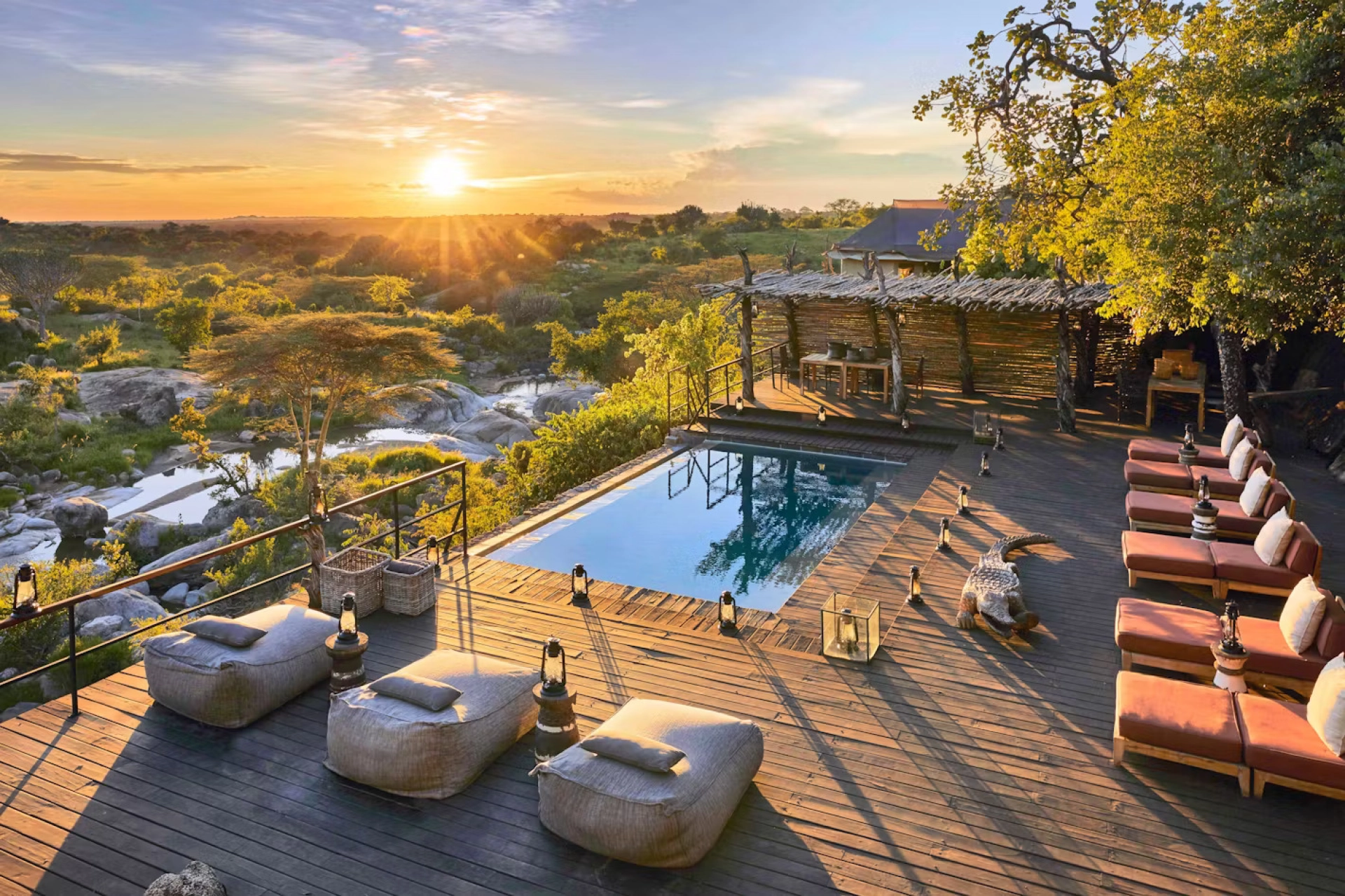
What should I look for when booking a luxury African safari?
When booking a luxury African safari, look beyond the room and compare the quality of guiding, wildlife location,…
Read article

Travel Guide
Before comparing destinations, it helps to understand what usually makes an African safari particularly successful for families with older children. Wildlife on an African safari Wildlife density matters, especially for first-time safari travellers. Teenagers are more…
Before comparing destinations, it helps to understand what usually makes an African safari particularly successful for families with older children.
Wildlife density matters, especially for first-time safari travellers. Teenagers are more likely to remain engaged when game drives regularly produce interesting sightings. Destinations such as the Masai Mara, Serengeti, Kruger and Ngorongoro Crater are especially strong in this regard. Variety is equally important. A seven-day itinerary consisting entirely of long game drives can be perfect for passionate wildlife enthusiasts, but many families benefit from mixing activities. Boat safaris, bush walks, village visits, horseback riding, canoeing, desert adventures and primate trekking can keep a journey dynamic.
Driving time should also be considered carefully. Africa is enormous, and maps can make distances look deceptively short. A poorly designed itinerary may involve consecutive full-day transfers that exhaust younger travellers. Flying between selected destinations or staying longer in fewer parks often creates a much better experience. Accommodation matters too, although expensive luxury is not essential. Teenagers usually value good food, comfortable beds, reliable charging facilities, swimming pools when available and enough space to relax between activities. Families may prefer interconnected rooms, family cottages or tents positioned relatively close together.
Finally, age restrictions must be checked before confirming activities. Gorilla trekking, chimpanzee tracking, walking safaris and some adventure experiences have minimum age rules or lodge-specific restrictions. The ideal family safari holiday in Africa therefore begins with good itinerary design rather than simply choosing the most famous parks.
For a first safari with teenagers, Kenya’s Masai Mara National Reserve is exceptionally difficult to beat.
The Mara delivers many of the things families imagine when they picture an African safari: open grasslands, large herds of herbivores, lions, cheetahs, elephants, giraffes, buffalo, hyenas and, with luck, leopards. The wildlife is generally varied enough to keep younger travellers engaged, while the open terrain often makes animals relatively easy to see. For teenagers interested in photography, the Mara is particularly rewarding. Many sightings unfold against uncluttered backgrounds, making it easier to photograph wildlife than in thick woodland.
Lion sightings can be outstanding.
A teenager seeing a wild lion for the first time often quickly understands how different safari is from visiting a zoo. The animal may be sleeping beside the road, walking through grass, interacting with cubs or watching prey in the distance. There are no cages, no feeding times and no guarantee that the lion will remain visible.
That unpredictability gives the experience its power.
Between roughly July and October, depending on rainfall and herd movements, parts of the wider Great Wildebeest Migration may enter the Masai Mara.
Watching enormous herds can be extraordinary for teenagers, particularly those interested in wildlife documentaries. River crossings are especially dramatic, although they should never be promised for a specific date. Wildebeest may gather for hours without crossing, and migration patterns change according to rainfall. This uncertainty itself can become educational. Teenagers learn quickly that wildlife does not operate according to tourism schedules.
Families can complement conventional game drives with cultural visits, bush meals and, in suitable locations, guided nature experiences.
A hot-air balloon safari over the Masai Mara can be particularly memorable for families with older teenagers. Watching sunrise over the plains while wildlife moves below creates an entirely different perspective of the ecosystem. Some private conservancies adjoining the main reserve can offer additional activities such as night drives or guided walks, depending on age and conservancy regulations.
The Mara’s biggest strength is consistency.
You do not need teenagers to be obsessive naturalists before arrival. The landscape and wildlife are dramatic enough to create interest quickly. For families planning their first Kenya family safari, three or four nights in or around the Mara can form the foundation of a wider itinerary incorporating Amboseli, Lake Naivasha, Lake Nakuru or the Kenyan coast.
The Serengeti is one of Africa’s legendary safari landscapes and another outstanding choice for teenagers. Its scale is part of the experience. The word Serengeti is commonly associated with the idea of endless plains, and the horizon can genuinely seem to stretch forever. Wildebeest, zebra, gazelles, giraffes, elephants, buffalo and predators occupy an ecosystem extending far beyond the formal national park. Teenagers who have grown up watching nature documentaries frequently recognise the Serengeti immediately.
Yet being there is completely different from seeing it on a screen. You hear hyenas at night. You see dust hanging behind moving herds. You notice vultures circling above distant grasslands. You begin understanding how predators, prey, rainfall and grazing patterns connect. This is where a Serengeti family safari becomes educational without feeling like a classroom.
The Serengeti hosts the migration during much of the year, but the herds move through different regions seasonally. During the calving period in southern areas, huge numbers of wildebeest gather on short-grass plains. Thousands of calves may be born within a relatively concentrated period, attracting lions, cheetahs and hyenas. At other times, herds move through central and western regions before large numbers eventually head north. Families planning specifically around migration should therefore choose accommodation according to expected seasonal movement rather than simply booking “the Serengeti.”
Long predator sightings can be especially exciting. A lion pride interacting around a kill, a cheetah moving across open grassland or a hyena clan approaching at dusk provides behaviour to observe rather than just species to tick from a checklist. The Serengeti also combines naturally with the Ngorongoro Conservation Area, allowing families to experience two dramatically different safari landscapes during one Tanzania itinerary.
The Ngorongoro Crater can feel almost like a natural wildlife arena. After descending from the crater rim, families enter a broad volcanic caldera containing grasslands, wetlands, forest and seasonal water sources. Wildlife densities can be excellent. Zebra, wildebeest, buffalo, gazelles, warthogs, hippos, hyenas and lions are commonly encountered, while the crater is also one of Tanzania’s important areas for black rhino sightings. For teenagers, the crater is often rewarding because the safari feels concentrated.
Instead of spending hours searching enormous landscapes, visitors can encounter different species within relatively short distances.
The Ngorongoro experience is particularly good for teenagers interested in geography or earth science. The landscape itself becomes part of the story. You are driving inside a vast volcanic caldera created by geological processes millions of years ago. The steep walls influence wildlife movement, vegetation and water patterns. Nearby Olduvai Gorge adds an important human-history dimension for families interested in archaeology and early human evolution.
A family itinerary combining Tarangire, Ngorongoro and Serengeti can be particularly strong because each destination offers a different ecosystem. Tarangire brings elephants and baobabs. Ngorongoro provides concentrated crater wildlife. The Serengeti supplies scale, open plains and migration possibilities. That variety helps maintain engagement across a longer family trip.
For adventurous families travelling with older teenagers, gorilla trekking in Uganda can become the defining experience of the entire African journey. Bwindi Impenetrable National Park protects almost half of the world’s remaining mountain gorilla population and offers regulated trekking to habituated gorilla families. This is completely different from a conventional safari. Instead of sitting in a vehicle, trekkers enter the forest on foot with professional guides and trackers. Trails can be steep.
Vegetation can be thick. Rain is possible at any time. The trek may last anywhere from a relatively short period to several demanding hours depending on where the gorillas are located. That physical involvement makes the eventual encounter incredibly powerful.
Uganda generally requires gorilla trekkers to be at least 15 years old. For families with teenagers meeting the age requirement, this creates a rare adventure that everyone can experience together. Younger children cannot normally participate, so family itineraries must be planned carefully when siblings are of different ages.
The gorilla encounter is intimate in a way few wildlife experiences are. Once the group reaches the habituated gorillas, visitors normally spend a regulated period observing them. A silverback may sit only metres away. Young gorillas may climb branches or play. Mothers feed while infants cling to them. The similarity between gorilla behaviour and human family interaction can create an immediate emotional connection for teenagers. It also opens discussions about conservation, habitat loss, tourism management and the importance of surrounding communities.
A Uganda family safari can extend far beyond Bwindi. Families may combine gorilla trekking with Queen Elizabeth National Park, chimpanzee trekking in Kibale, boat safaris on the Kazinga Channel, rhino tracking at Ziwa or game drives in Murchison Falls National Park. Teenagers particularly interested in primates can experience one of the most diverse wildlife itineraries available anywhere in Africa.
If families want safari diversity rather than only vehicle-based game drives, Queen Elizabeth National Park is particularly attractive. The park combines savannah, wetlands, crater lakes, woodland and the Kazinga Channel. Elephants, buffalo, Uganda kob, hippos, crocodiles, warthogs and numerous antelope species are commonly seen, while lions and leopards are important predator attractions. The southern Ishasha sector is famous for its tree-climbing lions. Although sightings are never guaranteed, finding lions resting in fig trees can be one of the most unusual wildlife experiences for teenagers.
One of the park’s strongest family activities is the Kazinga Channel boat cruise. Boat safaris provide a useful break from long road-based game drives. Hippos gather in the water, crocodiles rest along the banks and elephants frequently approach to drink. Buffalo, monitor lizards and waterbirds add constant activity. For teenage photographers, a boat provides excellent low-angle views and more stable opportunities than a moving vehicle.
Depending on itinerary design, families may also incorporate nearby chimpanzee experiences or continue north toward Kibale National Park. The combination of primates, savannah wildlife and water-based activities makes Uganda particularly strong for families wanting variety.
South Africa offers some of the easiest and most flexible family safari logistics on the continent. The Kruger National Park and surrounding private reserves provide excellent wildlife viewing, a huge range of accommodation and well-developed tourism infrastructure. All of the Big Five occur within the greater ecosystem. Families may encounter elephants, lions, leopards, rhinos, buffalo, giraffes, zebras, wild dogs and hyenas.
Families can choose between several safari styles. A guided private-reserve safari may include open vehicles, professional trackers, sophisticated lodges and highly personalised wildlife viewing. Alternatively, self-drive journeys inside Kruger can give families greater independence and a sense of adventure. Teenagers can become involved by helping navigate, keeping species lists and learning how to scan waterholes and woodland for animals.
Private reserves adjoining Kruger can offer excellent predator viewing and more flexible tracking practices depending on local rules. Professional trackers may sit at the front of the vehicle, reading spoor and signs while guides interpret behaviour. This can make game drives feel particularly interactive. Older teenagers often enjoy learning how guides distinguish lion tracks from leopard tracks or interpret alarm calls.
Another advantage is the ease with which wildlife can be combined with completely different experiences. Families may continue to Cape Town, the Garden Route, beaches, mountains or cultural attractions. This makes South Africa especially useful when only some family members are deeply interested in wildlife.
For families concerned about malaria or wanting a relatively straightforward first safari, Madikwe Game Reserve is an excellent option. Situated in South Africa’s North West Province, Madikwe is malaria-free and supports the Big Five alongside wild dogs, cheetahs, giraffes, zebras and many antelope species. The reserve contains numerous family-oriented lodges, some offering dedicated children’s or teenage activities.
Travel logistics are comparatively simple, particularly when combining the reserve with Johannesburg. Families can enjoy serious safari experiences without necessarily committing to the more complex transfer schedules associated with remote wilderness destinations. Wild dog sightings can be a particular highlight. Painted dogs are social, energetic and fascinating to watch, and teenagers frequently find pack dynamics especially engaging. Madikwe’s relative accessibility and family-friendly lodge options make it one of the strongest choices for a South Africa safari with teenagers.
The Okavango Delta offers one of Africa’s most unusual safari environments. Instead of being organised around conventional savannah game drives alone, the Delta is shaped by channels, lagoons, floodplains and islands. Seasonal water spreads through the landscape, transforming habitat and influencing wildlife movement. For adventurous teenagers, this variety can be exceptional. One day may involve a conventional 4×4 game drive. Another could involve a boat excursion. In suitable areas, visitors may experience traditional mokoro canoe excursions, moving quietly through channels while guides interpret aquatic plants, frogs, insects and birdlife.
Depending on location and water conditions, the Delta supports elephants, buffalo, lions, leopards, hippos, crocodiles, giraffes, antelope and numerous bird species. Some concession areas are also excellent for African wild dogs. Wildlife densities vary across the ecosystem, so lodge selection is important. Families should choose camps according to the time of year, desired activities and minimum-age restrictions.
The Okavango appeals because it feels genuinely adventurous. Small aircraft transfers, remote camps and water-based exploration create the sense of travelling into wilderness rather than simply visiting a tourist attraction. For families with teenagers already comfortable outdoors, it can be extraordinary.
Etosha National Park offers a distinctly different family safari. Much of the landscape is dry and open, with wildlife frequently gathering around waterholes. This makes animal viewing unusually interactive. Instead of constantly driving in search of wildlife, families can sometimes sit quietly at a waterhole and wait for animals to arrive. Zebra may approach first. Giraffes stand cautiously at the edge. Springbok and oryx gather nearby. Elephants can suddenly appear from the bush.
At selected waterholes, rhinos may emerge after dark.
Waterhole watching creates a natural sense of anticipation. Teenagers can compete to identify species or predict which animals will approach next. Etosha also combines exceptionally well with Namibia’s other landscapes, including Sossusvlei, Swakopmund and the Namib Desert. This means safari days can be interspersed with desert exploration, dune climbing, kayaking, quad biking, coastal activities and dramatic road-trip scenery. Namibia therefore ranks among the strongest choices for families who want a self-drive African adventure with teenagers rather than a safari-only itinerary.
The final destination demonstrates why an African family safari does not need to revolve entirely around big mammals. The Namib Desert is one of the world’s oldest desert environments and contains some of Africa’s most dramatic landscapes. At Sossusvlei, enormous dunes rise above pale clay pans and skeletal camel-thorn trees. Teenagers can climb dunes, photograph sunrise and explore Deadvlei, where ancient dark tree trunks stand against white earth and orange-red sand.
The Namib is not empty. Oryx, springbok, ostriches, jackals and numerous reptiles, insects and small mammals survive through remarkable desert adaptations. Along Namibia’s Atlantic coast, wildlife experiences can include seals, dolphins and marine birds. The Namib provides a powerful lesson in adaptation. How can an oryx survive extreme temperatures? How does a beetle obtain moisture from fog? Why do some animals become nocturnal? These questions transform the desert into an outdoor science lesson without making the journey feel academic.
Swakopmund can add further variety. Depending on family interests and age requirements, activities may include kayaking, dune excursions, cycling, quad biking, sandboarding and scenic flights. For families with active teenagers, Namibia offers one of Africa’s best combinations of wildlife, scenery and adventure.
There is no single best destination for every family. A teenager fascinated by large predators may love the Masai Mara or Serengeti. A physically active teenager may rank gorilla trekking in Bwindi above every vehicle-based safari. A young photographer might prefer the wildlife concentrations and landscapes of Kenya, Tanzania or Etosha. A teenager interested in adventure sports may respond more strongly to Namibia. Families interested in remote wilderness may gravitate toward Botswana.
The most successful itinerary begins with the teenager’s personality rather than simply the parents’ safari bucket list. Ask what excites them. Animals? Photography? Hiking? Primates? Deserts? Culture? Adventure? Conservation? Design the trip around those interests.
For families new to safari, approximately seven to ten days of wildlife-focused travel is often a strong starting point. Longer journeys can be exceptional when they include variety. For example, a two-week East African itinerary might combine several nights in the Masai Mara, gorilla trekking in Uganda and downtime near Lake Bunyonyi or another relaxed destination. A southern African holiday could combine Kruger with Cape Town. Botswana can be combined with Victoria Falls.
Namibia naturally works as a road trip incorporating desert, coast and wildlife. The problem is not necessarily trip length. The problem is repetition. Six consecutive ten-hour driving days will test almost anyone’s patience. A well-paced itinerary allows free afternoons, swimming, good meals and periods without organised activities.
For many families, a private safari vehicle provides significant advantages. Departure times can be adjusted. The family can spend longer at sightings that interest them. Stops can be made when somebody needs a break. Photography enthusiasts can wait for better light. Game drives can sometimes return earlier if teenagers become tired. Private safaris also allow guides to tailor interpretation to the family. A teenager fascinated by animal behaviour can ask questions without worrying about other passengers.
A family interested in birds can spend longer at sightings. Group safaris may be more affordable, but private arrangements frequently produce a smoother family experience.
Engagement can begin before the aircraft leaves home. Teenagers may enjoy watching documentaries about destinations they will visit, learning basic wildlife photography or creating a list of species they hope to see. Give them responsibility. Let them research one park. Ask them to choose one activity. Give them binoculars. Encourage them to keep photographs or travel notes. Older teenagers can participate in understanding conservation challenges such as poaching, habitat loss and human-wildlife conflict.
When young travellers feel like participants rather than passengers, the entire family experience improves.
Mobile phones have become part of teenage travel, and trying to eliminate them entirely may be unnecessary. Instead, safari can turn phones into creative tools. Encourage photography, short wildlife videos, journaling and identification apps. However, it is worth creating moments when everybody deliberately puts devices down. Watching a leopard walk past the vehicle through your own eyes rather than a screen is often far more powerful. Bring charging equipment and power banks where appropriate.
Remote camps may have limited charging schedules. For teenagers using dedicated cameras, a telephoto lens can add enormous enjoyment, but binoculars remain equally important.
Professional safari destinations are generally well managed, but families must respect the fact that wildlife is genuinely wild. Follow guide instructions at all times. Never leave vehicles unless permission is given. Do not approach animals around lodges. At unfenced camps, guests may need staff escorts after dark. Never feed wildlife. Teenagers should understand these rules before arrival. Most quickly appreciate that safari safety depends on respecting animals rather than fearing them.
One of the strongest adventures for families with teenagers aged 15 or older is combining a traditional savannah safari with mountain gorilla trekking. A route could combine Kenya’s Masai Mara with Uganda’s Bwindi Impenetrable National Park. Another itinerary might combine Tanzania’s Serengeti with Uganda or Rwanda. This creates an extraordinary contrast. One day you are scanning grasslands for lions and elephants. Several days later you are hiking through rainforest toward mountain gorillas.
For teenagers, the combination can make East Africa feel exceptionally diverse.
Safari gives teenagers exposure to ecology in a way textbooks cannot replicate. Predator-prey relationships become visible. Food chains stop being diagrams. Water scarcity becomes real. Habitat becomes something you can physically observe. Tourism’s role in conservation becomes easier to understand when teenagers meet guides, rangers and community members whose livelihoods depend on wildlife remaining protected. Responsible safari travel can therefore influence how young people think about conservation long after the holiday finishes.
Family safari costs vary enormously. Important factors include destination, season, transport method, accommodation level, park fees, number of travellers and whether the vehicle is private. Kenya, Tanzania and Uganda can offer excellent combinations of budget, midrange and luxury options. South Africa provides especially broad accommodation choice. Botswana tends to be expensive in premium remote concessions, although different safari styles exist. Namibia can be comparatively flexible for self-drive families. When comparing quotations, look beyond the total price.
Check what is included. Park fees? Meals? Airport transfers? Drinking water? Game drives? Internal flights? Gorilla permits? Boat cruises? A cheaper quotation may become expensive once exclusions are added.
Travelling with teenagers creates an opportunity to model responsible tourism. Choose operators and lodges that respect wildlife regulations. Avoid experiences allowing inappropriate physical contact with wild animals. Support conservation areas that provide meaningful economic benefits to surrounding communities. Do not pressure guides to drive too close to predators. Respect photography rules during community visits. Safari is at its best when tourism contributes to keeping wildlife landscapes intact.
Teenagers remember experiences that feel significant. Watching a lion in the wild feels significant. Standing several metres from a mountain gorilla feels significant. Seeing elephants approach a waterhole at sunset feels significant. Walking across ancient desert dunes feels significant. An African safari with teenagers therefore has the potential to become much more than another family holiday. It gives families shared stories. There may be long drives, early wake-up calls, dusty clothes and weak Wi-Fi.
But those inconveniences quickly become part of the adventure. Years later, few teenagers will remember what television programme they watched during a conventional beach holiday. They are very likely to remember the morning a cheetah sprinted across the Serengeti, the moment a silverback looked directly toward them in Bwindi or the evening elephants appeared beside a waterhole in Etosha.
Adventure in the Wild Safaris designs tailor-made family journeys across East Africa and can combine wildlife safaris with gorilla trekking, chimpanzee tracking, cultural experiences, boat trips and other family-friendly adventures. Whether your family wants to explore Uganda, Kenya, Rwanda, Tanzania or combine several East African countries, an itinerary can be developed around the ages of your children, available travel time, accommodation preferences and preferred activity level.
The Masai Mara, Serengeti, Kruger, Uganda and Namibia are all excellent. The best destination depends on the teenager’s interests, age and preferred activities.
In Uganda, gorilla trekking generally has a minimum age of 15 years. Families should confirm current regulations when booking.
Yes, when travelling with reputable operators and following guide instructions. Safari lodges and professional guides operate under established wildlife-safety procedures.
Seven to ten days works well for many first-time families. Longer trips are excellent when different activities and destinations are incorporated.
Both are outstanding. Kenya offers excellent safari logistics and the Masai Mara, while Tanzania provides the Serengeti, Ngorongoro and other major wildlife destinations. Choice depends on season, budget and itinerary style.
Yes, particularly for families with older teenagers interested in gorillas, chimpanzees, boat safaris and varied landscapes.
Useful items include comfortable neutral clothing, a warm layer, hat, sunscreen, binoculars, closed shoes, camera equipment, power banks and a small day bag.
Yes. Kenya and Tanzania are especially well suited to safari and beach holidays, while South Africa also offers outstanding coastal combinations.
Private vehicles generally provide greater flexibility and are especially useful for families because game drives can be adapted to the teenagers’ interests and energy levels.
There is no universal age, but teenagers often enjoy safari particularly well because they can manage long drives, understand wildlife behaviour and participate in more adventurous activities.

Share This Article
When booking a luxury African safari, look beyond the room and compare the quality of guiding, wildlife location,…
Read article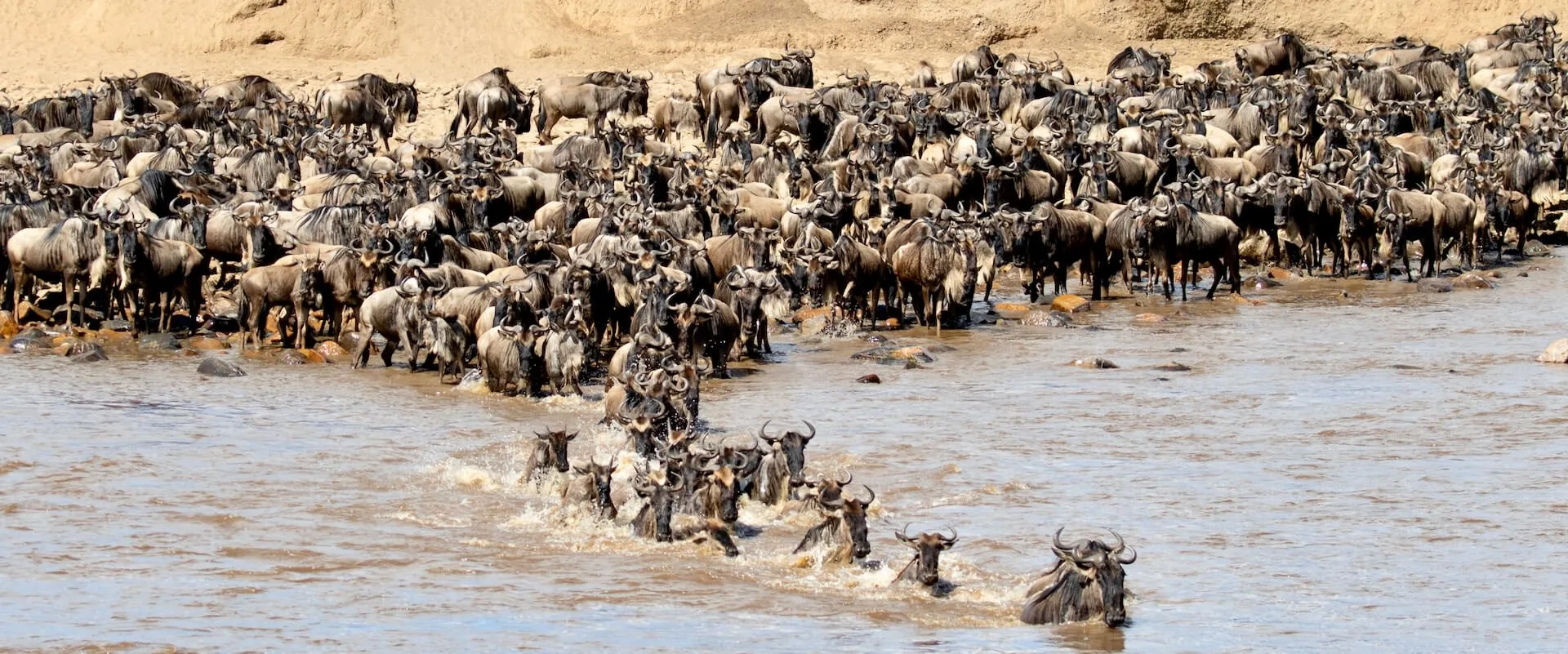
The Great Migration in Africa happens all year because the herds continuously circulate through the Serengeti–Mara ecosystem in…
Read article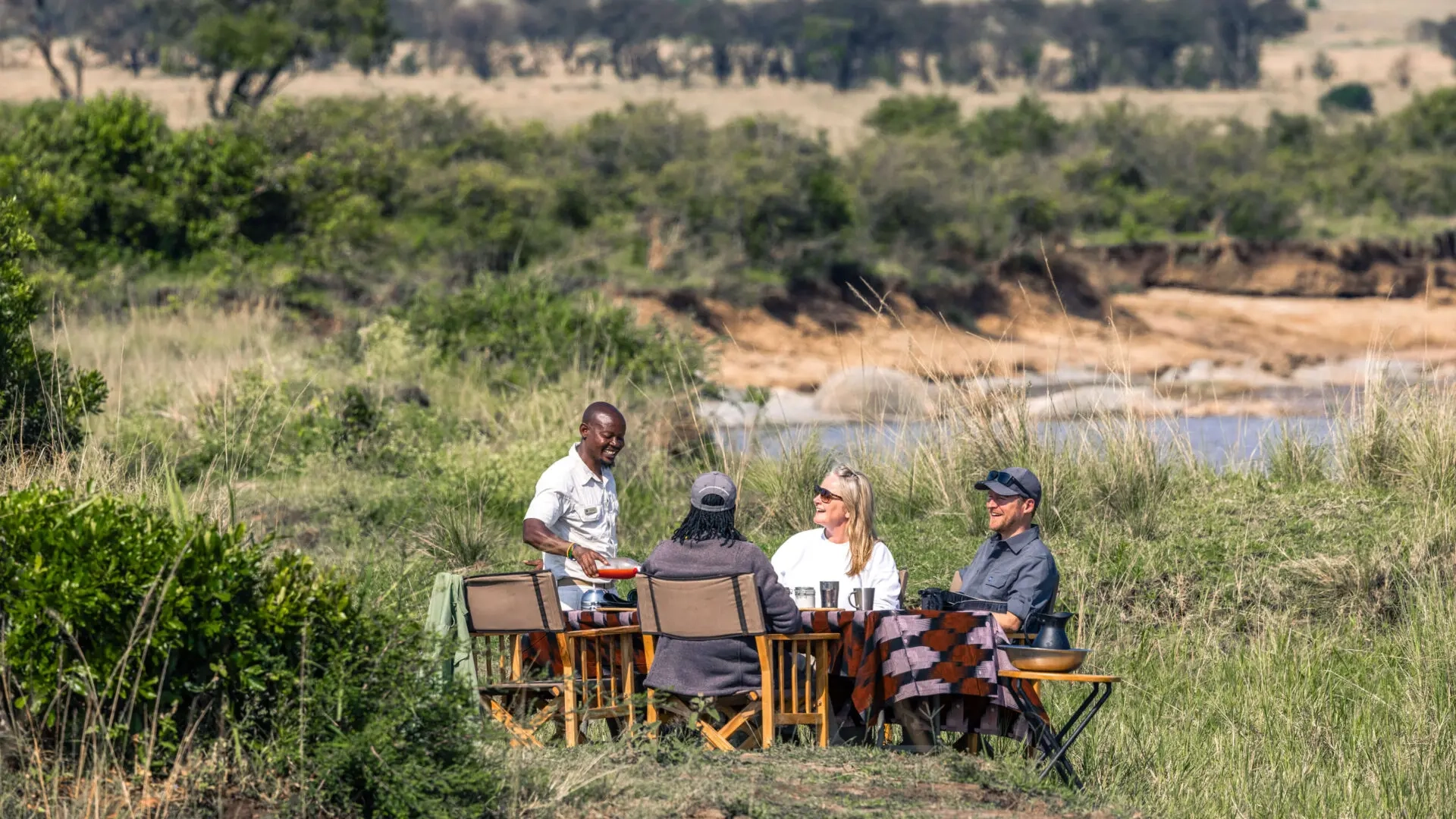
Definitive answer: A picnic lunch on safari is a packed or catered midday meal eaten at an approved…
Read article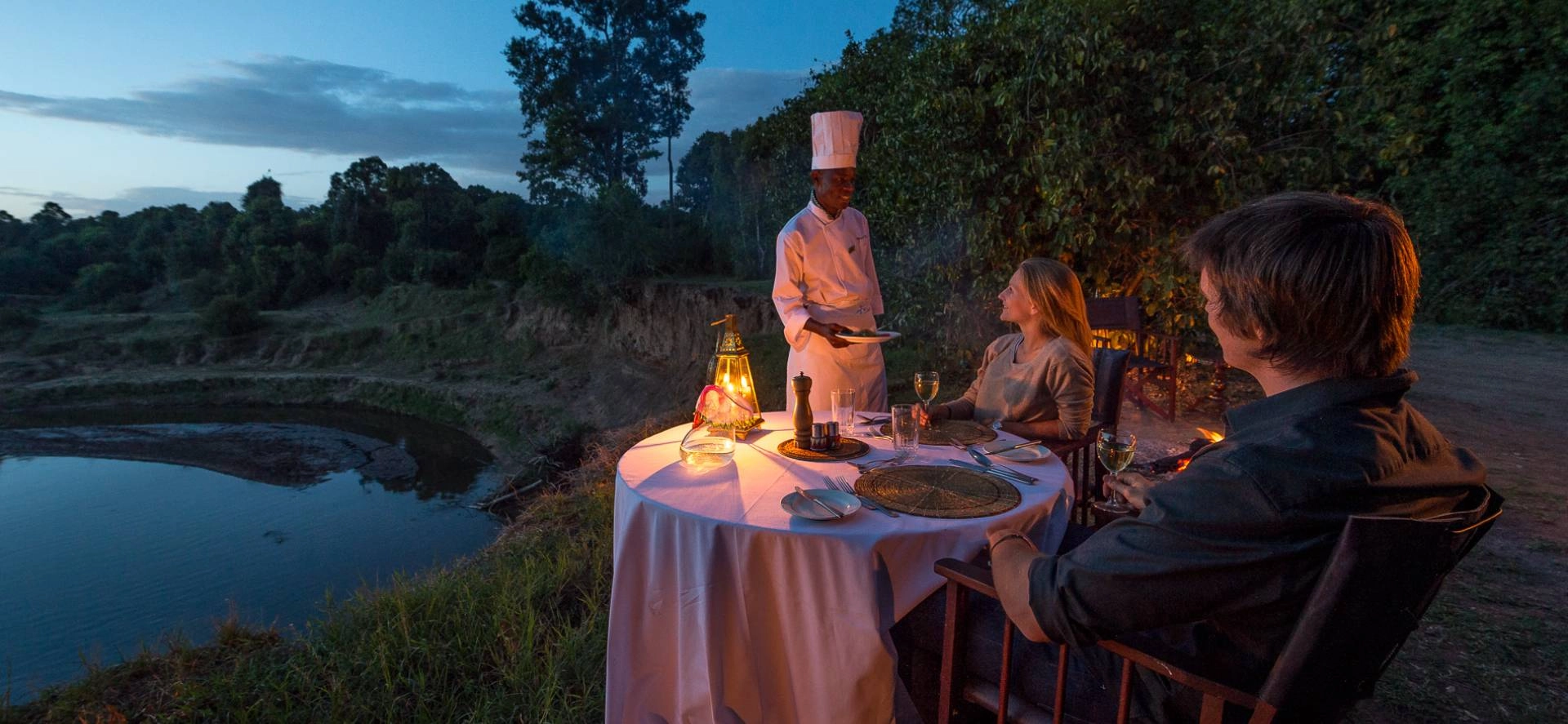
Definitive answer: A bush dinner is an outdoor evening meal arranged in a safe safari setting away from…
Read articleLet us take you closer to the wildlife, people and places that make Africa extraordinary.
Plan Your Safari Today