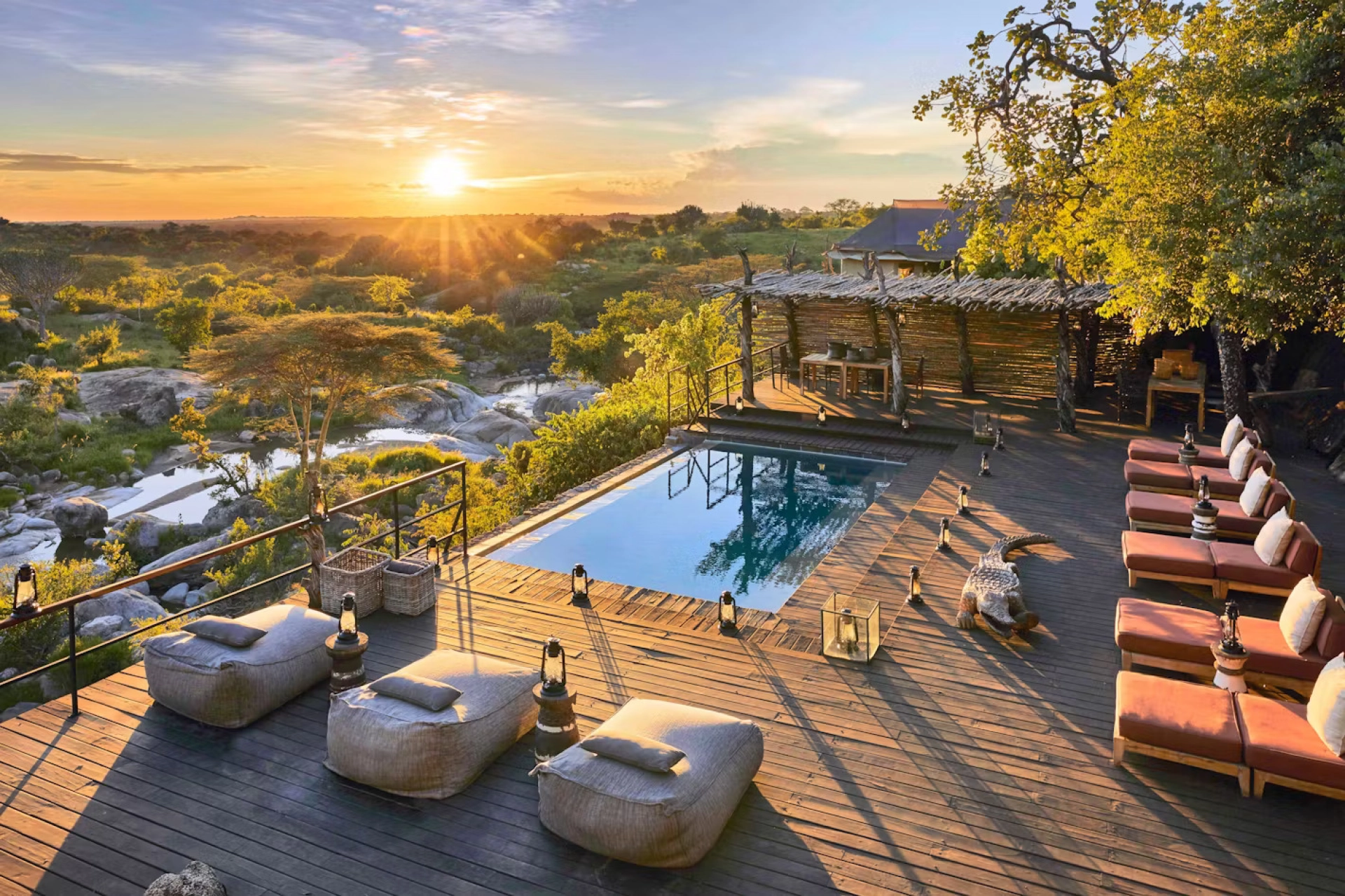
What should I look for when booking a luxury African safari?
When booking a luxury African safari, look beyond the room and compare the quality of guiding, wildlife location,…
Read article

Travel Guide
Africa's musical heritage is as diverse as the continent itself. From traditional drumming and centuries-old vocal traditions to Afrobeat, amapiano, jazz, reggae, hip-hop, electronic music and contemporary African pop, music is deeply woven into everyday life…
Africa’s musical heritage is as diverse as the continent itself. From traditional drumming and centuries-old vocal traditions to Afrobeat, amapiano, jazz, reggae, hip-hop, electronic music and contemporary African pop, music is deeply woven into everyday life across many African societies. For travelers, attending one of the best music festivals in Africa can therefore offer far more than several nights of concerts. It can become a gateway into the culture, history, food, fashion and creative identity of a destination.
An African music festival holiday can also transform the structure of a safari. Instead of flying into a country, completing a standard wildlife itinerary and immediately leaving, travelers can build their journey around a cultural event. You might trek mountain gorillas in Uganda before attending a festival beside the Nile, explore Stone Town and the beaches of Zanzibar around an East African music celebration, combine Cape Town with one of South Africa’s major music events or add a Malawian festival to a wider safari through southern Africa.
That combination is particularly valuable because Africa’s greatest travel experiences are not limited to wildlife. African safari holidays, historic cities, food, cultural experiences, beaches, mountains and live music can all form part of the same journey. Festival dates, venues and programs can change from year to year, so travelers should always confirm the latest edition directly with organizers before arranging flights. But the events and destinations below illustrate why music lovers should consider building at least one future African trip around live performance.
For international visitors, festivals provide an unusually concentrated introduction to contemporary African creativity. Travelers sometimes arrive with an image of Africa defined primarily by national parks, traditional villages and wildlife. Those elements remain important, but modern African cities and communities are also centers of design, fashion, film, electronic music, jazz, photography, dance and youth culture. A major African musical festival brings many of these forms together. The audience itself becomes part of the experience. Festivals frequently attract visitors from neighboring countries, members of the African diaspora and international travelers who might never meet during a conventional safari.
Food stalls introduce regional dishes. Craft markets showcase locally produced clothing and art. Performances may shift between indigenous instruments and cutting-edge electronic production within the same evening. For photographers and cultural travelers, the result can be every bit as memorable as a wildlife safari.
One of the greatest advantages of festival travel in Africa is the opportunity to combine music with wildlife. East Africa is particularly strong for this. A traveler attending a festival in Tanzania could also explore Serengeti National Park, Ngorongoro Crater or Zanzibar. Visitors traveling through Uganda can combine cultural events with gorilla trekking in Bwindi Impenetrable National Park, chimpanzee trekking in Kibale or game viewing in Queen Elizabeth National Park.
South Africa offers another outstanding combination. Cape Town’s festivals can be followed by a safari in Kruger National Park or one of the country’s private reserves. Malawi can be combined with Zambia, Zimbabwe or even southern Tanzania depending on available time. For travelers coming from Europe or North America, this approach makes sense financially as well. Long-haul airfare becomes easier to justify when a festival forms part of a larger two- or three-week African holiday.
Among the most compelling African festivals for travelers is Sauti za Busara, associated with Zanzibar’s historic Stone Town. Few festival settings are more atmospheric. Stone Town is already one of East Africa’s most fascinating cultural destinations. Centuries of trade connecting Africa, Arabia, Persia, India and Europe shaped its architecture, language, food and music. Adding live African performance creates an even richer experience. Sauti za Busara has become particularly associated with music from Africa and the African diaspora rather than simply importing a mainstream international festival model.
Visitors may hear styles ranging from taarab and traditional regional music to Afro-fusion, hip-hop, reggae and contemporary African sounds. For travelers, the great attraction is that the festival can be incorporated easily into a broader Zanzibar holiday.
Set aside time beyond the performances to explore Stone Town properly. The historic center is a maze of narrow alleys, carved wooden doors, mosques, markets, old merchant houses and waterfront spaces. A guided walking tour can provide useful historical context, particularly regarding the Swahili coast, Indian Ocean trade and Zanzibar’s complex past. Food should also be part of the experience. Zanzibar’s cuisine incorporates African, Arab and Indian influences, and evenings around the waterfront can introduce visitors to numerous local dishes.
After several energetic nights in Stone Town, move to the coast. Nungwi and Kendwa provide classic beach experiences in northern Zanzibar, while Paje and Jambiani offer a different atmosphere along the southeast. This creates an excellent combination of music, culture and relaxation.
Zanzibar can be paired seamlessly with mainland Tanzania. An unforgettable itinerary might include Tarangire National Park, Ngorongoro Crater and Serengeti National Park before flying to Zanzibar. The resulting Tanzania safari and music festival holiday combines wildlife, culture and Indian Ocean beaches within a single trip.
Cape Town is already one of Africa’s great city destinations. Add a major jazz festival and the city becomes even more attractive to travelers interested in music. The Cape Town International Jazz Festival has long been associated with established international performers alongside important African musicians. Jazz in South Africa also carries deep historical significance. The country’s musical traditions developed through a complex mixture of African musical heritage, church music, American jazz influences and the lived experiences of communities affected by segregation and apartheid.
Exploring South African jazz therefore adds cultural depth to a Cape Town visit.
Music lovers should allocate several days beyond the festival. Table Mountain deserves time when weather conditions are favorable. The V&A Waterfront, Bo-Kaap, Cape Peninsula and Kirstenbosch Botanical Garden offer very different aspects of the city. A full-day excursion along Chapman’s Peak toward Cape Point and the Cape of Good Hope reveals the dramatic geography that makes Cape Town so exceptional. Travelers interested in South African history can also visit Robben Island when operating conditions allow.
Stellenbosch and Franschhoek are easily incorporated into a Cape Town itinerary. The Cape Winelands combine vineyards, mountain scenery, historic towns and highly regarded restaurants. One or two nights in wine country can provide a relaxing contrast to festival crowds.
Cape Town is not South Africa’s principal safari center, but flights connect it easily with major wildlife regions. A Cape Town and Kruger safari can therefore combine city culture and live music with a traditional Big Five safari. For first-time visitors to South Africa, this is one of the most varied itineraries available.
Few music festival settings can compete visually with the shores of Lake Malawi. Lake Malawi stretches across a substantial portion of the country and has sandy beaches, fishing communities and clear freshwater environments that sometimes feel surprisingly coastal. The famous Lake of Stars concept became internationally known for bringing Malawian and international performers together in a festival environment associated with the lake. For travelers, Malawi offers something different from Africa’s larger tourism destinations.
The country is relatively compact, culturally welcoming and easy to combine with neighboring safari regions.
Lake Malawi deserves several additional days. Travelers can swim, kayak, snorkel, visit lakeshore communities or simply relax beside the water. The lake’s cichlid fish diversity is globally significant and adds interest for snorkelers and nature travelers. Away from the lake, Malawi also contains mountains, tea-growing regions and wildlife reserves.
A Malawi trip can be combined with neighboring Zambia. South Luangwa National Park is one of southern Africa’s most respected safari destinations and is particularly famous for walking safaris. This creates a compelling Malawi festival and Zambia safari combination. Depending on route and available time, travelers can also connect toward other parts of southern Africa.
Uganda is best known internationally for mountain gorillas, chimpanzees and the source region of the Nile, but the country also has an energetic contemporary music scene. Nyege Nyege became internationally recognized for experimental African music, electronic sounds and performers representing both established and underground scenes. For music travelers, the event helps reveal a completely different image of Uganda from the one normally promoted through wildlife tourism. That makes it particularly interesting.
Eastern Uganda and the Nile corridor offer numerous adventure activities. Visitors can explore Jinja, long associated with the source of the Nile, and consider activities such as rafting, kayaking, boat excursions and riverside relaxation. The exact festival location and format should always be checked for the relevant year before travel plans are finalized.
For international visitors, the strongest reason to travel all the way to Uganda is the ability to combine music with world-class wildlife. A longer journey can continue southwest through the country. Kibale National Park offers chimpanzee trekking. Queen Elizabeth National Park provides game drives, scenic landscapes and boat safaris along the Kazinga Channel. The journey can then continue to Bwindi Impenetrable National Park for mountain gorilla trekking. Combining an internationally recognized contemporary music festival with a Uganda gorilla safari creates an itinerary that few conventional tour packages can match.
Uganda contains dozens of culturally distinct communities and numerous regional traditions. Visitors who have time should avoid limiting their experience to Kampala, Jinja and national parks. Community visits, local cuisine, craft markets and cultural performances can provide broader context for the country’s creative identity.
The small Kingdom of Eswatini has developed one of southern Africa’s best-known cultural festival environments. MTN Bushfire is associated with music, arts, social engagement and a distinctive festival atmosphere. Its setting allows travelers to experience a smaller southern African country that is frequently overlooked by visitors rushing between South Africa and Mozambique. Performances can span African music, global influences and multiple creative disciplines. The festival environment typically extends beyond a single stage, creating space for art, food and cultural interaction.
Eswatini’s relatively compact size makes travel manageable. Visitors can explore craft markets, cultural attractions and nature reserves before or after the festival. The country is also easily incorporated into a longer southern African road trip.
One of the most attractive options is pairing Eswatini with Kruger National Park. Kruger is among Africa’s most famous wildlife areas and offers excellent opportunities to see elephants, buffaloes, lions, leopards and rhinos. A route connecting Johannesburg, Kruger, Eswatini and perhaps KwaZulu-Natal can provide a remarkably diverse holiday. Travelers continuing toward Mozambique can even add an Indian Ocean beach extension.
AfrikaBurn is not a conventional music festival in the same sense as a jazz or world-music festival. Instead, it is an immersive temporary community built around art, participation, creativity and self-expression. The event takes place in an isolated desert environment and has become known for large-scale art installations, themed camps, performances and communal participation. For travelers considering AfrikaBurn, preparation is essential. This is not an event where visitors simply arrive at a comfortable urban venue, watch musicians and return to a hotel.
Participants need to understand the event’s principles, harsh environment, supplies and logistical expectations before attending.
It particularly suits adventurous travelers interested in alternative culture, visual art, electronic music and participatory experiences. Travelers seeking conventional resort comfort may prefer one of Africa’s more traditional festivals.
Cape Town usually provides a useful gateway. Before or after the event, travelers can spend several days exploring Cape Town beaches, Table Mountain and the Cape Winelands. The contrast between a remote desert arts event and sophisticated Cape Town creates a memorable journey.
Morocco adds North African traditions to any discussion of the continent’s greatest music festivals. The coastal city of Essaouira is particularly associated with Gnaoua music. Gnaoua traditions combine spiritual, rhythmic and historical influences deeply connected with North and sub-Saharan Africa. The music’s distinctive percussion and bass-like guembri create a sound that travelers often recognize immediately after experiencing a live performance. The Essaouira Gnaoua and World Music Festival brings these traditions into dialogue with jazz, blues, world music and other genres.
The location adds enormously to the experience. Essaouira’s old medina, Atlantic Ocean, historic fortifications, fishing harbor and whitewashed streets create an atmospheric setting. Visitors can spend mornings exploring the town before evening performances.
A longer Morocco itinerary can include Marrakech, the Atlas Mountains and desert landscapes. Although Morocco does not offer a classic East African wildlife safari, it provides a completely different African travel experience focused on history, architecture, cuisine and landscape. For travelers interested primarily in African culture and music, it belongs firmly on the list.
Another major Moroccan musical event is Mawazine, associated with the capital, Rabat. Its identity is different from Essaouira’s more culturally focused Gnaoua festival. Mawazine has historically featured a combination of major international performers, Arab music and African artists, creating one of the continent’s largest-scale urban music events. Travelers who enjoy big concerts may find it particularly attractive.
Rabat receives fewer international tourists than Marrakech but deserves attention. Historic sites, coastal scenery, gardens and the city’s modern administrative role provide a useful introduction to contemporary Morocco. Visitors can also travel easily toward Casablanca, Fez and other Moroccan destinations. Combining several cities produces a far richer experience than attending the festival alone.
Mali has made an enormous contribution to world music. Artists from the country’s desert regions helped bring Tuareg and Saharan musical traditions to international audiences. The legendary Festival au Désert became an important symbol of this musical culture, historically drawing artists and visitors to northern Mali. Security conditions have significantly affected festival travel in parts of the Sahel over the years, however. Travelers should never treat an older festival recommendation as sufficient reason to enter a region without checking current official travel advice and the event’s current format and location.
The wider lesson remains important: some of the world’s most influential African music has emerged from Mali and the Sahara. Travelers interested in African music should learn about artists and musical traditions from this region even when conditions do not allow conventional festival tourism. This also illustrates why African festival travel requires flexible planning. Events can move, pause or change format as political, environmental and security circumstances evolve.
Few individuals have influenced modern African music as profoundly as Fela Aníkúlápó Kuti. His development of Afrobeat blended West African rhythms, jazz, funk, percussion and political commentary into a sound that became internationally influential. Felabration celebrates Fela’s legacy and the wider culture surrounding Afrobeat. For travelers interested in contemporary African music, Lagos is an extraordinary destination in its own right. Nigeria’s largest city is intense, creative and culturally influential.
Music, fashion, film and nightlife all form part of its identity.
Visitors interested in Fela’s legacy can learn more about his life and the development of Afrobeat through Lagos cultural sites and venues. The experience becomes far richer when travelers understand the political and social environment that shaped the music.
Lagos is not a conventional leisure destination and can feel overwhelming to first-time visitors. Good local planning, reliable transportation and realistic expectations are important. For experienced travelers interested in West African culture, however, the city’s energy can be fascinating.
East Africa’s jazz and contemporary live-music scene extends well beyond any single event. Nairobi has become one of the region’s major creative capitals, with live music, restaurants, art spaces and cultural events creating opportunities for travelers to add music to a Kenya safari. Festival branding, schedules and formats can change, so visitors should confirm the specific event calendar for their travel year. The broader principle remains useful: Nairobi music festivals and live music events can provide an excellent cultural beginning or ending to a Kenya safari.
Nairobi is one of Africa’s most useful safari gateways. From the city, travelers can continue to Masai Mara National Reserve, Amboseli National Park, Samburu or Lake Nakuru. Nairobi National Park even allows wildlife viewing remarkably close to the capital. A traveler interested in music could therefore spend several days exploring Nairobi’s creative scene before flying into the Masai Mara. This combination demonstrates why festivals should not be treated as isolated events.
They can become the cultural foundation of a much larger African journey.
Festival dates will not work for every traveler. Fortunately, Africa’s musical culture is accessible throughout the year. Live music venues in Cape Town, Johannesburg, Nairobi, Kampala, Lagos, Accra, Dakar, Stone Town and numerous other cities allow visitors to experience musicians outside large festivals. Cultural centers, hotels and community organizations may also organize performances. Traditional music experiences can be found in rural communities as well, although these should be approached respectfully.
Travelers should avoid treating cultural performances simply as entertainment detached from local meaning. A knowledgeable guide can help explain the role of music in ceremonies, storytelling, spirituality and community identity.
Different countries appeal to different musical interests. South Africa is exceptional for jazz, gospel, amapiano, house music and a wide variety of contemporary genres. Nigeria has had enormous international influence through Afrobeat and modern Afrobeats. Ghana contributed significantly to highlife and continues to maintain a vibrant contemporary scene. Mali is globally renowned for desert blues and traditional musical lineages. Senegal is associated with mbalax and a powerful West African musical culture.
Tanzania and Zanzibar offer taarab, contemporary East African music and Swahili influences. Uganda has an increasingly diverse electronic and alternative music scene alongside numerous traditional regional styles. A music-focused traveler could easily spend several separate trips exploring the continent.
Music festivals can generate important economic benefits for destinations. Visitors spend money on accommodation, transportation, restaurants, guides, crafts and other local services. They may also encourage preservation and reinterpretation of musical traditions. However, rapid festival growth can create challenges. Overcrowding, waste, cultural commodification and unequal economic benefits can reduce positive impacts. Responsible travelers should therefore consider where their money goes. Locally owned accommodation, local guides, independent restaurants and community businesses can help distribute tourism spending beyond large international companies.
Begin with the festival’s confirmed dates. Do not book expensive non-refundable flights based solely on dates from an older blog post. African festival calendars can change. Once the dates are confirmed, build the rest of the itinerary around the event rather than squeezing the festival awkwardly between distant destinations. Allow arrival time before the first major performance. Long-haul delays can happen, and beginning a trip with a missed festival night is frustrating.
Also allow recovery time afterward. Several late nights followed immediately by a sunrise safari departure may sound adventurous but can quickly become exhausting.
Major festivals may sell out particular ticket categories. Book early when the event is central to your trip. Accommodation near festival venues can also become scarce. However, staying immediately beside the venue is not always necessary. Sometimes quieter accommodation slightly farther away produces a better overall experience, provided reliable transport is available. Travelers should understand how they will return to their hotel after evening performances before choosing where to stay.
Packing depends heavily on destination and season. For urban festivals, normal comfortable travel clothing may be sufficient. Outdoor events require greater preparation. Sun protection is essential for daytime festivals. A reusable water bottle, where allowed and practical, can be useful. Comfortable closed or supportive footwear is usually better than fashionable shoes. A light rain jacket may be worthwhile depending on season. For desert events, visitors need protection from intense sun, dust and potentially cold nighttime temperatures.
Keep valuables secure in crowded environments. Travelers combining the festival with safari should pack practical neutral clothing separately from their festival wardrobe.
The same common-sense precautions used at major events elsewhere apply. Avoid displaying unnecessary valuables. Keep phones and wallets secure in crowds. Use reliable transportation at night. Follow event instructions and local guidance. Know how you will return to your accommodation before drinking alcohol. International travelers should also check destination-specific health and entry requirements well before departure. For remote events, preparation becomes even more important.
For a first African festival holiday, Zanzibar can be especially appealing because Stone Town, beaches and safari connections make the trip easy to expand. Cape Town is similarly accessible for travelers who want sophisticated city infrastructure. Uganda is outstanding for people who want to combine modern African music with gorilla trekking. Malawi appeals strongly to adventurous travelers attracted by lakeside scenery. There is no single best choice. The ideal festival depends on the type of music, travel comfort, wildlife experiences and destination culture that interest you.
For Adventure in the Wild Safaris travelers, one particularly exciting possibility is combining live music with a Uganda gorilla safari. A journey can begin around Kampala or Jinja before heading west. Chimpanzee trekking in Kibale Forest National Park can introduce travelers to Uganda’s primates. Game viewing in Queen Elizabeth National Park adds savannah wildlife. Bwindi then delivers the climax: trekking through rainforest to encounter a habituated mountain gorilla family. Afterward, travelers can continue toward Lake Bunyonyi or Rwanda depending on the itinerary.
It is a journey that demonstrates the extraordinary diversity of African travel. Music, culture, primates, savannah wildlife and rainforest can all fit into one holiday.
Couples looking for unconventional honeymoon ideas can also combine festivals with safari. A Tanzania trip might feature Serengeti, Ngorongoro, Zanzibar and live music. A South African honeymoon could combine Cape Town, a jazz event, the Winelands and Kruger. An adventurous Uganda honeymoon could mix gorilla trekking with contemporary East African culture. This is particularly appealing to couples who want experiences rather than a conventional resort-only honeymoon.
The greatest mistake would be flying thousands of kilometers, attending a festival and leaving without exploring the destination. African festivals are most rewarding when they act as gateways. Listen to music in Stone Town, but also explore Zanzibar’s history and beaches. Attend live jazz in Cape Town, then visit the Winelands and go on safari. Experience contemporary sounds in Uganda, then trek gorillas. Visit Malawi for music, but also spend time beside Lake Malawi and consider extending into Zambia.
By building a larger journey around these 11 must do African music festivals, travelers gain something deeper than concert memories. They experience how modern creativity, traditional culture, landscape and wildlife interact across one of the world’s most diverse continents. At Adventure in the Wild Safaris, festival travel can be incorporated into customized journeys through Uganda, Rwanda, Kenya, Tanzania, South Africa and other African destinations. Whether your priority is an African music festival and safari, a gorilla trekking adventure, a beach holiday or a multi-country cultural journey, the strongest itinerary is one that treats music as part of Africa’s living culture rather than an isolated attraction.
For music lovers, Africa is not simply somewhere to visit. It is somewhere to listen.

Share This Article
When booking a luxury African safari, look beyond the room and compare the quality of guiding, wildlife location,…
Read article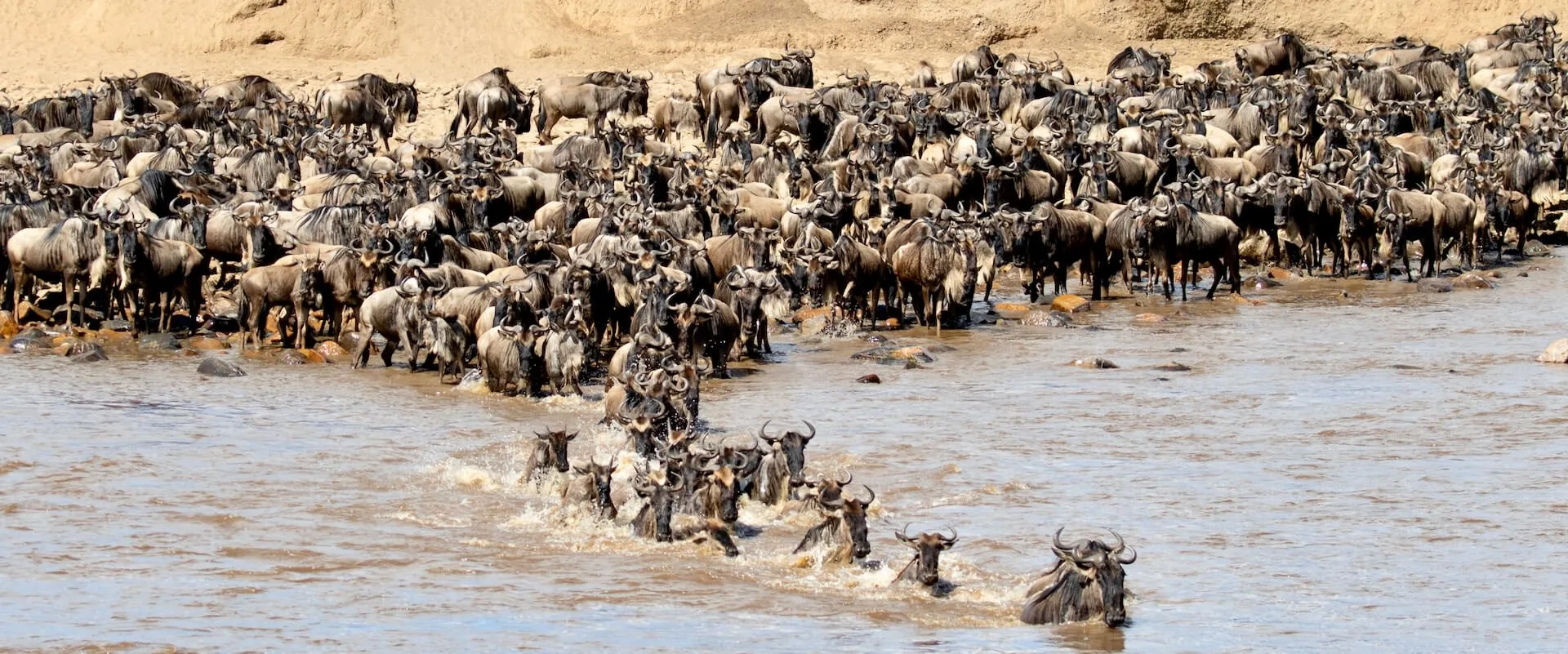
The Great Migration in Africa happens all year because the herds continuously circulate through the Serengeti–Mara ecosystem in…
Read article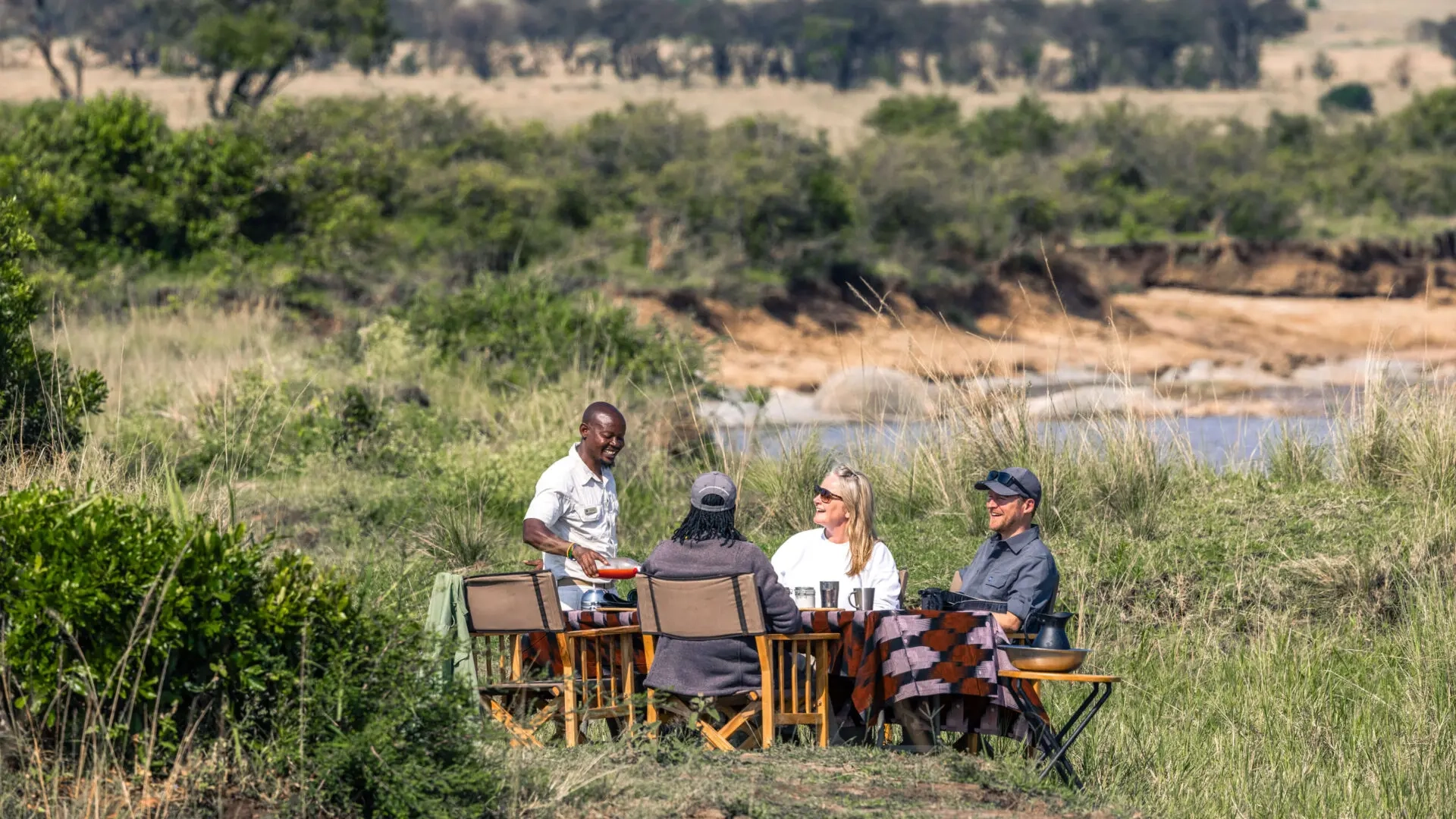
Definitive answer: A picnic lunch on safari is a packed or catered midday meal eaten at an approved…
Read article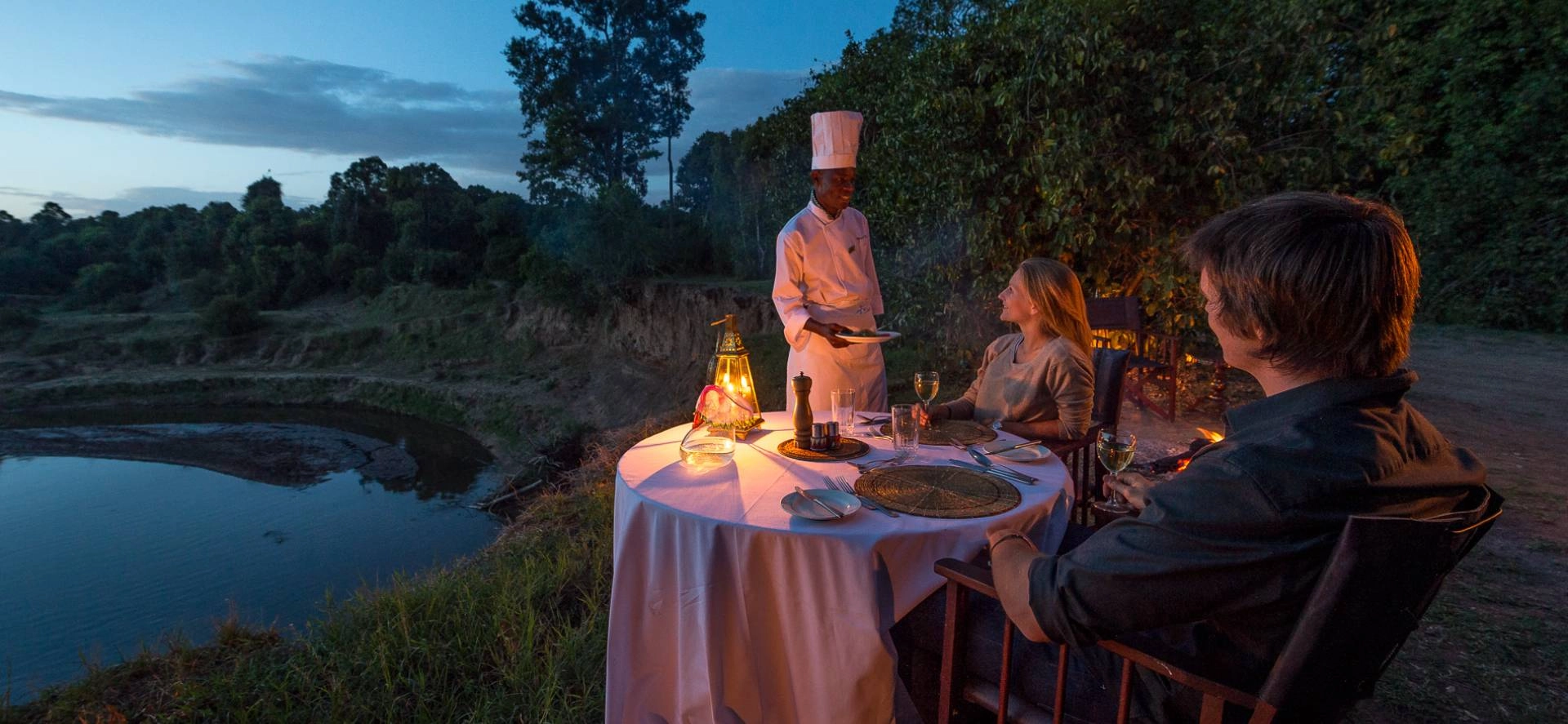
Definitive answer: A bush dinner is an outdoor evening meal arranged in a safe safari setting away from…
Read articleLet us take you closer to the wildlife, people and places that make Africa extraordinary.
Plan Your Safari Today