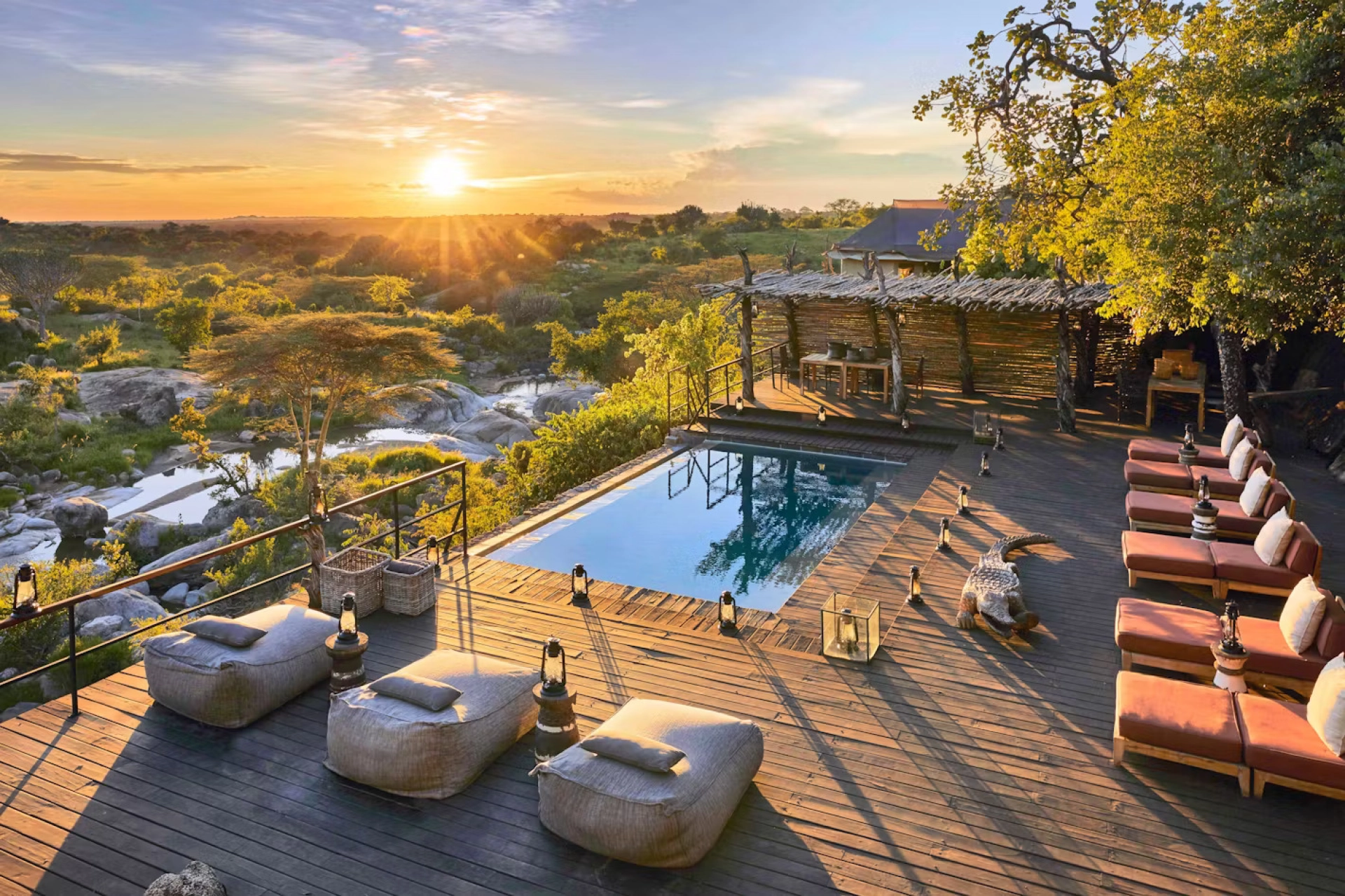
What should I look for when booking a luxury African safari?
When booking a luxury African safari, look beyond the room and compare the quality of guiding, wildlife location,…
Read article

Travel Guide
Uganda is one of those African destinations that becomes more impressive the more closely you examine it. At first, most international travelers know only one thing: Mountain gorillas. And that reputation is understandable. Walking through the…
Uganda is one of those African destinations that becomes more impressive the more closely you examine it. At first, most international travelers know only one thing: Mountain gorillas. And that reputation is understandable. Walking through the ancient rainforest of Bwindi Impenetrable National Park and eventually standing a few meters from a mountain gorilla family can become one of the most powerful wildlife encounters anywhere on Earth. But gorilla trekking is only the beginning.
Uganda contains tropical rainforest, savannah, volcanic mountains, enormous lakes, the Nile River, wetlands, waterfalls and snow-capped equatorial peaks. You can track chimpanzees in the morning and watch elephants crossing savannah several days later. You can cruise beside hippos on the Kazinga Channel. You can watch the Nile explode through the narrow gorge at Murchison Falls. You can walk among zebras in Lake Mburo. You can climb volcanoes, hike the Rwenzori Mountains, search for shoebills, visit communities and explore some of Africa’s most biologically diverse landscapes.
Uganda Wildlife Authority currently manages ten national parks, including Bwindi Impenetrable, Mgahinga Gorilla, Kibale, Queen Elizabeth, Murchison Falls, Lake Mburo, Kidepo Valley, Rwenzori Mountains, Mount Elgon and Semuliki National Parks. That variety is why Uganda deserves to be viewed as a complete safari destination rather than simply a place to trek gorillas. If this is your first journey to the Pearl of Africa, these five experiences provide an outstanding introduction.
If there is one experience that defines Uganda wildlife tourism, it is gorilla trekking in Bwindi Impenetrable National Park. Few wildlife encounters compare. A conventional safari usually happens from a vehicle. You watch lions from several meters away. Elephants cross roads. Giraffes move through grassland. Gorilla trekking is different. You enter the forest on foot. There is no vehicle. No open savannah. No guarantee that the animals will be visible from far away.
Instead, the experience begins with uncertainty. You walk. You climb. You follow guides. You listen. Then somewhere inside dense vegetation, the forest suddenly becomes quieter. Your guide gestures. A dark shape moves. And a mountain gorilla appears.
Bwindi Impenetrable Forest is not merely a gorilla habitat. It is an ancient tropical forest with exceptional biodiversity. Steep hills rise beneath layers of vegetation. Vines hang between trees. Bird calls echo through the canopy. Mist can settle across the valleys. The environment itself creates a sense of exploration. Uganda Wildlife Authority identifies Bwindi among the country’s protected national parks and highlights Uganda’s globally significant mountain gorilla population. For travelers, however, statistics become almost irrelevant once the trek begins. The emotional impact comes from proximity.
A typical Uganda gorilla trekking experience begins with a morning briefing. Visitors are placed into trekking groups. Professional ranger guides explain forest rules and expected behavior. You then enter the forest with guides and trackers. The duration is unpredictable. Gorillas move naturally. A family may be relatively close. Or the trek may require several hours. This unpredictability makes the experience authentic. You are not visiting animals in a fixed enclosure. You are searching for wild primates within a living forest.
When trackers locate the gorillas, everything changes. Backpacks may be left with porters. Cameras come out. Voices become quiet. Then you move closer under ranger direction. The normal gorilla tracking experience allows a maximum regulated viewing period once the gorillas are reached; Uganda Wildlife Authority’s published management guidelines specify up to one hour for standard gorilla tracking. One hour can pass incredibly quickly. A silverback may sit quietly feeding. Females care for infants. Juveniles climb vegetation. Youngsters wrestle. Sometimes gorillas barely acknowledge human visitors. That indifference can make the experience feel even more extraordinary.
For many travelers, seeing the silverback creates the strongest impression. Photographs do not communicate scale properly. The shoulders. Arms. Hands. Head. Physical presence. Yet despite the enormous power, habituated gorillas often behave calmly around carefully managed visitor groups. The experience becomes less about fear and more about recognition. You are watching another primate. Expressions sometimes appear surprisingly familiar.
It can be. Bwindi terrain varies significantly. Some trekking areas involve steep slopes. Rain can make forest trails slippery. Vegetation can be dense. Other treks are relatively manageable. Because gorilla families move, nobody can guarantee an easy route. Travelers should arrive with realistic expectations. Fitness helps. Good footwear helps. A porter helps enormously.
One of the simplest ways to improve a Bwindi gorilla trek is hiring a porter. A porter carries your backpack, water and camera equipment. They may also provide a steady hand on steep terrain. This allows you to concentrate on the forest rather than the weight on your shoulders. Porter employment also directs tourism income toward communities surrounding Bwindi. Even physically fit travelers should consider hiring one.
Bwindi is divided into different trekking areas. These include well-known regions such as Buhoma, Ruhija, Rushaga and Nkuringo. The best sector depends on the overall itinerary. Where are you coming from? Where are you staying? Are you arriving from Kigali? Are you continuing toward Queen Elizabeth National Park? These logistics matter. A good Uganda gorilla safari itinerary should select accommodation and trekking sector together rather than treating them as separate decisions.
For travelers arriving from Rwanda, southern Bwindi sectors can work particularly well depending on routing and permit availability. This is one reason Kigali to Bwindi gorilla safaris have become popular. The road journey can be more efficient for certain short gorilla itineraries than beginning in central Uganda.
Some visitors want a longer gorilla experience. Uganda also operates a Gorilla Habituation Experience under designated arrangements. UWA guidelines distinguish standard tracking from habituation and allow a longer maximum viewing period for habituation experiences. The experience is different. Habituation involves gorillas still becoming accustomed to controlled human presence. Availability is limited. Travelers should reserve well in advance.
Wear practical hiking clothing. Long trousers. Long sleeves. Strong hiking shoes. Rain protection. Gardening gloves can be useful when holding vegetation. Gaiters can help in muddy conditions. Carry water. Take only equipment you are comfortable carrying through forest—or give the bag to your porter. Do not overpack.
Uganda contains many extraordinary experiences.
But if you ask most visitors what they remember years later, gorillas are often the first answer. That is why Bwindi gorilla trekking deserves the first position on any list of the best things to do in Uganda.
Mountain gorillas receive more international attention. Chimpanzees provide a completely different primate experience. Kibale National Park is one of Uganda’s premier chimpanzee destinations and a central stop on many Uganda primate safaris. The forest feels different from Bwindi. Chimpanzees behave differently from gorillas. The pace is different. That is why travelers should experience both whenever time allows.
Gorillas often move relatively slowly. They spend substantial time feeding. Once a family is located, observation can feel calm. Chimpanzees can be much more dynamic. They move quickly. They climb high into trees. They vocalize. They chase. They interact loudly. A quiet forest can suddenly erupt with screams and calls. One moment the chimpanzees are on the ground. The next they are moving through the canopy. Photographers quickly discover that chimpanzee tracking is not simply gorilla trekking with a smaller primate.
Kibale is internationally famous for primates. In addition to chimpanzees, the wider forest ecosystem supports several monkey species and extraordinary birdlife. This makes Kibale Forest safaris particularly valuable for travelers interested in ecology rather than only one flagship animal. Uganda Wildlife Authority currently identifies habituated chimpanzee tracking locations within Kibale and Queen Elizabeth Conservation Area, including Kanyanchu and other designated entry points.
The experience begins with briefing. Visitors enter the forest with trained guides. Guides listen constantly. Chimpanzees reveal themselves through sound. Calls can travel enormous distances. Guides also search for nests, feeding signs and movement. Eventually, the forest may come alive. A chimpanzee appears. Then another. And another. Standard chimpanzee tracking currently permits a regulated maximum viewing period once the primates are encountered.
Chimpanzees share complex social relationships. Males establish hierarchies. Individuals form alliances. Mothers care for offspring. Youngsters play. Groups communicate through vocalizations, gestures and physical interaction. Watching them can feel remarkably familiar. This is one reason Uganda chimpanzee trekking becomes far more emotionally engaging than many travelers expect.
Travelers who want deeper observation may consider a chimpanzee habituation experience where available. These experiences provide longer engagement with researchers, trackers and chimpanzees undergoing habituation. UWA guidelines allow longer maximum viewing periods for formal habituation experiences than for standard tracking. This is especially rewarding for serious primate enthusiasts and photographers.
A Kibale visit can also be combined with Bigodi Wetland Sanctuary and surrounding community experiences. This adds birding, monkeys, wetlands and local community tourism. For travelers spending two nights around Kibale, combining chimpanzee trekking with Bigodi creates a fuller experience than immediately leaving after the chimp trek.
Two nights is a useful minimum. Arrive. Sleep. Track chimpanzees the following day. Add Bigodi or another activity depending on timing. Then continue toward Queen Elizabeth National Park. Three nights provides a slower experience.
One of Uganda’s great strengths is how naturally destinations connect. After Kibale chimpanzee trekking, travelers can drive toward Queen Elizabeth National Park. The journey transitions from lush forest landscapes to the savannah and crater regions of western Uganda. That change in ecosystem is one of the pleasures of a longer Uganda safari tour.
If gorillas and chimpanzees represent Uganda’s forests, Queen Elizabeth National Park introduces travelers to the country’s classic savannah safari. This is where the Uganda experience expands. Suddenly you are searching for elephants. Buffaloes. Lions. Antelopes. Warthogs. Hippos. Leopards if fortune is on your side. And hundreds of bird species. Queen Elizabeth is one of the most important destinations for travelers wanting to combine Uganda primate trekking and traditional African safari wildlife.
Geography helps.
The park sits naturally between Kibale and the gorilla regions of southwestern Uganda. A classic route might therefore include: Kibale National Park Queen Elizabeth National Park Bwindi Impenetrable National Park This creates three completely different wildlife experiences within a relatively logical road itinerary. Chimpanzees. Savannah wildlife. Mountain gorillas. That combination is one of Uganda’s strongest competitive advantages as an African safari destination.
Early-morning game drives provide opportunities to search for predators and herbivores. The exact wildlife seen varies. Safari is never guaranteed. But common possibilities include elephants, Uganda kob, buffaloes, warthogs, waterbuck and other antelopes. Lions remain one of the most desired sightings. The park’s varied habitats create beautiful safari scenery even between major animal encounters.
Lions may rest for hours. During warm periods, they conserve energy. Morning game drives are therefore particularly valuable. A guide looks for more than lions. They look for clues. Kob suddenly staring. Vultures descending. Fresh tracks. Alarm calls. Other vehicles stopping. A safari guide turns the landscape into information.
Southern Queen Elizabeth’s Ishasha sector is famous for lions that are regularly observed resting in trees. Tree-climbing behavior is one of the park’s best-known wildlife attractions. However, visitors should not expect lions in trees every day. These are wild animals. Sometimes they rest on the ground. Sometimes they are hidden. Sometimes they are elsewhere entirely. A good safari appreciates the whole ecosystem rather than treating tree-climbing lions as a guaranteed performance.
One of the greatest experiences in Queen Elizabeth National Park is the Kazinga Channel boat safari. The channel links Lake George and Lake Edward. Wildlife often gathers along the banks. Hippos. Crocodiles. Buffaloes. Elephants. Waterbirds. Fishing communities may also be visible around parts of the wider landscape. UWA’s published conservation tariff includes launch trips as an established activity in Queen Elizabeth National Park.
Game drives require animals to be close enough to roads. The boat changes the perspective. You travel through the animals’ water environment. Hippos become a central part of the experience. Elephants may come down to drink. Buffaloes cool near the water. Birdlife becomes exceptional. For photographers, the boat can produce some of the best wildlife opportunities of the entire safari.
Birders should allow extra time. Wetlands, savannah, lakes and woodland create enormous diversity. Even travelers who arrive with little interest in birds often leave knowing far more species than expected. Uganda is one of Africa’s premier birding destinations, and Queen Elizabeth is an important part of that appeal.
Two nights provides a useful introduction. Three nights gives better flexibility. A longer stay is worthwhile if including Ishasha, predator-focused activities, birding or slower exploration. Do not try to see every corner of the park in one day.
If there is one Ugandan destination that combines scenery and wildlife on an epic scale, it is Murchison Falls National Park. The park takes its name from the extraordinary point where the Nile is forced through a narrow rocky gap before plunging powerfully downstream. The falls are not simply beautiful. They feel violent. Water compresses. Noise increases. Spray rises. The river that appears broad elsewhere suddenly becomes concentrated into an enormous force. This landscape is one of the top natural attractions in Uganda.
The surrounding national park provides a major savannah wildlife experience. Visitors may encounter: Elephants. Giraffes. Buffaloes. Lions. Jackson’s hartebeest. Oribi. Warthogs. Hippos. Crocodiles. Numerous bird species. This combination makes a Murchison Falls safari particularly attractive to first-time Uganda visitors.
Much of the classic game viewing takes place across savannah landscapes north of the river. Early-morning drives can be particularly productive. Giraffes are one of the visual symbols of Murchison. Seeing them walking across open savannah is very different from seeing gorillas in Bwindi or chimpanzees in Kibale. That contrast is why longer Uganda itineraries are so rewarding.
A Murchison Falls boat safari is one of Uganda’s signature wildlife activities. Boats travel along the Nile toward the base of the falls. Along the way, travelers can encounter hippos, crocodiles, elephants, buffaloes and numerous birds. UWA currently lists launch trips to the bottom of the falls among the park’s formal visitor activities. The climax is approaching the waterfall itself. From the river, travelers understand the scale and power of the landscape differently.
Viewing the falls from above provides another perspective.
Here you can see how the Nile compresses before dropping. The noise is enormous. Water surges through rock. Spray fills the air. A well-designed Uganda safari itinerary should ideally experience the falls both from the river and from above where routing allows.
Many road itineraries between Kampala or Entebbe and Murchison incorporate a rhino conservation stop depending on route and current operating arrangements. This allows travelers to add rhinoceros experiences to a journey already containing elephants, lions and buffaloes. The result brings visitors closer to completing the traditional Big Five safari in Uganda, although leopard sightings remain unpredictable.
Landscape photographers love the waterfall. Wildlife photographers love the river and savannah. Bird photographers have extraordinary diversity. A telephoto lens works well for animals. A wider lens is valuable at the falls. Do not make the mistake of carrying only a super-telephoto setup. Uganda’s landscapes deserve equal attention.
Two nights can work for a compact visit. Three nights provides more time for game drives, boat experiences and the waterfall. Travelers continuing into northern Uganda may spend longer.
The fifth experience is deliberately different. Uganda’s greatest strength is variety. So rather than recommending another conventional vehicle safari, consider Lake Mburo National Park. Lake Mburo is smaller than Murchison Falls or Queen Elizabeth. But what it lacks in scale it compensates for with activity variety. Here travelers can experience wildlife in ways that are difficult or unavailable in many larger East African parks. Walking. Cycling where offered. Horseback riding from appropriate operators. Boat activities. Game drives. This makes Lake Mburo safari experiences particularly appealing to active travelers.
Walking changes the relationship with wildlife. From a safari vehicle, zebras can feel ordinary after several days. On foot, they feel completely different. There is no vehicle body around you. You notice distance. Wind direction. Footprints. Sounds. Your guide controls the route and interprets the landscape. A Lake Mburo walking safari is not about approaching dangerous wildlife carelessly. It is about experiencing the bush at human pace.
Zebras are strongly associated with Lake Mburo. Their black-and-white patterns look especially beautiful in grassland. On foot or horseback, travelers can sometimes appreciate their social behavior differently than from a vehicle. This makes Lake Mburo a particularly good destination for photographers seeking environmental images.
A horseback safari in Uganda is one of Lake Mburo’s most distinctive experiences. Horses can approach some grazing wildlife in ways vehicles cannot. The rhythm is quieter. There is no engine. You hear hooves. Birds. Wind. The experience is immersive. Riding options should always match the participant’s experience level. Beginners should be honest about riding ability. Experienced riders can discuss appropriate routes with the operator.
Lake Mburo lies conveniently on common road routes between southwestern Uganda and Entebbe or Kampala. This makes it an excellent final safari stop after Bwindi. Rather than driving directly from the gorilla region to Entebbe in one long day, travelers can break the journey. Spend the afternoon in Lake Mburo. Walk. Ride. Take a game drive. Sleep. Then continue toward Entebbe. The itinerary becomes less tiring and more interesting.
The park also offers water-based experiences. Lake landscapes attract hippos and birdlife. This provides another break from game drives. A broader Lake Mburo safari itinerary can therefore combine land and water within a short stay.
Families with older children may particularly enjoy the activity variety. After days inside safari vehicles, active experiences feel refreshing. Age restrictions can apply to specialist activities, so confirm these when booking.
Although this article focuses on five headline experiences, Uganda provides many more.
One deserves special mention: Golden monkey trekking in Mgahinga Gorilla National Park. Mgahinga is part of the Virunga volcanic region. Travelers can combine mountain gorillas, golden monkeys and volcano hiking. Uganda Wildlife Authority currently lists golden monkey tracking, golden monkey habituation and volcano climbing among Mgahinga’s visitor activities. For primate enthusiasts, this makes Mgahinga one of Uganda’s most interesting small national parks.
Adventure travelers can climb volcanic peaks in the Mgahinga region. Mount Gahinga Mount Sabyinyo Mount Muhabura These hikes add physical adventure to gorilla-focused itineraries. The views can be exceptional. The terrain can be demanding. A Uganda volcano hiking safari is particularly appealing to travelers who want more than wildlife viewing.
For serious hikers, the Rwenzori Mountains are one of Africa’s great trekking destinations. High-altitude vegetation becomes extraordinary. Giant lobelias. Giant groundsels. Boggy valleys. Rocky peaks. Glacial landscapes at the highest elevations. The Rwenzoris are not an easy alternative to Kilimanjaro. They are their own expedition. A multi-day Rwenzori Mountains trek deserves serious physical preparation.
Travelers with more time should consider Kidepo Valley National Park. Located in northeastern Uganda, Kidepo feels dramatically different from the country’s busier western safari circuit. Remote valleys. Mountains. Savannah. Low visitor density. For travelers searching for a remote Uganda safari, Kidepo deserves consideration. The challenge is distance. That remoteness is precisely what makes it special.
Uganda is one of the best countries for seeing the extraordinary shoebill. This enormous wetland bird has a prehistoric appearance. Wetlands near Entebbe and other Ugandan locations can provide opportunities. Birders often build entire itinerary sections around finding one. For non-birders, the shoebill frequently becomes the species that changes their attitude toward birdwatching.
Adventure tourism around the Nile provides another side of Uganda. Depending on current operating routes and conditions, activities around the Jinja region can include rafting and river experiences. This creates an excellent pre- or post-safari extension. Travelers can move from gorilla trekking and game drives into an entirely different style of adventure.
Many African destinations specialize strongly. Botswana is exceptional for premium wilderness. Kenya is famous for the Masai Mara. Tanzania for Serengeti and Ngorongoro. Rwanda for premium gorilla trekking. Uganda’s strength is combination. Within one country, travelers can experience: Mountain gorilla trekking Chimpanzee trekking Savannah game drives Boat safaris Walking safaris Horseback safaris Volcano hiking Mountain trekking Birding Community experiences Nile adventures That diversity makes the country particularly attractive for travelers spending ten days or longer.
A strong first-time route might include: Kibale National Park Queen Elizabeth National Park Bwindi Impenetrable National Park Lake Mburo National Park This gives travelers chimpanzees, savannah wildlife, a boat safari, mountain gorillas and active safari experiences. With more time, add Murchison Falls. With even more time, add Kidepo.
Seven days requires prioritization. A strong itinerary might focus on: Kibale chimpanzees. Queen Elizabeth wildlife. Bwindi gorillas. Trying to include Murchison as well can create too much driving. Quality matters more than counting parks.
Ten days provides much better flexibility. You can include: Murchison Falls. Kibale. Queen Elizabeth. Bwindi. Possibly Lake Mburo depending on pacing. This creates one of Uganda’s most complete road safari experiences.
Two weeks allows slow travel. You can spend multiple nights in each destination. Add birding. Community experiences. Lake Bunyonyi. Mgahinga. Lake Mburo. Or extend north toward Kidepo. This is where Uganda’s diversity becomes truly visible.
Not every Uganda safari needs to begin in Entebbe.
Short Uganda gorilla safaris from Kigali can be particularly convenient for southwestern routes. Travelers land in Rwanda and drive across the border toward Bwindi or Mgahinga depending on itinerary and current entry requirements. This works particularly well for two-, three- or four-day gorilla trips. Longer Uganda itineraries normally benefit from finishing or beginning in Entebbe when continuing through several parks.
Both countries offer extraordinary gorilla experiences. Rwanda provides efficient access to Volcanoes National Park and a strong luxury tourism model. Uganda provides multiple gorilla trekking areas and can combine gorillas naturally with chimpanzees and longer wildlife safaris. Travelers prioritizing a complete gorilla and wildlife safari often find Uganda especially compelling.
Kenya has exceptional open savannah destinations and the Masai Mara. Uganda provides a much stronger primate focus. A traveler asking whether Uganda or Kenya is “better” is really asking the wrong question. They offer different experiences. Combining them can create an extraordinary East Africa safari.
Tanzania is unmatched for Serengeti-scale wildlife spectacle. Uganda provides mountain gorillas and chimpanzees. Again, these are complementary rather than competing destinations. A longer multi-country safari can combine Uganda gorilla trekking with Tanzania’s Serengeti and Ngorongoro Crater.
Uganda is an equatorial destination that can be visited throughout the year. Weather varies by region and elevation. Drier periods are often popular for gorilla trekking and game drives because trails and roads may be easier. Greener periods can provide beautiful photography and excellent birding. Gorillas and chimpanzees do not disappear during wetter months. Travelers should choose timing based on overall interests, not only rainfall.
For gorilla trekking: Hiking shoes. Long trousers. Long sleeves. Rain jacket. Gloves. Daypack. Water. For safari: Neutral comfortable clothing. Hat. Sunscreen. Binoculars. Camera. Warm layer for early mornings. For Uganda generally: Travel adapter. Personal medication. Insect repellent. Copies of important documents. Pack light. Long road journeys become easier when luggage is manageable.
Uganda provides several accommodation categories. Budget safari lodges Mid-range safari lodges Luxury safari lodges The correct choice depends on priorities. Mid-range accommodation often offers excellent value. Private bathrooms. Comfortable beds. Good meals. Strong locations. Luxury properties add refined service, premium views and additional facilities. Wildlife experiences themselves remain the same. The gorillas do not care which lodge you booked.
A private Uganda safari provides flexibility. Your vehicle. Your guide. Your pace. This is particularly valuable for photographers, couples and families. Small scheduled groups reduce costs. They are useful for solo travelers and budget-conscious visitors. Neither style is universally better. Choose according to budget and travel personality.
Uganda provides enormous photographic variety. Gorilla portraits. Chimpanzees. Lions. Elephants. Giraffes. Hippos. Birds. Waterfalls. Rainforest. Savannah. Volcanoes. Lakes. The challenge is equipment. A telephoto lens is useful for safari. A faster medium telephoto works well for primates. A wide lens captures landscapes. Do not spend the entire trip looking through a viewfinder. Some wildlife moments are better experienced first and photographed second.
Wildlife tourism has consequences. Follow ranger instructions. Maintain required wildlife distances. Never feed animals. Do not pressure guides to break rules. Hire local porters where appropriate. Support responsible community tourism. Respect villages. Avoid treating people as photographic subjects without permission. Gorilla tourism in particular depends on strict visitor management. Conservation works only when tourists cooperate.
At Adventure in the Wild Safaris, Uganda is not an add-on destination. It is our home safari landscape. That matters when designing routes. The difference between a good itinerary and a frustrating itinerary often comes down to practical details. Which Bwindi sector works best with your previous day? Should you sleep near Kibale or drive onward? What time should you take the Kazinga Channel boat? Does Lake Mburo fit naturally before Entebbe?
Should a Kigali arrival be used instead? These decisions determine how much of your trip is spent enjoying Uganda rather than simply sitting in a vehicle. Our goal is to connect the best experiences in Uganda into an itinerary that flows logically.
There is no question that gorilla trekking in Uganda deserves its reputation. Standing inside Bwindi as a silverback sits only meters away can become the defining wildlife moment of an entire lifetime. But the real surprise comes afterward. You leave the gorillas and discover chimpanzees in Kibale. You leave Kibale and enter Queen Elizabeth’s savannah. You watch elephants from a boat on the Kazinga Channel. You continue north and find the Nile exploding through Murchison Falls.
You travel south again and walk among zebras in Lake Mburo. Then perhaps you climb a Virunga volcano. Search for golden monkeys. Hike the Rwenzoris. Look for a shoebill. Visit Kidepo. And suddenly the idea that Uganda is simply a “gorilla destination” seems completely inadequate. The country’s real strength is diversity. Mountain gorillas and chimpanzees. Rainforest and savannah. Lions and elephants. The Nile and crater lakes. Mountains and wetlands. Walking safaris and boat safaris.
Few African countries combine this many experiences within one journey. That is why the 5 best experiences in Uganda are not merely attractions to tick off a list. Together, they explain what makes the Pearl of Africa one of the continent’s most complete and rewarding safari destinations.
Get quick answers to the most common questions. If you still have questions, our safari experts are here to help.
For most international wildlife travelers, gorilla trekking in Bwindi Impenetrable National Park is the country’s defining experience.
Kibale National Park is the most famous chimpanzee tracking destination, with designated UWA-managed chimpanzee tracking areas also existing elsewhere within the Queen Elizabeth conservation landscape.
There is no single answer. Murchison Falls is excellent for large mammals and Nile scenery, Queen Elizabeth combines savannah and the Kazinga Channel, while Kidepo offers remote wilderness.
Uganda can provide encounters with lions, leopards, elephants, buffaloes and rhinos across different destinations, although sightings are never guaranteed and rhino experiences may require a dedicated conservation stop.
The Ishasha sector of Queen Elizabeth National Park is particularly famous for tree-climbing lions.
Yes. Popular options include the Kazinga Channel boat safari and Nile launch trips in Murchison Falls National Park.
Yes. Lake Mburo is particularly associated with guided walking experiences.
Horseback safari experiences are available around the Lake Mburo area through specialist operators.
Yes. Travelers can trek the Rwenzori Mountains, Mount Elgon and several Virunga volcanoes in the Mgahinga region.
Yes. Mgahinga Gorilla National Park offers golden monkey tracking and other primate activities.
Seven days provides a good focused safari. Ten to fourteen days is better for combining gorillas, chimpanzees and several wildlife parks.
Yes. Gorilla trekking, intimate lodges, Lake Bunyonyi, wildlife safaris and private guiding can create a highly distinctive Uganda honeymoon safari.
Yes, although age restrictions apply to some primate and adventure activities. Families should design itineraries around children’s ages.
Yes. Uganda and Rwanda safari combinations are among the easiest multi-country itineraries in East Africa.
Yes. Regional flights make it possible to combine Uganda’s primates with Kenya’s Masai Mara or Tanzania’s Serengeti.
For many first-time visitors, a western Uganda route combining Kibale, Queen Elizabeth, Bwindi and Lake Mburo provides exceptional variety.
Yes. Gorilla trekking requires a valid permit for the relevant date and trekking area.
Difficulty varies according to terrain, weather and the gorilla family’s location that day.
Yes, especially if you want to make the trek more comfortable while directly supporting local employment.
Absolutely not. Uganda combines primates, savannah wildlife, the Nile, waterfalls, mountains, wetlands, birding and cultural experiences.
Our safari experts are here to help you plan your safari. Get personalized advice, the latest information and a free, no-obligation quote.
We typically reply within a few hours.

Share This Article
When booking a luxury African safari, look beyond the room and compare the quality of guiding, wildlife location,…
Read article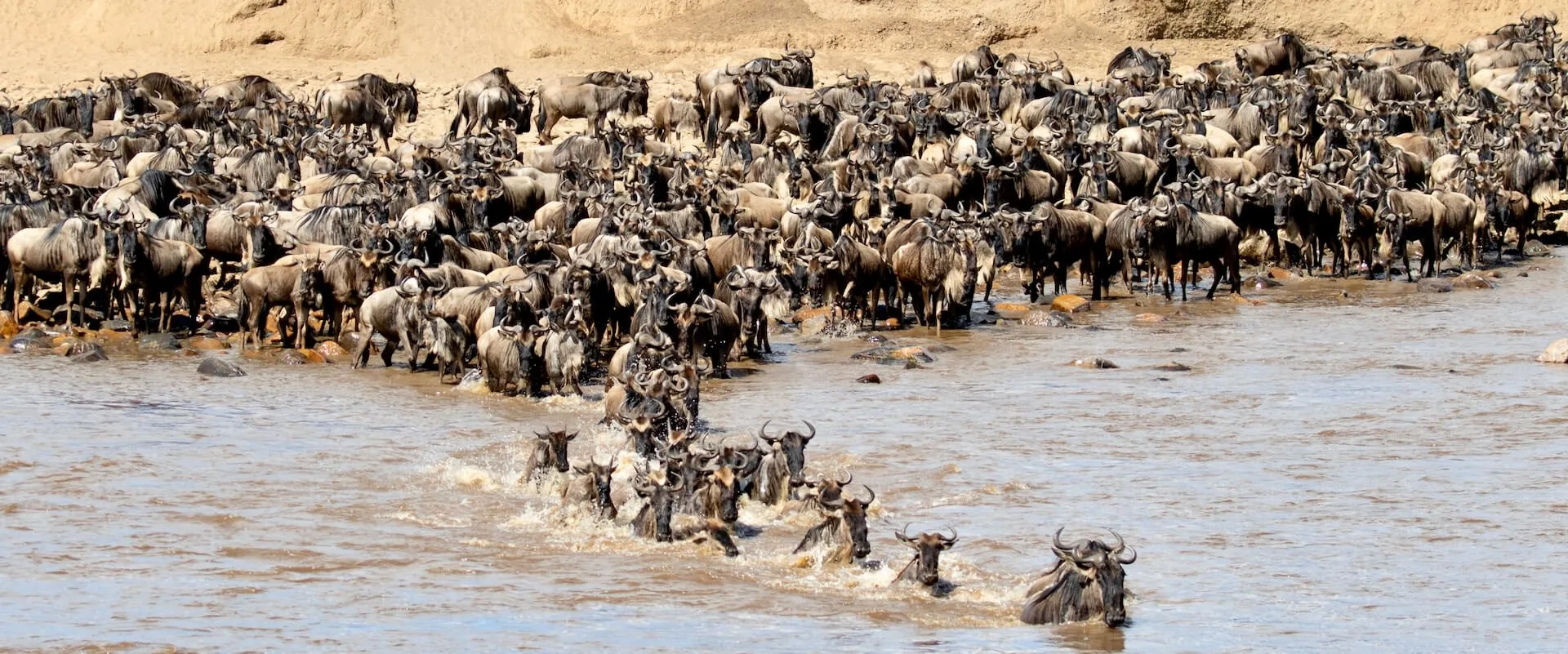
The Great Migration in Africa happens all year because the herds continuously circulate through the Serengeti–Mara ecosystem in…
Read article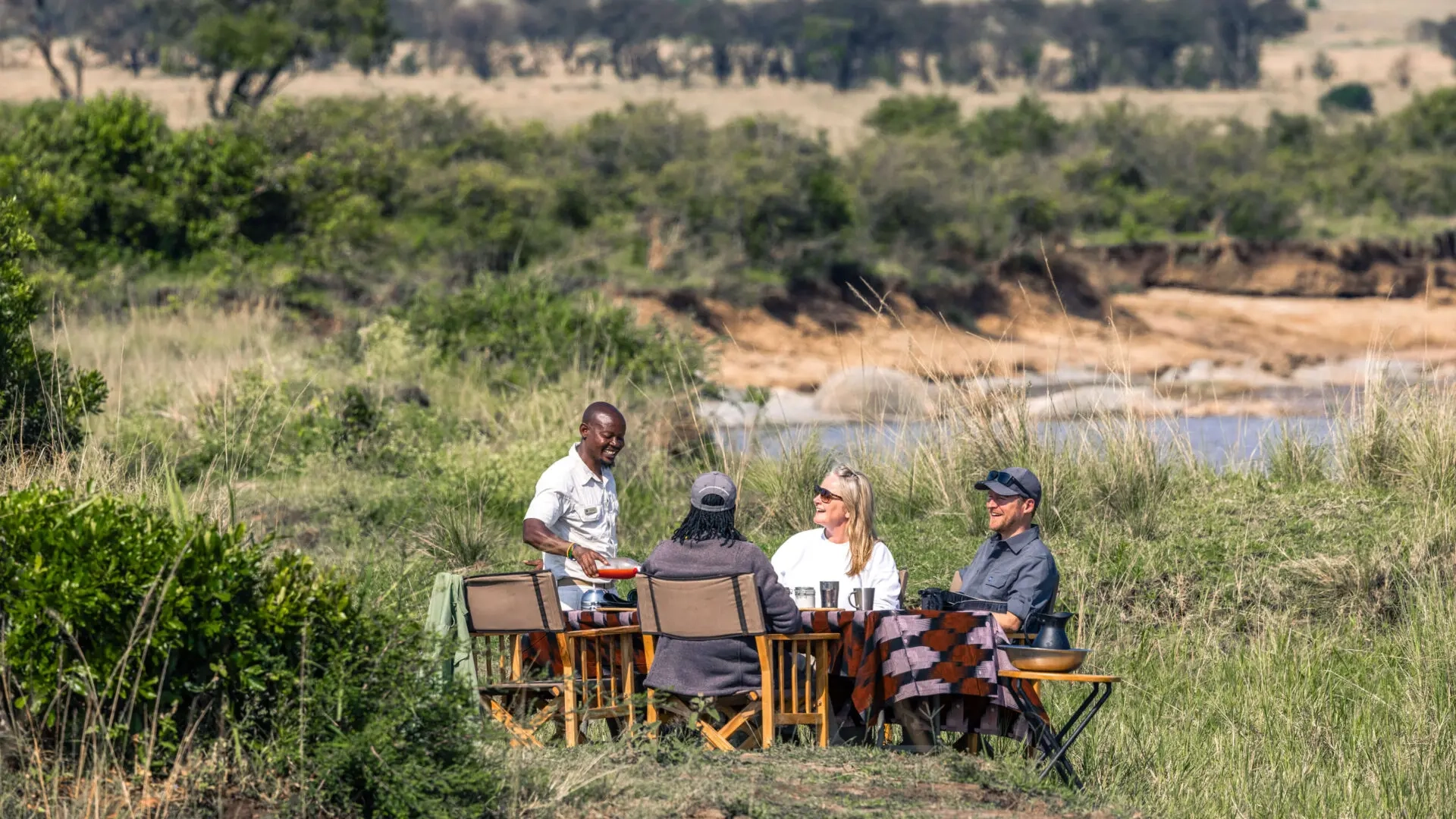
Definitive answer: A picnic lunch on safari is a packed or catered midday meal eaten at an approved…
Read article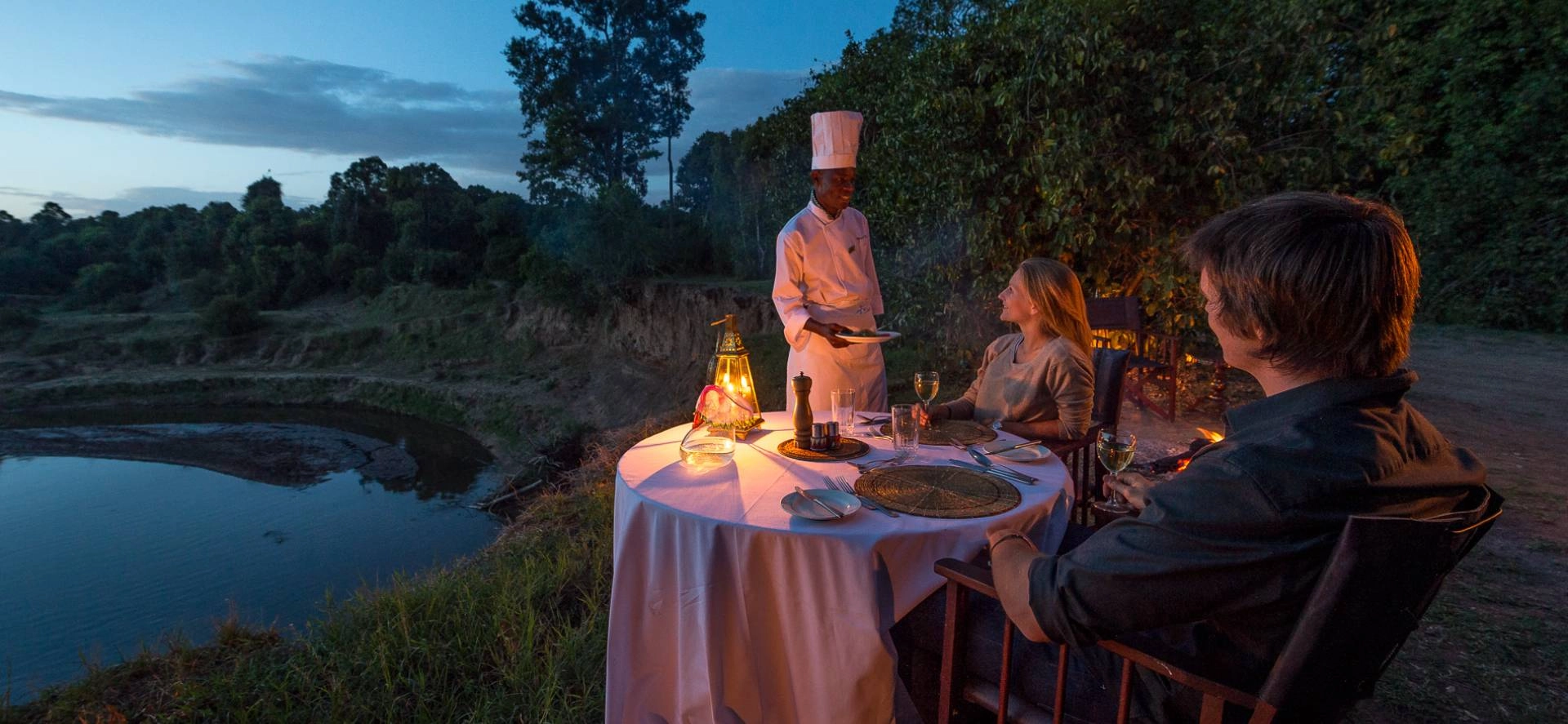
Definitive answer: A bush dinner is an outdoor evening meal arranged in a safe safari setting away from…
Read articleLet us take you closer to the wildlife, people and places that make Africa extraordinary.
Plan Your Safari Today