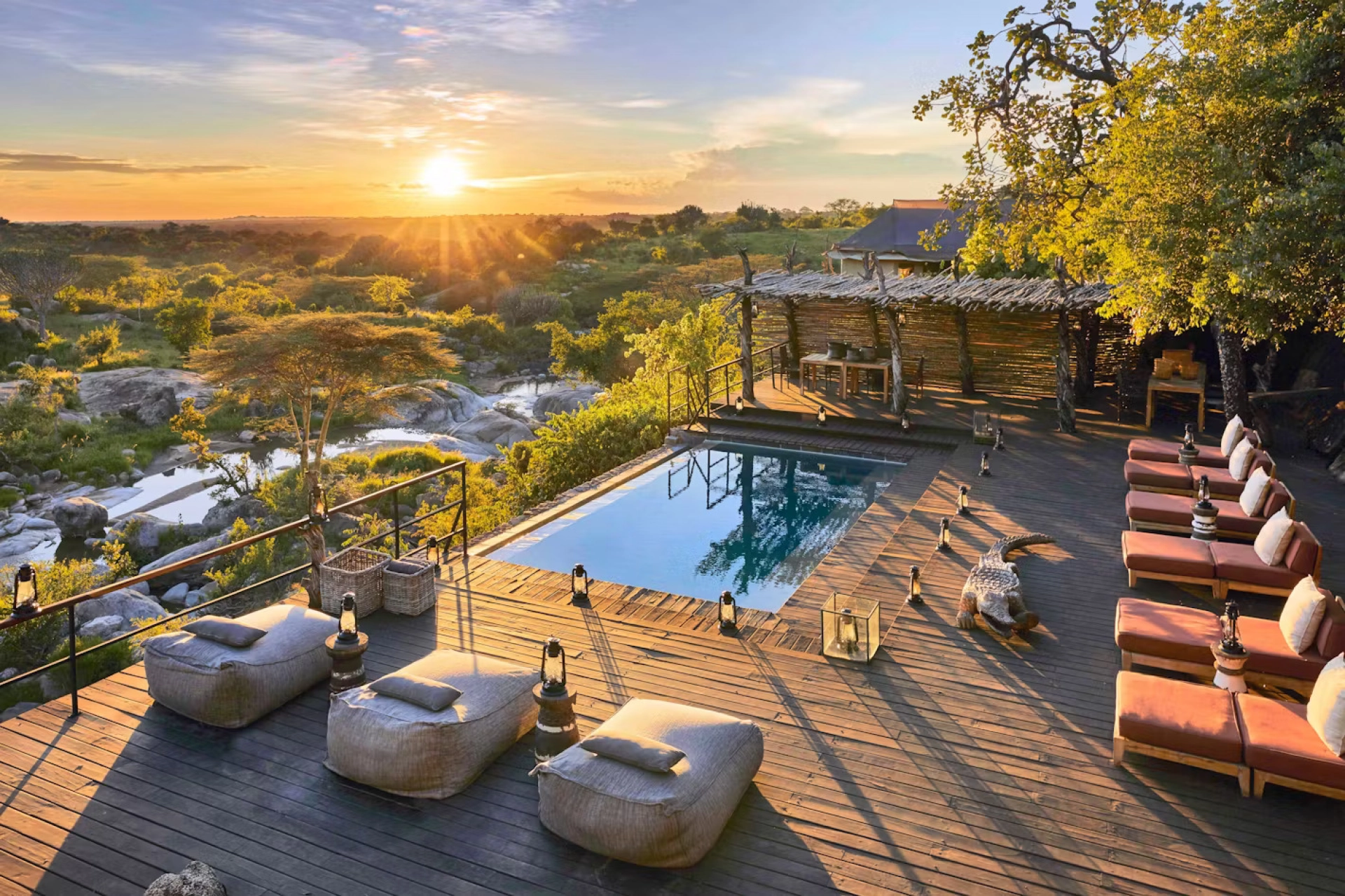
What should I look for when booking a luxury African safari?
When booking a luxury African safari, look beyond the room and compare the quality of guiding, wildlife location,…
Read article

Travel Guide
When travelers begin planning their first African holiday, Malawi is rarely the first country they mention. Kenya has the Masai Mara. Tanzania has the Serengeti and Ngorongoro. Uganda and Rwanda are internationally associated with mountain gorilla…
When travelers begin planning their first African holiday, Malawi is rarely the first country they mention. Kenya has the Masai Mara. Tanzania has the Serengeti and Ngorongoro. Uganda and Rwanda are internationally associated with mountain gorilla trekking. Botswana has the Okavango Delta. South Africa has Kruger National Park and Cape Town. Malawi, by contrast, is sometimes treated as somewhere travelers pass through between better-known Southern African destinations.
That dramatically underestimates the country. Malawi combines an enormous freshwater lake, beautiful beaches, restored wildlife reserves, highland scenery, birdwatching, hiking, cultural experiences and a relaxed style of travel within one relatively compact country. The official Malawi tourism organization emphasizes precisely this combination of lake, landscape, wildlife and culture as the country’s defining tourism strength. At the center of it all is Lake Malawi, a huge freshwater lake so visually dominant that it is often described as an inland sea.
Its shoreline contains beaches and small lodges that can easily replace a conventional Indian Ocean beach extension. Beneath its clear water lives one of the world’s most extraordinary freshwater fish communities. UNESCO recognizes Lake Malawi National Park for globally significant fish biodiversity, including hundreds of cichlid species and exceptionally high levels of endemism. Away from the lake, Malawi’s safari story has become increasingly compelling.
Liwonde National Park has undergone major wildlife restoration and now offers outstanding river safaris alongside elephants, black rhinos, lions and prolific birdlife. Majete Wildlife Reserve has become one of Africa’s most impressive conservation recovery stories, with elephants, lions, giraffes, African wild dogs and other wildlife restored after years of decline. Farther north, Nyika National Park introduces rolling high-altitude landscapes unlike the traditional image of African savannah. That means a Malawi safari holiday can move from Big Five wildlife to freshwater beaches and mountainous wilderness without crossing an international border.
This updated guide expands the original “5 reasons to visit Malawi” concept into a comprehensive exploration of why Malawi deserves far more attention from safari travelers.
Malawi is particularly attractive to travelers who want an African holiday that feels less standardized.
You can experience game drives and river safaris without the vehicle densities associated with some of Africa’s busiest parks. You can finish your wildlife trip beside Lake Malawi rather than flying to a separate beach country. You can explore highlands, tea estates, forests and rural landscapes. And because the country remains less internationally famous than Kenya, Tanzania or South Africa, many destinations retain an unhurried atmosphere.
No destination shapes Malawi more profoundly than Lake Malawi.
The lake extends along much of the country’s eastern side and is so large that standing on the shoreline can feel more like being beside an ocean than a freshwater lake. Malawi Tourism describes it as the country’s tourism “jewel”, with clear freshwater, beaches and numerous water-based activities. The attraction is immediate. Golden beaches meet blue water. Fishing boats move offshore. Mountains rise in the distance. Small lodges occupy quiet stretches of shoreline.
Sunset changes the color of the lake completely. For travelers arriving after dusty game drives and early morning safari starts, Lake Malawi can provide the perfect transition into slower travel.
Malawi is landlocked.
That fact can be misleading. The lake is vast. From many beaches, the opposite shore is invisible. The water extends to the horizon. Sandy beaches create the visual atmosphere of a tropical coast. This makes Malawi one of the few landlocked African countries capable of delivering a convincing safari and beach holiday within its own borders. After several nights in Liwonde or Majete, travelers can continue to the lake and spend the remaining days swimming where locally appropriate, kayaking, snorkeling, diving or simply relaxing beside the water.
The beauty above water is only part of the story.
Lake Malawi is globally important for freshwater biodiversity. UNESCO describes Lake Malawi National Park as exceptionally important because of the lake’s fish diversity, particularly its cichlids. Hundreds of cichlid species occur within the broader lake system, with extraordinarily high levels of endemism. These fish occupy different ecological niches and display remarkable variation in color and behavior. For snorkelers and divers, the effect can resemble a freshwater coral reef. Brightly colored fish move among rocks only meters from shore. This biological diversity gives Lake Malawi scientific importance far beyond conventional tourism.
The southern lake area around Cape Maclear is one of the country’s best-known tourism zones.
Travelers come for the lake, beaches, islands and water activities. The atmosphere is generally relaxed. Trips can involve kayaking, boat excursions and snorkeling. The wider region allows visitors to experience the lake without abandoning comfortable tourist infrastructure.
Likoma Island offers another interpretation of Lake Malawi. The island feels more remote and can be particularly attractive to travelers looking for a secluded lake retreat. A Malawi honeymoon or luxury itinerary may include several nights here after safari. The combination of island atmosphere and freshwater setting is unusual within Africa.
For many international travelers, this is Malawi’s biggest surprise. The country is not simply about the lake. Its wildlife reserves have undergone major transformation. Conservation restoration has returned important species and strengthened park protection. Two destinations stand out particularly strongly: Majete Wildlife Reserve and Liwonde National Park.
Majete Wildlife Reserve is one of Africa’s strongest examples of ecosystem restoration. African Parks describes the approximately 700-square-kilometre reserve as a landscape of hills, grasslands and woodland anchored by the Shire River. Following a management partnership beginning in 2003, reintroductions included rhino, elephant, lion, giraffe, cheetah and African wild dog. That recovery changed Majete from a depleted reserve into an important Malawi wildlife safari destination.
Travelers can search for: elephants, lions, rhinos, buffalo, giraffes, African wild dogs, antelope, hyenas, and diverse birdlife. African Parks reports that Majete today supports good populations of elephants, lions, giraffes and African wild dogs along with species such as sable antelope and kudu. For travelers who want a traditional African safari without huge crowds, this is extremely appealing.
A safari is more meaningful when travelers understand how the wildlife came to be protected. Majete demonstrates that wildlife decline is not always irreversible. With long-term management, law enforcement, habitat protection and community involvement, a damaged ecosystem can recover. African Parks reports that no rhino or elephant has been poached in Majete since 2003 and 2006 respectively. That is not simply a tourism success. It represents years of sustained conservation effort.
If Majete demonstrates the possibility of restoration, Liwonde National Park demonstrates how water can define a safari. The Shire River runs along the park’s western side and forms the ecological centerpiece. Malawi Tourism highlights Liwonde for river-based elephant, crocodile and hippo viewing, black rhinos, buffalo, sable antelope and outstanding birding. A boat safari here can become one of the highlights of a Malawi journey. Elephants appear near the river. Hippos occupy the water.
Crocodiles rest along the banks. Birds are everywhere. The result is a safari atmosphere very different from a dusty open-plains game drive.
Liwonde’s modern wildlife story is also linked to restoration. African Parks began managing the park in partnership with Malawi’s Department of National Parks and Wildlife in 2015. Protection was strengthened and wildlife populations were rebuilt. Malawi Tourism’s 2026 overview describes Liwonde today as a thriving safari destination with elephants, lions, black rhinos, antelope and excellent birdlife. For travelers who visited Malawi many years ago, this modern version of Liwonde can be dramatically different from what they remember.
Boat safaris are not always the first activity travelers associate with Malawi. That should change. Liwonde’s river environment means water becomes central to wildlife viewing. A boat allows visitors to observe animals from a completely different angle. Elephants may feed along the riverbank. Hippos surface nearby. Kingfishers cross the water. Crocodiles remain almost motionless along muddy banks. This gives Malawi a valuable niche within the wider Southern Africa safari circuit.
One of Malawi’s greatest itinerary advantages is the ability to combine wildlife and lake relaxation within a single country. Many African safari and beach holidays require an additional flight. A Tanzania safari might continue to Zanzibar. A Kenya safari might finish at Diani or Watamu. A South African safari could continue into Mozambique. All are excellent combinations, but each adds logistics. Malawi can deliver the same basic contrast internally. Begin with wildlife.
Move to the lake. Finish barefoot on a beach. For travelers who dislike constantly crossing borders or packing for flights, this simplicity is valuable.
A well-balanced journey might include: Majete Wildlife Reserve for Big Five wildlife and conservation history; Liwonde National Park for river safaris and elephants; and Lake Malawi for snorkeling, beaches and relaxation. Travelers with more time can add highland or northern destinations. The beauty of this structure is the contrast. Majete feels terrestrial. Liwonde revolves around the river. Lake Malawi opens into a vast freshwater horizon.
Travelers sometimes imagine sub-Saharan Africa as endless flat grassland. Malawi quickly destroys that stereotype. Mountains, plateaus, forests, escarpments, tea estates and lake landscapes create surprising geographic diversity.
Northern Malawi’s Nyika National Park is among the country’s most unusual landscapes. Its high plateau bears little resemblance to the conventional East African safari image. Rolling grasslands stretch toward distant hills. Mist can move across the plateau. Wildflowers transform sections seasonally. Wildlife inhabits broad open terrain. For travelers who enjoy scenery as much as large mammals, Nyika can become one of Malawi’s biggest surprises.
Malawi works well for travelers who want activity beyond game drives. Hiking allows visitors to engage with landscapes at human speed. Highlands create cooler environments. Walking can be combined with birding and photography. That makes Malawi attractive to active safari travelers, hikers and naturalists.
Mount Mulanje dominates parts of southern Malawi. Its dramatic granite massif provides one of the country’s most recognizable landscapes. Hiking options range according to route and visitor ability. The mountain can be added before or after wildlife destinations in southern Malawi.
The Zomba Plateau provides another highland environment. Views, forests and walking opportunities make it useful for travelers who want to break up a safari route with scenic activity. Malawi’s varied elevation is one reason the country feels more diverse than its relatively small size might suggest.
Birders have a particularly strong reason to place Malawi on their travel list. Lake, river, woodland, forest and plateau habitats support diverse species. Liwonde alone is promoted as one of the country’s outstanding birdwatching destinations, with species including Pel’s fishing owl, bee-eaters and other specialized birds.
The combination of water and woodland creates exceptional diversity. African fish eagles patrol the river. Kingfishers use exposed branches. Bee-eaters add intense color. Waterbirds occupy shallow areas. Forest and woodland species appear away from the river. A boat safari can therefore become as exciting for birders as it is for travelers looking for elephants.
The lake creates another extensive aquatic ecosystem. Shoreline vegetation and wetlands attract waterbirds. Birding can be incorporated easily into a relaxed lake stay.
High-altitude grassland and montane habitats introduce completely different species. This makes a Malawi birding itinerary ecologically diverse without requiring huge travel distances.
Many safari itineraries are extremely busy. Wake before sunrise. Game drive. Breakfast. Transfer. Afternoon activity. Dinner. Repeat. Malawi offers opportunities to slow the rhythm. Lake stays can involve entire mornings without scheduled activities. Visitors can kayak when they feel like it. Walk through a village. Read beside the lake. Watch fishermen return. Photograph sunset. This creates a more balanced holiday. A traveler does not need to be “on safari” every hour to experience Africa meaningfully.
Kenya and Tanzania deserve their international reputation. So does Kruger. Yet popularity inevitably means more visitors in certain areas and seasons. Malawi remains less heavily touristed. That can translate into quieter roads, smaller camps and a more personal atmosphere. A lion sighting without several vehicles around it changes the experience. A river excursion with fewer boats feels more intimate. A lake lodge can seem genuinely peaceful. For repeat Africa travelers, this sense of discovery is particularly attractive.
Botswana is extraordinary but can be expensive. High-end Tanzania and Kenya safaris can also become costly during peak seasons. Malawi can provide excellent quality without always reaching the same price levels. Malawi Tourism specifically presents Liwonde as offering accommodation from budget through high-end categories. This gives travelers flexibility. Spend more on one special lodge and balance the trip with comfortable midrange properties elsewhere. The same approach works at the lake. Malawi therefore suits travelers searching for an affordable African safari without reducing the trip to basic camping.
A Malawi honeymoon safari can combine romance and adventure naturally. Begin with wildlife in Majete or Liwonde. Stay in an intimate lodge. Continue to Lake Malawi. Finish on an island or quiet beach. The itinerary does not need to be relentlessly luxurious to feel special. Malawi’s quieter atmosphere is itself romantic. Sunset over Lake Malawi can be as memorable as any Indian Ocean beach.
Malawi works well as part of a larger regional journey.
Zambia provides world-class wildlife in destinations such as South Luangwa National Park and the Lower Zambezi. A combined Zambia and Malawi safari can move from intensive wildlife viewing to Lake Malawi. This is one of the region’s most natural cross-border combinations.
Northern Malawi can form part of a broader itinerary toward southern Tanzania. Travel time and route planning matter, but the combination allows travelers to connect different sections of the East-Southern African transition zone.
Mozambique adds Indian Ocean beaches and marine environments. For travelers with more time, this creates a very diverse southern African journey.
Botswana specializes in remote, premium wilderness. The Okavango Delta and Chobe are extraordinary. Malawi is generally smaller in scale but often easier on the budget. It also provides the enormous advantage of Lake Malawi. A traveler whose primary priority is elite wildlife density may favor Botswana. A traveler wanting wildlife, lake, hiking and culture within one compact country may find Malawi more varied.
Tanzania offers Serengeti, Ngorongoro and some of Africa’s greatest classic wildlife viewing. Malawi cannot compete with the scale of the Great Migration. It does not need to. Its appeal is different. Travelers come for intimacy, restored reserves, the lake and slower travel. The two can be complementary rather than competing destinations.
Uganda’s signature experiences include mountain gorilla trekking, chimpanzee trekking, Queen Elizabeth National Park and Murchison Falls. Malawi’s defining combination is lake plus restored wildlife reserves. Travelers fascinated by primates should prioritize Uganda. Those wanting freshwater beaches after safari should look closely at Malawi. A longer African journey could include both.
Malawi can be visited throughout much of the year, but seasons influence wildlife and landscapes.
The drier months are generally excellent for safari. Animals concentrate increasingly around permanent water. Vegetation becomes less dense. Liwonde is particularly productive around the Shire River. Malawi Tourism highlights approximately April to October as a strong period for Liwonde wildlife viewing.
Rain transforms the landscape. Vegetation becomes vivid. Birding can be excellent. Cloud formations create dramatic photography. Travelers interested in greenery, birds and fewer visitors may prefer this period. Road conditions and activities should be checked for specific destinations.
A brief trip of five to seven days can combine one safari destination with Lake Malawi. Around ten days provides far more flexibility. Two weeks allows visitors to experience southern wildlife reserves, the lake and additional landscapes. Serious travelers exploring northern Malawi may need longer because road distances remain meaningful. The best Malawi trip does not attempt to visit everything. Choose fewer places and spend enough time in each.
A week could include Majete Wildlife Reserve, Liwonde National Park and a short Lake Malawi stay. This is an active itinerary but provides remarkable contrast.
Ten days allow more breathing room. Spend several nights in Majete. Move to Liwonde. Then finish with three or four nights at Lake Malawi. This is an excellent structure for first-time visitors.
Two weeks can add highlands or northern Malawi. A longer itinerary might include: southern wildlife, mountains, Liwonde, Lake Malawi, and northern landscapes. The focus becomes the country itself rather than simply using Malawi as an extension.
Families can enjoy the country’s variety. Shorter game drives can alternate with boat trips. Lake Malawi gives children space to relax. Cultural experiences add educational depth. Parents should check minimum ages for walking safaris and certain activities. Private vehicles can provide additional flexibility.
Malawi’s relaxed tourism style can work well for solo visitors. Scheduled activities at lodges provide opportunities to meet other travelers. Public transport exists but a professionally arranged safari simplifies remote wildlife areas considerably. Solo travelers should compare private safari costs with scheduled or shared options.
Photographers gain access to very different visual environments. Majete provides classic wildlife. Liwonde offers elephants and hippos against river backgrounds. Lake Malawi provides fishing boats, islands and sunsets. Nyika adds broad highland landscapes. This variety can make Malawi particularly rewarding for photographers tired of producing only savannah game-drive images.
Malawi’s tourism reputation as the Warm Heart of Africa is closely linked to its people. However, cultural tourism should avoid reducing communities to entertainment. The most meaningful experiences involve respectful engagement. Local markets, community projects, crafts, food and guided cultural visits can help travelers understand contemporary Malawi rather than searching only for an idealized version of “traditional Africa.” Tourism works best when communities control how their stories are presented and benefit economically from visitors.
Food can become an important part of cultural travel. Local staples, fresh lake fish and regional produce allow visitors to experience Malawi beyond lodge menus. Travelers spending several days beside Lake Malawi should consider locally guided opportunities to understand fishing communities and food traditions. Always approach photography respectfully. Ask before photographing people.
International and regional flight schedules change, so travelers should verify current options when planning. Major entry points include airports serving Malawi’s principal cities. Regional combinations can also involve road transfers from neighboring countries. The best gateway depends entirely on the itinerary. A southern Malawi journey may use a different arrival strategy from a trip focused on the north.
Road travel is central to many Malawi itineraries. Distances on a map can appear short but should not be underestimated. Travel times depend on road conditions and route. Private safari transportation provides flexibility and allows travelers to stop along the way. Charter flights can be valuable for higher-end itineraries or where time is limited.
Malawi’s tourism sector includes: budget lodges, midrange safari camps, luxury wildlife lodges, lake resorts, boutique properties, and island retreats. Accommodation should be chosen according to location, not only rating. A beautiful property far from the activities you want can waste valuable time. At Lake Malawi, determine whether you want a social beach destination, secluded lodge, island stay or water-sports base.
Travel conditions can change, and travelers should always consult current official travel advice. As with any international destination, normal precautions regarding personal belongings, transport and nighttime movement are sensible. Safari activities should be undertaken with reputable operators. Wildlife remains genuinely wild. Follow guides around elephants, hippos, crocodiles and predators.
Travelers should obtain current medical advice before travel. Recommendations may include malaria precautions and destination-specific vaccination guidance according to individual circumstances. Water and food safety also deserve attention. Professional medical advice should always take priority over old travel blogs.
Malawi’s restored wildlife destinations demonstrate why tourism and conservation can reinforce one another. At Majete, tourism contributes to maintaining a reserve that has undergone extraordinary ecological recovery. At Liwonde, stronger management has supported wildlife and community programs. Lake Malawi requires equally thoughtful tourism because freshwater ecosystems are sensitive to pollution and development. Travelers should minimize plastics, avoid disturbing wildlife, choose responsible accommodation and respect local communities.
Yes. Malawi combines Lake Malawi, wildlife safaris, mountains, birding, culture and relatively uncrowded travel in one compact country.
Yes. Majete Wildlife Reserve and Liwonde National Park are particularly important modern safari destinations.
Malawi’s wildlife restoration has substantially strengthened opportunities for traditional big-game safaris, particularly in reserves such as Majete.
The lake is famous for its beaches, clear freshwater and exceptional cichlid fish diversity.
Yes. Its extensive freshwater shoreline allows travelers to combine safari with a relaxed beach-style experience.
Liwonde National Park and Majete Wildlife Reserve are among the strongest choices, while other protected landscapes add further diversity.
Yes. River, lake, woodland and highland habitats create excellent birding opportunities.
Around 7–10 days provides a useful introduction, while two weeks allows a broader exploration.
Yes. A Zambia and Malawi safari is an excellent Southern African combination.
Yes. Combining wildlife with a secluded Lake Malawi stay creates a particularly attractive honeymoon itinerary.
The strongest reasons to visit Malawi are not about a single famous attraction. They are about combination. You can wake to lions and elephants in a restored wildlife reserve. Cruise the Shire River among hippos and crocodiles. Walk through highland landscapes. Watch birds in forests and wetlands. Then finish beside an enormous freshwater lake where colorful cichlids swim beneath clear water and the sun disappears beyond the horizon. That diversity is Malawi’s greatest strength.
The country may not receive the same global safari attention as Tanzania, Kenya, Botswana or South Africa. That is exactly why many travelers will find it so rewarding. At Adventure in the Wild Safaris, Malawi can be incorporated into customized Southern Africa safaris, Zambia and Malawi tours, Malawi wildlife safaris, Lake Malawi holidays, honeymoon safaris, birding safaris and multi-country African journeys. We can also connect Malawi with our wider Uganda gorilla trekking safaris, Rwanda safari holidays, Kenya wildlife safaris and Tanzania safari itineraries for travelers creating longer journeys across the continent.
Do not visit Malawi simply because it is less famous. Visit because Lake Malawi, Liwonde National Park, Majete Wildlife Reserve, Nyika’s highlands, its birdlife and its slower style of travel combine into something genuinely difficult to find elsewhere in Africa.

Share This Article
When booking a luxury African safari, look beyond the room and compare the quality of guiding, wildlife location,…
Read article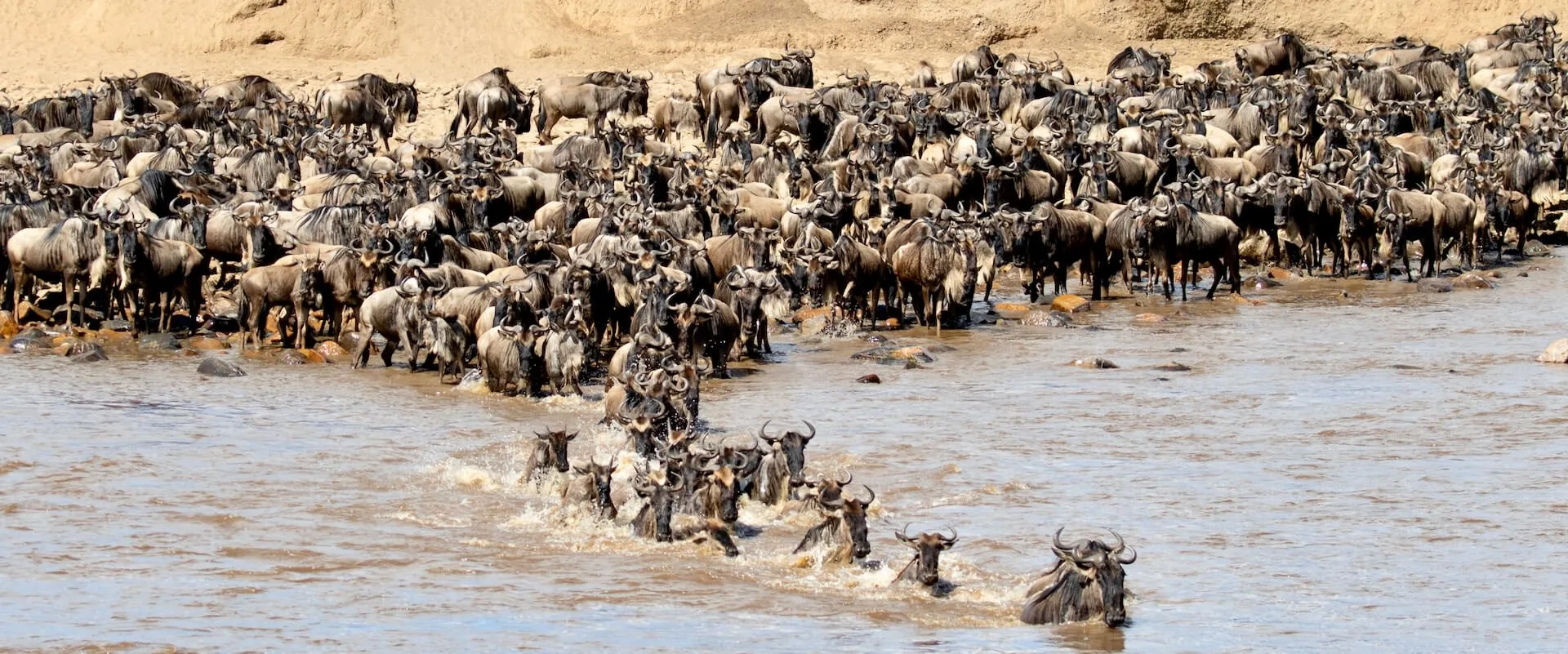
The Great Migration in Africa happens all year because the herds continuously circulate through the Serengeti–Mara ecosystem in…
Read article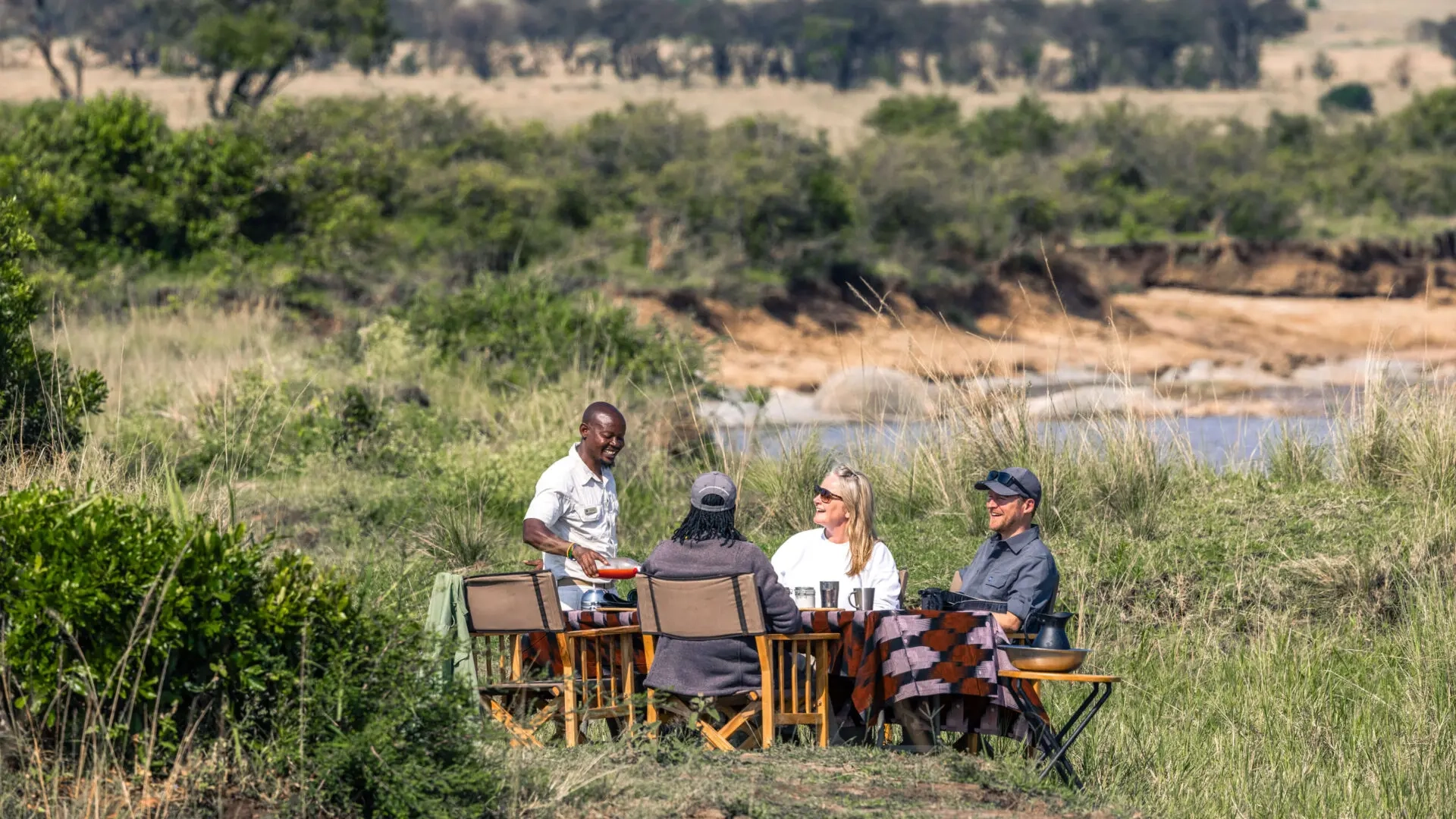
Definitive answer: A picnic lunch on safari is a packed or catered midday meal eaten at an approved…
Read article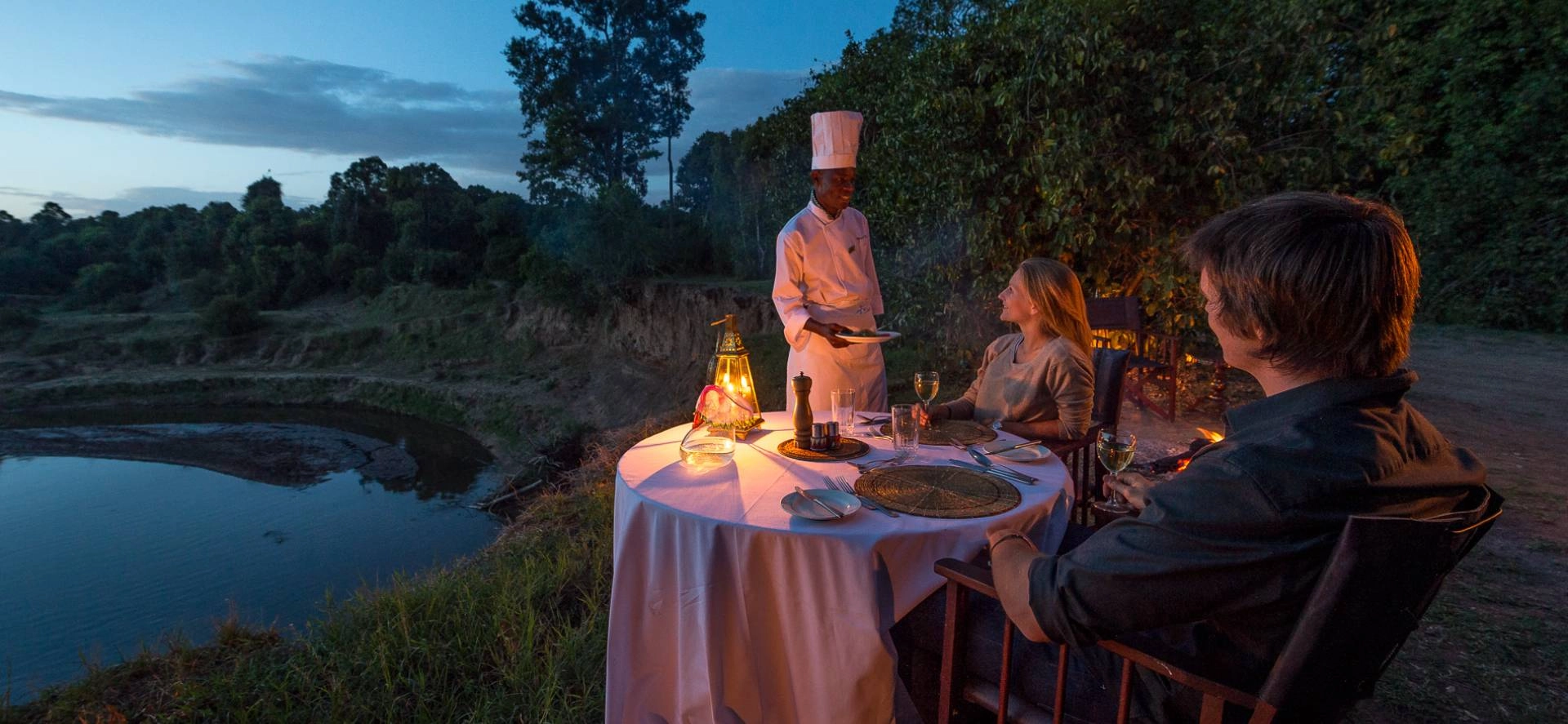
Definitive answer: A bush dinner is an outdoor evening meal arranged in a safe safari setting away from…
Read articleLet us take you closer to the wildlife, people and places that make Africa extraordinary.
Plan Your Safari Today