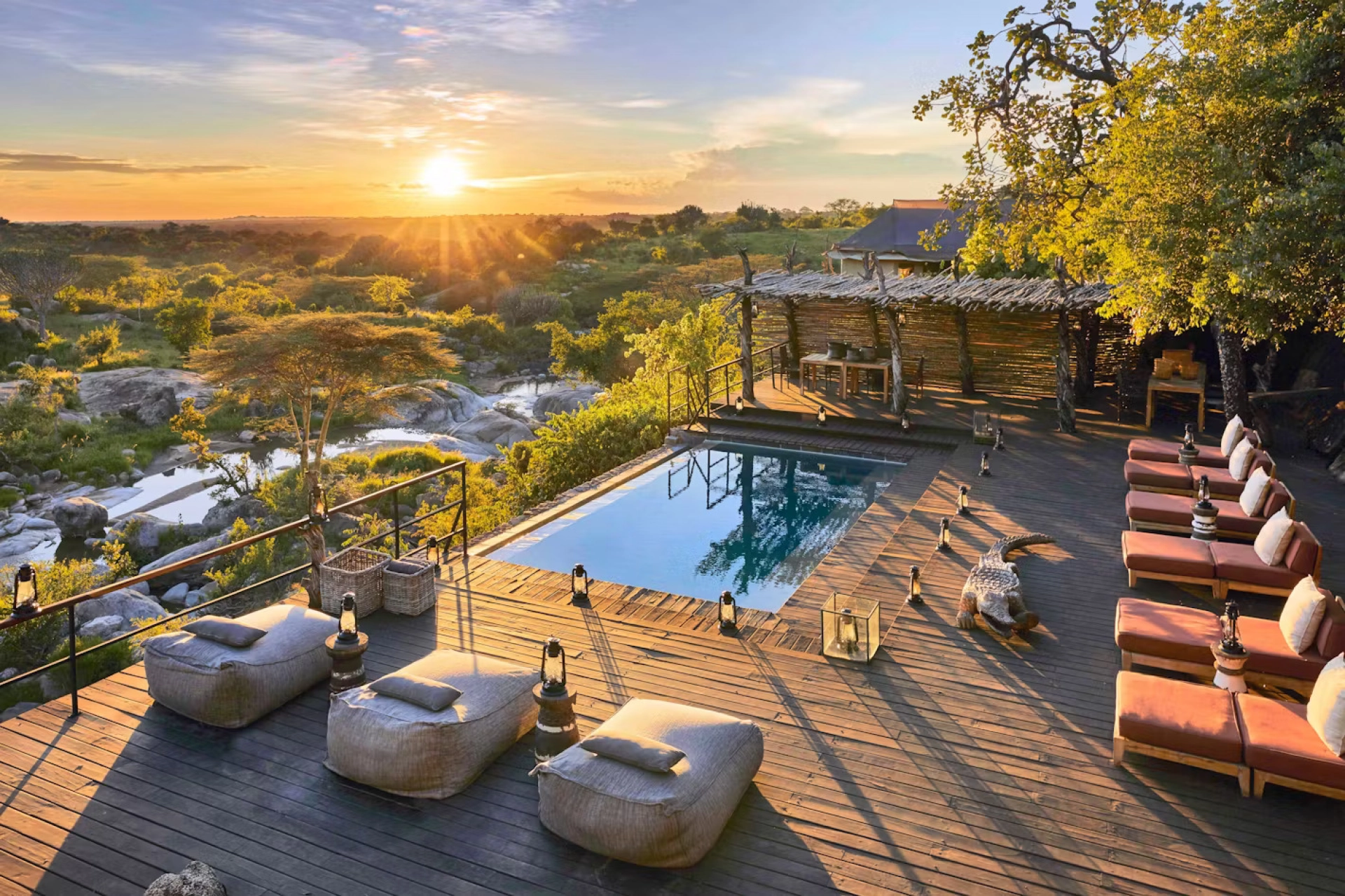
What should I look for when booking a luxury African safari?
When booking a luxury African safari, look beyond the room and compare the quality of guiding, wildlife location,…
Read article

Travel Guide
An African safari has a reputation for being expensive, and there is a good reason for that. A safari is not simply a hotel holiday. Your price may need to cover a dedicated 4x4 safari vehicle,…
An African safari has a reputation for being expensive, and there is a good reason for that. A safari is not simply a hotel holiday. Your price may need to cover a dedicated 4×4 safari vehicle, professional driver-guide, fuel over hundreds or even thousands of kilometers, national park entry fees, accommodation, meals, government taxes, wildlife activities and sometimes specialist permits such as those required for gorilla trekking or chimpanzee trekking.
In remote destinations, safari lodges must also operate in places where almost everything—from food to fuel, building materials and staff supplies—has to be transported over long distances. Yet none of this means that a good African safari has to be unaffordable. There is an enormous difference between a cheap African safari and a good-value African safari. A cheap safari reduces the headline price, sometimes by compromising the very elements that determine whether the trip works: vehicle quality, guide experience, park time, accommodation location, safety, meals or realistic travel logistics.
A good-value safari does something different. It protects the experiences that matter while reducing spending where luxury adds relatively little. That distinction is the foundation of planning an affordable African safari. You do not need a private plunge pool overlooking the Serengeti to enjoy lions. You do not need a five-star lodge to trek mountain gorillas. You do not need to fly between every national park. You do not need imported wine at dinner to watch elephants at sunset.
But you do need enough time in the right parks, a reliable vehicle, an experienced guide and an itinerary designed around geography rather than marketing. The following nine strategies explain how to plan a budget safari in Africa without destroying the experience you traveled so far to enjoy.
The first major budgeting decision happens before you choose a lodge.
It is choosing the destination. Different African safari countries have very different cost structures. A traveler who says, “I want an affordable safari,” has not yet provided enough information. Do they want mountain gorillas? The Great Migration? Big Five wildlife? Desert scenery? Chimpanzees? A beach extension? Private guiding? Luxury accommodation? The most affordable country depends on what you actually want to experience.
An Uganda safari can provide exceptional value because one itinerary can combine several very different wildlife experiences.
In Murchison Falls National Park, travelers can enjoy game drives, Nile scenery and boat safaris. Kibale National Park provides chimpanzee trekking. Queen Elizabeth National Park combines savannah wildlife with the Kazinga Channel. Bwindi Impenetrable National Park provides one of Africa’s greatest wildlife experiences: mountain gorilla trekking. This means travelers do not need to visit several countries to experience both primates and traditional safari wildlife. For visitors whose priorities include gorillas, chimpanzees and savannah wildlife, an affordable Uganda safari can therefore deliver exceptional diversity for the money.
Rwanda’s compact geography can reduce road travel, particularly for travelers beginning in Kigali.
Volcanoes National Park provides mountain gorilla trekking, while Akagera National Park provides savannah wildlife. Rwanda can be particularly convenient for travelers with limited time, although individual activity and accommodation costs should be compared carefully with alternative regional routes.
A Kenya safari is ideal for travelers whose mental picture of Africa involves open plains, lions, cheetahs, elephants and the Masai Mara.
Kenya also provides a wide range of accommodation, from basic camps to some of Africa’s most luxurious safari properties. This creates opportunities to control costs. Instead of combining five parks in seven days, budget travelers can spend more time in two carefully selected destinations. For example, a Masai Mara and Lake Nakuru safari or Masai Mara and Amboseli safari may deliver more satisfaction than a rushed itinerary visiting several parks for only one night each.
Tanzania is extraordinary, but some safari components can be relatively expensive because of park fees, concession charges and long distances.
The Serengeti National Park, Ngorongoro Crater, Tarangire National Park and other northern destinations form one of Africa’s greatest safari circuits. Travelers on a tighter budget should therefore focus on route efficiency. A carefully designed budget Tanzania safari might combine three strong destinations rather than attempting to visit every famous park.
South Africa offers an enormous range of safari styles. Travelers can self-drive in some parks, stay in national park accommodation or combine public parks with private reserves. This flexibility can make a South Africa budget safari attractive, especially for independent travelers comfortable driving themselves. However, self-driving changes the experience. A professional guide provides wildlife interpretation, tracking knowledge and local expertise that independent visitors may not have. The cheapest option is therefore not automatically the best value.
Timing can dramatically affect the cost of an African safari. Many lodges use seasonal pricing. Peak months may command the highest rates because demand is strongest, while shoulder and wetter periods can offer substantially better value. The important point is that “low season” does not mean “no wildlife.” Animals do not leave Africa when lodge rates fall. The experience simply changes.
After rain, landscapes become greener. Dust settles. Migratory birds may arrive. Many herbivores give birth during particular seasonal periods. Cloud formations create dramatic photography. Visitor numbers can decline, giving travelers quieter sightings. For photographers, this can be extremely attractive. The popular assumption that dry-season safari is always superior ignores the fact that different seasons reward different interests.
The Southern Serengeti and Ndutu region provide an excellent example. The early-year migration period can produce huge concentrations of wildebeest and the famous Serengeti calving season. This is not an inferior version of a July safari. It is an entirely different wildlife spectacle. Travelers focused exclusively on Mara River crossings may prefer northern migration periods, but those interested in newborn animals and predator activity may deliberately choose the greener months.
Uganda can be visited throughout the year, although rainfall influences trekking conditions and road travel. A wet day in Bwindi Impenetrable National Park can make trails muddy, but Bwindi is a rainforest; moisture is part of the ecosystem. Travelers willing to accept less predictable weather may find attractive accommodation offers during quieter periods. The key is to choose the season based on your tolerance for weather and your wildlife priorities rather than automatically paying peak-season prices.
One of the most effective ways to reduce safari costs is also one of the best ways to improve safari quality. Stop trying to visit everything. A common first-time itinerary might attempt to include five national parks in seven days because the traveler fears missing something. The result is often the opposite. They spend much of the holiday packing, checking out, driving, checking in and repeating the process. Fuel costs increase. Vehicle time increases. The actual wildlife experience becomes fragmented.
Imagine a seven-day Kenya safari. Option one visits Amboseli, Lake Naivasha, Lake Nakuru and Masai Mara. Option two spends most of the trip between two carefully chosen areas. The first itinerary sounds more impressive on paper because it contains more destination names. The second may provide far more relaxed game viewing. Wildlife rewards patience. A leopard may remain hidden for hours before becoming active. Lions may sleep all afternoon and begin moving near sunset.
Elephants may arrive at water only after you have waited. Repeated game drives in the same area allow guides to understand current animal movements and follow developments from one day to the next. This is why slow safari travel often produces better wildlife encounters.
Every additional park can create: extra fuel, additional park fees, longer driving, another accommodation transfer and potentially another vehicle or flight. Removing one unnecessary destination can therefore reduce the price without lowering safari quality. That is intelligent budgeting.
Internal flights are convenient, but they can significantly increase safari costs. A fly-in safari makes sense when distances are enormous or vacation time is extremely limited. However, road travel can provide substantial savings in countries where parks form logical circuits.
Uganda’s western safari destinations connect naturally. A route can travel from Entebbe toward Murchison Falls National Park, continue to Kibale National Park, then Queen Elizabeth National Park, Bwindi Impenetrable National Park and perhaps Lake Mburo National Park before returning toward Entebbe. The road journey itself reveals changing landscapes, communities and agricultural regions. For travelers with sufficient time, this is not merely cheaper than flying. It is a richer geographical experience.
From Nairobi, travelers can reach destinations such as Masai Mara, Lake Nakuru, Amboseli National Park and other areas by road. A well-maintained safari vehicle with a professional guide provides both transport and game-viewing capability. This avoids paying separately for flights and local vehicles at every destination.
The northern Tanzania circuit also lends itself to road travel because Tarangire, Lake Manyara, Ngorongoro and Serengeti can be linked geographically. However, distances become significant, especially deeper inside Serengeti. The best budget itinerary balances cost savings against excessive driving. Saving money is pointless if half the safari is spent exhausted inside the vehicle.
This is one of the most powerful principles in African safari pricing. A safari vehicle has substantial fixed costs. Fuel is needed whether one person sits inside or five. The driver’s daily cost does not multiply by five. Vehicle maintenance is similar. Therefore, dividing those fixed costs among more travelers can reduce the per-person safari price dramatically.
Imagine a private vehicle costing a fixed amount each day. With two travelers, that cost is divided by two. With four, it is divided by four. Accommodation and park fees remain largely individual, but the transport component becomes much more efficient. This is why small-group African safaris can provide excellent value.
A group safari usually costs less because travelers share transport. However, there are trade-offs. Different guests may have different interests. One person wants to photograph birds. Another wants lions. Someone wants to return to the lodge early. Another wants to stay until the last possible minute. A private safari provides control over those decisions. For couples, families or groups of friends, private safari can therefore represent excellent value even if it is not the absolute cheapest option.
Travelers who are solo or traveling as a couple can look for scheduled group safari departures. These allow participants to share vehicle costs without needing to organize their own group. The important questions are group size, vehicle configuration and whether every traveler has reasonable access to windows during game drives. An overcrowded vehicle may save money but reduce the experience.
Accommodation is one of the easiest places to overspend on safari. A luxury lodge can be extraordinary. But the lions outside do not know how much you paid for your room. If your main objective is wildlife, a comfortable budget safari lodge or mid-range tented camp in an excellent location may provide much better value than a spectacular luxury property far from the park.
Suppose Lodge A costs less but sits two hours from the main game-viewing area. Lodge B costs moderately more but sits close to the park. The cheaper lodge may actually cost more in practice because you use additional fuel and lose hours every morning and evening. Even worse, you may miss the best wildlife-viewing periods around sunrise and late afternoon. This is why safari lodge location must be considered alongside room rate.
In East Africa, budget accommodation can still provide: a proper bed, private bathroom, hot shower, mosquito net where relevant, meals and friendly service. What you may lose are luxury extras such as spas, elaborate room design, premium wine lists, private pools and highly personalized service. For wildlife-focused travelers, those compromises may be entirely acceptable.
For many travelers, mid-range African safaris provide the strongest balance. Accommodation is comfortable enough to recover after long game drives, but the price remains far below top luxury properties. A good mid-range itinerary can still include excellent guides, quality vehicles and strategically located lodges. This is where budget should be protected. Save on decorative luxury before saving on guiding.
An affordable safari does not mean removing every expensive activity. It means spending heavily where the experience is genuinely unique and saving elsewhere. For example, a gorilla trekking permit is a significant cost. But if mountain gorillas are the primary reason you are traveling to Uganda or Rwanda, removing the gorilla trek to save money defeats the purpose of the entire journey. A better strategy is to protect the gorilla experience and reduce accommodation or transport costs elsewhere.
Mountain gorilla trekking in Bwindi is unlike a standard game drive. There are very few places on Earth where travelers can encounter habituated mountain gorillas in the wild. If this is a lifelong dream, budget around it. Choose simpler accommodation. Travel by road. Reduce unnecessary extra nights. Share vehicle costs. But keep the experience that motivated the journey.
The same principle applies to chimpanzee trekking in Kibale National Park. If primates are central to your interests, protect that activity. A cheaper itinerary that removes your priority wildlife experiences may ultimately feel like poor value.
Travelers dreaming of the Great Wildebeest Migration should similarly prioritize correct location over luxury. A simple camp near the herds can provide far better value than a luxury lodge located in the wrong region. This is particularly important because migration movements vary seasonally. The expensive room does not compensate for being hundreds of kilometers from the wildlife event you came to see.
This is where many travelers make expensive mistakes. Safari quotation A costs $2,000. Safari quotation B costs $2,400. It seems obvious that quotation A is cheaper. But then you discover A excludes park fees, airport transfers, drinking water, several meals and one major activity. Quotation B includes everything. Suddenly the supposedly cheaper safari costs more.
A professional quotation should make the major inclusions and exclusions understandable. You should know whether the price includes park entry fees, accommodation, meals, game drives, vehicle, driver-guide, fuel and specified activities. If gorilla or chimpanzee permits are part of the itinerary, their treatment should also be clear. The point is not to create an enormous legal document. It is to prevent surprises.
Safari vehicles require maintenance. Fuel costs money. Professional guides deserve fair compensation. National park fees cannot simply disappear. Good accommodation has operating expenses. When one quote is dramatically lower than every other reputable operator, ask why. Perhaps the accommodation is much farther away. Perhaps the vehicle is inappropriate. Perhaps activities are excluded. Perhaps park time is reduced. Perhaps the itinerary is not operationally realistic. The objective should be best safari value, not simply the lowest number on the first page.
One of the most effective ways to control safari cost is to work directly with an experienced local operator that understands the destination. A local safari company can often explain where spending improves the experience and where it does not. Instead of selling a fixed package, the itinerary can be adjusted. Maybe you stay in a budget lodge in one park and mid-range accommodation in another. Perhaps you remove a flight and travel by road.
Maybe one unnecessary overnight stop disappears. Perhaps the safari begins in Kigali instead of Entebbe because that works better geographically for a short Bwindi gorilla safari. These small operational decisions can make a large financial difference.
Some travelers hide their budget because they fear the operator will simply charge the maximum amount. With a reputable company, knowing the target budget allows more intelligent planning. If your budget is unrealistic for the proposed trip, the operator can explain which elements create the cost. Then the itinerary can be redesigned. Perhaps seven days becomes six. Luxury accommodation becomes mid-range. A private flight becomes a road transfer. A three-country safari becomes a stronger two-country itinerary. This is far better than pretending the original itinerary can somehow be delivered properly at an impossible price.
Certain expenses should not be compromised. A reliable vehicle matters. Professional guiding matters. Correct permits matter. Appropriate insurance matters. Realistic driving times matter. Legal park entry matters. Safety should never become the place where a budget safari saves money.
There is no useful single answer because African safari prices vary enormously. A camping group safari and a luxury fly-in safari are both “African safaris,” yet their daily costs may differ by several multiples. The total depends on country, season, accommodation level, group size, transport style, park fees and included activities. Instead of searching only for “average safari cost,” travelers should define the actual journey they want. A five-day Uganda gorilla and wildlife safari has a different cost structure from a seven-day Serengeti migration safari. A Kenya group safari differs from a private honeymoon safari. A self-drive Kruger holiday differs from a fully guided Botswana fly-in safari. Context matters.
A budget African safari usually focuses on functional accommodation and shared or economical transport. A mid-range safari adds greater room comfort, stronger lodge locations and often more personalized service. The wildlife can be exactly the same. A lion does not approach luxury vehicles more closely. However, comfort affects how travelers feel after several days. If your budget allows, mid-range accommodation can be worthwhile on longer journeys because good sleep and reliable facilities improve the overall experience.
Luxury safari pricing often pays for much more than wildlife. It may include remote locations, premium food, highly personalized service, elegant architecture, spa facilities, private plunge pools, smaller guest numbers and charter flights. These are legitimate benefits. But they are not necessary for a superb wildlife experience. A traveler whose primary objective is gorilla trekking, lion viewing, chimpanzee tracking or the Great Migration can have an extraordinary safari without luxury accommodation.
Uganda offers several practical ways to control cost. Travel by road instead of using domestic flights where time allows. Combine parks in a logical geographical sequence. Choose budget or mid-range lodges. Travel with friends or join a scheduled group departure. Avoid adding destinations merely because they are famous. A route through Kibale, Queen Elizabeth and Bwindi is particularly logical. Chimpanzees, savannah wildlife and mountain gorillas can all be experienced within one road circuit. This makes Uganda safari packages particularly attractive for travelers who value variety.
A budget gorilla safari should reduce peripheral expenses without compromising the gorilla permit or trek itself. For example, travelers can stay in simpler accommodation near Bwindi, use road transport and keep the itinerary compact. Those entering Uganda from Rwanda may be able to build a short route beginning in Kigali, depending on their wider travel plans and current border requirements. What should not be compromised is permit validity, professional transport and enough time to reach the trekking sector without an unrealistic schedule.
For an affordable Kenya safari, resist the temptation to visit every famous park. If the Masai Mara is your priority, spend enough time there. Add one or two destinations that genuinely complement it. Amboseli National Park can add elephants and Kilimanjaro scenery. Lake Nakuru National Park adds Rift Valley landscapes and different wildlife opportunities. The exact combination should depend on available days. A four-day safari containing three parks usually involves too much movement.
Tanzania requires particularly careful route planning because distances and fees can accumulate quickly. A good budget Tanzania safari may focus on Tarangire, Ngorongoro and Serengeti rather than adding every northern park. Accommodation can be selected strategically. During a migration-focused trip, spend where location matters most and economize elsewhere. Road-based itineraries can reduce flight costs, although extremely long transfers should be avoided.
South Africa provides excellent flexibility. Independent travelers can use national park accommodation and self-drive in destinations such as Kruger where permitted. This can reduce costs substantially. However, first-time safari travelers should consider adding at least some professionally guided activities because experienced guides reveal aspects of wildlife behavior that independent driving can miss. A hybrid approach can provide excellent value.
For budget travelers, often yes. A well-run small-group African safari distributes transport costs without necessarily sacrificing wildlife quality. The critical variable is group size. A vehicle packed so tightly that passengers must lean across one another to see wildlife is not good value. Ask how many travelers share the vehicle and what seating arrangement is used.
For photographers, families and travelers with specific wildlife interests, often yes. A private vehicle allows you to remain with a leopard while other vehicles leave. You can stop for birds. You can depart earlier. You can spend longer photographing elephants. You can return to camp when your family is tired. This flexibility can make a private African safari feel significantly more valuable than the difference in price suggests.
Sometimes, depending on duration, destination, accommodation, group size and included activities. But the number alone is meaningless without context. A short group safari may fit easily within that amount. A multi-country private safari with gorilla permits and luxury lodges will not. Travelers should therefore ask what experience a budget can realistically purchase rather than trying to force every possible itinerary below an arbitrary figure.
The most expensive budget mistake is buying the wrong safari and then trying to fix it during the trip. If your lodge is too far away, you cannot recover lost wildlife-viewing hours. If the itinerary is too rushed, you cannot add another day after your international flight is booked. If a major permit was not secured, money cannot always create last-minute availability. If the vehicle is uncomfortable, every long drive becomes exhausting. Good planning before booking is therefore one of the strongest forms of budget control.
International flights to Africa can represent a major portion of total holiday cost. If you have already paid to reach East Africa, cutting the actual safari from seven nights to four simply to save a relatively smaller amount may reduce the value of the entire journey. Sometimes spending a little more to stay two additional nights produces a much better return on the cost of the international trip. Value should be measured across the whole holiday.
If there is one part of a safari where extreme cost-cutting is particularly unwise, it is guiding. A good African safari guide does much more than drive. They understand wildlife behavior. They recognize alarm calls. They know roads. They interpret tracks. They understand how weather changes animal movement. They position the vehicle for photography. They explain ecology and culture. They manage timing. A great guide can transform an ordinary sighting into an unforgettable experience.
The same principle applies to the safari vehicle. A modern, well-maintained 4×4 safari Land Cruiser provides comfort, reliability and proper game-viewing access. This matters enormously on rough roads and long transfers. Saving a small amount by accepting an unsuitable vehicle can make every day of the safari less comfortable.
Luxury bathrooms are wonderful. Private pools are wonderful. Elaborate spas are wonderful. But many serious safari travelers spend most daylight hours outside their rooms. If the objective is wildlife, consider whether you are paying for facilities you will barely use. That money might create greater value when spent on an additional safari day, a private vehicle or a priority activity.
Travelers often add a beach holiday after safari. This can be excellent, but expensive logistics can undermine the budget. In Tanzania, Serengeti and Zanzibar form a natural combination. In Kenya, the safari can be connected with the Kenyan coast. Southern African itineraries can potentially combine safari with Mozambique or South African beaches. Choose combinations based on transport efficiency rather than simply joining two famous names.
Budget travel does not always mean booking at the last minute. For activities with limited availability, waiting can increase costs. Gorilla permits, strategically located migration camps and popular peak-season accommodation may sell out. When cheaper rooms disappear, only expensive alternatives remain. Early planning can therefore be a budget strategy.
Last-minute offers can occasionally appear when lodges have unsold rooms. This works best for flexible travelers who are not dependent on limited permits or specific high-demand dates. It is much less reliable for travelers who need exact gorilla trekking dates, peak migration accommodation or a specific lodge. Do not build a once-in-a-lifetime safari around the assumption that a bargain will appear.
Couples can keep costs manageable by using one private vehicle efficiently, choosing mid-range accommodation and focusing on a logical route. A Uganda gorilla and wildlife safari, for example, can combine several major experiences without multiple flights. A Kenya couple might concentrate on Masai Mara plus one complementary destination. The goal is depth.
Families should be cautious about saving money through excessively large group tours. A private vehicle can provide valuable flexibility, particularly with children. Instead, reduce costs through accommodation choice, route design and travel season. A comfortable family in a modest lodge often has a better safari than an exhausted family in an expensive itinerary containing too much driving.
Solo travelers face the challenge of vehicle costs. Scheduled departures are therefore especially useful. Joining a Uganda group safari, Kenya group safari or Tanzania group safari can reduce the single-traveler premium considerably. Solo travelers should compare whether room supplements apply and how vehicle seating is allocated.
A honeymoon does not need to be luxury every night. One effective strategy is mixing accommodation categories. Stay in good mid-range properties for most of the trip, then upgrade for one or two special nights. This creates memorable luxury without multiplying the total safari cost. A safari and Zanzibar honeymoon is a good example where selective upgrading can work well.
A budget should shape the safari intelligently, not destroy it. At Adventure in the Wild Safaris, an itinerary can be adjusted according to the experiences that matter most to you. If your dream is gorilla trekking in Uganda, we can protect that experience and build an efficient route around it. If your priority is the Masai Mara, we can focus the Kenya itinerary around quality game-viewing time rather than adding unnecessary parks.
If you want the Serengeti and Ngorongoro, the Tanzania route can be structured to reduce backtracking. If you want several East African countries, we can look at where road transfers make sense and where flights genuinely add value. The goal is not to produce the cheapest possible safari. It is to produce the strongest possible safari within the amount you are comfortable spending.
A memorable safari is not defined by thread count. It is defined by experiences. The moment a lion walks past your vehicle does not become more impressive because your room has a private pool. The silence inside Bwindi Impenetrable Forest before a mountain gorilla appears does not depend on whether you slept in a luxury lodge. Watching elephants gather beside a river does not require champagne. Hearing chimpanzees call through Kibale does not require a charter flight.
Seeing thousands of wildebeest across the Serengeti does not require the most expensive camp in Tanzania. Those are useful things to remember when planning an African safari on a budget. Spend where it changes the experience. Save where it does not. Choose a good guide. Use a reliable vehicle. Stay in the right locations. Travel at the right pace. Protect the activities that brought you to Africa. And resist the temptation to measure the quality of a safari by the luxury of the bedroom rather than the richness of the journey outside it.
That is how you turn an affordable African safari from a compromise into one of the best-value travel experiences of your life.
Get quick answers to the most common questions. If you still have questions, our safari experts are here to help.
Generally, sharing transport, using budget accommodation, traveling by road, choosing fewer parks and traveling outside peak pricing periods can substantially reduce costs.
There is no universal answer because costs depend on itinerary and travel style. South Africa can work well for self-drive travelers, while Uganda can provide excellent value for travelers combining primates and savannah wildlife.
Yes. The permit remains a major fixed expense, but accommodation and transport can be kept economical.
For many travelers, mid-range offers the best balance between comfort and price. Budget lodges can still be perfectly suitable when location and basic standards are good.
Usually, because vehicle and guide costs are shared among more travelers.
Some lodges offer lower rates during quieter or wetter periods, although pricing varies by destination and property.
Road travel is usually cheaper where distances are reasonable. Flights can be worthwhile when they save very long transfer days.
Use a logical northern Tanzania road circuit, choose carefully located budget or mid-range accommodation, avoid unnecessary park changes and travel during value periods where appropriate.
Travel with more people, consider road transfers from Nairobi, choose a suitable budget or mid-range camp and spend enough nights in the Mara rather than adding unnecessary destinations.
Price alone does not determine safety. However, extremely low quotations should be examined carefully to ensure the operator uses appropriate vehicles, legal park access, qualified staff and realistic logistics.
Working directly with a reputable local operator can provide greater flexibility and allow the itinerary to be designed around your actual budget and priorities.
Do not compromise on vehicle reliability, professional guiding, legal permits, realistic driving times, essential safety arrangements or the core activity you traveled to Africa to experience.
Our safari experts are here to help you plan your safari. Get personalized advice, the latest information and a free, no-obligation quote.
We typically reply within a few hours.

Share This Article
When booking a luxury African safari, look beyond the room and compare the quality of guiding, wildlife location,…
Read article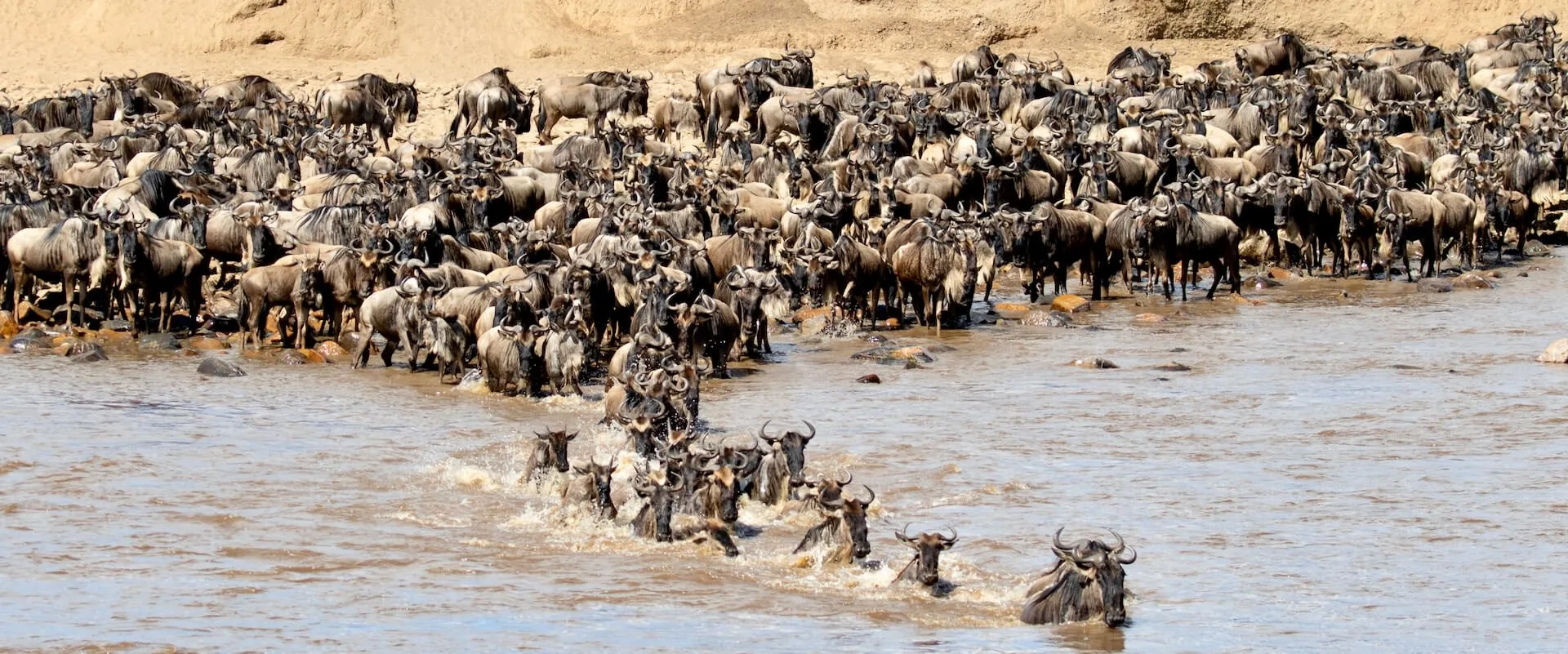
The Great Migration in Africa happens all year because the herds continuously circulate through the Serengeti–Mara ecosystem in…
Read article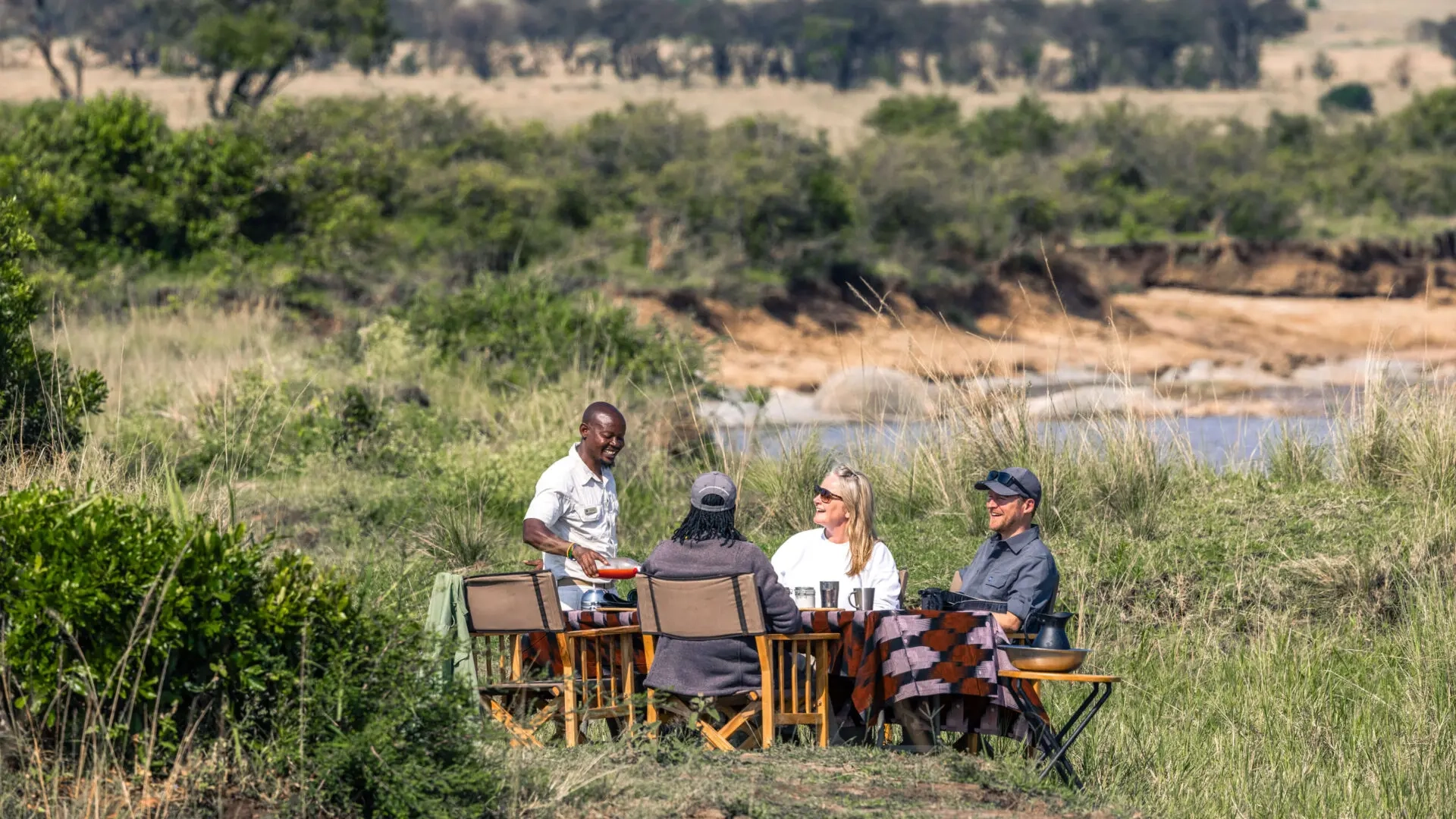
Definitive answer: A picnic lunch on safari is a packed or catered midday meal eaten at an approved…
Read article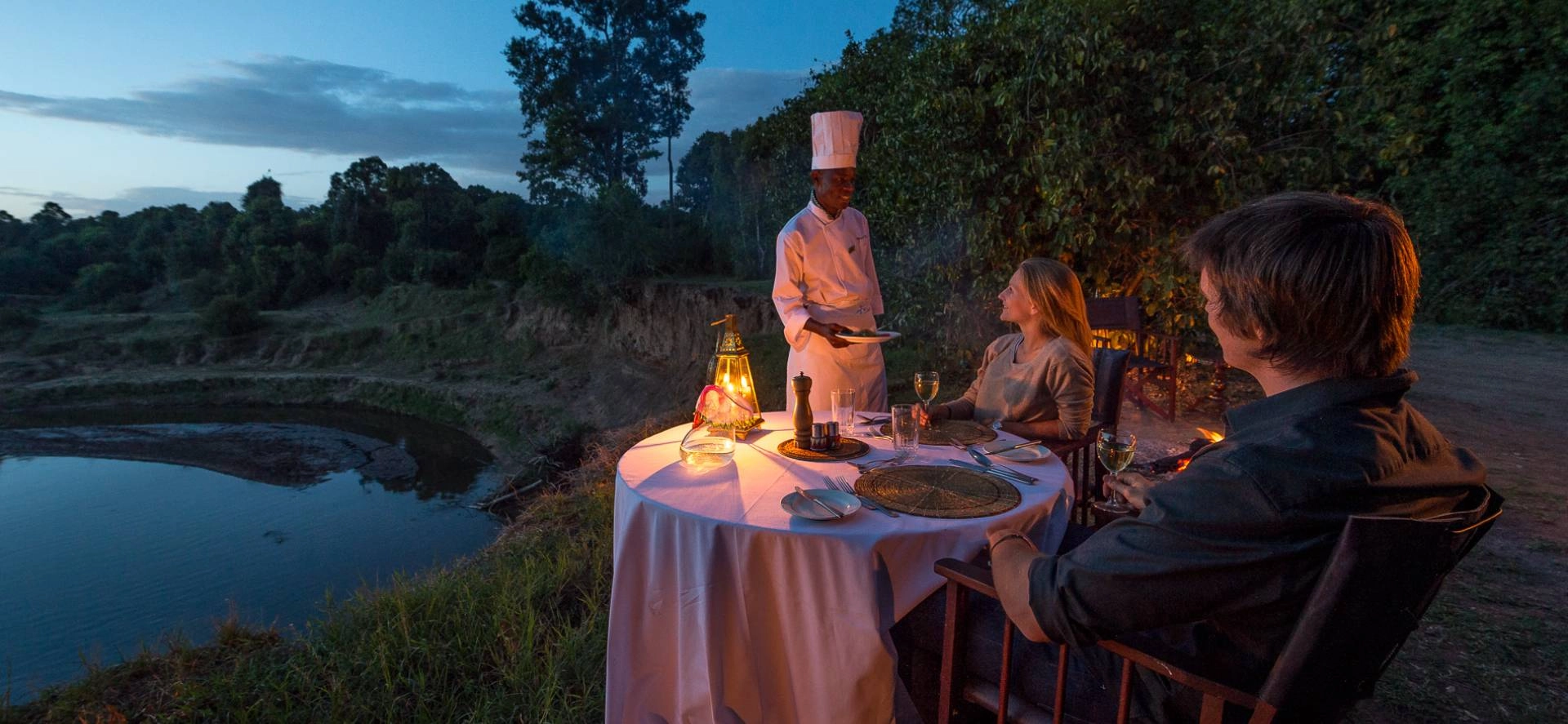
Definitive answer: A bush dinner is an outdoor evening meal arranged in a safe safari setting away from…
Read articleLet us take you closer to the wildlife, people and places that make Africa extraordinary.
Plan Your Safari Today