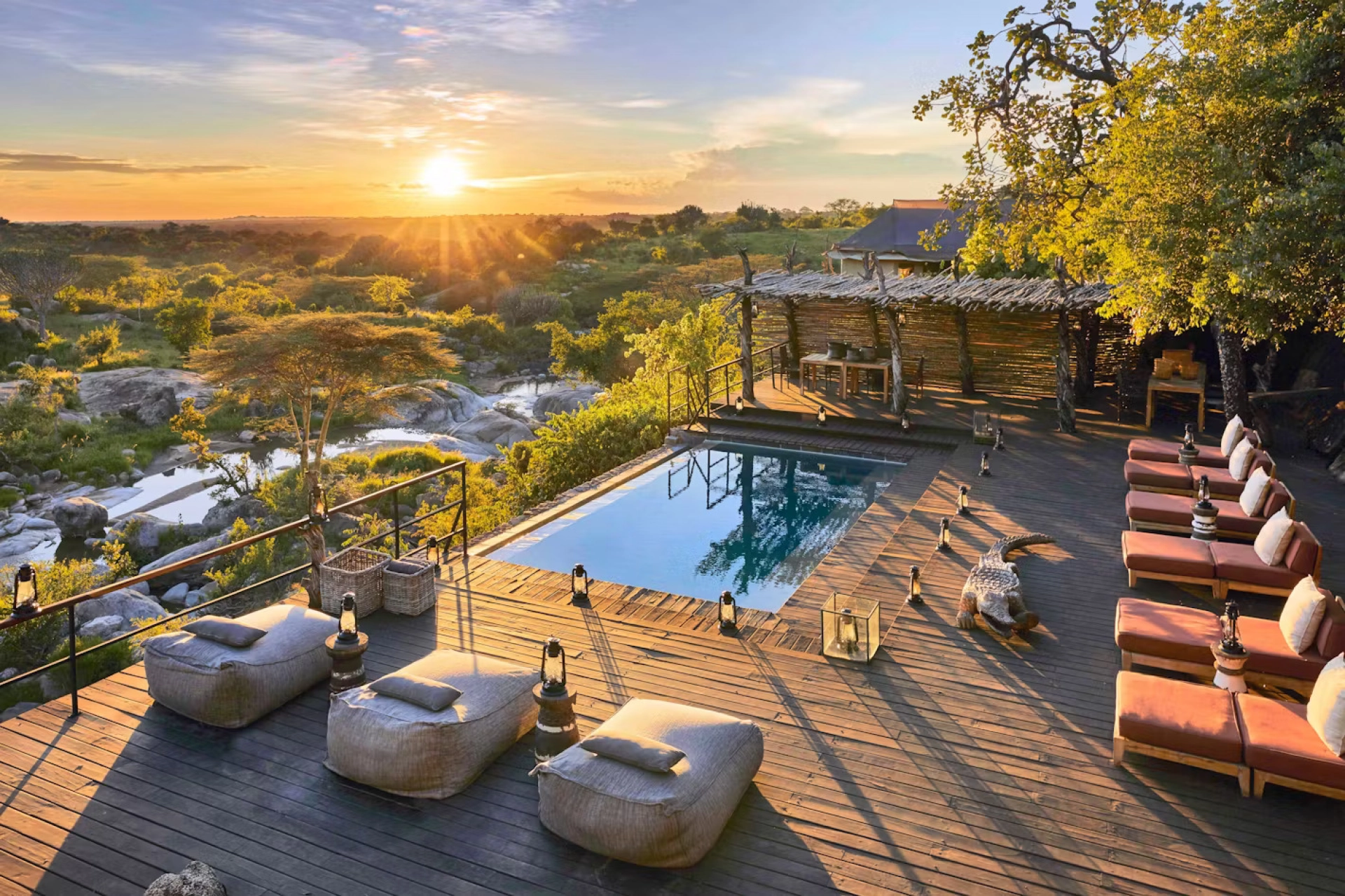
What should I look for when booking a luxury African safari?
When booking a luxury African safari, look beyond the room and compare the quality of guiding, wildlife location,…
Read article

Travel Guide
There is something fundamentally different about experiencing Africa by road. Flying between major safari destinations is fast and convenient, but it compresses geography. You leave one airport surrounded by one landscape, spend an hour or two…
There is something fundamentally different about experiencing Africa by road. Flying between major safari destinations is fast and convenient, but it compresses geography. You leave one airport surrounded by one landscape, spend an hour or two above the clouds, and arrive somewhere completely different. An Africa overland tour, by contrast, allows the continent to reveal itself gradually. The vineyards outside Cape Town fade into the dry interior. South Africa gives way to Namibia. Namibia’s enormous desert landscapes gradually become the waterways of Botswana. Farther north, the road can eventually lead toward the Zambezi, the Great Lakes, East African highlands and the wildlife plains of the Serengeti.
That gradual transition is one of the greatest attractions of African overland travel. The road between famous destinations becomes part of the holiday rather than simply a necessary inconvenience. You see towns that would never appear on a fly-in safari itinerary, watch landscapes change over several days, cross international borders on the ground, stop at roadside markets, experience different languages and food traditions, and gain a much stronger understanding of just how enormous and varied Africa really is.
For travelers who have enough time, the best Africa overland safari routes can also deliver remarkable value. A single journey might include Big Five game drives, desert dunes, tropical beaches, gorilla trekking, waterfall excursions, walking safaris, river cruises, cultural encounters and some of the continent’s most famous national parks. The challenge is deciding which route to choose. Some overland routes are ideal for first-time visitors. Others are better suited to adventurous travelers comfortable with long driving days and basic accommodation. Some concentrate almost entirely on wildlife, while others combine safari with beaches, cities, mountains and culture.
This guide explores eight outstanding African overland routes, from compact regional journeys to ambitious multi-country expeditions linking Cape Town, Victoria Falls, Botswana, Uganda, Kenya, Tanzania and the Serengeti.
An Africa overland tour is essentially a road-based journey connecting multiple destinations, often across more than one country. Traditional overland trips use specially designed expedition vehicles capable of carrying groups, luggage, camping equipment, food and supplies over long distances. Private overland safaris may instead use smaller 4×4 safari Land Cruisers, particularly when the journey is more wildlife-focused.
The term therefore covers several styles of travel. At one end are inexpensive participation-camping trips where travelers help pitch tents and assist with camp duties. At the other are comfortable lodge-based private African overland safaris with professional driver-guides, en-suite accommodation and carefully selected wildlife lodges. Between those extremes lies almost every combination imaginable. What connects them is the emphasis on traveling through Africa rather than simply flying over it.
The most compelling reason is context.
Imagine flying from Cape Town to Windhoek. You know intellectually that you have traveled north into Namibia, but you have experienced little of the transition. Now imagine driving. The lush Cape region gradually becomes drier. Settlements thin out. Mountains change shape. Vegetation becomes sparse. The road stretches toward horizons that seem almost impossibly distant. By the time you reach Namibia’s desert landscapes, you understand why the country feels the way it does.
The same principle applies in East Africa. Driving between Kenya and Uganda reveals how open savannah landscapes gradually give way to greener agricultural regions and highlands. Traveling from Kigali to Bwindi Impenetrable National Park shows how densely cultivated hills eventually become montane rainforest. Moving through northern Tanzania toward the Serengeti National Park creates a geographical story that an airport transfer simply cannot reproduce. This is why the best African road trips are not merely cheaper alternatives to flying. They are a distinct travel experience.
No.
The image of overland Africa is often associated with large trucks, tents and young backpackers, and that style certainly remains popular. However, modern overland safaris in Africa range from extremely economical camping adventures to high-end private journeys.
A couple can travel privately in a comfortable safari Land Cruiser and stay in mid-range lodges. A family can design a slower road itinerary with private rooms and shorter driving days. Photographers can use a dedicated vehicle and spend several nights in each wildlife destination. Groups of friends can divide vehicle costs and create a highly customized multi-country safari.
The important question is not whether overlanding suits your age or income. It is whether you enjoy the journey between destinations. If every driving day feels like wasted time, fly-in safari travel may be a better choice. If watching landscapes unfold through the window is part of the adventure, overlanding can be deeply rewarding.
Few Southern Africa overland routes are as complete as the journey from Cape Town to Victoria Falls.
It is a route built around contrast. Cape Town begins with ocean, mountains, sophisticated restaurants and vineyards. Namibia introduces desert wilderness on an enormous scale. Botswana replaces sand with wetlands and wildlife-rich river systems. Finally, Victoria Falls provides one of Africa’s most dramatic natural landmarks. A well-paced journey can take approximately three to four weeks, although longer itineraries allow considerably more depth.
Cape Town, South Africa deserves several days before the overland journey even begins. The city sits between Table Mountain and the Atlantic Ocean, providing one of the most dramatic urban settings in the world.
A complete stay can combine Table Mountain, the Cape Peninsula, Cape Point, Boulders Beach, Kirstenbosch, city neighborhoods and the nearby Cape Winelands. For travelers arriving after a long international flight, spending three or four nights here also provides time to recover before beginning extended road travel. Cape Town is particularly effective as the beginning of an overland trip because the route becomes progressively wilder. You begin with restaurants and city comforts before moving into increasingly remote landscapes.
Traveling north reveals the first great lesson of African overlanding: distance. Southern Africa is enormous. As Cape landscapes disappear, the environment becomes progressively drier. Long roads cut through sparsely populated areas, and the horizon begins to dominate the view. Crossing into Namibia introduces one of the most visually distinctive countries in Africa. This is not simply a safari destination. It is a landscape destination where geology, desert, silence and space are often as memorable as wildlife.
Southern Namibia’s Fish River Canyon provides an impressive introduction to the country’s scale. The canyon cuts deeply through an arid landscape, creating vast layered viewpoints that are particularly dramatic in softer morning or evening light. The attraction is not about ticking off wildlife species. It is about standing in a landscape that makes human scale feel insignificant. That contrast becomes important later when the journey reaches wildlife-rich northern Namibia and Botswana.
The Namib Desert contains some of the most recognizable scenery in Africa. Around Sossusvlei, towering dunes rise above pale clay pans. Nearby Deadvlei is famous for dark skeletal trees standing against white ground, orange dunes and intense blue sky. This region rewards an early start. As the sun rises, shadows move across the dunes, revealing their enormous shapes. By midday, the same landscape can look flatter and harsher. A good Namibia safari itinerary therefore treats light as part of the experience rather than simply arriving at attractions whenever convenient.
After days surrounded by desert, reaching Swakopmund feels almost surreal. The cold Atlantic Ocean sits beside some of the world’s driest landscapes. Coastal fog frequently shapes the environment, and the architecture reflects Namibia’s colonial history. Swakopmund is often used as a rest point on longer Namibia overland tours, but it is worth more than a quick overnight stop. Adventure activities, coastal excursions and desert experiences can easily fill several days.
Farther north, the journey changes from landscapes to major wildlife viewing. Etosha National Park is one of southern Africa’s most important safari destinations. Its huge salt pan and network of waterholes create an environment very different from the wooded landscapes of Kruger or the plains of East Africa. During drier periods, waterholes become particularly important. Elephants may arrive in family groups. Zebras and antelopes gather nearby. Giraffes approach cautiously to drink. Predators understand that prey must eventually visit water. This creates the possibility of long, patient wildlife observation rather than constant driving. For travelers building a Namibia wildlife safari, Etosha provides the major big-game component.
The transition from Namibia toward Botswana introduces another dramatic ecological shift. The landscapes gradually become influenced by major river systems and seasonal wetlands. After days of desert scenery, the presence of abundant water feels remarkable. This is where the route begins moving toward the Okavango Delta.
The Okavango Delta is one of Africa’s most unusual ecosystems because a major river spreads into the interior rather than reaching the sea. Seasonal floodwaters create channels, islands, reed beds and floodplains supporting extraordinary wildlife. Traditional mokoro excursions can provide a quiet way to experience portions of this environment. Instead of listening to an engine, travelers glide through narrow channels while watching birds, vegetation and signs of wildlife. Other areas of the Delta offer game drives, walking safaris and boat activities depending on water levels and location. The Botswana safari experience is therefore often as much about water as land.
Continuing toward the Zambezi region brings travelers to Chobe National Park, one of Africa’s most famous elephant destinations. The Chobe River creates superb opportunities for boat-based wildlife viewing. A boat safari can reveal elephants drinking at the shoreline, buffaloes grazing on floodplains, hippos resting in channels, crocodiles on sandbanks and extraordinary numbers of waterbirds. This is an excellent example of why varied safari activities matter. Seeing elephants from a vehicle and watching them from the water are completely different experiences.
Finally, the route reaches Victoria Falls, where the Zambezi River plunges into a dramatic gorge along the border between Zimbabwe and Zambia. Water volume varies seasonally, changing the appearance of the falls. At high flow, spray can be enormous. During lower-water periods, the underlying rock formations become more visible. Victoria Falls also functions as an adventure hub, making it an ideal final destination after several weeks on the road. For many travelers, Cape Town to Victoria Falls represents the perfect first major African overland journey because it combines cities, deserts, wildlife, wetlands and one of the continent’s greatest natural landmarks.
Travelers who have less time or want to concentrate more heavily on wildlife can begin in Johannesburg and travel through Kruger National Park, Botswana and Victoria Falls. This eliminates the long Namibia section and creates a stronger Big Five safari itinerary.
Kruger National Park is one of Africa’s most celebrated wildlife areas. Its enormous size, extensive road network and diversity of habitats support exceptional populations of African elephants, lions, leopards, buffaloes, rhinos, hyenas, wild dogs, giraffes and numerous antelope species. Travelers can combine the public national park with private reserves in the Greater Kruger ecosystem. Private reserves can provide additional experiences such as guided bush walks and night drives where permitted, while Kruger itself offers a huge landscape and excellent game-viewing opportunities. The combination can be particularly effective for first-time safari travelers.
Kruger and Botswana provide different safari styles. Kruger is predominantly a vehicle-based terrestrial safari ecosystem. Botswana adds the Okavango Delta, waterways, mokoro excursions and Chobe River experiences. Instead of repeating similar game drives for two weeks, travelers experience wildlife through different landscapes and activities. A carefully designed Kruger Botswana Victoria Falls safari can therefore deliver enormous diversity within approximately two to three weeks.
Not every overland adventure needs to cross international borders. One of the easiest South Africa road trips combines Cape Town, the Garden Route and an Eastern Cape safari. This route is particularly suitable for travelers who want comfortable infrastructure, beautiful coastal scenery and wildlife without the logistical complexity of multiple border crossings.
The Garden Route of South Africa is famous for coastal landscapes, forests, beaches, lagoons and attractive towns. Destinations such as Wilderness, Knysna, Plettenberg Bay and Tsitsikamma can be combined without the extreme distances associated with Namibia. The route encourages a slower style of travel. A morning might involve a forest walk, followed by lunch overlooking a lagoon and an afternoon beside the ocean. This is a different experience from a traditional safari circuit and works particularly well for couples and families.
The road journey can continue toward Addo Elephant National Park or selected private game reserves. This allows travelers to combine the Garden Route and safari without flying across the country. The Eastern Cape also contains safari areas commonly promoted as malaria-free. Because health classifications and individual circumstances matter, travelers should still obtain current professional travel-health advice for their exact itinerary. A Cape Town Garden Route safari holiday can therefore work exceptionally well for travelers who want an accessible first introduction to South Africa.
If southern Africa offers the great desert-and-delta overland route, East Africa provides one of the world’s great wildlife journeys. A route beginning in Nairobi, crossing the Masai Mara, entering Tanzania for the Serengeti National Park and Ngorongoro Crater, and finishing on Zanzibar combines some of Africa’s most recognizable safari landscapes.
Nairobi is far more than an airport stop. The city provides access to Nairobi National Park and several wildlife and cultural attractions, but its greatest importance is geographical. It is one of the principal gateways to Kenya’s safari circuit. From Nairobi, the road can lead toward the Masai Mara National Reserve.
The Masai Mara is famous for open grasslands, big cats and seasonal concentrations associated with the Great Wildebeest Migration. Even when the largest migrating herds are elsewhere, resident wildlife can be exceptional. Lion prides, cheetahs, elephants, giraffes, buffaloes and numerous antelope species make the Mara rewarding throughout much of the year. Spending several nights is preferable to treating the reserve as a quick photographic stop.
Combining Kenya and Tanzania requires careful logistical planning because vehicle regulations and operating arrangements can affect how cross-border transfers work. A professional Kenya Tanzania safari itinerary should minimize unnecessary backtracking and make transfer points clear before travel. Once inside Tanzania, the journey reaches the immense Serengeti ecosystem.
The Serengeti is one of the defining landscapes of African safari. Its scale is difficult to understand until you drive through it. Different regions become important during different stages of the Great Migration, meaning accommodation location should be selected according to travel month rather than simply choosing the most famous lodge. The Southern Serengeti and Ndutu region are strongly associated with the calving period. The Western Corridor becomes important during later movements, while the Northern Serengeti is associated with the Mara River during the northern migration phase. This makes migration planning a geographical exercise.
The road then leads toward the Ngorongoro Conservation Area, where the landscape changes dramatically. Descending into Ngorongoro Crater creates a safari experience very different from Serengeti. Instead of an immense open ecosystem, wildlife is encountered within the walls of a vast volcanic caldera. The concentration of habitats and animals makes Ngorongoro an excellent complement to Serengeti rather than a substitute for it.
After dusty safari roads, Zanzibar provides an ideal change of pace. Travelers can explore Stone Town, learn about Swahili coastal history, visit spice-growing areas and spend several days beside the Indian Ocean. The Tanzania safari and Zanzibar combination is particularly attractive for honeymooners because it combines adventure and relaxation without leaving the country.
Travelers wanting greater ecological diversity can continue west from Kenya into Uganda. A Kenya Uganda safari can combine classic savannah wildlife with some of the world’s greatest primate experiences. The contrast is extraordinary. One part of the journey takes place among lions and cheetahs on open plains. Another leads into dense rainforest in search of chimpanzees. The climax can be standing quietly within meters of a family of mountain gorillas in Bwindi Impenetrable National Park.
Traveling overland from Kenya into Uganda reveals progressively greener scenery. Depending on the itinerary, travelers may include Jinja and the Nile before continuing toward western Uganda. The road then leads toward some of Uganda’s most important wildlife areas.
Kibale National Park is one of Africa’s premier chimpanzee trekking destinations. Unlike savannah safari, where wildlife is usually observed from a vehicle, chimpanzee trekking involves walking through forest. The experience is auditory as well as visual. You may hear chimpanzees calling long before seeing them. Branches move. Guides interpret sounds. Eventually, a chimpanzee may appear high in the canopy or descend toward the forest floor. This completely changes the rhythm of the safari.
From Kibale, the route can continue toward Queen Elizabeth National Park. Here the landscape opens again. Game drives search for elephants, buffaloes, antelopes and predators, while the Kazinga Channel boat safari provides excellent viewing from the water. Large concentrations of hippos and abundant birdlife make the channel one of Uganda’s classic safari experiences.
The journey then reaches Bwindi Impenetrable National Park, home to part of the world’s mountain gorilla population. Gorilla trekking in Uganda is not simply another wildlife sighting. Travelers walk through steep, humid forest with guides and trackers until a habituated gorilla family is located. The regulated encounter allows visitors to observe complex social behavior at close range. A silverback resting among vegetation, juveniles playing nearby or a mother caring for an infant can create one of the most emotionally powerful moments of an African journey. This is why combining Kenya wildlife safari and Uganda gorilla trekking produces such a complete East African experience.
Travelers with fewer days can build a compact Rwanda Uganda overland safari beginning in Kigali. The geographical advantage is significant. Kigali is relatively close to southwestern Uganda compared with starting from Nairobi or Entebbe for some itineraries.
After exploring Kigali, travelers can head east toward Akagera National Park. Akagera provides Rwanda’s major savannah wildlife experience, creating a striking contrast with the country’s mountainous western landscapes. Game drives and boat experiences can reveal elephants, buffaloes, giraffes, antelopes, hippos and predators. The park can then be combined with primate destinations farther west.
Travelers can trek mountain gorillas in Volcanoes National Park in Rwanda or cross into Uganda toward Bwindi Impenetrable National Park. Both offer exceptional gorilla experiences. The best choice depends on the wider itinerary, permit arrangements, available time and budget. For travelers continuing into Uganda’s wildlife parks, Bwindi can fit naturally into the route.
After gorilla trekking, Lake Bunyonyi provides an excellent place to slow down. Its steep terraced hills and numerous islands create some of southwestern Uganda’s most attractive scenery. A boat or canoe experience can provide a gentle contrast after a physically demanding gorilla trek. The journey can then continue north toward Queen Elizabeth National Park before finishing in Entebbe, or return toward Kigali depending on the itinerary.
For travelers with more time, Victoria Falls to Nairobi overland creates a genuine multi-country African adventure. The route can link the Zambezi region with Zambia, Malawi, Tanzania and Kenya. This is where overlanding becomes more than a safari circuit. It becomes a long-distance expedition.
Zambia is one of Africa’s great safari countries, although many overland itineraries use it partly as a geographical bridge between Victoria Falls and East Africa. Longer journeys can incorporate wildlife areas where route and season allow. The road north emphasizes the huge distances separating southern and eastern Africa.
Reaching Lake Malawi provides a welcome change after extended road travel. The lake is vast enough to resemble an inland sea. Beaches, fishing communities, water activities and relaxed accommodation make it an ideal place for several slower days. Overland travelers often remember these rest periods as fondly as major national parks because they provide time to absorb the journey.
The route then enters Tanzania. Travelers may continue toward the coast, Zanzibar and eventually northern Tanzania. This demonstrates another advantage of overland travel: Tanzania stops feeling like a collection of isolated tourist attractions and begins to make geographical sense. You understand the relationship between highlands, coast, lakes and northern safari landscapes.
The final stages can incorporate the Serengeti, Ngorongoro Crater and eventually Kenya. Ending a multi-week journey among East Africa’s great wildlife plains provides an extraordinary climax.
For serious overland travelers, Cape Town to Nairobi remains one of Africa’s legendary road journeys. It can connect South Africa, Namibia, Botswana, the Zambezi region, Malawi, Tanzania and Kenya within a single continuous expedition. Some travelers extend even farther into Uganda and Rwanda for gorilla trekking. This is not a trip to rush. Six weeks should be considered a substantial journey, while longer itineraries allow far better pacing.
Few routes on Earth cross such diverse environments. You can begin beneath Table Mountain, cross some of the world’s oldest desert landscapes, watch elephants around Etosha, enter the waterways of Botswana, stand beside Victoria Falls, relax beside Lake Malawi, reach the Indian Ocean, cross Tanzania and eventually arrive among the wildlife plains of the Serengeti and Masai Mara. The distance creates perspective. Africa stops feeling like a series of safari brochures. It becomes a connected continent.
One of the biggest mistakes when designing an Africa multi-country safari is measuring success by the number of countries visited. A traveler might proudly say they crossed seven countries in three weeks, but if most of those weeks were spent driving, the itinerary may have delivered very little depth. Good overland planning asks a different question: How much meaningful time will we actually spend in each destination? Three nights in Serengeti can be more valuable than one night each in three different parks.
Two relaxed days in the Okavango can be more memorable than racing through Botswana to add another border stamp. The best African overland itinerary balances movement with immersion.
Large expedition trucks are excellent for transporting groups across long distances. Their elevated seating provides good views, and they can carry camping equipment, water, food and luggage. However, they are not always the ideal wildlife-viewing vehicle. A purpose-built 4×4 safari Land Cruiser generally provides better maneuverability and individual viewing access during game drives. This is particularly important in destinations such as Masai Mara, Serengeti, Ngorongoro, Kruger, Queen Elizabeth National Park and other wildlife areas. Good overland itineraries therefore sometimes use expedition vehicles for long-distance transport and smaller safari vehicles inside parks.
The economic advantage of overland travel can be significant. Vehicle costs are shared among travelers. Camping can dramatically reduce accommodation expenses. Group meal preparation lowers food costs, and road travel can replace expensive regional flights. However, travelers should compare total cost rather than advertised starting price. An inexpensive tour may exclude park fees, gorilla permits, optional excursions, certain meals or local safari vehicles. A slightly more expensive itinerary with more inclusions can ultimately provide better value.
A private African safari offers a very different experience. Instead of following a fixed group schedule, travelers can determine how long to spend at sightings, choose accommodation level and adjust departure times. This is especially valuable for photographers, families and groups of friends. When four to six travelers share one vehicle, the cost per person can become considerably more reasonable than many people expect.
Accommodation strongly affects both cost and experience. Camping provides the strongest sense of adventure and often places travelers close to nature. Budget lodges provide beds and private rooms without major luxury. Mid-range safari lodges and tented camps offer more comfort while preserving the safari atmosphere. High-end properties can transform selected nights into memorable luxury experiences. There is no requirement to choose only one level. A thoughtful itinerary might use affordable accommodation during transit sections and invest more heavily in strategic wildlife locations. This often produces better value than paying luxury prices every night.
No detailed guide should pretend that overlanding is effortless. Some driving days are long. Roads can be rough. Border crossings can be slow. Dust enters vehicles. Departure may be before sunrise. A tire may puncture. Weather can change road conditions. Yet these inconveniences are part of the experience. The important distinction is between necessary travel and poor itinerary design. A long drive that connects two extraordinary regions can be worthwhile. Repeatedly driving eight hours simply because an itinerary includes too many destinations is not.
Crossing African borders by road requires patience and correct documentation. Requirements vary according to nationality and can change. Travelers should confirm passport validity, visa requirements and any relevant health documentation using current official sources before travel. Vehicle documentation also matters for private road journeys. A reputable operator handles the operational side, but travelers remain responsible for personal entry requirements.
Multi-country routes may pass through several health environments. Malaria risk can vary significantly between regions. Vaccination recommendations and entry requirements can also depend on itinerary and travel history. For this reason, travelers planning a long Africa overland safari should seek individualized advice from a qualified travel-health professional well before departure rather than relying on generic online information.
Overland travel rewards light packing. Large hard-sided suitcases become inconvenient when luggage must fit into vehicle compartments. Soft bags are generally more practical. Clothing should work in layers because one itinerary may encounter cold Cape mornings, intense Namibian heat, cool East African highlands and tropical humidity. A lightweight waterproof layer, comfortable walking shoes, hat, sunscreen, binoculars, headlamp, reusable water bottle and reliable power bank are particularly useful. For camping routes, the operator should specify sleeping-bag and equipment requirements.
An overland journey can produce an extraordinary photographic portfolio because the subjects constantly change. One week you may photograph Table Mountain. Another brings Namib Desert dunes. Later there are elephants in Etosha, mokoros in the Okavango, spray rising from Victoria Falls, Lake Malawi fishermen, lions in Serengeti and perhaps mountain gorillas in Uganda. Dust protection becomes essential. Carry multiple memory cards, spare batteries and a secure backup system whenever possible.
Group Africa overland tours are particularly attractive for solo travelers because they solve two problems simultaneously: transport and social connection. Safari vehicles are expensive when paid for by one person. Sharing those costs makes longer journeys accessible. At the same time, driving days, camp setup and shared meals naturally create interaction among travelers. For someone nervous about traveling alone through multiple African countries, a professionally guided overland departure can provide structure without removing the sense of adventure.
Couples often enjoy private or small-group overland journeys because the road itself becomes part of the shared experience. For honeymoons, however, traditional participation camping may not provide the desired atmosphere. A luxury African honeymoon safari can still use an overland structure while staying in comfortable lodges and tented camps. Combining Serengeti and Zanzibar, Kruger and Mozambique, or Botswana and Victoria Falls can work particularly well.
Families need slower pacing. Children generally tolerate a six-hour drive much better when there are meaningful stops and several nights at the destination afterward. A private vehicle provides enormous advantages because bathroom breaks, meal stops and departure times can be adapted. A family safari in Africa should prioritize experience quality rather than maximizing the number of national parks.
One of the most powerful additions to an East African overland journey is mountain gorilla trekking. Travelers moving through Kenya and Tanzania can continue into Uganda or Rwanda. This transforms the trip from a classic savannah safari into a broader exploration of African ecosystems. Imagine beginning with the Great Migration in Serengeti, continuing to Uganda, walking through Bwindi Impenetrable Forest, and finally sitting quietly with mountain gorillas. Few wildlife journeys offer greater contrast.
Uganda also allows travelers to add chimpanzee trekking in Kibale National Park. Combining chimpanzees in Kibale, wildlife in Queen Elizabeth National Park and gorillas in Bwindi creates a natural western Uganda circuit that works extremely well by road. This is precisely where overland travel becomes more efficient than repeated flying.
Travelers specifically interested in the Great Wildebeest Migration need to match route timing with likely herd locations. The migration is continuous, but the herds move through different parts of the ecosystem during the year. A January or February safari generally focuses farther south around Ndutu and Southern Serengeti, while travelers seeking northern river-crossing possibilities generally focus on Northern Serengeti and Masai Mara during the relevant seasonal period. A well-designed Great Migration safari follows ecology rather than a generic annual itinerary.
Driving through communities provides opportunities for genuine cultural understanding, but it also creates responsibilities. Travelers should avoid treating ordinary people as tourist attractions. Ask permission before photographing individuals. Support locally owned businesses where practical. Avoid littering. Use refillable water systems where available. Respect wildlife regulations. Choose community visits that provide transparent local benefits rather than staged experiences created primarily for photographs. Responsible African safari tourism should leave destinations stronger rather than merely consumed.
The best African overland safari is not necessarily the one that crosses the greatest number of borders. It is the one that connects destinations intelligently. At Adventure in the Wild Safaris, an overland itinerary can be designed around your priorities, whether those are Uganda gorilla trekking, Serengeti wildlife, Masai Mara safari, chimpanzee trekking, the Great Migration, cultural encounters, photography or a wider multi-country African journey. For East Africa in particular, road travel can connect some extraordinary experiences without sacrificing the sense of journey.
A traveler can begin in Kigali, cross into Bwindi, continue through Queen Elizabeth and Kibale, finish in Entebbe or extend onward toward Kenya and Tanzania. Another can begin in Nairobi, explore the Masai Mara and Serengeti, continue to Zanzibar and later add Uganda or Rwanda. The route should be built around your available time rather than forcing your time around a pre-designed route.
The most memorable moment on an overland safari may not be the destination you expected. It might be watching sunrise over a Namibian desert road before anyone else is awake. It might be seeing elephants appear beside the Chobe River. It might be crossing from Rwanda into Uganda as cultivated hills gradually give way to the forests around Bwindi. It might be hearing chimpanzees call through Kibale. It might be the first moment the Serengeti plains appear beyond the vehicle.
Or it might simply be sitting beside a campfire after a long driving day, realizing how much of Africa you have actually crossed. That is the difference between visiting destinations and traveling through a continent. An Africa overland tour connects the spaces between the famous names. And very often, those spaces become just as memorable as the names themselves.
Get quick answers to the most common questions. If you still have questions, our safari experts are here to help.
Cape Town to Victoria Falls is one of the strongest choices because it combines excellent infrastructure, dramatic scenery, Namibia, Botswana wildlife and Victoria Falls. Travelers primarily interested in East African wildlife may prefer a Kenya Tanzania safari combining Masai Mara, Serengeti and Ngorongoro.
A route combining Kruger National Park, Botswana and Victoria Falls is excellent in southern Africa, while Masai Mara, Serengeti and Ngorongoro provide one of the strongest wildlife combinations in East Africa.
Uganda is ideal for a road-based primate safari because Kibale National Park, Queen Elizabeth National Park and Bwindi Impenetrable National Park can be connected naturally.
Yes, but it is an enormous journey and should be treated as a multi-week expedition rather than a conventional short safari.
A meaningful journey generally requires several weeks. Around six to eight weeks allows substantially better pacing than trying to compress the route into a short holiday.
No. Lodge-based and private overland safaris can suit travelers of many ages. The important factors are comfort preferences, mobility and tolerance for road travel.
Safety depends on the exact route, operator and current local conditions. Reputable safari operators monitor developments and adjust itineraries where necessary. Travelers should also consult current official travel advice for the countries they plan to visit.
Yes. Zanzibar, Mozambique and South Africa’s coast can all be incorporated into suitable itineraries.
No. Africa overland tours range from camping adventures to comfortable lodge-based private safaris.
Yes. Multi-destination itineraries can be designed around wildlife interests, available days, accommodation preferences and preferred start and finish points.
Our safari experts are here to help you plan your safari. Get personalized advice, the latest information and a free, no-obligation quote.
We typically reply within a few hours.

Share This Article
When booking a luxury African safari, look beyond the room and compare the quality of guiding, wildlife location,…
Read article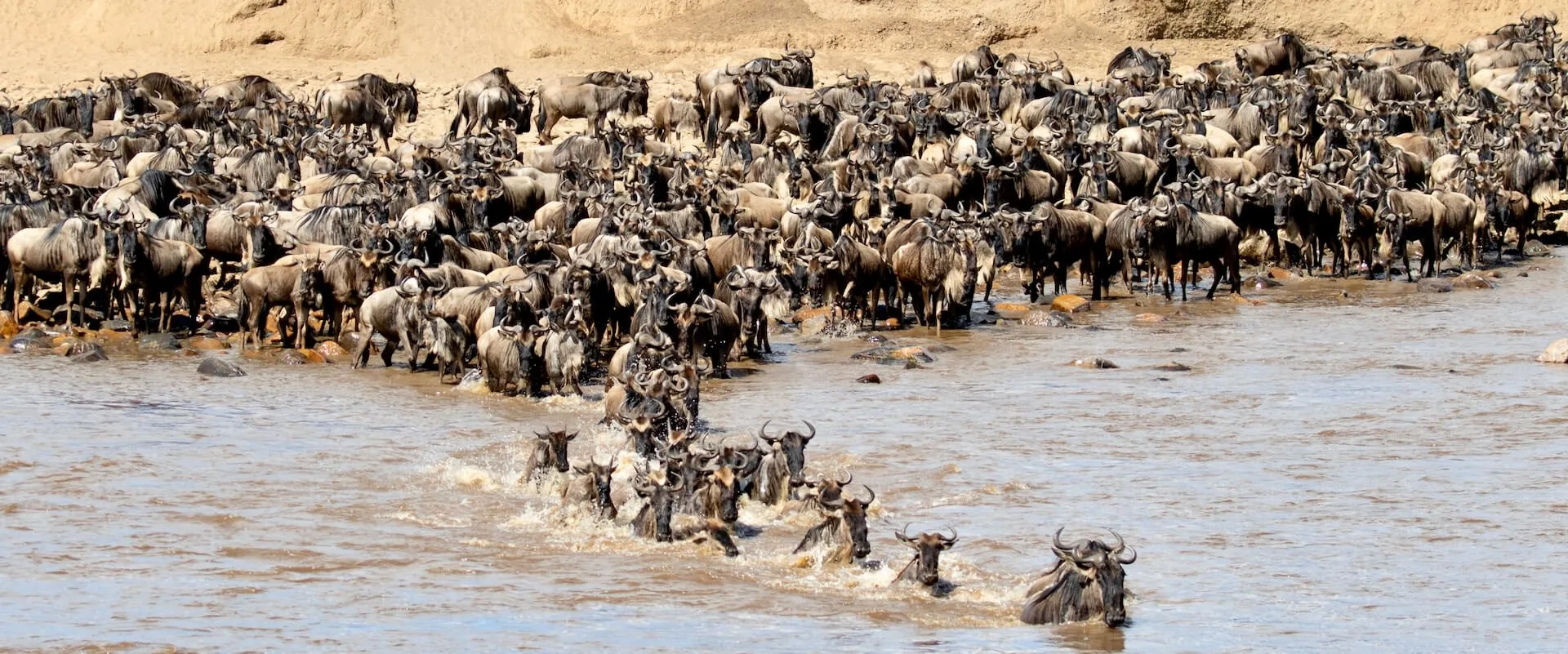
The Great Migration in Africa happens all year because the herds continuously circulate through the Serengeti–Mara ecosystem in…
Read article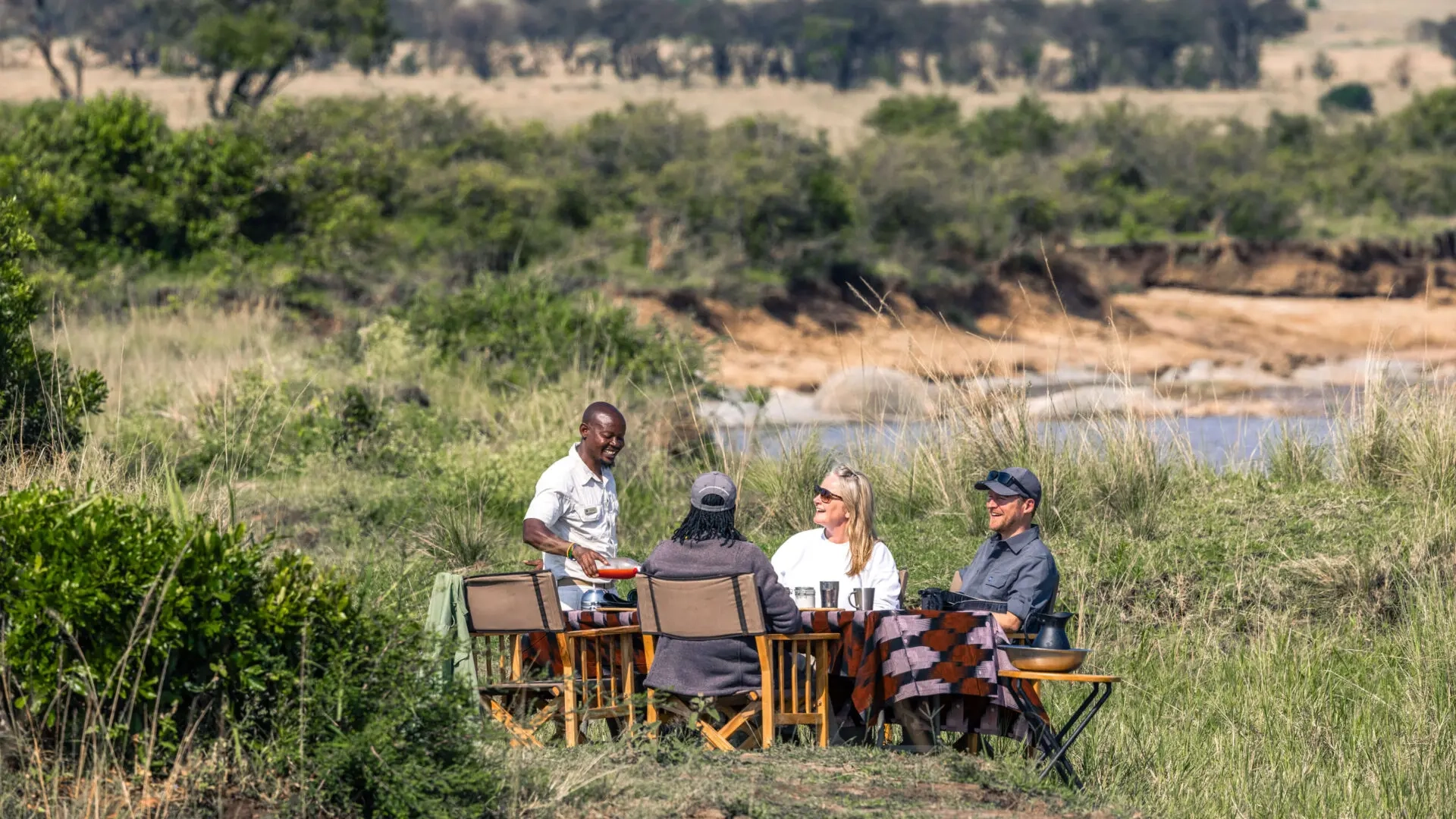
Definitive answer: A picnic lunch on safari is a packed or catered midday meal eaten at an approved…
Read article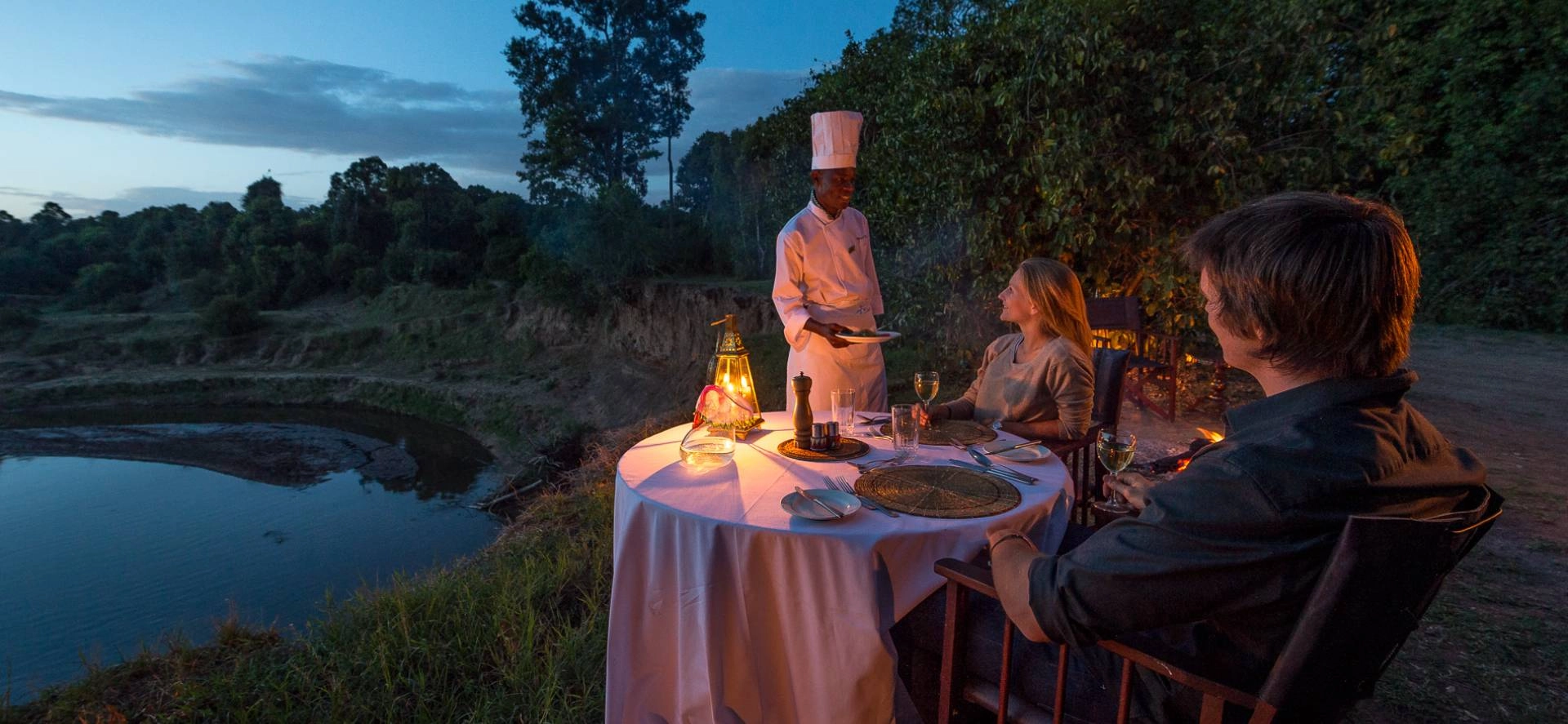
Definitive answer: A bush dinner is an outdoor evening meal arranged in a safe safari setting away from…
Read articleLet us take you closer to the wildlife, people and places that make Africa extraordinary.
Plan Your Safari Today