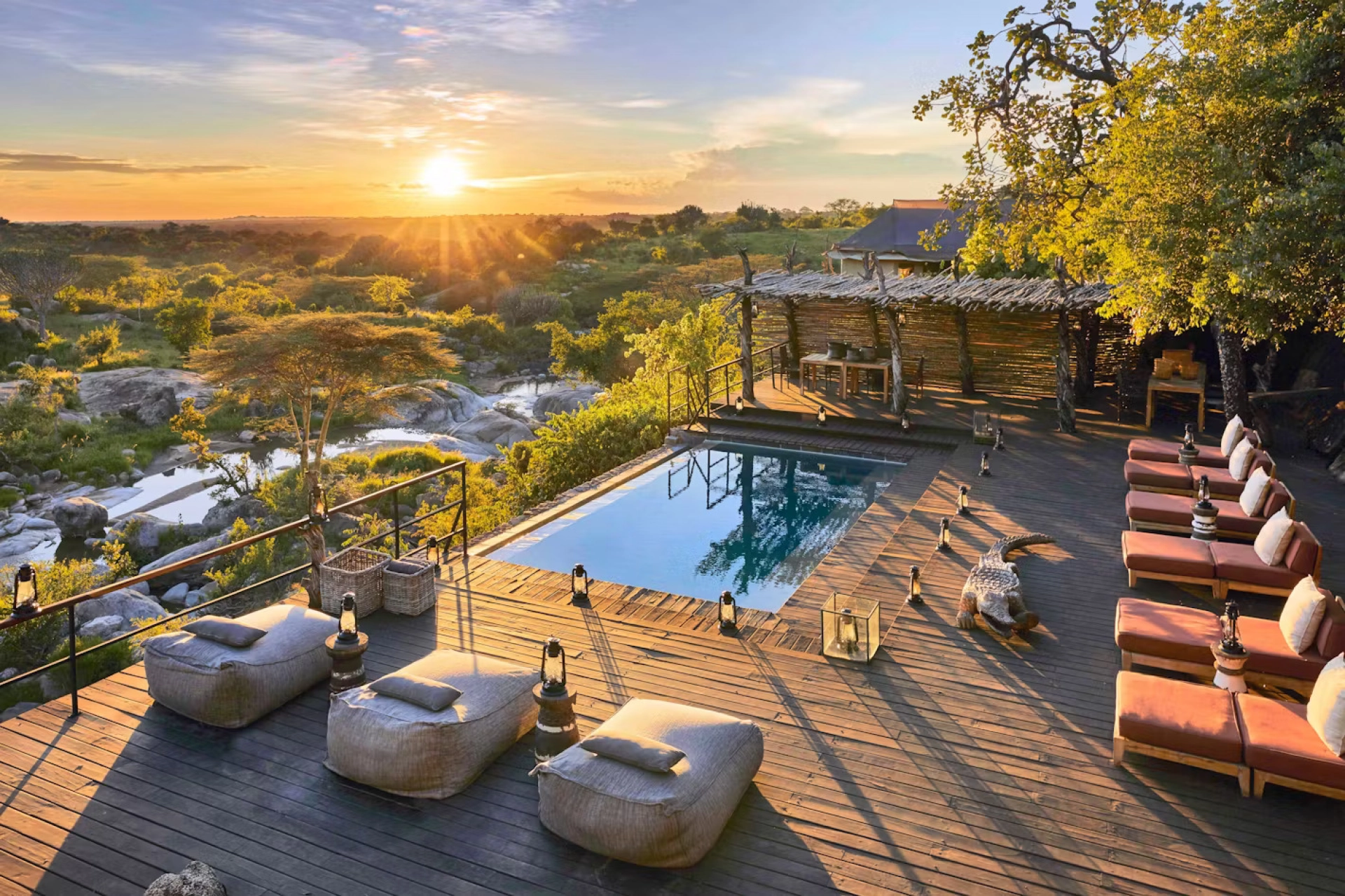
What should I look for when booking a luxury African safari?
When booking a luxury African safari, look beyond the room and compare the quality of guiding, wildlife location,…
Read article

Travel Guide
Planning an African safari can initially feel more complicated than planning an ordinary holiday. Instead of simply choosing a hotel and flight, travellers must consider wildlife destinations, seasons, park fees, safari vehicles, guides, accommodation categories, domestic…
Planning an African safari can initially feel more complicated than planning an ordinary holiday. Instead of simply choosing a hotel and flight, travellers must consider wildlife destinations, seasons, park fees, safari vehicles, guides, accommodation categories, domestic flights, road transfers, visas, vaccinations, luggage restrictions, wildlife permits and sometimes international border crossings. Then there is the biggest question of all: where in Africa should you actually go?
A traveller dreaming of mountain gorillas needs a completely different itinerary from someone hoping to photograph the Great Migration. Someone interested in elephants and wilderness might find Botswana ideal, while a first-time visitor wanting a broad Big Five safari may prefer Kenya, Tanzania or South Africa. Birders may be drawn toward Uganda, while travellers combining wildlife with Victoria Falls might naturally consider Zimbabwe, Zambia and Botswana.
There is therefore no single perfect African safari itinerary. There is only the safari that best matches your interests, available time, travel season, preferred comfort level and budget. This detailed Africa safari planning guide answers the questions travellers most frequently ask before booking. It is intended for first-time safari visitors as well as experienced travellers planning more specialised journeys through Uganda, Rwanda, Kenya, Tanzania, Botswana, South Africa, Namibia, Zambia and Zimbabwe.
For most travellers, booking six to twelve months before departure provides a good balance between availability and planning flexibility. However, some journeys should be organised earlier. If you are travelling during the peak Great Migration season, Christmas and New Year, Easter or major international holiday periods, booking nine to eighteen months ahead can provide significantly better accommodation choice. The same principle applies to specialist wildlife experiences with limited capacity. Gorilla trekking permits in Uganda and Rwanda, for example, are issued for specific trekking dates and locations. Accommodation near popular gorilla sectors can also become limited during high-demand periods.
Small luxury safari camps present another availability challenge. A remote camp might contain only six or eight guest tents. When those rooms sell, there is no additional inventory to open. Early booking therefore does not merely secure “a hotel.” It protects the structure of the safari.
Sometimes. Last-minute safari booking works best for flexible travellers. If you can change your departure date, accommodation category or destination, an operator may be able to construct an excellent itinerary relatively quickly. The challenge appears when the requirements become specific.
If you want a particular lodge, a particular gorilla trekking date, a particular migration region and a particular domestic flight, availability becomes much harder. Last-minute planning is particularly risky for families because family rooms are much more limited than ordinary double rooms. It is also risky for large groups that require several rooms at the same property.
Begin with wildlife interests rather than country names. If mountain gorilla trekking is the priority, Uganda or Rwanda should form the centre of the itinerary. If the Great Migration is the dream, Kenya and Tanzania become particularly relevant. If you want the Okavango Delta, Botswana is essential. If self-driving and a broad range of accommodation prices matter, South Africa and Namibia become strong choices. If Victoria Falls is important, Zimbabwe or Zambia can anchor a southern African itinerary. This approach prevents travellers from choosing destinations simply because they are famous. The question is not “Which African country is best?”
The better question is “Which destination is best for the experiences I want?”
Kenya and Tanzania are classic first-safari destinations because their major parks contain large concentrations of recognisable African wildlife. The Masai Mara, Serengeti National Park, Ngorongoro Crater, Amboseli National Park and Tarangire National Park can produce exceptional encounters with lions, elephants, giraffes, buffaloes, cheetahs, hyenas and numerous antelope species. South Africa is another strong first-time destination because Kruger and surrounding private reserves provide a mature safari infrastructure. Uganda is especially compelling for travellers who want more than conventional savannah wildlife. A single Uganda safari can combine mountain gorillas, chimpanzees, game drives, boat safaris, birding and dramatic landscapes.
There is no requirement that a first safari must focus entirely on the Big Five.
The African Big Five are lion, leopard, elephant, rhinoceros and buffalo. The phrase originally came from hunting terminology and referred to animals considered particularly difficult and dangerous to hunt on foot. Modern photographic safari tourism has transformed the term into a wildlife-viewing concept. Many travellers understandably hope to see all five. But the Big Five should not become the only measure of safari success. Cheetahs, African wild dogs, giraffes, hippos, crocodiles, chimpanzees, gorillas, hyenas and hundreds of bird species can provide equally memorable encounters. A safari dominated by checklist thinking can cause travellers to overlook fascinating animal behaviour occurring directly beside them.
Big Five possibilities exist in several African countries, including Kenya, Tanzania, South Africa, Botswana, Zimbabwe and Uganda. However, distributions differ. Rhinos are relatively scarce in many ecosystems. Leopards can be difficult to locate even where populations are healthy. Wildlife is never guaranteed. If seeing all five matters strongly, tell your safari planner. The itinerary can then prioritise areas where the probability is better.
Mountain gorilla trekking is available in Uganda and Rwanda, while the wider Virunga landscape also extends into the Democratic Republic of Congo. Uganda’s best-known gorilla destination is Bwindi Impenetrable National Park, which contains several trekking sectors. Uganda also offers gorilla trekking in Mgahinga Gorilla National Park. Rwanda’s trekking takes place in Volcanoes National Park. Choosing between Uganda and Rwanda depends on itinerary structure, budget, available time and the other experiences you want to combine with the trek.
Uganda works exceptionally well for travellers wanting a broader wildlife itinerary. After gorilla trekking in Bwindi, travellers can continue toward Queen Elizabeth National Park, Kibale National Park, Lake Mburo or other destinations. This allows gorillas to become one component of a longer Uganda wildlife safari. Rwanda is geographically compact. Transfers between Kigali and Volcanoes National Park are relatively straightforward, making Rwanda particularly attractive for travellers with limited time or those adding gorillas to another East African safari. Neither is universally better. They serve different itinerary styles.
Gorilla trekking difficulty varies substantially. Some gorilla groups may be reached relatively quickly. Others can require several hours of hiking through steep, wet or densely vegetated terrain. Mountain weather changes rapidly.
Trails can become muddy. Altitude can affect travellers who are not accustomed to elevation. Reasonable fitness helps enormously. Porters are strongly recommended where available, both because they can assist with bags and difficult sections and because porter employment creates direct economic benefits for surrounding communities.
Standard gorilla trekking generally provides a regulated observation period once the allocated habituated gorilla family has been located. The complete excursion is much longer because briefing, hiking and locating the gorillas occur before the observation period. Travellers should therefore avoid describing gorilla trekking as merely a one-hour activity. It can occupy much of the day.
Uganda is one of Africa’s leading chimpanzee trekking destinations. Kibale National Park is particularly famous for primate diversity and organised chimpanzee tracking. Other Ugandan locations can also provide chimpanzee experiences. Chimp trekking feels very different from gorilla trekking. Chimpanzees are more arboreal, faster-moving and often noisier. Groups can travel quickly through the forest. The experience can therefore be energetic and unpredictable.
Yes, and this is one of Uganda’s greatest safari strengths. A popular primate itinerary combines Kibale chimpanzee trekking with Bwindi gorilla trekking. Queen Elizabeth National Park can be placed between the two, creating a safari that transitions from rainforest primates to savannah wildlife and back into mountain forest. This ecological variety makes Uganda particularly valuable for travellers wanting a multi-dimensional safari rather than only game drives.
The Great Migration moves through the Serengeti-Mara ecosystem of Tanzania and Kenya. There is no single migration location throughout the year. Animals move according to rainfall, grazing and ecological conditions. Different months therefore favour different broad regions. Travellers should choose their safari location according to the migration stage they hope to experience. Even then, exact wildlife positions cannot be guaranteed.
No. River crossings are wild animal behaviour. A herd may approach a river and wait. It may turn around. It may cross somewhere else. The event may occur before your vehicle arrives or after you leave. Responsible safari planning improves probability by placing travellers in the appropriate region and allocating enough time. It cannot guarantee a particular crossing.
There is no single best month for the entire continent. Africa is enormous. Botswana’s Okavango Delta follows a different seasonal rhythm from Uganda’s rainforests. Kenya’s migration calendar differs from southern African desert conditions. Broadly, dry seasons often provide excellent wildlife viewing because animals become concentrated around water and vegetation can thin. Green seasons can provide lush scenery, dramatic photography, birding and lower visitor numbers. The best month depends on destination and objective.
Not necessarily. Rain transforms African landscapes. Vegetation becomes green. Dust decreases. Clouds create dramatic photographic conditions. Bird activity can be excellent. Some destinations receive lower visitor numbers and offer better accommodation value. The disadvantages can include muddy roads, difficult tracks and thicker vegetation. Rain patterns are also variable. The phrase “rainy season” should never automatically be translated as “do not travel.”
Green season safari generally refers to periods when rainfall produces lush vegetation. It is particularly attractive to photographers, repeat safari travellers and birders. Some properties reduce rates. The experience can feel quieter than peak dry-season travel. Travellers should understand destination-specific road and weather implications before booking.
For a single compact destination, three or four days can provide a meaningful safari. Seven days allows a stronger regional itinerary. Ten to fourteen days works particularly well for multi-destination or multi-country journeys. The mistake is measuring only itinerary length. A seven-day trip containing four long transfer days may provide less wildlife time than a five-day safari focused on one ecosystem. Count full experience days, not just nights.
Yes, when geographically focused. A three-day safari can work very well for the Masai Mara, Murchison Falls, Queen Elizabeth National Park or other destinations depending on starting point. What does not work well is trying to cross huge distances during those three days. Short safaris require stricter geographic discipline.
For wildlife enthusiasts, usually not.
The key is variety. Fourteen consecutive days of identical game drives can become tiring. But a well-designed itinerary can combine vehicle safaris, boat trips, primate trekking, walking, birding, cultural activities and rest. A two-week Uganda, Kenya-Tanzania or southern Africa journey can feel remarkably varied.
Safari pricing varies enormously. A camping safari shared with several travellers can cost dramatically less than a fly-in luxury safari using exclusive camps. Major price components include accommodation, conservation fees, vehicle and guide, fuel, permits, meals, activities and domestic aviation. Season matters. Group size matters. Destination matters. Instead of asking only “How much does Africa cost?”, define the experience and accommodation standard first.
Safari operations often take place in remote environments. Vehicles operate on difficult roads. Fuel must be transported. Lodges may generate their own power and manage water systems. Food and supplies travel long distances. Professional guides require specialist knowledge. Conservation fees contribute to protected areas. Low-volume camps distribute operating costs among relatively few guests. Understanding these factors helps explain why safari pricing differs from an ordinary hotel holiday.
Absolutely. The most effective strategy is reducing costs that do not damage the wildlife experience. Choose budget or mid-range accommodation. Join a small-group safari. Travel during shoulder periods. Use road transfers where sensible. Visit fewer destinations for longer. Avoid unnecessary luxury upgrades. The animals do not become less wild because your room is simpler.
For many travellers, yes. Private safaris provide control over timing and stops. Photographers can remain longer at sightings. Families can structure days around children. Couples gain privacy. However, private travel costs more when vehicle expenses are divided among fewer passengers. Small-group safaris offer stronger value for solo travellers.
East African road safaris commonly use specially adapted 4×4 safari vehicles with wildlife-viewing modifications such as pop-up roofs. Vehicle design varies by country and operator. Southern African lodges frequently use open safari vehicles for game drives. The vehicle is a major part of the experience. Ask how many passengers share it. Window and viewing access matter, especially for photography.
Not always. Safari roads can be dusty, corrugated, muddy or rocky. This is part of travelling through genuine wildlife landscapes. Travellers with back problems or mobility limitations should inform the operator in advance. The itinerary can sometimes be adjusted through shorter transfers, flights or accommodation choices.
Road safaris usually offer better value and allow travellers to experience landscapes between parks. Fly-in safaris save time and can reach remote areas efficiently. The best itinerary may combine both. Pay for flights when they preserve meaningful safari time. Drive when the road journey is reasonable and adds context.
A fly-in safari uses scheduled or charter light aircraft to connect wildlife destinations. It is particularly common in Botswana and remote parts of East and southern Africa. Flights reduce long overland transfers but increase cost. Luggage restrictions can also be stricter. Soft-sided bags are often preferred.
Safari accommodation ranges from basic campsites to some of the world’s most luxurious lodges. Common categories include budget lodges, permanent tented camps, mid-range lodges, mobile camps and high-end safari properties. “Tented camp” does not necessarily mean basic camping. A luxury safari tent may contain a full bed, private bathroom, electricity and extensive furnishings. Always examine the actual property rather than judging it from the word “tent.”
Budget accommodation prioritises practicality. Mid-range properties generally provide comfortable ensuite accommodation and good meals without extensive luxury extras. Luxury lodges may add exceptional locations, highly personalised service, gourmet dining, private plunge pools and more exclusive guiding. For many wildlife-focused travellers, mid-range African safaris provide the strongest balance between comfort and cost.
Many do, but reliability varies.
Remote wilderness areas may have slower connections. Some camps deliberately limit connectivity in guest areas. Do not assume that a remote safari camp will support uninterrupted video conferencing. If reliable internet is essential for work, tell your safari planner.
Most established lodges provide electricity, but systems vary. Remote camps may use solar power or generators. Charging can sometimes be restricted to particular times or central areas. Photographers should travel with spare batteries. A multi-port charging solution can be useful.
Many safari packages use full-board accommodation because remote lodges have no alternative restaurants nearby. This typically means breakfast, lunch and dinner according to the property’s arrangement. Drinks may or may not be included. City hotels often operate on bed-and-breakfast arrangements. Read the meal plan for each day rather than assuming the entire safari uses one system.
Usually, with advance notice. Vegetarian, vegan, gluten-free and allergy-related requirements can often be accommodated by established lodges. Remote camps require advance information because ingredients cannot simply be purchased at a nearby supermarket. Travellers with severe allergies should communicate them clearly to both the operator and accommodation.
Pack lightly. Neutral, comfortable clothing is practical. Layers are essential because mornings can be cold and afternoons hot. Bring sun protection, a hat, comfortable footwear and a lightweight rain layer. Binoculars significantly improve wildlife viewing. Photographers need sufficient batteries and memory cards. Avoid packing excessive formal clothing unless a specific property requires it.
You do not need an expensive specialist wardrobe. Neutral colours are practical. Comfort is more important than safari fashion. Walking safaris may require more careful clothing choices than vehicle-based safaris. Laundry is available at many properties, allowing travellers to pack less.
Comfortable closed walking shoes work for most ordinary safaris. Serious hiking and gorilla trekking may justify stronger footwear with better grip. Heavy mountaineering boots are unnecessary for standard game drives.
They are strongly recommended. Binoculars transform distant wildlife. They are particularly valuable for birds, leopards in trees and animals across open plains. Sharing one pair among several travellers quickly becomes frustrating.
Any camera can create meaningful safari memories. Modern smartphones perform well for landscapes and nearby animals. Dedicated cameras with telephoto lenses provide greater flexibility for distant wildlife. Do not become so focused on equipment that you stop experiencing the sighting itself.
Drone regulations vary substantially by country and protected area. Many national parks restrict or prohibit unauthorised drone use. Never assume that owning a drone gives permission to fly it. Check the current aviation and park regulations before travel.
Visa requirements depend on nationality and destination. They change. Multi-country safari travellers may require different entry authorisations for each country. Use official immigration sources when preparing your trip. Your safari operator can explain the route, but immigration eligibility should ultimately be confirmed through current official guidance.
Requirements vary by country. Many destinations require substantial validity beyond the intended travel dates and sufficient blank pages. Because requirements can change, verify them before purchasing flights and again before departure.
Health recommendations depend on destination, transit route and personal medical history. Consult a qualified travel-health professional. Yellow-fever documentation can be relevant for certain routes. Malaria risk varies by destination. Do not rely solely on safari blogs for individual medical decisions.
In parts of safari Africa, yes. Risk varies geographically and seasonally. A medical professional can advise whether antimalarial medication is appropriate for your itinerary. Mosquito avoidance remains important regardless.
Professionally operated safaris are designed around established safety procedures. The most important rule is following the guide. Do not leave vehicles where prohibited. Do not approach wildlife.
Do not feed animals. At unfenced camps, guests may be escorted after dark because animals can move through the property. Wildlife deserves respect, not fearlessness.
Lions generally perceive vehicles differently from people walking independently. This is one reason guests must remain inside vehicles unless the guide confirms it is safe to exit. Never assume that an animal appearing relaxed is tame. Safari animals remain wild.
Professional walking safaris are led under destination-specific regulations by qualified guides. They require strict compliance with instructions. Walking produces a completely different relationship with the landscape because attention shifts toward tracks, plants, insects, sounds and smaller ecological details. It is not simply a game drive without a vehicle.
Yes. African safaris can be extraordinary family experiences. However, age restrictions can apply to certain activities, including some primate trekking and walking experiences. Long game drives may also be tiring for very young children. Family itineraries should include shorter transfers and suitable accommodation.
Extremely. A luxury African honeymoon safari can combine wildlife, private dinners, scenic flights, beaches and intimate camps. Popular combinations include Tanzania and Zanzibar, Kenya and the coast, South Africa and Mauritius, or Uganda/Rwanda primate experiences followed by a beach destination. Honeymoon safaris do not need to be exclusively luxury. Strategic upgrades can create memorable moments while controlling total cost.
Yes. Safari vehicles can make wildlife viewing accessible to many older travellers. However, mobility should be discussed honestly. Vehicle entry height, uneven paths, long drives and remote locations can create challenges. The operator can select more suitable accommodation and reduce unnecessary physical demands.
In many cases, yes, but advance planning is essential. Accessibility differs significantly between lodges and activities. Provide detailed mobility requirements before booking. Never assume that a property described as “accessible” will meet every individual’s needs.
Yes. Small-group departures are particularly useful because they reduce transport costs and provide social interaction. South Africa can work well for independent travel. Uganda, Kenya and Tanzania offer numerous guided safari possibilities. Solo travellers should pay attention to single supplements and private vehicle costs.
Carry enough for reasonable incidental expenses, tips and situations where cards are unavailable, but avoid travelling with excessive cash. Payment infrastructure varies. Ask your operator which expenses will need cash. Keep money divided securely rather than storing everything together.
Tipping customs vary between countries and safari styles. Guides, lodge staff and porters may be tipped separately. Ask for current destination-specific guidance before travel. Tips should reflect good service and remain voluntary within local norms.
This depends on destination. Safari operators and lodges normally provide guidance and safe drinking-water options. When uncertain, use properly treated or supplied drinking water. Hydration is particularly important during hot game drives and trekking.
Yes. Some of Africa’s strongest itineraries are multi-country journeys. Kenya and Tanzania combine naturally for the Serengeti-Mara ecosystem. Uganda and Rwanda work well for primate-focused trips. Botswana, Zimbabwe and Zambia combine effectively around Chobe, the Okavango region and Victoria Falls. The key is avoiding unnecessary border crossings that consume time without adding a new experience.
A Kenya Uganda safari combines classic savannah wildlife with mountain gorillas and chimpanzees. The Masai Mara can provide predators and plains wildlife before a flight toward Uganda. Bwindi then creates an entirely different rainforest experience. For travellers wanting both the iconic East African plains and primates, this is an outstanding combination.
Tanzania provides Serengeti and Ngorongoro wildlife experiences. Uganda adds mountain gorillas and chimpanzees. Regional flights can connect the countries more efficiently than attempting a complicated overland route. This combination is particularly strong for travellers with ten days or more.
The countries share a convenient regional geography. A safari can begin in Entebbe and end in Kigali or operate in the reverse direction. This avoids unnecessary backtracking. Gorilla trekking, golden monkeys, savannah wildlife and cultural experiences can be incorporated according to available time.
Chobe National Park is geographically well positioned for combining Botswana wildlife with Victoria Falls.
Travellers can add the Okavango Delta for a more extensive Botswana safari. This creates a powerful mixture of game drives, boat safaris, wetland landscapes and one of Africa’s great natural landmarks.
Comprehensive travel insurance is strongly recommended. African safaris can involve substantial non-refundable payments. Medical treatment or evacuation from remote locations can be expensive. Insurance should be appropriate for your activities and individual circumstances. Read the policy rather than choosing only by price.
Contact your safari operator as soon as possible. Minor itinerary adjustments may be possible. However, prepaid permits, domestic flights and lodge cancellation rules can restrict flexibility. This is another reason travel insurance is valuable. Avoid booking an extremely tight international connection immediately before a time-sensitive wildlife activity.
Usually, the safari continues unless conditions create a safety or access issue. Rain can produce fascinating wildlife behaviour and beautiful photography. Road conditions may affect routes. Guides adapt according to local circumstances. Pack a suitable rain layer and maintain flexible expectations.
No ethical safari operator can guarantee wild animals. Guides use experience, tracks, recent sightings and animal behaviour to improve probability. But wildlife moves freely. This uncertainty is part of genuine safari travel.
A strong guide combines wildlife knowledge with communication, patience and judgement. They understand when to remain at a sighting. They position vehicles thoughtfully. They interpret behaviour rather than merely identifying species. They respect wildlife. The guide can influence the safari more than the luxury level of the room.
Evaluate experience, communication, itinerary logic, clarity of inclusions, payment terms and independent feedback. A professional company should be able to explain why each destination has been included. Be cautious of itineraries that appear copied without regard to travel time or season. The cheapest quotation is not automatically the best value.
A destination-based operator can coordinate local guides, accommodation, permits and transfers directly. They can also adapt the itinerary according to regional geography. The important issue is not merely whether the company is local, but whether it is professional, established and responsive.
Compare like with like. Check accommodation category, meal plan, park fees, permits, vehicle arrangements, group size, transfers and included activities. One quotation may look cheaper simply because more expenses are excluded. The meaningful figure is the expected total safari cost.
Not automatically. An extremely cheap itinerary may use inconvenient accommodation, excessive driving or large vehicle groups. Saving money is worthwhile when it does not damage the reason you are travelling. Protect guiding quality, wildlife time and essential experiences first.
Now is an appropriate time for travellers with fixed 2027 dates, particularly those targeting peak wildlife seasons, gorilla trekking, small luxury camps or family accommodation. The earlier planning begins, the more flexibility exists. That does not mean every safari must be paid in full immediately. Booking and payment schedules vary by operator and supplier.
The best African safari holidays are not necessarily the longest or most expensive. They are coherent. Every destination has a purpose. Transfer days are controlled. Important wildlife areas receive enough time. Accommodation matches the traveller’s priorities. The season matches the desired experience. The budget is spent where it improves the journey. A safari should never feel like a race through a catalogue of national parks. Africa rewards patience. Stay long enough to watch behaviour rather than simply photograph animals. Spend a morning following elephants.
Wait for a leopard rather than rushing toward the next radio call. Listen to chimpanzees before you see them. Walk slowly through Bwindi. Watch the sky change over the Serengeti. Sit beside the Kazinga Channel and allow the wildlife to come into view. Those moments are what safari planning is ultimately protecting. At Adventure in the Wild Safaris, we design Uganda safaris, Rwanda gorilla tours, Kenya safaris, Tanzania safaris and multi-country African safari itineraries around these principles: realistic routing, appropriate accommodation, professional guiding and enough time to experience each destination properly.
Whether you are planning your first African safari or returning for a specialised primate, birding or photographic journey, begin with the experiences that matter most. Everything else should be designed around them.

Share This Article
When booking a luxury African safari, look beyond the room and compare the quality of guiding, wildlife location,…
Read article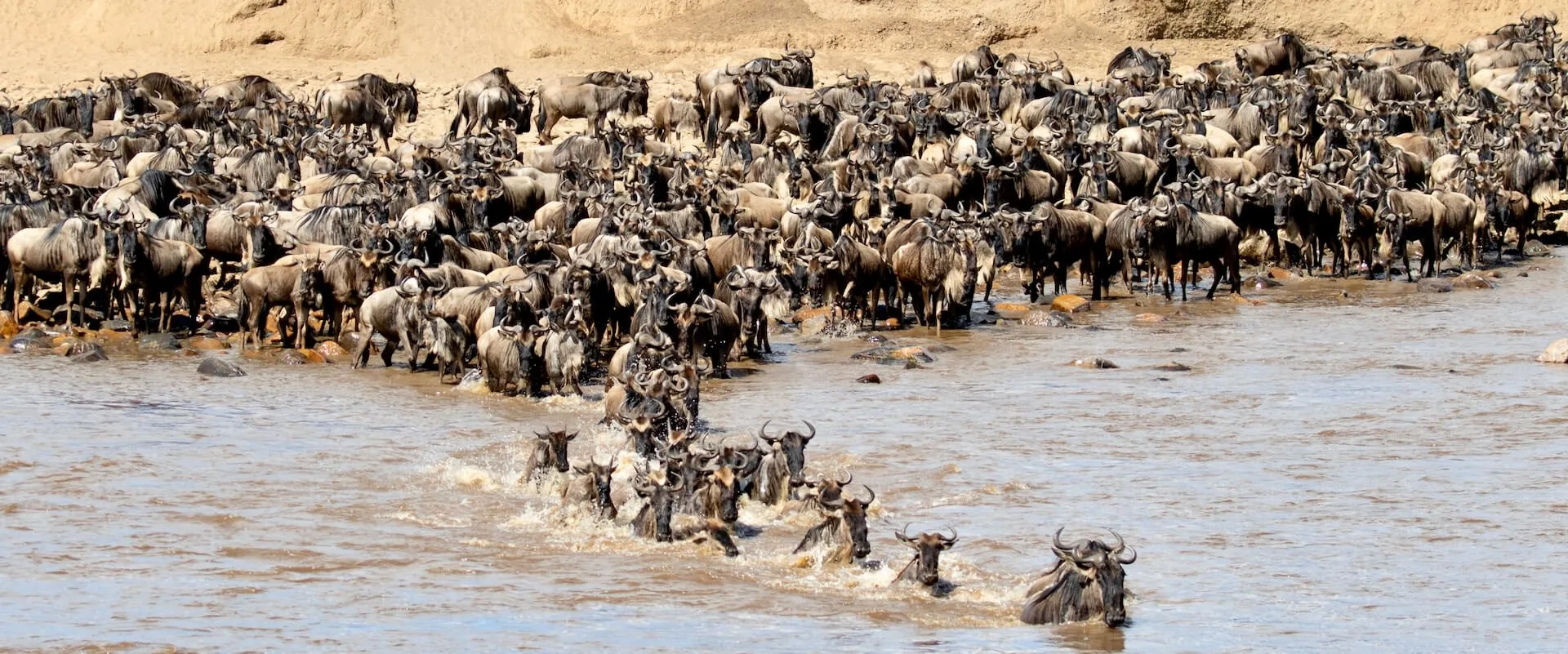
The Great Migration in Africa happens all year because the herds continuously circulate through the Serengeti–Mara ecosystem in…
Read article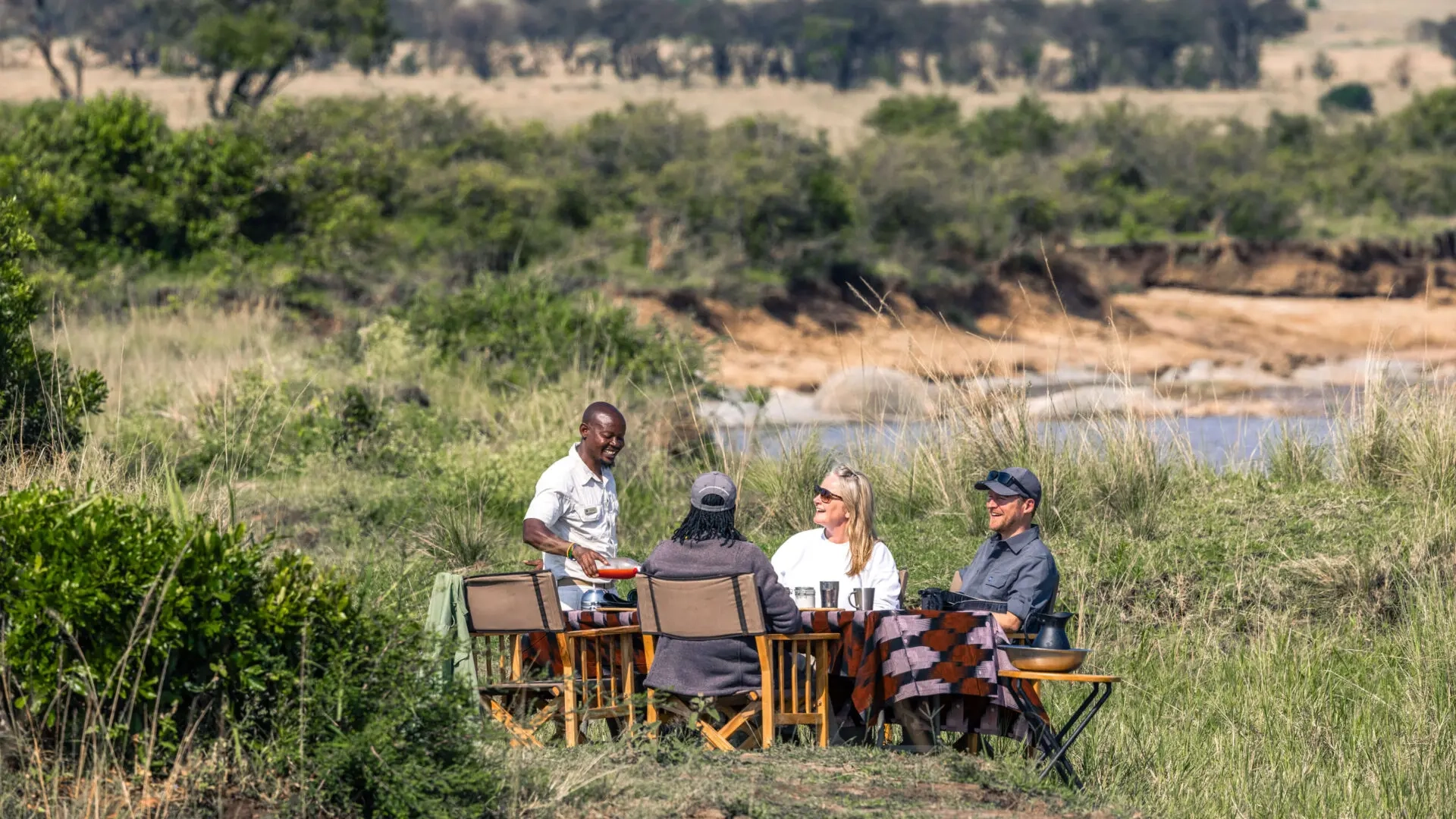
Definitive answer: A picnic lunch on safari is a packed or catered midday meal eaten at an approved…
Read article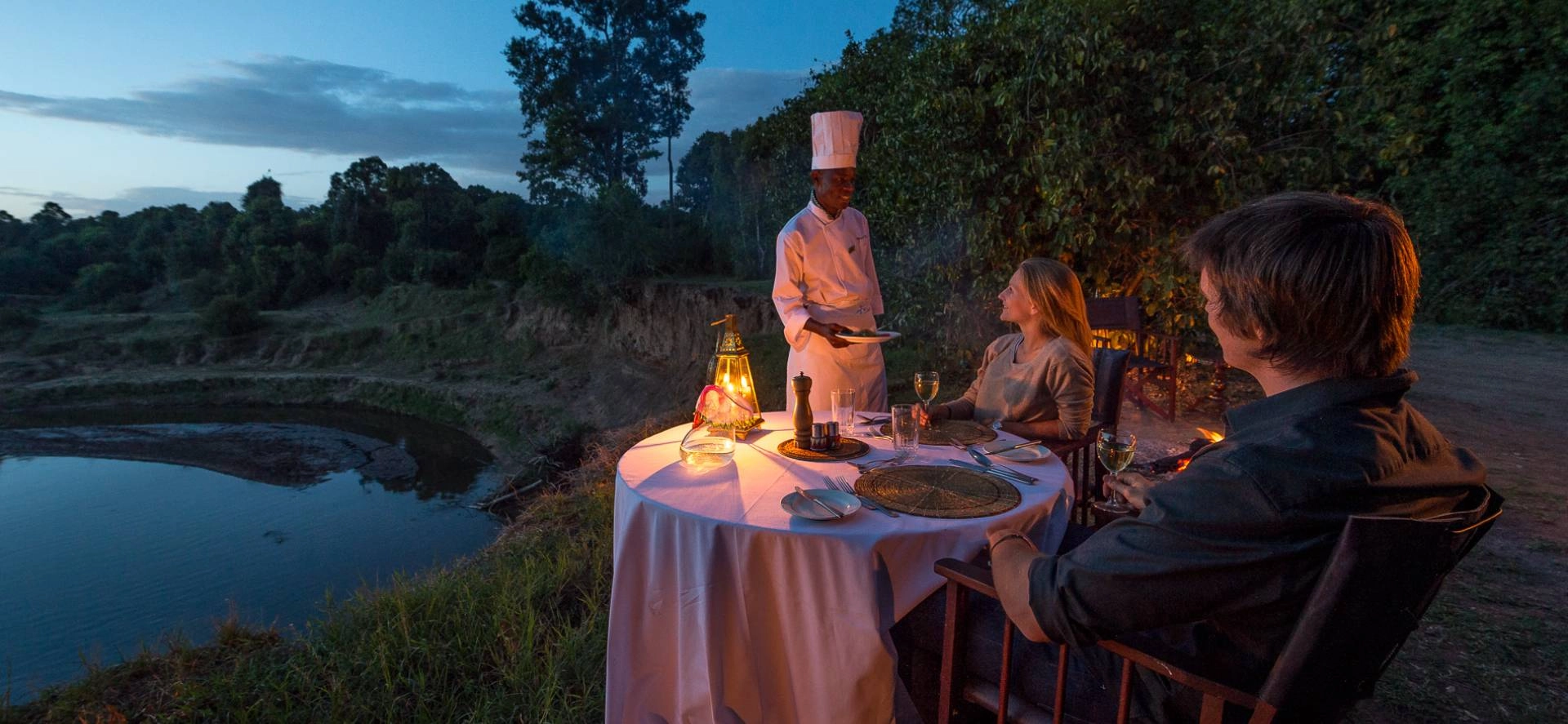
Definitive answer: A bush dinner is an outdoor evening meal arranged in a safe safari setting away from…
Read articleLet us take you closer to the wildlife, people and places that make Africa extraordinary.
Plan Your Safari Today