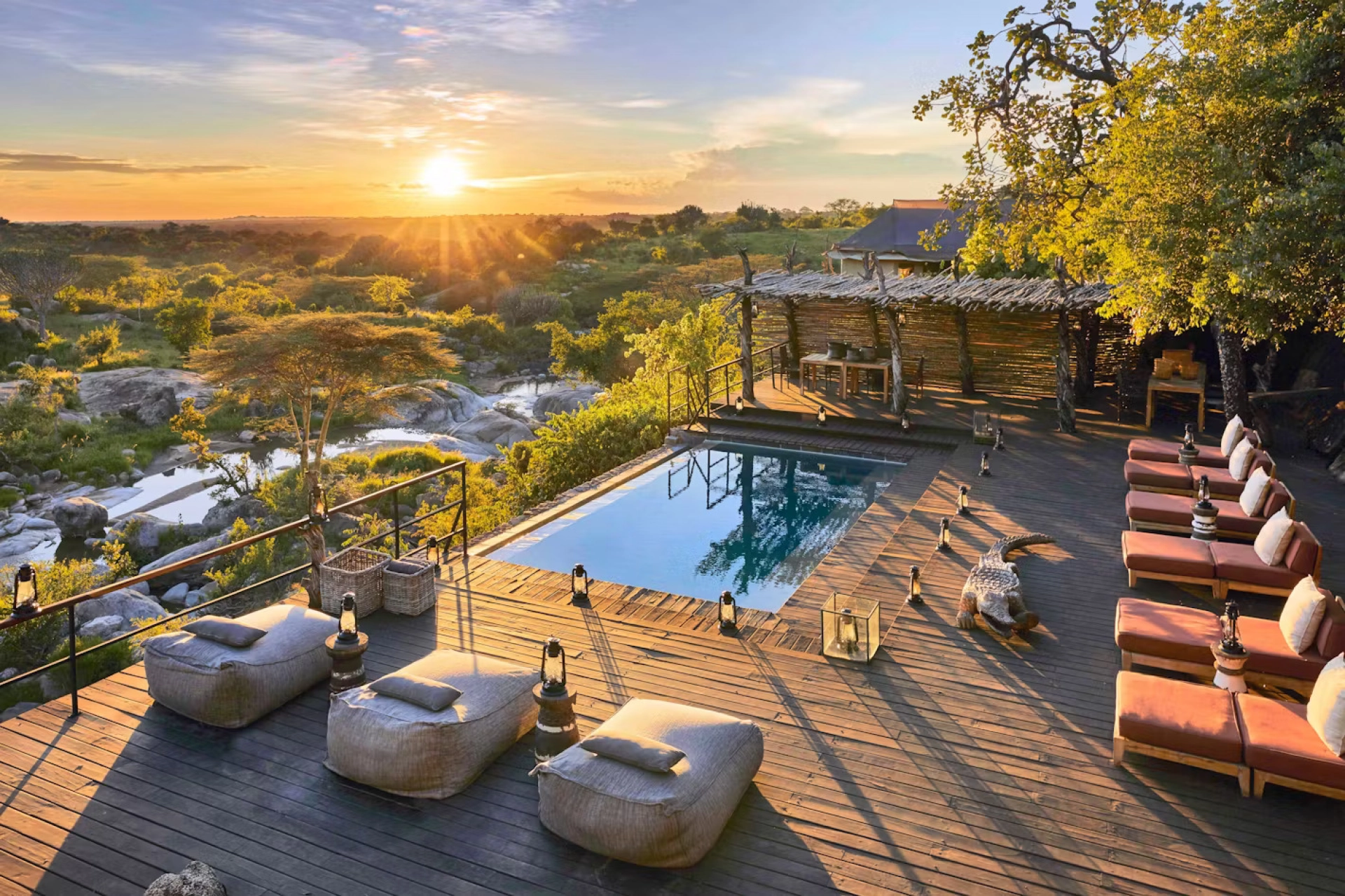
What should I look for when booking a luxury African safari?
When booking a luxury African safari, look beyond the room and compare the quality of guiding, wildlife location,…
Read article

Travel Guide
To speak about "African culture" as though it were a single tradition is similar to speaking about "European culture," "Asian culture" or "the culture of the Americas" as though billions of people shared one language, one…
To speak about “African culture” as though it were a single tradition is similar to speaking about “European culture,” “Asian culture” or “the culture of the Americas” as though billions of people shared one language, one history, one religion and one way of life. Africa is a continent of extraordinary human diversity. Its societies have been shaped by ancient kingdoms, pastoral migrations, farming traditions, desert trade, Indian Ocean commerce, Atlantic connections, religious movements, colonial rule, independence, urbanisation, technology and global cultural exchange.
An accurate African culture guide must therefore begin by rejecting the idea that there is one African culture. There are cultures of Africa.
Thousands of languages are spoken across the continent. Communities organise family, land, work, spirituality and political authority in different ways. Music from Senegal does not sound like music from Uganda. Ethiopian food traditions differ fundamentally from Moroccan cuisine. Maasai pastoral culture in East Africa cannot stand in for Yoruba culture in West Africa, Zulu heritage in southern Africa, Swahili coastal culture, Amazigh traditions in North Africa or the countless communities of Central Africa.
Even within one country, cultural diversity can be immense.
Uganda contains dozens of ethnic communities and languages. Kenya includes Maasai, Kikuyu, Luo, Kalenjin, Samburu, Swahili and many other identities. Tanzania’s cultural landscape includes more than a hundred ethnic groups alongside a strong national Swahili identity. South Africa officially recognises multiple languages and contains cultural traditions shaped by African societies, Asian communities, European settlement and centuries of interaction.
This diversity is not a complication that travellers need to simplify. It is one of the reasons cultural travel in Africa is so rewarding.
A safari can begin with mountain gorillas in a Ugandan rainforest and continue into communities whose history is tied to that forest. A Kenya journey can move from Nairobi’s contemporary art and restaurant culture to Maasai pastoral landscapes and then to centuries-old Swahili settlements on the Indian Ocean. Tanzania can combine the Serengeti with Zanzibar, where architecture, cuisine and language reflect centuries of African and Indian Ocean exchange. South Africa can combine wildlife with Johannesburg’s urban history, Cape Town’s complex heritage and living cultural traditions across several provinces.
The deeper travellers go, the more obvious one truth becomes: Africa is neither trapped in the past nor culturally homogenised by modernity. It is simultaneously ancient and contemporary.
Many visitors first encounter Africa through wildlife documentaries. They know the Serengeti. They recognise elephants. They have watched gorillas. They know the outline of Kilimanjaro. But the people living around these landscapes may remain almost invisible. This creates an incomplete understanding of safari. Protected areas are surrounded by communities. Roads pass through towns and farmland. Guides come from families with their own histories. Lodge staff speak multiple languages. Conservation decisions affect livelihoods.
Tourism money enters local economies. A traveller who understands these relationships experiences safari differently. African cultural tourism therefore should not be considered an optional extra added after wildlife. Culture is already present throughout the journey. The question is whether the traveller pays attention.
Any discussion of African cultural history begins with the extraordinary depth of human history on the continent. Africa contains some of the world’s most important archaeological and palaeoanthropological landscapes connected to human evolution and early human societies. But it is important not to let this ancient history overshadow everything that came later. Africa’s past is not simply prehistory followed by European colonialism.
The continent developed complex states, kingdoms, trading networks, intellectual traditions, artistic systems and cities long before modern colonial boundaries were drawn. Understanding this helps travellers move beyond the persistent misconception that African history began when Europeans arrived.
North Africa contains some of humanity’s most famous ancient civilisations, including ancient Egypt and the broader Nile Valley. Further south along the Nile, Nubian and Kushite societies developed powerful states and monumental traditions. Across the Horn of Africa, the Aksumite civilisation became a major regional power connected to Red Sea and Indian Ocean trade. West Africa later produced influential empires and kingdoms connected to trans-Saharan trade networks.
Great Zimbabwe demonstrates the architectural and political sophistication of precolonial southern African societies. Along the East African coast, Swahili city-states participated in Indian Ocean commercial networks linking Africa with Arabia, Persia, India and beyond. These histories matter because they challenge the image of precolonial Africa as culturally isolated. Africa has been globally connected for centuries.
Tourism writing frequently describes African communities as “tribes.” The word is not always inherently offensive, and it can appear in particular local or historical contexts, but it is often used carelessly. A community that would be described as a nation, ethnic group, linguistic community or people elsewhere is sometimes automatically called a tribe simply because it is African. This can subtly suggest primitiveness or political simplicity.
Better travel writing uses the terminology appropriate to the people being discussed. Maasai people, Batwa communities, Baganda, Samburu people, Karamojong communities, Zulu people and other identities should be described within their actual social and historical contexts. Language matters because it shapes expectations.
Another common tourism mistake is dividing African life into “traditional” and “modern” as though one must destroy the other. Reality is far more interesting. A cattle keeper may use mobile banking. A musician can combine traditional instruments with electronic production. A fashion designer may reinterpret textile traditions for international markets. A community leader can preserve customary practices while holding a university degree. A rural family can maintain clan relationships while communicating through WhatsApp. Culture evolves.
It always has. The modern cultures of Africa are authentic precisely because they reflect this evolution.
Language is one of the most powerful expressions of identity. Africa contains several major language families and thousands of languages and varieties. Some languages are spoken primarily within local communities. Others function across national borders. Swahili is one of the most important examples. Across East Africa, Kiswahili operates as a major regional language and plays an important role in countries including Tanzania and Kenya, while also being used to varying degrees elsewhere in the region.
English, French, Portuguese, Arabic and other languages have also become deeply embedded in many African societies through historical processes and modern state systems. Multilingualism is normal for millions of Africans. A safari guide may speak a home language, a national or regional lingua franca and English or another international tourism language. This linguistic flexibility is itself an important cultural reality.
No visitor can learn every language encountered on a multi-country safari. But learning greetings demonstrates respect. The effort changes interactions. A simple local greeting can turn a transactional exchange into a human moment. Travellers should not worry excessively about pronunciation. Ask the guide. Try. Laugh at mistakes respectfully. Language reminds us that travel is not simply observation. It is communication.
Family structures vary enormously across Africa, but extended family relationships remain socially important in many societies. Kinship can influence inheritance, land, marriage, childcare, social support and identity. Urbanisation has changed how families live physically, but family networks often remain significant even when relatives are dispersed between villages, cities and countries. Travellers should avoid simplistic statements such as “Africans live communally.”
The continent contains every form of household arrangement imaginable. What can be said more accurately is that in many African societies, social identity has historically been understood strongly through relationships—to family, clan, lineage, community, land or other networks.
Respect for elders is frequently emphasised in African cultural discussions, but its expression differs by society. It may influence greetings, seating, language, decision-making or ceremonial roles. Travellers should not convert this into a stereotype that every older person automatically holds authority in every African community. Instead, observe local etiquette. Your guide can explain when particular forms of respect are expected.
In many parts of Africa, greetings carry more social weight than visitors from highly transactional urban cultures may expect. Entering a conversation immediately with a request can appear abrupt. Greeting first establishes recognition. Ask how someone is. Respond to their greeting. Allow a few moments before moving into business. This small cultural adjustment can improve travel interactions enormously.
Visitors sometimes describe African societies through the stereotype of “African time,” implying that lateness is culturally universal. This is both inaccurate and unhelpful. Time expectations vary according to context. An international flight leaves according to a timetable. A gorilla briefing has a scheduled start. A business meeting may require punctuality. A family celebration may operate differently. The appropriate lesson is not that time “doesn’t matter” in Africa. It is that social and institutional contexts define punctuality differently, just as they do elsewhere.
Hospitality is highly valued in many African communities. Visitors may be offered food, tea or a place to sit. Accepting at least part of the gesture where appropriate can communicate appreciation. However, travellers should never romanticise hospitality into the idea that local people exist to host foreigners. Hospitality is reciprocal social behaviour, not a tourism resource. Respect people’s time and privacy.
Food is one of the best ways to understand African cultural geography. Ingredients reveal climate. Cooking techniques reveal technology and trade. Spices reveal historical connections. Staple foods reveal agriculture.
Religious traditions influence what is eaten and how it is prepared. The diversity is enormous. North African cuisine reflects Mediterranean, Saharan, Amazigh, Arab and other influences. West African cuisines use distinctive grains, tubers, vegetables, spices and sauces. East African food traditions vary between inland farming and pastoral communities and the Indian Ocean coast. Southern African cuisines reflect Indigenous traditions, migration, colonial histories and global exchange. There is no meaningful single category called “African food.”
Uganda’s food traditions vary by region and community. Plantains, grains, tubers, legumes, vegetables, meat and fish appear in different combinations. Matooke is strongly associated with parts of central and western Uganda. Groundnut sauces are common in many contexts. Fish plays an important role around lakes and rivers. Pastoral regions have their own relationships with cattle and milk. A Uganda cultural safari becomes more interesting when travellers eat beyond the international lodge menu. Food can reveal geography more effectively than a lecture.
Kenyan cuisine reflects the country’s enormous cultural diversity. Ugali is widely familiar, but it represents only part of the story. Different communities have their own food traditions. Along the coast, Swahili cuisine incorporates spices, coconut, seafood and influences shaped by Indian Ocean trade. Nairobi’s contemporary restaurant scene adds another layer, mixing regional dishes with global culinary trends. A Kenya cultural tour should therefore not treat one meal as representative of the entire country.
Tanzania’s strong Swahili identity is reflected in language and cuisine, particularly along the coast and Zanzibar. Spices, coconut, rice and seafood become prominent in coastal food traditions. Inland regions reflect different agricultural and pastoral patterns. Travelling from the Serengeti to Zanzibar can therefore feel like moving between cultural worlds while remaining within one country. This is one reason a Tanzania safari and Zanzibar holiday provides far more than wildlife plus beach.
Ethiopian cuisine is one of Africa’s most internationally recognisable culinary traditions. Communal eating, injera and diverse stews and dishes form part of a distinctive food culture shaped by the country’s history, agriculture and religious traditions. Coffee carries enormous cultural importance as well. For travellers, Ethiopia demonstrates how profoundly wrong it is to imagine one generic African cuisine.
The flavours, eating practices and historical context are entirely distinctive.
North African food traditions add another dimension. Couscous, tagines, breads, olives, spices and regional dishes reflect Mediterranean, Saharan and local cultural histories. Moroccan cuisine alone contains substantial regional diversity. A traveller moving from Uganda to Morocco is crossing not simply geography but culinary worlds. Both are Africa.
Pastoralism has shaped many African societies, particularly in landscapes where livestock provides a practical adaptation to environmental conditions. Cattle, goats, sheep and camels can hold economic and cultural significance. The Maasai of Kenya and Tanzania are internationally famous pastoralists, but they are not the only pastoral communities. Samburu, Karamojong and numerous other peoples have developed livestock-centred cultural systems.
Tourism often focuses on colourful clothing while ignoring the ecological logic of pastoralism. That misses the most interesting story.
Few African communities have been represented as heavily in safari marketing as the Maasai. Red clothing, beadwork and jumping dances have become visual shorthand for East Africa. This visibility creates both tourism opportunities and stereotypes. Maasai culture is not a performance created for safari visitors. Pastoralism, age-set traditions, family structures, cattle, land and community identity have much deeper significance. Modern Maasai communities also participate in education, politics, business, conservation and urban economies. A meaningful cultural encounter should explain both continuity and change.
Samburu communities in northern Kenya share certain linguistic and historical connections with other pastoral peoples while maintaining distinct cultural identities. The semi-arid landscapes of northern Kenya shape livestock practices and settlement patterns. A Samburu cultural safari can help travellers understand how human societies adapt to environments that may initially appear harsh to outsiders. The cultural experience becomes especially meaningful when combined with wildlife tourism because pastoral communities and wildlife often use overlapping landscapes.
The Karamojong of northeastern Uganda have a strong pastoral heritage connected to cattle and the landscapes of Karamoja. For safari travellers, this becomes particularly relevant around Kidepo Valley National Park. A Kidepo journey can therefore combine wildlife with cultural exploration in one of Uganda’s most distinctive regions. However, tourism should avoid reducing Karamojong identity to “warriors” or cattle alone.
Contemporary Karamoja contains towns, schools, businesses, agriculture and changing livelihoods alongside pastoral traditions. A responsible Karamojong cultural experience should communicate that complexity.
The long-horned cattle associated with Ankole culture are among Uganda’s most visually recognisable domestic animals. Their enormous horns attract photographers, but their importance goes beyond appearance. Cattle can carry economic, social and cultural significance. Learning about livestock management and milk traditions can add depth to a western Uganda safari. This type of experience is particularly useful because it connects everyday livelihoods with the landscapes travellers pass through between national parks.
Batwa cultural heritage is associated with forest landscapes in parts of the Great Lakes region. Tourism around Bwindi Impenetrable National Park and Mgahinga sometimes includes Batwa cultural experiences. These encounters require sensitivity. The history of forest conservation and displacement is complex. It is inappropriate to market Batwa people simply as “ancient forest pygmies” performing a vanished lifestyle for tourists. A responsible Batwa cultural experience can discuss forest knowledge and heritage while acknowledging contemporary issues such as land, education, livelihoods and cultural preservation.
Protected areas can create both benefits and costs for neighbouring communities. Tourism may generate jobs and revenue. Conservation can protect watersheds and ecosystems. At the same time, restrictions on access to land or natural resources can affect communities with historical relationships to those landscapes. An honest African conservation safari should not pretend these tensions do not exist. Understanding them makes travellers better supporters of responsible tourism.
Uganda provides a fascinating example of traditional political institutions existing within a modern republic. Historical kingdoms such as Buganda, Tooro, Bunyoro and Busoga remain culturally significant. Their histories demonstrate the complexity of political organisation in precolonial East Africa. A visitor who knows Uganda only through gorilla trekking misses this entire dimension. A Uganda cultural tour can therefore include royal heritage, historical sites and contemporary kingdom traditions alongside wildlife.
Buganda has played an enormously important role in the history of central Uganda. The kingdom’s institutions, language and cultural traditions remain influential. Kampala and surrounding areas contain sites connected with Buganda’s royal history. For visitors arriving through Entebbe and Kampala, exploring this heritage can provide valuable context before travelling into national parks. It immediately challenges the assumption that Uganda’s tourism story begins with wildlife.
The Tooro region around Fort Portal adds another cultural dimension to western Uganda travel. Many visitors arrive primarily for Kibale chimpanzee trekking, yet the region’s kingdom history, agriculture and contemporary communities are part of the destination. A slower itinerary can therefore combine primate tourism with local culture rather than treating Fort Portal simply as a place to sleep.
Rwanda’s international tourism identity is closely connected to mountain gorillas, but the country has a broader cultural story. Language, cattle traditions, music, dance, agriculture, art and contemporary urban life all contribute to national identity. Kigali is central to understanding modern Rwanda. The city contains restaurants, galleries, businesses and cultural spaces reflecting a country that has changed rapidly in recent decades.
A Rwanda cultural safari should therefore extend beyond staged performances near Volcanoes National Park.
Dance is one of the most visible forms of cultural expression presented to travellers. It can be highly meaningful when context is provided. Ask what the dance represents. Is it connected to celebration, court tradition, initiation, harvest, warfare, religion or modern performance? Without explanation, dance becomes visual entertainment. With explanation, movement becomes history. This principle applies across the continent.
The phrase “African music” covers an extraordinary range of traditions and contemporary styles. Rhythmic structures, instruments, vocal traditions and performance contexts differ across regions. Drums are important in many cultures but are not the only African instruments. String instruments, lamellophones, xylophones, horns and numerous locally developed instruments have long histories. Modern African musicians combine these traditions with jazz, hip-hop, reggae, electronic music, rock and countless other genres.
One of the most visible modern cultural exports is Afrobeats, particularly associated with West African popular music scenes. Its global success demonstrates an important reality: African culture does not simply preserve heritage. It creates global modernity. Music produced in Lagos, Accra, Johannesburg, Kampala, Nairobi and other cities circulates internationally. Young Africans are not passive recipients of global culture. They are producing it.
Amapiano emerged from South African musical environments and became a major international cultural export. Its rise illustrates how urban African youth culture can spread globally through streaming platforms, clubs, social media and collaborations. For travellers, contemporary music scenes provide an entry into Africa that safari brochures rarely discuss. A night in Johannesburg, Nairobi, Kampala or another major city can reveal a completely different side of the continent from a national park.
Both experiences belong in a complete African travel guide.
African art traditions long predate European colonial contact. Sculpture, masks, textiles, metalwork, ceramics, architecture, beadwork and body arts have served religious, political, social and aesthetic purposes across many societies. Western museums historically removed many African objects from their original contexts, sometimes through colonial violence or unequal acquisition. Today, debates over restitution and museum ownership have become increasingly important.
Travellers interested in art should understand that an object displayed behind glass may once have been part of a living ceremonial, political or spiritual system.
Modern African artists work across painting, photography, sculpture, film, digital media, installation, fashion and performance. Major African cities have increasingly visible gallery and creative scenes. Contemporary art frequently addresses identity, urbanisation, environment, politics, gender, memory and globalisation. Travellers who only purchase “traditional crafts” at roadside markets miss a huge part of Africa’s current artistic production.
A cultural safari in Africa can include galleries and studios as legitimately as village craft centres.
Beadwork has strong cultural significance in several African societies, but patterns and meanings vary. Tourism has transformed some beadwork into an important commercial craft. Buying directly from artisans or community enterprises can support livelihoods. However, travellers should avoid assuming that every colourful beaded item has ancient ceremonial meaning. Some designs are contemporary products created specifically for markets. That does not make them culturally meaningless. Economic adaptation is also part of culture.
African textiles are extraordinarily diverse. Different regions use weaving, dyeing, printing, embroidery and other techniques. Some fabrics considered “traditional” have complex global histories involving trade and industrial production. Modern African designers increasingly reinterpret textiles within contemporary fashion. This interaction between heritage and innovation is one of the most exciting areas of African cultural expression.
Bark cloth has deep cultural significance in parts of Uganda, particularly within Buganda. Its production involves specialised knowledge and has historical ceremonial associations. For travellers interested in crafts, understanding the process provides far more meaning than simply purchasing a finished object. The tree, harvesting method, preparation and cultural context are all part of the story.
Basket making appears in many African societies using locally available plant materials. Designs vary according to region and purpose. Baskets may be functional household objects, ceremonial items or products created for tourism markets. Community craft programmes can provide important income, particularly for women. Buying directly can therefore connect cultural appreciation with economic support.
Woodcarving traditions likewise vary widely. Objects can have ceremonial, practical, decorative or commercial purposes. Travellers should be cautious when purchasing antique-looking objects. Export rules, cultural heritage protections and wildlife-material regulations may apply. Buy from reputable sources and understand what you are purchasing.
Architecture reveals how communities respond to climate, available materials, social structures and historical influences. Traditional homesteads may use earth, wood, grass or stone. Swahili architecture reflects Indian Ocean cultural exchange. Ethiopian religious architecture includes extraordinary rock-hewn and historic structures. North African cities contain architectural traditions shaped by Islamic, Mediterranean and local influences. Great Zimbabwe demonstrates sophisticated historical stone construction. Modern African cities add skyscrapers, contemporary houses and experimental architecture. There is no single “African house.”
Swahili culture developed along the East African coast through centuries of interaction between African communities and Indian Ocean trading networks. Kiswahili language, coastal architecture, Islam, cuisine, maritime traditions and trade history all form part of this cultural world. Zanzibar, Lamu and other coastal destinations provide particularly accessible introductions for travellers. A safari-and-beach itinerary can therefore become a major cultural journey.
Many travellers arrive in Zanzibar after a Serengeti safari and immediately travel to a beach resort. They may never meaningfully encounter the island’s cultural history. Spending time in Stone Town, learning about Indian Ocean trade, exploring food and understanding the island’s layered heritage transforms the trip. Zanzibar is not simply a tropical recovery room after safari.
It is one of East Africa’s most important cultural destinations.
Lamu provides another remarkable window into Swahili heritage. Its urban form, maritime traditions and historical architecture differ dramatically from inland Kenya. Combining Masai Mara safari and Lamu creates an extraordinary cultural contrast within one country. The journey moves from pastoral savannah landscapes to a centuries-old Indian Ocean cultural environment. This is one reason single-country travel can be much more diverse than travellers expect.
Africa contains major Christian, Muslim and Indigenous religious traditions alongside numerous other belief systems. Religious geography is complex. North Africa is predominantly Muslim, but Islam is also deeply rooted in West and East Africa. Christianity has long histories in places such as Ethiopia and Egypt and is widespread across much of sub-Saharan Africa. Indigenous spiritual systems continue to influence communities in diverse ways, sometimes alongside Christianity or Islam. Travellers should avoid simplistic assumptions.
Ethiopia has one of the world’s oldest Christian traditions. Its religious history predates European colonialism by many centuries. Historic churches, monasteries, manuscripts, festivals and religious art provide an extraordinary cultural landscape. This alone dismantles the misconception that Christianity arrived everywhere in Africa through modern European missionaries.
Islam has shaped Swahili coastal culture for centuries. Mosques, religious practice, dress, architecture and food rhythms may influence daily life. Visitors should dress and behave respectfully, particularly around religious sites and during important religious periods. Beach clothing appropriate inside a resort may not be appropriate while walking through a conservative local neighbourhood. Cultural awareness is practical, not merely academic.
Indigenous spiritual traditions vary enormously. Ancestors, land, natural forces, ritual specialists and community ceremonies may hold significance in different societies. Tourism sometimes sensationalises these traditions through words such as “witchcraft.” This can distort complex belief systems. Approach spiritual traditions with the same respect you would apply to any major world religion.
Marriage practices differ across African societies and have changed substantially over time. Bridewealth or bride-price traditions exist in some communities, often involving livestock, money or gifts exchanged between families according to local customs. These practices should not be reduced to the claim that a bride is being “bought.” Their meanings are embedded within kinship, family recognition and social obligations, although contemporary debates about cost, gender and modern interpretation certainly exist.
Again, context matters.
Naming traditions can carry family, religious, historical or circumstantial meaning. Some societies name children according to birth order, day of birth, family history or events surrounding the birth. Others combine local names with Christian, Muslim or internationally common names. A person’s name may therefore contain a story. Travellers who learn to pronounce names correctly demonstrate respect.
Funeral practices vary enormously, but in many societies funerals are major social events bringing extended family and communities together. Ceremonies may reflect religious beliefs, lineage relationships and ideas about ancestors. Visitors should never photograph funerals or private ceremonies without explicit permission. Cultural curiosity does not override privacy.
Initiation and age-related ceremonies remain important in some communities. They may mark transitions into adulthood, marriage or new social responsibilities. Some practices are private and should not be turned into tourist attractions. Responsible cultural tourism understands that not everything culturally important should be accessible to visitors. Sometimes respect means not seeing.
Across several East African pastoral societies, cattle are more than economic assets. They can represent wealth, identity, social relationships and continuity. This is why travellers cannot understand Maasai, Samburu, Karamojong or Ankole cultural contexts simply by looking at clothing. Livestock provides a deeper entry point. It connects ecology, economy and identity.
Markets are among the best places to observe everyday economic culture. Food, clothing, household goods and social interaction come together. But markets are workplaces, not museums. Ask before photographing individuals. Avoid blocking stalls. Purchase something if appropriate. Use a local guide in large markets where context, language and navigation will improve the experience.
Safari marketing often treats cities as logistical inconveniences between airports and national parks. This is a major mistake. Nairobi, Kampala, Kigali, Johannesburg, Cape Town, Lagos, Accra, Addis Ababa, Dakar and other cities are centres of contemporary African culture. They produce music, fashion, film, food, technology, literature and political debate. A traveller who deliberately spends time in African cities will understand the continent differently.
Kampala is energetic, crowded, entrepreneurial and culturally layered. The city reflects Buganda history, national politics, religious diversity, modern entertainment and Uganda’s youthful population. Visitors can explore historical sites, food, markets and nightlife according to their interests.
Beginning a Uganda safari with cultural context in Kampala can make the rural journey more meaningful.
Nairobi is East Africa’s major commercial and cultural hub. It combines international business, technology, art, food, music and wildlife tourism. The city cannot be understood through the stereotype of being merely a dangerous transit point. Like any major city, it requires informed navigation. But travellers who skip it entirely miss an important part of modern Kenya.
Kigali’s urban development and contemporary cultural spaces provide another perspective on Rwanda. The city is often experienced only through airport transfers and historical memorial visits. Yet restaurants, galleries, neighbourhoods and businesses reveal present-day life. A complete Rwanda travel experience should include both history and contemporary culture.
Johannesburg is one of the continent’s most important urban cultural centres. Its history is deeply connected to mining, migration and apartheid, while its present includes art, music, business, food and diverse communities. Combining Johannesburg with a nearby Pilanesberg safari creates an especially useful contrast between urban South Africa and wildlife landscapes.
Cape Town’s spectacular physical setting sometimes overshadows its complicated cultural history. Indigenous history, colonialism, slavery, apartheid, migration and contemporary inequality all shape the city. Food, architecture, neighbourhoods and language reflect these layers. A Cape Town visit becomes much more meaningful when travellers look beyond Table Mountain and beaches.
African writers have profoundly shaped global literature. Novels, poetry, essays and memoirs provide perspectives tourism cannot reproduce. Reading a book by an author from the country you are visiting can transform the journey. Literature reveals interior life. It provides history, humour, politics and social complexity that a short guided tour cannot communicate. For culturally curious travellers, reading should be part of safari preparation.
African film industries and independent filmmakers are increasingly influential. Nigeria’s film industry is particularly famous, while South Africa, Kenya, Uganda, Ghana and other countries have active production communities. Film provides another way to encounter contemporary cultural concerns. Travellers should consume African stories created by Africans, not only documentaries produced for foreign audiences.
Photography has played a complicated role in how Africa is represented internationally. Images often emphasise poverty, wildlife or “traditional” rural life while ignoring middle-class families, cities, universities, technology and ordinary modernity. Travellers can unconsciously repeat this pattern. If every photograph you take shows a child in a village and none show the contemporary society surrounding them, ask what story you are creating.
Ethical travel photography requires thought.
Always seek permission where appropriate. Do not assume a person becomes public property because they work in tourism. Children deserve particular protection. Avoid distributing identifiable images of vulnerable people without understanding the implications. A camera creates power. Use it responsibly.
Music and dance performances can be legitimate cultural tourism and important sources of income. The fact that visitors are present does not automatically make a performance fake. All performance involves an audience. The relevant questions are who controls the presentation, whether performers are compensated fairly and whether context is provided. Tourism can help sustain cultural arts when communities retain agency.
Buying locally produced crafts is one of the easiest ways visitors can direct spending toward artisans. Ask where items were made. Prefer genuine local production when possible. Understand that some tourist markets also sell imported mass-produced goods. If cultural authenticity matters to you, learn before buying.
Bargaining is normal in some markets and inappropriate in others. Follow local practice. If negotiation is expected, keep it friendly. Do not spend twenty minutes aggressively reducing the price of a handmade item by an amount you will later spend casually on a drink. Fairness matters.
Dress expectations vary by country, community and setting. Safari lodges may be casual. Religious sites may require greater coverage. Coastal Muslim communities may have different expectations from beach resorts. Urban nightlife has its own norms. There is no universal “African dress code.” Observe context and ask local guides.
Clothing frequently carries cultural meaning. Maasai shukas, West African textiles, Ethiopian garments, North African robes and southern African ceremonial clothing represent very different histories. Tourism marketing often combines unrelated styles into a generic “African” aesthetic. Travellers should learn the specific origin of what they see.
Contemporary African fashion is globally connected and highly innovative. Designers reinterpret textiles, silhouettes and heritage while participating in international fashion industries. Urban youth styles may combine local and global influences. This is another example of why culture should never be imagined as a museum exhibit.
Gender roles vary substantially between societies and generations. Travellers should avoid sweeping statements such as “African women do…” or “African men believe…” Economic change, education, urbanisation, law, religion and activism continue to reshape gender relations. Cultural sensitivity does not require ignoring inequality. It requires understanding issues within context rather than stereotyping an entire continent.
Africa has an exceptionally young population in many countries. Youth therefore play an enormous role in shaping contemporary culture. Music, social media, entrepreneurship, fashion, politics and technology are heavily influenced by young people. A cultural guide focused only on elders and ancient customs misses much of modern Africa.
Mobile technology has transformed communication and commerce. Mobile money is deeply integrated into daily life in several African countries. Social media connects local creators with global audiences. Tourism businesses operate through WhatsApp and online platforms. A traveller surprised to find smartphones in a rural village is revealing more about their own stereotype than about African authenticity. Technology is part of contemporary culture.
Football is enormously popular across much of Africa. European club football has massive followings, while national teams generate intense pride. Other sports vary by region. Rugby has major importance in South Africa. Long-distance running is strongly associated with parts of Kenya and Ethiopia. Sport provides an easy conversation with local people and a useful window into national identity.
Coffee has economic and cultural importance in several African countries. Ethiopia is central to coffee’s historical story and maintains distinctive coffee traditions. Uganda, Rwanda, Kenya and Tanzania are also important producers. A coffee tour in East Africa can connect agriculture, trade and everyday life. It is one of the best cultural additions to a wildlife safari because it shows the human economy of the landscapes between national parks.
Tea is another important crop in parts of East Africa. Travellers driving through western Uganda or Kenya may encounter extensive tea-growing landscapes. A plantation or community experience can explain cultivation, labour and processing. This transforms green fields from scenery into economic geography.
South Africa’s wine regions provide a completely different cultural landscape. Cape Winelands estates reflect agriculture, cuisine, architecture and complicated histories of land and labour. Combining safari with the Winelands illustrates the extraordinary diversity possible within one country. An African safari and wine holiday may sound like two unrelated trips, but in South Africa they fit naturally together.
The best etiquette is curiosity combined with humility. Greet people. Ask before photographing. Dress appropriately for the context. Do not mock accents or customs. Do not assume poverty because a home differs from yours. Do not distribute sweets or money randomly to children. Do not enter homes without invitation. Listen when a local guide explains boundaries. These behaviours matter more than memorising dozens of etiquette rules.
Travellers often want to help people they meet. Good
Pay guides fairly. Tip appropriately. Support legitimate local businesses. Responsible spending is often more sustainable than spontaneous charity.
School visits require particular care. Children are not tourism attractions. A responsible programme should prioritise education and safeguarding rather than repeatedly interrupting classes so tourists can take photographs. Ask why the visit exists and how the school benefits. If the primary purpose appears to be visitor entertainment, reconsider.
Short-term orphanage visits and volunteering have attracted serious ethical concerns internationally. Children in institutional care require safeguarding and stable relationships, not rotating groups of tourists. Travellers wanting to support vulnerable children should seek reputable organisations using child-protection principles rather than demanding direct access. Ethical tourism sometimes means deciding not to participate.
Well-designed community tourism can create economic incentives connected to conservation. Guides earn income. Craft producers gain customers. Lodges employ local residents. Farmers supply food. Community-owned enterprises generate revenue. This can strengthen the relationship between wildlife protection and local livelihoods. However, not every project distributes benefits equally. Travellers should ask questions rather than accepting “community-based” as an automatic guarantee of ethics.
Look for community participation in design and management. Ask how revenue is distributed. Observe whether people appear comfortable with visitors. Avoid programmes built around humiliation or voyeurism. Be suspicious of experiences promising access to “untouched tribes.” No human community exists for outsiders to discover. The best responsible cultural tourism in Africa is based on exchange rather than spectacle.
Uganda is exceptionally strong for travellers who want culture integrated with wildlife. A journey can combine gorilla trekking in Bwindi, Batwa heritage, Tooro culture around Fort Portal, chimpanzees in Kibale, communities around Queen Elizabeth National Park, Ankole cattle traditions and Karamojong experiences near Kidepo. Because road travel reveals everyday landscapes, even the transfers contribute cultural context. This makes Uganda particularly suitable for travellers who dislike the idea of flying from lodge to lodge without understanding the country between them.
Rwanda allows travellers to combine Kigali, community experiences, coffee, cultural performances and rural landscapes with gorilla trekking in Volcanoes National Park, golden monkeys and wildlife in Akagera. Its compact geography makes it possible to integrate culture without excessive additional driving. A seven-to-ten-day journey can therefore contain considerable variety.
Kenya offers perhaps one of Africa’s broadest combinations of wildlife and cultural tourism. A traveller can experience Maasai culture, Samburu communities, Laikipia conservation models, Nairobi’s urban life and Swahili heritage on the coast. Add the Masai Mara, Amboseli or Samburu wildlife areas and the result is a journey spanning multiple cultural and ecological zones.
Tanzania combines enormous wildlife fame with significant cultural diversity. The northern safari circuit can incorporate Maasai experiences and other community visits. Lake Eyasi is associated with cultural tourism involving Hadzabe and Datoga communities, though these experiences should be approached responsibly and without turning people into spectacles. Zanzibar then introduces Swahili and Indian Ocean history. A Tanzania cultural safari can therefore be extraordinarily diverse.
Ethiopia deserves particular attention because culture and history can form the core of the entire journey rather than an addition to wildlife. Religious heritage, ancient architecture, food, coffee, languages and highland landscapes create a distinctive travel experience. For travellers who think African tourism equals safari, Ethiopia can completely reshape expectations.
Morocco adds yet another version of Africa. Historic medinas, Amazigh heritage, Islamic architecture, desert communities, food and craft traditions create a travel experience radically different from East African safari circuits. The contrast demonstrates why a serious African culture guide must include North Africa rather than treating the continent as synonymous with sub-Saharan safari destinations.
South Africa, Namibia, Botswana, Zambia and Zimbabwe contain their own diverse cultural landscapes. San heritage, urban South African culture, Zulu traditions, Ndebele art, community conservancies and colonial and liberation histories all contribute. A southern African safari can therefore combine wildlife with substantial historical and cultural exploration.
One of the most important themes for safari travellers is the relationship between culture and conservation. Wildlife landscapes are not empty. People have lived beside and within them for generations. Modern conservation sometimes restricts land use. Tourism can create alternative livelihoods. Community conservancies can give local landowners direct financial relationships with wildlife tourism. Human-wildlife conflict remains real. Elephants can destroy crops. Lions can kill livestock. A traveller celebrating a lion sighting may not initially understand why a nearby pastoralist experiences the same animal differently. This complexity is essential.
The future of African wildlife will depend substantially on landscapes outside famous national parks. Animals cross boundaries. Migration routes require space. Communities make decisions about land. Tourism can contribute by making wildlife economically valuable. But conservation models need to recognise local rights and livelihoods. A responsible African safari should help travellers understand this rather than pretending wilderness exists separately from people.
Tourism can preserve, alter and commercialise cultural practices simultaneously. A dance performed for tourists may generate income that helps sustain the group. Craft markets may encourage artisans to continue traditional skills. At the same time, visitor expectations can pressure communities to simplify or exaggerate traditions. This is not a reason to avoid cultural tourism. It is a reason to design it carefully.
Not necessarily. A symphony orchestra performs for an audience. A theatre company performs for an audience. A cultural dance group can also perform legitimately for visitors. The problem arises when tourists are falsely told that a staged performance is ordinary daily life or when participants lack agency and fair compensation. Transparency solves much of the issue.
No culture remains identical across generations. Urbanisation changes language. Education changes employment. Migration changes families. Technology changes communication. Climate change can affect pastoral systems. Tourism creates new income. Young people reinterpret heritage. This does not mean culture is disappearing. It means culture is alive.
Arrive with questions rather than conclusions. Instead of asking, “Why do Africans do this?” ask, “What does this practice mean here?” Instead of asking whether a community is “still traditional,” ask how life has changed. Instead of photographing immediately, talk first. Instead of comparing everything with home, understand the local logic. The quality of your questions determines the quality of your learning.
Travellers frequently say they want to leave tourist areas to find the “real Africa.” But Nairobi is real Africa. A luxury lodge is physically in Africa. A university campus is Africa. A village is Africa. A supermarket is Africa. A cattle kraal is Africa. A nightclub is Africa. A gorilla forest is Africa. There is no single authentic zone waiting beyond the tourist route. The better objective is to experience different realities honestly.
Cultural experiences can be extremely valuable for children. They turn a safari from an animal holiday into an educational journey. Young travellers can learn where food comes from, how languages differ, why communities protect wildlife and how children elsewhere live. Parents should avoid encouraging comparisons based on material possessions. A child seeing a rural school should not automatically conclude that every local child is “poor.” Context matters.
Culture adds depth to romantic safari itineraries.
A couple can combine wildlife with food, music, coffee, historic towns and coastal heritage. A gorilla trekking honeymoon in Uganda and Rwanda can include community experiences. A Serengeti honeymoon can finish in culturally rich Zanzibar. A South African safari can combine Cape Town and the Winelands. Romance does not require cultural isolation inside a luxury lodge.
Africa offers extraordinary opportunities for documentary and travel photography, but photographers carry particular ethical responsibilities. Do not treat people as visual objects. Build relationships. Ask permission. Provide context in captions. Avoid reinforcing stereotypes simply because dramatic poverty receives more engagement online. Photograph joy, work, modernity, family life, architecture and everyday normality as well as ceremonies.
Festivals can provide powerful opportunities to experience music, dance, religion, food and community identity. Dates and formats change, so travellers should research current events before planning. Some festivals are primarily community occasions rather than tourism products. Visitors should behave accordingly. Participation is a privilege.
Museums can provide essential context before community visits. A good museum explains chronology, political history, art and social change. Cultural centres may provide performances, craft demonstrations and interpretation. Do not assume museums are less “authentic” than villages. Understanding history can make every later interaction more meaningful.
A professional safari guide is often one of the traveller’s most important cultural teachers. Spend time talking. Ask about education, language, food and daily life. Guides should never be expected to represent every person in their country, but their perspective provides a valuable entry point. Long private safaris create particularly good opportunities because conversation develops naturally over several days.
One of the greatest advantages of African road safaris is that the journey between parks becomes part of the experience. You see farms. You pass schools. You stop at markets. Landscapes change. Towns grow and shrink. A fly-in safari is efficient, but it can create isolated bubbles where travellers move from international airport to private aircraft to luxury lodge without seeing much of the country between them. Neither style is inherently better. A balanced itinerary can use flights for excessive distances and road travel where the journey adds cultural value.
Lodges themselves are cultural spaces. Who owns the lodge? Who works there? Where does the food come from? Are local architectural ideas incorporated respectfully or merely used as decoration? Does the lodge support neighbouring communities? Luxury tourism can generate significant employment and conservation revenue when managed responsibly. The relevant issue is not whether a lodge is expensive. It is how it participates in the surrounding economy.
Tipping practices vary between countries and tourism sectors. Ask your operator for current guidance. Do not assume American tipping norms apply everywhere. At the same time, guides and hospitality staff often depend partly on gratuities. A clear pre-trip tipping guide prevents awkwardness.
Travellers from wealthier countries can accidentally allow financial differences to shape every interaction. Not every conversation needs to become charity. Meet people as people. Buy products at fair prices. Pay for services. Tip appropriately. Support organisations
Some travellers become so worried about making mistakes that they avoid interaction entirely. That is unnecessary. Most people understand that visitors are learning. Be polite. Ask questions. Accept correction. Laugh when appropriate. Cultural exchange requires interaction, and interaction always contains some possibility of misunderstanding. Respect matters more than perfection.
A culturally attentive journey complicates assumptions. It reveals that conservation is economic as well as ecological. It shows that tradition and technology coexist. It demonstrates that national borders do not perfectly contain languages or cultures. It reveals ancient global connections long predating modern tourism. It shows cities and villages as parts of the same national societies rather than opposing worlds. Most importantly, it replaces “Africa” as an abstraction with specific places and people. Uganda becomes Uganda.
Rwanda becomes Rwanda. Kenya becomes Kenya. Tanzania becomes Tanzania. And within each country, regions become distinct from one another.
At Adventure in the Wild Safaris, we believe the strongest African journeys connect wildlife with the people and landscapes that make each destination unique. A Uganda cultural safari can combine mountain gorillas, chimpanzees, Batwa heritage, kingdom history, Karamojong culture, Ankole cattle traditions and community tourism. A Rwanda cultural safari can connect gorilla trekking with Kigali, coffee, rural landscapes and community experiences. A Kenya cultural safari can combine the Masai Mara with Maasai communities, Samburu, Laikipia, Nairobi and Swahili coastal heritage.
A Tanzania cultural safari can move from the Serengeti and Ngorongoro through community experiences to Zanzibar. Southern African journeys can combine wildlife with cities, historic sites, food, art and community conservation. The goal is never to “collect tribes.” It is to understand places.
If there is one idea to remember from this African culture guide, it is that the continent cannot be reduced to a single cultural identity. Africa contains ancient histories and young cities. Pastoralists and software developers. Royal traditions and elected governments. Mosques, churches and Indigenous spiritual systems. Cattle cultures and coastal trading cultures. Forest communities and desert societies. Ancient rock art and digital art. Traditional instruments and global electronic music. Village markets and shopping malls. Local languages and international languages. Heritage clothing and contemporary fashion.
The mistake is believing one side is authentic and the other is not. Both are Africa. When you travel, resist the temptation to search for a version of the continent that confirms what you already imagined. Allow the journey to challenge you. Spend time in Kampala before driving to the national parks. Listen to your guide explain their own community. Understand why cattle matter in one region and coffee matters in another. Walk through Stone Town.
Eat food whose name you have never heard. Learn a greeting. Visit a gallery. Ask before taking a photograph. Buy from an artisan. Read an African novelist before boarding the plane. Understand the people living beside the wildlife you came to see. And remember that no village, dance, fabric, language or ceremony can represent an entire continent. The greatest value of cultural travel in Africa is not discovering “African culture.” It is discovering just how many cultures, histories and modern identities the phrase was hiding.

Share This Article
When booking a luxury African safari, look beyond the room and compare the quality of guiding, wildlife location,…
Read article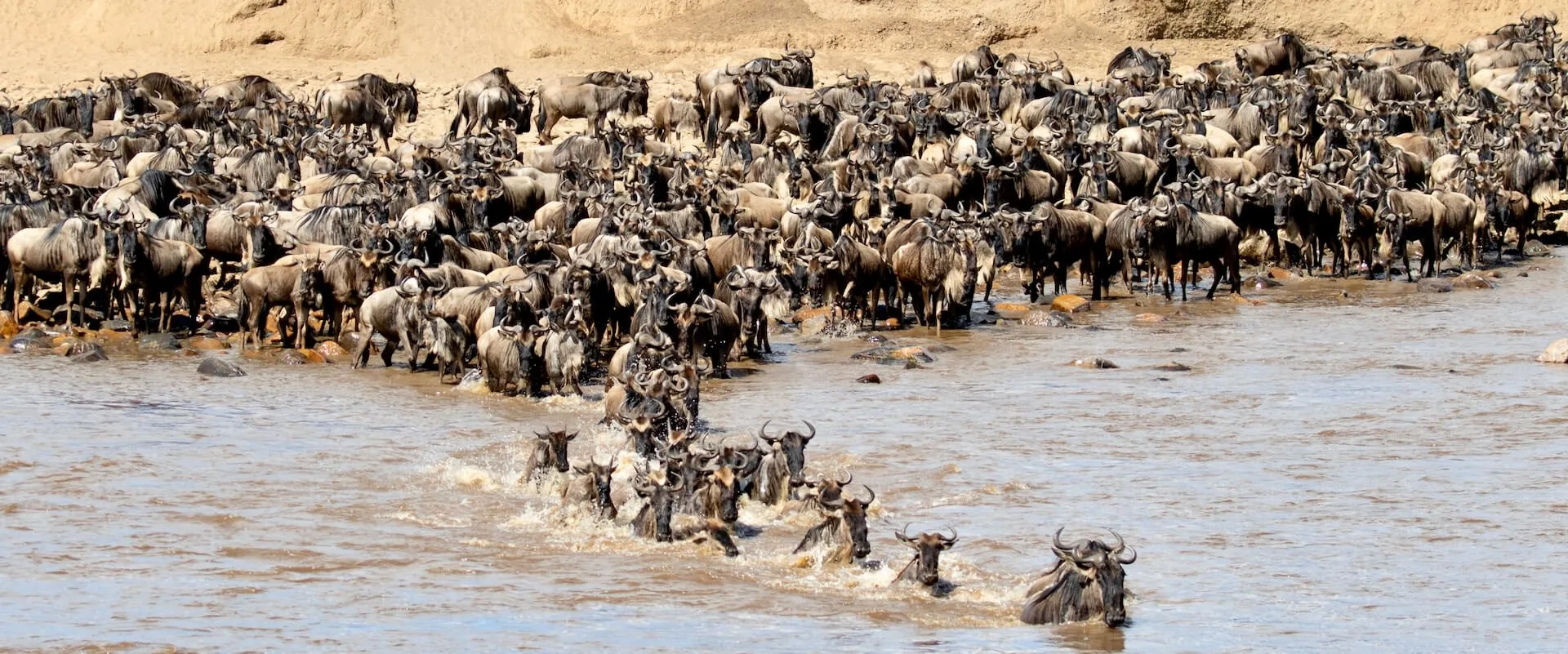
The Great Migration in Africa happens all year because the herds continuously circulate through the Serengeti–Mara ecosystem in…
Read article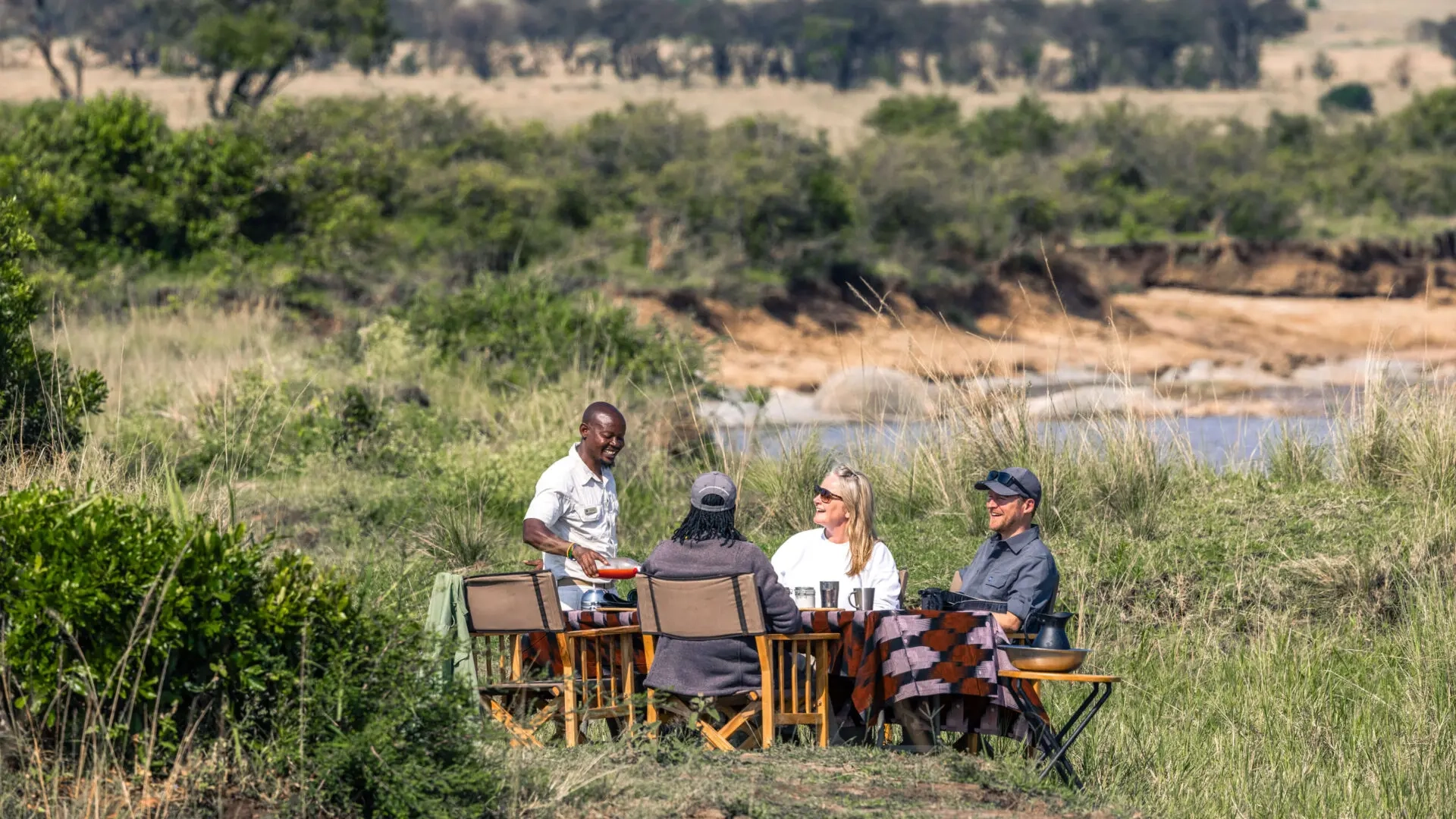
Definitive answer: A picnic lunch on safari is a packed or catered midday meal eaten at an approved…
Read article
Definitive answer: A bush dinner is an outdoor evening meal arranged in a safe safari setting away from…
Read articleLet us take you closer to the wildlife, people and places that make Africa extraordinary.
Plan Your Safari Today