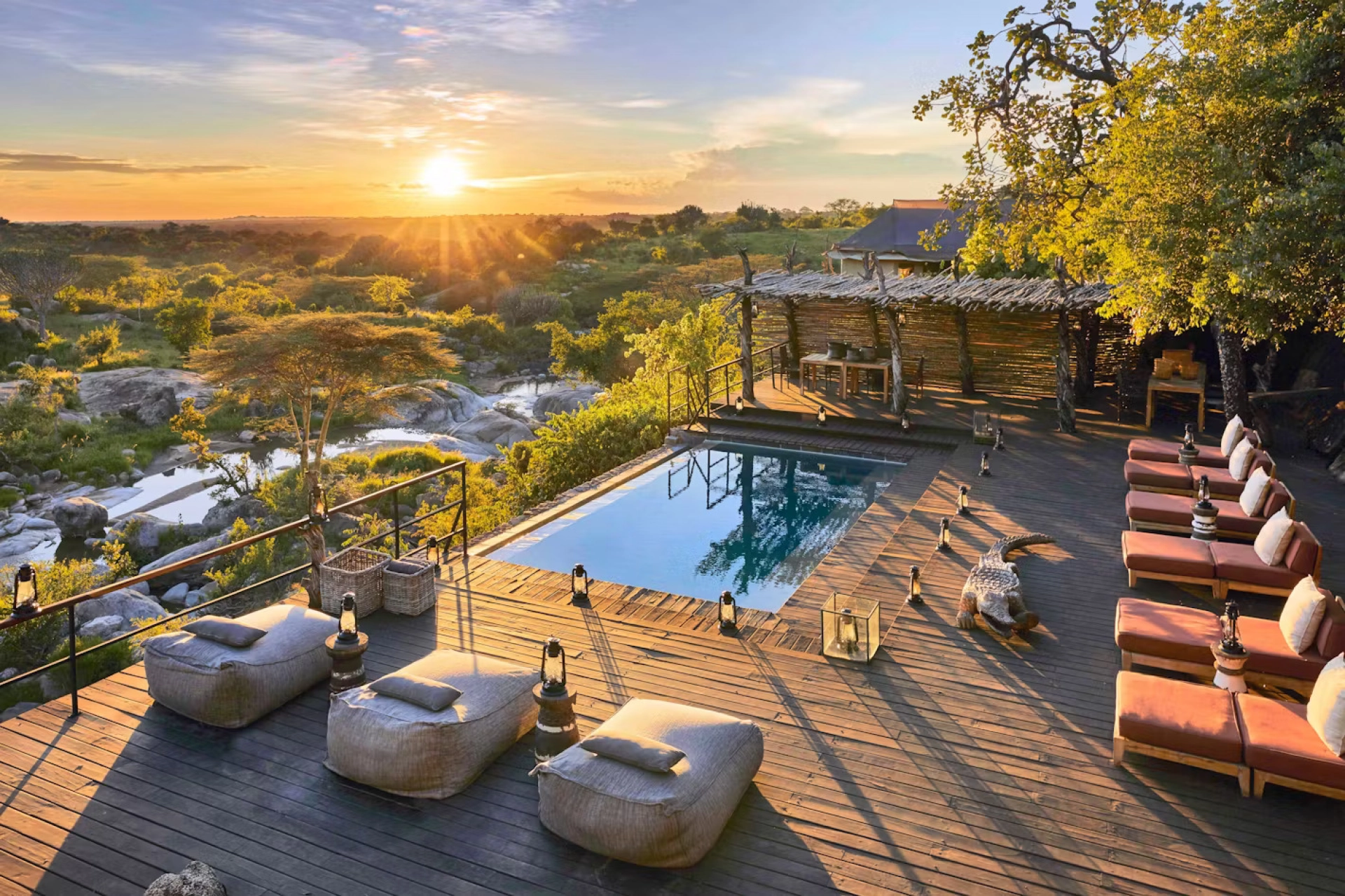
What should I look for when booking a luxury African safari?
When booking a luxury African safari, look beyond the room and compare the quality of guiding, wildlife location,…
Read article

Travel Guide
For many international travellers, Zambia first appears through images of wildlife and wilderness. There are leopards in South Luangwa National Park, elephants beside the Lower Zambezi, lions on the Busanga Plains, shoebills in the Bangweulu Wetlands…
For many international travellers, Zambia first appears through images of wildlife and wilderness. There are leopards in South Luangwa National Park, elephants beside the Lower Zambezi, lions on the Busanga Plains, shoebills in the Bangweulu Wetlands and the immense power of Victoria Falls. But wildlife tells only one part of Zambia’s story. The country is also home to numerous cultural communities, languages, ceremonies, artistic traditions and belief systems. Among the most visually striking are the traditions associated with the Makishi masquerade.
Masked figures move through villages and ceremonial spaces wearing elaborate costumes. Some appear humorous. Others frightening. Others represent ancestral, social or moral ideas. Dance, music, storytelling, initiation and community education come together. To a visitor unfamiliar with the cultural context, Makishi may initially look like a colourful performance. It is much more than that. The Makishi tradition in Zambia is deeply associated with communities including the Luvale, Chokwe, Luchazi and Mbunda of northwestern Zambia and neighbouring parts of Angola.
It is particularly connected with the Mukanda initiation tradition, through which boys historically underwent a period of separation, education and transition toward socially recognised adulthood. The masquerade also features prominently in major public cultural celebrations, most famously Likumbi Lya Mize, associated with the Luvale people. UNESCO recognised the Makishi masquerade as an element of Intangible Cultural Heritage, highlighting its connection with Mukanda initiation among communities of the region. For travellers interested in African culture and people, understanding the Makishi requires going beyond photographs of masks.
You need to understand what masks represent, why masqueraders conceal their identity, how initiation relates to education, why public festivals have become important and how traditional practices continue to change in contemporary Zambia.
The word Makishi broadly refers to masked ancestral or spirit figures represented by performers within cultural traditions of several communities in Zambia and neighbouring regions. It does not describe a single mask. There are many Makishi characters. Different characters can have distinct names, appearances, personalities and meanings. Some represent qualities society respects. Others embody undesirable behaviour. Some entertain. Some frighten. Some teach. Some play specialised roles connected with ritual. The masked performer is not simply viewed as an individual wearing a costume in the ordinary theatrical sense.
Within the appropriate cultural context, the masquerade can represent a transformed social and spiritual identity. That is why visitors should avoid treating Makishi simply as “African masks.” The mask is one component within a much larger cultural system.
Makishi traditions are particularly associated with northwestern and western parts of Zambia and neighbouring areas of Angola. Communities linked to these traditions include the Luvale, Chokwe, Luchazi and Mbunda, among others. In Zambia, Zambezi District in North-Western Province is especially important because it hosts the famous Likumbi Lya Mize ceremony. The region differs dramatically from Zambia’s best-known safari centres. Instead of the tourism-heavy Victoria Falls corridor or Luangwa Valley lodges, travellers encounter communities whose histories are tied to rivers, farming, migration, trade and long-standing social institutions. For cultural travellers, this expands the image of Zambia beyond national parks.
The phrase intangible cultural heritage refers to living cultural practices rather than physical monuments. A stone ruin is tangible. A dance tradition is intangible. So are oral traditions, rituals, songs, craft knowledge and ceremonies. Makishi belongs to this living category. That distinction matters. You cannot preserve a dance tradition simply by placing a costume in a museum. The knowledge must continue to be practised. People must know the songs. Performers must understand movement. Craftspeople must know how particular masks are created. Community members must understand symbolism. Young generations must decide whether and how traditions remain meaningful. The culture survives through people.
To understand Makishi, it is essential to understand the traditional context of Mukanda. Mukanda historically functions as a male initiation institution among several regional communities. Boys undergoing initiation are separated from ordinary community life for a period. During this time, instruction traditionally addresses social responsibilities, cultural knowledge, discipline, adulthood and community values. Specific practices vary among communities and through history. Some aspects are private and should remain so. This is especially important for outsiders. Cultural tourism does not give visitors a right to access every ritual. Responsible travel requires respecting boundaries between what communities choose to present publicly and what remains restricted.
Makishi characters traditionally appear in connection with the Mukanda process. Their roles can include: Protecting ceremonial space. Teaching. Entertaining. Communicating moral ideas. Representing ancestral or spiritual concepts. Marking transitions. The masquerade helps transform initiation from a purely private educational process into something embedded within a larger symbolic world. Masks, costume, movement and music all contribute. For initiates, Makishi can therefore represent far more than visual entertainment. They are part of the process through which society teaches identity.
Masks appear in many cultures around the world, but their meanings differ enormously. Within Makishi traditions, masks help create distinct characters. The physical transformation of the performer is essential. Once costume and mask are combined, the individual’s ordinary identity is concealed. The audience encounters the Makishi character. That transformation allows society to communicate ideas through symbolic personalities. A mask may exaggerate facial features. Colours may matter. Costumes can change the performer’s shape. Movement contributes as much as the carved face. Voice and sound may change. The result is a complete performance identity.
One of the most damaging ways outsiders approach African art is by removing objects from their cultural context and calling everything simply “tribal masks.” Africa contains thousands of communities and artistic traditions. A Makishi mask has a different cultural history from a mask made in West Africa. Even within Makishi traditions, individual characters differ. Understanding the object requires knowing: Who made it? Who uses it? What character does it represent? When does it appear? Who is allowed to wear it? What does the audience understand when it appears? Without those questions, the visitor sees only the surface.
Traditional mask-making may involve wood, fibres, pigments and other locally available materials, depending on the type of character and regional practice. Carvers require specialist knowledge. A mask must function visually while also being wearable. Proportions matter. Weight matters. Visibility matters. Symbolism matters. The finished object becomes part of a larger costume. This craftsmanship represents another layer of Makishi heritage. Preserving masquerade therefore also requires preserving knowledge of carving, textile preparation and costume construction.
The mask alone does not create the Makishi.
Costume transforms the entire body. Fibres, cloth, skins or other materials may be used according to character and tradition. Some costumes conceal every visible part of the performer. This complete transformation helps separate the masked identity from the ordinary person underneath. Movement then gives the costume life. Fibres swing. Dust rises. The performer changes posture. Music begins. A static object becomes a cultural presence.
Makishi dance is not simply random energetic movement. Different characters can have characteristic styles. Some movements emphasise humour. Others strength. Others elegance or exaggerated behaviour. Audiences familiar with the tradition may recognise a character before outsiders understand what they are seeing. Music creates the structure. Drums are especially important. Call-and-response singing can involve performers and audience. Dance therefore becomes a shared social experience rather than a stage performance viewed silently from seats.
No serious discussion of Zambian traditional dance can ignore music. Rhythm controls movement. Drums communicate transitions. Songs may contain cultural messages. Repetition creates participation. The relationship between dancer and drummer is interactive. One responds to the other. For travellers, this demonstrates why cultural performance should not be reduced to a photograph of a mask. The sound is part of the heritage. So is the timing. So is the audience response.
There are numerous Makishi characters, and names, roles and interpretations can differ according to community and context. Some of the better-known figures associated with regional Makishi traditions may include characters representing ideals, comic personalities, authority, danger or social instruction. Visitors should avoid memorising a simplistic internet list and assuming every community uses the same interpretations. Ask knowledgeable local cultural guides. Meaning belongs first to the community practising the tradition.
One widely recognised mask tradition in the broader Chokwe-Luvale cultural world is Mwana Pwo, often associated with ideals of feminine beauty, fertility, grace or ancestral womanhood. The character is traditionally performed by a male masquerader despite representing a female figure. The refined facial features, hairstyle and movement can communicate culturally valued ideas of femininity. For outsiders, this is a reminder that mask traditions can explore gender symbolically and theatrically. The performer and represented identity are not necessarily the same.
Other Makishi figures may use exaggeration, humour or social criticism. Comic characters can communicate serious lessons precisely because audiences laugh. Humour becomes a teaching tool. This is common in cultures worldwide. Satire allows society to discuss behaviour indirectly. A character displaying greed, foolishness or undesirable conduct becomes a memorable example. The audience is entertained and educated simultaneously.
One of the strongest themes behind Makishi is education. Before formal modern schooling became widespread, societies still needed ways to transmit knowledge. Children needed to understand responsibility. Young people needed cultural instruction. Communities needed ways to reinforce acceptable behaviour. Oral teaching, ritual, song and symbolic performance all served educational roles. The Mukanda and Makishi traditions therefore demonstrate that education does not have to occur inside a classroom. Societies build learning into ceremonies.
Initiation ceremonies often formalise social change. A child does not simply become older biologically. Society recognises new responsibilities. Mukanda historically created a structured transition. Participants left ordinary life. They underwent instruction. Then they returned with altered social status. Makishi performances contributed to this transition. Understanding this helps visitors see initiation not as an exotic curiosity but as a social institution. Many cultures worldwide have ceremonies marking transitions. Graduations. Weddings. Coming-of-age celebrations. Religious rites. The forms differ, but the human need to mark change is widespread.
One of Zambia’s most important public cultural celebrations is Likumbi Lya Mize. The ceremony is associated particularly with the Luvale people and takes place in Zambia’s North-Western Province. The festival has become an important public expression of Luvale heritage. Makishi performances are central to the event. Traditional leaders, community members and visitors gather. Music, dance, cultural displays and ceremonial activities create a major celebration. For international visitors wanting to experience Makishi in an appropriate public context, Likumbi Lya Mize is one of the most important opportunities.
The ceremony is connected with the Mize area and traditional leadership. It serves as an occasion for cultural identity, community gathering and public presentation of Luvale traditions. Like many large traditional festivals, its modern form includes both heritage and contemporary elements. Government officials, tourists, media and commercial activities may now be present alongside older ceremonial traditions. This should not automatically be interpreted as cultural decline. Living traditions adapt. The important question is whether communities maintain meaningful control over how their culture is represented.
The festival is generally associated with the later part of the dry season, traditionally around August, although exact annual dates should always be confirmed before travel.
Ceremonial schedules can change. Visitors planning a Zambia cultural safari specifically around Likumbi Lya Mize should therefore verify official dates before buying flights. Accommodation availability can also become limited around major festival periods. Book early.
The Luvale people are one of the cultural groups of northwestern Zambia and neighbouring Angola. Their history reflects the broader interconnectedness of central and southern Africa. Modern national borders are relatively recent compared with the histories of communities living across this region. Languages, trade, kinship and migration long preceded today’s international boundary. This is important because cultural traditions rarely fit perfectly inside modern country borders. The Makishi tradition is therefore Zambian, but also part of a broader regional cultural landscape.
Language is one of the strongest carriers of culture. Songs, proverbs, ceremonial vocabulary and oral history lose nuance when translated. For cultural visitors, even learning a simple greeting can demonstrate respect. However, avoid treating language as a performance requirement for local people. The objective is not to collect exotic words. It is to understand that cultural meaning is often embedded in language.
The Chokwe people are another major community associated with Makishi-style masking traditions across parts of Angola, Zambia and the Democratic Republic of Congo. Chokwe artistic traditions became internationally famous, especially carved masks and sculptures. Unfortunately, international museum collections sometimes display such objects without adequately explaining the social systems that gave them meaning. Seeing living cultural performance in southern Africa can restore part of that context. The mask was not originally created only to hang on a wall. It belonged to performance.
The Mbunda and Luchazi are among other communities connected with regional masquerade and initiation traditions. Again, travellers should resist simplifying all these cultures into one category. Similar cultural forms can exist across neighbouring communities while maintaining important differences. Africa’s cultural geography is complex. Understanding diversity within a tradition is just as important as recognising similarities.
African masks became highly influential within European and global art markets during the 20th century. Unfortunately, many objects left communities during colonial periods under unequal conditions. Museums and private collections often removed masks from their original performance context. This produced a visual misunderstanding. Audiences saw sculpture. They did not see dance. They did not hear drums. They did not understand initiation. They did not know the identity represented. Cultural travel can help restore context by treating masks as components of living systems rather than isolated art objects.
Modern Zambia is not culturally frozen in the past. People use smartphones. Young Zambians engage with global music, fashion and social media. Cities continue to grow. Formal education changes life. Migration changes communities. Christianity and other religious traditions influence social practice. Within this modern context, Makishi traditions continue to adapt. Some performances occur within formal ceremonies. Others appear at public festivals. Cultural groups may present performances to visitors. The context changes, but cultural identity can remain meaningful.
Potentially. Tourism can create income for: Performers. Carvers. Musicians. Guides. Community organisations. Accommodation providers. Food vendors. Transport operators. Cultural festivals can gain national and international visibility. Young people may see cultural knowledge as economically valuable. But tourism can also create problems. Performances may become shortened and simplified. Visitors may demand staged versions of private ceremonies. Commercial pressure can distort meaning. The solution is community-led cultural tourism. Local people should determine what is presented and how.
Travellers interested in Zambia culture should follow several principles. Ask before photographing people. Respect restrictions on photographing particular ceremonies. Do not enter private ritual spaces. Do not demand access because you paid for a tour. Pay fair prices for crafts. Use local guides. Listen before interpreting. Avoid describing unfamiliar traditions as primitive, strange or backward. Remember that ceremonies exist primarily for communities, not tourists. These principles turn cultural tourism from consumption into exchange.
Makishi are extraordinarily photogenic.
Masks. Movement. Dust. Costumes. Drums. Crowds. But cultural photography requires restraint. Always check whether photography is permitted. Public festival performances may allow extensive photography, while particular ceremonial moments may not. Do not block participants to obtain a better angle. Do not enter ceremonial space unless invited. Avoid using intrusive flash. A respectful photograph is more valuable than a technically perfect image obtained by disturbing the event.
Travellers may encounter masks or carvings produced for sale. Buying directly from local artisans can provide valuable income. However, distinguish between: Objects
Visitors sometimes treat African craft markets as places where every price must be aggressively negotiated. Reasonable bargaining may be culturally normal in some contexts. But pushing an artisan down by a few dollars can become disrespectful when the object took days to make. Consider labour. Skill. Materials. Cultural knowledge. If a handmade carving will become a meaningful object in your home, paying a fair price supports the tradition that created it.
Zambia contains many additional traditional ceremonies and cultural communities. A broader Zambia itinerary can explore different regions and histories. Cultural travel may include: Markets. Food. Village-led experiences. Traditional ceremonies. Music. Craft traditions. Historical sites. Urban cultural life. The goal should not be creating a checklist of ethnic groups. It should be understanding Zambia as a culturally diverse modern country.
Many travellers enter Zambia through Livingstone and Victoria Falls. This creates an opportunity to extend the trip beyond the waterfall. Livingstone contains museums and cultural experiences introducing Zambia’s wider history. Travellers with additional time can continue deeper into the country for wildlife or cultural journeys. This helps prevent Zambia from being reduced to a one-attraction destination.
One excellent journey can combine Zambia cultural tourism with a South Luangwa safari. South Luangwa provides: Leopards. Lions. Walking safaris. Elephants. Hippos. Wild dogs. The cultural component adds human history and contemporary life. This makes the overall trip far more complete. Africa is not only wildlife. It is people living beside these landscapes.
Another itinerary could combine cultural experiences with Lower Zambezi National Park. River safaris and canoeing create the wildlife element. Community and cultural encounters provide insight into how human livelihoods connect with the country’s river systems. Responsible operators can help travellers avoid superficial village visits by using locally controlled experiences.
Kafue National Park introduces another side of Zambia. Its enormous scale, Busanga Plains and varied ecosystems make it one of the country’s major wilderness areas. Adding cultural travel before or afterward highlights the contrast between protected wilderness and contemporary Zambian society. This is especially valuable for travellers who have previously visited Africa only through luxury safari lodges.
Travellers attending Likumbi Lya Mize can build a broader itinerary around the festival. Because the ceremony occurs in northwestern Zambia, logistics require careful planning. A specialist operator can connect cultural travel with safari destinations through road or air arrangements. Potential combinations include: Likumbi Lya Mize plus Kafue National Park. Likumbi Lya Mize plus South Luangwa. Likumbi Lya Mize plus Victoria Falls. A longer trip can include all three. The result is far more diverse than a conventional safari.
Because Luvale and related communities extend across the Zambia-Angola border, Makishi traditions illustrate how modern borders divide older cultural landscapes. Colonial boundaries often cut across communities whose trade, kinship and language networks predated European rule. Understanding this context helps travellers interpret African cultures more accurately. A national border does not necessarily mark the edge of a cultural tradition.
Much cultural knowledge survives through oral transmission.
Stories. Songs. Names. Genealogies. Proverbs. Ceremonies. Performance. Written sources are valuable, but they are not the only form of historical knowledge. Makishi itself can function as a form of cultural memory. Characters preserve ideas. Performance recalls ancestral relationships. Songs transmit language. Ceremonies reinforce shared identity. This is why the loss of a living tradition represents the loss of a historical archive.
No cultural tradition survives automatically. Young people must decide whether it remains meaningful. Urbanisation, formal education, migration and global media create new possibilities. Some young people may move away from traditional practices. Others may reinterpret them. Cultural festivals can provide opportunities to reconnect with heritage. Schools, community organisations and cultural associations may also play roles in transmission. The future of Makishi therefore depends not simply on preserving old masks but on whether new generations continue learning what they mean.
Tourists sometimes demand “authenticity” in a way that freezes people in the past. If a dancer wears a modern watch, some visitors complain. If a community uses amplified music, someone says it is no longer traditional. This expectation is unrealistic. All cultures change. European traditions changed. Asian traditions changed. African traditions change. The key question is whether communities themselves recognise continuity and meaning. Authenticity does not require pretending that time stopped two centuries ago.
To an outsider, it can be difficult to understand where performance ends and spiritual meaning begins. Western categories often separate religion, theatre, education and entertainment. Makishi can cross several of these boundaries simultaneously. A character can entertain while teaching. A mask can function aesthetically and spiritually. Dance can reinforce social values. Ceremony can contain humour. This complexity is exactly why the tradition deserves thoughtful interpretation.
Avoid reducing Makishi to: “Scary African masks.” “Primitive rituals.” “Tribal entertainment.” “Colourful dancers.” These descriptions remove history and meaning. Instead, understand Makishi as part of sophisticated social systems involving: Education. Identity. Spirituality. Art. Craftsmanship. Community memory. Performance. Generational transition. This framing produces better cultural tourism and better travel writing.
Cultural travel can happen throughout the year, but major ceremonies follow specific calendars. Travellers specifically interested in Likumbi Lya Mize should plan around the officially announced festival dates. Those combining culture with safari need to consider wildlife seasonality as well. The dry season is generally popular for conventional safari. Conveniently, some major cultural ceremonies also take place during this broader period. This can create excellent Zambia culture and safari itineraries.
A cultural extension should not be squeezed into two hurried hours merely to check a box. Allow time. If attending a major ceremony, consider at least two nights in the relevant region. A comprehensive Zambia holiday of 10–14 days can combine: Cultural experiences. South Luangwa. Victoria Falls. Another major wildlife destination. Longer journeys can reach more remote areas.
A wildlife guide may be outstanding at animal behaviour but not necessarily an expert in Makishi history. For specialised cultural visits, use knowledgeable local cultural guides. They understand language. Community protocols. Historical context. Photography restrictions. Ceremonial boundaries. Local interpretation creates a more accurate experience and ensures tourism revenue remains closer to the communities whose heritage visitors are exploring.
The Makishi masquerade is a cultural tradition involving masked characters associated with communities including the Luvale, Chokwe, Luchazi and Mbunda of Zambia and neighbouring regions.
Makishi traditions are particularly associated with northwestern Zambia. The major Likumbi Lya Mize ceremony provides one of the best-known public opportunities to experience Makishi performances.
Mukanda is a traditional male initiation institution associated with several regional communities. It historically includes separation, instruction and transition toward adult social responsibilities.
Likumbi Lya Mize is an important Luvale cultural ceremony held in Zambia’s North-Western Province and strongly associated with Makishi performances.
Makishi masks can carry spiritual, ancestral, social and educational meanings depending on character and context. They should not be treated simply as decorative objects.
Traditionally, masked performers operate within specific cultural rules. Exact roles and eligibility differ according to community and ceremonial context.
Photography may be allowed during many public performances, but visitors should always ask or follow local guidance. Some ceremonial contexts may restrict photography.
Many aspects of initiation are private or restricted. Tourists should never assume access. Public cultural festivals are more appropriate contexts for visitors.
Yes. The Makishi masquerade has received UNESCO recognition as intangible cultural heritage.
A Zambia itinerary can combine cultural experiences with South Luangwa National Park, Lower Zambezi National Park, Kafue National Park, Victoria Falls and other Zambia safari destinations.
The Makishi of Zambia matters because the tradition brings together so many aspects of culture at once. A mask is sculpture. A costume is craft. A dance is performance. A drumbeat is music. An initiation is education. A character can represent ancestry. A festival creates community. Oral interpretation transmits history. All of these elements come together in one living cultural system. That is why photographing a Makishi mask without learning anything about the people behind it captures only a fraction of the story.
For travellers genuinely interested in African culture and people, Zambia provides an opportunity to look beyond the safari vehicle and understand the human societies that have shaped these landscapes for generations. Adventure in the Wild Safaris can combine Zambia cultural tours, Likumbi Lya Mize experiences, South Luangwa safaris, Lower Zambezi safaris, Kafue National Park, Victoria Falls holidays, and broader Southern Africa cultural and wildlife itineraries. Wildlife may bring many visitors to Zambia. But understanding traditions such as Makishi, Mukanda and Likumbi Lya Mize reveals a country that is far richer than safari alone.

Share This Article
When booking a luxury African safari, look beyond the room and compare the quality of guiding, wildlife location,…
Read article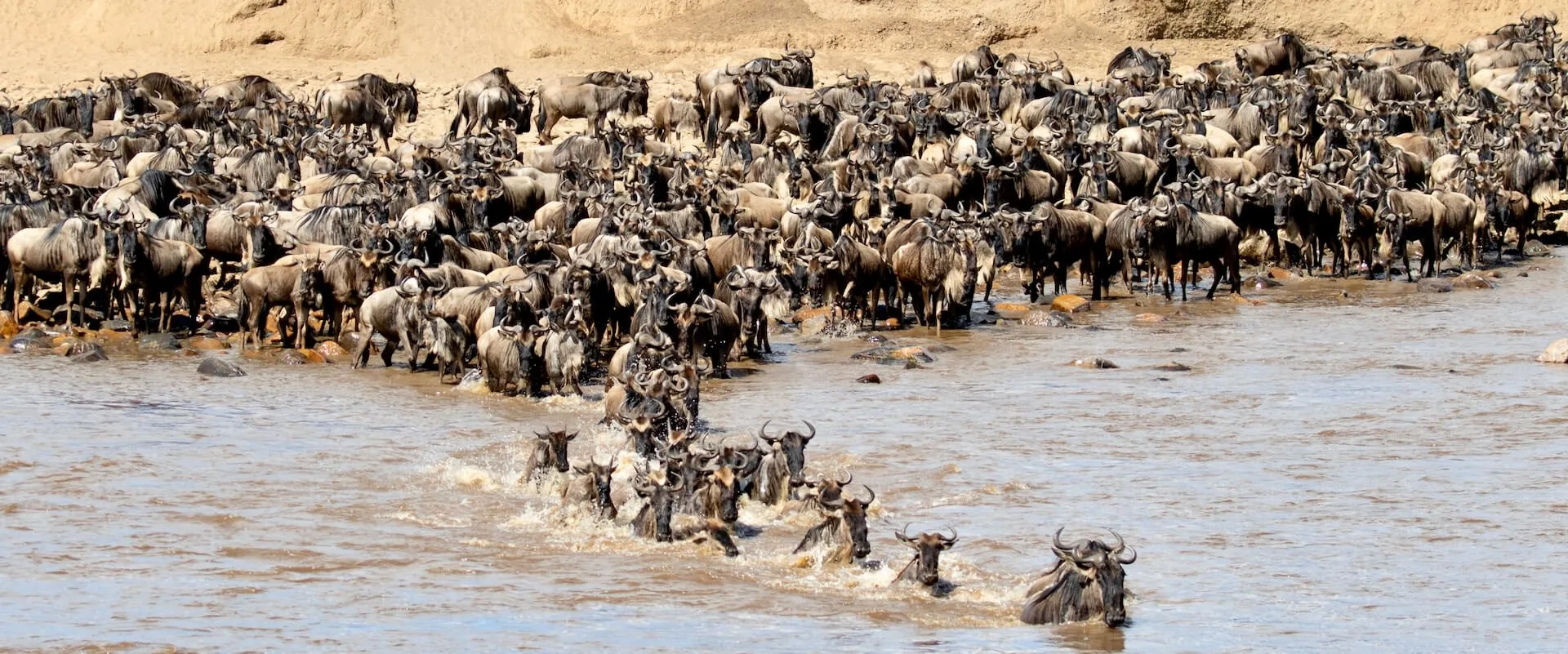
The Great Migration in Africa happens all year because the herds continuously circulate through the Serengeti–Mara ecosystem in…
Read article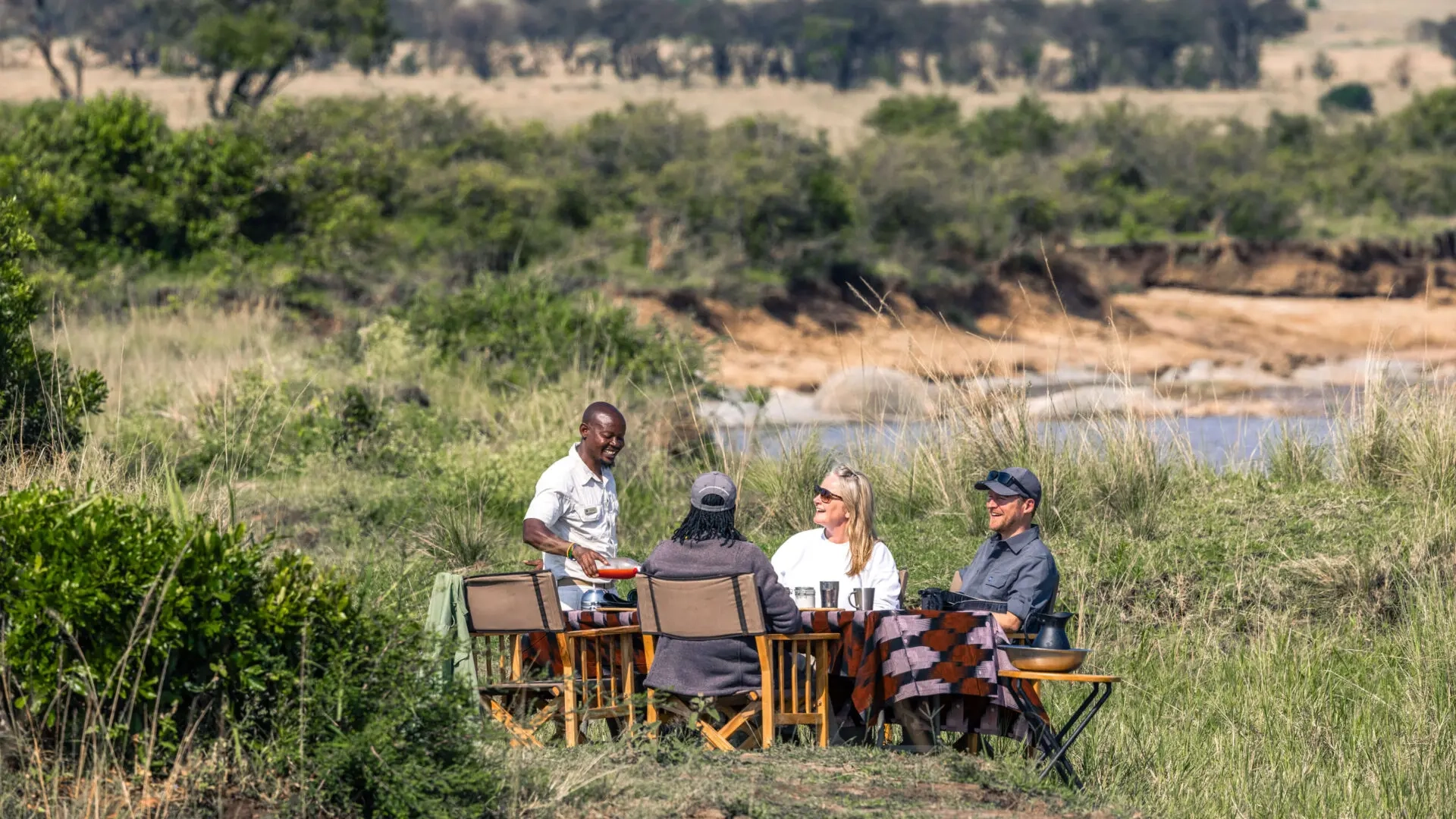
Definitive answer: A picnic lunch on safari is a packed or catered midday meal eaten at an approved…
Read article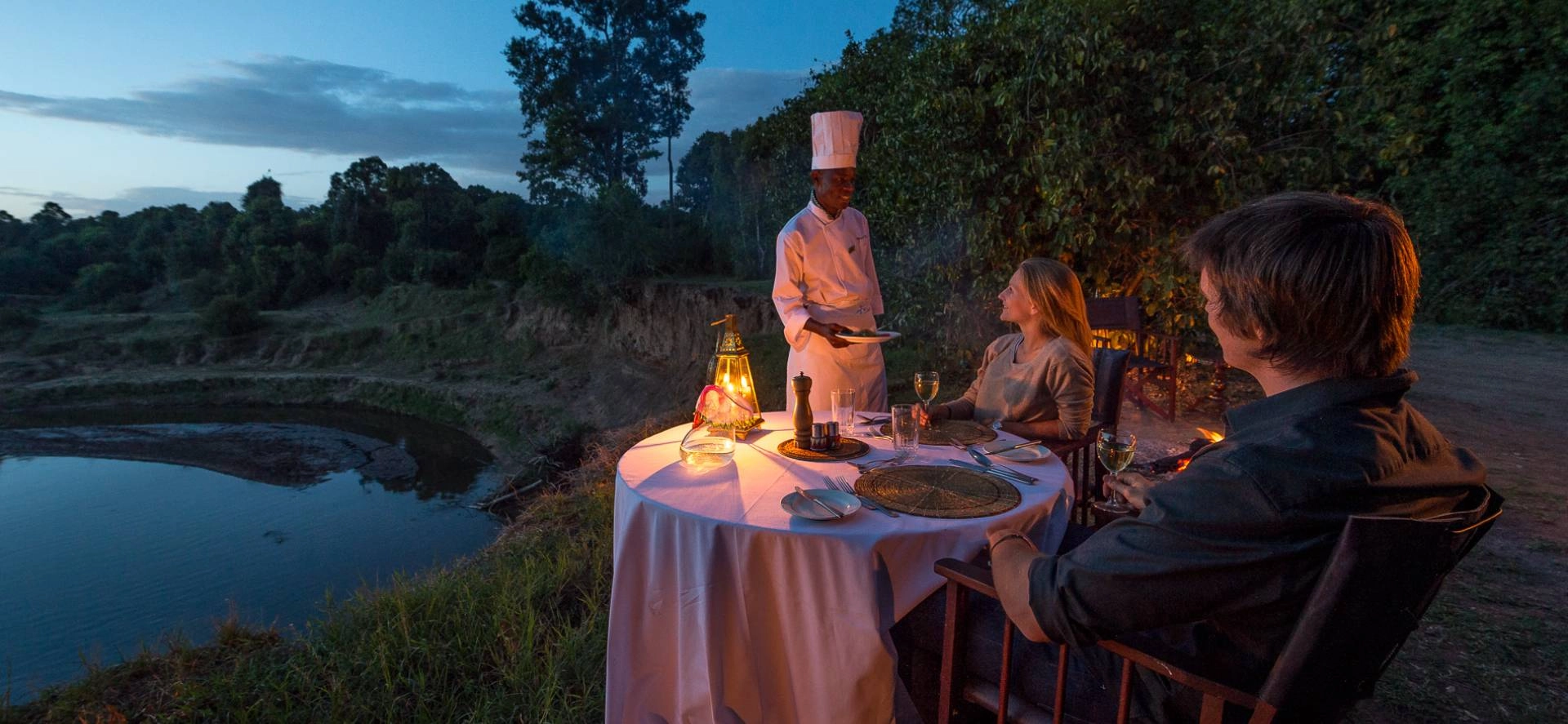
Definitive answer: A bush dinner is an outdoor evening meal arranged in a safe safari setting away from…
Read articleLet us take you closer to the wildlife, people and places that make Africa extraordinary.
Plan Your Safari Today