
What should I look for when booking a luxury African safari?
When booking a luxury African safari, look beyond the room and compare the quality of guiding, wildlife location,…
Read article

Travel Guide
Across Africa, landscapes are interpreted through far more than geography. Mountains can carry ancestral significance. Rivers become boundaries between physical and spiritual worlds. Animals appear in stories as messengers, tricksters and protectors. Thunderstorms are not merely…
Across Africa, landscapes are interpreted through far more than geography. Mountains can carry ancestral significance. Rivers become boundaries between physical and spiritual worlds. Animals appear in stories as messengers, tricksters and protectors. Thunderstorms are not merely weather events but dramatic forces that generations of storytellers have attempted to explain. Among Southern Africa’s most fascinating supernatural traditions is the legend of the Lightning Bird. Known in some traditions as the Impundulu, this mysterious creature occupies a strange space between bird, storm, supernatural servant and object of fear. Accounts vary between communities and storytellers, but the Lightning Bird is commonly associated with thunder, lightning, witchcraft and extraordinary supernatural power.
For travellers accustomed to understanding Africa primarily through wildlife documentaries and safari guidebooks, stories such as the Lightning Bird reveal another dimension of the continent. The bird is not important because zoologists are searching for a previously unknown species. Its significance lies in culture. The story reveals how communities interpreted dangerous natural phenomena, how oral traditions preserved beliefs, and how birds and other animals became woven into explanations of the unseen world.
To explore the African Lightning Bird legend is therefore to explore the relationship between nature, fear, storytelling and cultural identity.
The Lightning Bird appears in folklore from parts of Southern Africa, particularly within traditions associated with communities in South Africa.
Descriptions vary considerably. This is important because oral traditions rarely function like a modern printed fantasy novel with one official version of every character. Stories change between regions. Families emphasise different details. Languages use different names. One storyteller may describe the creature differently from another. In some traditions, the Lightning Bird is described as an enormous supernatural bird associated with lightning strikes and thunderstorms. It may be connected with witchcraft or believed to serve a person possessing supernatural knowledge.
Its appearance is sometimes described as striking or unusual. Other accounts focus less on physical form and more on the terrifying effects associated with its presence. The central idea remains powerful: when lightning strikes, something more than weather may be happening.
The term Impundulu is widely associated with the Lightning Bird in discussions of Southern African folklore.
The exact details of the legend vary across cultural and linguistic contexts. In some narratives, the creature is strongly associated with lightning itself. In others, it can be connected to supernatural practitioners and acts as a familiar or servant. These differences should not be flattened into one supposedly universal African belief. Africa contains thousands of communities, languages and traditions. Even neighbouring communities may interpret the same supernatural figure differently. Responsible cultural writing therefore speaks of traditions and versions rather than claiming that “Africans believe” one single thing.
It is easy to understand why lightning became associated with supernatural power.
Before modern meteorology, a thunderstorm could be both spectacular and terrifying. The sky darkens. Wind rises. Thunder rolls across the landscape. Then, without warning, an enormous flash of light can strike a tree, building, animal or person. The physical cause is invisible. The effect is immediate. Fire may follow. A tree can split. A person can die. For communities without scientific instruments explaining atmospheric electricity, lightning naturally demanded interpretation. Humans everywhere have created stories around thunder.
What makes the Lightning Bird especially interesting is the way Southern African traditions connect this atmospheric force with the form of a bird.
Birds occupy a unique symbolic position in many cultures.
They live on the ground but can disappear into the sky. They migrate over enormous distances. Some call at night. Others appear immediately before changes in weather. Large raptors descend suddenly from above. Owls move almost silently through darkness. This ability to cross apparent boundaries makes birds natural candidates for supernatural symbolism. A bird can become a messenger between earth and sky. It can represent freedom. It can represent death.
It can carry warnings. It can be associated with ancestors. The Lightning Bird mythology belongs within this broader human tendency to interpret birds as creatures capable of crossing between worlds.
In many versions of the story, thunderstorms provide the Lightning Bird’s natural setting.
This connection creates an interesting overlap between observable nature and supernatural interpretation. Southern Africa experiences dramatic storms. In summer rainfall regions, enormous clouds can build over landscapes during hot afternoons. Lightning illuminates the sky. Thunder follows across hills and valleys. To a traveller watching from a comfortable lodge, the storm may seem beautiful. To people living in exposed landscapes, lightning can represent genuine danger. Folklore grows partly from these lived experiences.
KwaZulu-Natal is particularly famous for dramatic summer thunderstorms. The province contains mountains, rolling hills, grasslands, subtropical coast and culturally important rural landscapes. Lightning activity can be significant. Within such an environment, stories connecting lightning to supernatural forces gain understandable emotional power. A violent storm is not an abstract scientific concept when it happens directly above a home or livestock enclosure. It is immediate. The Lightning Bird gives that danger a character and identity.
Some versions of the Impundulu legend connect the bird with witchcraft. The creature may be described as controlled by or serving a person with supernatural powers. Such stories should be approached carefully. Terms such as “witchcraft” can carry different meanings across cultural contexts and are often sensationalised by outsiders. A responsible cultural traveller should avoid reducing complex belief systems to exotic entertainment. The interesting question is not whether a visitor personally believes the story.
The important question is what the story means within the society that tells it. Beliefs about supernatural power can influence relationships, explanations of misfortune and interpretations of unusual events.
For most of human history, stories were not stored on websites or in printed books. They were remembered. Grandparents told children. Community elders explained events. Stories were repeated around homes and gathering places. Each retelling could preserve important themes while changing smaller details. This is one reason African folklore often exists in multiple versions. Variation is not necessarily corruption of an “original.” It is part of the life of oral tradition.
The Lightning Bird legend therefore should be understood as a family of related stories rather than one fixed narrative.
Modern travellers often separate science from story. A meteorologist explains lightning through electrical charge. A zoologist classifies birds. A botanist identifies plants. Traditional storytelling frequently connects these categories. A bird may explain a storm. An animal’s behaviour may carry a warning. A particular tree may have spiritual significance. This does not mean traditional societies lacked practical environmental knowledge. On the contrary, people living close to landscapes often developed highly sophisticated observations of weather, plants and animals.
Myth and empirical knowledge could coexist.
One of the most interesting questions is whether aspects of the legend were influenced by real birds. Attempts have been made to connect supernatural bird traditions with actual species, although folklore does not need a single zoological origin to exist. Large birds with dramatic colouring, powerful calls or unusual behaviour naturally attract stories. The hamerkop, for example, has accumulated extensive folklore in parts of Africa because of its unusual appearance and enormous nests, although it should not simply be equated with the Lightning Bird.
Certain raptors and other striking birds have also inspired beliefs. The key point is that humans rarely create myths in complete isolation from the environment. Real animals often provide the visual vocabulary through which supernatural creatures are imagined.
The Lightning Bird is only one example of the importance of birds in African cultural traditions. Owls are interpreted differently across communities. Vultures can carry symbolic associations related to death, cleansing or foresight. Eagles may represent power. Hornbills feature in cultural traditions in several regions. The calls of particular birds may be interpreted as warnings or signs. These associations vary enormously. A bird regarded positively in one community may have completely different symbolism elsewhere.
This makes African bird folklore a fascinating subject for travellers interested in both culture and natural history.
Any discussion of African mythology must address a common problem. Africa is not one culture. It is a continent of extraordinary linguistic, religious and historical diversity. There is no single African mythology comparable to the mythology of one small historical society. Zulu traditions are not identical to Xhosa traditions. Southern African folklore differs from Ethiopian traditions. Ugandan oral histories differ from those of Senegal. Even within Uganda, neighbouring communities can have completely different origin stories, rituals and spiritual traditions.
Therefore, the Lightning Bird should be presented within its regional context rather than as something universally believed across Africa.
KwaZulu-Natal is strongly associated with Zulu history and culture. Zulu society has a rich oral tradition incorporating praise poetry, historical narratives, stories and spiritual concepts. Travellers visiting KwaZulu-Natal often focus on battlefields, wildlife reserves or beaches, yet cultural experiences can add enormous depth. Learning about oral traditions helps visitors understand how history was preserved outside written archives. Stories can encode values, warnings and collective memory. The Lightning Bird belongs within this wider landscape of storytelling.
The Impundulu is also commonly discussed in connection with Xhosa folklore. As with other oral traditions, versions vary. This reinforces why cultural explanations should avoid absolute statements. Rather than searching for one definitive description, travellers can appreciate how a supernatural figure changes as stories move between communities. That variation itself is culturally meaningful.
Scientific education does not automatically eliminate folklore. People continue telling supernatural stories for many reasons. Stories entertain. They create identity. They connect generations. They explain moral ideas. They preserve language. They evoke fear. They provide metaphors for experiences that are difficult to express literally. A person can understand the scientific cause of lightning while still valuing the Lightning Bird as part of cultural heritage. This distinction matters. Folklore does not survive only because people lack scientific knowledge.
It survives because stories perform social and cultural functions that science does not replace.
Many traditional stories are frightening. This is not unique to Africa. European folklore contains witches, wolves and supernatural beings. Asian traditions contain ghosts and monsters. American cultures have their own frightening legends. Fear makes stories memorable. A child may forget an ordinary instruction but remember a terrifying tale associated with breaking a rule. Folklore can therefore reinforce social boundaries and warnings. The Lightning Bird’s connection with storms and supernatural danger gives it extraordinary narrative power.
Lightning can physically transform landscapes. It can ignite vegetation. It can split trees. It can kill animals. In fire-adapted ecosystems, lightning can even initiate ecological processes that later produce new growth. This dual character—destruction followed by renewal—helps explain why storms become powerful symbols. The sky appears to attack the earth. Then rain arrives. Plants grow. Rivers fill. The same storm can destroy and sustain life. Such contradictions are fertile ground for mythology.
Travellers interested in the Lightning Bird can incorporate cultural learning into a broader South Africa safari. KwaZulu-Natal offers an especially rich combination of experiences. Visitors can explore wildlife reserves, the Drakensberg, historic battlefields, coastal environments and cultural attractions. The most meaningful cultural experiences are those led or interpreted by people with genuine connections to the traditions being discussed. Culture should not be treated as a performance staged solely for tourists.
Good cultural tourism creates conversation. It allows local voices to explain their own history.
Many international safari visitors know KwaZulu-Natal for wildlife destinations such as Hluhluwe-iMfolozi and surrounding reserves. Yet the province’s human history is equally compelling. Zulu political history shaped Southern Africa. Colonial expansion and major conflicts left important historical sites. Traditional homesteads, languages, crafts, music and oral history continue to shape regional identity. Combining KwaZulu-Natal cultural experiences with wildlife travel therefore produces a far more complete journey.
The Drakensberg mountains create another important cultural landscape. Towering cliffs, valleys and rapidly changing weather produce scenery that naturally inspires stories. The region also contains extraordinary San rock art. These paintings provide evidence of cultural traditions far older than many modern political boundaries. A journey through the Drakensberg can therefore connect geology, weather, archaeology and storytelling. Thunderstorms moving across the mountains make it easy to appreciate why atmospheric forces gained supernatural significance.
The San peoples of Southern Africa developed exceptionally rich cultural relationships with animals and landscapes. Rock art across parts of Southern Africa contains images of animals, people and scenes connected with complex spiritual traditions. These traditions are distinct from the Lightning Bird stories associated with other communities. They should not be blended together. Their inclusion is valuable precisely because they demonstrate the diversity of Southern African cultural systems. Two communities living within the same broad region can interpret animals and supernatural experience in very different ways.
Imagine two travellers watching a thunderstorm over the African bush. One sees cumulonimbus clouds, electrical discharge and rainfall. The other understands those scientific processes but also knows stories people have told about storms for generations. The second traveller has an additional layer of interpretation. This is the value of cultural knowledge. It does not replace ecology or meteorology. It expands the landscape. The hill is no longer only a hill.
The bird is no longer only a species name. The storm is no longer only weather. Places acquire human meaning.
Travellers should approach supernatural traditions respectfully. Mocking a belief because it differs from one’s own worldview creates unnecessary distance. At the same time, romanticising every tradition as ancient mystical truth can be equally unhelpful. The goal should be understanding. Ask how stories are told. Ask who tells them. Ask whether younger generations interpret them differently. Ask how the story has changed. Listen to local explanations rather than arriving with a fixed interpretation learned online.
This approach transforms cultural tourism from observation into exchange.
Modern Southern African societies often contain overlapping belief systems. Christianity is widespread. Traditional spiritual ideas may also remain culturally influential. Individuals can negotiate these systems in complex ways. A person may identify strongly as Christian while still respecting family traditions or stories connected with ancestors and supernatural events. This coexistence demonstrates why outsiders should avoid simplistic categories. Culture changes continuously.
Traditional supernatural figures increasingly appear in modern literature, film, visual art and popular culture. This gives old stories new audiences. The process can preserve cultural concepts, but it can also change them. A supernatural figure adapted for a novel may become very different from the creature described in an older oral tradition. Researchers and travellers should therefore distinguish between traditional accounts and modern creative reinterpretations. Both are culturally interesting, but they are not identical.
Beyond literal supernatural interpretations, the Lightning Bird can be understood symbolically. It embodies sudden power. It connects sky and earth. It represents forces beyond ordinary human control. Its association with storms makes it unpredictable. Its bird form gives it mobility between realms. These qualities explain why the story remains compelling even to people who encounter it purely as folklore. Good myths survive because their symbolism can outlive the original context in which they were told.
Safari guides often focus understandably on wildlife facts. How much does an elephant weigh? How fast can a cheetah run? How does a leopard hunt? These facts are valuable. Yet incorporating carefully researched cultural stories can transform guiding. An animal may have ecological significance and cultural significance simultaneously. A tree may be used by wildlife and appear in local mythology. A mountain may have geological history and spiritual history. The strongest African cultural safari acknowledges both natural and human landscapes.
Birding safaris offer particularly good opportunities to explore folklore. Africa supports extraordinary bird diversity. Visitors often arrive carrying identification guides containing scientific names and distribution maps. Local communities may know the same species through entirely different systems of naming and interpretation. A bird’s call may have inspired a local name. Its seasonal appearance may be connected with rain. Its behaviour may feature in stories. Combining ornithology with cultural knowledge creates a richer form of birdwatching.
There is no single tourist attraction where visitors are guaranteed an “authentic Lightning Bird experience.” Nor should there necessarily be. Folklore lives through people rather than monuments. Travellers genuinely interested in Southern African cultural traditions should seek knowledgeable local guides, museums, cultural historians and community-led experiences. Ask questions. Listen carefully. Different people may provide different versions. That variation is part of the tradition.
A thoughtful South African itinerary can move beyond the conventional sequence of game drives. A traveller might begin with wildlife, continue through culturally significant landscapes, explore historical sites and finish with Cape Town. KwaZulu-Natal is particularly suitable for this style of journey because wildlife, history, mountains and living culture occur relatively close together. A deeper itinerary could combine Zulu cultural experiences, wildlife viewing, Drakensberg landscapes and battlefield history. The result is a safari in the broadest sense: a journey through both natural and human landscapes.
Tourism can easily become superficial. Visitors photograph animals, eat dinner, sleep in a lodge and move to the next park. Folklore interrupts that pattern. It asks travellers to consider how local people understand the environment. Why does this bird matter? What does that mountain represent? Why is a particular tree respected? What stories are associated with storms? These questions transform landscapes from scenery into places with memory.
The African Lightning Bird is fascinating not because travellers need to decide whether they believe in a supernatural creature. Its importance lies in what the story reveals. It tells us that people have always tried to understand forces larger than themselves. Lightning is sudden. Thunder is overwhelming. Storms can destroy and nourish. Birds cross the boundary between earth and sky. Combining these elements into a supernatural creature creates a story powerful enough to survive generations.
The Impundulu legend also reminds travellers that Africa cannot be understood through wildlife alone. The continent’s landscapes are filled with human meaning. Forests contain stories. Mountains carry histories. Animals become symbols. Storms become characters. A safari that ignores these cultural layers sees only part of the landscape. For travellers willing to listen, African folklore, mythology and traditional storytelling provide another way of exploring the continent—one in which the natural world and the human imagination are inseparable.

Get quick answers to the most common questions. If you still have questions, our safari experts are here to help.
The Lightning Bird, often associated with the name Impundulu, is a supernatural bird appearing in some Southern African folklore and is associated with lightning, storms and supernatural power.
Versions of the legend are particularly associated with traditions in Southern Africa, including Xhosa and Zulu cultural contexts. Details vary between communities and storytellers.
The Lightning Bird is a figure of folklore rather than a scientifically recognised bird species. Real African birds may have influenced aspects of supernatural bird traditions, but the myth should not be reduced automatically to one zoological species.
Impundulu is a term commonly associated with the Lightning Bird in Southern African folklore. Interpretations and descriptions differ according to linguistic and cultural context.
In some versions of the tradition, yes. The creature may be associated with supernatural practitioners or described as a familiar. These beliefs should be understood within their cultural context rather than sensationalised.
No. Africa contains thousands of cultural traditions. The Lightning Bird is associated with particular Southern African traditions and should not be presented as a universal African belief.
KwaZulu-Natal provides numerous opportunities to explore Zulu history and culture through reputable community experiences, museums, historic landscapes and knowledgeable local guides.
Yes. Wildlife destinations in KwaZulu-Natal can be combined with cultural experiences, the Drakensberg and historic sites to create a much deeper South African journey.
Our safari experts are here to help you plan your safari. Get personalized advice, the latest information and a free, no-obligation quote.
We typically reply within a few hours.

Share This Article
When booking a luxury African safari, look beyond the room and compare the quality of guiding, wildlife location,…
Read article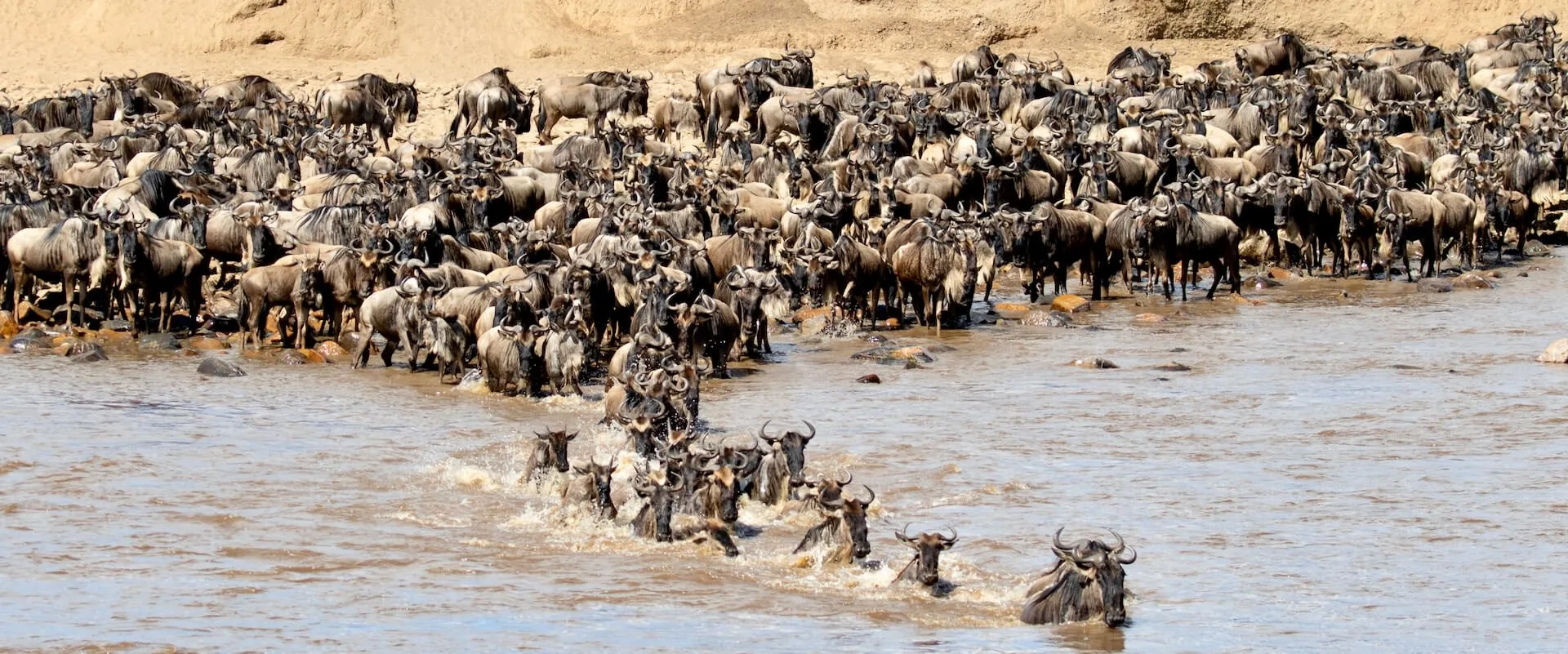
The Great Migration in Africa happens all year because the herds continuously circulate through the Serengeti–Mara ecosystem in…
Read article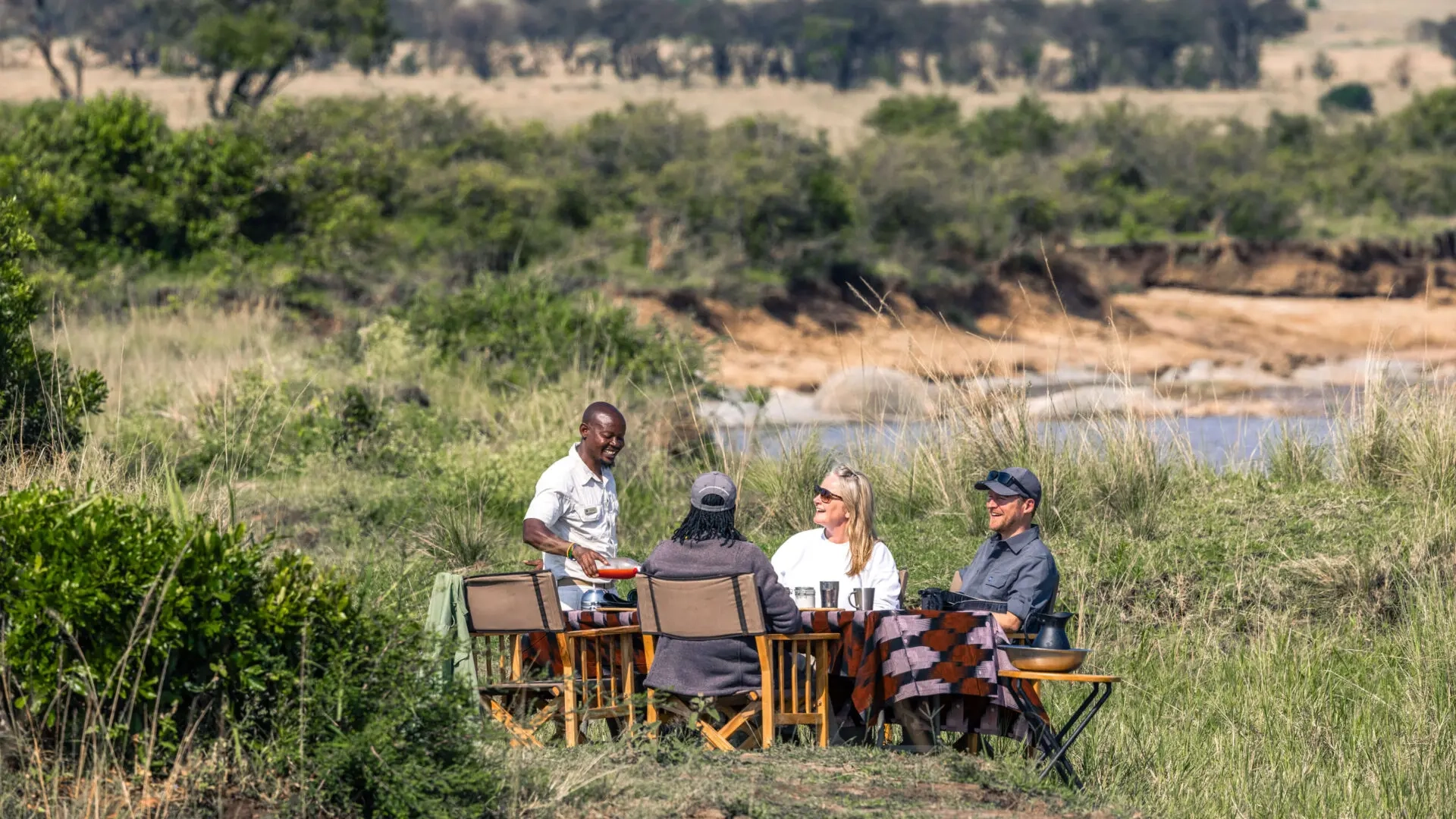
Definitive answer: A picnic lunch on safari is a packed or catered midday meal eaten at an approved…
Read article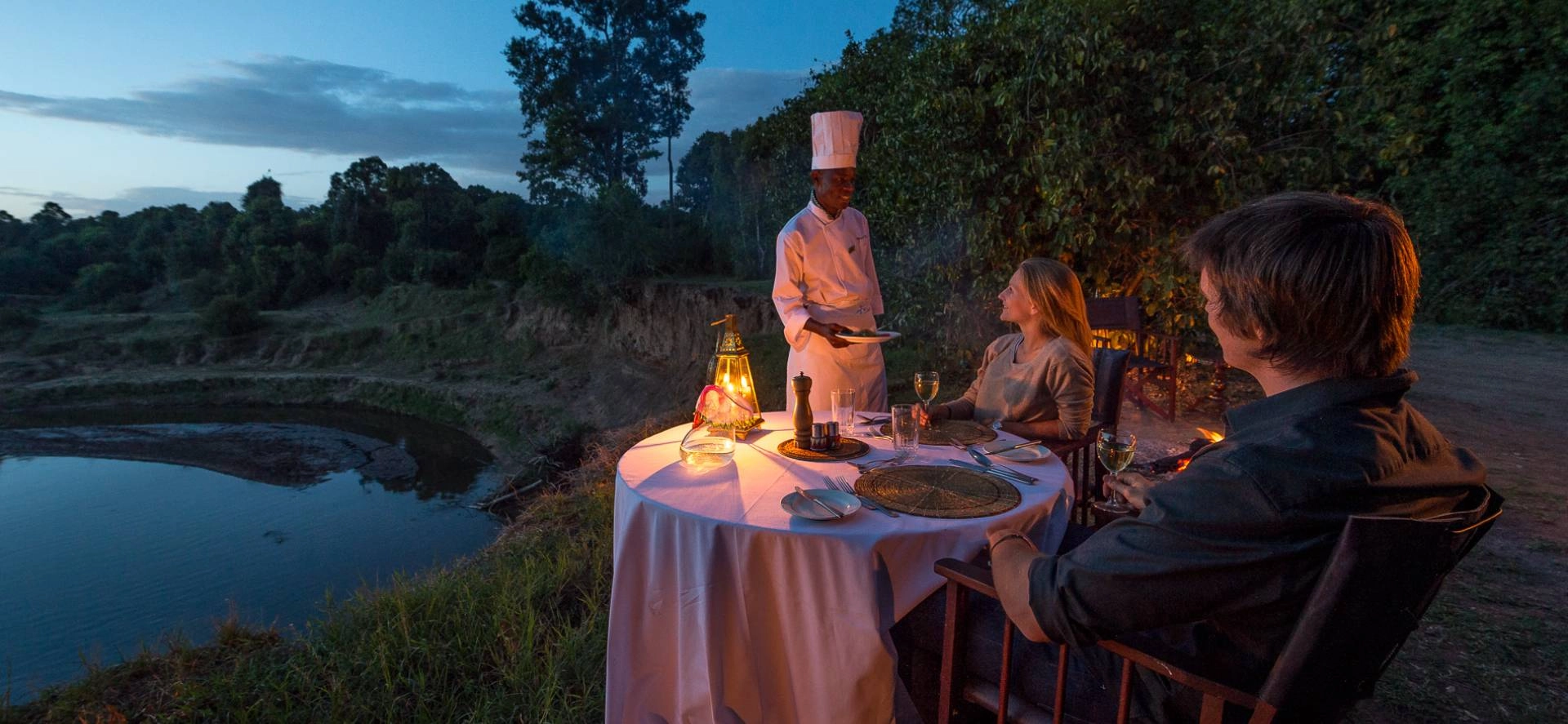
Definitive answer: A bush dinner is an outdoor evening meal arranged in a safe safari setting away from…
Read articleLet us take you closer to the wildlife, people and places that make Africa extraordinary.
Plan Your Safari Today