
What should I look for when booking a luxury African safari?
When booking a luxury African safari, look beyond the room and compare the quality of guiding, wildlife location,…
Read article

Travel Guide
Across the dry plains, rocky mountains and semi-desert landscapes of southern Africa, generations of indigenous communities have developed an extraordinary understanding of the plants around them. Few traditions demonstrate this relationship between people and landscape more…
Across the dry plains, rocky mountains and semi-desert landscapes of southern Africa, generations of indigenous communities have developed an extraordinary understanding of the plants around them. Few traditions demonstrate this relationship between people and landscape more vividly than the plant knowledge associated with the Khoisan peoples of southern Africa.
The term Khoisan is commonly used when discussing the historically distinct San hunter-gatherer peoples and Khoikhoi pastoralist peoples of southern Africa. These communities are diverse rather than culturally uniform, and their histories stretch across areas that today form parts of Botswana, Namibia, South Africa and neighboring regions. Their languages, identities and traditions differ, yet many communities share long histories of living in environments where detailed ecological knowledge was essential.
In the Kalahari region, for example, survival has never simply meant finding an obvious river or waiting for rainfall. People needed to understand where moisture could be obtained when surface water disappeared, which underground plants were edible, when particular fruits would ripen, which plants could be used for medicine and how harvesting could be undertaken without unnecessarily destroying valuable resources.
This accumulated environmental knowledge is often described as ethnobotany—the study of relationships between people and plants. Yet describing Khoisan plant traditions merely as ethnobotany can make something profoundly human sound clinical. This knowledge was part of everyday life. It influenced food, travel, medicine, hunting, personal care, social relationships and people’s understanding of the landscape.
For travelers interested in African cultures, the story of Khoisan peoples and their plants therefore provides a fascinating window into a much broader subject: how humans learned to live successfully in some of Africa’s most demanding environments.
“Khoisan” is an umbrella term rather than the name of one single tribe or culture. It has historically been used to group various San and Khoikhoi communities, particularly because a number of their languages contain distinctive click consonants.
The San people, sometimes historically called Bushmen, traditionally included hunter-gatherer communities spread across large parts of southern Africa. The Khoikhoi, by contrast, became especially associated with pastoralism and livestock keeping. Both labels themselves cover multiple communities. That distinction matters for travelers because simplified tourism narratives sometimes present “the Khoisan” as though one unchanged culture has existed uniformly throughout the Kalahari for thousands of years. Reality is considerably more complex. Communities changed, migrated, interacted with neighbors, traded, adopted new practices and responded to political and environmental pressures. Colonial expansion, land dispossession, agricultural development and modern national boundaries profoundly altered their lives.
Yet traditional ecological knowledge remains enormously important. Understanding Khoisan culture in southern Africa therefore requires recognizing both its remarkable continuity and the historical changes experienced by living communities.
Much of the fascination surrounding San plant knowledge becomes easier to understand once you see the environments in which it developed.
The Kalahari is frequently called a desert, although large areas are technically semi-arid savanna rather than true desert. Rainfall can be highly seasonal and unpredictable. Temperatures fluctuate dramatically, and permanent surface water is absent from extensive areas. At first glance, such country may appear empty. Look more carefully and the landscape becomes extraordinarily complicated. Different grasses indicate different soils. Certain trees provide shade, fruit or materials. Underground tubers can contain valuable moisture. Melons appear seasonally. Seeds become available at particular times. Animal movements may indicate nearby resources. Flowers, tracks and changes in vegetation can reveal the progression of seasons.
Traditional Kalahari survival knowledge depends upon interpreting these signs together. A skilled forager does not simply recognize a plant. They may know where it grows, what soil it prefers, when it can be harvested, which part is useful, how it should be prepared and whether similar-looking species are dangerous. This depth of knowledge is one reason guided cultural experiences with knowledgeable community members can be so revealing. What appears to an inexperienced visitor as scrubland can become a landscape filled with food, medicine, stories and ecological clues.
Water is among the most obvious challenges in dry southern African landscapes.
Traditional San knowledge included methods of locating moisture even where there were no permanent rivers or obvious springs. Certain underground roots and tubers could provide liquid, while seasonal melons and other plants supplemented available water. This should not be reduced to the romantic idea that a person can simply walk into the desert, dig up a random root and drink. Finding usable plants requires expertise. Experienced foragers recognize subtle differences in vegetation and understand where particular species are likely to occur. Roots may need to be excavated carefully and processed before moisture can be extracted.
Such practices illustrate a broader characteristic of traditional San survival skills: survival depends on accumulated knowledge rather than improvisation. For modern safari travelers accustomed to carrying bottled water in a vehicle, witnessing how people historically read an arid landscape can fundamentally change perceptions of the Kalahari.
Few plants associated with San traditional knowledge have attracted as much international attention as Hoodia gordonii.
Hoodia is a succulent found in arid areas of southern Africa. Despite its cactus-like appearance, it is not a cactus. Its thick stems are adapted to environments where conserving moisture is essential. San hunters have traditionally been associated with chewing Hoodia during extended journeys, particularly as a means of helping manage hunger. The plant later became internationally famous when commercial interests investigated its potential as an appetite suppressant. That commercial attention transformed Hoodia into an important case study in indigenous knowledge rights.
The issue was no longer simply whether the plant had useful properties. A deeper question emerged: if scientific or commercial organizations develop profitable products based upon knowledge held by indigenous communities, should those communities share in the benefits? The Hoodia story contributed to wider conversations about bioprospecting, traditional knowledge and benefit sharing. For travelers, this history provides an important lesson. Indigenous knowledge should not be treated as free information waiting to be commercially extracted. It belongs within living cultural systems whose custodians deserve recognition and meaningful participation.
Another internationally recognized southern African plant is Devil’s Claw, particularly *Harpagophytum procumbens*.
Its common name comes from the unusual hooked structures on its fruit. The plant occurs in dry parts of southern Africa and has long been associated with traditional medicinal practices. The secondary storage tubers are particularly valued and have been used in preparations associated with pain, digestive complaints and inflammatory conditions. Today, Devil’s Claw is sold internationally in herbal products, particularly products marketed for joint discomfort. Its commercial success creates both opportunity and risk.
Demand can generate income for rural harvesters, but unsustainable collection may damage wild populations. Harvesting techniques therefore matter enormously. If plants are collected carelessly, regeneration may be compromised. The situation demonstrates that traditional medicinal plants of southern Africa cannot be separated from conservation. Protecting useful plant species means protecting habitats, supporting sustainable harvesting and recognizing the knowledge of communities who have interacted with those plants over generations.
The word buchu generally refers to aromatic plants in the genus *Agathosma*, particularly species indigenous to South Africa’s Cape region. Long before buchu appeared in commercial herbal products, Khoikhoi and San communities were familiar with aromatic plants and their practical uses. Buchu leaves have traditionally been incorporated into medicinal preparations and personal-care practices. Their powerful fragrance also made them useful for cleansing and scenting the body. European settlers at the Cape subsequently adopted aspects of indigenous plant knowledge, helping buchu become increasingly well known beyond its original cultural context.
Today it appears in herbal teas, extracts and other products. The history of buchu in South Africa therefore illustrates how indigenous botanical knowledge influenced later colonial and commercial traditions. It also demonstrates why the origins of plant knowledge deserve acknowledgement. When a traditional plant becomes fashionable internationally, consumers often encounter the final product without understanding the generations of indigenous observation behind it.
Kanna, scientifically known as *Sceletium tortuosum*, is another southern African succulent with a long history of traditional use. Historical accounts associate kanna with San and Khoikhoi communities, who prepared it in different ways, including fermentation and chewing. It has been associated with relaxation, mood and the easing of thirst or fatigue. Modern commercial interest has again brought an indigenous plant into international wellness markets. As with Hoodia, however, travelers should approach the subject with respect. Traditional plant knowledge should not be simplified into a list of “natural remedies” detached from cultural context.
Plants existed within systems of knowledge that included appropriate preparation, experience, social practice and an understanding of the environment.
Medicinal plants attract attention, but edible plants were equally important. The Kalahari ecosystem contains numerous roots, tubers, fruits, nuts, berries and melons that can become valuable food sources when correctly identified. Seasonality is crucial. Some foods are abundant only after rainfall. Others can be stored. Underground plant parts may remain available when above-ground vegetation appears dry. Seeds can provide concentrated nutrition. The mongongo nut is one particularly important wild food in parts of southern Africa. Rich in fats and protein, it has historically been a significant food resource for some San communities.
Wild melons are another notable component of Kalahari ecology. The important point is not that a single “miracle plant” sustained communities. Rather, people understood a diverse portfolio of resources distributed across the landscape and throughout the year. That diversity helped create resilience.
Farther west, one of southern Africa’s most extraordinary desert plants grows among the dunes and dry river systems of Namibia. The !nara plant (*Acanthosicyos horridus*) is a thorny, leafless cucurbit adapted to the Namib Desert. Its roots can reach underground moisture, allowing it to survive in landscapes that appear almost impossibly dry. The plant produces melon-like fruits whose pulp and seeds are valuable food resources. It has particular cultural importance to Topnaar communities in the lower Kuiseb region of Namibia.
The!nara demonstrates why discussions about indigenous plant knowledge should not flatten southern Africa’s peoples into a single category. Different communities developed specialized relationships with the ecosystems they inhabited. For visitors traveling through Namibia, learning about the!nara can transform perceptions of the desert from an apparently barren environment into a sophisticated ecological system.
Traditional plant knowledge extended far beyond food and medicine. Wood could be selected according to strength, flexibility or weight. Fibers could become cordage. Branches and grasses contributed to shelters. Plant materials were used for containers, implements and fire. Even choosing firewood could involve ecological knowledge. Different species burn differently. Some create long-lasting coals, while others ignite quickly. Certain woods may produce excessive smoke or have cultural restrictions associated with them.
In hunter-gatherer societies where manufactured goods were historically limited, detailed knowledge of available natural materials was invaluable. A plant was therefore rarely classified simply as “useful” or “not useful.” Different parts could have entirely different applications.
San trackers are internationally respected for their ability to interpret animal spoor, but tracking is not only about footprints. Vegetation also records movement. A bent grass stem, displaced leaf, broken twig or recently disturbed plant can reveal that an animal passed through an area. Browsing patterns indicate which species have been feeding. Freshly damaged vegetation can provide clues about timing. Plants also help trackers understand where animals may be heading.
Fruit-bearing trees attract particular species. Grazers concentrate where grasses are suitable. Water-dependent animals move differently from desert-adapted species. Consequently, San tracking knowledge and botanical knowledge overlap. The landscape becomes an interconnected information system. This perspective has increasingly attracted interest from conservationists and professional wildlife trackers because it demonstrates the value of holistic ecological observation.
Traditional healing systems among San and Khoikhoi communities vary considerably, but medicinal plants have played important roles. Plant preparations might be used externally or internally depending upon the species and cultural practice. However, traditional healing cannot be accurately understood by listing plants alongside diseases as though it were a modern pharmacy. Healing may include social, spiritual and ritual dimensions alongside botanical preparations. Among some San communities, healing dances have historically played significant roles in communal health and spirituality.
These traditions demonstrate that concepts of wellbeing may involve relationships among individuals, community, ancestors, environment and spiritual forces. Visitors interested in African traditional medicine should therefore avoid assuming that indigenous healing maps directly onto Western biomedical categories. It represents a different knowledge framework.
The popularity of herbal medicine has created an unfortunate misconception that “natural” automatically means harmless. It does not. Some wild plants are toxic. Others may become dangerous when prepared incorrectly, consumed in inappropriate quantities or combined with medications. This is precisely why traditional plant knowledge requires expertise. Experienced knowledge holders do not simply recognize plant names. They understand preparation, context and limitations. Travelers should therefore never taste or collect unidentified plants during a safari simply because they have heard that San communities traditionally use wild plants.
Responsible cultural guides can explain uses without encouraging unsafe experimentation.
Scientists studying southern African ethnobotany have documented numerous plants traditionally associated with food, medicine and material culture. Some have subsequently been investigated for pharmacologically active compounds. This interaction between indigenous knowledge and modern science can produce valuable discoveries, but it also raises ethical questions. Who owns traditional knowledge? Who can authorize its commercial use? Who receives financial benefits? How should researchers document knowledge considered culturally sensitive? These questions have become increasingly important as pharmaceutical, cosmetic and wellness companies search biodiversity-rich regions for commercially valuable compounds.
The future of ethnobotanical research therefore depends not only on scientific rigor but also on ethical collaboration.
Hoodia became especially significant because its commercialization helped draw global attention to indigenous intellectual-property issues. Research into compounds associated with appetite suppression created commercial possibilities, yet the underlying traditional use was connected to San knowledge. This eventually led to benefit-sharing arrangements involving San representatives. The process was imperfect and complex, but it helped establish an important precedent: indigenous communities should not simply disappear from the story once their knowledge becomes commercially valuable.
For travelers researching Khoisan culture, the Hoodia case is worth understanding because it connects ancient plant knowledge directly to contemporary debates about intellectual property, biotechnology and social justice.
The greatest threat to indigenous plant knowledge may not be the disappearance of individual plants. It may be the interruption of knowledge transmission. Traditional ecological knowledge is often passed through experience—walking with knowledgeable elders, collecting food, identifying tracks, preparing plants and observing seasonal change. When communities lose access to ancestral lands, these opportunities diminish. Urbanization, changing livelihoods, formal schooling systems and economic pressures can further reduce the time younger generations spend learning traditional practices.
Climate change adds another challenge by altering rainfall, vegetation patterns and species distribution. The result is that both biological diversity and intangible cultural heritage can be threatened simultaneously.
Plant knowledge requires landscapes in which that knowledge can be practiced. For many indigenous communities across southern Africa, land dispossession has therefore had cultural consequences far beyond the loss of physical territory. If people cannot access traditional gathering areas, hunting grounds or culturally significant places, practical knowledge can become difficult to maintain. This makes indigenous land rights in southern Africa closely connected with cultural preservation. Modern conservation has also faced difficult questions in this area. Protected areas created for wildlife can sometimes overlap with landscapes traditionally used by indigenous communities.
Increasingly, conservation organizations recognize that successful biodiversity protection should involve local communities rather than automatically excluding them.
Travelers can encounter San and Khoikhoi cultural heritage in several parts of southern Africa, particularly in Botswana, Namibia and South Africa. The quality of these experiences varies greatly. The best cultural tourism is community-led or provides meaningful participation and economic benefit to local people. Guides explain their own heritage rather than being presented as museum exhibits. A guided bush walk can be particularly rewarding. During such an experience, a knowledgeable guide may demonstrate how plants are identified, explain traditional food sources, discuss tracking or describe historical methods of obtaining water.
The objective should not be to pretend that communities still live exactly as their ancestors did. Contemporary San and Khoikhoi people use phones, attend schools, participate in modern economies and live diverse lifestyles just like everyone else. Authentic tourism acknowledges this reality while valuing traditional knowledge.
The Kalahari region of Botswana provides some of the best-known opportunities to learn about San culture alongside wildlife experiences. Parts of Namibia also offer community-based cultural tourism connected to San communities, particularly in northeastern regions. South Africa provides opportunities to explore Khoisan heritage through museums, cultural centers, archaeological sites, rock-art landscapes and community initiatives. The Cederberg and other areas of the Western Cape are particularly interesting for travelers fascinated by San rock art.
A broader southern Africa safari can therefore combine wildlife with archaeology, cultural history and ethnobotany. Rather than viewing culture as an optional afternoon activity added to a wildlife itinerary, travelers can make it a central theme of their journey.
San rock art represents one of Africa’s richest artistic traditions. Thousands of rock shelters across southern Africa contain paintings and engravings depicting animals, people and complex symbolic scenes. The eland is especially prominent in many traditions. Interpreting San rock art is complex, and researchers caution against simplistic explanations. Nevertheless, studies drawing upon ethnographic records have demonstrated connections among animals, ritual, healing and spiritual experience. Plant knowledge belonged within this same broader relationship with the environment.
Animals, plants, water, weather and landscape were not isolated subjects. They formed an interconnected world. Travelers who combine San rock-art sites with guided botanical or tracking experiences can therefore gain a richer understanding of indigenous environmental knowledge.
Most first-time visitors to Africa understandably prioritize famous wildlife destinations such as the Serengeti, Masai Mara, Kruger National Park, Bwindi Impenetrable National Park or the Okavango Delta. Yet the Kalahari offers a different kind of safari. Wildlife remains important. Lions, cheetahs, brown hyenas, meerkats, antelopes and numerous bird species inhabit the wider ecosystem. But the landscape itself becomes part of the attraction. Learning how people historically found food and water makes every bush and dry riverbed more interesting.
A Kalahari cultural safari therefore works particularly well for experienced African travelers seeking something beyond conventional Big Five game drives.
Botswana is especially suitable for travelers wanting to combine San cultural experiences with world-class wildlife. An itinerary might pair time in the Kalahari with the Okavango Delta, Moremi Game Reserve or Chobe National Park. Namibia provides equally fascinating combinations. Travelers can explore desert landscapes, wildlife reserves and community conservancies while learning about indigenous cultures. South Africa offers the widest variety of infrastructure, making it easy to combine Cape Town, rock-art destinations, botanical attractions and wildlife reserves.
Longer overland itineraries can connect several countries. These journeys demonstrate the remarkable diversity of an African safari holiday. Safari travel does not need to focus exclusively on photographing large mammals.
Ethnobotanical tourism can also encourage plant conservation. Safari marketing often focuses on charismatic animals because lions, elephants, gorillas and leopards capture attention easily. Plants receive far less publicity. Yet ecosystems cannot function without them. Vegetation provides food, shade, nesting materials and habitat. Plants influence soils and water cycles. Their flowering and fruiting patterns shape animal movements. Traditional indigenous knowledge can help visitors recognize this complexity. Once travelers understand that a seemingly insignificant root may have supported generations of people during dry seasons, the plant becomes part of the safari story.
The significance of Khoisan plant knowledge extends far beyond history. It provides insights into sustainable resource use, dryland ecology, food security, medicine, conservation and human adaptation. At a time when climate change is increasing pressure on arid environments, knowledge accumulated by communities who have lived in those landscapes for generations deserves serious attention. This does not mean romanticizing indigenous societies as inherently perfect environmentalists. Like all human communities, their histories are complex.
Rather, it means recognizing that long-term observation produces valuable ecological knowledge.
Preserving Khoisan ethnobotanical heritage requires more than writing information in academic books. Living knowledge survives when communities can continue teaching it. That means supporting cultural education, language preservation, land access and community-led documentation. Researchers and tourism companies also have responsibilities. Knowledge should be recorded with informed consent. Sensitive information should remain protected when communities request it. Commercial opportunities should include fair benefit sharing. Travelers contribute through the choices they make.
Choosing responsible operators, paying fairly for community experiences, purchasing locally produced crafts from legitimate sources and treating guides as professional knowledge holders all help.
The story of African cultures, the Khoisan people and plants is ultimately a story about knowledge. A visitor crossing the Kalahari may initially see sand, thorn trees and dry grass. Someone raised with generations of ecological knowledge may see water sources, edible roots, medicinal plants, animal signs, seasonal indicators and stories embedded throughout the same landscape. That difference is profound. It reminds us that wilderness is not necessarily empty simply because we cannot immediately read it.
For generations, San and Khoikhoi communities developed sophisticated relationships with southern Africa’s plants. Their knowledge helped people obtain food, locate moisture, treat illness, make tools and understand environmental change. Today, those traditions face pressures from habitat loss, cultural disruption, commercial exploitation and changing lifestyles. At the same time, renewed interest in indigenous knowledge, ethnobotany and sustainable tourism provides opportunities for cultural revival and recognition. Travelers have a role to play—not by treating living communities as relics of the past, but by approaching them with curiosity and respect.
A journey into Khoisan plant knowledge can consequently become much more than another activity on an African itinerary. It can change the way you see the landscape itself.
Get quick answers to the most common questions. If you still have questions, our safari experts are here to help.
Khoisan is a broad term commonly associated with indigenous San and Khoikhoi peoples of southern Africa. These communities are culturally and linguistically diverse and should not be understood as one single homogeneous group.
San communities live primarily across parts of Botswana, Namibia, South Africa and neighboring southern African countries. Many live contemporary settled lifestyles while maintaining varying degrees of connection to traditional cultural knowledge.
Different San communities used many plants for food, moisture, medicine and practical materials. Frequently discussed examples include Hoodia, wild melons, edible tubers, mongongo nuts and medicinal plants such as Devil’s Claw, although usage varies by region and community.
Hoodia is a succulent native to dry areas of southern Africa. It became famous internationally because of traditional San knowledge concerning its use during long journeys and subsequent research into appetite suppression.
Devil’s Claw is a southern African plant whose underground storage structures have traditionally been used medicinally. It is now widely traded internationally in herbal preparations.
Yes. Community-based cultural tourism experiences in Botswana, Namibia and South Africa may include guided bush walks demonstrating traditional tracking, plant identification, food gathering and historical survival techniques.
Travelers should never consume unidentified wild plants. Traditional plant use requires specialist knowledge, and some species can be harmful when incorrectly identified or prepared.
Ethnobotany studies relationships between people and plants, including how societies use plants for food, medicine, materials, ritual and other purposes.
It represents generations of detailed observation of southern African environments and contributes to cultural heritage, ecological understanding and discussions surrounding conservation and indigenous intellectual-property rights.
Our safari experts are here to help you plan your safari. Get personalized advice, the latest information and a free, no-obligation quote.
We typically reply within a few hours.

Share This Article
When booking a luxury African safari, look beyond the room and compare the quality of guiding, wildlife location,…
Read article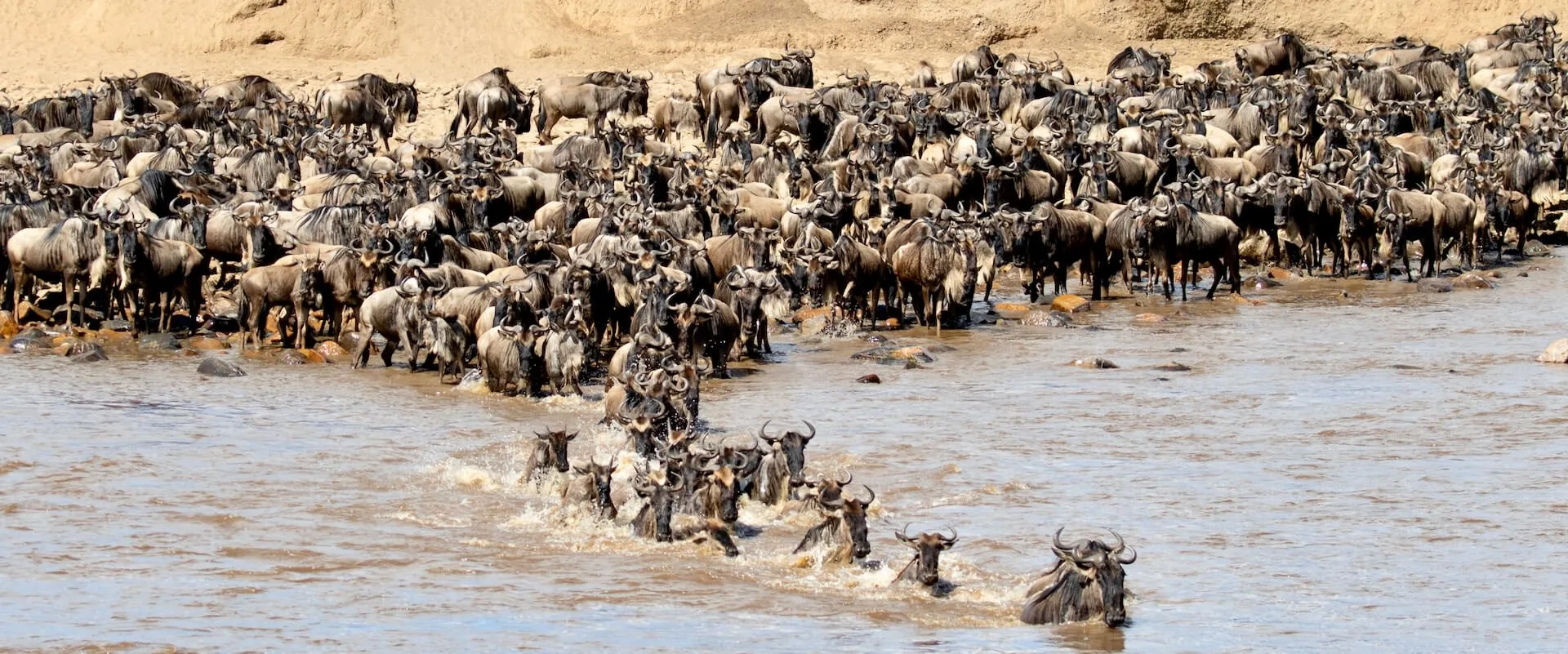
The Great Migration in Africa happens all year because the herds continuously circulate through the Serengeti–Mara ecosystem in…
Read article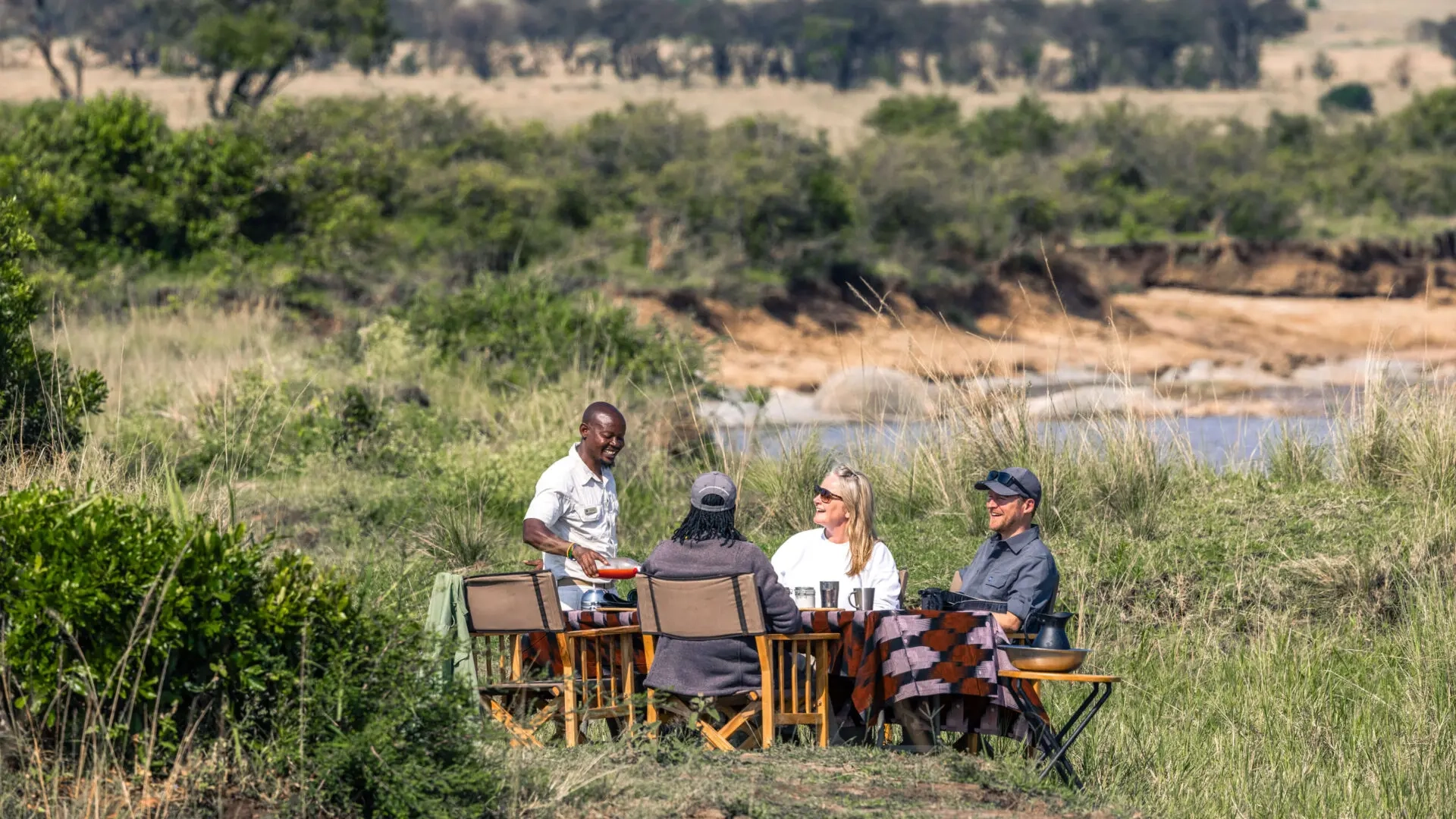
Definitive answer: A picnic lunch on safari is a packed or catered midday meal eaten at an approved…
Read article
Definitive answer: A bush dinner is an outdoor evening meal arranged in a safe safari setting away from…
Read articleLet us take you closer to the wildlife, people and places that make Africa extraordinary.
Plan Your Safari Today