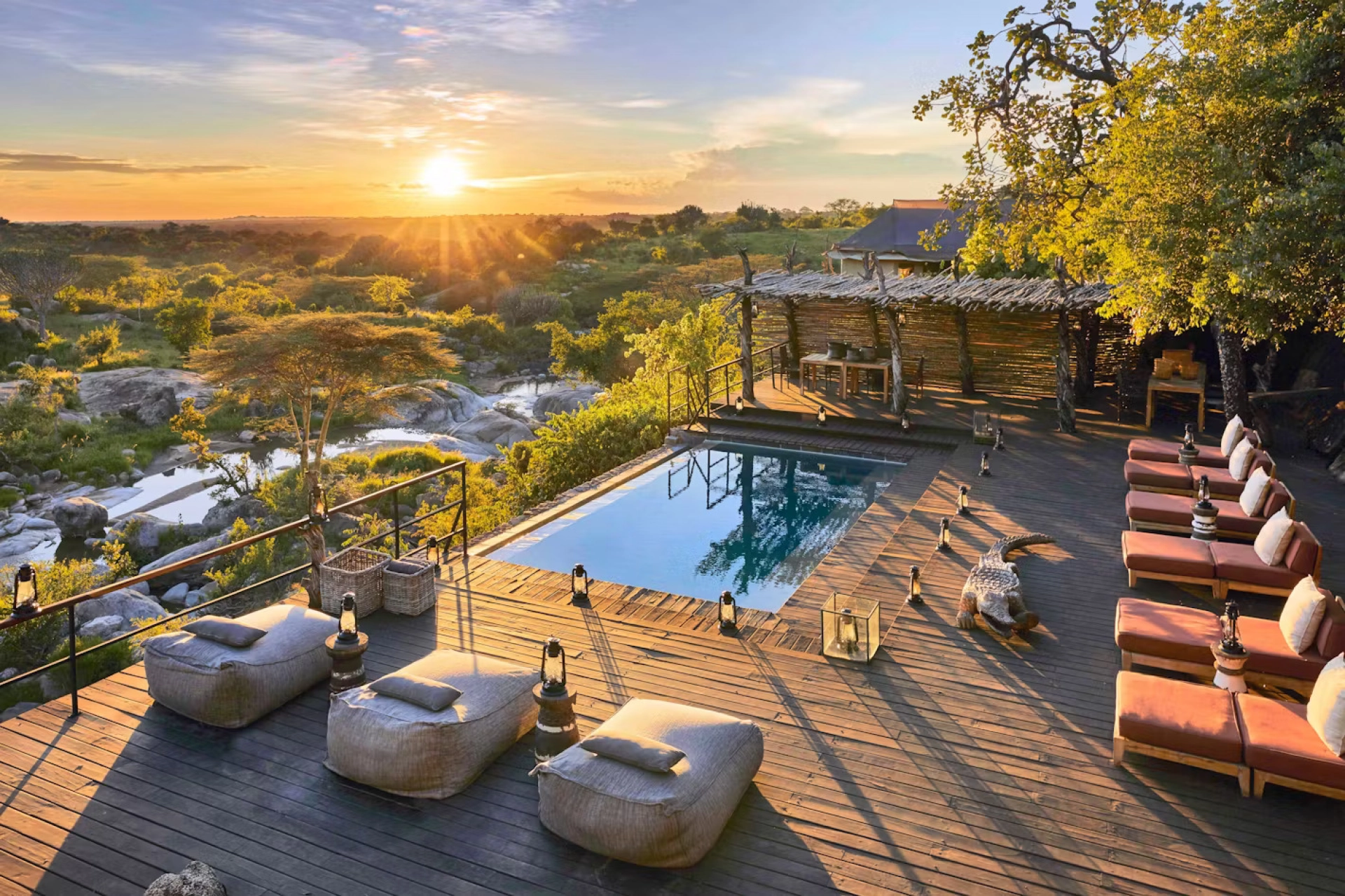
What should I look for when booking a luxury African safari?
When booking a luxury African safari, look beyond the room and compare the quality of guiding, wildlife location,…
Read article

Travel Guide
An African safari does not have to be exclusively about lions, elephants, gorillas, wildebeest and dramatic landscapes. Some of the most memorable journeys across the continent happen when wildlife experiences are combined with the music, ceremonies,…
An African safari does not have to be exclusively about lions, elephants, gorillas, wildebeest and dramatic landscapes. Some of the most memorable journeys across the continent happen when wildlife experiences are combined with the music, ceremonies, food, clothing, religious traditions and community celebrations that reveal the human side of Africa.
The best African events and festivals in East and North Africa can completely change the character of a safari holiday. One week you may be tracking mountain gorillas through the misty forests of Uganda or Rwanda, and a few days later you could be watching traditional dancers perform beside the Nile. In Kenya and Tanzania, a wildlife safari can be paired with Maasai cultural celebrations, coastal music festivals or community events. Farther north, Morocco, Tunisia and Egypt offer festivals shaped by centuries of African, Arab, Amazigh, Mediterranean and Islamic cultural influences.
For travelers who want to experience more than conventional sightseeing, planning around a cultural event can be an excellent way to gain a deeper understanding of a destination.
Festivals can also introduce visitors to regions they might otherwise overlook. A traveler visiting Kenya primarily for the Masai Mara safari may discover northern Kenya through a cultural festival. Someone traveling to Uganda for gorilla trekking in Bwindi Impenetrable National Park may decide to extend the journey to Jinja, Kampala, Fort Portal or Karamoja. A Tanzania safari can be complemented by music and cultural experiences in Zanzibar, while Morocco’s festivals can turn an already fascinating North African itinerary into something far more immersive.
This guide explores 20 remarkable events and festivals across East and North Africa, how they fit into a wider holiday, and what travelers should know before planning a trip around them.
The classic African safari focuses on natural heritage. Travelers enter protected areas to observe wildlife, explore landscapes and learn about ecosystems. A festival introduces another equally important dimension: African cultural heritage. Music, dance, storytelling, traditional dress, ceremonies, food and community gatherings offer insight into how people identify with their landscapes and history. In many parts of East Africa, cultural identity and wildlife tourism are closely connected. Communities live around national parks and conservation areas, and their traditions have evolved within the same landscapes visitors travel thousands of kilometers to experience.
Combining the two can create a much more complete journey. Instead of flying into a safari destination, visiting several parks and flying home, travelers can spend time meeting local people, exploring markets, sampling regional food and participating respectfully in public cultural events. For photographers, festivals can also provide an extraordinary contrast to wildlife photography. Bright clothing, performance, movement and crowded public spaces demand an entirely different style of observation. For families, cultural festivals can make a safari itinerary more varied.
For repeat visitors to Africa, an event-based journey may provide an excellent reason to return to a familiar country and explore a different region.
Festival dates deserve careful attention. Some African festivals occur at roughly the same time every year. Others follow religious calendars, harvest cycles, lunar calendars or community decisions and therefore move from one year to the next. Event locations can also change. Travelers should therefore confirm exact dates and venues before purchasing non-refundable flights or building an entire safari itinerary around a festival. This is particularly important for religious festivals connected with Ramadan, Eid, Coptic celebrations or Islamic lunar dates, because their Gregorian-calendar dates shift.
The same principle applies to cultural ceremonies whose timing may depend on local authorities or traditional leadership. A reliable safari operator can help structure an itinerary so that the festival becomes part of a broader journey rather than the only reason for travel. If an event changes slightly, the traveler still has national parks, cultural attractions and other experiences to enjoy.
East Africa is extraordinarily diverse. Uganda, Kenya, Tanzania, Rwanda and Ethiopia alone contain hundreds of ethnic groups, languages and cultural traditions. The region also contains some of Africa’s most famous wildlife destinations, making it particularly suitable for travelers wanting to combine festivals and African safaris.
Uganda’s Nyege Nyege Festival has developed into one of East Africa’s best-known contemporary music gatherings. The event is associated with electronic music, African experimental sounds, dance, visual arts and performers from across the continent and beyond. What makes it particularly interesting for international visitors is its connection with the Jinja and Nile region. Jinja is widely known as one of Uganda’s leading adventure destinations. Travelers can combine the festival with white-water rafting on the Nile, boat trips, kayaking, cycling and visits around the Source of the Nile.
For a longer holiday, the event can be incorporated into a complete Uganda safari. A traveler could explore Jinja before continuing west toward Murchison Falls, Kibale Forest, Queen Elizabeth National Park and Bwindi. That creates an itinerary combining contemporary African music with some of the continent’s most celebrated wildlife experiences.
The strongest combination is usually to treat Jinja as the beginning or end of a broader circuit. From Kampala or Entebbe, travelers can visit Jinja before continuing through Uganda’s western national parks. A well-planned journey might include chimpanzee trekking in Kibale National Park, game drives and boat safaris in Queen Elizabeth National Park and finally mountain gorilla trekking in Bwindi. That contrast—festival crowds followed by quiet rainforest—can make the journey especially memorable.
The Imbalu cultural ceremony is associated with the Bagisu people of eastern Uganda and is one of the country’s best-known traditional cultural events. The ceremonies are connected with male initiation traditions and hold considerable social meaning within participating communities. Visitors should approach such events very differently from a commercial music festival. This is not simply entertainment arranged for tourists. It represents living cultural practice.
Travelers who attend should do so respectfully, ideally through knowledgeable local guides who can explain the meaning of ceremonies and appropriate behavior. Eastern Uganda also offers excellent possibilities for extending the journey. Visitors can explore Mount Elgon, Sipi Falls and coffee-growing communities before continuing toward the Nile or other parts of the country. For travelers interested in Uganda cultural tourism, the region provides an important counterpoint to the primate and wildlife experiences for which Uganda is internationally famous.
Karamoja in northeastern Uganda is one of the country’s most culturally distinctive regions. The Karamoja Cultural Festival brings together communities to celebrate heritage through traditional dress, dance, song, livestock traditions, food and cultural exhibitions. For safari travelers, the festival can be particularly interesting because Karamoja lies close to Kidepo Valley National Park, one of Uganda’s most dramatic wilderness areas. Kidepo is geographically remote from the country’s more heavily visited southwestern safari circuit, which has helped preserve its strong sense of wilderness.
A journey combining Karamoja with Kidepo therefore offers both cultural and wildlife experiences. Visitors can encounter pastoral traditions before exploring broad savannahs surrounded by mountains. The region is especially suitable for experienced travelers seeking something different from the standard Uganda gorilla safari route.
Every year, large numbers of pilgrims travel to Namugongo near Kampala for Uganda Martyrs Day. The event commemorates Christian converts who were killed in the nineteenth century and is one of the most significant religious gatherings in East Africa. Pilgrims arrive from across Uganda and neighboring countries, with some traveling long distances on foot. For visitors, the scale of devotion can be extraordinary. The event reveals an important side of modern Ugandan identity that is rarely visible on conventional wildlife itineraries.
Travelers considering attendance should remember that this is primarily a religious pilgrimage rather than a tourism spectacle. Respectful clothing and behavior are essential. Because Namugongo lies in the greater Kampala area, the event can be incorporated before or after almost any Uganda safari itinerary.
Uganda’s contemporary arts scene extends well beyond traditional ceremonies. The Bayimba International Festival has been associated with music, dance, theatre, visual art and creative expression. Events of this kind provide visitors with insight into contemporary African culture rather than presenting Africa solely through historical traditions. This distinction is important. African cultural travel should not give visitors the impression that culture exists only in rural villages or ceremonial performances. Kampala, Nairobi, Kigali, Addis Ababa, Dar es Salaam and other African cities are vibrant centers of fashion, music, technology, food and creative industries.
For travelers beginning or ending a safari in Kampala or Entebbe, incorporating an arts event can add valuable urban context.
Few destinations in East Africa possess the atmosphere of Lamu Island. Situated on Kenya’s northern Indian Ocean coast, Lamu contains narrow streets, coral-stone architecture, traditional dhow culture and centuries of Swahili history. The Lamu Cultural Festival celebrates this heritage through activities that may include dhow races, traditional performances, poetry, crafts, food and community competitions. The festival gives travelers an opportunity to experience the Swahili coast beyond a conventional beach holiday.
Lamu can also be combined with a Kenya safari. A traveler might first visit the Masai Mara, Amboseli, Samburu or another wildlife destination before flying to the coast. This Kenya safari and beach combination is already popular, and adding a cultural event can make the coastal portion even more meaningful.
Lamu’s strong Islamic heritage is also reflected in Maulidi celebrations, which commemorate the birth of the Prophet Muhammad. The event attracts Muslim pilgrims and visitors from different regions and highlights the religious traditions of the Swahili coast. Religious festivals require particular sensitivity. Visitors should dress conservatively, respect prayer spaces and avoid intrusive photography. Those expectations should not be considered restrictions. They are part of being a respectful guest in a living community.
The festival also demonstrates how deeply East African coastal culture has been shaped by centuries of connections across the Indian Ocean. African, Arab, Persian and Asian influences have interacted along this coast for generations, creating a distinctive Swahili culture.
Northern Kenya contains some of East Africa’s most dramatic landscapes and culturally diverse communities. Events around Lake Turkana have historically brought together communities from the region for music, dance, traditional dress and cultural exchange. For travelers accustomed to the greener landscapes of central Kenya or the wildlife-rich plains of the Masai Mara, northern Kenya feels dramatically different. The region contains volcanic terrain, desert scenery and the vast waters of Lake Turkana.
Travel here requires more preparation than a standard safari itinerary. Distances are long, temperatures can be high and infrastructure is less developed in some areas. However, adventurous travelers interested in Kenya cultural safaris may find the experience exceptionally rewarding.
The Tobong’u Lore cultural festival celebrates Turkana heritage and also welcomes participation from neighboring communities. Traditional dancing, music, clothing and discussions of regional identity form part of the event’s appeal. Its broader significance lies in the way cultural festivals can encourage interaction among communities whose territories and traditions cross modern international borders. Northern Kenya is not simply an empty landscape between famous safari parks. It has a complex human history shaped by pastoralism, trade, migration and environmental adaptation.
Travelers who attend should allow time to understand this context rather than arriving only for photographs.
The Maralal Camel Derby is one of Kenya’s best-known sporting and cultural events. Held in northern Kenya’s Samburu region, the event combines camel racing with cultural activities and community celebrations. For adventurous travelers, camel racing provides an unusual contrast to conventional game drives. The surrounding region can also be combined with Samburu National Reserve, Buffalo Springs and other northern wildlife areas. Northern Kenya is home to several species that are less common or absent farther south, including Grevy’s zebra, reticulated giraffe and gerenuk.
A trip built around the camel derby can therefore become a distinctive northern Kenya safari rather than simply an event weekend.
The Maasai are among East Africa’s most internationally recognized pastoral communities. Various cultural festivals and community celebrations in Kenya and Tanzania provide opportunities to learn about Maasai traditions, language, dress, livestock culture, age-set systems, singing and dancing. Travelers should distinguish authentic community-led cultural experiences from staged performances designed purely for tourist consumption. A good guide can help identify experiences where tourism revenue benefits local people and cultural explanations are provided respectfully.
Maasai communities live around some of East Africa’s most famous safari landscapes, including the Masai Mara and northern Tanzania. That makes cultural visits easy to integrate into a safari. However, they should not be treated as quick photo stops. Visitors gain far more when there is time for conversation and explanation.
Zanzibar is famous for turquoise water, white-sand beaches, spice plantations and the historic streets of Stone Town. It is also a major center of East African music and culture. Sauti za Busara has become one of the region’s best-known music festivals, traditionally bringing performers from across Africa to Zanzibar. For safari travelers, the logistical combination is excellent. Visitors can first explore Serengeti National Park, Ngorongoro Crater, Tarangire National Park or Nyerere National Park and then fly to Zanzibar.
Instead of spending the coastal portion entirely on a beach, travelers can include Stone Town, food, music and Swahili history. This creates one of the strongest Tanzania safari and Zanzibar festival combinations.
The Zanzibar International Film Festival, often associated with film, music, visual arts and cultural programming, offers another reason to explore Zanzibar beyond its beaches. Stone Town provides an atmospheric setting for arts events. Its architecture reflects centuries of Indian Ocean trade and cultural interaction. A traveler attending the festival can also explore spice farms, local markets, historical sites and surrounding islands. For those planning a broader Tanzania trip, it fits naturally after a northern circuit safari.
The combination can be particularly appealing for couples and travelers who want to balance wildlife with culture and relaxation.
Mwaka Kogwa is one of Zanzibar’s distinctive traditional celebrations, particularly associated with Makunduchi.
The festival reflects traditions with historical Persian influence and includes rituals connected with the New Year. Visitors may encounter music, community gatherings and symbolic customs. As with many traditional festivals, the deeper value lies in understanding what activities mean to local communities. Joining through a knowledgeable guide can help travelers avoid reducing an important cultural tradition to a visual spectacle. Mwaka Kogwa can easily be incorporated into a longer Zanzibar holiday or Tanzania safari.
Ethiopia possesses one of Africa’s most distinctive religious and historical traditions. Timkat, the Ethiopian Orthodox celebration of Epiphany, is among the country’s most spectacular religious events. Processions, white clothing, colorful ceremonial umbrellas, chanting and religious rituals create powerful scenes. Major celebrations are associated with several Ethiopian cities. Visitors should remember that Timkat is first and foremost a sacred religious festival. Photography should always be respectful, and travelers should follow local guidance around ceremonies and sacred objects.
Ethiopia offers a dramatically different travel experience from the classic savannah safari countries. Historical churches, highland landscapes, archaeological sites and unique cultural traditions form the core of many itineraries.
Another major Ethiopian Orthodox celebration is Meskel, which commemorates the finding of the True Cross. Large bonfires and gatherings form important elements of the celebration. The festival is deeply embedded in Ethiopia’s religious culture and is particularly striking when experienced alongside the country’s historic architecture and highland scenery. A cultural journey built around Timkat or Meskel can include Addis Ababa and major historical destinations. Ethiopia’s long recorded history gives it a character unlike almost anywhere else on the continent.
North Africa offers a completely different cultural environment. Morocco, Egypt and Tunisia have been shaped by Amazigh traditions, Arab culture, Mediterranean trade, Islam, African connections and centuries of imperial history. For travelers combining North African festivals and cultural tours, historic cities often become as important as the event itself.
Fes is one of Morocco’s great historic cities. Its medina, religious architecture, markets and crafts already make it a fascinating destination. The Fes Festival of World Sacred Music adds another cultural dimension by bringing together spiritual and musical traditions from different parts of the world. Concerts and performances held against the backdrop of historic Fes can create an extraordinary atmosphere. Travelers can combine the festival with Marrakech, the Atlas Mountains, Chefchaouen, desert journeys and other Morocco experiences.
For people interested in music, architecture and history, this is one of the strongest Morocco cultural festival combinations.
The coastal city of Essaouira is closely associated with Gnaoua music, a tradition with deep African spiritual and musical roots. The Gnaoua World Music Festival has helped introduce these sounds to a broad international audience while encouraging collaborations between Gnaoua musicians and performers from other musical traditions. Essaouira itself is a highlight. Its fortified medina, Atlantic setting, fishing harbor and artistic culture create a relaxed contrast with larger Moroccan cities.
Travelers can combine the festival with Marrakech because the two destinations are relatively easy to connect. The event is particularly appealing to visitors seeking African music festivals with strong historical and cultural foundations.
Southern Tunisia’s desert landscapes provide a striking setting for cultural events associated with Saharan traditions. The International Festival of the Sahara in Douz has historically showcased equestrian skills, camel culture, music, poetry and traditions associated with desert communities. A visit can form part of a wider Tunisian journey incorporating historic towns, desert scenery, archaeological sites and Mediterranean coastal destinations. The festival illustrates an important point about African travel: the Sahara is not an empty wasteland.
For centuries it has been crossed by traders, pastoral communities and cultural networks. Festivals in desert regions can provide insight into this human history.
Egypt offers some of Africa’s most recognizable historical monuments.
At Abu Simbel, the ancient temple complex built during the reign of Ramesses II was designed so that sunlight penetrates deep into the temple at particular times of year. The phenomenon has become associated with gatherings often referred to as the Abu Simbel Sun Festival. Travelers can combine the experience with a broader Egypt itinerary including Cairo, Luxor, Aswan and a Nile cruise. The event differs from a conventional cultural festival because its appeal is strongly connected to ancient architecture and astronomical alignment.
Nevertheless, it can provide a memorable focal point for an Egyptian journey.
One of the most distinctive ways to build a festival-focused African itinerary is to combine cultural events with gorilla trekking in Uganda or Rwanda. Uganda works especially well because many cultural events occur in or around Kampala, Jinja and different regional communities. After attending an event, travelers can head west toward the forests and national parks. A comprehensive Uganda itinerary can include Murchison Falls National Park, Kibale Forest, Queen Elizabeth National Park, Bwindi Impenetrable National Park and Lake Mburo National Park.
This creates a journey that moves through music, culture, savannah, rainforest and primate habitats. For international visitors with limited vacation time, combining interests in one itinerary can also make long-haul travel to Africa more worthwhile.
Kenya’s cultural events can be paired with an extraordinary range of wildlife experiences. The Masai Mara National Reserve is the country’s best-known safari destination, especially during periods when migrating wildebeest move through the greater Serengeti-Mara ecosystem. Amboseli offers famous views of elephants against Mount Kilimanjaro. Samburu introduces visitors to northern Kenya’s arid landscapes and distinctive wildlife. Laikipia contains innovative private and community conservancies. A traveler attending an event in northern Kenya can therefore remain in the same broad region rather than flying immediately south.
Likewise, a visitor attending a Lamu festival can combine the experience with wildlife before finishing on the Indian Ocean coast.
Tanzania provides perhaps one of Africa’s easiest combinations of safari, culture and beach. Travelers can explore Tarangire, Serengeti and Ngorongoro before flying directly to Zanzibar. If the trip coincides with a music, film or traditional event, Zanzibar becomes much more than a beach extension. Stone Town, Swahili architecture, spice history and local food provide depth. This is particularly attractive for honeymooners who want relaxation without spending several days disconnected from local culture.
Clothing expectations vary enormously. A contemporary music festival may be relatively relaxed. A religious festival or traditional ceremony may require far more conservative dress. When unsure, modest clothing is usually the safest choice. Covering shoulders and knees may be appropriate in religious or conservative communities. Lightweight breathable fabrics are useful in hot climates. Comfortable footwear is essential because festival days can involve considerable walking and standing. Travelers should also carry sun protection and water where permitted.
In highland destinations such as parts of Ethiopia, evenings can become surprisingly cool.
Never assume that permission to attend an event automatically gives permission to photograph every person. This is especially important during religious ceremonies, initiation traditions and intimate community events. Ask before taking close portraits. Listen to local guides when they identify areas where photography is discouraged or prohibited. Avoid blocking ceremonies simply to obtain a better photograph. Children deserve the same respect as adults and should not automatically become photographic subjects because they appear visually interesting.
The best cultural photography often comes from patience and interaction rather than aggressively searching for dramatic images.
Cultural tourism can generate valuable income and strengthen appreciation for local traditions.
However, poorly managed tourism can also reduce culture to staged performances created only for visitors. Seek community-led experiences whenever possible. Look for transparent entry fees, locally operated guiding and programs where communities decide how they present their heritage. Responsible tourism should not pressure participants to reveal sacred traditions or perform ceremonies outside their cultural context merely because visitors want photographs. A good safari operator can help differentiate between authentic cultural programs and exploitative attractions.
If the festival is the central reason for your trip, book accommodation relatively early. Popular events can place pressure on hotel availability, particularly in small destinations such as Lamu, Essaouira or festival towns with limited rooms. Safari lodges should also be reserved well in advance when travel coincides with peak wildlife seasons. For example, travelers combining a Kenya cultural festival with the Masai Mara during a popular migration period may encounter strong demand for camps and lodges.
Gorilla permits present another consideration. Visitors combining a festival with Uganda gorilla trekking should arrange their trekking permits early because daily availability is limited.
Most major public events welcome international visitors, but normal travel precautions still apply. Crowded environments require attention to personal belongings. Transportation after evening events should be arranged in advance where possible. Travelers should follow current local guidance regarding security, weather, road conditions and large gatherings. The safest approach is often to arrange transport through a reputable hotel, safari company or local operator familiar with the event. Visitors should also maintain appropriate travel insurance.
There is no single best month because events occur throughout the year. Instead, choose the event first and then examine how its timing aligns with safari conditions. Some combinations work exceptionally well. A festival may coincide with excellent dry-season wildlife viewing. Another may occur during greener months with fewer tourists and outstanding birding. Travelers should therefore avoid assuming that an event outside the conventional “peak safari season” makes the overall trip less worthwhile.
Africa’s wildlife destinations can be rewarding throughout much of the year.
A lion sighting can be extraordinary. So can watching elephants cross a river, sitting quietly near mountain gorillas or witnessing thousands of wildebeest moving across the plains. But wildlife is only one part of Africa. The continent is home to enormous cultural, linguistic and religious diversity. Its cities produce innovative music and art. Rural communities maintain traditions that have evolved over generations. Coastal societies reflect centuries of international exchange. Adding a festival to a safari helps travelers understand this wider context.
Instead of experiencing Africa solely as wilderness, visitors encounter it as a living continent shaped simultaneously by nature, history and modern creativity.
The best African events and festivals in East and North Africa provide extraordinary opportunities to transform a conventional holiday into a much richer journey. Uganda combines contemporary festivals, traditional ceremonies and religious events with gorilla trekking, chimpanzee trekking and classic safaris. Kenya offers coastal festivals, northern cultural celebrations and sporting events alongside the Masai Mara, Amboseli, Samburu and other wildlife destinations. Tanzania combines world-class wildlife with Zanzibar’s music, film and Swahili traditions.
Ethiopia offers some of Africa’s most visually remarkable religious celebrations. Morocco, Tunisia and Egypt provide a completely different blend of African, Arab, Amazigh, Mediterranean and Islamic heritage. At Adventure in the Wild Safaris, we can combine cultural experiences with Uganda safaris, Rwanda gorilla trekking, Kenya safaris, Tanzania wildlife tours and multi-country African itineraries. Rather than treating a festival as an isolated attraction, the best journeys build it naturally into a wider exploration.
Come for the wildlife, music, ceremony or history—but allow enough time for all of them to become part of the same African story.

Share This Article
When booking a luxury African safari, look beyond the room and compare the quality of guiding, wildlife location,…
Read article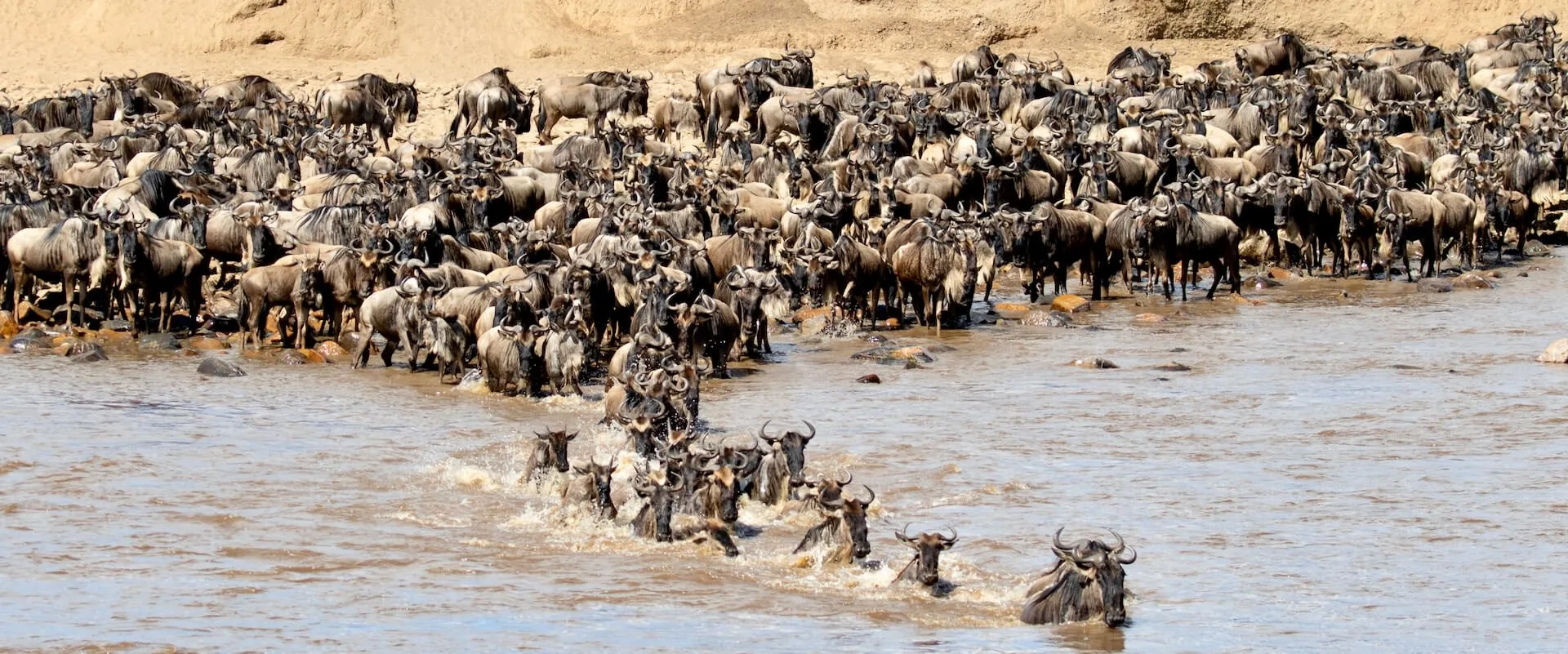
The Great Migration in Africa happens all year because the herds continuously circulate through the Serengeti–Mara ecosystem in…
Read article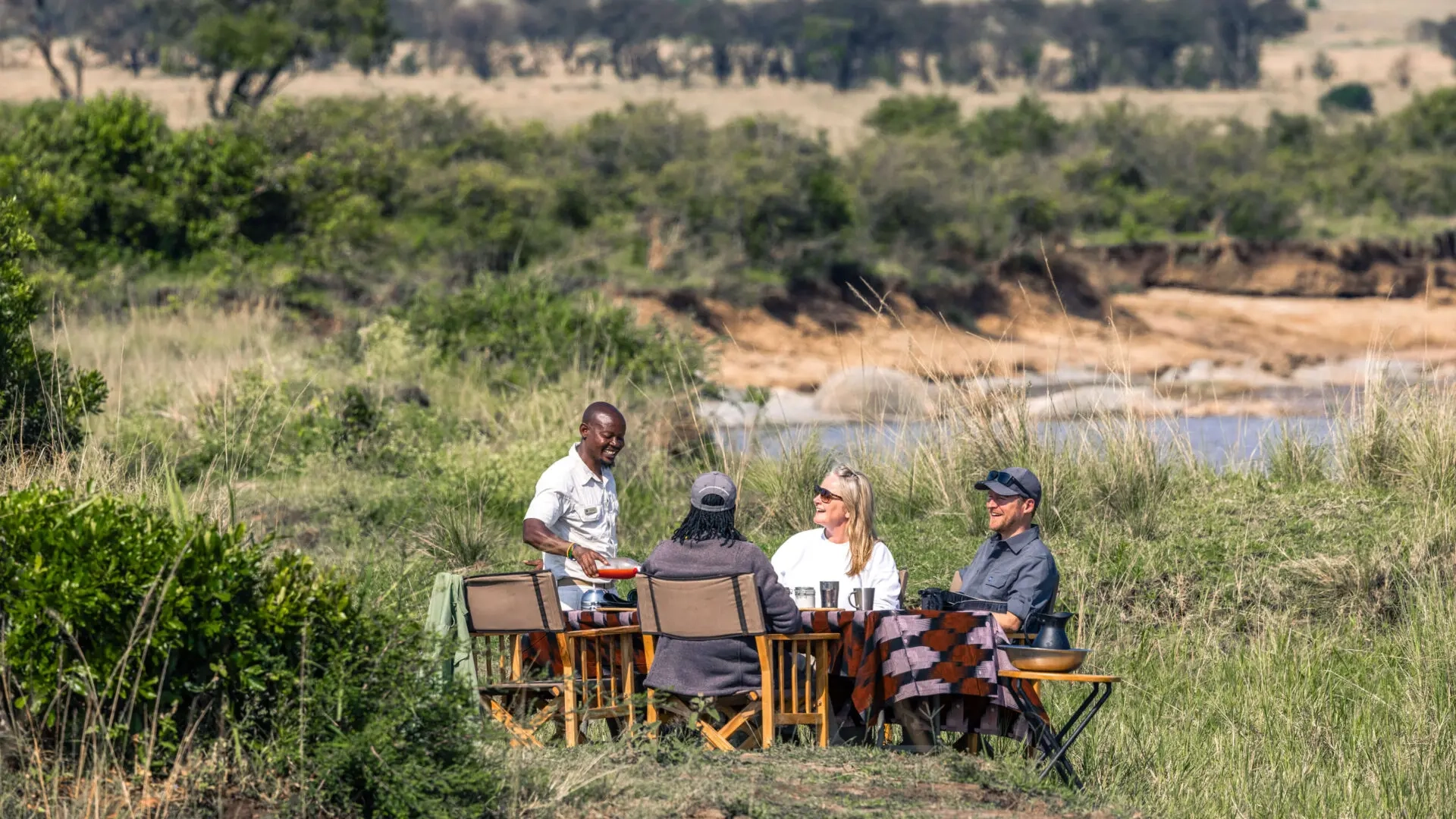
Definitive answer: A picnic lunch on safari is a packed or catered midday meal eaten at an approved…
Read article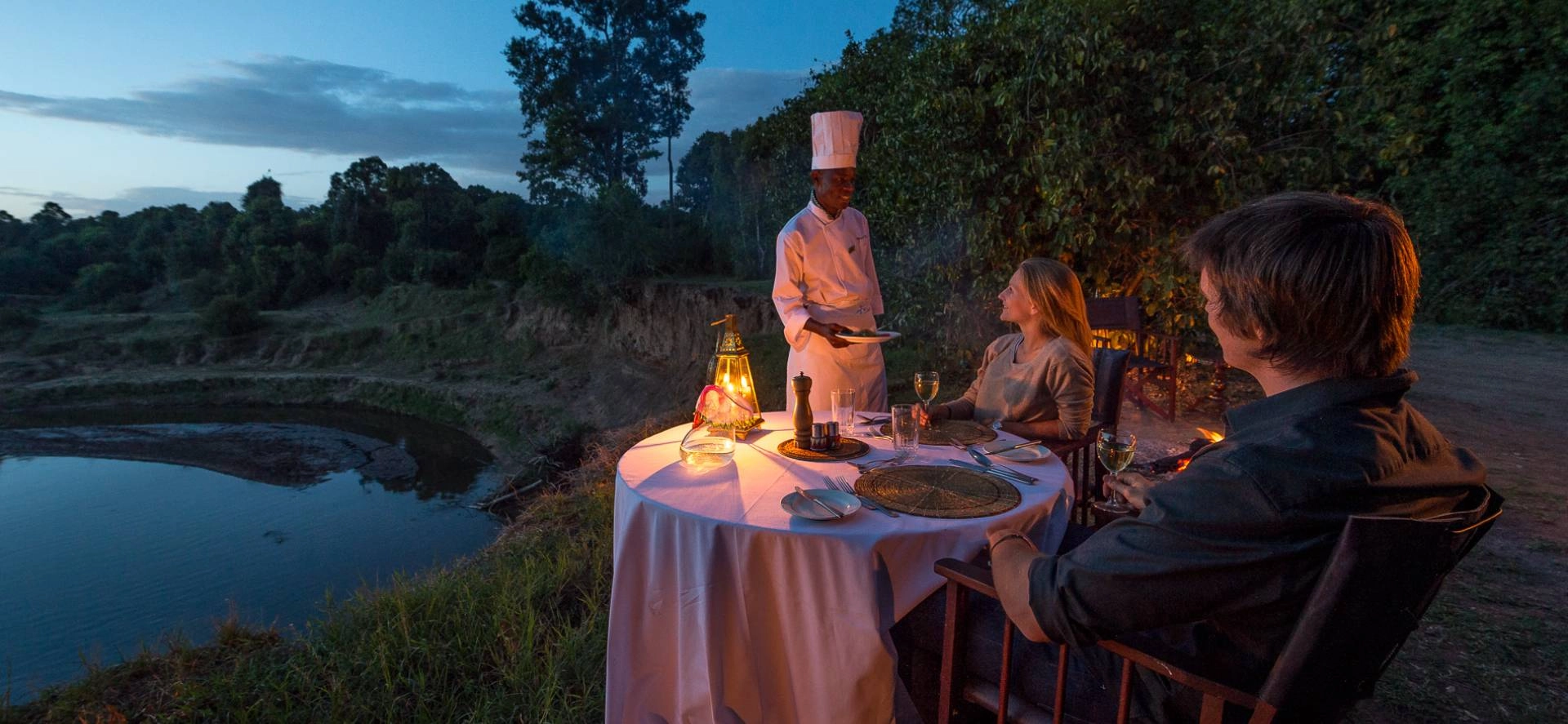
Definitive answer: A bush dinner is an outdoor evening meal arranged in a safe safari setting away from…
Read articleLet us take you closer to the wildlife, people and places that make Africa extraordinary.
Plan Your Safari Today