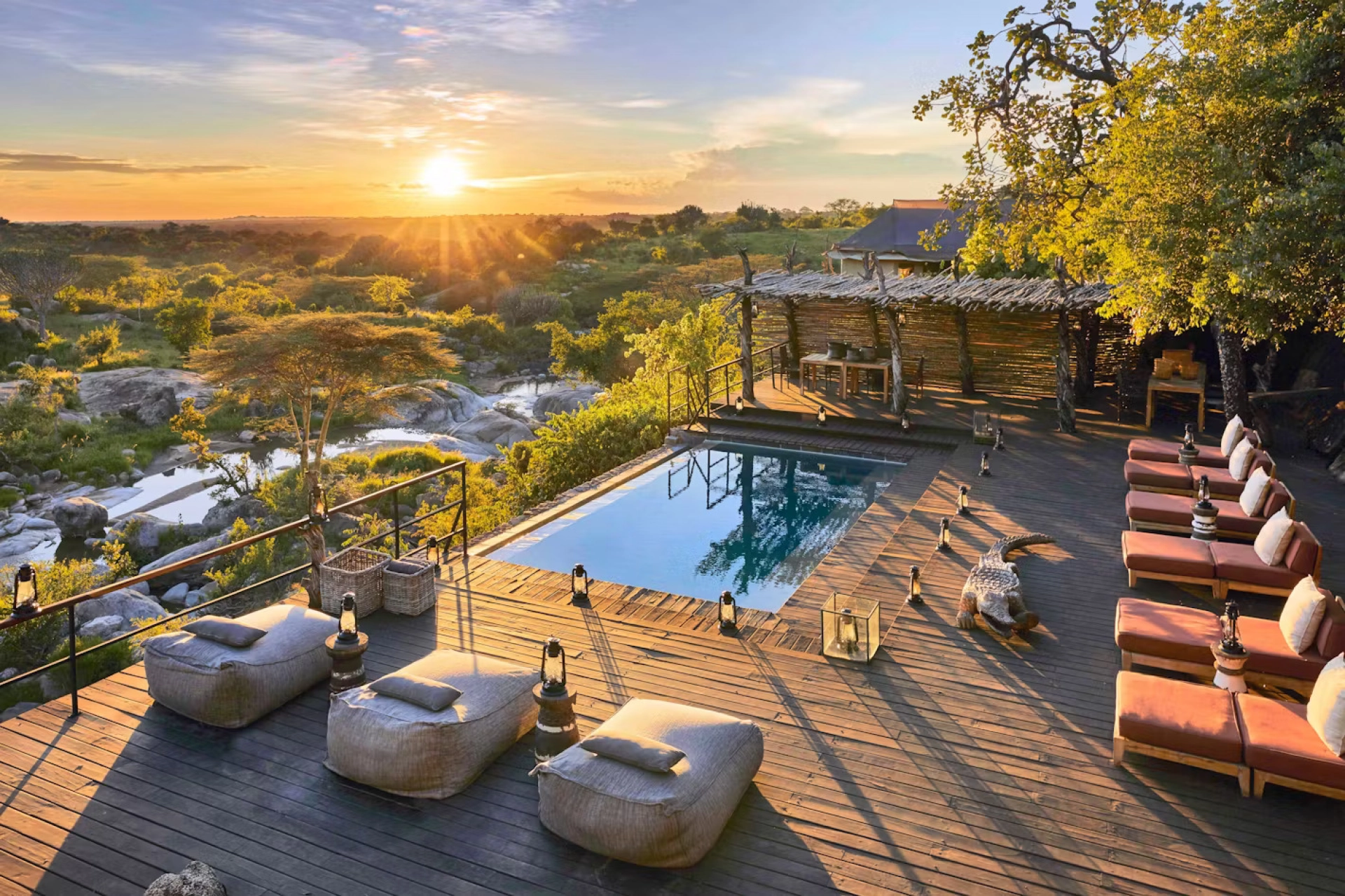
What should I look for when booking a luxury African safari?
When booking a luxury African safari, look beyond the room and compare the quality of guiding, wildlife location,…
Read article
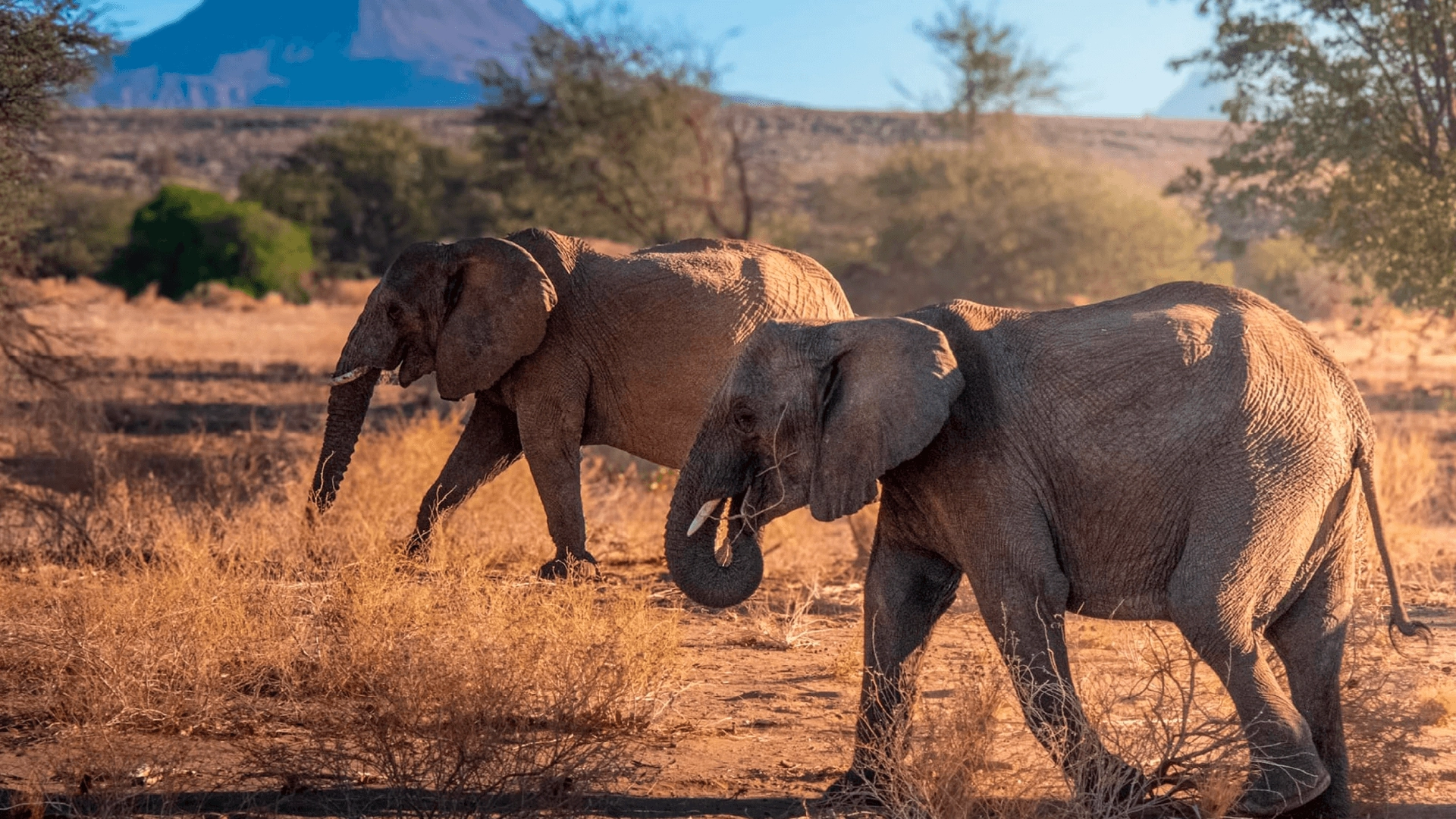
Travel Guide
Choosing when to visit Africa can influence almost every part of a safari: wildlife distribution, landscape colour, road conditions, accommodation availability, visitor numbers, photography, migration patterns and the total cost of the journey. Yet there is…
Choosing when to visit Africa can influence almost every part of a safari: wildlife distribution, landscape colour, road conditions, accommodation availability, visitor numbers, photography, migration patterns and the total cost of the journey. Yet there is no single month that can accurately be called the best time for an African safari across the entire continent.
Africa is too large. January in Uganda does not mean exactly the same thing as January in Botswana. Rainfall in Tanzania creates opportunities that differ from those in Namibia. A month considered green season in one ecosystem may correspond with an exceptional wildlife event in another. This is why an African safari guide from January to June should not simply rank months from best to worst. The better question is: What do you want to experience?
Travellers seeking the Serengeti calving season may deliberately choose February. A visitor whose greatest dream is gorilla trekking in Uganda may have considerable flexibility because gorilla trekking operates year-round, although trail and weather conditions change seasonally. Birdwatchers may appreciate periods when resident and migratory species create exceptional diversity. Photographers may prefer green landscapes and dramatic clouds rather than the dry, dusty appearance traditionally associated with safari advertising.
January through June therefore contains some of the most interesting safari opportunities of the entire year. The period includes East African green-season landscapes, the southern Serengeti’s famous wildebeest calving period, changing rainfall patterns, shoulder-season value opportunities and the gradual movement toward drier mid-year conditions in several destinations. A carefully planned Africa safari in January, February, March, April, May or June can be every bit as rewarding as the better-known July-to-October peak. The key is matching the month to the ecosystem.
The terms “wet season,” “dry season,” “green season,” “high season” and “low season” are useful, but they can also oversimplify safari planning. Weather does not obey tourism brochures. Rainfall varies between years. Local geography matters. Altitude matters. Climate patterns matter. A wet-season month does not necessarily mean rain from sunrise until sunset. Likewise, a month normally described as dry can still experience rain. Travellers should therefore use seasonal patterns as planning guidance rather than guarantees. The same principle applies to wildlife movement. The Great Wildebeest Migration is driven substantially by rainfall and grazing conditions rather than dates printed in calendars. Gorillas remain wild and move daily.
Predators follow prey. Elephants respond to water and food. The best safari planning respects this uncertainty.
The first half of the year is sometimes overlooked by travellers who automatically associate safari with July, August and September. That can be a mistake. January through March can provide exceptional wildlife experiences in parts of Tanzania and Kenya. Uganda and Rwanda continue to offer primate trekking. Green landscapes can produce beautiful photography. Birding can be outstanding. Certain lodges may offer more favourable seasonal pricing during quieter periods. By June, several destinations are moving toward popular dry-season conditions.
The result is a six-month period containing very different safari styles.
January is an excellent month to begin an African safari year because several East African destinations can provide strong wildlife experiences. In Tanzania, the broader southern Serengeti ecosystem becomes particularly important as migrating wildebeest concentrate in areas associated with fresh grazing and the approaching or developing calving period. Uganda continues to offer gorilla trekking in Bwindi, chimpanzee trekking and savannah safaris. Kenya remains a year-round wildlife destination, even though the famous migration herds are generally associated with Tanzania during this part of their annual cycle.
Southern Africa presents a different seasonal picture, with summer conditions in many regions.
For travellers interested in the Great Migration in January, northern Tanzania deserves serious attention. Large herds may be associated broadly with the southern Serengeti and Ndutu ecosystem according to prevailing conditions. The landscape can be greener than the classic dry-season Serengeti image. This creates beautiful photography.
Instead of brown grass and dust, travellers may encounter vivid plains beneath dramatic skies. The exact distribution of the herds varies because rainfall determines where suitable grazing develops. A January migration safari should therefore use camps and guides with good access to the broader seasonal ecosystem rather than expecting animals to occupy one exact coordinate.
Photographers should not underestimate green-season Tanzania. Clouds create dramatic backgrounds. Vegetation adds colour. Young animals and seasonal behaviour can create interesting subjects. Rain can occasionally interrupt plans, but it can also improve photographic conditions by reducing dust and creating atmospheric light. A photographer who values colour may actually prefer this environment to peak dry season.
January can be a strong period for a Uganda gorilla safari. Gorilla trekking operates throughout the year, but comparatively drier conditions can make some forest trails more manageable than during wetter periods. However, Bwindi is a tropical rainforest. Rain can occur at any time. Travellers should therefore carry appropriate waterproof equipment regardless of the month. January can also work well for combining Bwindi with Queen Elizabeth, Kibale and other destinations.
Chimpanzee trekking in Kibale National Park can be included in January itineraries. Forest conditions and chimpanzee movement vary naturally, so travellers should not expect a completely predictable experience. The combination of Kibale and Bwindi remains one of the strongest primate journeys in Africa.
Kenya should not be dismissed because the main migration herds are farther south in the broader ecosystem. The Masai Mara supports resident wildlife. Lions, elephants, giraffes, antelopes and other animals remain. Amboseli can also be attractive.
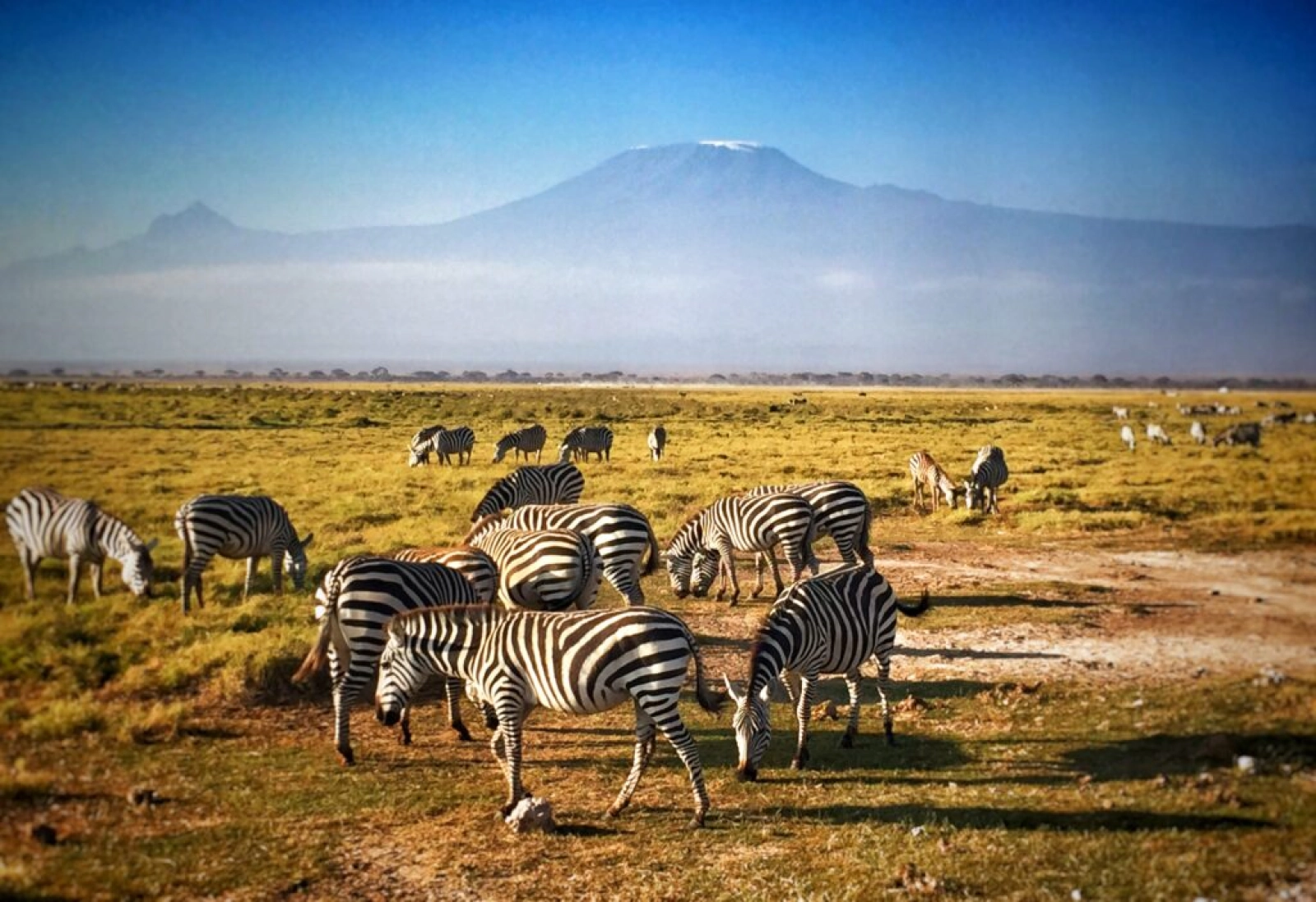
For travellers interested in general wildlife rather than a specific river-crossing event, Kenya safari in January can be rewarding.
February is one of the most important months for wildlife travellers interested in the southern Serengeti. The broader wildebeest calving season is the major attraction. Large numbers of wildebeest give birth over the broader seasonal period, creating extraordinary concentrations of young animals and predator activity. This is not merely a photographic event. It is an ecological event.
The southern Serengeti and Ndutu region become central to many February safari itineraries. The plains provide nutritious grasses associated with the seasonal cycle. Wildebeest gather in enormous numbers according to prevailing conditions. Calves must stand and move quickly. Predators take advantage of vulnerability. Cheetahs, lions, hyenas and other carnivores may be encountered within this dynamic ecosystem. For wildlife enthusiasts interested in behaviour, a February Tanzania safari can rival any other period of the year.
The famous Mara River crossings dominate safari marketing, but they represent only one phase of the migration. February tells a different story. Instead of concentrating on dramatic crossings, travellers observe reproduction, survival and predator-prey relationships across open plains. The landscape is greener. The wildlife narrative is different. For many experienced safari travellers, that ecological depth is more interesting than simply trying to witness one famous crossing.
February can also be a strong month for gorilla trekking in Uganda. Travellers can combine Bwindi with Tanzania, creating one of Africa’s most diverse February itineraries. Imagine beginning with mountain gorillas in rainforest and then flying toward the Serengeti to observe vast wildebeest concentrations. The scale changes completely. Bwindi is intimate. The Serengeti is enormous. That contrast is exactly why Uganda and Tanzania safaris are so powerful.
Rwanda remains accessible for gorilla trekking and golden monkey experiences. Volcanoes National Park can be combined with Uganda or visited as part of a focused Rwanda itinerary. Weather in mountain environments remains variable, and travellers should prepare for rain regardless of seasonal expectations.
March is a transitional month in several East African destinations. The southern Serengeti can remain important during the broader migration cycle, while rainfall patterns begin changing. For flexible travellers, March can produce excellent wildlife and potentially different visitor-density dynamics compared with peak periods. The challenge is increasing weather variability. This is not automatically a disadvantage. Travellers who understand green-season safari can enjoy lush landscapes and dramatic photography.
The exact migration distribution depends on rainfall. Herds may remain broadly associated with southern areas before gradually beginning their longer movement. Travellers should avoid rigid assumptions such as “the migration leaves on March 15.” Wildlife does not work that way. A well-designed March Serengeti safari uses current conditions and experienced guiding.
March can mark the beginning or development of wetter conditions in parts of Uganda. Gorilla trekking continues. Chimpanzee trekking continues. Game drives continue. The principal difference may be trail and road conditions. Rainforest trekking can become muddier. Visitors should wear sturdy footwear and use waterproof protection for cameras and important belongings. The advantage can be lush scenery and potentially fewer travellers during some periods.
Yes, provided travellers are comfortable with possible rain. Mountain gorillas do not disappear during wet weather. The trekking experience may simply become more physically demanding. For value-conscious travellers, wetter periods can also be worth investigating because some accommodation providers may use different seasonal rates. Permit pricing and availability should always be confirmed independently rather than assumed to follow lodge seasons.
April is often treated too casually as a month to avoid. In parts of East Africa it can be associated with heavier rainfall, and this does affect travel. Some roads may become more difficult. Trails can be muddy. Certain camps or properties may close seasonally. However, April can also provide some of the greenest landscapes of the year, lower visitor density and attractive opportunities for travellers who value atmosphere over guaranteed sunshine.
A Uganda safari in April can be wet. That is the reality. But it can also be beautiful. Bwindi’s forest becomes intensely green. Cloud and mist add atmosphere. Birdlife can be rewarding. Water levels and vegetation change the appearance of landscapes. The traveller must prepare properly.
Lightweight waterproof clothing is essential. Footwear should provide good grip. Camera equipment needs protection. A flexible attitude is more important than a perfect weather forecast.
Gorilla trekking does not stop merely because the forest is wet, although operational decisions always remain with the relevant authorities and guides according to actual conditions. The physical experience changes. Slopes can become slippery. Vegetation is wet. Mud becomes part of the trek. For physically prepared travellers, this can actually make the forest feel more authentic. Bwindi is called an impenetrable forest for a reason.
April can be among the wetter periods in parts of northern Tanzania. Some accommodation may operate differently during the long rains. Road conditions can affect certain routes. Yet wildlife remains. Photographers can encounter dramatic skies and intensely green landscapes. Travellers considering April should work with an operator familiar with which camps and routes remain practical. This is not a month for blindly copying a peak-season itinerary and expecting identical logistics.
May continues the green-season theme in several East African destinations, but conditions begin evolving as the month progresses. It can be a very interesting period for travellers who prioritise value, photography and lower visitor density. Again, the exact experience depends on destination.
May can still experience substantial rainfall. Gorilla and chimpanzee trekking remain possible under normal operations. The forest is lush. Savannah landscapes can be beautifully green. Travellers should expect possible muddy conditions. For photographers, vegetation can create both opportunities and challenges. Landscapes are beautiful, but tall grass may make some wildlife harder to see than in dry periods. That trade-off is important. Dry-season safari often improves visibility around water sources and shorter vegetation.
Green-season safari improves colour and atmosphere. Neither is universally superior.
Migration movement can increasingly shift away from the southern plains as conditions change, but exact timing varies. Western and central areas can become increasingly relevant during the broader movement. A Tanzania safari in May should therefore be designed around the current seasonal picture rather than relying on a fixed map. The advantage for some travellers is that visitor numbers may be lower than during peak months.
Kenya can also experience wetter conditions. The Mara remains a functioning ecosystem with resident wildlife. However, travellers specifically seeking the famous migration should understand that the largest herds are generally still associated with Tanzania during this phase of the annual cycle. A May Kenya safari should therefore be booked for Kenya’s resident wildlife and landscapes, not on the assumption that migration crossings will occur.
June marks an important transition toward the classic dry-season safari period in several destinations. Rainfall may decrease in parts of East Africa. Vegetation begins changing. Wildlife distribution evolves. Visitor demand can start increasing. For travellers who want a balance between greener landscapes and approaching dry-season conditions, African safari in June can be extremely attractive.
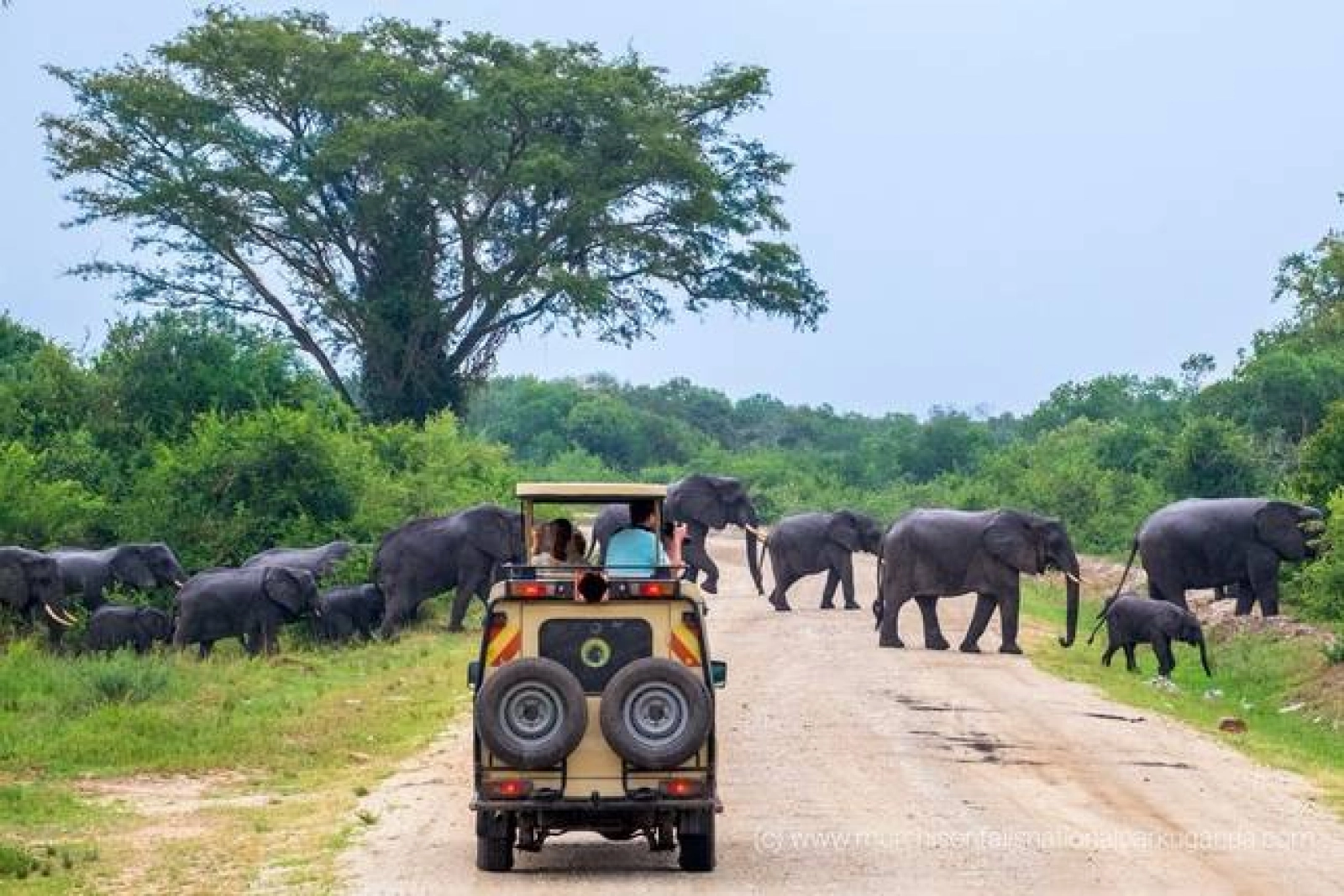
June is a popular period for Uganda gorilla trekking and broader wildlife safaris. Drier conditions can make road travel and forest trekking comparatively easier, although rain remains possible in tropical and mountain environments. The month can work particularly well for a complete Uganda circuit. Kibale. Queen Elizabeth. Bwindi. Lake Mburo. Murchison Falls for longer itineraries. The country’s ecological variety means June travellers do not need to choose between primates and savannah wildlife.
The increased popularity of drier months means gorilla permits can become more competitive. Travellers with fixed June dates should therefore plan early. Accommodation in preferred Bwindi sectors should also be aligned with the actual trekking arrangements. This is critical. Bwindi is not one single entrance where every permit holder starts. Route planning must respect the relevant trekking location.
June can be an exciting month in the broader Serengeti migration cycle. Herds continue their movement according to grazing and rainfall conditions. Western areas can become increasingly significant during parts of this period. The exact timing varies from year to year. This is why claims that a particular crossing will occur on a specific June date should be treated cautiously.
Kenya begins moving toward the busy mid-year safari period. Resident wildlife remains excellent in major destinations.
The main migration herds may not yet have reached the Mara in the concentrations associated with later periods, depending on the year and conditions. June can therefore suit travellers who want classic Kenya wildlife before the height of migration-season demand.
June can be a particularly interesting period in Botswana as dry-season conditions develop and seasonal water dynamics shape the Okavango experience. The exact water situation varies geographically and from year to year. Botswana’s pricing can be high, particularly in remote camps, but June may provide outstanding wilderness experiences.
June falls within the cooler, drier part of the year in much of South Africa’s principal safari country. Vegetation can begin thinning. Animals may become easier to observe around reliable water sources as dry conditions develop. Mornings and evenings can be cold, particularly on open safari vehicles. Travellers should pack layers. A South Africa safari in June can combine very effectively with Cape Town, although Cape Town itself has a different winter rainfall pattern and cooler conditions.
Uganda deserves separate attention because it is a year-round destination with experiences that respond differently to seasonal conditions. Gorilla trekking does not depend on migration. Chimpanzees remain in their forest habitats. Savannah parks remain operational. The major seasonal difference involves rainfall, trail conditions, vegetation and road conditions rather than wildlife completely leaving the country.
January and February can offer comparatively drier trekking conditions. March through May may be wetter. June generally moves toward another popular drier period. But these are patterns rather than promises. Bwindi Impenetrable National Park is rainforest. Rain is always possible. The correct approach is to choose dates based on the complete itinerary and then pack for forest conditions.
Wet-season trekking can be physically demanding. Mud increases. Slopes become slippery. Porters can be extremely useful. Proper hiking boots matter. Gloves can help when using vegetation for balance. A lightweight rain jacket should remain accessible rather than buried at the bottom of a backpack. Cameras and phones need waterproof protection. The reward is an extraordinarily atmospheric forest.
Kibale National Park chimpanzee trekking can be incorporated throughout the first half of the year. Chimpanzees are highly mobile and their daily distribution responds to natural factors including food availability. A chimpanzee experience should therefore never be marketed as a completely predictable zoo-like encounter. Part of the excitement is tracking wild primates in forest.
Tanzania’s first half of the year is especially interesting because it illustrates the migration as a cycle rather than a single event. January and February are strongly associated with southern plains and the broader calving period. March remains part of the transition. April and May can bring substantial rainfall and changing movement. By June, the broader migration may be progressing through western or central parts of the ecosystem according to actual conditions. This variety makes Tanzania safari January to June one of the most rewarding subjects for seasonal planning.
Kenya remains excellent even when the largest migration herds are in Tanzania. This is because Kenya’s wildlife does not consist solely of migrating wildebeest. The Masai Mara supports resident predators and herbivores. Amboseli remains important for elephants and landscape photography. Samburu provides northern species and very different scenery. Laikipia offers another safari model. Therefore, travellers visiting Kenya between January and June should select destinations according to resident wildlife rather than trying to force migration expectations into the wrong period.
Rwanda’s strongest international wildlife attraction remains gorilla trekking in Volcanoes National Park. Trekking operates throughout the year, with seasonal rainfall affecting trail conditions. Golden monkey trekking can complement the gorilla experience. Longer itineraries may include Akagera and Nyungwe. For travellers with limited time, Rwanda’s compact geography remains a significant advantage.
Botswana’s seasonal system differs substantially from East Africa. The Okavango’s water dynamics are influenced by rainfall far upstream as well as local conditions, creating a fascinating lag between rainfall and flooding. As the first half of the year progresses, safari conditions evolve. By the later part of this January-to-June period, drier weather and changing water levels can create increasingly attractive wildlife experiences in various areas.
Travellers should select camps according to the activities they want because not every Okavango property provides the same land-and-water balance.
South Africa provides considerable year-round flexibility. January and February can be hot and green in the northeastern safari regions. Summer rainfall can create lush landscapes. As the year progresses toward May and June, cooler and drier conditions increasingly influence wildlife viewing. Vegetation may become less dense. Water distribution changes. For many travellers, May and June can be particularly attractive. Cape Town follows a different climatic pattern, so a combined Kruger and Cape Town safari requires packing for two very different environments.
The answer depends on which migration experience matters. For wildebeest calving, February is particularly famous, with the broader January-to-March period often relevant to southern Serengeti planning. For gradual herd movement, later months become important. By June, western or central migration areas may become relevant depending on conditions. Travellers specifically seeking northern river crossings generally look later in the year rather than January through June. This is why saying “migration season” without naming the phase is almost meaningless.
Gorilla trekking can be undertaken throughout this period. January, February and June may appeal to travellers hoping for comparatively drier conditions. March, April and May can involve more rainfall but may suit visitors who accept muddy trails and want to investigate seasonal accommodation value. The gorillas themselves are present year-round. The decision is primarily about traveller comfort, broader itinerary conditions and availability.
There is no universal best photography month. January and February can provide extraordinary green-season colour in Tanzania. March through May can offer dramatic clouds and lush vegetation. June begins moving toward more traditional dry-season wildlife photography in several destinations. Photographers should decide whether they prefer colour and atmosphere or easier visibility and concentrated dry-season wildlife.
Green and wet periods can be exceptionally productive for birding in many destinations, though species presence and breeding activity vary geographically. Uganda is especially rewarding because of its enormous habitat diversity. A birding itinerary can combine wetlands, forests, savannah and Albertine Rift habitats. For birders, months that conventional safari tourists dismiss because of rain can sometimes be highly attractive.
The answer depends entirely on the destination and lodge. April and May may correspond with lower-demand periods at some East African properties, but not every lodge remains open and not every destination uses the same seasonal pricing. Travellers should request current quotations rather than relying on generic statements such as “May is 40% cheaper.” Gorilla permits, park fees and other government-controlled charges may not follow hotel discount seasons.
Yes, for the right traveller. Rainy-season safari offers colour. Clouds. Fewer vehicles in some locations. Interesting birding. Potential seasonal rates. But there are disadvantages. Roads may be more difficult. Some remote camps may close. Wildlife can be harder to see in dense vegetation. Forest trekking becomes muddier. Anyone who would be upset by rain should choose dates accordingly. Someone who enjoys dramatic weather may love it.
Packing should reflect destination rather than simply month. For Uganda gorilla trekking, sturdy footwear and waterproof protection are useful throughout the year. For Tanzania green-season travel, light rain protection can be valuable. For South Africa in June, warm layers are important for early morning drives. For all safaris, neutral comfortable clothing, sun protection and appropriate camera protection are useful. Avoid overpacking. Laundry services are available at many safari properties, although conditions and charges vary.
Honeymooners can find excellent opportunities throughout this period. February Tanzania combines dramatic wildlife with romantic lodges. Uganda provides gorilla trekking for adventurous couples. Rwanda offers a compact high-end primate experience. South Africa can combine safari and Cape Town. The best honeymoon month should balance wildlife with the couple’s tolerance for weather and their wider travel plans.
Families should consider school calendars, children’s ages and activity restrictions. A private vehicle can be particularly useful because the pace can be adjusted. Gorilla and chimpanzee activities have specific rules and age requirements that should be confirmed before booking. Families should never design the entire holiday around an activity that one or more children cannot participate in.
Solo travellers can use scheduled small-group departures to control vehicle costs. January-to-June shoulder and green-season departures may provide useful opportunities, but guaranteed departure status should be confirmed. Private solo travel provides maximum flexibility but generally carries higher per-person transport costs.
A Uganda and Tanzania safari is particularly attractive during the first half of the year. In January or February, travellers can combine gorilla trekking with the southern Serengeti and calving season. In March through May, green-season conditions create a different photographic atmosphere. In June, travellers can combine Uganda’s increasingly popular dry-season trekking period with the evolving migration further south.
Regional flight logistics should be designed carefully to avoid unnecessary backtracking.
A Uganda and Kenya safari can combine mountain gorillas with classic savannah wildlife. The Masai Mara remains valuable for resident wildlife even when the major migration herds are in Tanzania. Amboseli can add elephants and Kilimanjaro landscapes. This is particularly suitable for travellers who care more about wildlife diversity than one specific migration event.
A Rwanda-Tanzania itinerary can create a compact gorilla-and-savannah journey.
Volcanoes National Park provides the primate component. Tanzania provides Serengeti, Ngorongoro and other northern-circuit destinations. The combination works particularly well for travellers who want a premium safari with limited overland time.
Choose January if you want to catch the developing southern Serengeti migration concentration while potentially travelling before the most famous part of the calving period. Choose February if calving-season wildlife is a major priority. For Uganda gorillas, both can be attractive. The exact choice should ultimately reflect flights, permit availability and the complete itinerary.
March can provide a transitional balance before some areas experience heavier long-rain conditions. April can be wetter and requires greater flexibility. However, April may appeal to photographers, birders and travellers who appreciate lower visitor density. Do not choose solely according to price. Choose according to tolerance for weather.
May can remain green and relatively quiet in several East African areas. June increasingly approaches classic dry-season conditions and often stronger visitor demand. For gorilla trekking, both are possible. For Tanzania, the migration phase differs. For Kenya, June can be a useful pre-peak wildlife period. The right month depends on priorities.
Yes. January can be excellent for Tanzania’s southern Serengeti, Uganda gorilla trekking and general Kenya wildlife.
Tanzania is particularly attractive because of the broader Serengeti calving season. Uganda and Rwanda remain excellent for gorilla trekking.
No. March can still provide rewarding safaris, although rainfall increases in some regions and travellers should prepare for variable conditions.
Not automatically. April can be wet in parts of East Africa, but it can provide lush landscapes, lower visitor density and good opportunities for flexible travellers.
Yes. Gorilla trekking continues, although wetter and muddier trail conditions may occur.
Yes. June is particularly attractive as several destinations transition toward drier mid-year conditions.
The broader calving period is associated with the early part of the year, with February especially famous. Exact wildlife conditions vary annually.
Yes, in the sense that the migration is an annual cycle. During January, large herds are generally associated with the southern Serengeti ecosystem according to conditions.
The major migrating herds are generally associated with Tanzania during this phase, although Kenya’s Masai Mara continues to provide excellent resident wildlife.
Yes. Uganda offers gorilla trekking, chimpanzees, game drives, boat safaris and birding throughout the period.
At Adventure in the Wild Safaris, we recommend choosing the experience first and the month second. If you want the Serengeti calving season, February becomes especially important. If you want Uganda gorilla trekking, you have much greater flexibility. If you want lower visitor density and green photography, March through May may deserve consideration. If you want to move toward drier East African conditions, June becomes attractive. If you want to combine gorillas and migration wildlife, Uganda and Tanzania can be designed as one journey. If you want primates and classic Kenya wildlife, Uganda and Kenya can work extremely well. The correct safari calendar is personal.
The most useful lesson from this African safari guide January to June is that seasonality should shape the itinerary rather than frighten travellers away from Africa. January has a purpose. February has a purpose. March has a purpose. April has a purpose. May has a purpose. June has a purpose. A traveller who wants calving wildlife should not wait until August simply because August is called peak safari season.
A photographer who loves green landscapes should not automatically avoid April. A traveller interested in mountain gorillas does not need to organise the entire journey around wildebeest migration. A birder may deliberately choose conditions that conventional tourists consider inconvenient. A budget-conscious traveller may find exceptional value by accepting some rain. A family may prioritise school holidays over perfect wildlife seasonality. There is no single African safari calendar because there is no single African safari. Rainforest primates. Open-plains migration.
Desert wildlife. Wetland ecosystems. Elephants. Predators. Birds. Mountains. Each responds differently to season. The best safari planning therefore begins with one question: What do you most want to experience? Once that is clear, January through June 2027 provides an extraordinary range of possibilities. Choose the ecosystem that is strongest for your dates. Allow enough time. Use accommodation in the correct location. Prepare properly for weather. Do not expect wildlife to follow exact calendars. And remember that some of Africa’s most memorable safari moments occur precisely because nature refuses to follow the itinerary.

Share This Article
When booking a luxury African safari, look beyond the room and compare the quality of guiding, wildlife location,…
Read article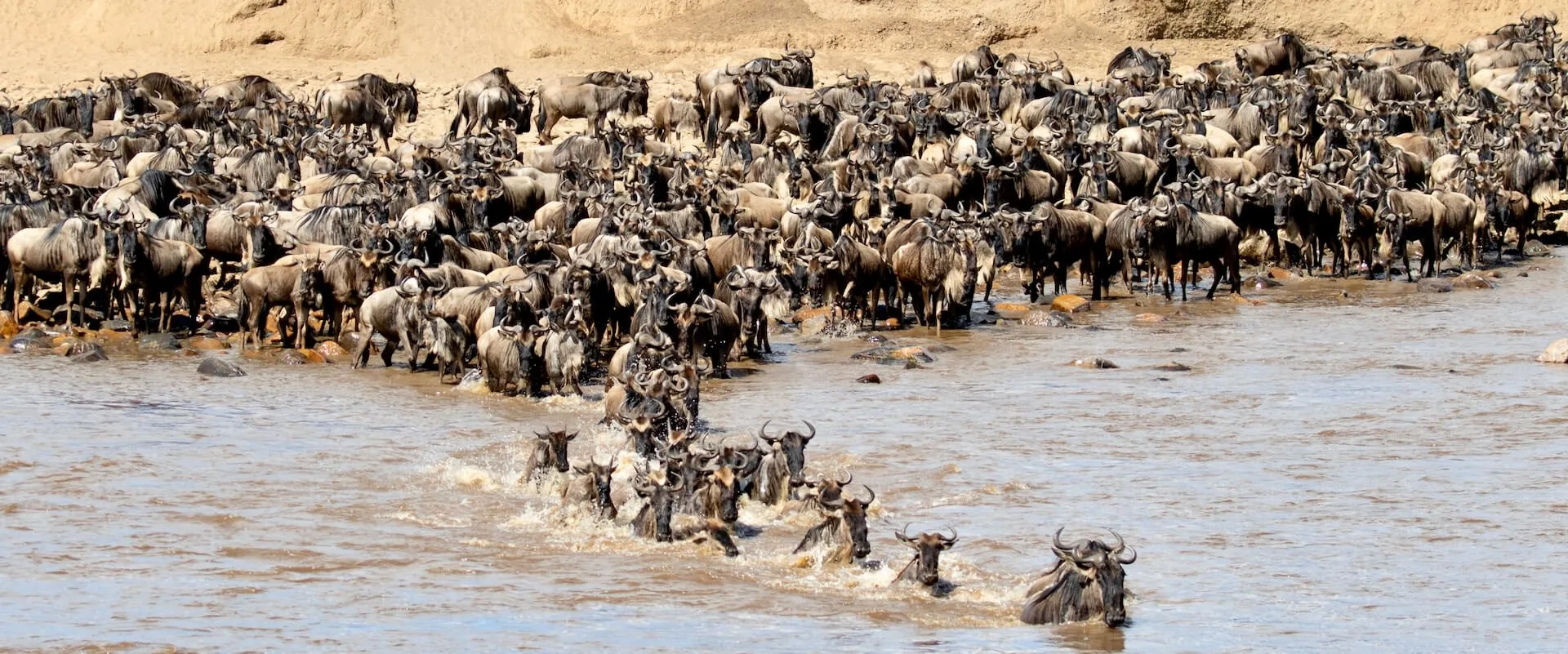
The Great Migration in Africa happens all year because the herds continuously circulate through the Serengeti–Mara ecosystem in…
Read article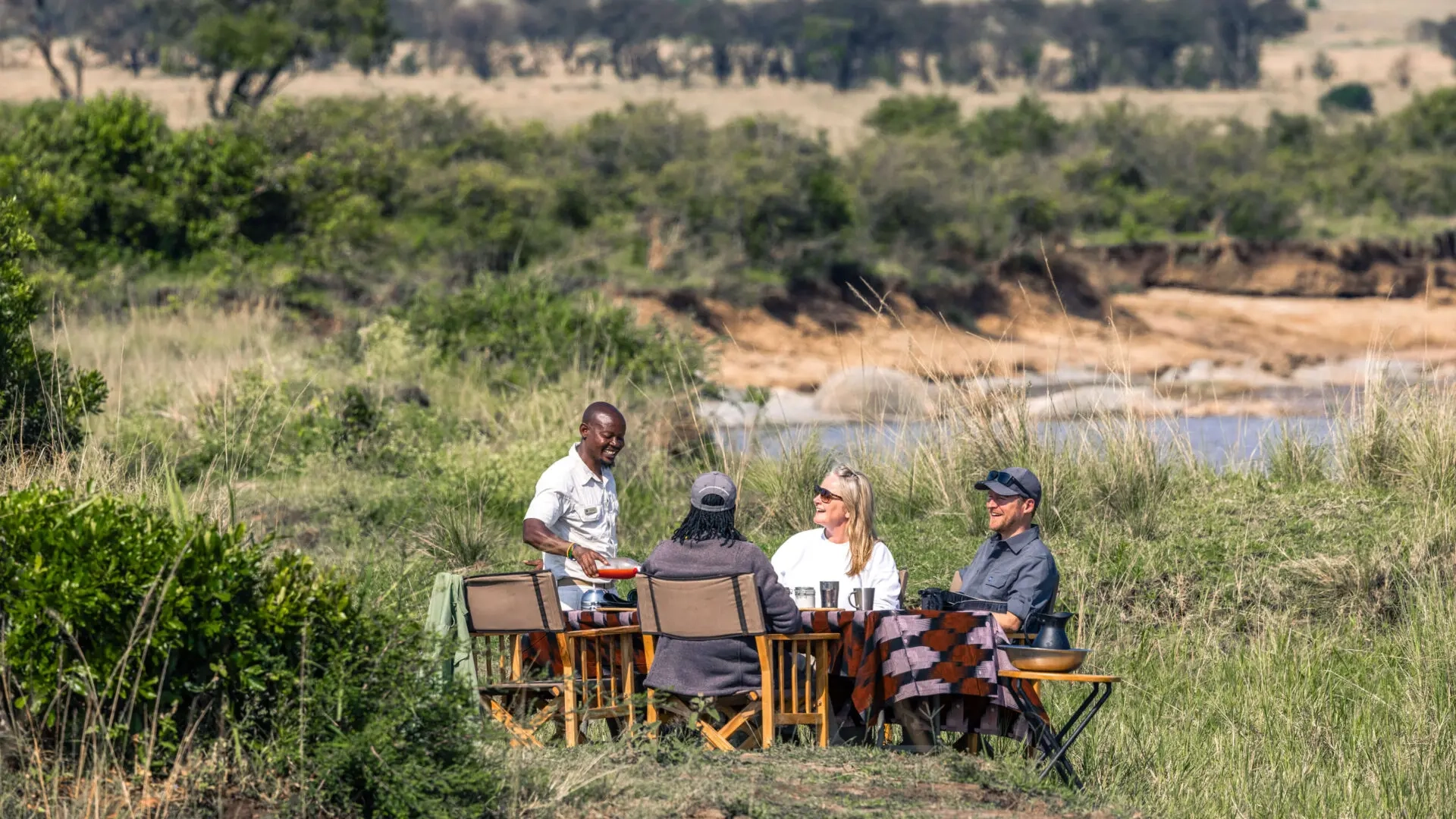
Definitive answer: A picnic lunch on safari is a packed or catered midday meal eaten at an approved…
Read article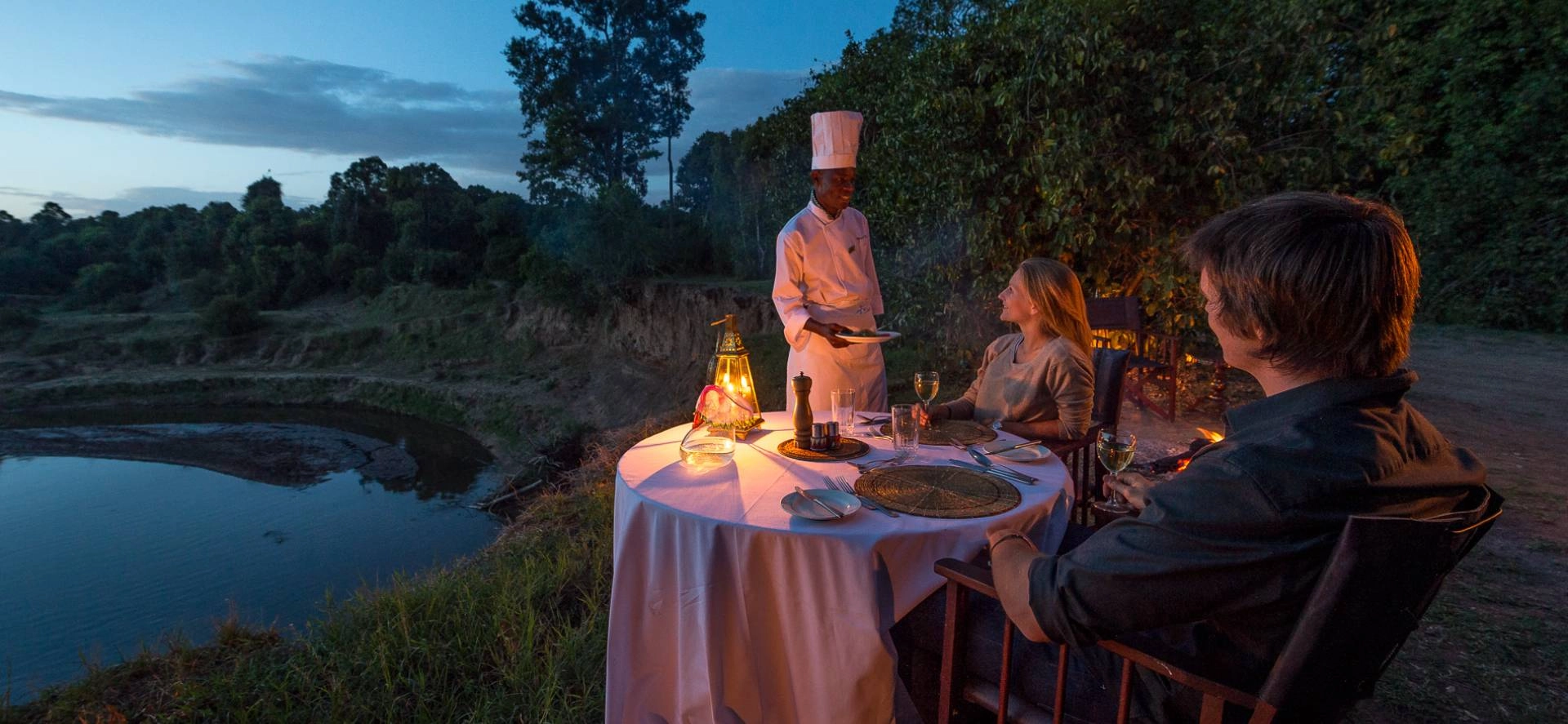
Definitive answer: A bush dinner is an outdoor evening meal arranged in a safe safari setting away from…
Read articleLet us take you closer to the wildlife, people and places that make Africa extraordinary.
Plan Your Safari Today