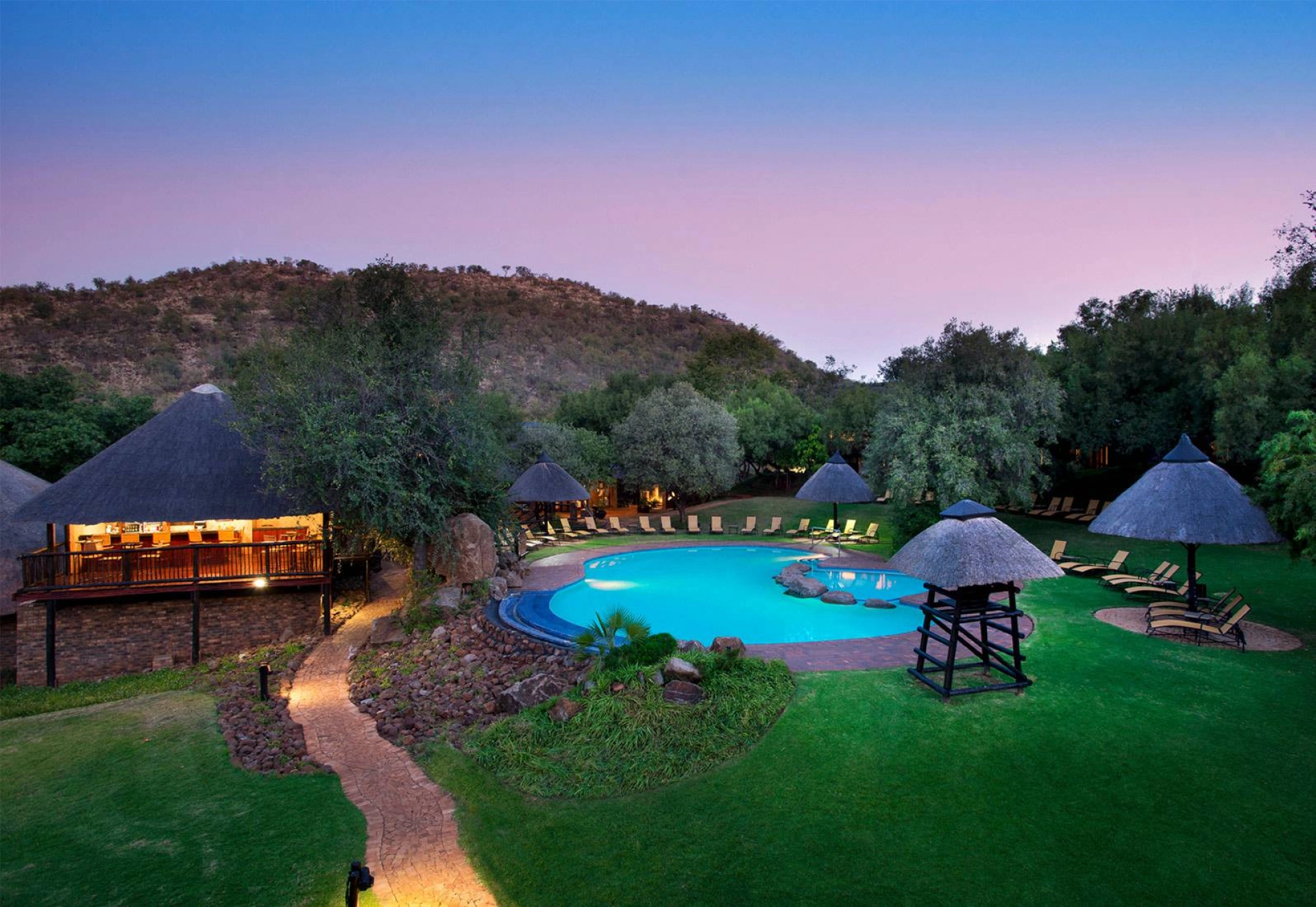
An Overnight Adventure at Bakubung Bush Lodge in Pilanesberg National Park
A safari does not always need to involve an internal flight, several…
Read article

Travel Guide
Planning an African safari in 2027 can feel both exciting and overwhelming. Africa offers an extraordinary number of wildlife destinations, ecosystems, safari styles and experiences, so the challenge is rarely whether you will find somewhere remarkable…
Planning an African safari in 2027 can feel both exciting and overwhelming. Africa offers an extraordinary number of wildlife destinations, ecosystems, safari styles and experiences, so the challenge is rarely whether you will find somewhere remarkable to visit. The harder question is deciding where to go, when to travel, what to book and how to build a safari itinerary that matches your interests, budget and available time.
Should you watch the Great Migration in Tanzania’s Serengeti or Kenya’s Masai Mara? Should you trek mountain gorillas in Uganda or Rwanda? Is Botswana better than South Africa for a first safari? How far in advance should you reserve gorilla permits? Is a private safari worth paying for? How many national parks should you try to include in ten days? And should you finish your safari with several days on Zanzibar or another Indian Ocean beach?
These are exactly the kinds of decisions that determine whether an African safari feels carefully designed or unnecessarily rushed.
Africa is not one single safari destination. The continent contains rainforest, open savannah, wetlands, deserts, mountain ecosystems, tropical coastline and vast river systems. A safari in Bwindi Impenetrable National Park in Uganda is completely different from a game drive through the Serengeti National Park in Tanzania. Botswana’s Okavango Delta offers another style entirely, while South Africa’s Kruger region provides exceptional wildlife alongside extensive tourism infrastructure.
The best African safari holidays therefore begin by defining what you actually want to experience. This detailed guide explains how to plan an African safari for 2027, including the best destinations, ideal travel seasons, safari durations, accommodation categories, transportation choices, wildlife experiences and important reservations to make early.
Before comparing safari packages, lodges and national parks, identify your priorities. Some travelers dream of seeing lions, elephants, leopards, buffaloes and rhinos. Others are specifically interested in mountain gorillas. Some want to photograph the Great Migration, while birders may be more interested in wetlands and forests than large mammals. A honeymooning couple may want a slower private safari followed by a beach holiday. A family may prioritize comfortable lodges, short driving distances and flexible game drives. Wildlife photographers may prefer spending four nights in one ecosystem rather than visiting a new park every day.
Your interests should shape the route. If your main goal is gorilla trekking, Uganda or Rwanda should form the foundation of the itinerary. If you want the classic image of endless savannah filled with predators and herbivores, Kenya and Tanzania are outstanding. If you want a combination of wildlife and highly developed road infrastructure, South Africa may be attractive. Travelers looking for water-based safaris and wilderness often consider Botswana. Those seeking dramatic landscapes and desert-adapted wildlife may choose Namibia.
The best safari is therefore not automatically the one visiting the most famous country. It is the one that best matches what you want to experience.
There is no single answer, because different safari destinations excel in different areas. For many first-time travelers, East Africa remains one of the strongest choices because it can combine classic savannah wildlife, primates, mountains, lakes and Indian Ocean beaches within one journey.
Uganda offers one of Africa’s most varied safari experiences. The country’s greatest attraction is mountain gorilla trekking in Bwindi Impenetrable National Park and Mgahinga Gorilla National Park. Standing quietly in a rainforest while a family of mountain gorillas feeds, rests and moves through the vegetation is one of Africa’s most memorable wildlife experiences. But Uganda should not be considered only a gorilla destination. Travelers can track chimpanzees in Kibale National Park, take game drives in Queen Elizabeth National Park, cruise the Kazinga Channel, search for tree-climbing lions in the Ishasha region, explore Murchison Falls National Park and enjoy walking or cycling activities around Lake Mburo.
Uganda also has outstanding birdlife, with forest, wetland and savannah species creating excellent opportunities for birding safaris. A well-designed Uganda safari can therefore combine primates and conventional game viewing within one trip. For travelers with around seven to ten days, Uganda can provide gorillas, chimpanzees and one or two major savannah parks. Those with two weeks can explore significantly more.
Rwanda’s Volcanoes National Park is one of Africa’s iconic gorilla trekking destinations. The country is particularly appealing to travelers with limited time because Kigali is relatively close to the gorilla region compared with some longer overland journeys elsewhere in East Africa. A traveler can arrive in Kigali, explore the city and continue toward Volcanoes National Park without committing to a lengthy safari circuit. Rwanda also offers wildlife experiences in Akagera National Park, where savannah, woodland and wetland environments support a diverse range of wildlife.
Nyungwe Forest provides primate and rainforest experiences in the southwest. A Rwanda itinerary can therefore combine gorillas, chimpanzees, classic wildlife and culture. Rwanda also pairs easily with Uganda, making a Rwanda and Uganda safari attractive to travelers who want several primate experiences.
Few destinations are more closely associated with the word safari than Kenya. The Masai Mara National Reserve is renowned for its open grasslands, predator populations and seasonal presence of migrating wildebeest and zebra. Lions, cheetahs, elephants, giraffes, buffaloes, hyenas and many antelope species can all be encountered across Kenya’s safari regions. Amboseli National Park is famous for elephants and spectacular views toward Mount Kilimanjaro. Lake Nakuru is known for birdlife and rhino conservation, while Samburu offers semi-arid scenery and wildlife adapted to northern Kenya.
Laikipia’s conservancies provide another layer of safari experiences focused on wildlife conservation and private tourism areas. For first-time visitors looking for a classic African wildlife safari, Kenya remains difficult to beat.
Tanzania contains several of Africa’s most celebrated safari destinations. The Serengeti National Park forms the heart of the larger Serengeti-Mara ecosystem and plays a central role in the Great Wildebeest Migration. The Ngorongoro Crater offers exceptionally concentrated wildlife viewing in a dramatic volcanic landscape. Tarangire National Park is known for elephants, baobab trees and seasonal wildlife concentrations. Lake Manyara provides a smaller but ecologically diverse destination. Further south, destinations such as Nyerere National Park and Ruaha offer different safari experiences with fewer visitors in many areas.
Tanzania also has the enormous advantage of Zanzibar. This allows travelers to combine a wildlife safari with an African beach holiday relatively easily. A typical honeymoon might include seven or eight days exploring northern Tanzania before flying to Zanzibar for four or five nights.
Travelers with sufficient time can combine Kenya and Tanzania. A Kenya and Tanzania safari can include the Masai Mara, Serengeti, Ngorongoro Crater and additional parks depending on the trip length. This combination is especially attractive to travelers interested in the Great Migration. However, the itinerary must be designed carefully. Attempting to include every famous park in too few days creates excessive transfers and limits meaningful wildlife time. For many travelers, ten to fourteen days provides a more comfortable timeframe for a multi-country safari.
Botswana offers a different kind of safari. The Okavango Delta creates one of Africa’s most extraordinary wetland ecosystems. Seasonal floodwaters spread across channels, lagoons and islands, supporting abundant wildlife. Safari activities can include conventional game drives as well as boat and mokoro excursions depending on location and water conditions. Chobe National Park is famous for elephants and river-based wildlife experiences. Botswana has a reputation for premium safari pricing, particularly in remote concessions and fly-in camps, but the quality of wilderness experience can be exceptional.
It works particularly well for experienced safari travelers, honeymooners and wildlife photographers.
South Africa is another excellent first-safari destination. The Greater Kruger region contains extensive wildlife areas with excellent Big Five viewing. South Africa also offers malaria-free reserves in some parts of the country, family-friendly destinations, self-drive opportunities and a very broad range of accommodation. A safari can be combined with Cape Town, the Winelands, the Garden Route and the country’s coastline. This diversity makes South Africa attractive to travelers who want safari as one component of a broader holiday.
Namibia offers perhaps Africa’s most dramatic landscapes. The towering dunes of Sossusvlei, the Skeleton Coast, desert scenery and wildlife-rich Etosha National Park create a journey that feels very different from East Africa. Namibia is particularly suitable for travelers interested in road trips, photography and wilderness landscapes. Wildlife densities may differ from ecosystems such as the Masai Mara, but the environment itself is a major attraction.
The best time to go on safari in Africa depends on the destination and your priorities. There is no single month that is perfect across the entire continent. Different regions experience dry and wet seasons at different times, and wildlife experiences can vary dramatically.
Dry seasons are often popular because vegetation becomes thinner and animals may concentrate around reliable water sources. Road conditions are generally easier in many destinations. This can make wildlife easier to locate. However, dry season also often corresponds with higher demand and higher accommodation prices. Popular parks may become busier. Travelers who want quieter experiences should not automatically assume peak dry season is the only worthwhile time.
Rainy or green seasons can be exceptionally beautiful. Landscapes become lush, birds are active and many animals give birth during particular periods. Visitor numbers may also be lower. Photography can be spectacular because clouds, green vegetation and dramatic light create colorful scenes. The disadvantage is that some roads become more difficult and rain can affect individual activities. A knowledgeable operator should explain the trade-offs rather than simply labeling one season “good” and another “bad.”
The Great Wildebeest Migration is a continuous cycle rather than a single event. Wildebeest, zebra and other herbivores move through the Serengeti-Mara ecosystem according to rainfall, grazing and water availability. The herds spend different parts of the year in different regions. Travelers particularly interested in river crossings often focus on periods when large numbers of animals are moving through northern Serengeti and the Masai Mara ecosystem. However, crossings cannot be guaranteed.
Animals may gather near a river for long periods before crossing, and movements vary between years. Elsewhere in the cycle, travelers may witness calving, predator activity and enormous herds spread across open plains. The best migration safari therefore depends on which stage interests you most.
Gorilla trekking operates throughout the year in Uganda and Rwanda. Rainforest climates mean rain is possible in any month. Drier periods can make trails somewhat easier, but gorilla trekking remains an adventure regardless of season. During wetter periods, trails may become muddy, yet forests are beautifully green and travel demand can sometimes differ from peak months. The more important issue for many travelers is permit availability. Only a limited number of visitors can trek particular gorilla groups each day.
For popular months, securing permits early is one of the most important steps when planning your safari.
For travel in 2027, the safest strategy is to begin planning well in advance if your safari includes limited-capacity experiences. Gorilla permits should be treated as a priority. Popular safari lodges in locations such as the Masai Mara, Serengeti, Okavango Delta and other high-demand regions can also fill early during peak periods. Travelers requiring family rooms, triple rooms or specific accommodation categories may have fewer options than couples requiring a standard double or twin room.
Honeymoon travelers often want particular camps or room types, so early planning is beneficial. Flights also deserve attention. Regional connections between safari destinations are limited compared with major international routes, and good schedules may sell out. Booking early does not mean every component must be selected immediately. It means securing the elements that are genuinely limited before building the rest of the itinerary around them.
Trip length has a huge influence on the quality of your safari. A short safari can still be excellent, but distances must be realistic.
Three or four days works best for travelers concentrating on one destination. Examples include: Masai Mara from Nairobi, Amboseli from Nairobi, Murchison Falls from Kampala or Entebbe, or a short Uganda or Rwanda gorilla trekking safari. Trying to visit three distant national parks in four days generally creates too much driving.
A one-week African safari offers significantly more flexibility. In Uganda, travelers can combine gorillas with Queen Elizabeth National Park or another wildlife destination. In Kenya, a week can include two or three parks. In Tanzania, travelers can explore several northern circuit destinations. Seven days is also long enough to create a rewarding safari without requiring several weeks away from work.
This is an excellent duration for travelers who want multiple ecosystems. A Uganda safari could include chimpanzees, Queen Elizabeth, Bwindi and Lake Mburo. A Kenya safari might combine Amboseli, Lake Nakuru and Masai Mara. A Tanzania safari could explore Tarangire, Ngorongoro and Serengeti in greater depth.
Two weeks provides enough time for a comprehensive safari or multi-country itinerary. Travelers can combine Uganda and Rwanda, Kenya and Tanzania, or add several beach nights after safari. Those with three weeks can create exceptionally diverse journeys incorporating primates, savannah wildlife and tropical coastline.
This is one of the most important choices when booking.
A private safari gives you much greater control over the itinerary. Your guide and vehicle are dedicated to your party. Wildlife photographers can remain longer at sightings. Families can adjust departure times. Couples can stop for scenic photographs without worrying about a larger group. Private safaris also allow more freedom when selecting accommodation. The disadvantage is price, particularly for one or two travelers, because vehicle and guide costs are divided among fewer people.
Scheduled or group departures can lower the per-person cost. They can also be sociable, especially for solo travelers. However, travelers must follow a fixed itinerary and generally have less flexibility during game drives and transfers. Both options can work well. The correct choice depends on budget and travel style.
Road safaris are common in East Africa and allow travelers to experience the changing landscape between destinations. They are generally more affordable and work particularly well for itineraries where parks are connected logically. Fly-in safaris reduce transfer times and can be valuable in countries where camps are separated by enormous distances. Botswana frequently uses small aircraft between remote safari areas. Flights can also connect Nairobi or Arusha with the Masai Mara or Serengeti.
The ideal solution may involve a combination. For example, you may travel overland through several parks and then fly back to the international airport to avoid repeating a long road journey.
Safari accommodation generally falls into three broad categories: budget, mid-range and luxury.
Budget properties focus on the essentials. They may provide simple rooms or tents, meals and comfortable sleeping arrangements without extensive luxury facilities. For travelers prioritizing wildlife over accommodation, budget safaris can provide excellent value.
Mid-range accommodation is extremely popular because it balances comfort and price. Properties often include private bathrooms, comfortable beds, restaurants and attractive locations. For many travelers, mid-range represents the strongest overall value.
Luxury safari camps can offer exceptional service, premium food, beautiful rooms, private decks, plunge pools and exclusive locations. Some operate in private concessions where visitor numbers are tightly controlled. Luxury accommodation can significantly increase safari costs, but for honeymooners or special occasions it may be worth the expense.
There is no meaningful single price for an African safari. Costs depend on: destination, season, accommodation, park fees, permit costs, vehicle type, group size, trip duration, domestic flights and private versus shared travel. A budget road safari can cost a fraction of a private fly-in luxury safari. Gorilla trekking also adds permit expenses. When comparing quotations, examine what is included rather than simply comparing headline totals. One operator may include permits, park fees and airport transfers while another lists these separately.
A lower advertised price is not automatically better value.
When planning a safari, secure the hardest-to-replace components first. For a gorilla safari, the gorilla trekking permit is critical. For migration travel, strategically located camps may be the priority. For peak holiday dates, accommodation availability can determine the itinerary. International flights should then be coordinated with confirmed safari dates. This approach reduces the chance of buying non-refundable flights and later discovering that your preferred permits or lodges are unavailable.
Primate permits deserve special attention because daily visitor numbers are controlled. Gorilla permits allow travelers to participate in guided trekking experiences in designated gorilla regions. Chimpanzee tracking also requires permits in destinations such as Kibale National Park. A reputable safari operator can arrange these as part of the itinerary. Because permit conditions and official prices can change, travelers planning for 2027 should request the latest confirmed information when booking rather than relying on old articles.
Safari vehicle quality matters. In East Africa, private road safaris commonly use modified 4×4 safari vehicles with pop-up roofs. The elevated roof allows travelers to stand when appropriate and improves visibility during game drives. A well-maintained vehicle, experienced driver-guide and sensible seating arrangement can make a major difference on long safari days. Ask whether each traveler will have good wildlife-viewing access. For photographic safaris, vehicle configuration becomes particularly important.
Your safari guide influences almost every part of the trip. A skilled guide can interpret animal behavior, explain ecosystems, identify birds and locate wildlife based on tracks and habitat. They also understand road conditions, park regulations and the best time to visit particular areas. An outstanding guide can transform an ordinary wildlife sighting into a meaningful experience. When comparing safari operators, do not focus exclusively on lodges. Ask about guides, vehicles, route design and company support.
One of the strongest African safari combinations is a primate adventure followed by traditional game viewing. Uganda is particularly suitable because Bwindi gorilla trekking can be combined with Queen Elizabeth National Park, Kibale Forest, Lake Mburo or Murchison Falls. Alternatively, travelers can trek gorillas in Uganda or Rwanda before flying to Kenya or Tanzania. This combination provides extraordinary variety. One day you may be walking through rainforest searching for mountain gorillas. Several days later you could be watching lions on the open plains of the Masai Mara or Serengeti.
A beach extension is one of the best ways to finish an African safari. After days of early starts, game drives and transfers, Zanzibar provides warm Indian Ocean water, beaches, seafood and a slower pace. A Tanzania safari and Zanzibar holiday is the simplest combination, but travelers can also connect from Kenya, Uganda and Rwanda. Four or five nights on Zanzibar is enough for many travelers. Those wanting more relaxation can stay longer.
Africa is an extraordinary honeymoon destination. Couples can combine intimate safari camps with memorable wildlife encounters before continuing to the coast. Popular combinations include: Serengeti and Zanzibar, Masai Mara and Zanzibar, Uganda gorilla trekking and Zanzibar, Rwanda gorillas and the Seychelles, or Botswana and Mauritius. A honeymoon safari should avoid excessive transfers. Spending several nights in well-selected destinations generally feels more romantic than repacking every morning.
Families require a slightly different planning approach. Children’s ages matter because some safari activities have minimum-age restrictions. Gorilla trekking, chimpanzee tracking and certain walking safaris may not be available to younger children. Driving distances also deserve attention. Families often benefit from fewer destinations and more nights in each place. Private safari vehicles are particularly useful because schedules can be adapted according to the family’s needs.
Wildlife photography rewards patience. Photographers should consider fewer destinations and longer stays. A leopard may spend hours hidden before becoming active. Lions may sleep through much of the day. Elephants may gradually approach water in perfect evening light. Constantly changing camps reduces the opportunity to wait for interesting behavior. Photographers should also consider charging facilities, baggage restrictions on small aircraft and safe storage for cameras.
Neutral-colored lightweight clothing works well for most safaris. Layering is important because early mornings can be cool even when afternoons are hot. Bring: comfortable walking shoes, a lightweight jacket, sun protection, binoculars, camera equipment, necessary medication, insect repellent, reusable water bottle where suitable, and a small day bag. For gorilla trekking, sturdy footwear, long trousers and practical rain protection are especially useful. Packing should remain relatively light, particularly when using domestic safari flights.
Comprehensive travel insurance is highly recommended. A policy should ideally address trip cancellation, medical emergencies and evacuation. Adventure activities such as trekking should fall within the policy’s coverage. Travelers should read exclusions carefully rather than assuming every safari activity is automatically covered. Insurance requirements and travel advice can change, so confirm current details before departure.
Health requirements depend on your destinations, route and personal circumstances. Travelers should consult a qualified travel-health professional in advance. Vaccination requirements and disease-risk recommendations may differ by country and can change. Do not rely entirely on old blog posts for medical guidance. Official government and health sources should be checked when preparing for travel.
Visa requirements depend on nationality. Some East African countries offer electronic visa systems, while regional travel may require additional documentation. Passport-validity rules should also be checked. Because entry policies can change, travelers planning a 2027 safari should confirm current requirements shortly before travel.
Responsible safari tourism can contribute significantly to wildlife conservation and local economies. National park fees help fund protected areas. Community tourism initiatives can create income around wildlife destinations. Travelers should choose operators that respect park regulations and animal welfare. Vehicles should not crowd wildlife excessively, harass animals or leave designated routes where prohibited. Gorilla trekking regulations are especially important because mountain gorillas are vulnerable to human disturbance and disease. Following your guide’s instructions protects both wildlife and future visitors.
One of the biggest mistakes is trying to see too much. A ten-day safari visiting six distant destinations may sound impressive but can involve enormous amounts of driving. Another mistake is choosing accommodation based solely on price without considering location. A cheaper lodge far outside a park can reduce wildlife viewing time. Travelers also sometimes book international flights before confirming limited permits. Others underestimate road distances based on map mileage alone.
African roads, border procedures and park tracks mean distances should be evaluated in actual travel time. The best itineraries balance ambition with realism.
Seven days can produce remarkably different adventures. A Uganda itinerary might include Kibale chimpanzee trekking, Queen Elizabeth National Park and Bwindi gorilla trekking. A Kenya itinerary might combine Lake Nakuru and Masai Mara. Tanzania travelers may explore Tarangire, Ngorongoro and Serengeti. A Rwanda itinerary could combine Akagera National Park and Volcanoes National Park. The best route depends on your priority rather than the number of parks.
Ten days creates much greater flexibility. In Uganda, travelers can combine Murchison Falls, Kibale, Queen Elizabeth and Bwindi. In Tanzania, ten days allows deeper exploration of the northern circuit. Kenya can combine Amboseli, Lake Nakuru and Masai Mara. A multi-country itinerary could pair Uganda gorillas with Kenya’s Masai Mara.
Two weeks is ideal for combining wildlife and relaxation. For example: begin with gorilla trekking in Uganda, continue to Tanzania for Serengeti and Ngorongoro wildlife viewing, then finish with several nights on Zanzibar. Another option combines Kenya’s Masai Mara and Amboseli with a Zanzibar beach stay. The exact route should minimize unnecessary backtracking.
At Adventure in the Wild Safaris, we design customized safaris throughout East Africa with a strong focus on Uganda, Rwanda, Kenya and Tanzania. Rather than fitting every traveler into the same itinerary, we build each safari around available time, preferred accommodation level, wildlife priorities and budget. Your safari can focus on Uganda gorilla trekking, a classic Kenya wildlife journey, Tanzania’s Serengeti, Rwanda’s Volcanoes National Park or a multi-country adventure. We can also combine gorillas with the Masai Mara, Serengeti, Ngorongoro Crater, Zanzibar and other major destinations.
For 2027 travel, early planning is particularly valuable for limited permits and high-demand accommodation.
The secret to planning an unforgettable African safari in 2027 is not visiting as many places as possible. It is choosing the right places. Decide what wildlife experiences matter most, choose the season that supports those goals and allow enough time in each destination. Reserve limited permits and strategically located accommodation early. Select a reliable safari company with experienced guides and well-maintained vehicles. And build enough breathing room into the itinerary to enjoy the journey.
Africa rewards travelers who slow down. A lion appearing beside the road, a gorilla quietly feeding in the rainforest, elephants walking beneath Kilimanjaro or thousands of wildebeest stretching across the Serengeti cannot be rushed. A carefully planned safari gives these moments space to happen. Whether your dream is gorilla trekking in Uganda, the Great Migration in Tanzania, lions in the Masai Mara, elephants in Amboseli, Botswana’s Okavango Delta or an African safari followed by Zanzibar, 2027 offers extraordinary possibilities.
The best safari begins long before you board the plane. It begins by designing the journey around the experiences you will remember long after you return home.
Get quick answers to the most common questions. If you still have questions, our safari experts are here to help.
Kenya, Tanzania, Uganda and South Africa are all excellent depending on your interests. Kenya and Tanzania are particularly strong for classic savannah wildlife, Uganda for gorillas combined with wildlife and South Africa for accessibility and variety.
Book as early as possible if you need gorilla permits, peak-season camps or specific accommodation. Limited-capacity experiences should be secured before less restricted elements.
Seven to ten days is excellent for many first-time travelers. Three or four days works for a single destination, while two weeks enables a more comprehensive journey.
Yes. Uganda is especially strong for travelers who want gorillas, chimpanzees and traditional savannah wildlife in one journey.
Both are exceptional. Tanzania offers the Serengeti and Ngorongoro, while Kenya offers the Masai Mara, Amboseli and several other distinctive ecosystems. Travelers with enough time can combine them.
Yes. Uganda or Rwanda can be combined with Tanzania by regional flights and carefully planned transfers.
Yes. Uganda and Kenya make a superb primate-and-savannah safari combination.
Private safaris with fewer transfers generally work best. Gorilla trekking combined with Zanzibar, or Serengeti and Zanzibar, are excellent options.
Yes, although age restrictions apply to certain activities. Family safaris should be planned around children’s ages and tolerance for long drives.
Private safaris are ideal for travelers wanting flexibility, personalized guiding and control over their schedule. Group safaris can be more affordable.
Absolutely. Zanzibar, the Kenyan coast, Mauritius, Mozambique and the Seychelles can all be paired with safari depending on your route.
Our safari experts are here to help you plan your safari. Get personalized advice, the latest information and a free, no-obligation quote.
We typically reply within a few hours.

Share This Article
A safari does not always need to involve an internal flight, several…
Read article
Mention a Tanzania safari and most travelers immediately imagine the Serengeti. The…
Read article
An African safari is often described as a once-in-a-lifetime holiday, but that…
Read article
Mozambique stretches for thousands of kilometers along southeastern Africa’s Indian Ocean coastline,…
Read articleLet us take you closer to the wildlife, people and places that make Africa extraordinary.
Plan Your Safari Today