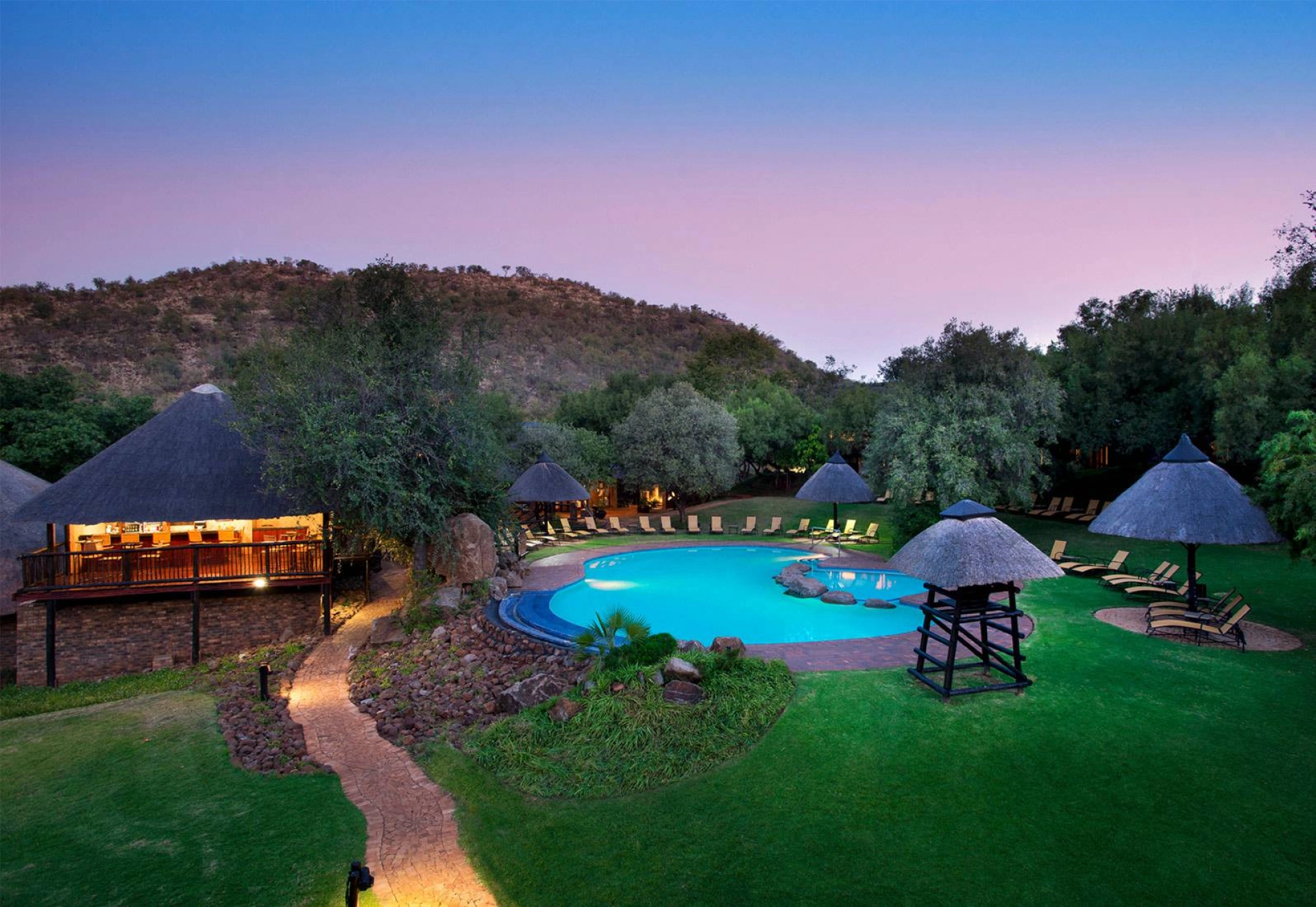
An Overnight Adventure at Bakubung Bush Lodge in Pilanesberg National Park
A safari does not always need to involve an internal flight, several…
Read article

Travel Guide
Mozambique stretches for thousands of kilometers along southeastern Africa's Indian Ocean coastline, yet it remains far less understood by international travelers than neighboring South Africa or Tanzania. Ask someone to picture Mozambique and they may imagine…
Mozambique stretches for thousands of kilometers along southeastern Africa’s Indian Ocean coastline, yet it remains far less understood by international travelers than neighboring South Africa or Tanzania. Ask someone to picture Mozambique and they may imagine an empty tropical beach. That image is accurate—but incomplete. Mozambique offers warm Indian Ocean water, coral reefs, extraordinary islands, dhow sailing, diving, snorkeling, seafood, Portuguese-influenced cuisine, African culture and wildlife areas that are gradually re-establishing the country’s reputation as a safari destination.
It is particularly compelling for travelers wanting to combine an African safari with an Indian Ocean beach holiday. A journey can begin among elephants, lions and other wildlife in Southern Africa before ending on a beach overlooking turquoise water. Yet planning Mozambique creates many questions. Where is Mozambique? Is Mozambique safe to visit? What are the best beaches? When should you travel? Is Mozambique expensive? Can you go on safari? How do you reach the islands? This expanded Mozambique travel FAQ answers those questions and goes far beyond the basics, helping travelers understand what a Mozambique holiday actually involves.
Mozambique is located on the southeastern coast of Africa.
Its long Indian Ocean coastline faces toward Madagascar across the Mozambique Channel. The country shares land borders with South Africa, Eswatini, Zimbabwe, Zambia, Malawi and Tanzania. This location makes Mozambique especially useful for Southern Africa safari and beach combinations. Travelers can pair Mozambique with South Africa’s Kruger region, Zimbabwe, Eswatini or other regional destinations. The country is long and narrow, which is important when planning. Looking at a map can create the impression that several Mozambique destinations are close together simply because they are within the same country.
In reality, traveling between the far south and far north can involve enormous distances. It is often better to choose one region and explore it properly rather than attempting to see the entire coastline in a short holiday.
Mozambique is particularly famous for its coastline and islands.
The Bazaruto Archipelago is internationally known for white-sand beaches, clear water and marine life. Farther north, the Quirimbas Archipelago contains islands, coral environments and culturally fascinating coastal communities. Mozambique is also famous for seafood. Prawns are especially associated with the country’s cuisine. Portuguese culinary influence combines with African ingredients and Indian Ocean flavors to create food that is distinctive within Southern Africa. The country also has an important safari story. Gorongosa National Park has become internationally recognized for ecosystem restoration and wildlife recovery.
This question requires more nuance than a simple yes or no.
Mozambique is a large country, and conditions vary significantly by region. Popular tourism destinations in southern and central Mozambique may have circumstances very different from areas affected by security concerns in the far north. Travelers should therefore consult current official travel advice before booking and again shortly before departure. Avoid assuming that an event in one part of Mozambique automatically describes conditions across the entire country. At the same time, never ignore official warnings simply because a resort advertises itself as safe. A responsible itinerary should consider the exact route, current conditions and reliable local information.
Use the same practical precautions you would use in many international destinations.
Avoid displaying large amounts of cash. Keep valuables secure. Use reputable transport. Be cautious when moving around unfamiliar urban areas at night. Follow lodge and local guide advice. Keep copies of important travel documents. Purchase suitable travel insurance. For remote destinations, use established tourism operators rather than improvising complicated transfers after arrival.
The capital is Maputo, located in southern Mozambique near the border with South Africa.
Maputo is the country’s major urban center and an important international gateway. The city has a distinctive architectural and cultural character influenced by African and Portuguese history. Travelers rushing directly toward beaches sometimes ignore Maputo completely, but visitors interested in food, markets, history and urban culture may find a short stay worthwhile. Maputo is also useful for certain southern Mozambique itineraries.
Portuguese is the official language. Numerous African languages are spoken throughout the country. In established tourism areas, many lodge and hotel staff speak English, particularly where international visitors are common. However, English should not be assumed everywhere. Learning a few basic Portuguese phrases can be useful and is generally appreciated. Even simple greetings can make interactions more enjoyable.
Mozambique uses the Mozambican metical. Tourism businesses may quote some services in foreign currencies, particularly at international-standard resorts, but local currency remains important for everyday transactions. Card acceptance varies. High-end hotels may accept major cards while small local businesses may operate primarily with cash. Travelers heading into remote regions should not assume ATMs will always be conveniently available. Carry a sensible combination of payment methods rather than depending entirely on one card.
For many travelers, the drier months are the easiest period for a Mozambique beach holiday. Conditions are generally more comfortable for outdoor activities, road travel and combining the coast with Southern African safari destinations. However, the best time depends on what you want to do. Diving conditions, whale activity, fishing, wildlife viewing and beach weather can all have different seasonal patterns. Mozambique’s enormous north-south length also means climate conditions are not identical everywhere. Always evaluate the specific destination rather than treating the entire country as one weather zone.
Yes. Mozambique has a tropical to subtropical climate, with wetter and drier seasonal patterns. Rainfall is generally more significant during the warmer part of the year. Tropical weather systems can affect the coastline, and cyclones are an important consideration during parts of the warmer season. This does not mean travel is impossible throughout the wet season. There can be attractive rates, fewer visitors and beautiful landscapes. But travelers should understand the potential for heavier rain and transport disruption.
Choosing the “best” beach depends on the traveler. Some want luxury. Some want diving. Some want nightlife. Others want an almost completely empty coastline. Among the best-known areas are Vilanculos and the Bazaruto Archipelago, Tofo, Ponta do Ouro and various island destinations farther north. Each provides a different experience.
Vilanculos is one of Mozambique’s most important beach gateways. It sits opposite the Bazaruto Archipelago and provides access to island excursions. The town offers a wider range of accommodation than isolated islands, making it useful for travelers seeking a balance between comfort and local atmosphere.
For travelers dreaming about classic Indian Ocean scenery, Bazaruto is one of Mozambique’s strongest destinations. Think enormous dunes. Turquoise water. Long beaches. Coral environments. Boat excursions. Marine wildlife. Accommodation ranges toward the premium end on some islands, making the archipelago particularly popular with honeymooners and luxury travelers.
Tofo is well known among divers and more independent travelers. The atmosphere is generally less formal than exclusive island resorts. The marine environment is a major attraction. Travelers who want diving and a relaxed beach-town experience often place Tofo high on their list.
Ponta do Ouro lies in southern Mozambique relatively close to South Africa. Its location makes it attractive for travelers combining Mozambique with a South Africa safari. Diving, beaches and marine activities are central to the destination.
The Bazaruto Archipelago is a group of islands off Mozambique’s coast near Vilanculos. It is one of the country’s flagship tourism regions. The archipelago is known for marine ecosystems, coral reefs, beaches, dunes and exceptionally clear water. Activities can include snorkeling, diving, dhow excursions, fishing and beach relaxation. One of the most important animals associated with the broader marine environment is the dugong. Mozambique supports significant dugong habitat, making conservation of these waters especially important.
The Quirimbas Archipelago lies in northern Mozambique. The region contains numerous islands stretching along the coast. Historically and culturally, the area is fascinating because Indian Ocean trade shaped settlements over centuries. Some islands combine beaches and marine environments with historic architecture and Swahili-Portuguese influences. However, northern Mozambique has experienced serious security challenges. Anyone considering travel in this region must check current official advice and local operating conditions rather than relying on older travel articles.
Yes. Mozambique is one of Africa’s important diving destinations. Its Indian Ocean coastline supports coral reefs and substantial marine biodiversity. Depending on destination and season, divers may encounter reef fish, rays, turtles, sharks and other marine life. Tofo is particularly famous among diving travelers. Bazaruto also offers excellent marine experiences. Conditions vary by season and location, so serious divers should choose their destination according to specific marine interests rather than simply booking the nearest beach resort.
Mozambique has become internationally associated with whale shark encounters, particularly around parts of the southern-central coastline such as the Tofo region. These enormous fish are harmless filter feeders. Seeing one underwater can be one of Africa’s greatest marine wildlife experiences. However, whale sharks are wild animals. Sightings should never be guaranteed. Responsible operators should maintain appropriate distances and avoid behavior that stresses the animals.
Yes. Humpback whales migrate along the eastern African coastline seasonally. During suitable periods, Mozambique can offer excellent whale-watching possibilities. Depending on location, whales may sometimes even be visible from shore. Travelers specifically interested in whales should plan according to migration season and destination.
Absolutely. You do not need to be a scuba diver to enjoy Mozambique’s marine environment. Snorkeling excursions are available from many coastal and island destinations. The quality depends on reef location, tide, weather and water conditions. A guided excursion can provide a better experience than simply snorkeling directly from a beach where coral habitat may be limited.
Yes, and this surprises many travelers. Mozambique is not only a beach destination. The country’s wildlife areas include one of Africa’s most remarkable restoration stories: Gorongosa National Park. Wildlife populations suffered severely during Mozambique’s years of conflict. Long-term conservation efforts have since worked to restore the ecosystem. For conservation-minded travelers, Gorongosa can be more interesting than visiting a destination where wildlife abundance was never disrupted. You witness an ecosystem in recovery.
Gorongosa lies in central Mozambique. Historically, it was one of Africa’s celebrated wildlife areas. War devastated animal populations. Later conservation efforts began rebuilding wildlife, habitat management and scientific research. Today, Gorongosa represents a powerful example of African wildlife restoration. The park offers more than Big Five-style checklist tourism. Its ecological diversity, birdlife and conservation history make it particularly rewarding for travelers interested in how protected areas recover.
Mozambique should not generally be selected solely because a traveler wants the easiest possible Big Five checklist. Countries such as South Africa, Kenya, Tanzania and Botswana offer more established classic Big Five safari circuits. Mozambique’s strength lies elsewhere. It can provide a fascinating conservation safari followed by some of Africa’s best coastal experiences. For many travelers, the ideal strategy is combining a major wildlife destination with Mozambique’s beaches.
Yes. This is one of the strongest South Africa safari and Mozambique beach holiday combinations. Spend several days searching for lions, leopards, elephants, buffaloes and rhinos in Greater Kruger. Then continue toward the Indian Ocean. The contrast is excellent. Safari mornings begin before sunrise. Beach mornings can begin whenever you want. Dusty game drives are replaced by swimming and seafood. For honeymooners, this combination is especially attractive.
For a simple beach extension, four or five nights can work. For a more relaxed island holiday, six or seven nights is better. For travelers wanting Maputo, beach destinations and wildlife areas, ten days or more becomes useful. The biggest mistake is attempting to cover too much of the country. Mozambique is long. Internal transport can consume substantial time. Choose fewer destinations and experience them properly.
Mozambique can be either relatively affordable or extremely expensive depending on travel style. Local guesthouses and independent travel can keep costs moderate. Exclusive island resorts can be very expensive. Transport is another major factor. Reaching remote islands by aircraft, boat or helicopter increases cost. A luxury Bazaruto honeymoon can therefore cost dramatically more than an independent stay around a mainland beach town. Always calculate transfers when comparing accommodation. A cheap room is not cheap if reaching it requires an expensive private transfer.
Yes. Mozambique is one of Southern Africa’s strongest honeymoon destinations. Private beaches. Warm ocean water. Island resorts. Seafood. Sunsets. Diving. Dhow excursions. These combine naturally with a safari. A Kruger and Mozambique honeymoon is particularly appealing because travelers can experience two completely different environments within one regional journey. More adventurous couples can combine Mozambique with Zimbabwe, Eswatini or other Southern African destinations.
Mozambican cuisine reflects African, Portuguese and Indian Ocean influences. Seafood is central along the coast. Prawns are especially famous. Fish, crab and other seafood are widely available in coastal areas. Piri-piri flavors are another important element. Coconut, cassava, rice and local produce feature in regional dishes. Travelers interested in food should avoid eating only at international-style resort restaurants. Where appropriate and safe, exploring reputable local restaurants provides a much deeper sense of the country.
Vegetarian travelers can generally find suitable options in major tourism destinations and established resorts. However, seafood and meat feature prominently in many restaurant menus. Travelers with strict dietary requirements should tell accommodation providers in advance, especially at remote island lodges where supplies are transported from the mainland. The same applies to vegan, gluten-free and allergy-sensitive diets. Remote luxury properties can often accommodate dietary requirements well when given sufficient notice.
Maputo is very different from Mozambique’s island-resort image. It is energetic, urban and culturally layered. Portuguese colonial architecture, modern African city life, markets, restaurants and coastal influences coexist. Travelers interested only in beaches may use Maputo as a transit point. Those interested in culture should consider spending time exploring. A guided city experience can provide historical context that is difficult to understand when moving around independently.
Transport planning is one of the most important parts of a Mozambique itinerary. Distances are large. Road conditions vary. Some island destinations require boat or aircraft transfers. Domestic flights can save enormous amounts of time. For a short holiday, flying between distant regions may be worth the additional cost. For a longer journey, overland travel can provide greater cultural immersion.
Independent driving can be rewarding for experienced African road travelers. However, route conditions, border requirements, insurance, vehicle suitability and local regulations require preparation. A 4×4 may be necessary for some destinations. Sand driving requires particular skill. Do not assume a standard rental car can reach every beach lodge. Ask the accommodation about final access before departure.
Travelers arriving overland from South Africa or another neighboring country should confirm current border procedures before traveling. Busy holiday periods can create queues at popular crossings. Vehicle documentation matters. Rental vehicles may require authorization for international travel. Never arrive at a border assuming a rental contract automatically permits you to take the car into another country.
Visa requirements depend on nationality and can change. Some travelers may qualify for visa exemptions or electronic entry procedures, while others require authorization. Because immigration regulations are time-sensitive, check Mozambique’s current official requirements for your specific passport before departure. Do not rely solely on an old blog or forum discussion.
International travelers should ensure their passports meet current validity and blank-page requirements. If visiting several African countries, check each destination individually. A passport acceptable for one country may not automatically satisfy another country’s entry requirements.
Comprehensive travel insurance is especially important for journeys involving remote islands or adventure activities. Consider medical coverage, emergency evacuation, trip cancellation and activities such as diving. Divers may want specialist coverage appropriate to their certification level and planned dives. Read policy wording carefully.
Travel-health requirements vary according to personal medical history, itinerary and previous travel. Speak with a qualified healthcare professional before departure. Mosquito-borne diseases are an important consideration in parts of the region, and bite prevention is sensible. Use appropriate repellent. Wear suitable clothing when mosquitoes are active. Use mosquito nets where provided. Do not rely on general internet advice for individualized medical decisions.
Pack for heat, sun and water. Lightweight clothing. Swimwear. Sun protection. Hat. Sandals. Comfortable walking shoes. Insect repellent. Reusable water bottle where appropriate. Dry bag for boat trips. Waterproof protection for electronics. For island flights, check baggage restrictions. Soft luggage may be preferable on small aircraft.
Bring protection against sand and salt. Beach environments can be surprisingly harsh on cameras. A simple dry bag can be valuable during dhow or speedboat excursions. Underwater photographers should confirm housing seals carefully before travel. For wildlife trips, a longer lens becomes useful. For beaches and islands, wide-angle photography may be more important.
Mozambique can be an excellent family destination. Children often love beaches, snorkeling and boat trips. However, destination choice matters. Long transfers can be difficult for young children. Some lodges have age restrictions for certain activities. Families should also consider swimming conditions, currents and access to medical facilities when selecting remote islands. A safari-and-beach itinerary can work particularly well because the beach section provides relaxation after structured safari days.
Independent beach towns can suit solo travelers well. Remote luxury island resorts may be less economical because accommodation pricing often favors couples. Solo travelers should compare single supplements and transfer costs. Joining diving or marine activities can also provide natural opportunities to meet other travelers.
Mozambique has historically attracted independent travelers seeking beaches and diving. However, distances can complicate budget travel. Transportation between regions can take significant time. Backpackers should avoid trying to recreate a two-week luxury fly-in itinerary using slow overland transport. Build the trip around realistic travel times.
Luxury is where Mozambique can become extraordinary. Private island accommodation. Beachfront villas. Diving. Boat trips. Spa treatments. Fine dining. Helicopter transfers. When combined with a premium Sabi Sands safari, the result can be one of Southern Africa’s finest luxury journeys.
Travelers often compare Mozambique and Zanzibar. Zanzibar offers a well-developed tourism industry, historic Stone Town and convenient connections with Tanzania’s northern safari circuit. Mozambique can feel more geographically dispersed and, in selected destinations, more secluded. Bazaruto can be excellent for travelers prioritizing exclusive island experiences. Zanzibar may be more convenient for travelers already visiting Serengeti and Ngorongoro. Neither is universally better. Choose according to the safari you are combining with the beach.
Mauritius has a highly developed resort infrastructure and is relatively easy to experience as a standalone island holiday. Mozambique offers a different atmosphere. Its coastal destinations feel more closely connected to mainland African travel and can combine naturally with Southern African safari routes. Travelers wanting polished resort infrastructure may favor Mauritius. Those seeking a more adventurous safari-and-beach combination may prefer Mozambique.
The Seychelles are internationally famous for dramatic granite islands and premium beaches. Mozambique offers a broader mainland African context and can be more naturally combined with overland safari travel. Luxury exists in both. Again, the correct choice depends on the wider itinerary.
A strong two-week Southern Africa holiday might begin with several nights in Kruger National Park or Sabi Sands. Spend the first portion focused on wildlife. Then travel toward Mozambique. Finish with five or six nights around Vilanculos or the Bazaruto Archipelago. This itinerary avoids excessive destination changes. It also creates a natural progression. Adventure first. Relaxation second.
Southern Mozambique can combine conveniently with Eswatini. This provides cultural and landscape variety between South Africa and the coast. Travelers undertaking a road trip should confirm border formalities and vehicle documentation before departure.
Mozambique shares a long border with Zimbabwe. More ambitious itineraries can link the two countries, although routing depends heavily on the destinations involved. A journey combining Zimbabwe’s wildlife and Mozambique’s coast can be extremely rewarding when designed around realistic transport connections.
Travelers undertaking longer African journeys can combine Mozambique’s beaches with Uganda gorilla trekking or a Rwanda gorilla safari using regional air connections. This produces an exceptional wildlife contrast. Trek through dense rainforest searching for mountain gorillas. Then finish beside the Indian Ocean. For honeymooners and once-in-a-lifetime African journeys, the combination can be spectacular.
Choose tourism businesses that contribute meaningfully to conservation and local communities. Marine ecosystems are vulnerable. Do not stand on coral. Avoid touching marine wildlife. Reduce unnecessary plastic use. Follow responsible diving and snorkeling practices. Respect fishing communities and local customs. Safari and beach tourism should leave destinations better protected because visitors came—not simply more crowded.
Mozambique is often added to an African itinerary almost as an afterthought. “Safari first, then a few days at the beach.” That approach works, but it understates the destination. Mozambique is not simply a place to recover after safari. Its coastline forms one of Africa’s great marine environments. Its islands preserve histories shaped by African communities, Indian Ocean trade and Portuguese influence. Its reefs support extraordinary biodiversity. Its food reflects centuries of cultural exchange.
Its wildlife areas tell stories of destruction, resilience and ecological restoration. A traveler can watch elephants in a recovering national park, eat fresh seafood beside the Indian Ocean, sail aboard a traditional dhow and snorkel over coral habitat within the same country. That variety deserves time. For first-time visitors, the easiest approach is usually not trying to see everything. Choose the part of Mozambique that best complements the rest of your African journey.
If you are visiting Kruger and Sabi Sands, southern or central Mozambique can create a natural safari-and-beach progression. If you are building a luxury honeymoon, the Bazaruto Archipelago deserves serious consideration. If diving is your priority, choose your coastal base around the marine experiences you want. If conservation interests you, investigate Gorongosa. And if Mozambique is part of a larger journey through Africa, design the transport first rather than assuming every attractive place on the map connects easily.
At Adventure in the Wild Safaris, we believe the strongest African journeys are built around contrast. Savannah and rainforest. Mountains and lakes. Wildlife and culture. Safari and ocean. Mozambique provides that final contrast beautifully. After the dust, excitement and early mornings of an African safari, few experiences feel better than reaching the Indian Ocean, removing your shoes and realizing that the next few days require nothing more complicated than deciding whether to snorkel, explore—or simply stay on the beach.
Get quick answers to the most common questions. If you still have questions, our safari experts are here to help.
Yes. It is particularly rewarding for travelers interested in beaches, diving, marine wildlife, culture and safari-and-beach combinations.
No. Mozambique is an independent country bordering South Africa.
Mozambique has a long coastline on the Indian Ocean.
Vilanculos and the Bazaruto Archipelago are among the strongest choices for first-time international visitors, although Tofo and other coastal areas appeal to different travel styles.
It can be, particularly at exclusive island resorts requiring specialist transfers.
Yes. Gorongosa is particularly important for terrestrial wildlife, while the country’s marine ecosystems support extraordinary biodiversity.
Yes. This is one of the best safari-and-beach combinations in Southern Africa.
Yes. Mozambique is internationally respected for diving and marine wildlife.
They occur in Mozambican waters and some areas are famous for encounters, but sightings are never guaranteed.
Seasonal humpback whale migration creates excellent opportunities in suitable coastal areas.
Yes. Luxury islands and beaches combine extremely well with safari destinations.
Five to seven nights works well for a beach extension. Longer itineraries are better if visiting several regions.
English is common in many tourism establishments, but Portuguese is the official language.
The Mozambican metical.
It ranges from relatively affordable independent travel to very expensive private island resorts.
Seafood, especially prawns, is particularly famous, along with Portuguese-influenced and piri-piri flavors.
Travelers interested in food, history and urban culture should consider it. Beach-focused visitors may use it mainly as a gateway.
Yes, although families should choose destinations with manageable transfers and age-appropriate activities.
Yes in suitable areas, but road conditions, vehicle requirements, border paperwork and sand access require careful preparation.
The drier part of the year is generally popular, although the ideal timing depends on the region and activities.
No. Gorongosa and other conservation landscapes give Mozambique a fascinating safari dimension.
Our safari experts are here to help you plan your safari. Get personalized advice, the latest information and a free, no-obligation quote.
We typically reply within a few hours.

Share This Article
A safari does not always need to involve an internal flight, several…
Read article
Mention a Tanzania safari and most travelers immediately imagine the Serengeti. The…
Read article
An African safari is often described as a once-in-a-lifetime holiday, but that…
Read article
An African safari can be one of the most rewarding journeys you…
Read articleLet us take you closer to the wildlife, people and places that make Africa extraordinary.
Plan Your Safari Today