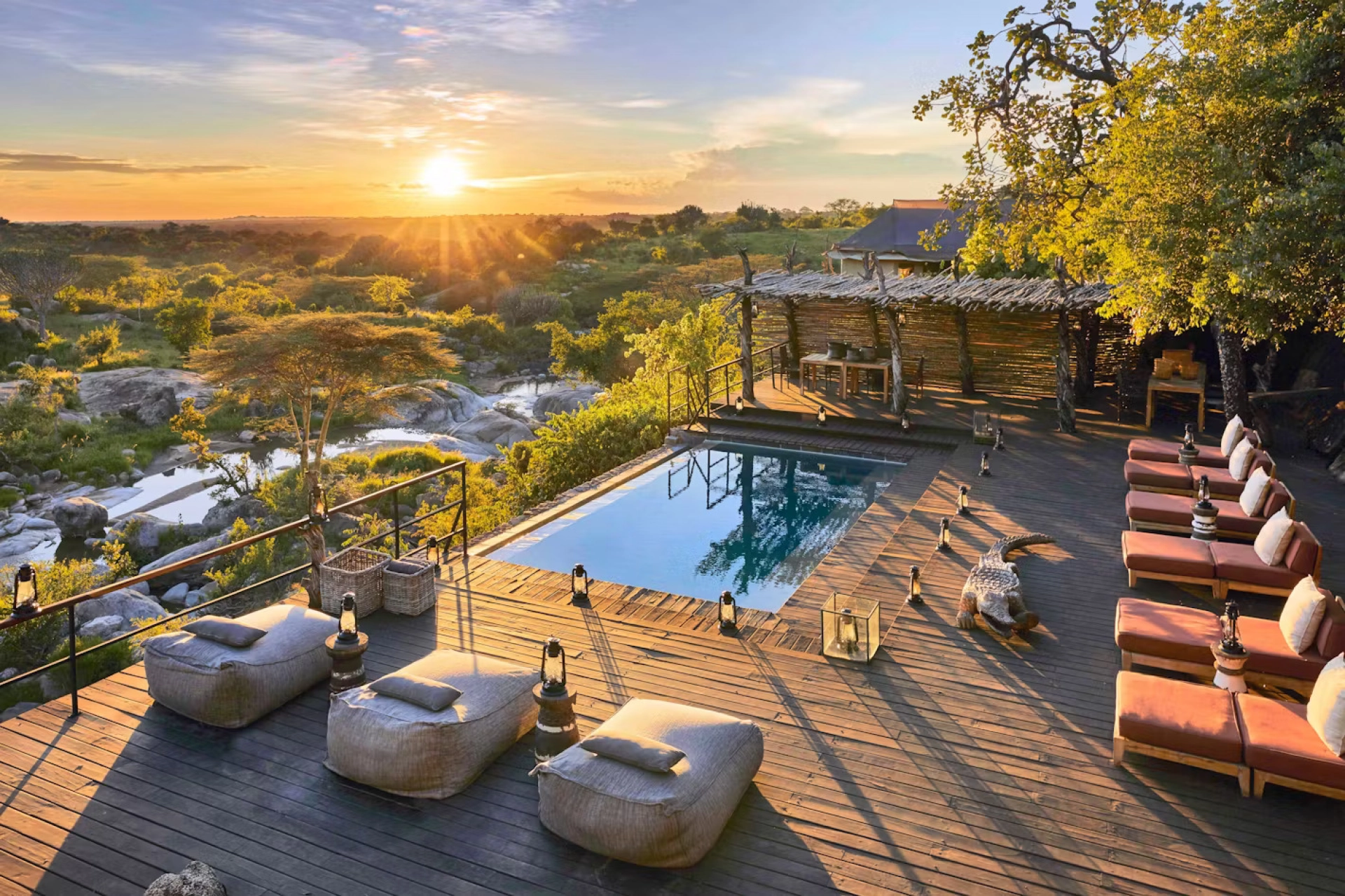
What should I look for when booking a luxury African safari?
When booking a luxury African safari, look beyond the room and compare the quality of guiding, wildlife location,…
Read article

Travel Guide
Last Updated: September 2026 Planning an African safari increasingly involves more than choosing between the Serengeti, Masai Mara, Bwindi Impenetrable National Park, Kruger National Park, Ngorongoro Crater or the Okavango Delta. Entry systems are becoming more…
Last Updated: September 2026
Planning an African safari increasingly involves more than choosing between the Serengeti, Masai Mara, Bwindi Impenetrable National Park, Kruger National Park, Ngorongoro Crater or the Okavango Delta. Entry systems are becoming more digital, some destinations have introduced additional travel requirements, conservation programs continue to shape wildlife tourism, new lodges and air connections change itinerary possibilities, and travelers increasingly want combinations that include several countries rather than a single safari destination.
That makes reliable Africa travel news increasingly important. A traveler planning a safari six or twelve months in advance may discover that entry requirements, park fees, permit prices, flight schedules or local regulations have changed by the time the journey begins. Even travelers returning to Africa after only a few years may encounter completely different immigration procedures from those they remember. The good news is that most of Africa’s leading safari destinations remain remarkably accessible when a journey is organized properly.
Uganda continues to provide some of the world’s most extraordinary mountain gorilla trekking and chimpanzee trekking experiences. Kenya remains one of the classic destinations for the Masai Mara and Great Migration. Tanzania combines the Serengeti, Ngorongoro, Kilimanjaro and Zanzibar within a single country. Rwanda provides one of Africa’s easiest high-end gorilla safari experiences, while South Africa, Botswana, Zimbabwe, Zambia and Namibia continue to offer enormously diverse Southern African safari possibilities.
This regularly updated guide brings together the most important African safari travel updates, emerging travel trends and practical planning considerations for visitors preparing to explore Africa in 2026 and beyond.
African safari travel has continued to evolve significantly. One of the clearest developments is the increasing use of digital immigration systems. Travelers who previously expected to obtain a conventional visa may now be required to complete an electronic travel authorization or online visa application before departure. At the same time, several countries continue investing in tourism infrastructure, conservation areas, airports and accommodation. Another important change is traveler behavior. Many visitors no longer want an itinerary consisting only of conventional vehicle-based game drives.
They increasingly ask for journeys that combine gorilla trekking, chimpanzee tracking, walking safaris, cultural experiences, boat safaris, hiking, birdwatching, food experiences and beach holidays. This trend favors countries such as Uganda, Kenya and Tanzania, where several very different ecosystems can be combined relatively easily. Multi-country safaris are also increasingly popular. A traveler may spend several days in Uganda trekking gorillas before flying to Kenya for the Masai Mara. Another might combine Rwanda and Uganda by road, while travelers visiting Tanzania may add Zanzibar at the end of a Serengeti safari.
Southern Africa offers similarly strong combinations linking Kruger, Victoria Falls, Chobe, Hwange and the Okavango Delta. Understanding the latest travel rules therefore matters more than ever.
Kenya remains one of Africa’s most important safari destinations. The country replaced its traditional visitor visa system with an Electronic Travel Authorisation, commonly called an eTA. As of September 2026, Kenya’s official eTA system remains the primary platform for travelers who require travel authorization before entering the country. Kenya’s Directorate of Immigration states that travelers should review exemptions carefully because nationality and residency status determine whether an eTA is required. This is particularly important because rules have evolved since the system was first introduced.
Citizens of East African Community partner states are currently exempt from Kenya’s eTA requirement for visits within the specified permitted period. Kenya’s official system lists Burundi, the Democratic Republic of Congo, Rwanda, South Sudan, Tanzania and Uganda among the East African partner states covered by this exemption. Travelers from other countries should check their current status directly through Kenya’s official eTA platform rather than relying on an old blog, social-media post or travel forum.
According to Kenya’s official eTA information, applicants may need a passport valid for at least six months beyond their planned arrival date, a passport-style photograph or selfie, contact details, information about the journey, accommodation confirmation and a payment method. Additional documentation can depend on the purpose of travel. For safari travelers, this means it is sensible to finalize at least the basic itinerary before completing the application. Your safari operator can normally provide accommodation details and travel information required for the application.
Kenya’s official eTA eligibility portal currently lists several authorization categories, including a standard eTA and other options depending on nationality and travel circumstances. Because immigration fees and categories can change, travelers should confirm the applicable amount on the official government platform when applying rather than budgeting according to older information. This is particularly important when reading older safari planning pages, as Kenyan entry procedures have changed considerably in recent years.
In practical terms, Kenya remains very straightforward for most international safari visitors. The major lesson is simply to prepare early. Do not leave travel authorization until you are already at the airport. International airlines may check that passengers meet destination entry requirements before allowing boarding. Once immigration formalities are handled, Kenya remains one of Africa’s most rewarding safari countries. Travelers can combine the Masai Mara National Reserve, Amboseli National Park, Samburu, Lake Nakuru and numerous private conservancies.
Longer itineraries can connect Kenya with neighboring Tanzania or Uganda.
The Masai Mara remains one of Africa’s strongest wildlife destinations.
Although the spectacular wildebeest migration draws enormous attention between the Serengeti and Mara ecosystems, travelers should understand that the Mara is not exclusively a migration destination. Resident populations of lions, elephants, giraffes, buffaloes, cheetahs, leopards, hyenas and other wildlife make safari rewarding at many times of year. One of the biggest trends in Kenya safari planning is increasing interest in private conservancies bordering major reserves. Conservancies can provide lower vehicle densities, night drives, walking opportunities and a different safari atmosphere from the main national reserve.
For travelers concerned about crowds during peak migration periods, combining the Masai Mara National Reserve with a conservancy can be an excellent strategy.
Tanzania remains one of Africa’s most complete travel destinations. Few countries can combine so many internationally recognizable attractions in one itinerary. Travelers can explore Serengeti National Park, Ngorongoro Conservation Area, Tarangire National Park and Lake Manyara, climb Mount Kilimanjaro and then continue to Zanzibar for an Indian Ocean beach holiday. This makes Tanzania particularly attractive for travelers who want to minimize international border crossings.
The northern safari circuit remains the country’s most popular route. Serengeti and Ngorongoro dominate most first-time itineraries, but travelers with more time should consider Tarangire and other complementary areas. One trend worth noting is increasing demand for safari accommodation in areas corresponding with particular stages of the Great Migration. Rather than staying in one central Serengeti location throughout the year, knowledgeable operators select camps according to anticipated wildlife movement. This is especially relevant for travelers whose primary objective is seeing large migration herds.
The Great Wildebeest Migration is a dynamic natural process rather than an event occurring on one guaranteed date. Rainfall influences movement. Anyone promising a specific river crossing at a predetermined hour should be viewed cautiously. A better strategy is spending several nights in the right general migration region.
Travelers adding Zanzibar to a Tanzania safari need to pay attention to the island’s entry requirements. Zanzibar operates an inbound travel-insurance system for international visitors. The official Zanzibar insurance portal currently provides individual, family and group coverage options. This is an important example of why travelers should not assume that requirements for mainland Tanzania and Zanzibar are always identical. Safari travelers planning Serengeti and Zanzibar holidays should therefore confirm both mainland entry requirements and any Zanzibar-specific requirements before departure.
Travel insurance purchased separately in a traveler’s home country does not necessarily replace requirements established by the destination authorities. Always check the official Zanzibar system before travel.
From an itinerary perspective, Tanzania remains extremely efficient. A traveler can spend a week exploring wildlife before flying to Zanzibar and immediately changing the pace of the holiday. The safari portion involves early mornings, game drives, dusty roads and constant excitement. The island portion brings warm Indian Ocean water, beaches, seafood, historic Stone Town and time to relax. This contrast makes the itinerary particularly popular with honeymooners. A Tanzania safari and Zanzibar honeymoon can combine luxury safari camps, dramatic wildlife encounters and beach relaxation without requiring travel across several African countries.
Uganda continues to strengthen its position as one of Africa’s most diverse wildlife destinations. The country is best known internationally for mountain gorilla trekking in Bwindi Impenetrable National Park, but travelers who visit only Bwindi miss much of what makes Uganda special. A longer Uganda safari can combine gorillas with: Chimpanzee trekking in Kibale National Park, game drives and the Kazinga Channel in Queen Elizabeth National Park, wildlife and Nile boat cruises in Murchison Falls National Park, walking or horseback safaris around Lake Mburo, birdwatching throughout the country and mountain adventures in the Rwenzori and Virunga regions.
Uganda is therefore increasingly attractive to travelers who want a safari containing several different activity styles rather than only traditional game drives.
Demand for Uganda gorilla trekking safaris remains strong.
Permits are issued for particular dates and trekking locations, making advance booking especially important during popular travel periods. Unlike a normal national-park entrance fee, a gorilla permit forms a central part of the trip. It determines whether a traveler can participate in the trek. For that reason, visitors should not book international flights and then assume permits will automatically be available. A more secure approach is to confirm safari dates and permit availability together.
Gorilla trekking is performed entirely on foot. After a briefing, visitors enter the forest with professional ranger guides and trackers. Treks vary in length because gorillas move naturally. When a habituated gorilla family is located, visitors are allowed a regulated viewing period under ranger supervision. The experience is very different from watching wildlife from a vehicle. You are standing inside the same forest. You hear gorillas feeding and moving through vegetation.
The facial expressions, interactions between youngsters and adults and sheer physical presence of a silverback can make the encounter surprisingly emotional.
Another major trend in East African travel is combining Rwanda and Uganda. Kigali can provide a convenient entry point for travelers visiting southwestern Uganda. Depending on the itinerary and current border formalities, travelers can land in Kigali and travel overland toward Bwindi Impenetrable National Park, Mgahinga Gorilla National Park or Lake Bunyonyi. This can significantly reduce road time for certain Uganda safari routes compared with starting in Entebbe. Longer journeys may begin in Kigali and finish in Entebbe, allowing travelers to continue north through Uganda rather than backtracking.
For travelers wanting to visit both countries, a Rwanda and Uganda safari can combine Kigali, Akagera National Park, Volcanoes National Park and Uganda’s gorilla and wildlife destinations.
Rwanda remains one of Africa’s premium gorilla trekking destinations. Volcanoes National Park offers dramatic scenery beneath the Virunga volcanoes and relatively easy access from Kigali compared with many remote primate destinations. The country’s high-end tourism model appeals especially to travelers seeking luxury accommodation and shorter itineraries. Rwanda also provides additional attractions. Akagera National Park has developed into a significant savannah wildlife destination, while Nyungwe Forest offers primate trekking and forest activities.
This allows travelers to build a full Rwanda wildlife safari rather than treating the country solely as a gorilla destination.
Travelers frequently ask whether they should trek gorillas in Uganda or Rwanda. Both are exceptional. Uganda generally appeals to travelers who want a wider and longer safari involving multiple national parks. Rwanda works particularly well for visitors prioritizing efficient logistics and premium accommodation. Another solution is doing both. A longer Uganda-Rwanda itinerary can include more than one gorilla trek, providing opportunities to experience different forest environments and gorilla families.
South Africa remains one of the easiest countries for first-time safari travelers. Its tourism infrastructure is highly developed, domestic flights connect major destinations and road networks make independent travel possible in many regions. The Kruger National Park and Greater Kruger ecosystem remain central to South Africa’s safari appeal. Travelers can choose self-drive safaris inside Kruger, guided lodge experiences or premium private reserves such as the Sabi Sand region. SANParks continues to allow day visitors in Kruger, although daily visitor thresholds can apply, especially during particularly busy periods. Advance day-visit reservations are therefore useful around public holidays and high-demand dates.
Kruger has nine main entrance gates, and national access roads to these entrances are tarred. Park and camp gate times must be respected because gates close at night. These details matter when designing self-drive itineraries. Trying to cover excessive distances inside Kruger is a common mistake. SANParks itself advises travelers not to attempt to cover too much ground and notes that slower travel and regular stops often produce better wildlife experiences.
For first-time visitors to South Africa, Kruger and Cape Town remain an excellent pairing.
Kruger provides the wildlife experience. Cape Town adds Table Mountain, the Cape Peninsula, beaches, restaurants, history and easy access to the Cape Winelands. Domestic flights make the combination straightforward. Travelers with approximately ten to fourteen days can experience both areas without excessive rushing. Those with longer holidays can add the Garden Route, Winelands or additional safari destinations.
Botswana continues to occupy a distinctive position in African safari tourism. The country’s safari model emphasizes lower visitor densities in many premium wildlife areas. The Okavango Delta remains its most iconic destination. Seasonal water spreads through channels, floodplains and islands, supporting elephants, lions, leopards, buffaloes, wild dogs, antelopes, hippos and extraordinary birdlife. Unlike conventional savannah destinations, safari experiences can incorporate boats and mokoros alongside game drives. Botswana particularly appeals to repeat safari travelers and honeymooners seeking remote luxury.
The trade-off is cost. Many Okavango camps require light-aircraft transfers and operate at relatively high nightly rates. For travelers seeking greater affordability, combining Botswana with neighboring countries can provide a good balance.
One of Southern Africa’s most efficient itineraries combines Chobe National Park in Botswana with Victoria Falls. The destinations are geographically close enough to connect without internal flights. Chobe is famous for elephants and river-based wildlife viewing. Victoria Falls adds one of Africa’s greatest natural attractions. Travelers can then continue toward the Okavango Delta or Zimbabwe’s Hwange National Park depending on available time.
Zimbabwe deserves far more attention than it sometimes receives. Hwange National Park is one of Africa’s strongest elephant destinations and provides an appealing alternative to busier safari regions. Its proximity to Victoria Falls makes route planning particularly convenient. Travelers can spend several nights in the park and then continue to the waterfall without the complicated aviation logistics required for some safari combinations. Zimbabwe is also respected for professional guiding, particularly walking safaris.
Experienced travelers who have already completed conventional Big Five safaris may find this more immersive style especially rewarding.
Zambia remains synonymous with wilderness and walking safaris. South Luangwa is internationally known for outstanding wildlife and guiding. The Lower Zambezi provides a combination of wildlife, river scenery and activities such as boating or canoe-based excursions. Livingstone provides access to the Zambian side of Victoria Falls. Zambia works particularly well for travelers seeking a less commercial safari atmosphere.
Namibia offers a radically different version of African travel.
Rather than focusing entirely on high wildlife densities, itineraries are built around enormous landscapes. Sossusvlei, the Namib Desert, Damaraland and Etosha National Park can be linked by road. Self-drive travel is particularly popular. The distances are substantial, however, and travelers should avoid designing itineraries that require driving for most of every day. Namibia rewards slow travel. Sunrise over enormous dunes and evenings beneath exceptionally clear desert skies are as important as arriving at the next lodge.
One of the most important factors in modern safari planning is aviation. Regional flights make combinations possible that would once have required enormous overland journeys. However, flight schedules do not always operate daily or at convenient times. Travelers planning multi-country journeys should therefore build the itinerary around actual air connections rather than selecting a list of destinations first. This is particularly important when combining East and Southern Africa. Flying from Uganda to Tanzania or Kenya may be relatively straightforward.
Connecting Uganda directly with a remote Southern African safari lodge can require several stages. A professional safari planner should consider this before confirming accommodation.
There is no meaningful single answer to the question, “How much does an African safari cost?” Africa contains backpacker camps, budget lodges, mid-range hotels, luxury tented camps and private villas costing dramatically different amounts. The destination matters. A private Okavango camp reached by aircraft generally costs more than an affordable road safari in Uganda. A luxury Sabi Sand lodge may cost substantially more than a self-drive stay inside Kruger. A safari involving several internal flights will usually cost more than a well-designed road itinerary.
Park fees and specialist activities also affect price. Gorilla trekking permits represent a significant additional expense, but the experience is unique. When comparing safari quotations, travelers should examine what is included rather than looking only at the final number.
Another significant travel trend is growing demand for private African safaris. Private vehicles allow itineraries to move at the traveler’s pace. Photographers can spend longer at sightings. Families can adjust schedules around children. Couples can enjoy greater privacy. Travelers interested in birdwatching can stop for species that might be ignored on a general group safari. In Uganda in particular, private road safaris can offer excellent value because the cost of a professional guide and 4×4 vehicle is divided among travelers in the booking.
Scheduled group safaris remain important for solo travelers and visitors prioritizing affordability. Shared transportation spreads vehicle and guide expenses across multiple participants. A good small-group safari can still deliver excellent wildlife experiences. The critical issue is group size. Very large groups can make wildlife photography and vehicle seating less comfortable. Travelers should confirm the maximum number of passengers and whether everyone has appropriate window access during game drives.
African wildlife tourism has traditionally been associated with lions, elephants and savannah landscapes. That is changing. Primate tourism is increasingly central to East African itineraries. Uganda is particularly strong because mountain gorilla trekking and chimpanzee trekking can be combined within one country. Kibale National Park is internationally recognized for chimpanzee experiences, while Bwindi and Mgahinga provide mountain gorilla trekking. Visitors can then add Queen Elizabeth or Murchison Falls for traditional safari wildlife.
This makes Uganda one of Africa’s best choices for travelers seeking biological diversity.
Birdwatching is no longer only an activity for specialist expedition travelers.
More mainstream safari visitors now request birding alongside mammal viewing. Uganda is particularly well positioned because of its remarkable range of habitats. Wetlands, forests, savannahs, lakes and Albertine Rift environments support extraordinary species diversity. Kenya, Tanzania, Botswana, Zambia and South Africa also provide outstanding birdwatching. The most effective strategy is telling your guide about your interest before the safari begins. A guide searching exclusively for Big Five animals may otherwise pass dozens of remarkable species.
Conservation and local economic impact are becoming increasingly important in travel decisions. Travelers ask more questions about where park fees go, how lodges employ surrounding communities and how safari operations reduce environmental pressure. The answers are complicated. No form of tourism is impact-free. International flights produce emissions, safari vehicles consume fuel and lodges require water and energy. However, responsible tourism also provides powerful economic incentives for conserving wildlife habitat. Gorilla tourism is one of the clearest examples.
Visitors pay significant permit fees for highly regulated encounters, helping make living mountain gorillas economically and politically important. Community employment around protected areas further strengthens incentives for conservation.
The most important lesson from any Africa travel news page is simple: travel information changes. Visa requirements can change. Fees change. Airline schedules change. National park regulations change. Health-entry requirements can change. Do not depend solely on a blog written months or years before your journey. Use articles like this one for planning context, then verify time-sensitive immigration and entry requirements through official government sources shortly before departure. A good safari operator should also update guests about material changes affecting their itinerary.
Travelers already considering 2027 should begin early when their journey involves scarce inventory. Examples include: Gorilla trekking permits, small luxury camps, migration-season properties, Christmas and New Year travel, family rooms and high-demand private safari lodges. Early planning does not mean every traveler needs to book years in advance. But it does provide greater choice. This is especially important when a traveler has fixed international flight dates. If travel dates are flexible, operators have more ability to design alternatives.
At Adventure in the Wild Safaris, we plan African journeys around current destination realities rather than relying on generic itineraries. Our primary expertise includes Uganda gorilla trekking safaris, Rwanda gorilla tours, chimpanzee trekking, wildlife safaris and East African combinations. We can also structure journeys that connect East Africa with other major safari regions. When entry rules, permit requirements or logistics change, the itinerary needs to reflect those realities. This is especially important for complex multi-country journeys.
A traveler combining Rwanda, Uganda, Kenya and Tanzania should not be left to independently solve border timing, permits and connections after booking. Strong safari planning removes unnecessary logistical stress so visitors can concentrate on the actual experience.
Africa’s safari industry never stands still. Entry rules evolve. New conservation initiatives reshape protected areas. Tourism infrastructure expands. Flight networks change. Travelers themselves increasingly demand more meaningful and varied journeys. Yet the fundamental reasons for visiting Africa remain unchanged. The excitement of hearing lions calling before sunrise does not depend on technology. Neither does standing quietly in Bwindi while a mountain gorilla feeds only meters away. The sight of thousands of wildebeest crossing the Serengeti, elephants gathering beside a Hwange waterhole or the Zambezi disappearing over Victoria Falls continues to inspire travelers in exactly the way Africa always has.
Good planning simply makes those experiences easier to reach. Follow reliable Africa travel news and safari updates, confirm current entry requirements before flying and design an itinerary that gives each destination enough time. Do that, and Africa remains one of the world’s greatest travel experiences.
Get quick answers to the most common questions. If you still have questions, our safari experts are here to help.
Yes. Africa’s major safari destinations continue welcoming international travelers. Entry requirements differ between countries, so travelers should confirm destination-specific immigration rules before departure.
Kenya uses an electronic travel authorization system for travelers who require authorization, while several categories of travelers are exempt. Requirements depend on nationality and status, so use the official Kenya eTA website for confirmation.
Kenya’s official information currently lists Ugandan citizens among East African Community partner-state citizens exempt from the eTA requirement for the applicable permitted stay.
Zanzibar operates an official inbound travel-insurance program for international visitors. Travelers should confirm current requirements and obtain the applicable coverage before travel.
Established gorilla trekking takes place under the management of wildlife authorities and ranger teams. Travelers should follow current official destination advice and their safari operator’s guidance when planning.
Book as early as practical when dates are fixed, particularly during popular travel periods. Permit availability is limited for each trekking date.
Yes. Uganda and Kenya make an excellent multi-country combination, connecting gorilla and chimpanzee experiences with classic savannah wildlife destinations such as the Masai Mara.
Yes. Rwanda and southwestern Uganda are geographically close, making overland combinations particularly practical.
Yes. It is one of Africa’s most popular safari-and-beach combinations.
Yes. Kruger has a substantial road network and nine entrance gates, making it one of Africa’s most established self-drive safari destinations.
There is no universal best destination. Uganda is exceptional for gorillas and primates, Tanzania for the Serengeti and Ngorongoro, Kenya for the Masai Mara, South Africa for Kruger and private reserves, Botswana for the Okavango Delta and Zimbabwe for Hwange and Victoria Falls combinations.
Some destinations and premium safari camps have become expensive, but Africa continues to offer safari experiences across several price categories. Choosing road travel, mid-range accommodation and intelligently routed itineraries can control costs.
For simple city stays, independent booking may work well. For complex safaris involving permits, park logistics, private vehicles and several destinations, an experienced local operator can significantly simplify planning.
Our safari experts are here to help you plan your safari. Get personalized advice, the latest information and a free, no-obligation quote.
We typically reply within a few hours.

Share This Article
When booking a luxury African safari, look beyond the room and compare the quality of guiding, wildlife location,…
Read article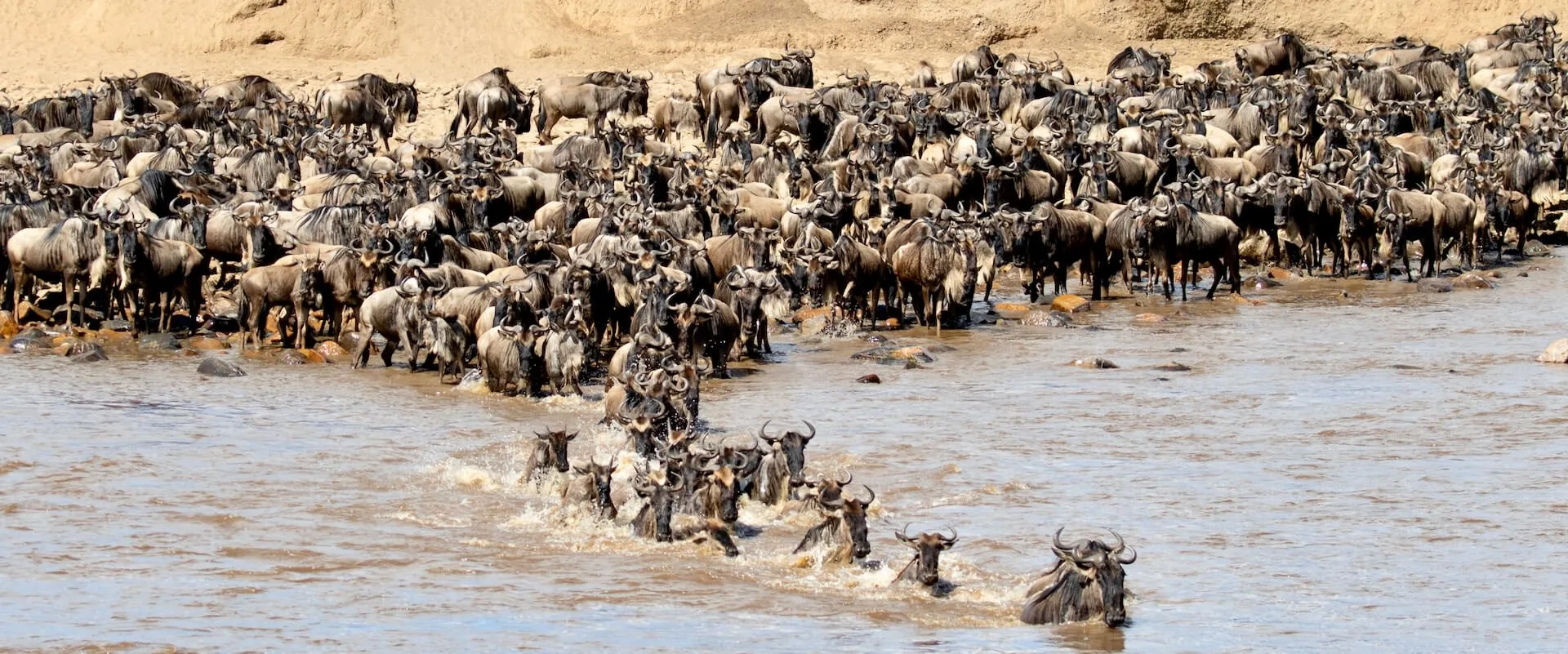
The Great Migration in Africa happens all year because the herds continuously circulate through the Serengeti–Mara ecosystem in…
Read article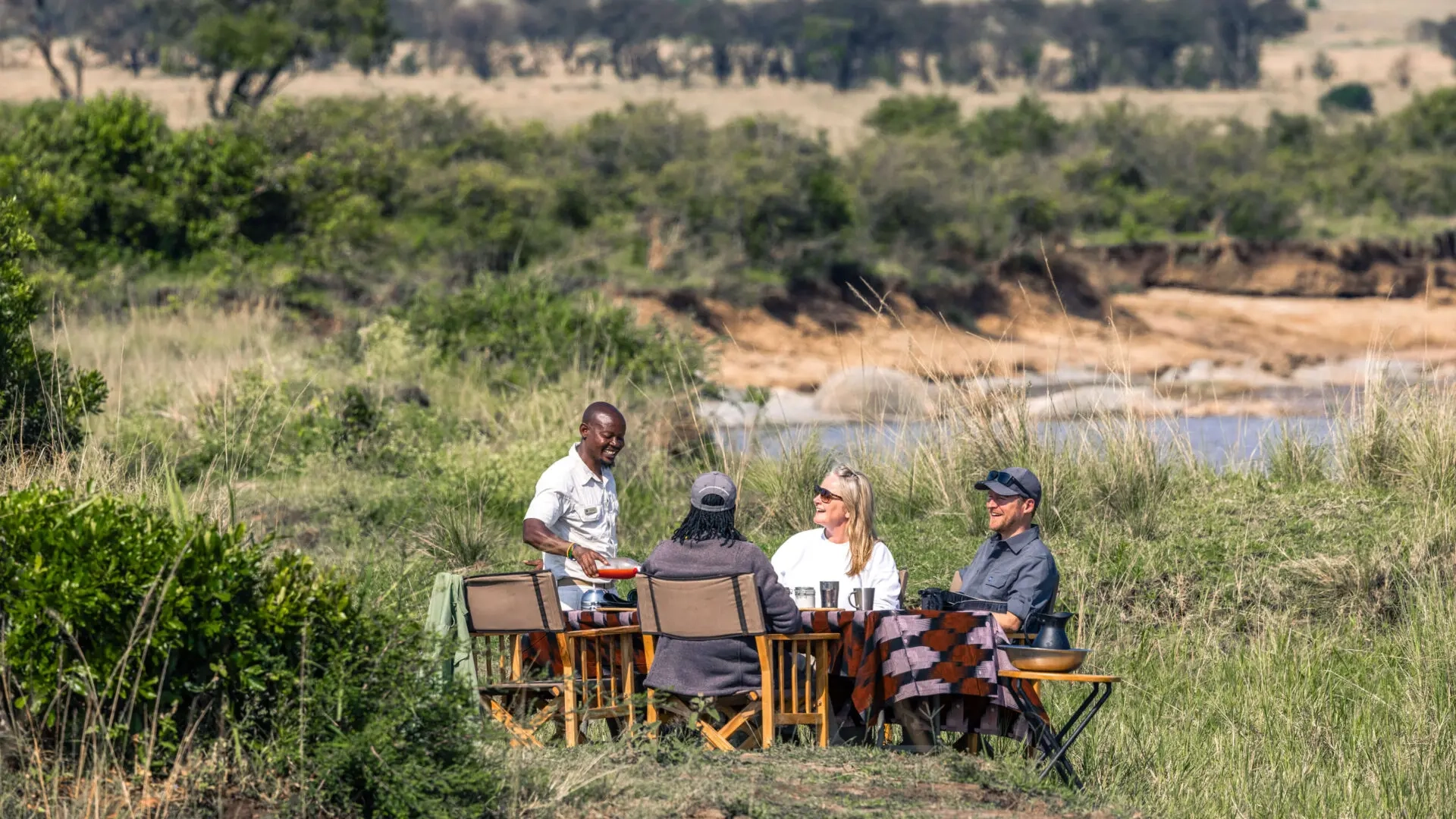
Definitive answer: A picnic lunch on safari is a packed or catered midday meal eaten at an approved…
Read article
Definitive answer: A bush dinner is an outdoor evening meal arranged in a safe safari setting away from…
Read articleLet us take you closer to the wildlife, people and places that make Africa extraordinary.
Plan Your Safari Today