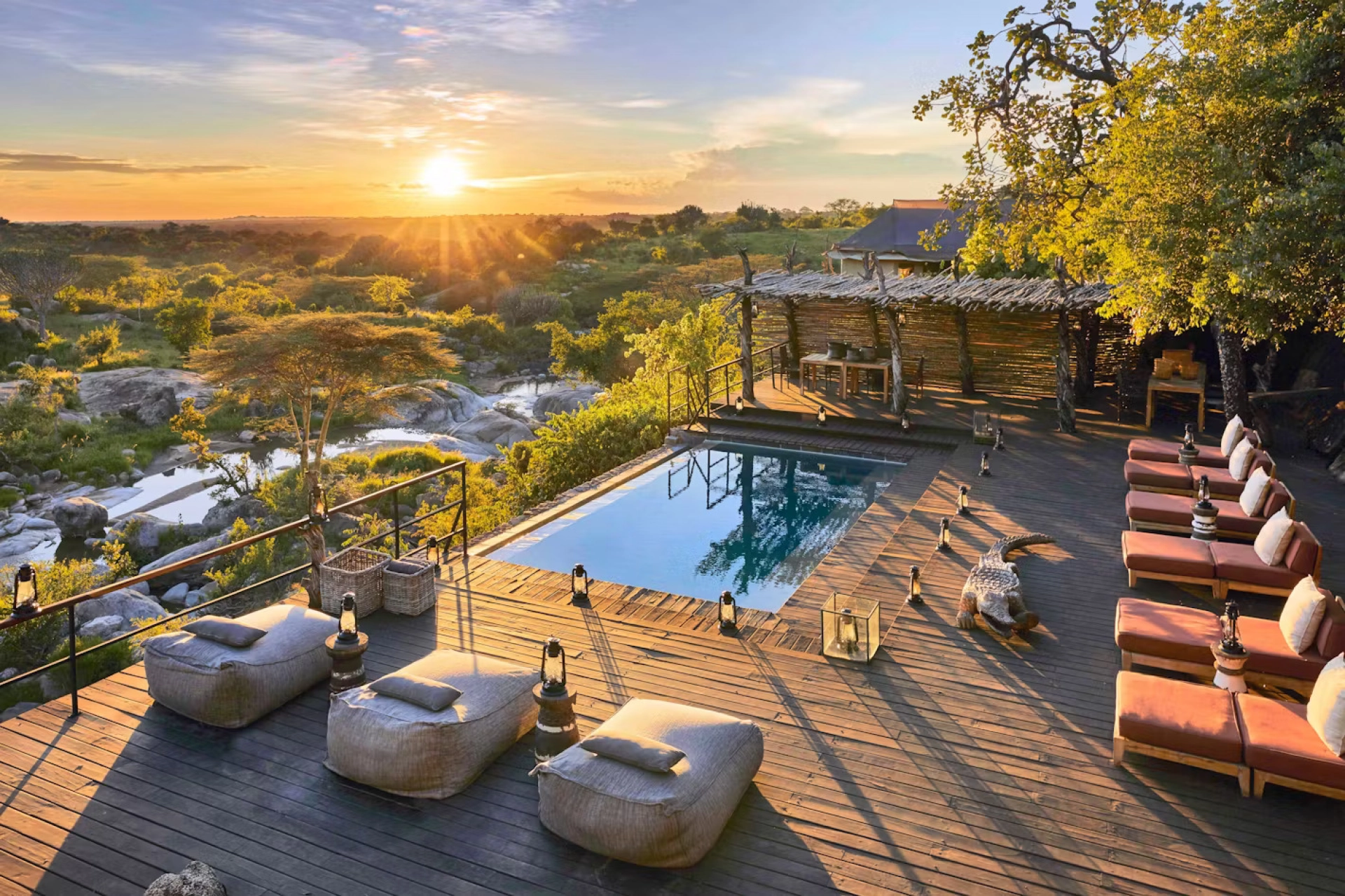
What should I look for when booking a luxury African safari?
When booking a luxury African safari, look beyond the room and compare the quality of guiding, wildlife location,…
Read article

Travel Guide
The African safari is changing. Travellers still dream about lions on open plains, elephants crossing dusty tracks, mountain gorillas emerging through misty rainforest and enormous herds of wildebeest moving through the Serengeti-Mara ecosystem, but the way…
The African safari is changing. Travellers still dream about lions on open plains, elephants crossing dusty tracks, mountain gorillas emerging through misty rainforest and enormous herds of wildebeest moving through the Serengeti-Mara ecosystem, but the way people plan those experiences is becoming noticeably different. The most important African safari trends in 2026 are not simply about which national park is receiving the most attention. They reflect a broader shift toward journeys that are more personalised, more experience-rich, more geographically intelligent and more conscious of the relationship between tourism, wildlife conservation and local communities.
The traditional safari formula was relatively straightforward: select a famous destination, stay in a comfortable lodge, spend several days on game drives and return home with photographs of the Big Five. That remains an excellent holiday for many travellers, but a growing number of visitors now want something deeper. They want to walk through tropical rainforest in search of chimpanzees, trek mountain gorillas, photograph shoebills in wetlands, follow the Great Wildebeest Migration, spend time in private conservancies, combine wildlife with cultural encounters, include meaningful walking experiences, slow down at a beautiful lodge and understand why the landscapes they are visiting matter ecologically.
This is one reason Uganda safari holidays, Rwanda gorilla safaris, Kenya wildlife safaris, Tanzania safari tours, Botswana journeys and multi-country East African itineraries continue to attract travellers with very different budgets and interests. The modern question is no longer simply, “Where can I see the Big Five?” It is increasingly, “What combination of experiences will make this safari different from every other holiday I have taken?” That question is reshaping safari planning.
One of the strongest trends in contemporary safari travel is the movement away from destination collecting toward experience-led safari planning.
A traveller may begin by saying they want to visit Uganda. After a deeper conversation, however, their real priorities may be mountain gorilla trekking, chimpanzees, bird photography and a few days of savannah wildlife. Another traveller may initially ask for Kenya but reveal that their true dream is to see enormous elephant herds beneath Mount Kilimanjaro and spend several days photographing predators. A third may request Tanzania because of the Serengeti but actually be most interested in the wildebeest calving season rather than the country in general.
Good safari planning therefore increasingly begins with wildlife and experiences before geography. This is a significant improvement.
Africa’s best safari destinations are extraordinarily different. Bwindi Impenetrable National Park cannot be meaningfully compared with the Serengeti by asking which has “better wildlife.” One protects dense montane rainforest and some of the world’s remaining mountain gorillas. The other is famous for immense open ecosystems, predators and migrating herbivores. Botswana’s Okavango Delta adds water-based wilderness. Namibia contributes desert-adapted landscapes. South Africa combines excellent wildlife infrastructure with Cape Town and wine country.
The most satisfying safari therefore matches the destination to the traveller rather than forcing every traveller into the same famous circuit.
Uganda is increasingly compelling because it combines experiences that would require several countries elsewhere. The country’s international reputation is built around gorilla trekking in Bwindi Impenetrable National Park and Mgahinga Gorilla National Park, but limiting Uganda to gorillas seriously understates its potential.
A well-designed Uganda wildlife safari can include chimpanzee trekking in Kibale National Park, savannah game drives in Queen Elizabeth National Park, boat safaris on the Kazinga Channel, the Nile and Murchison Falls, rhino tracking at Ziwa Rhino Sanctuary where available under current operations, birding across multiple ecosystems and relaxed time around Lake Bunyonyi or other scenic regions.
This combination is increasingly relevant to travellers who want more than vehicle-based wildlife viewing.
Few wildlife experiences create the emotional intensity of mountain gorilla trekking in Uganda. The experience begins long before a gorilla appears. Travellers wake early in southwestern Uganda, often surrounded by mist-covered hills. After briefing, they enter dense forest with trained guides and trackers. The trek may involve steep terrain, tangled vegetation, mud and changing weather. The gorillas themselves determine how long the search takes because they are wild animals moving through their natural habitat.
Then the forest changes. A guide may point toward broken vegetation. A dark shape appears. Suddenly the entire journey across Africa has narrowed to a few metres of rainforest. This is precisely the type of immersive wildlife encounter increasingly sought by travellers who have already experienced conventional game drives.
Uganda gorilla safaris also work exceptionally well as part of a broader East African itinerary. A visitor can trek gorillas and chimpanzees in Uganda before continuing to Kenya or Tanzania for open-plains wildlife. The contrast between rainforest primates and savannah predators creates a much richer journey than simply adding more days of similar game drives.
Chimpanzees are increasingly moving from optional activity to core safari objective. Chimpanzee trekking in Kibale National Park provides a dramatically different experience from gorilla trekking. Chimpanzees can be highly mobile. Their vocalisations travel through the forest. Individuals may feed high in the canopy, descend rapidly and move through vegetation with surprising speed. The experience feels dynamic. For travellers interested in animal behaviour, the combination of gorilla and chimpanzee trekking in Uganda is extraordinary because it allows observation of two of humanity’s closest living relatives in very different social and ecological contexts.
Kibale also fits naturally into a western Uganda safari route with Queen Elizabeth and Bwindi, reducing the need for awkward backtracking.
Birding is another area where Uganda has enormous potential. The country sits at an ecological crossroads incorporating East African savannah, wetlands, tropical forest and Albertine Rift habitats. This creates exceptional species diversity. The shoebill has become one of Uganda’s most recognisable specialist wildlife attractions. Searching for this prehistoric-looking wetland bird around Mabamba can provide an unforgettable beginning or conclusion to a safari.
Yet a serious Uganda birding safari goes far beyond one species. Kibale, Bwindi, Queen Elizabeth, Murchison Falls, Lake Mburo and numerous wetlands support dramatically different bird communities. Birding also fits another major safari trend: slower observation. Instead of racing from one famous mammal to another, birders read habitats, listen to calls and spend time understanding ecological detail.
Rwanda remains one of Africa’s most recognisable gorilla destinations. Volcanoes National Park gorilla trekking can be incorporated into a relatively compact itinerary, particularly for travellers arriving through Kigali. The country’s road network and geographical scale make it attractive to visitors with limited time. A traveller may spend time in Kigali before continuing toward the Virunga highlands for gorillas and golden monkeys. Longer itineraries can add Akagera National Park for savannah wildlife and Nyungwe for forest experiences.
The strength of Rwanda lies partly in this concentration. A visitor does not need several weeks to create a varied itinerary.
Rather than treating Uganda and Rwanda as competitors, many travellers increasingly view them as complementary. A Uganda and Rwanda safari can use Kigali as an arrival or departure point while incorporating southwestern Uganda. Travellers can trek gorillas in Uganda, experience golden monkeys in Rwanda, visit Volcanoes National Park or add Akagera according to time and budget. This is particularly useful for travellers interested in primates rather than a conventional long savannah circuit.
Route design is crucial. Cross-border journeys should be planned around realistic driving times, immigration procedures and permit locations rather than simply counting countries.
Kenya remains one of the world’s great safari destinations. The Masai Mara alone has enough international recognition to define many travellers’ image of Africa: golden grass, acacia silhouettes, lions, cheetahs, elephants and migrating wildebeest. But modern Kenya safari travel is becoming broader than the Mara. Travellers increasingly combine famous reserves with private and community conservancies, Amboseli, Laikipia, Samburu, Tsavo, Lake Nakuru and the Indian Ocean coast.
This allows Kenya to offer both classic safari imagery and increasingly diverse itinerary styles.
One of the most important changes in safari planning is recognition that the Masai Mara safari is valuable even when migration herds are not at their seasonal peak. The ecosystem supports substantial resident wildlife. Predators do not disappear when migrating wildebeest move south. Lions remain. Cheetahs hunt resident prey. Elephants cross the plains. Giraffes browse. Birdlife remains diverse. This makes the Mara a year-round wildlife destination rather than a park that exists solely for July-to-October river-crossing tourism. Travelling outside the busiest migration period can also produce a different atmosphere. Visitor density may be lower. Rates may change.
Green landscapes can transform photography. For travellers interested in best-value Kenya safaris, seasonality deserves serious consideration.
Private and community conservancies have become a significant part of the Kenyan safari proposition. They can provide lower vehicle densities and, depending on the conservancy and current rules, experiences such as walking or night drives that may differ from those available in neighbouring national reserves. The conservation model is also important. Tourism revenue can help create economic value for maintaining wildlife habitat outside conventional protected areas. This is especially significant in ecosystems where wildlife historically moved across large landscapes rather than remaining inside administrative boundaries. For travellers, the result can be a more intimate safari.
For conservation, the potential value lies in keeping additional land compatible with wildlife.
Amboseli National Park remains one of Africa’s most photogenic wildlife destinations because of the possibility of seeing elephants within a landscape dominated by Mount Kilimanjaro when conditions are clear. This highlights another safari trend: travellers increasingly care about the setting of a sighting, not merely the species. An elephant photograph can be taken in many African parks. An elephant beneath Kilimanjaro communicates a specific place. A giraffe against Samburu’s dry northern landscape tells a different story from a giraffe in the Mara.
Modern safari photography increasingly values these environmental compositions.
Tanzania remains central to global safari travel because of the scale and quality of its northern wildlife circuit. Serengeti National Park, Ngorongoro, Tarangire and Lake Manyara can be combined into a remarkably coherent journey. The country also offers southern and western safari regions for travellers seeking different experiences. For first-time visitors, however, the Serengeti remains the major attraction.
Travellers are gradually becoming more informed about the Great Wildebeest Migration. The old idea that the migration “happens” for several weeks when animals cross from Tanzania into Kenya is increasingly being replaced by a more accurate understanding. The migration is a continuous annual cycle. During the early part of the year, large herds are associated with the southern Serengeti and Ndutu region, where calving creates one of Africa’s most dramatic wildlife periods.
As grazing conditions change, the herds move. Western and central regions become important. Later, northern Serengeti and the wider Mara ecosystem attract attention because of potential river crossings. Eventually, rainfall encourages movement south again. This understanding allows travellers to choose the phase that interests them rather than simply competing for peak-season accommodation.
The Serengeti calving season is particularly attractive to photographers and wildlife enthusiasts. Large numbers of young wildebeest create a landscape filled with behavioural interactions. Predators naturally respond to prey availability. The plains can be intensely green. Clouds and seasonal storms add drama to photography. This challenges the assumption that safari is always best when Africa looks dry and dusty. For some photographers, green-season Tanzania is visually superior.
Tarangire National Park has increasingly become a destination travellers want to experience properly rather than a brief stop before the Serengeti. Its baobabs, elephants and seasonal wildlife concentrations create a distinctive environment. The landscape is immediately recognisable. This is important because multi-park itineraries become much stronger when each destination adds something different. A safari should not simply repeat the same experience in a different administrative park.
One of the most important African safari travel trends is the increasing popularity of itineraries designed around experiences across borders. Uganda, Rwanda, Kenya and Tanzania complement one another exceptionally well. A traveller can begin with gorilla trekking in Uganda, add chimpanzees in Kibale, fly to the Serengeti for the Great Migration and finish on Zanzibar. Another can begin in Kigali, cross into Bwindi, continue through Uganda and fly onward to Kenya.
The key is not the number of passport stamps. It is ecological contrast. Rainforest. Savannah. Wetland. Mountain. Beach. When those environments are combined intelligently, the safari feels like a journey through Africa’s diversity rather than a race through countries.
Another major trend is slower safari pacing. For years, safari itineraries were often marketed according to how many destinations could be squeezed into a fixed number of days. Seven days might contain five different parks. Ten days might involve almost daily lodge changes. This creates impressive-looking itineraries but can produce exhausting holidays. Travellers increasingly recognise the value of staying longer. Three nights in one wildlife area provide more than simply an additional night of accommodation. They create additional mornings and evenings.
They allow guides to explore different habitats. They reduce the pressure to see everything on the first game drive. They provide time to enjoy the lodge. They also reduce the proportion of the holiday spent packing luggage and driving between destinations. Slow safari travel can therefore be both more relaxing and more productive for wildlife observation.
Private safaris remain especially attractive for couples, families, photographers and small groups. A private African safari allows the itinerary to be shaped around individual interests. Birders can stop for birds without worrying about other passengers. Photographers can spend longer with a subject. Families can adjust the pace. Couples can choose when to stop for lunch. Travellers interested in culture can allocate more time to community experiences. The guide also learns the guests’ preferences.
By the third or fourth day, a good guide understands whether they would rather spend forty minutes photographing a leopard or continue searching for elephants. That continuity is difficult to replicate when guides and vehicles change constantly.
At the same time, small-group African safaris remain essential for solo travellers and budget-conscious visitors. Safari transport is expensive because a 4×4 vehicle, fuel and professional driver-guide represent significant fixed costs. When several travellers share those costs, the per-person price falls. This is especially important on gorilla and primate itineraries where permit costs already represent a substantial part of the trip budget.
The best group safaris balance affordability with group size. A vehicle packed beyond comfortable wildlife-viewing capacity may be cheaper but can undermine the experience. Value should therefore be measured in relation to viewing quality as well as price.
One of the most significant market developments is the strength of the mid-range African safari. Travellers increasingly realise that an extraordinary wildlife experience does not require a private plunge pool and ultra-luxury lodge. A well-located mid-range property can provide comfortable beds, hot showers, good meals, friendly service and excellent access to the same wildlife areas. The money saved can be used for additional nights, another destination, a second primate activity or domestic flights that improve the itinerary.
This changes the meaning of safari value. The cheapest itinerary is not always best. The most luxurious itinerary is not automatically best. The strongest value often lies in allocating money where it changes the experience.
Experienced travellers increasingly pay attention to geography. A beautiful lodge positioned far outside the wildlife area can require lengthy daily transfers. A simpler lodge located strategically may provide more time in the park. This is particularly important around destinations where access gates, permit briefing points or seasonal wildlife concentrations matter. For gorilla trekking in Bwindi, the correct sector matters enormously because permits are linked to specific trekking arrangements. For the Serengeti, seasonal camp location can influence access to migration concentrations. For Kibale, accommodation location affects the morning transfer to chimpanzee activities. For the Mara, staying in or near the relevant ecosystem changes daily logistics.
Safari accommodation should therefore be chosen on a map before being chosen from photographs.
The African green season was once marketed mainly as the cheaper alternative to peak safari months.
That perception is changing. Rain transforms landscapes. Grass becomes vivid. Dust disappears. Cloud formations create dramatic backgrounds. Many animals give birth during broader seasonal periods. Birdlife can be outstanding. Photographers gain colour and atmosphere. Rain also does not necessarily mean continuous rainfall from morning to evening. Conditions vary enormously by region. The green season is therefore increasingly selected
Shoulder seasons can offer one of the strongest combinations of wildlife, price and visitor density. The exact months vary between countries and ecosystems. The principle is more important than the calendar. Instead of automatically booking the most famous peak month, travellers compare what they actually gain from peak-season pricing.
If the priority is gorilla trekking rather than perfect dry-season weather, a shoulder period may work extremely well. If the goal is general Mara wildlife rather than a specific migration event, travelling outside the busiest weeks may improve both price and atmosphere. Shoulder-season African safaris reward travellers who understand that wildlife does not disappear when lodge rate seasons change.
Combining safari with beach time remains extremely popular. After early mornings, dusty roads and wildlife tracking, several days beside the Indian Ocean provide a natural change of pace. Tanzania pairs easily with Zanzibar beach holidays. Kenya can combine with Diani, Watamu or other coastal destinations. Southern African safaris can connect with Mozambique, Mauritius or Seychelles depending on routing and budget. The trend is toward designing the beach component as part of the itinerary from the beginning. This matters because wildlife and beach seasonality do not always align perfectly.
An increasingly attractive combination is Uganda gorilla trekking and Zanzibar. Travellers experience some of Africa’s most intense rainforest wildlife before flying toward the Indian Ocean. The contrast is enormous. Bwindi is cool, green, mountainous and physically active. Zanzibar is tropical, coastal and relaxing. For honeymooners, this combination can be particularly effective because it blends adventure and rest without requiring a long conventional game-drive safari.
Families increasingly reject generic adult itineraries with children added as an afterthought. A good family safari in Africa considers age, attention span, drive time, swimming opportunities, meal flexibility and activity restrictions. Teenagers may love gorilla trekking if they meet current age requirements. Younger children may respond better to shorter game drives and lodges with space to relax.
A family safari should also include educational elements. Tracks, dung, insects, birds and animal behaviour can be more engaging to children than simply sitting in a vehicle waiting for another lion.
Safari is particularly well suited to multi-generational families because experiences can be shared across ages. Grandparents, parents and children can watch elephants together. However, physical ability varies. The trend toward multi-generational African safaris therefore increases demand for flexible itineraries. One family member may trek gorillas while another undertakes a gentler forest or community activity. Some guests may choose a morning game drive while others remain at the lodge. Private vehicles and carefully selected accommodation become particularly valuable.
Solo travel presents a special challenge because many safari costs are vehicle-based rather than room-based. Yet more travellers are willing to visit Africa alone. Small-group departures help make solo African safaris more affordable. Gorilla trips are particularly suitable because the trekking experience itself occurs in ranger-led groups even when the wider safari is private. Solo travellers should compare single supplements, vehicle-sharing options and fixed-departure programmes rather than assuming safari requires a companion.
Modern camera technology has made wildlife photography accessible to more travellers, but serious photographers increasingly understand that equipment alone does not create strong images. Vehicle position matters. Light matters. Time matters. Guide quality matters. A photographic safari in Africa may therefore use fewer guests per vehicle and allocate longer periods to individual sightings.
Photographers may
Another trend is the desire to leave the vehicle. Walking changes the scale of safari. Elephant tracks become enormous. Termite mounds become interesting. Plants matter. Wind direction matters. A distant antelope suddenly feels meaningful because the traveller has encountered it on foot. Walking safaris are available in various African destinations under different operational frameworks and should always be conducted with properly qualified guides where required. For travellers combining safari with gorilla or chimpanzee trekking, the active element becomes even stronger.
Travellers increasingly question staged cultural tourism. They want encounters that are respectful, transparent and beneficial to host communities. This creates pressure for safari operators to move beyond superficial village visits. A meaningful cultural safari experience should help visitors understand contemporary life as well as traditions. Communities are not museum exhibits. People use smartphones, run businesses, attend school and participate in modern economies while also maintaining cultural practices. Responsible tourism recognises both realities.
Travellers increasingly ask where park fees go, how lodges interact with communities and what tourism contributes to wildlife protection. This is a positive development. African wildlife does not survive simply because tourists enjoy seeing it. Protected areas require management. Rangers require funding. Habitats require protection. Human-wildlife conflict must be addressed. Wildlife corridors need space. Tourism can contribute economically to these systems. The conservation safari therefore becomes more than an environmental marketing phrase when travellers understand the relationship between their visit and the landscape.
Another important trend is growing awareness that not every close encounter is a good encounter. Responsible guides maintain appropriate distance. Vehicles should not pressure animals unnecessarily. Wildlife should not be fed. Sensitive species should not be surrounded simply for photographs. Drone use is regulated or prohibited in many protected areas and should never be assumed to be permitted. The quality of a safari should be measured partly by how little the animals need to change their behaviour because tourists are present.
Some safari properties and operators are experimenting with electric vehicles, solar power, reduced plastic use and other lower-impact operational systems. These innovations remain unevenly distributed and should not be exaggerated into claims that safari has become environmentally impact-free. Long-haul flights, vehicle transport and lodge infrastructure all have environmental costs. The meaningful trend is toward measuring and reducing impacts rather than pretending they do not exist.
Safari travellers arrive with more information than ever. They watch wildlife documentaries. They follow guides on social media. They compare lodges online. They examine satellite maps. They read park regulations. This creates both opportunities and problems. Better-informed travellers ask stronger questions. But social media can also create unrealistic expectations. A sixty-second video containing a leopard hunt, river crossing and lion encounter may represent weeks of filming. Real safari includes quiet periods. It includes searching.
That is part of the experience.
The Big Five remain popular, but sophisticated travellers increasingly appreciate ecological diversity. A shoebill can become more memorable than another lion. A golden monkey can be more exciting than a buffalo. A chameleon found during a forest walk may become the photograph everyone remembers.
A birding safari, primate trek or walking experience can reveal aspects of Africa missed by visitors focused solely on famous mammals. This broader curiosity is one of the healthiest trends in safari tourism.
Despite all these trends, the core attraction remains unchanged. Wildlife is unpredictable. Landscapes are powerful. Good guides matter enormously. Early mornings are often worth the effort. Patience produces better encounters. No technology can replace the moment an elephant walks silently across the road in front of you. No luxury feature can guarantee a leopard. No itinerary can schedule a gorilla’s behaviour. Safari remains compelling precisely because nature retains control.
Major trends include experience-led safari planning, gorilla and chimpanzee combinations, slower itineraries, private safaris, small-group travel, conservancy experiences, green-season travel, specialist photography, family safaris and greater interest in conservation.
There is no single destination suitable for everyone. Uganda is particularly strong for primates and multi-experience itineraries, Tanzania for the Serengeti and Great Migration, Kenya for classic savannah and conservancies, Rwanda for compact high-end primate travel, and southern Africa for a wide range of wilderness styles.
Yes. A Uganda safari can combine gorillas, chimpanzees, savannah wildlife, boat safaris, birding and diverse landscapes within one country.
Absolutely. Both countries support substantial resident wildlife. The migration is an additional ecological spectacle rather than the only reason to visit.
Private safaris provide more flexibility. Group safaris can provide substantially better value, particularly for solo travellers. The best option depends on budget and travel style.
Yes. Green-season safaris can provide lush landscapes, excellent birding, dramatic photography and potentially attractive accommodation pricing.
Gorilla trekking remains one of Africa’s most sought-after specialist wildlife experiences. Travellers should therefore plan permits early, particularly around preferred dates.
Yes. Uganda and Tanzania safaris and Uganda and Kenya safaris create excellent rainforest-and-savannah combinations.
At Adventure in the Wild Safaris, we believe the strongest modern safari is not the itinerary containing the greatest number of parks. It is the itinerary where every destination has a purpose. If your priority is primates, we can build around Bwindi gorilla trekking, Kibale chimpanzees and golden monkeys. If you want classic savannah, Kenya or Tanzania can take greater emphasis.
If you want both, a multi-country journey can combine Uganda’s forests with the Serengeti or Masai Mara. If budget matters, the itinerary can use carefully chosen mid-range accommodation, sensible routing and appropriate travel seasons rather than simply removing important experiences. If comfort matters more than cost, domestic flights and high-end lodges can reduce travel fatigue. If photography is the priority, the number of passengers per vehicle, seasonal light and time at sightings become central planning decisions.
The safari should be designed around you.
The most important African safari trend is not a new lodge, new destination or social-media-famous animal. It is a change in how travellers define a successful safari. Success is becoming less about saying, “I visited five parks.” It is becoming more about saying, “I understood what I was seeing.” Travellers want to know why wildebeest move. Why chimpanzees vocalise. Why mountain gorillas live where they do. Why elephants concentrate around particular water sources.
Why conservancies matter. Why tourism revenue matters. Why green season changes the landscape. Why a good guide sometimes turns off the engine and simply waits. This deeper form of safari is good for travellers because it produces more meaningful journeys. It can also be good for conservation when tourism rewards intact landscapes, responsible operators and wildlife protection. Africa does not need to become more spectacular. It is already spectacular. The opportunity in 2026 is to experience it more intelligently. Choose fewer destinations if that creates more time. Travel outside peak season when it suits your interests. Consider primates as well as predators.
Look at birds. Walk where appropriate. Listen to guides. Spend time with communities respectfully. Allow wildlife to remain wild. And build a safari around experiences you will remember rather than a checklist you can complete. That is where African safari travel is heading—and it is creating some of the most exciting journeys the continent has ever offered.

Share This Article
When booking a luxury African safari, look beyond the room and compare the quality of guiding, wildlife location,…
Read article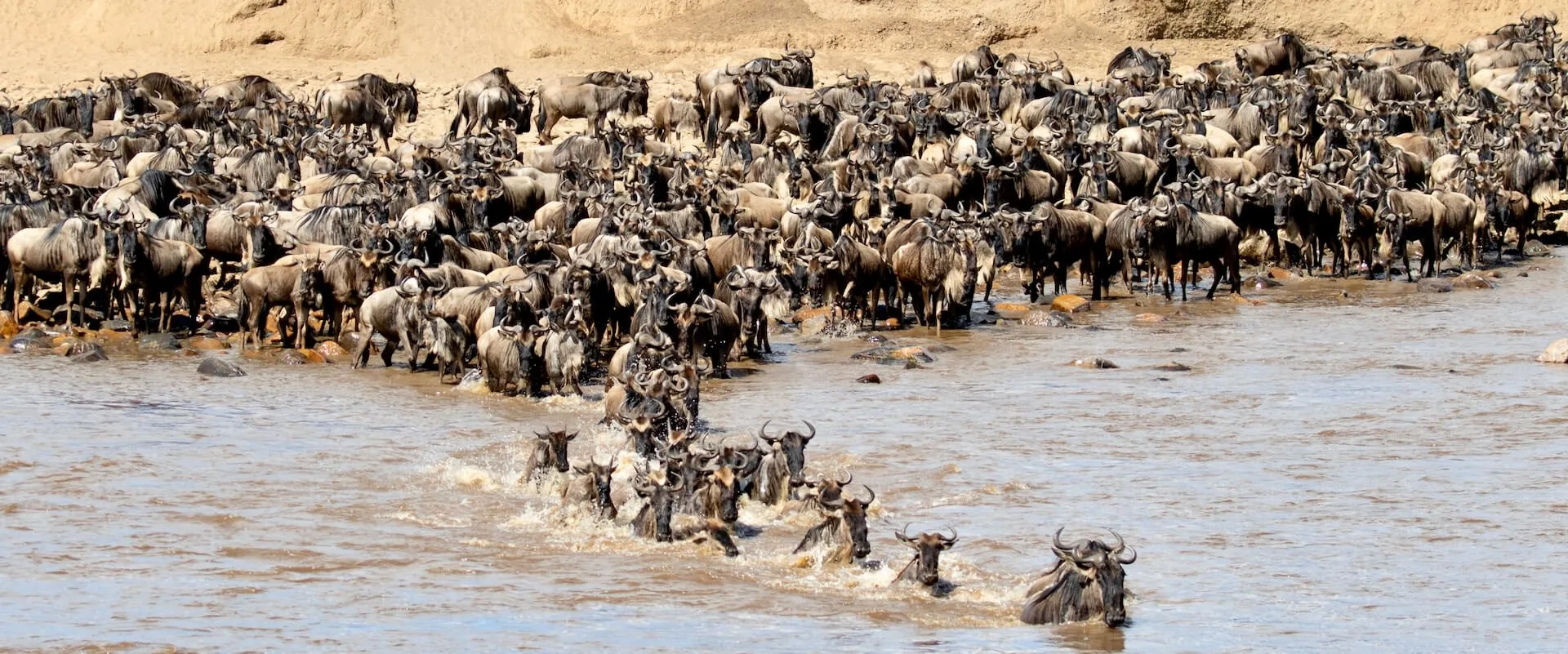
The Great Migration in Africa happens all year because the herds continuously circulate through the Serengeti–Mara ecosystem in…
Read article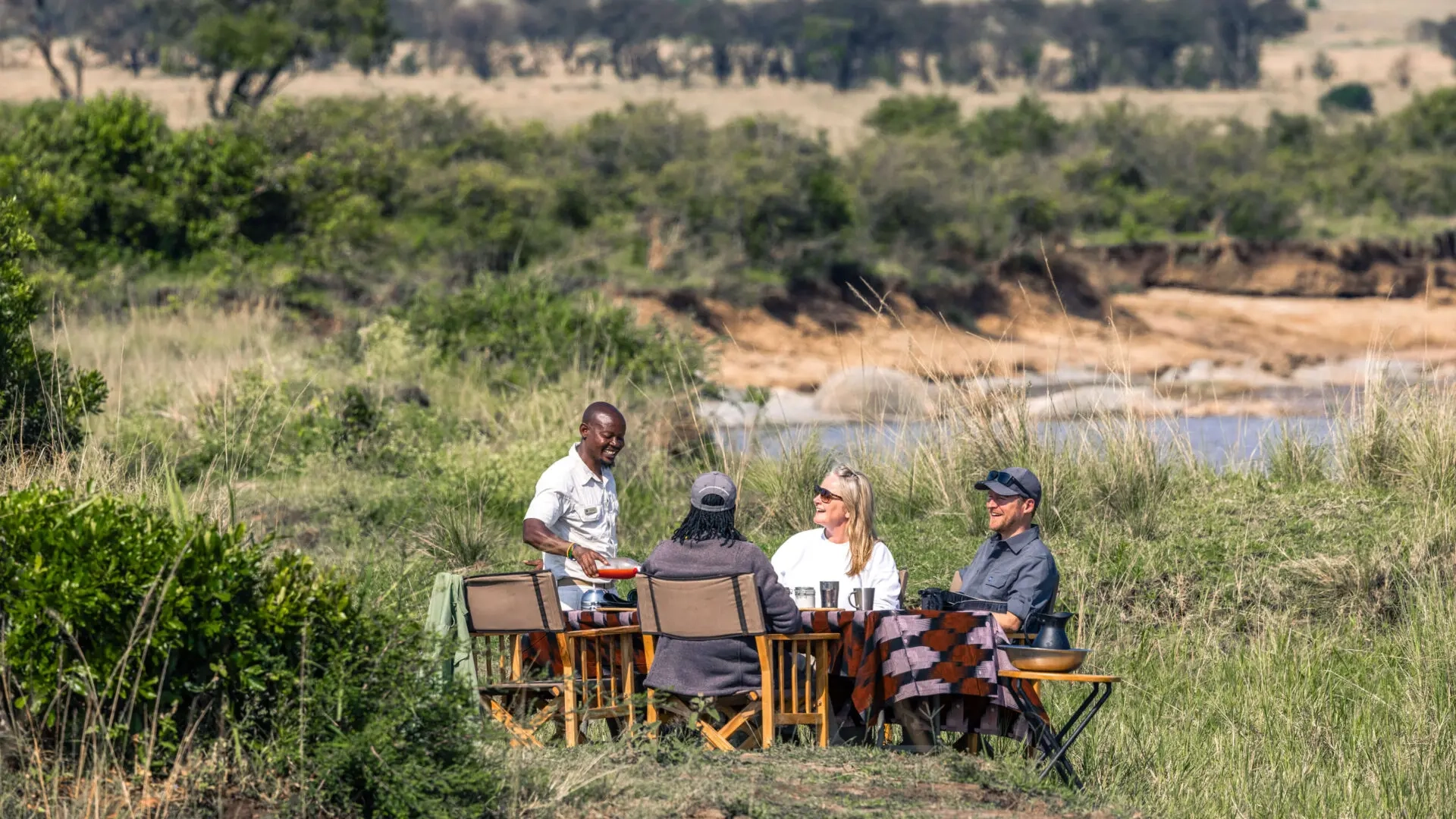
Definitive answer: A picnic lunch on safari is a packed or catered midday meal eaten at an approved…
Read article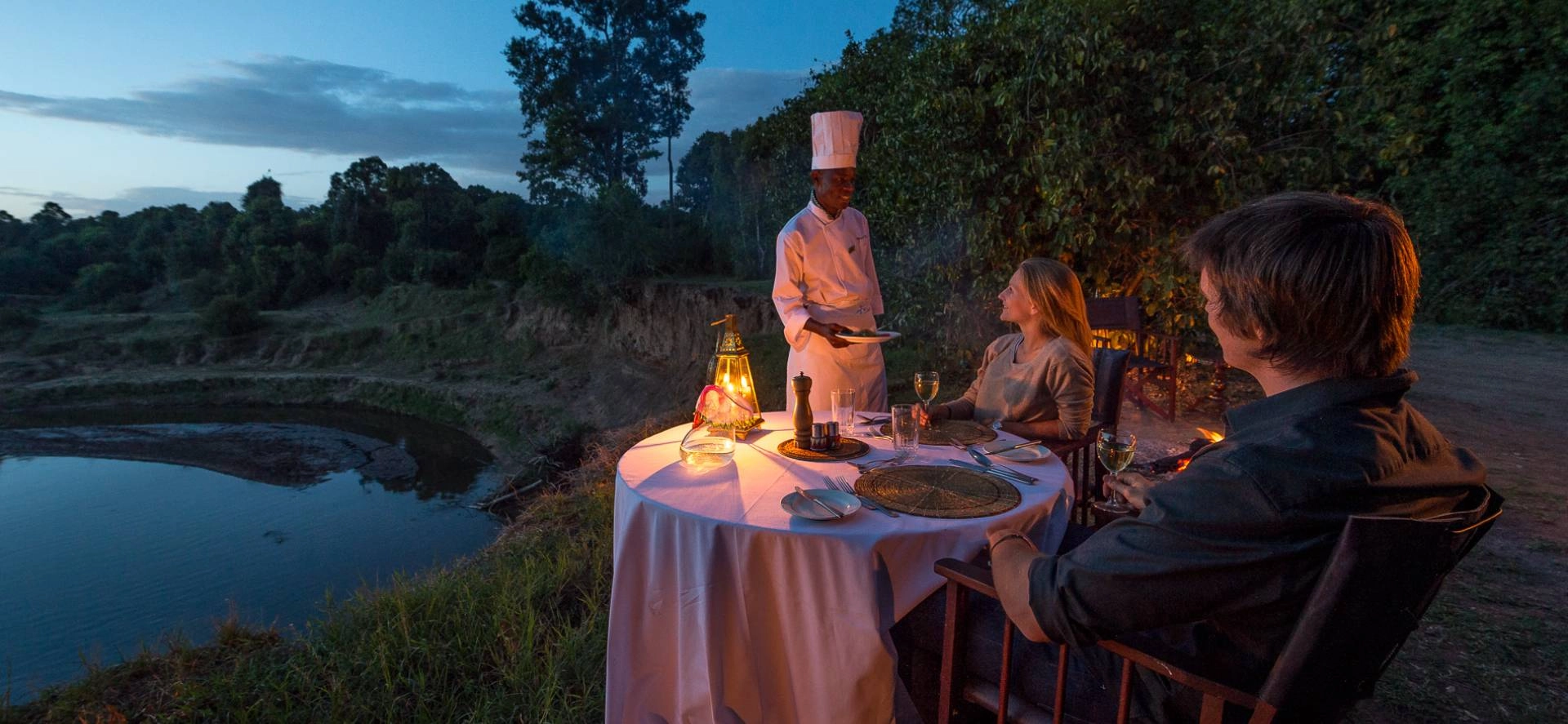
Definitive answer: A bush dinner is an outdoor evening meal arranged in a safe safari setting away from…
Read articleLet us take you closer to the wildlife, people and places that make Africa extraordinary.
Plan Your Safari Today