What should I look for when booking a luxury African safari?
When booking a luxury African safari, look beyond the room and compare the quality of guiding, wildlife location,…
Read article

Travel Guide
Africa's greatest safari destinations protect much more than spectacular wildlife. Many preserve ecosystems, geological formations and cultural landscapes considered so exceptional that they have been recognized as UNESCO World Heritage Sites. For safari travelers, this creates…
Africa’s greatest safari destinations protect much more than spectacular wildlife. Many preserve ecosystems, geological formations and cultural landscapes considered so exceptional that they have been recognized as UNESCO World Heritage Sites. For safari travelers, this creates an extraordinary opportunity. A carefully planned African safari to UNESCO World Heritage Sites can take you from the endless plains of Tanzania’s Serengeti to the ancient rainforest of Uganda’s Bwindi Impenetrable National Park, from the wildlife-filled Ngorongoro Conservation Area to the immense spray of Victoria Falls.
These destinations represent some of the continent’s most important natural and cultural treasures. They are also places where travelers can experience many of Africa’s defining adventures: gorilla trekking, the Great Wildebeest Migration, Big Five game drives, birdwatching, walking safaris, cultural encounters and dramatic landscape photography. For travelers wondering where to go on safari in Africa, UNESCO recognition can provide another useful way to understand why certain protected areas are globally significant.
A UNESCO World Heritage Site is a place recognized under the World Heritage Convention for having outstanding universal value. Sites may be designated for their cultural importance, natural significance or a combination of both. In Africa, World Heritage properties include ancient cities, archaeological landscapes, forests, mountains, deserts, wetlands, waterfalls and some of the planet’s most famous wildlife ecosystems. Not every excellent safari destination is a UNESCO World Heritage Site, and UNESCO status alone does not automatically make somewhere the right safari destination for every traveler.
However, many of Africa’s most celebrated protected areas have received World Heritage recognition because their ecological or geological importance extends far beyond tourism. For safari travelers, visiting these areas can add greater meaning to wildlife encounters. You are not simply seeing elephants, lions or gorillas. You are entering ecosystems whose conservation has international significance.
Wildlife is usually the primary reason travelers book an African safari, but the most memorable trips often combine wildlife with landscapes, history and culture. UNESCO destinations are particularly well suited to this approach. A Serengeti safari, for example, is not simply about finding lions. The enormous grassland ecosystem supports one of the world’s most remarkable large-mammal migrations. A Bwindi gorilla trekking safari is not simply about photographing mountain gorillas. Visitors enter an exceptionally biodiverse ancient forest containing an extraordinary variety of plants, birds, butterflies and mammals.
At Victoria Falls, the attraction is not wildlife alone but one of the world’s most spectacular waterfall landscapes. This variety is one reason UNESCO-focused safari itineraries can be so rewarding.
Few names are more closely associated with African safari travel than the Serengeti. Located in northern Tanzania, Serengeti National Park protects vast plains and woodlands supporting extraordinary concentrations of wildlife. It is particularly famous for the Great Wildebeest Migration, during which enormous numbers of wildebeest move through the wider Serengeti-Mara ecosystem accompanied by zebras and other herbivores. Predators follow these herds. Lions, cheetahs, leopards and hyenas are among the species safari travelers may encounter.
Yet the Serengeti should not be reduced to migration season alone. Different areas of the ecosystem provide excellent wildlife viewing at different times of year.
The Serengeti represents one of the world’s great remaining large-mammal ecosystems. Its open landscapes allow travelers to witness predator-prey relationships on an extraordinary scale. For first-time safari travelers, the combination of scenery, wildlife abundance and classic game-drive experiences makes the Serengeti one of the strongest choices in Africa.
Game drives are the foundation of most Serengeti safaris. Depending on the season and itinerary, travelers may focus on migration herds, resident predators, river areas or regions where wildlife congregates around water. Photographers benefit from the open landscape and dramatic skies. Longer itineraries allow visitors to explore more than one part of the park rather than attempting to cover huge distances from a single lodge.
The Ngorongoro Conservation Area is one of Africa’s most distinctive safari landscapes. Its centerpiece is Ngorongoro Crater, an immense volcanic caldera containing grasslands, wetlands and forest habitats. The crater floor supports substantial wildlife populations, making it possible to see a remarkable variety of animals during a relatively compact game drive. Lions, elephants, buffaloes, zebras, wildebeest, hippos and numerous other animals occur in the wider conservation area. The possibility of encountering the critically endangered black rhinoceros makes Ngorongoro especially attractive to travelers hoping to see the Big Five in Africa.
Ngorongoro is also culturally important because pastoralist communities live within parts of the conservation landscape. This relationship between people, livestock, wildlife and the environment distinguishes the area from many conventional national parks.
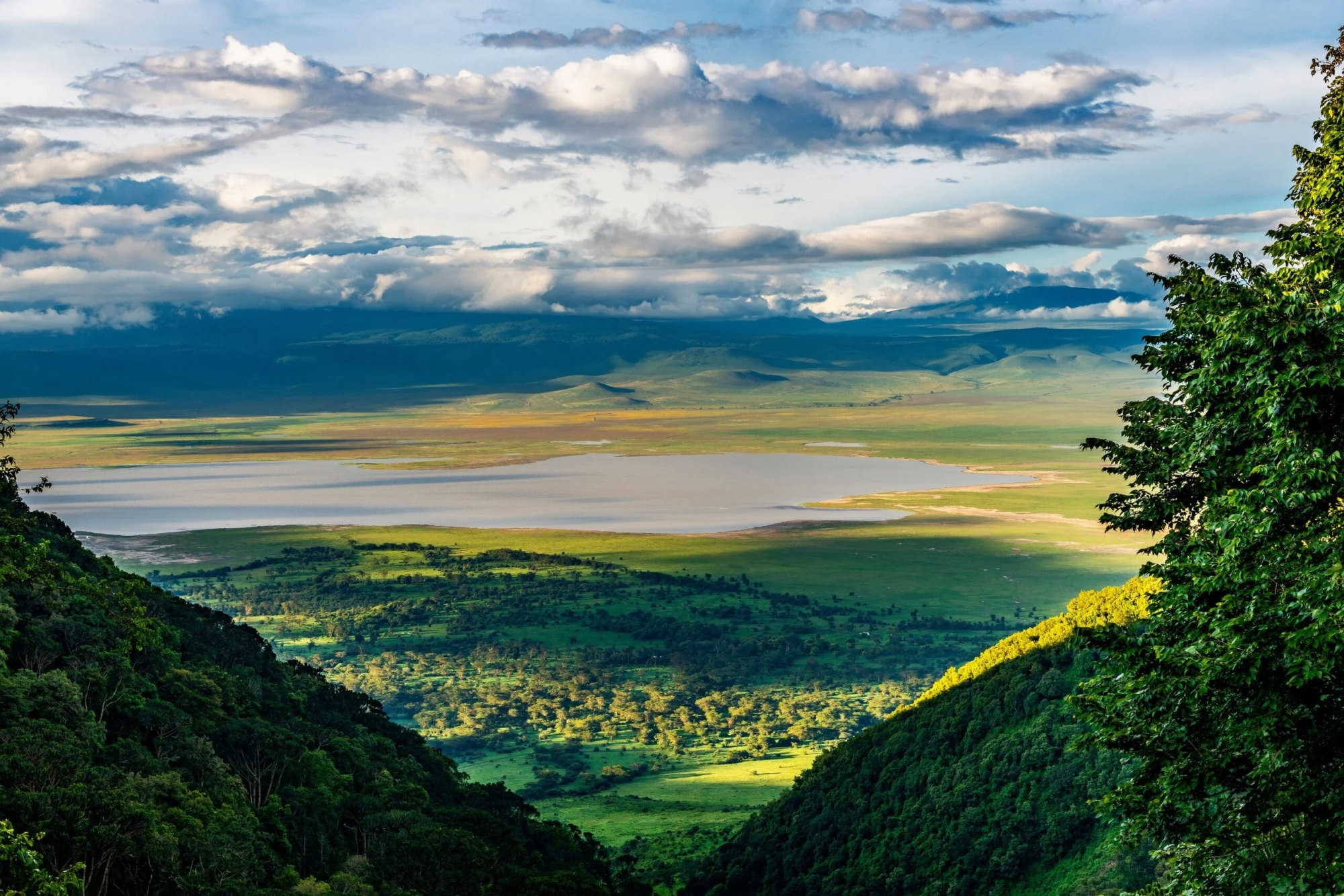
Serengeti and Ngorongoro are natural partners in a northern Tanzania safari. A traveler can spend several nights exploring different Serengeti ecosystems before continuing toward Ngorongoro for a crater game drive. The route may also include Tarangire National Park, Lake Manyara or cultural experiences depending on available time. For travelers interested in maximizing both wildlife and World Heritage experiences, this is one of Africa’s most compelling safari combinations.
In southwestern Uganda, Bwindi Impenetrable National Park provides an entirely different kind of safari. Instead of open savannah, travelers enter a steep, densely vegetated rainforest. The park is internationally famous for mountain gorilla trekking in Uganda. Visitors accompanied by trained guides and trackers hike through the forest in search of a habituated gorilla family. Once the gorillas are located, the encounter provides a rare opportunity to observe their behavior at relatively close range under carefully controlled regulations.
Watching a silverback resting among vegetation or juveniles climbing through branches is profoundly different from observing wildlife from a safari vehicle.
Bwindi’s importance extends well beyond mountain gorillas. The forest contains exceptional biodiversity, including numerous bird species, butterflies, mammals and plants. Its combination of biological richness and endangered primates makes it one of Africa’s most significant conservation areas.
Travelers require a valid Uganda gorilla trekking permit for the trekking experience. Treks vary considerably in duration because gorilla families move naturally through the forest. Good walking footwear, suitable clothing and reasonable fitness are therefore important. Porters can be extremely helpful, both by carrying bags and assisting travelers on difficult terrain. Hiring a porter also contributes directly to local livelihoods.
Uganda provides an excellent opportunity to combine two very different safari environments. Travelers can trek mountain gorillas in Bwindi and then continue to savannah destinations for game drives and boat safaris. A longer Uganda safari itinerary may incorporate Queen Elizabeth National Park, Kibale National Park and Murchison Falls National Park. This diversity makes Uganda particularly attractive to travelers who want primates and traditional safari wildlife in a single journey.
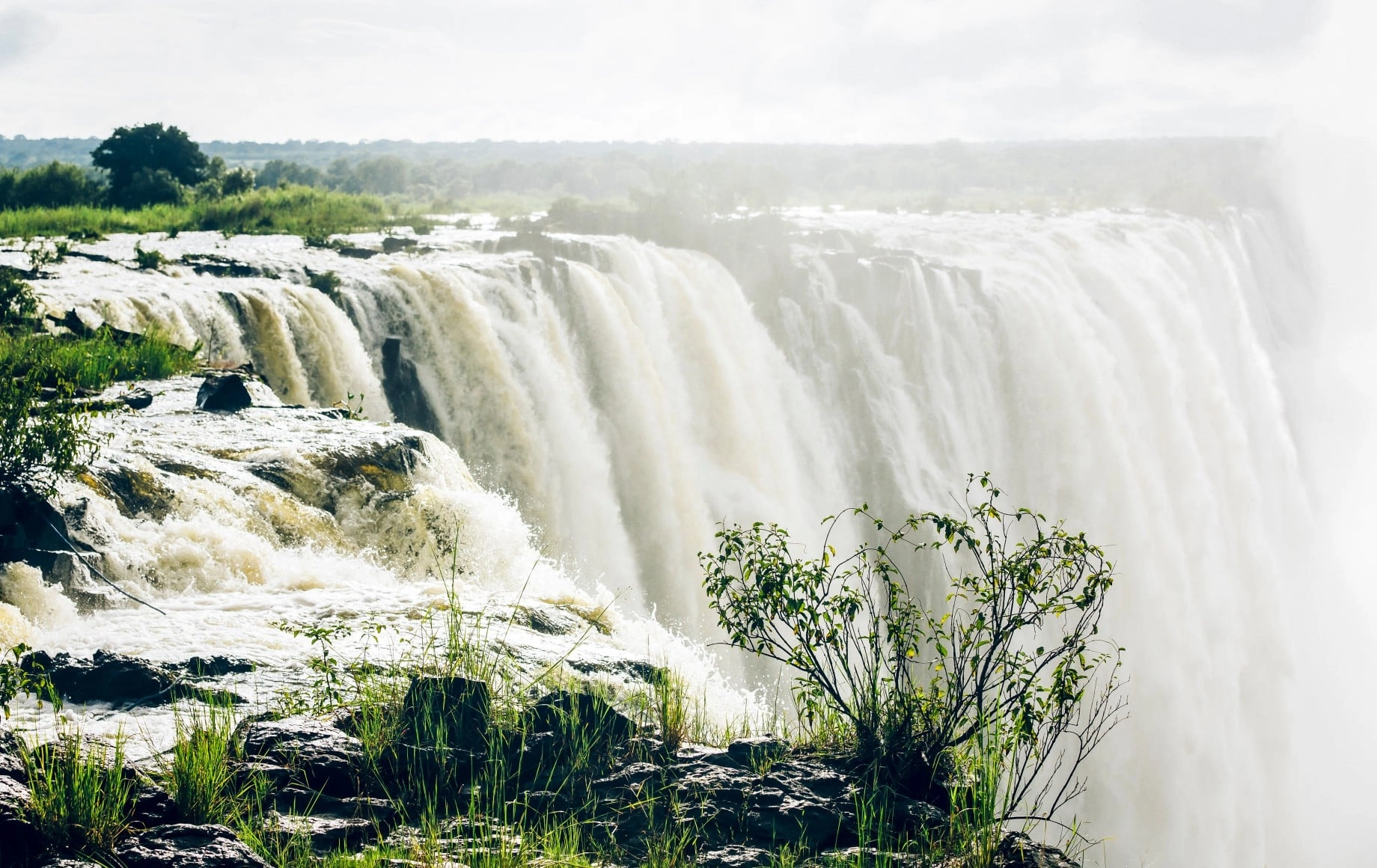
Victoria Falls is one of Africa’s most spectacular natural landmarks. Known traditionally as Mosi-oa-Tunya—often translated as “The Smoke That Thunders”—the waterfall lies on the Zambezi River between Zambia and Zimbabwe. The scale of the waterfall and the enormous spray produced during periods of high flow create an unforgettable landscape. Victoria Falls is particularly valuable for safari planning because it can be combined with excellent wildlife areas elsewhere in Southern Africa.
Travelers might connect the falls with destinations in Zimbabwe, Zambia or neighboring Botswana. A journey combining Victoria Falls with Chobe National Park, for example, offers dramatic scenery followed by superb elephant viewing.
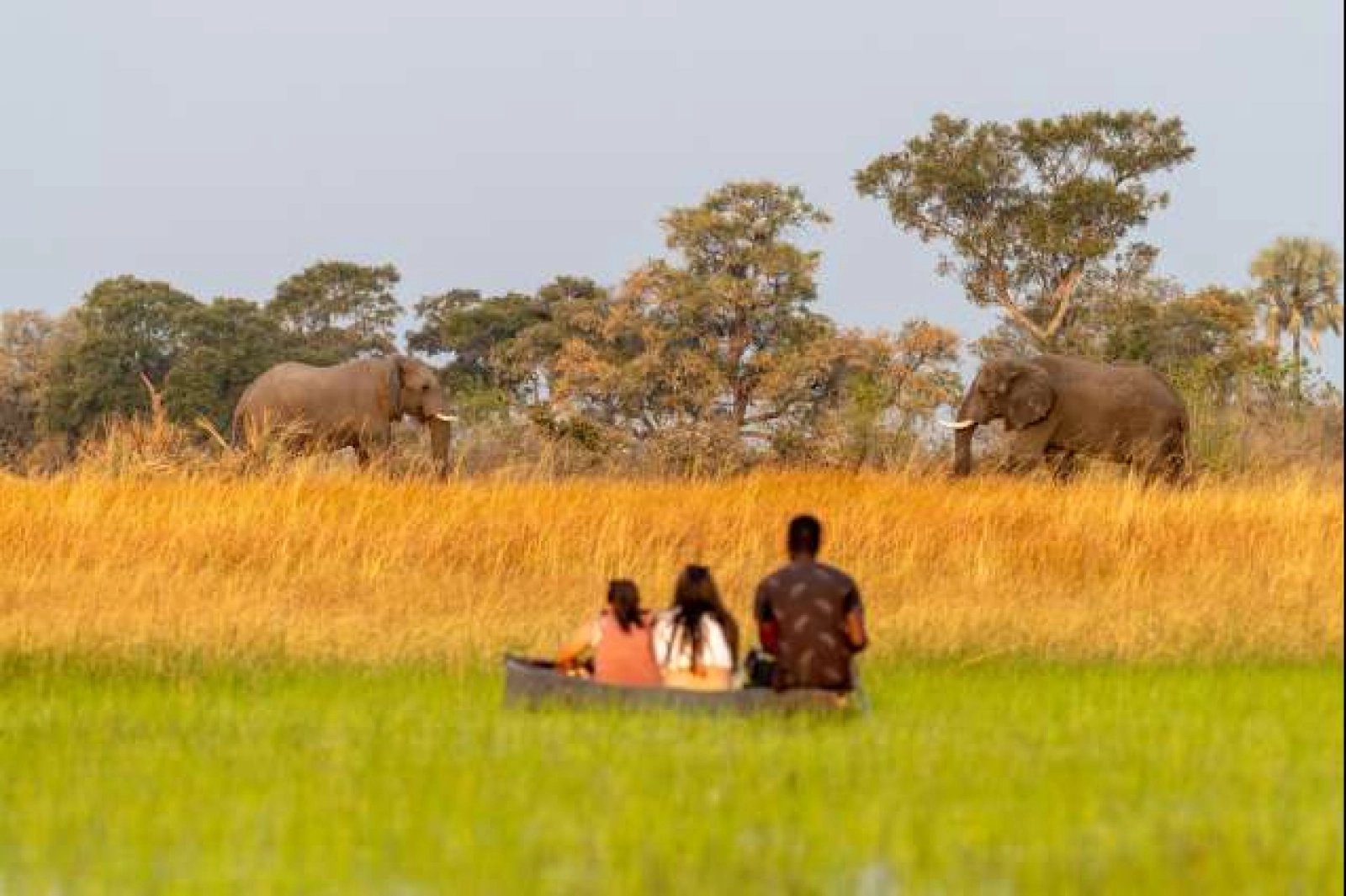
The Okavango Delta is one of Africa’s most extraordinary wilderness environments. Instead of flowing directly into the sea, water spreads across a vast inland delta, creating channels, floodplains, islands and lagoons. This seasonal transformation supports exceptional wildlife. Elephants, buffaloes, lions, leopards, wild dogs, antelopes and numerous bird species occur across the wider ecosystem. One of the defining experiences is traveling by mokoro, a traditional-style dugout canoe now commonly constructed from modern materials for conservation reasons.
Gliding quietly through narrow channels provides a completely different perspective from a conventional game drive. Many camps also offer game drives, guided walks or boat activities depending on location and seasonal water levels. The Okavango is particularly attractive to travelers seeking a more exclusive luxury African safari experience.
South Africa’s iSimangaliso Wetland Park demonstrates how diverse African conservation areas can be. The protected landscape incorporates wetlands, lakes, coastal forests, beaches and marine environments. Travelers can combine wildlife viewing with birding, coastal scenery and other nature-based activities. For repeat safari travelers who have already experienced traditional savannah game drives, iSimangaliso offers an opportunity to explore a more ecologically varied environment. It can also be incorporated into a broader South African itinerary.
The Maloti-Drakensberg Park, spanning areas associated with South Africa and Lesotho, combines spectacular mountain landscapes with significant cultural heritage. The region is known for dramatic escarpments, hiking opportunities and extensive rock-art heritage. This is an excellent example of why UNESCO-focused African journeys do not need to revolve exclusively around game drives. A traveler could combine a classic wildlife safari with several days of hiking and cultural exploration, producing a much more varied itinerary.
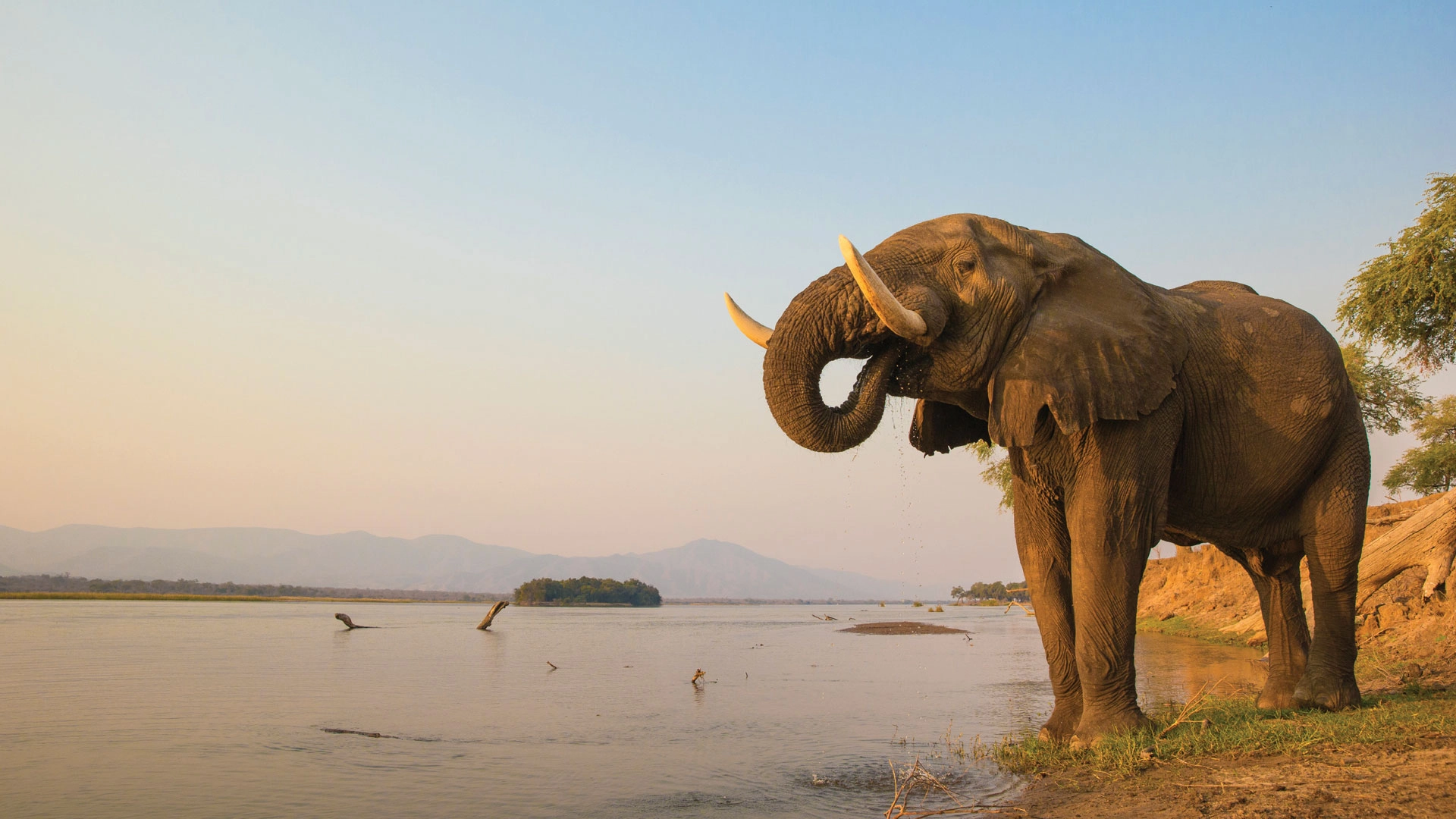
Mana Pools is one of Southern Africa’s most evocative wilderness destinations. Situated along the Zambezi River, the landscape attracts wildlife during the dry season as animals concentrate around remaining water sources. Elephants are particularly associated with the area, along with predators and other large mammals. Mana Pools is renowned among experienced safari travelers for opportunities to experience wildlife through guided walking safaris and other immersive activities. For travelers seeking a less conventional safari after visiting more famous parks, it can be exceptionally rewarding.
Not every important UNESCO destination in Africa is primarily natural. The Great Zimbabwe National Monument preserves the remains of an extraordinary stone-built African city that became the center of a powerful regional civilization. Visiting cultural World Heritage Sites such as Great Zimbabwe can greatly enrich a safari. Wildlife travel sometimes creates an incomplete impression of Africa when itineraries focus exclusively on animals. Including archaeological and cultural sites reminds travelers that Africa’s history encompasses sophisticated societies, trade networks, architecture and political systems extending far beyond the colonial era.
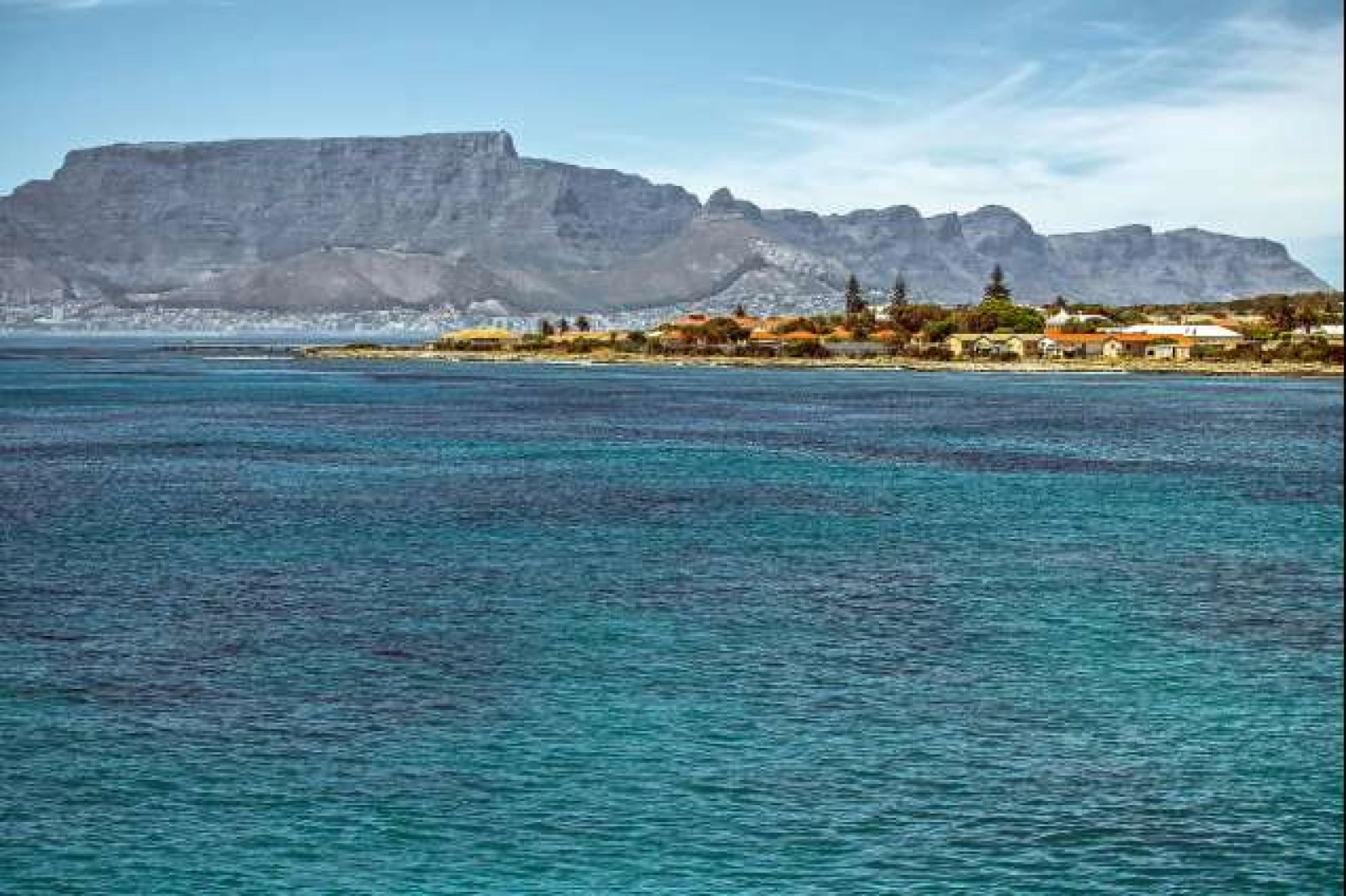
For travelers visiting Cape Town, Robben Island provides one of South Africa’s most significant historical experiences. The island is closely associated with the country’s history of political imprisonment and apartheid, most famously through Nelson Mandela’s long imprisonment there. A visit can be combined easily with other Cape Town attractions before or after a safari elsewhere in South Africa. Cape Town itself makes an excellent beginning or ending point for a longer South African safari holiday, allowing travelers to combine history, cuisine, mountains and coastline with wildlife experiences.
A northern Tanzania safari can also be extended to the Indian Ocean. The historic Stone Town of Zanzibar provides an atmospheric contrast with the Serengeti and Ngorongoro. Its narrow streets, carved doors, markets and architecture reflect centuries of interaction between African, Arab, Persian, Indian and European influences. Combining a Tanzania safari and Zanzibar holiday is popular because it creates a natural progression from wildlife adventure to cultural exploration and beach relaxation.
After dusty game drives, several days beside the Indian Ocean can provide an ideal conclusion to a safari.
Travelers with sufficient time can connect several UNESCO World Heritage destinations across Africa. One ambitious itinerary might begin in Tanzania with Ngorongoro and Serengeti, continue to Uganda for Bwindi gorilla trekking and then fly south toward Victoria Falls. Another could combine Cape Town’s cultural attractions with the Okavango Delta and Victoria Falls. The key is avoiding an itinerary that becomes dominated by airports. Africa is enormous. Although destinations may appear relatively close on a map, flight schedules and road conditions can make connections more complicated than expected.
A good African safari tour operator should therefore design the itinerary around logical travel routes rather than simply trying to include the largest possible number of famous destinations.
First-time visitors should prioritize quality rather than quantity. For classic savannah wildlife, Serengeti and Ngorongoro form an outstanding combination. For primates, Bwindi is one of the world’s defining wildlife destinations. For water-based wilderness, the Okavango Delta provides a completely different experience. For dramatic scenery, Victoria Falls is difficult to surpass. Travelers with two or three weeks can combine several of these environments.
The Serengeti is particularly strong for wildlife photography because of its open landscapes and predator populations. Ngorongoro provides dramatic crater scenery and concentrated wildlife. Bwindi is challenging but rewarding for primate photography because light levels beneath the forest canopy can be low. Victoria Falls is outstanding for landscape photography, although spray can require careful protection of camera equipment. The Okavango Delta provides unusual opportunities to photograph wildlife around water. Photographers should design their safari around appropriate seasons and allow enough time in each destination rather than constantly changing camps.
Africa’s World Heritage ecosystems also protect extraordinary birdlife. Bwindi is especially important for birders interested in Albertine Rift species. The Okavango Delta supports abundant wetland and woodland birds. Serengeti and Ngorongoro provide excellent opportunities for raptors, ground birds and numerous savannah species. Specialist African birding safaris can combine several ecosystems to maximize species diversity.
There is no single best month for every UNESCO safari destination. Africa spans an enormous range of climates. The ideal time for the Serengeti depends partly on which stage of the migration interests you most. Bwindi gorilla trekking operates throughout the year, although seasonal rainfall influences trail conditions. Victoria Falls changes dramatically according to Zambezi water levels. The Okavango Delta has its own flood cycle, which does not correspond simply with local rainfall at the safari camps.
This is why multi-country safari planning requires careful seasonal coordination. A month that is ideal for one destination may create different conditions in another.
UNESCO recognition does not guarantee that a destination is immune to environmental pressure. Tourism must be managed carefully. Travelers can contribute by following park regulations, respecting wildlife-viewing distances, avoiding litter, supporting locally owned businesses and choosing responsible accommodation providers. During gorilla trekking, following ranger instructions is particularly important because mountain gorillas are vulnerable to disturbance and disease transmission. At cultural sites, respectful behavior is equally important. Travelers should remember that many heritage landscapes remain culturally or spiritually significant to communities living around them.
A single-country itinerary can work well within seven to ten days. For example, Tanzania’s northern circuit can combine Serengeti and Ngorongoro comfortably within a broader safari. Uganda travelers may combine Bwindi with other national parks over approximately one to two weeks depending on priorities. Multi-country journeys generally benefit from at least two weeks. Three weeks allows a much more relaxed combination of East and Southern African destinations. The objective should never be to collect UNESCO sites as quickly as possible.
The objective is to experience them.
At Adventure in the Wild Safaris, we design customized African journeys around the wildlife experiences and destinations that matter most to each traveler. Our itineraries can combine Uganda gorilla trekking, Rwanda primate safaris, East African savannah destinations and broader African travel experiences. For travelers particularly interested in World Heritage destinations, we can structure routes that balance internationally recognized landscapes with wildlife viewing, cultural encounters and appropriate travel time.
Whether your priority is standing quietly beside mountain gorillas in Bwindi, watching herds move across the Serengeti, descending into Ngorongoro Crater or combining an East African safari with Southern Africa, the strongest itinerary is one designed around your available time, travel season and interests.
Africa’s UNESCO World Heritage Sites demonstrate why a safari can be much more than a wildlife holiday. They protect landscapes where ecological processes continue on an immense scale, forests sheltering endangered primates, archaeological sites revealing sophisticated African civilizations and natural wonders that have inspired generations of travelers. Watching lions on the Serengeti plains is extraordinary. Standing in Bwindi’s rainforest as a mountain gorilla looks back at you is extraordinary in a completely different way.
So is watching the Zambezi disappear over Victoria Falls or gliding quietly through the channels of the Okavango Delta. Together, these experiences reveal the remarkable diversity of Africa. A carefully designed African safari to UNESCO World Heritage Sites allows travelers not simply to see famous places, but to understand why these places matter—and why protecting them for future generations remains one of global conservation’s most important responsibilities.
Get quick answers to the most common questions. If you still have questions, our safari experts are here to help.
There is no single best destination. Serengeti is outstanding for classic savannah wildlife and migration experiences, Bwindi for mountain gorillas, Ngorongoro for concentrated wildlife and dramatic scenery, and the Okavango Delta for water-based wilderness.
Yes. Serengeti National Park is internationally recognized for its exceptional natural values and enormous wildlife ecosystem.
Yes. Bwindi is recognized for its exceptional biodiversity and ecological importance. It is also one of the world’s premier destinations for mountain gorilla trekking.
Yes. Tanzania and Uganda can be combined using regional flight connections. This creates an outstanding safari combining classic savannah wildlife with gorilla trekking.
Yes. With appropriate flight connections and sufficient time, travelers can combine an East African gorilla safari with Victoria Falls and other Southern African destinations.
Quality is more important than quantity. Two or three major areas experienced properly will usually produce a better journey than rushing through many destinations.
Not necessarily. Safari prices depend on park fees, accommodation category, transport, season, permits and other factors rather than UNESCO status alone.
Bwindi Impenetrable National Park in Uganda is one of the world’s leading destinations for mountain gorilla trekking.
Serengeti National Park is central to the Great Wildebeest Migration, with the herds moving through different parts of the wider ecosystem according to seasonal conditions.
Many are. Suitability depends on children’s ages and the activities involved. Gorilla trekking, for example, is subject to minimum-age requirements, while conventional game drives may be suitable for a wider range of families.
Our safari experts are here to help you plan your safari. Get personalized advice, the latest information and a free, no-obligation quote.
We typically reply within a few hours.

Share This Article
When booking a luxury African safari, look beyond the room and compare the quality of guiding, wildlife location,…
Read article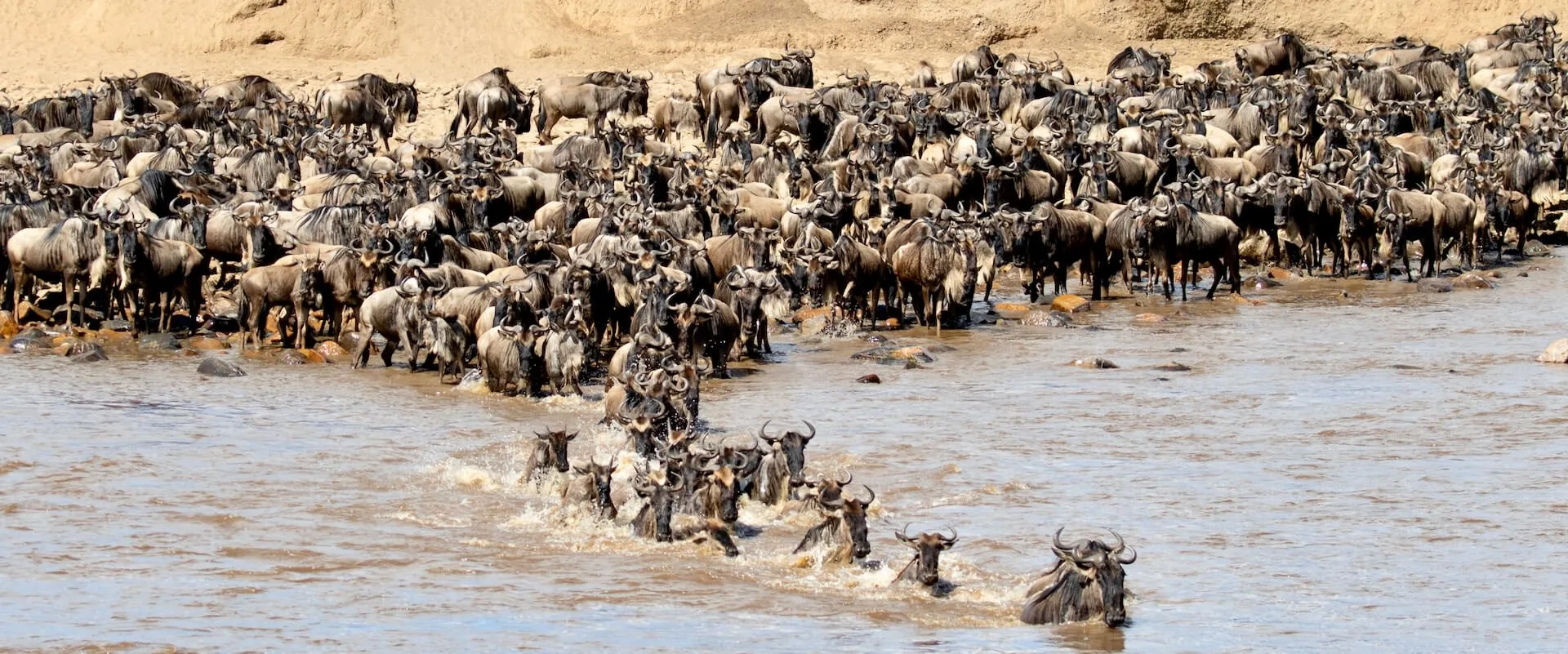
The Great Migration in Africa happens all year because the herds continuously circulate through the Serengeti–Mara ecosystem in…
Read article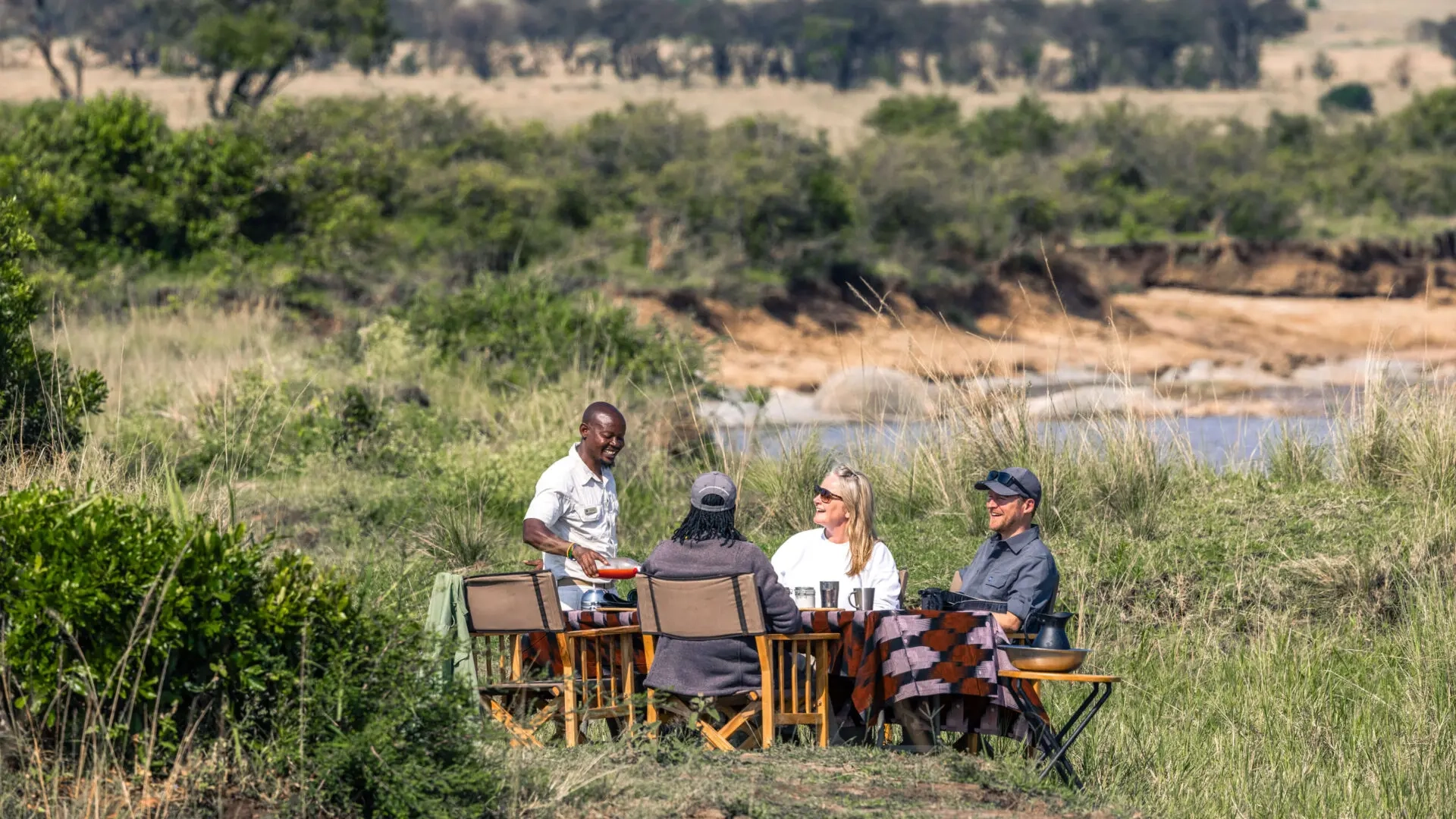
Definitive answer: A picnic lunch on safari is a packed or catered midday meal eaten at an approved…
Read article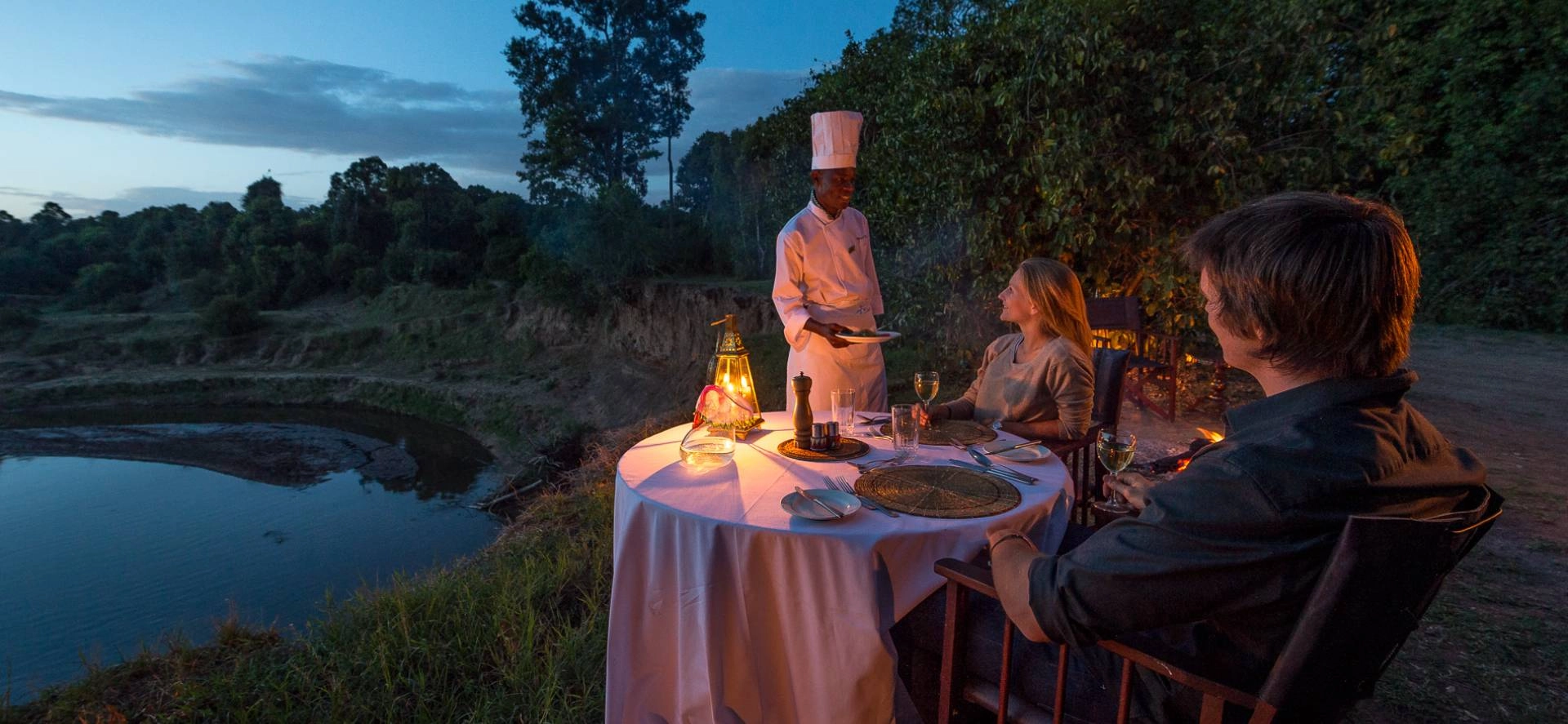
Definitive answer: A bush dinner is an outdoor evening meal arranged in a safe safari setting away from…
Read articleLet us take you closer to the wildlife, people and places that make Africa extraordinary.
Plan Your Safari Today