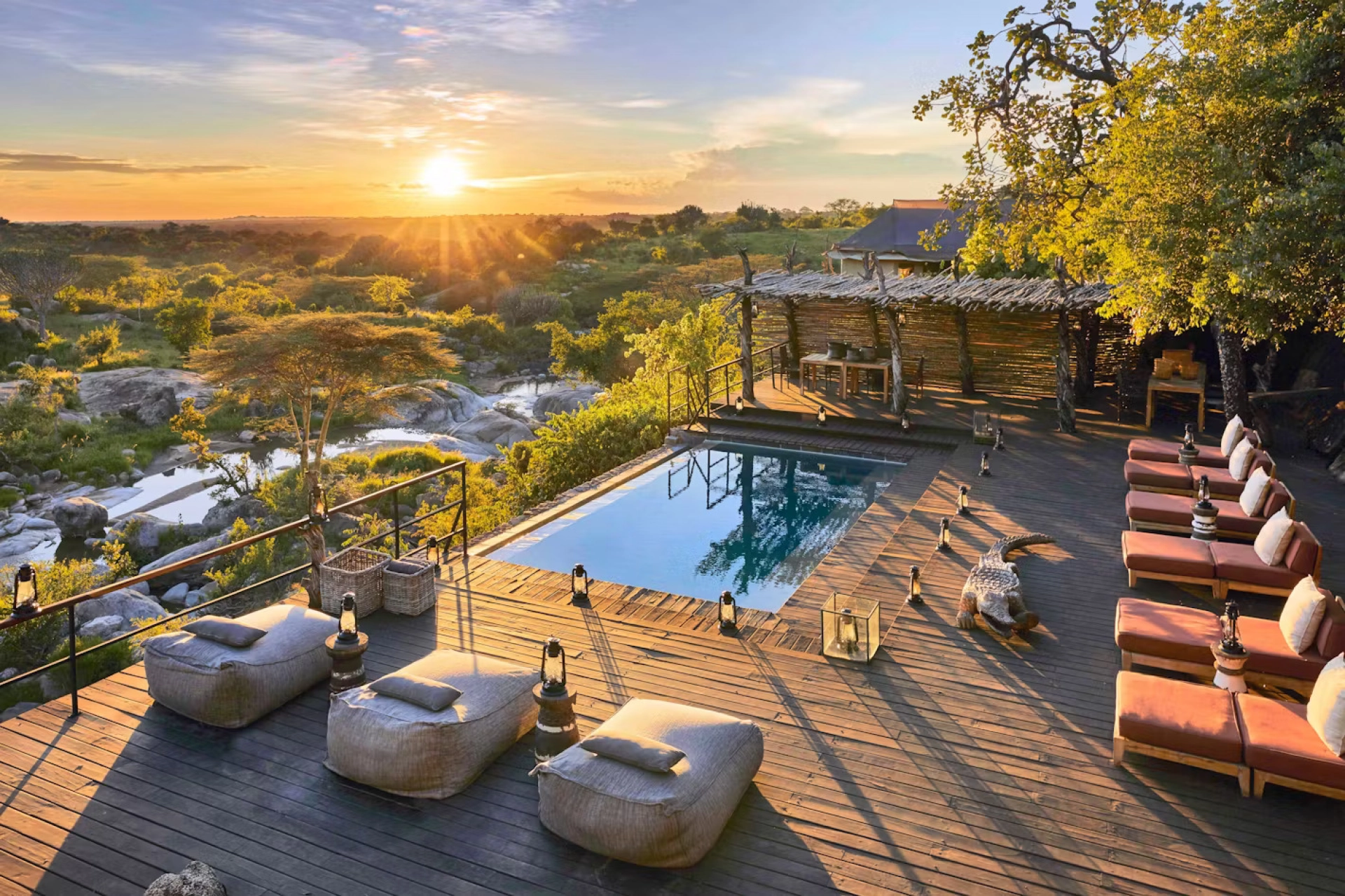
What should I look for when booking a luxury African safari?
When booking a luxury African safari, look beyond the room and compare the quality of guiding, wildlife location,…
Read article

Travel Guide
Africa's wildlife is often the reason travellers first begin planning a safari, but its people, histories and living cultures are frequently what give the journey its greatest depth. Lions resting beneath acacia trees, mountain gorillas moving…
Africa’s wildlife is often the reason travellers first begin planning a safari, but its people, histories and living cultures are frequently what give the journey its greatest depth. Lions resting beneath acacia trees, mountain gorillas moving through rainforest and elephants crossing a savannah are unforgettable, yet a safari focused entirely on animals can reveal only part of the continent.
The most rewarding cultural safaris in Africa connect wildlife landscapes with the people who live beside them. They introduce travellers to pastoral communities, forest traditions, farming regions, historic kingdoms, contemporary towns, traditional crafts, music, food and the complicated relationship between conservation and local livelihoods. A meaningful cultural safari is therefore not simply a visit to a “tribal village.” It is a journey through a living society.
Africa is home to thousands of communities with different languages, histories, belief systems and economic realities. A Maasai community in Kenya does not represent East Africa as a whole. Batwa heritage in Uganda and Rwanda is fundamentally different from Karamojong pastoral culture in northeastern Uganda. Samburu traditions in northern Kenya have their own context. San communities in southern Africa have histories and knowledge systems shaped by very different environments.
The best African cultural tours recognise these distinctions rather than compressing the continent into one generic idea of “African culture.”
For safari travellers, cultural experiences are particularly powerful when incorporated naturally into a wildlife route. A visit with a community around Bwindi becomes more meaningful after learning about forest conservation. A Maasai encounter near the Masai Mara provides context for understanding livestock, land and conservancy models. A Karamojong experience complements the remote savannah landscapes of Kidepo Valley. A community visit near a conservancy can reveal why protecting wildlife requires cooperation far beyond the boundaries of a national park.
This guide explores how to plan a cultural safari responsibly, which destinations provide particularly interesting combinations of wildlife and cultural experiences, what travellers should expect and how to distinguish a meaningful community encounter from a performance designed only for tourist photographs.
A cultural safari combines travel through African landscapes with opportunities to learn about the people who live within or around them. The format varies enormously. Some experiences involve guided village walks. Others focus on pastoral traditions, local food, agriculture, craft production, music, dance, storytelling, community conservation or historical sites. Cultural travel can also include markets, cities, kingdoms, museums, architecture, religious heritage and contemporary art. This broader definition matters. Too many itineraries treat African culture as though it exists only in rural communities wearing traditional clothing. That is inaccurate. Kampala is African culture.
Nairobi is African culture. Kigali is African culture. A modern coffee cooperative is part of African culture. A Ugandan kingdom is part of African culture. Swahili architecture on the East African coast is part of African culture. So is a cattle-herding community maintaining traditions while using mobile banking and sending children to university. The strongest authentic Africa travel experiences show continuity and change together.
Wildlife tourism becomes more meaningful when travellers understand the human geography surrounding protected areas. National parks do not exist in isolation. Communities farm, graze livestock, collect water, operate tourism businesses and raise families around wildlife landscapes. Animals may cross formal park boundaries. Communities can experience both benefits and costs from living near wildlife. Elephants can damage crops. Predators can threaten livestock. Tourism can create jobs. Conservation programmes can provide economic opportunities.
Protected-area rules can also restrict traditional access to land and resources. These realities make conservation complicated. A thoughtful community safari in Africa helps visitors understand that protecting wildlife is not simply a matter of drawing a line around a national park. Conservation succeeds most sustainably when local people have meaningful reasons to support it.
One of the greatest mistakes in cultural tourism is expecting communities to perform an imagined version of the past. A visitor may be disappointed to see a Maasai guide carrying a smartphone or a rural household with solar panels. But why? Technology does not erase culture.
Culture has never been static. Communities adopt new tools while maintaining language, identity, social structures, ceremonies, food traditions and relationships with land. A cultural experience becomes less authentic when people are required to hide modern life because tourists want a photograph resembling an old documentary. Responsible travellers should arrive interested in how people actually live now.
Uganda is particularly suitable for travellers seeking a combination of African wildlife and cultural experiences because the country contains enormous ecological and cultural diversity within a relatively compact safari circuit. A classic Uganda journey can include rhino tracking, Murchison Falls, chimpanzee trekking, Queen Elizabeth National Park, gorilla trekking and Lake Mburo while also passing through farming regions, towns and communities with distinct cultural identities.
The road journey itself provides context. Unlike a safari built almost entirely around internal flights, a Uganda road safari reveals the country between the parks. Travellers see banana plantations, cattle areas, tea estates, roadside markets, fishing communities and growing towns. This everyday landscape is an important part of the experience.
The Batwa are among the communities most closely associated with cultural tourism around Uganda’s southwestern forests. Their history is inseparable from the forests of the region. When conservation areas were established and access to forest resources changed, Batwa communities faced profound social and economic challenges. For this reason, a Batwa cultural experience in Uganda should never be marketed simply as an entertaining “pygmy village visit.”
The history deserves more respect. Well-managed experiences can introduce travellers to traditional forest knowledge, hunting techniques from earlier ways of life, medicinal plant knowledge, shelter construction, storytelling, music and cultural heritage. But the most meaningful encounters also acknowledge contemporary reality. Batwa people today are navigating education, employment, land access, cultural preservation and participation in the tourism economy.
Understanding this context creates a far richer experience than taking photographs of a staged demonstration.
A Bwindi gorilla trekking safari is an ideal route for incorporating cultural experiences because the relationship between forest conservation and surrounding communities is central to the destination. A typical traveller may spend one day trekking mountain gorillas and another exploring the community.
The two experiences should not be treated as unrelated activities. The gorillas survive because habitat remains protected. That protection affects people living near the forest. Tourism creates employment through lodges, guiding, porter services, transport, handicrafts and other businesses. Community experiences help travellers see this broader system. A gorilla safari therefore becomes more than a primate encounter. It becomes an introduction to community-based conservation in Uganda.
Buhoma is one of Bwindi’s best-known tourism areas and provides opportunities to explore community life around the forest. Depending on the programme available, travellers may encounter local craft initiatives, farming, cultural performances or community projects. These activities can be particularly suitable on the afternoon before or after gorilla trekking. The advantage is geographical. You do not need to add a long transfer simply to experience local culture. The cultural component becomes part of the Bwindi stay.
Travellers visiting Kidepo Valley National Park can experience one of Uganda’s most distinctive wildlife-and-culture combinations. The surrounding Karamoja region has a strong pastoral heritage. Cattle have historically played important economic, social and cultural roles. Traditional homesteads, known locally through different community terminology, livestock practices, music, dance and storytelling can provide insight into Karamojong life. However, responsible cultural tourism should avoid presenting Karamoja as an exotic warrior society frozen outside modern Uganda. The region has experienced major social and economic changes. A thoughtful Karamojong cultural safari can explore both heritage and contemporary life.
Kidepo’s remote landscapes make the cultural context especially powerful. Travellers cross or fly into a region that feels very different from southwestern Uganda. The vegetation, climate, settlement patterns and pastoral traditions change. Combining Kidepo Valley wildlife safaris with Karamojong community experiences gives visitors a much broader understanding of Uganda. A traveller who visits only Bwindi may leave thinking primarily of Uganda as a rainforest and primate destination. Kidepo and Karamoja reveal another country.
Western Uganda is strongly associated with the famous long-horned Ankole cattle. For travellers interested in pastoral culture, cattle traditions can provide an interesting complement to wildlife tourism. The animals themselves are visually striking, but the deeper story concerns their cultural and economic importance. A responsible visit can introduce travellers to cattle keeping, milk traditions and the role livestock plays within local livelihoods.
This experience can be integrated into western Uganda routes rather than requiring an entirely separate cultural itinerary.
Fort Portal and the surrounding Tooro region provide another cultural dimension. Many travellers pass through the region primarily because of Kibale National Park chimpanzee trekking. Yet staying longer creates opportunities to understand the cultural landscape surrounding the forest. Uganda’s traditional kingdoms remain an important part of the country’s cultural history and identity. Travellers interested in history can therefore combine primate tourism with broader regional exploration rather than treating Fort Portal only as a transit point.
Coffee is one of the most accessible ways to connect tourism with everyday economic life. A Uganda coffee tour can introduce travellers to cultivation, harvesting, processing and preparation. The experience becomes especially meaningful when guides explain where coffee fits within household income and international trade. Coffee experiences can be incorporated around several tourism regions depending on available community programmes.
For travellers who drink coffee every morning without knowing how it reaches their cup, seeing the production process creates a direct connection between global consumption and local agriculture.
Queen Elizabeth National Park is best known for game drives, the Kazinga Channel and the Ishasha region. But the wider landscape is also inhabited. Fishing communities, agricultural areas and settlements form part of the broader ecosystem. Community tourism can provide insight into how people live beside a major protected area. This is particularly useful for travellers interested in understanding human-wildlife coexistence in Uganda. The experience reveals why conservation policy cannot focus only on animals.
Uganda’s lakes and waterways support communities whose livelihoods are tied to fishing and trade. Where organised responsibly, community visits can help travellers understand these economies. A boat safari may show hippos, crocodiles and birds. A community experience can then show how humans also depend on the same aquatic environment. The combination produces a more complete understanding of the landscape.
Rwanda is another strong destination for travellers who want to combine culture and wildlife within a relatively short journey. A typical Rwanda safari can include Kigali, Volcanoes National Park, Akagera National Park and Nyungwe or other forest destinations depending on available time. Because the country is compact, cultural experiences can often be added without enormous transfer distances. Rwanda’s tourism identity is frequently associated with mountain gorillas, but the country’s history, agriculture, art and community tourism deserve equal attention.
Travellers visiting Volcanoes National Park for gorilla trekking can add community experiences around the Musanze region. These may introduce local music, dance, food, agriculture or historical traditions depending on the programme selected. The best experiences provide context rather than simply entertainment. Ask how the programme benefits participants.
Learn what the traditions mean. Speak with local guides. The purpose should be exchange and understanding.
Rwanda has developed a strong international reputation for specialty coffee. A coffee experience can provide a fascinating contrast with gorilla trekking. Visitors move from rainforest conservation to agricultural landscapes and learn how coffee is grown and processed. This is particularly valuable because tourism then connects two important rural economies: conservation and agriculture. A well-planned Rwanda cultural safari can therefore use food and farming as meaningful cultural entry points.
Do not assume cultural tourism requires leaving the city. Kigali can introduce travellers to Rwanda’s contemporary identity. Markets, restaurants, galleries, neighbourhoods and historical institutions reveal a modern African capital. Travellers should allow enough time to experience Kigali rather than using it only as an airport. Urban culture is part of the country.
Kenya is one of Africa’s richest destinations for combining famous wildlife areas with cultural experiences. The country’s tourism imagery is strongly associated with Maasai culture, but Kenya’s cultural diversity extends far beyond one community. A thoughtfully designed Kenya cultural safari can include Maasai communities, Samburu traditions, Laikipia ranch culture, Nairobi’s urban life and Swahili heritage along the Indian Ocean coast. This variety makes Kenya especially suitable for travellers who want wildlife and culture within the same holiday.
The Maasai are internationally recognised partly because many communities live around major safari landscapes in Kenya and Tanzania. Pastoral traditions, distinctive clothing and ceremonies have become powerful symbols in tourism. Unfortunately, this visibility has also encouraged superficial cultural encounters. A bus arrives. Visitors watch jumping. Photographs are taken. Souvenirs are sold. The bus leaves. A deeper Maasai cultural tour should explain pastoralism, cattle, land ownership, education, conservation and how modern economic changes affect communities. Ask how tourism fits into household livelihoods. Learn why cattle remain culturally important. Understand how conservancies interact with community land.
These discussions turn a performance into an education.
The wider Masai Mara safari ecosystem offers particularly interesting opportunities to understand conservation outside traditional national-reserve structures. Community conservancy models can connect tourism, land use and wildlife protection. The details vary between conservancies, and travellers should avoid assuming every model operates identically. Nevertheless, the basic idea is important. Wildlife requires space beyond formal reserve boundaries. Tourism can create financial value from maintaining that space. Community landowners therefore become central participants in conservation. For travellers interested in responsible safari tourism, understanding this relationship is extremely valuable.
Northern Kenya introduces a different cultural and ecological environment. The Samburu region is associated with semi-arid landscapes, distinctive wildlife and pastoral communities. A Samburu cultural safari can complement wildlife viewing by explaining livestock traditions, settlement patterns and adaptation to a drier environment. Again, travellers should resist treating people as tourist attractions. The strongest encounters are guided conversations rather than photographic exhibitions.
Laikipia provides one of Kenya’s most interesting intersections between private ranches, community conservancies, wildlife conservation and tourism. The region can offer game drives, walking, horseback experiences and conservation-focused activities depending on the property. Cultural tourism here can explore how different land-use systems coexist. This makes Laikipia safaris especially valuable for travellers who want to understand conservation economics rather than simply viewing animals.
A Kenya safari does not need to begin culturally only after leaving Nairobi. The capital is one of East Africa’s major cities and contains art, food, music, history and modern urban culture. A day in Nairobi can provide context before travelling into rural wildlife areas. The contrast is important. Kenya is not simply national parks connected by highways. Its cities are part of the national story.
Combining safari with the coast adds another cultural dimension. Places such as Lamu and other historic coastal areas reflect centuries of Indian Ocean trade and Swahili cultural development. Architecture, language, religion, cuisine and maritime traditions distinguish the coast strongly from inland safari regions. A Kenya safari and beach holiday can therefore be cultural as well as recreational.
Instead of spending every coastal day inside a resort, allocate time to understand the region.
Tanzania is famous for the Serengeti, Ngorongoro Crater, Kilimanjaro and Zanzibar.
This combination already creates extraordinary geographic diversity. Adding cultural experiences makes the journey even richer. A Tanzania cultural safari can include Maasai encounters, agricultural communities, local markets, historical sites and Swahili coastal culture. The northern safari circuit makes some of these experiences relatively easy to integrate.
As in Kenya, Maasai communities live across areas of northern Tanzania. Responsible visits should go beyond clothing and dance. Travellers can learn about pastoralism, livestock, family structures and relationships with wildlife. Because many safari routes pass through or near Maasai areas, cultural experiences can be incorporated without sacrificing major wildlife time.
Lake Eyasi is frequently included in cultural itineraries because of opportunities to learn about communities including the Hadzabe. These experiences require particular sensitivity. Tourism should not reduce hunter-gatherer heritage to entertainment. Travellers should understand that communities are contemporary people making decisions about their own livelihoods. The best visits are locally guided, respectful and educational. Avoid treating hunting traditions as spectacle. Ask questions about language, land, food systems and the pressures affecting traditional ways of life.
The Lake Eyasi region may also provide opportunities to learn about Datoga traditions. Craftsmanship, livestock and other aspects of community life can form part of a broader cultural programme. Combining several communities should not become a race to “collect tribes.” Each encounter deserves enough time for genuine conversation.
Zanzibar is often marketed as the beach after the safari. That description dramatically underestimates it. The archipelago has a rich history shaped by African, Arab, Persian, Indian and European connections across the Indian Ocean. Stone Town provides architecture, markets, narrow streets and historical sites reflecting these influences. Food carries the same cultural complexity. A spice experience can connect travellers to agricultural history and global trade. A Serengeti and Zanzibar safari therefore offers more than wildlife followed by relaxation. It can become a journey from East Africa’s savannah ecology into Swahili and Indian Ocean culture.
In some African destinations, culture is not an addition to safari; it is the principal reason to travel. Ethiopia is one of the clearest examples. Its historical, religious, linguistic and architectural heritage creates journeys fundamentally different from conventional East African wildlife circuits. Travellers can explore ancient sites, highland landscapes, religious traditions, food and local communities.
This illustrates why the phrase African cultural safari should be interpreted broadly. Africa’s cultural travel possibilities extend far beyond communities located beside wildlife parks.
Botswana is famous for the Okavango Delta and high-quality wilderness safaris. Cultural experiences involving San communities can add another dimension. San peoples possess deep historical relationships with southern African environments. Where responsibly organised, guided experiences may introduce traditional tracking knowledge, plants and aspects of cultural heritage. These activities should be community-led and respectful. The objective is not to portray San people as living fossils. It is to understand knowledge systems and heritage while recognising contemporary realities.
Namibia’s vast desert landscapes create another distinctive cultural safari environment. Travellers may encounter community tourism programmes connected with different ethnic and cultural groups depending on route. The country’s conservancy approaches also provide interesting examples of community participation in wildlife tourism. A Namibia cultural safari can therefore combine desert scenery, wildlife and discussions about conservation and land.
South Africa provides perhaps the clearest example of why African cultural tourism cannot be reduced to “tribal villages.” Johannesburg, Cape Town, KwaZulu-Natal, rural communities, wine regions and historical sites all present different dimensions of culture. A South Africa safari and cultural tour might combine Kruger wildlife with Johannesburg history, Cape Town, food, music and community experiences. This creates a broader understanding of the country than a wildlife-only itinerary.
One of the strongest reasons to include community tourism is its potential to strengthen conservation economics. If communities earn meaningful income from tourism, wildlife can become economically valuable alive. Jobs may include guiding, lodge employment, transport, craft production, food supply and conservation work. However, travellers should avoid simplistic claims. Tourism does not automatically solve every conservation problem. Benefits can be distributed unevenly. Projects can be poorly managed. This is why choosing responsible operators matters.
The central question is agency. Does the community have meaningful control over how visitors interact with it? Are participants compensated? Can people decline photographs?
Does the programme represent contemporary reality as well as heritage? Does money support identifiable local livelihoods? Are children treated ethically? Is the experience educational rather than voyeuristic? A responsible safari operator should be able to discuss these questions.
Never assume permission to photograph people. Ask first. A cultural-tour fee does not purchase ownership of someone’s image. Be especially cautious with children. Avoid photographing people in vulnerable situations simply because the image appears dramatic. The strongest cultural photography often emerges after conversation and mutual comfort.
Purchasing locally produced crafts can provide direct economic support. Ask where the item was made. Buy from community initiatives and local artisans where possible. Do not bargain aggressively over tiny amounts simply because negotiation is culturally expected in some markets. There is a difference between reasonable bargaining and turning a person’s livelihood into a game.
Words matter. Descriptions such as “primitive tribe,” “untouched people” and “people who have never changed” are usually inaccurate and disrespectful. Travel writing should describe communities as contemporary societies with histories. The goal is not to search for humans supposedly living outside time. The goal is to understand cultural continuity in a changing world.
A family cultural safari in Africa can be exceptionally educational. Children and teenagers often remember meeting local people as strongly as wildlife sightings. Community activities can also break up long game-drive days. However, experiences should be chosen carefully. Interactive activities such as food preparation, craft demonstrations, farming or age-appropriate storytelling can be more engaging than long lectures. Parents should prepare children to interact respectfully rather than treating community visits as entertainment.
Couples and honeymooners can include cultural experiences without sacrificing romance or wilderness. A private community visit, coffee experience, food tour or guided historic walk can provide welcome contrast between game-drive days. Combining gorilla trekking, cultural experiences and beach travel can create an especially varied honeymoon.
Many cultural experiences require less physical exertion than trekking or long walking safaris. This makes them excellent additions for senior travellers. Village walks can often be adjusted according to mobility. Urban cultural tours and craft experiences can provide alternatives to demanding activities. The itinerary should always be tailored to the individual.
Solo travel can make cultural interaction particularly rewarding. Without a large group, conversations may feel more personal. However, solo travellers should still use reputable local guides rather than entering communities independently and expecting access. A guide provides language support, context and appropriate introductions.
More is not always better. A ten-day safari does not need six village visits. This can become repetitive and superficial. Choose experiences that represent different aspects of the destination. For example, a Uganda itinerary might include one forest-related cultural experience around Bwindi, one coffee or farming experience and a city or kingdom-related experience. The goal is depth, not quantity.
One of Africa’s strongest cultural-and-wildlife journeys combines Uganda gorilla trekking with community tourism. A traveller can trek mountain gorillas, explore Bwindi communities, visit Kibale for chimpanzees and experience western Uganda’s agricultural landscapes. Adding Rwanda creates another cultural contrast. This route is particularly strong for travellers interested in primates, conservation and people rather than a purely Big Five-focused safari.
Kenya and Tanzania allow travellers to combine the Great Wildebeest Migration with Maasai cultural experiences. The key is balance. Do not shorten the wildlife component excessively to add multiple cultural stops. Spend several nights in the migration ecosystem, then select one well-organised community experience. Quality matters more than quantity.
The East African coast provides perhaps the easiest way to add cultural depth after safari. A Tanzania itinerary can finish in Zanzibar. A Kenya safari can continue to the Swahili coast. The coast introduces different food, architecture, religion and history. This means the beach extension does not need to be culturally empty.
A well-balanced Uganda itinerary could begin around Entebbe before travelling toward western Uganda. Chimpanzee trekking around Kibale introduces rainforest ecology. Queen Elizabeth National Park adds savannah wildlife and boat-based viewing. Bwindi provides mountain gorillas and forest conservation. Community experiences around Bwindi add cultural context. The final route can include local agricultural or pastoral experiences depending on logistics. The important principle is that culture is woven into the safari rather than inserted randomly.
A Kenya route could combine Nairobi, a major wildlife area such as the Masai Mara, a conservancy or Laikipia region and a cultural experience connected to the communities of those landscapes. The itinerary might finish at the coast if time allows. This produces wildlife, contemporary urban culture, pastoral traditions and Swahili influences within one country.
A Tanzania journey can combine the northern safari circuit with carefully selected cultural experiences and Zanzibar. Wildlife remains central. Community tourism adds context. Zanzibar provides an entirely different historical and cultural environment. The result is one of Africa’s most diverse single-country itineraries.
Private safaris are particularly useful for culturally focused travellers because they provide flexibility. A conversation that becomes interesting can continue. You do not need to leave because a large group schedule says fifteen minutes are over. Private vehicles also make it easier to incorporate markets, local food stops and community programmes around the main wildlife route.
For travellers who value meaningful interaction, this flexibility can be worth the additional cost.
You do not need to speak a local language to have meaningful encounters. Local guides and interpreters can facilitate communication. Learning a few greetings, however, can demonstrate respect. Even a simple attempt often changes the tone of an interaction. Language reminds us that travel is not simply about observing. It is about communicating.
The most important principle is simple. People are not wildlife sightings. A village is not a zoo. A community does not exist so visitors can photograph it. A meaningful cultural safari requires humility. Ask before entering. Listen before photographing. Pay fairly. Be curious without becoming intrusive. Recognise modernity rather than demanding an imaginary past. When approached this way, cultural tourism becomes one of the most powerful dimensions of African travel.
At Adventure in the Wild Safaris, cultural experiences can be integrated into broader wildlife journeys according to each traveller’s interests. A Uganda cultural safari can combine Batwa heritage, Karamojong experiences, local communities and agricultural landscapes with gorillas, chimpanzees and classic game viewing. A Rwanda cultural safari can combine Volcanoes National Park, Kigali, coffee experiences and community tourism. A Kenya cultural safari can connect Maasai or Samburu communities with the Masai Mara, Laikipia and the coast.
A Tanzania cultural safari can blend the Serengeti, Ngorongoro, community experiences and Zanzibar’s Swahili heritage. The objective is not to collect as many communities as possible. It is to create a journey where wildlife, landscapes and people make sense together. Africa’s national parks are extraordinary. But the continent cannot be understood through park gates alone. Drive through its countryside. Walk with local guides. Learn where your coffee comes from. Understand why cattle matter. Listen to stories. Visit markets. Explore cities.
Ask how conservation affects neighbouring families. Try local food. Buy something directly from an artisan. And remember that the people you meet are not representatives of an imaginary ancient Africa. They are individuals living in contemporary societies while carrying histories, languages and traditions that continue to evolve. That is what makes the best cultural safaris in Africa so rewarding. They do not simply add people to a wildlife holiday. They transform the way you understand the entire journey.

Share This Article
When booking a luxury African safari, look beyond the room and compare the quality of guiding, wildlife location,…
Read article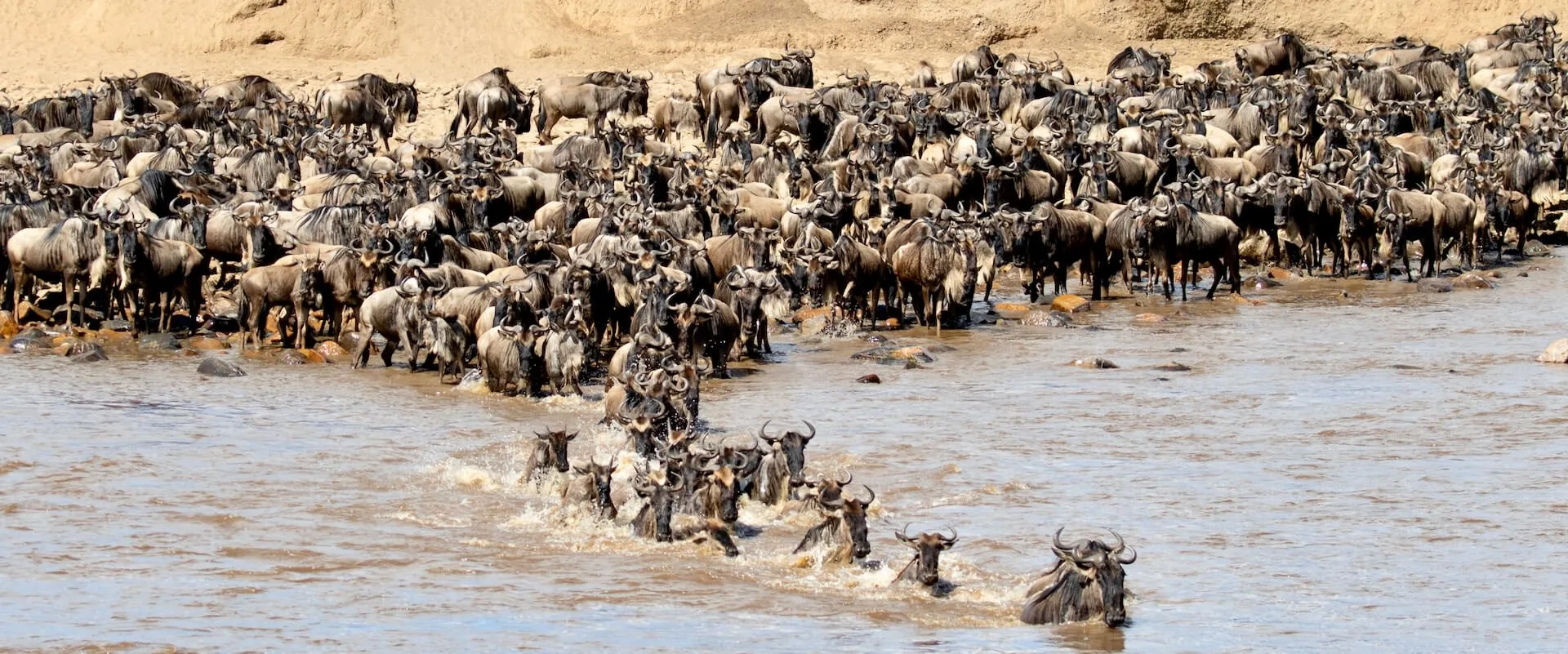
The Great Migration in Africa happens all year because the herds continuously circulate through the Serengeti–Mara ecosystem in…
Read article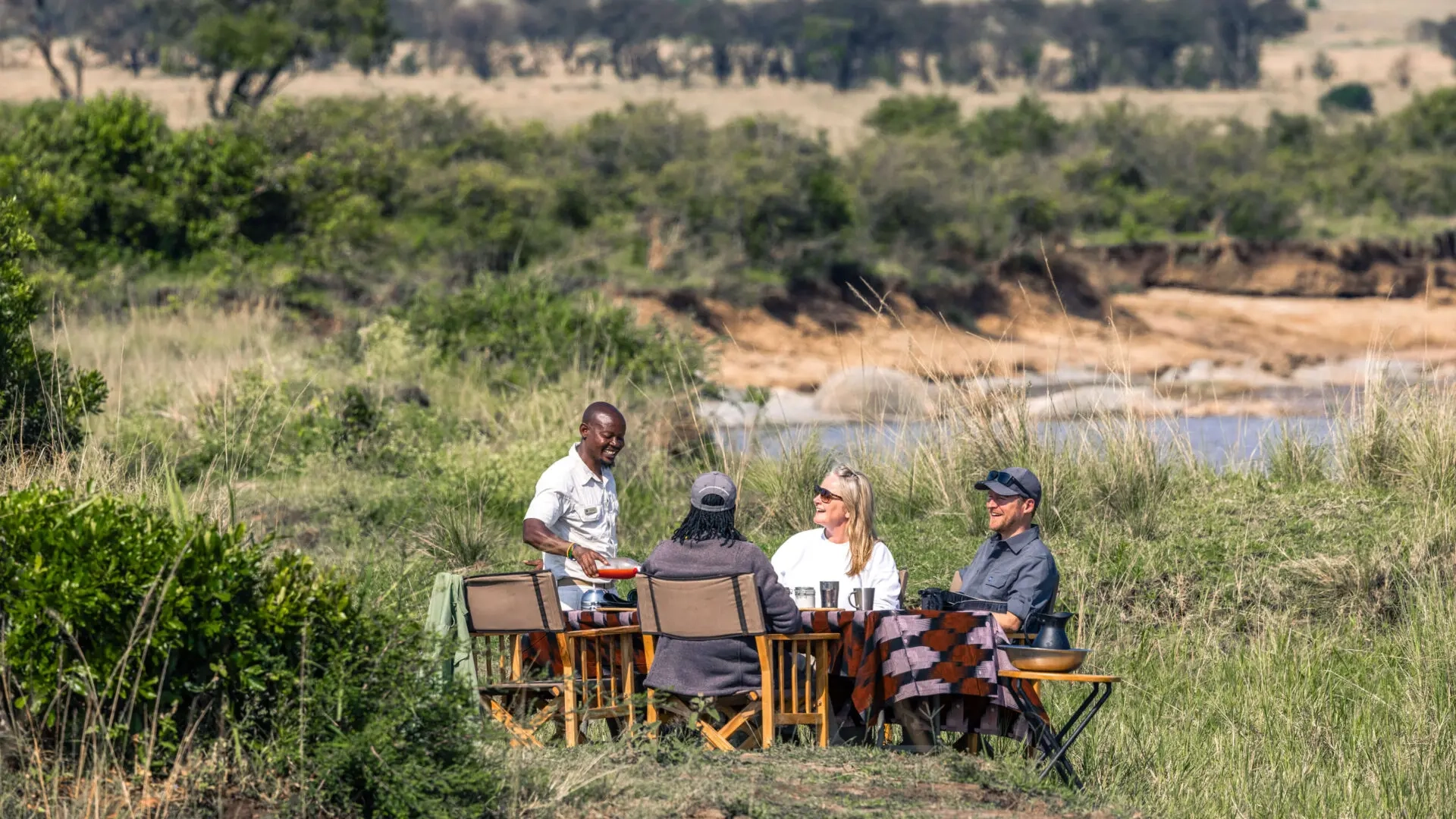
Definitive answer: A picnic lunch on safari is a packed or catered midday meal eaten at an approved…
Read article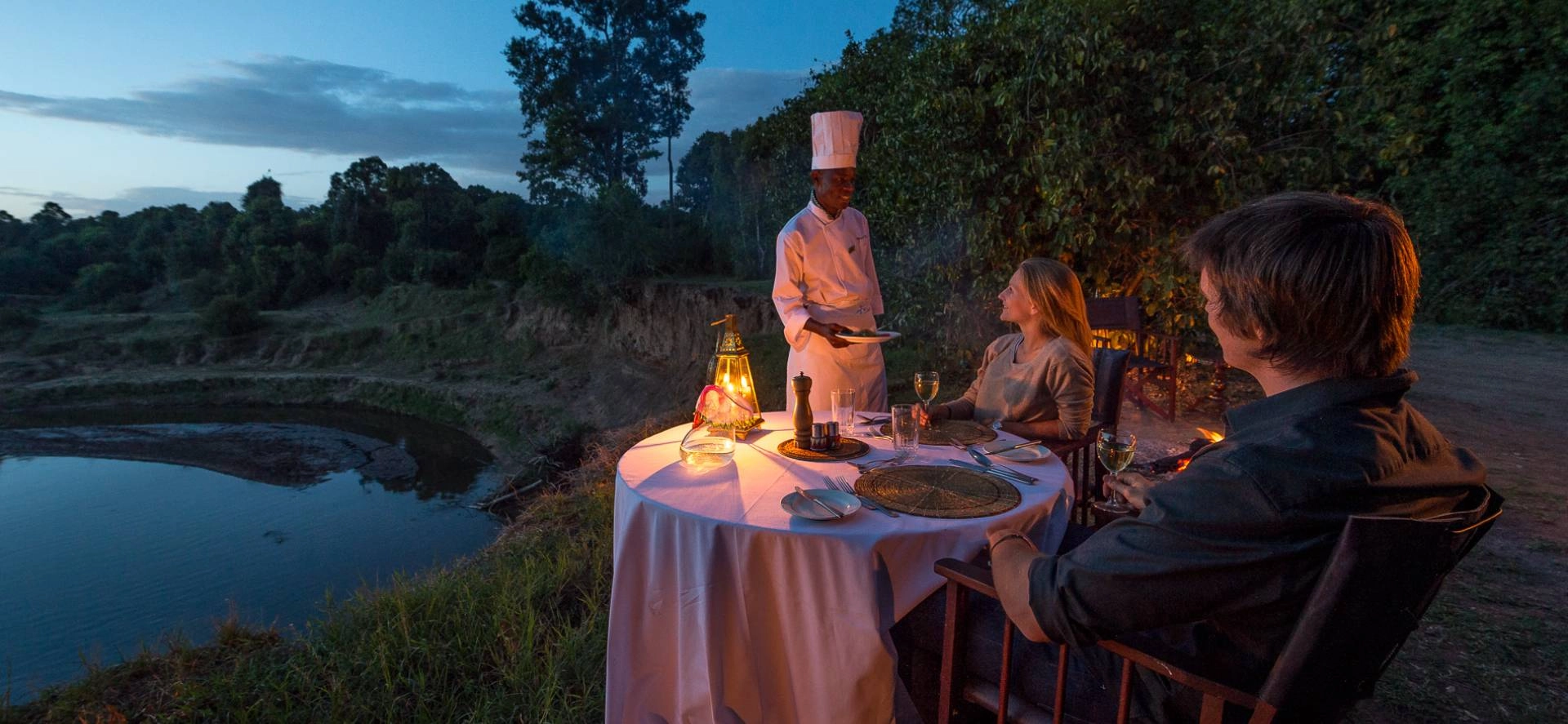
Definitive answer: A bush dinner is an outdoor evening meal arranged in a safe safari setting away from…
Read articleLet us take you closer to the wildlife, people and places that make Africa extraordinary.
Plan Your Safari Today