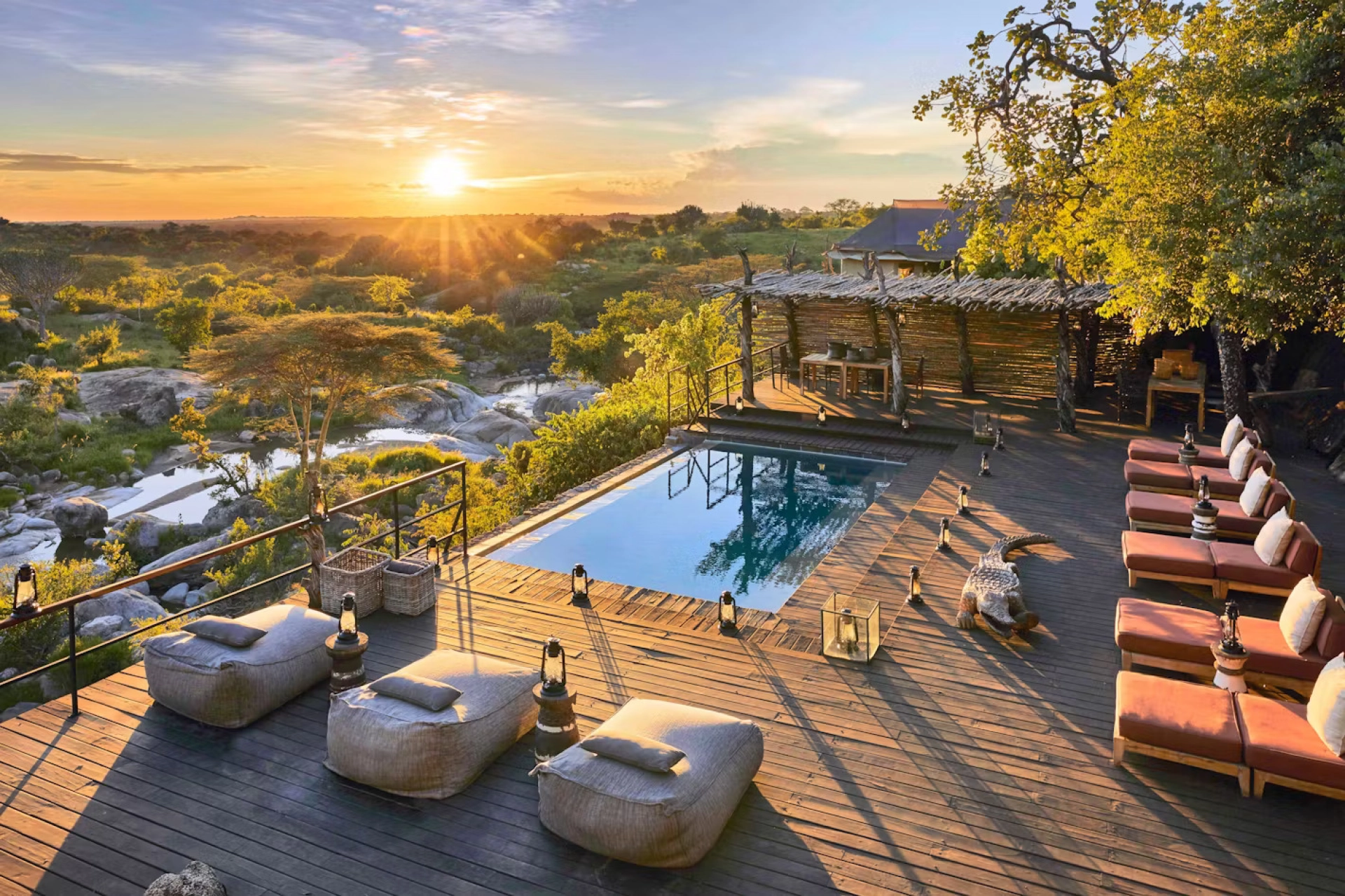
What should I look for when booking a luxury African safari?
When booking a luxury African safari, look beyond the room and compare the quality of guiding, wildlife location,…
Read article

Travel Guide
Africa is home to some of the planet’s most extraordinary protected landscapes. Across the continent, vast savannahs, tropical rainforests, wetlands, deserts, volcanic mountains and river valleys provide sanctuary for an astonishing diversity of wildlife. For travelers…
Africa is home to some of the planet’s most extraordinary protected landscapes. Across the continent, vast savannahs, tropical rainforests, wetlands, deserts, volcanic mountains and river valleys provide sanctuary for an astonishing diversity of wildlife. For travelers planning an African safari, choosing between these destinations can be one of the most exciting—and difficult—parts of organizing the journey.
The best national parks in Africa are remarkably different from one another. Tanzania’s Serengeti is famous for seemingly endless plains and the Great Wildebeest Migration. Uganda’s Bwindi Impenetrable National Park offers intimate encounters with endangered mountain gorillas. Botswana’s Chobe is renowned for enormous elephant populations, while South Africa’s Kruger National Park combines exceptional wildlife viewing with a broad range of accommodation and accessibility.
There is therefore no single national park that can be called the best for every traveler. The right destination depends on what you want to see, when you intend to travel, your budget, your preferred level of comfort and whether your dream safari revolves around the Big Five, primates, birds, dramatic landscapes, migration herds or a combination of experiences.
This guide compares Africa’s best national parks by country, helping you understand the signature experiences of the continent’s leading safari destinations.
The most celebrated African safari parks usually combine several characteristics: healthy wildlife populations, important ecosystems, good conservation management and rewarding visitor experiences. However, wildlife density alone does not determine the quality of a safari. A park with fewer vehicles and more remote wilderness can be more rewarding than a busier reserve with extremely high animal concentrations. Likewise, travelers interested in primates may find the forests of Uganda more exciting than the open plains traditionally associated with safari.
When comparing the best safari destinations in Africa, consider wildlife diversity, scenery, seasonality, accessibility, accommodation options, activities and how easily a park can be combined with other destinations. Some parks are ideal for first-time visitors. Others reward experienced safari travelers looking for remote wilderness.
Few destinations represent the classic image of an African safari as powerfully as Serengeti National Park. Located in northern Tanzania, the Serengeti protects an immense savannah ecosystem connected to Kenya’s Masai Mara. Its grasslands, rocky kopjes, river systems and woodland support extraordinary populations of herbivores and predators. The park is most famous for the Great Migration, during which vast numbers of wildebeest accompanied by zebra and other grazers move through the greater Serengeti ecosystem in search of fresh pasture and water.
Migration viewing changes throughout the year because the herds are constantly moving. Southern areas become particularly important during the calving period, while western and northern sectors become significant as the migration progresses. Yet the Serengeti is much more than the migration. Lions, leopards, cheetahs, elephants, giraffes, buffaloes, hyenas, jackals, hippos and numerous antelope species can be encountered throughout the ecosystem.
The Serengeti is especially suitable for travelers seeking a classic African wildlife safari, exceptional predator sightings, wide-open landscapes and the possibility of witnessing major migration events. It can also be combined naturally with the Ngorongoro Conservation Area, Tarangire National Park and Lake Manyara National Park to create a comprehensive northern Tanzania safari. For travelers wanting to combine wildlife with relaxation, Tanzania itineraries can continue to Zanzibar after the safari.
Although technically located within the Ngorongoro Conservation Area rather than a conventional national park, Ngorongoro Crater deserves a place among Africa’s premier wildlife destinations. The enormous volcanic caldera creates one of the continent’s most concentrated wildlife environments. Descending from the crater rim onto the floor is one of East Africa’s memorable safari experiences. The crater supports lions, elephants, buffaloes, hippos, hyenas, wildebeest, zebras, gazelles and many other species. It is also among the better places in Tanzania to hope for a sighting of the critically endangered black rhinoceros, although sightings can never be guaranteed.
Ngorongoro works particularly well in combination with the Serengeti. Travelers with limited time can therefore experience two dramatically different environments within one northern Tanzania itinerary.
Kenya’s Masai Mara National Reserve is technically a national reserve rather than a national park, but no overview of Africa’s greatest protected areas would be complete without it. The Mara forms the northern continuation of the Serengeti ecosystem and is famous for open grasslands, predator populations and seasonal movements of migratory herbivores. During periods when migration herds reach the ecosystem’s northern reaches, dramatic river crossings may occur. These events are unpredictable, however, and responsible safari planning should never promise a crossing on a particular day.
The Mara is rewarding even outside migration periods. Lions, elephants, buffaloes, giraffes, cheetahs, hyenas and many antelope species occur within the ecosystem, while leopards may be encountered in suitable habitats.
The Mara is an excellent choice for travelers wanting Big Five safari experiences in Kenya, strong predator viewing and relatively straightforward access from Nairobi.
Private conservancies surrounding the reserve can add another dimension. Depending on the conservancy and accommodation, activities may include night drives, guided walks and more controlled vehicle densities. Combining the Masai Mara safari with Amboseli, Lake Nakuru, Samburu or a beach stay on the Kenyan coast can produce an exceptionally varied itinerary.
Amboseli National Park is famous for elephants and its iconic views toward Mount Kilimanjaro across the border in Tanzania. Large elephant families moving across open landscapes beneath Africa’s highest mountain create some of East Africa’s most recognizable safari scenes. The Amboseli ecosystem contains wetlands, plains and woodland habitats that attract a variety of animals and birds. Visitors may encounter elephants, buffaloes, giraffes, zebras, wildebeest, lions, hyenas and numerous smaller species.
Amboseli is particularly appealing to photographers because the landscape itself is as important as the wildlife. It combines well with Nairobi and the Masai Mara, making it a valuable addition to a Kenya safari itinerary.
Uganda offers a completely different safari experience. Instead of endless savannah, Bwindi Impenetrable National Park protects a magnificent montane rainforest in southwestern Uganda and is globally renowned for mountain gorilla trekking. A gorilla trek begins with a briefing before visitors enter the forest with trained guides and trackers. Trekking duration varies because gorillas move naturally through their habitat. Once a habituated gorilla family is located, visitors experience a carefully regulated encounter under established conservation rules.
Watching mountain gorillas feed, rest, interact and move through dense forest can be one of the most powerful wildlife experiences in Africa.
Bwindi demonstrates that an African safari is not limited to game drives. The park is part of an exceptionally biodiverse region and provides opportunities for forest walks, birding and community-based experiences alongside gorilla trekking. For travelers whose priority is a Uganda gorilla safari, Bwindi is usually the centerpiece of the itinerary. It can then be combined with Queen Elizabeth National Park, Kibale National Park, Lake Mburo National Park and Murchison Falls National Park.
This creates one of Africa’s most varied safari combinations: gorillas, chimpanzees, savannah wildlife, boat safaris and spectacular landscapes within one country.
Queen Elizabeth National Park is among Uganda’s most diverse savannah destinations. Its ecosystems include open plains, wetlands, crater landscapes, woodland and the Kazinga Channel, which connects Lakes George and Edward. Game drives may reveal elephants, buffaloes, Uganda kobs, warthogs, lions and other wildlife. The Kazinga Channel boat safari provides a different perspective, allowing visitors to observe hippos, crocodiles, waterbirds and mammals visiting the shoreline.
The Ishasha sector in the southern part of the park is famous for lions that are known to rest in trees, although—as with all wildlife—sightings cannot be guaranteed. Queen Elizabeth is especially useful on Uganda itineraries because of its location between major primate destinations. Travelers can combine chimpanzee trekking in Kibale with Queen Elizabeth and continue toward gorilla trekking in Bwindi, creating a highly diverse western Uganda safari circuit.
Murchison Falls National Park combines wildlife with one of the Nile’s most dramatic natural features. Here the Victoria Nile is forced through a narrow rocky gorge before plunging downstream in a powerful waterfall. Game drives in the northern sector provide opportunities to search for elephants, giraffes, buffaloes, lions, hartebeests, Uganda kobs and other savannah species. Boat trips on the Nile are another highlight. Hippos, crocodiles and numerous birds can be observed along the river, while elephants and other mammals frequently approach the water.
Murchison Falls is an excellent choice for travelers seeking a Uganda wildlife safari beyond gorilla trekking.
Rwanda’s Volcanoes National Park protects bamboo forest and montane ecosystems on the slopes of the Virunga volcanoes. Its most famous residents are mountain gorillas.
Gorilla trekking in Rwanda is particularly attractive to travelers who want to combine a primate experience with a relatively compact itinerary. The park is accessible from Kigali, and the surrounding Musanze area offers a well-developed tourism infrastructure. Volcanoes National Park also provides opportunities for golden monkey trekking, hiking and other nature-based activities. For travelers combining Uganda and Rwanda, it is possible to create a broader primate safari featuring Bwindi, Kibale and Volcanoes National Park.
Travelers sometimes associate Rwanda exclusively with mountain gorillas, but Akagera National Park offers a contrasting savannah experience. Located in eastern Rwanda, Akagera contains lakes, wetlands, woodland and open plains. Wildlife includes elephants, buffaloes, giraffes, zebras, antelopes and predators, while the park’s wetlands support exceptional birdlife. Akagera allows travelers to combine Rwanda gorilla trekking with a traditional game-drive safari without leaving the country.
This makes Rwanda particularly attractive to visitors with limited time.
Botswana has earned a reputation for high-quality wilderness experiences, and Chobe National Park is one of its best-known destinations. The Chobe River supports abundant wildlife, particularly during drier periods when animals concentrate around permanent water. Elephants are one of Chobe’s defining attractions. Large herds can often be observed near the river, sometimes drinking, bathing or crossing through shallow water.
A Chobe River safari provides a dramatically different perspective from a conventional game drive. Visitors can observe elephants, hippos, crocodiles and numerous birds from the water. Chobe also combines conveniently with Victoria Falls, making it an excellent addition to multi-country southern African itineraries.
The Okavango Delta is not one single national park, but it must be included in any discussion of Africa’s greatest safari ecosystems. Water flowing from Angola spreads across northern Botswana, creating channels, islands, floodplains and lagoons. The resulting ecosystem supports elephants, buffaloes, antelopes, lions, leopards, wild dogs and abundant birdlife. Safari activities vary according to camp and water conditions and may include game drives, boating and traditional mokoro excursions.
Botswana’s safari model often emphasizes lower-density, higher-value tourism. Consequently, some Delta camps can be expensive, particularly in peak periods. For travelers seeking exclusivity and remote wilderness, however, the Okavango Delta safari can be exceptional.
Kruger National Park is one of Africa’s most famous and accessible wildlife destinations. Its enormous size and varied habitats support an extraordinary range of mammals, birds and other wildlife. The park is home to the Big Five—lion, leopard, elephant, rhinoceros and buffalo—along with cheetahs, wild dogs, giraffes, zebras, hippos, crocodiles and numerous antelope species. One of Kruger’s greatest strengths is flexibility.
Travelers can choose self-drive adventures, guided game drives, affordable rest camps or luxurious lodges in private reserves adjoining the greater ecosystem. This makes Kruger suitable for everyone from independent travelers to visitors seeking high-end private safari experiences.
Kruger itself offers excellent wildlife viewing and comparatively broad accommodation options. Private reserves bordering the greater Kruger ecosystem often provide more exclusive experiences and, depending on reserve rules, activities such as off-road approaches to selected sightings and guided bush walks. Combining both can provide an excellent balance.
For travelers visiting South Africa’s Eastern Cape, Addo Elephant National Park offers another rewarding wildlife experience. Originally established to protect a small surviving elephant population, the protected area has expanded substantially. Elephants remain the major attraction, but visitors can encounter numerous other species.
Addo is especially useful for travelers combining wildlife with the Garden Route and other South African destinations.
South Luangwa National Park is one of Africa’s great wilderness destinations. The Luangwa River and surrounding floodplains support large wildlife populations, including elephants, buffaloes, hippos, crocodiles, lions and leopards. South Luangwa is particularly famous for walking safaris. Exploring the bush on foot with qualified guides provides a completely different appreciation of the ecosystem. Instead of concentrating only on large mammals, travelers learn about tracks, plants, insects, birds and the subtle signs that reveal animal activity.
The park is therefore particularly appealing to repeat safari travelers seeking a deeper wilderness experience.
Lower Zambezi National Park combines terrestrial wildlife with the magnificent Zambezi River. Game drives can be complemented by river-based activities, creating opportunities to observe elephants, hippos and other wildlife from different perspectives. Its landscapes and relatively remote character make the Lower Zambezi attractive to travelers looking for an immersive Zambia safari.
Hwange National Park is Zimbabwe’s largest and most famous wildlife park. It is particularly known for elephants and supports a broad range of predators and herbivores. Waterholes become important wildlife gathering points during dry periods, providing excellent viewing opportunities. Hwange can be combined easily with Victoria Falls, allowing visitors to experience one of Africa’s great natural landmarks and a major wildlife destination within the same journey.
Mana Pools National Park lies along the Zambezi River and is renowned for its wild landscapes. The park’s floodplains, woodland and riverine environments attract elephants, buffaloes, predators and other wildlife. Mana Pools is particularly valued by experienced safari travelers and photographers seeking a more adventurous wilderness atmosphere.
Namibia’s Etosha National Park offers one of Africa’s most distinctive safari landscapes. The enormous Etosha salt pan dominates the environment, while surrounding plains and woodland support substantial wildlife populations. During dry periods, waterholes become central to wildlife viewing. Visitors may observe elephants, giraffes, zebras, antelopes, lions and rhinoceroses gathering around water sources. Etosha is particularly suitable for self-drive travelers and can be incorporated into a wider Namibia safari featuring the Namib Desert, Sossusvlei and Damaraland.
Malawi is often overlooked when travelers compare the best African safari countries, yet Liwonde National Park has become an increasingly interesting conservation destination. The Shire River creates productive habitats for elephants, hippos, crocodiles and diverse birdlife. Liwonde can work especially well for travelers combining wildlife with Lake Malawi.
There is no universal winner. Tanzania is exceptional for large-scale savannah ecosystems and the Great Migration. Kenya combines iconic wildlife destinations with excellent accessibility and diverse safari circuits. Uganda stands apart for mountain gorillas, chimpanzees and the ability to combine primate trekking with traditional savannah safaris. Rwanda provides an efficient combination of gorillas and savannah wildlife. Botswana excels in remote, water-influenced wilderness and exclusive safari experiences. South Africa offers excellent infrastructure, varied price points and some of the continent’s most accessible Big Five experiences. Zambia and Zimbabwe are superb choices for travelers seeking wild landscapes and adventurous safari activities.
Namibia combines wildlife with some of Africa’s most dramatic desert scenery. The best country ultimately depends on your priorities.
Travelers whose primary goal is a Big Five safari should consider destinations such as Kruger and its surrounding reserves, the Serengeti ecosystem, the Masai Mara ecosystem and several southern African reserves. However, the Big Five should not become the only measure of safari quality. Cheetahs, wild dogs, giraffes, zebras, hippos, primates, birds and smaller creatures can be equally fascinating. A great safari is about understanding an ecosystem rather than simply completing an animal checklist.
For mountain gorillas, the key protected areas are Bwindi Impenetrable National Park and Mgahinga Gorilla National Park in Uganda and Volcanoes National Park in Rwanda. These forests provide an experience fundamentally different from a game drive. Travelers hike through mountain forest rather than searching for wildlife from a safari vehicle. Combining gorilla trekking in Uganda with Queen Elizabeth National Park, Kibale and Murchison Falls is one of the best ways to experience both forest and savannah ecosystems.
The Great Migration takes place across the Serengeti–Mara ecosystem. The Serengeti covers the majority of the migration’s annual cycle, while Kenya’s Masai Mara becomes particularly important when herds move into the northern part of the ecosystem. Because the migration responds to rainfall and grazing conditions, exact movements vary. Travelers should plan around broad seasonal patterns rather than expecting nature to follow a fixed calendar.
Africa is also an outstanding destination for birders. Uganda is particularly notable because its varied habitats support an extraordinary bird list within a relatively compact country. Wetlands, forests, savannahs and Albertine Rift environments provide dramatically different birding opportunities. Botswana’s wetlands, Kenya’s Rift Valley, Tanzania’s diverse ecosystems, Zambia’s river valleys and South Africa’s varied habitats also offer excellent African birding safaris.
The answer varies by destination. Dry seasons often provide easier wildlife viewing in savannah parks because vegetation can become thinner and animals concentrate around water. However, wetter or greener seasons have important advantages. Landscapes become lush, migratory birds may arrive, newborn animals can be present, accommodation may offer better value and some destinations receive fewer visitors.
For gorilla trekking, trips operate throughout the year, although trail conditions can be more challenging during wetter periods. The best time for an African safari therefore depends on the park and the experience you prioritize.
Quality is more important than quantity. Trying to visit too many parks can result in excessive driving, repeated packing and limited time actually watching wildlife. A well-designed safari generally combines complementary destinations. For example, a Uganda itinerary might include Kibale National Park, Queen Elizabeth National Park and Bwindi. A Tanzania itinerary might combine Tarangire, Ngorongoro and Serengeti. A Kenya trip might combine Amboseli and Masai Mara. The goal should be ecological variety without turning the holiday into a race between parks.
Travelers with additional time can create exceptional cross-border itineraries.
Popular combinations include Uganda and Rwanda, Kenya and Tanzania, Botswana and Zimbabwe, or South Africa combined with neighboring countries. A Uganda–Rwanda safari can be particularly rewarding for primate enthusiasts, while Kenya–Tanzania combinations provide access to both sides of the Serengeti–Mara ecosystem. Multi-country travel requires careful attention to border logistics, visas where applicable, flight schedules and road-transfer times. Working with an experienced African safari operator can simplify these arrangements.
Africa’s national parks protect ecosystems under increasing pressure from habitat loss, climate change, human-wildlife conflict and other challenges. Responsible tourism can contribute to conservation by generating revenue for protected areas and supporting jobs connected to wildlife. Visitors should follow park rules, maintain appropriate distances from animals, avoid feeding wildlife and respect instructions from guides and rangers. During gorilla trekking, conservation regulations are particularly important because mountain gorillas are closely related to humans and vulnerable to human diseases.
Travelers should also select tourism businesses that demonstrate responsible environmental and community practices.
First-time visitors often begin by asking, “Which is the best national park in Africa?” A better question is: Which African national park is best for the experience I want? Choose Serengeti National Park if you dream of enormous savannah landscapes, predators and migration wildlife. Choose the Masai Mara for classic Kenyan safari scenery and outstanding predator viewing.
Choose Bwindi Impenetrable National Park if meeting mountain gorillas is your highest priority. Choose Queen Elizabeth National Park if you want to combine Uganda’s primates with savannah wildlife and a boat safari. Choose Volcanoes National Park for mountain gorilla trekking in Rwanda. Choose Chobe National Park for elephants and river-based wildlife viewing. Choose the Okavango Delta for remote wetland wilderness. Choose Kruger National Park for accessibility, wildlife diversity and a broad range of safari styles. Choose South Luangwa for walking safaris and an adventurous wilderness atmosphere. Choose Etosha for waterhole wildlife viewing combined with Namibia’s extraordinary landscapes.
One of the most rewarding ways to explore Africa is to combine its famous savannahs with its tropical forests. A journey might begin with gorilla trekking in Uganda or Rwanda before continuing to the Serengeti, Masai Mara or another major wildlife ecosystem. Alternatively, travelers can remain entirely within Uganda and combine Bwindi’s mountain gorillas with chimpanzees in Kibale, game drives in Queen Elizabeth and Nile safaris in Murchison Falls. This diversity is one of the reasons East Africa remains such a compelling safari region.
The best national parks in Africa are not interchangeable. Each protects a distinctive ecosystem and provides a different way of experiencing the continent’s wildlife. The Serengeti offers scale. The Masai Mara delivers classic predator country. Bwindi creates intimate encounters with mountain gorillas. Chobe is defined by elephants and the river. Kruger offers diversity and accessibility. South Luangwa celebrates wilderness on foot. Etosha transforms waterholes into natural wildlife theatres. Rather than choosing a destination solely because it is famous, consider the wildlife, landscapes and activities that matter most to you.
At Adventure in the Wild Safaris, we design customized African safari itineraries combining gorilla trekking, chimpanzee trekking, wildlife safaris, Big Five game viewing, birding, cultural experiences and multi-country East African journeys. Whether your dream is tracking mountain gorillas in Uganda, watching lions on the Serengeti plains, photographing elephants beneath Kilimanjaro or combining several of Africa’s greatest national parks in one itinerary, careful planning can transform a collection of destinations into an unforgettable African journey.
Plan your African safari with Adventure in the Wild Safaris and explore the national parks, wildlife and wilderness areas that make Africa one of the world’s greatest nature destinations.

Share This Article
When booking a luxury African safari, look beyond the room and compare the quality of guiding, wildlife location,…
Read article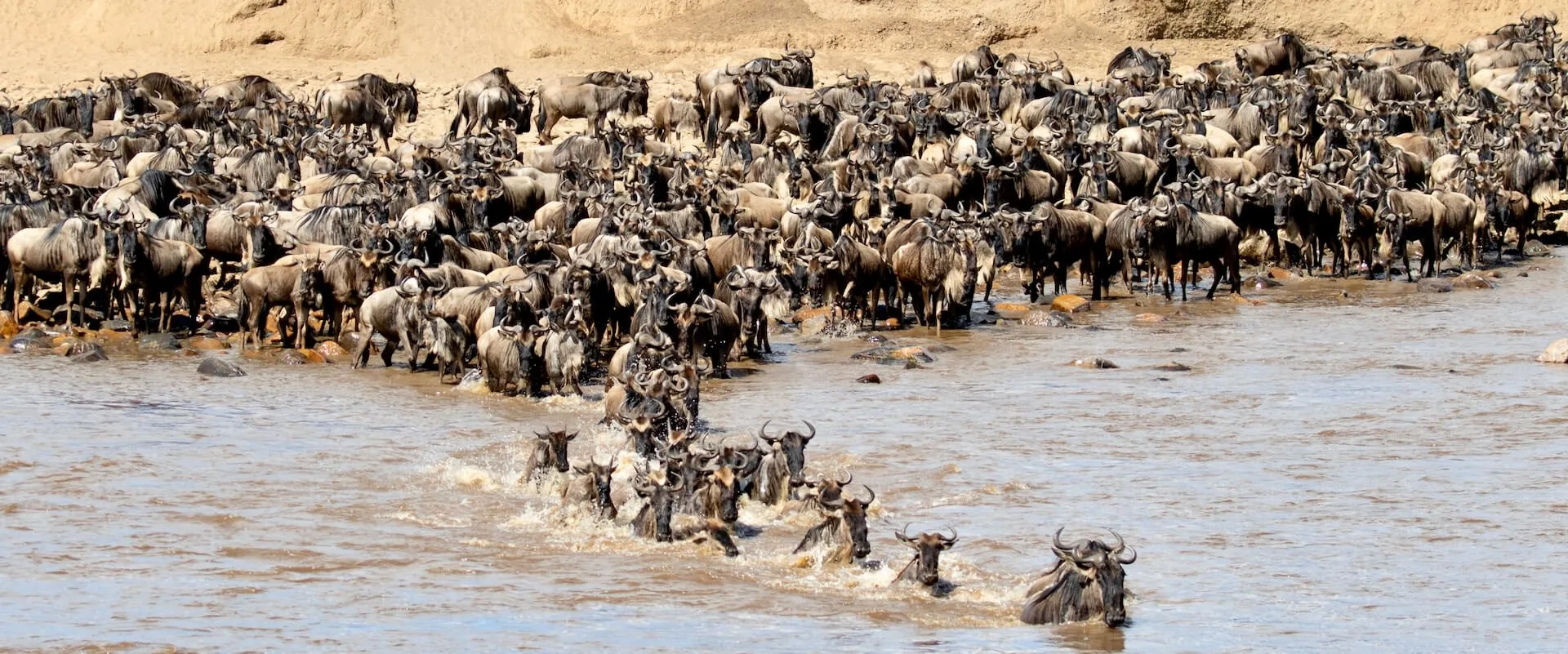
The Great Migration in Africa happens all year because the herds continuously circulate through the Serengeti–Mara ecosystem in…
Read article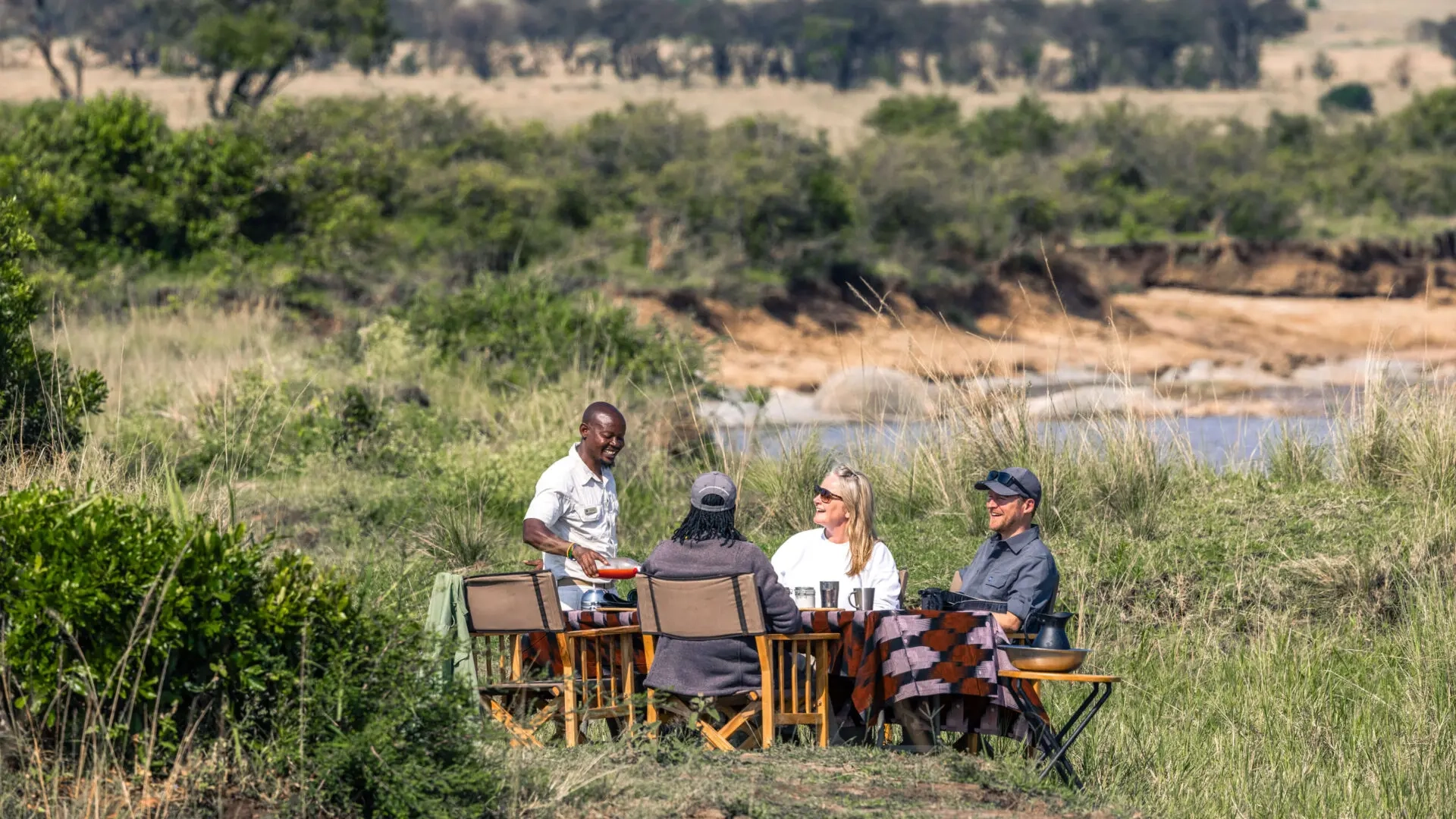
Definitive answer: A picnic lunch on safari is a packed or catered midday meal eaten at an approved…
Read article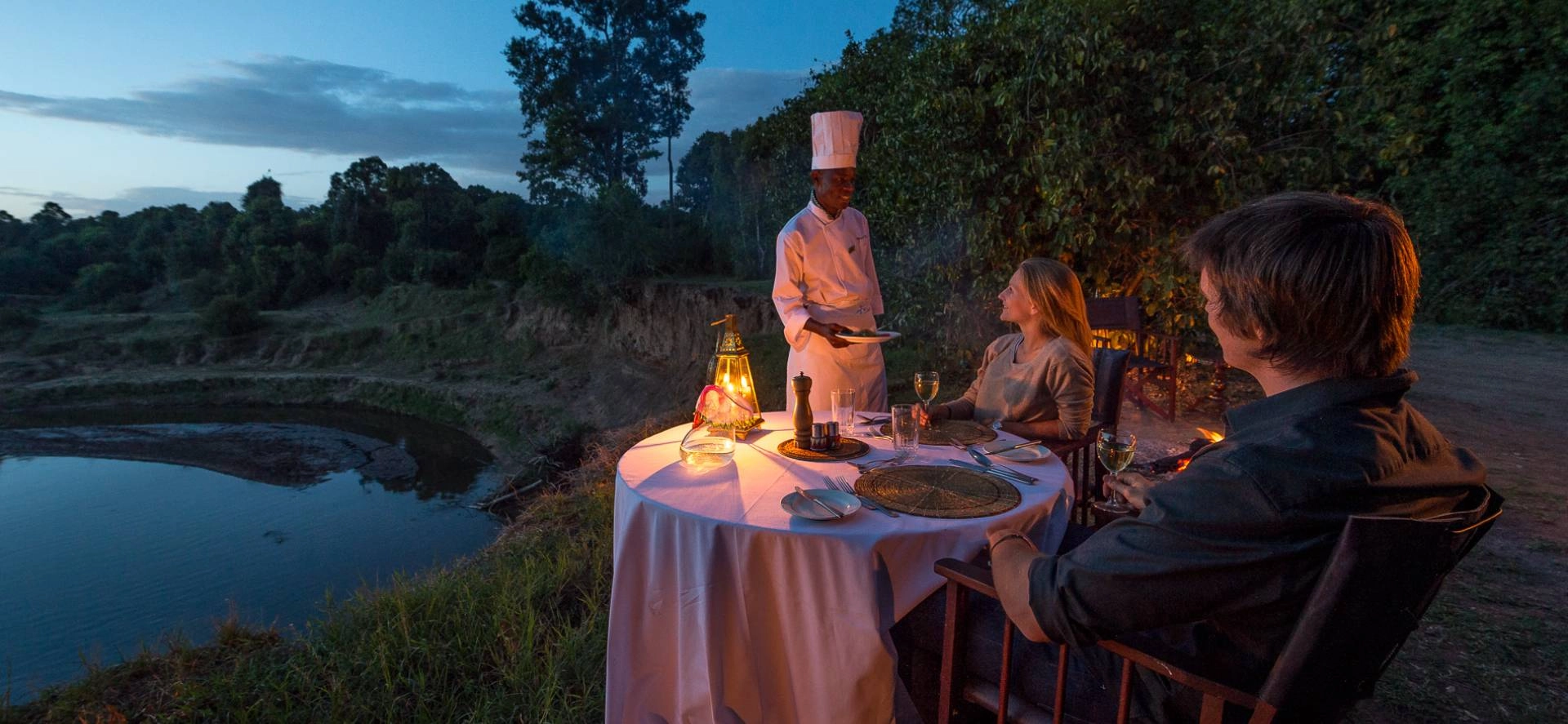
Definitive answer: A bush dinner is an outdoor evening meal arranged in a safe safari setting away from…
Read articleLet us take you closer to the wildlife, people and places that make Africa extraordinary.
Plan Your Safari Today