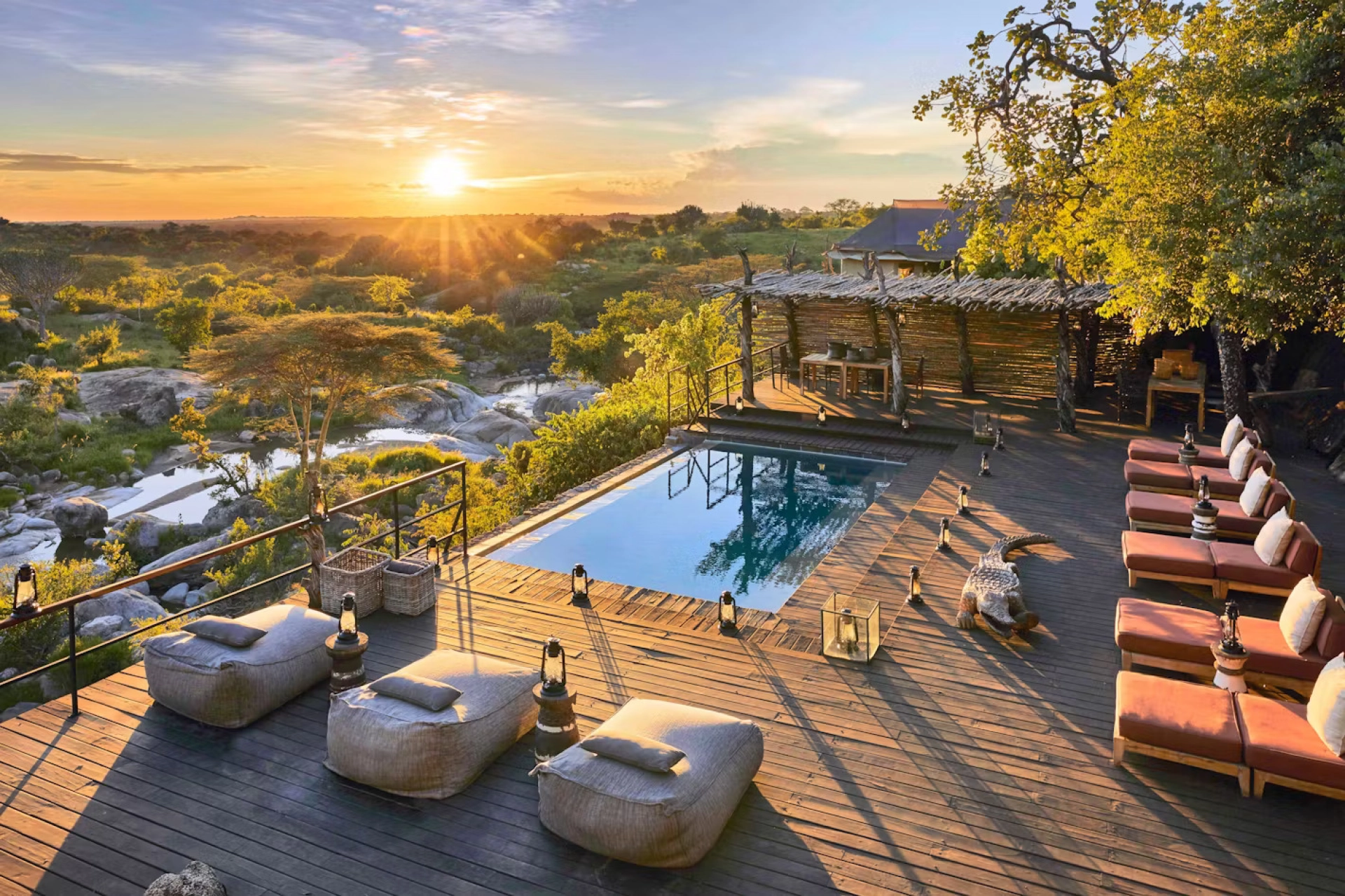
What should I look for when booking a luxury African safari?
When booking a luxury African safari, look beyond the room and compare the quality of guiding, wildlife location,…
Read article
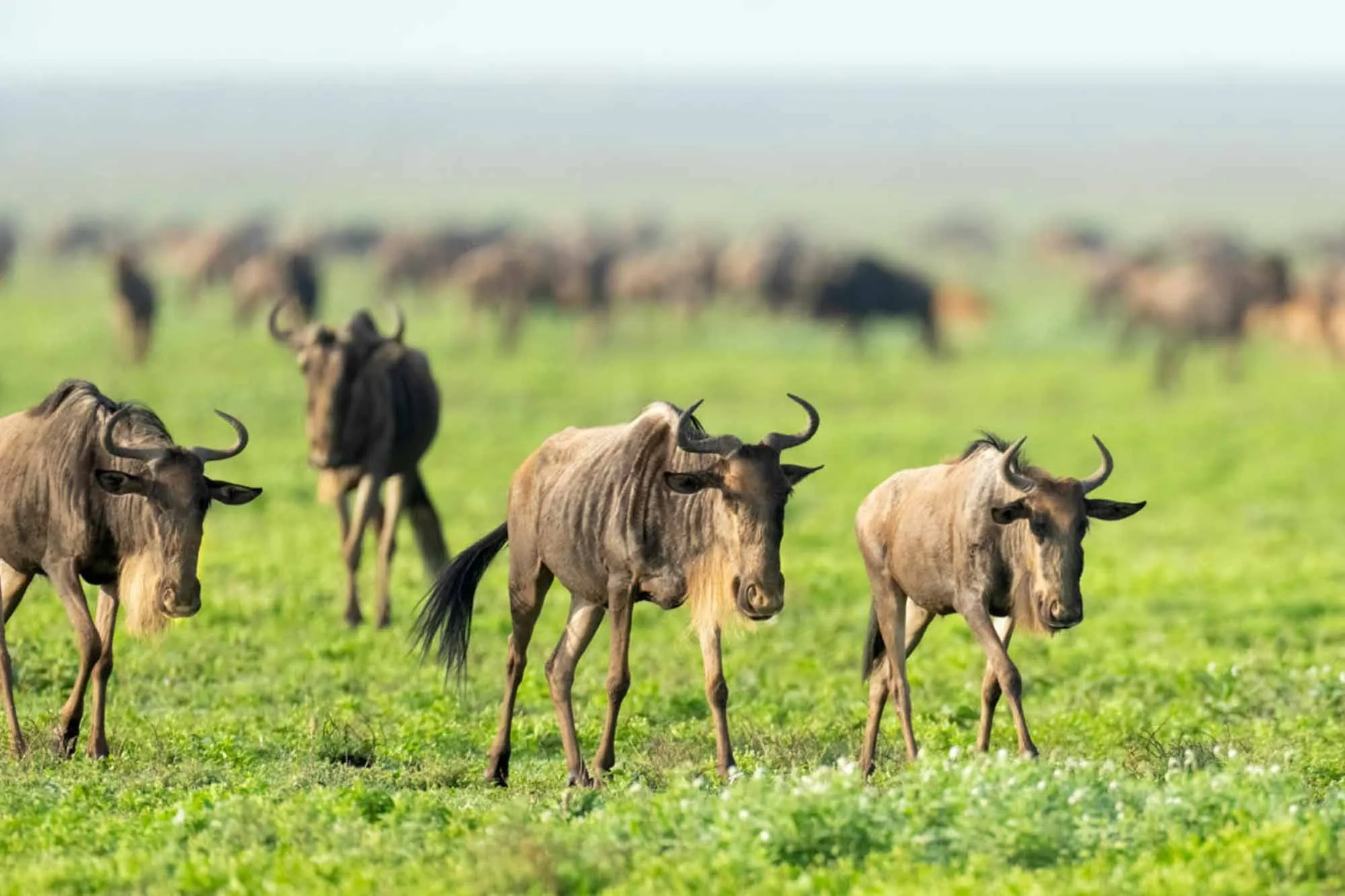
Travel Guide
Cape Town is famous for Table Mountain, spectacular beaches, the Cape Peninsula, vineyards and one of Africa's most exciting urban food scenes. What many first-time visitors do not realise is that it is also possible to…
Cape Town is famous for Table Mountain, spectacular beaches, the Cape Peninsula, vineyards and one of Africa’s most exciting urban food scenes. What many first-time visitors do not realise is that it is also possible to add an African Big 5 safari near Cape Town without flying across South Africa to Kruger National Park. One of the best-known options is an Aquila Safari near Cape Town, a convenient wildlife experience in the Western Cape that can be visited as either a day trip or an overnight safari.
Aquila Private Game Reserve and Spa is situated near Touws River, approximately 170 kilometres from Cape Town. The reserve describes the journey as just under two hours from the city under normal conditions. It covers approximately 10,000 hectares of the Karoo and is home to the Big Five — lion, leopard, elephant, rhinoceros and Cape buffalo — as well as giraffes, zebras, hippos, wildebeest, ostriches and several species of antelope.
For travellers whose South African holiday is centred on Cape Town, this accessibility is Aquila’s greatest attraction. You can wake up in the city, leave the Atlantic coastline behind, travel through the dramatic landscapes of the Western Cape and spend part of the same day searching for African wildlife. But is an Aquila safari worth it? What animals can you actually see? How does it compare with a safari in Kruger? Should you book a day trip or stay overnight? And what should travellers realistically expect from a Big 5 safari close to Cape Town?
This detailed Aquila Safari guide answers those questions and explains how the reserve can fit into a broader South Africa safari holiday.
Aquila Private Game Reserve and Spa lies close to the town of Touws River in South Africa’s Western Cape. The location is important because Cape Town itself is not surrounded by the enormous wildlife ecosystems associated with destinations such as Kruger National Park, the Greater Kruger, Botswana’s Okavango Delta, Tanzania’s Serengeti or Kenya’s Masai Mara. Aquila provides a different type of safari opportunity: a relatively accessible private reserve that allows travellers based in Cape Town to experience large African mammals without adding a domestic flight or a long multi-day transfer to their itinerary.
The drive from Cape Town follows the N1 through some of the Western Cape’s most attractive scenery. Travellers pass through or near the Cape Winelands before continuing toward Worcester, De Doorns and the Hex River Valley. Aquila’s official directions place the reserve roughly 10 kilometres from Touws River. That makes the journey part of the experience. Cape Town’s ocean, mountains and Mediterranean-influenced scenery gradually give way to the broad, dry landscapes of the Karoo. By the time you reach Aquila, the environment feels completely different from the city you left only a few hours earlier.
Convenience is the obvious reason. Travellers often arrive in Cape Town with a packed itinerary. There is Table Mountain, Cape Point, Boulders Beach, Kirstenbosch, Robben Island, the V&A Waterfront, Constantia, Stellenbosch, Franschhoek and the spectacular coastal roads around the Cape Peninsula. Adding a conventional safari elsewhere in South Africa can require several additional days. For example, combining Cape Town and Kruger National Park usually involves a flight to Johannesburg, Hoedspruit, Mbombela or another regional airport, followed by road transfers and ideally several nights in or around the national park.
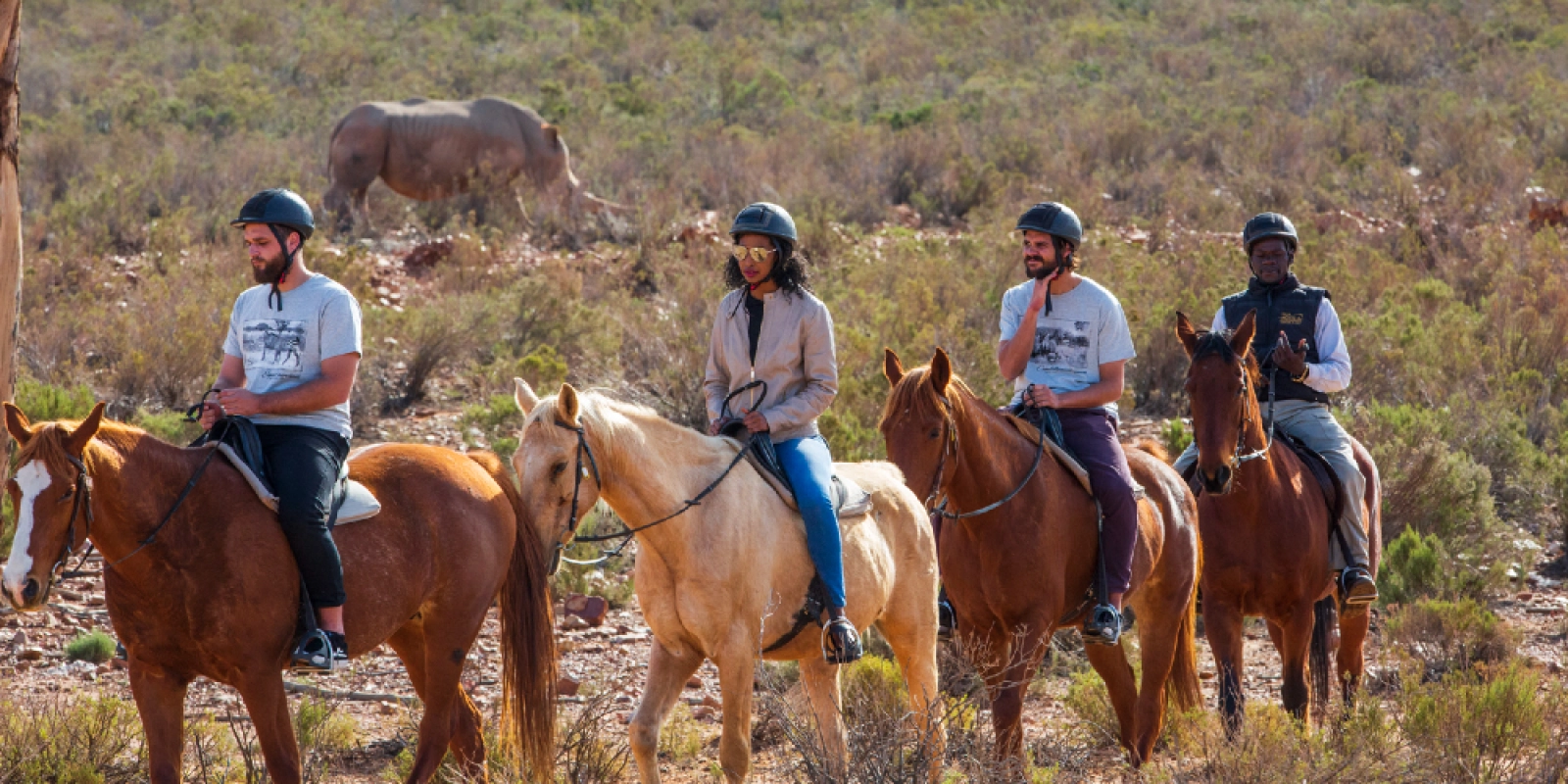
That is worthwhile when time and budget permit. However, not every traveller has another four or five days. An Aquila day safari from Cape Town offers an alternative. It allows visitors to sample the safari experience while keeping Cape Town as their principal base. Aquila currently offers several day-trip formats, including early-morning, afternoon, sunset and traditional full-day safari options. There are also horseback, quad-bike and combination safari products, while overnight guests can combine accommodation with multiple wildlife activities.
This flexibility makes Aquila particularly attractive for first-time safari travellers, couples, families and visitors taking a short South African holiday.
The biggest mistake is arriving at Aquila expecting it to feel exactly like the Serengeti or Kruger.
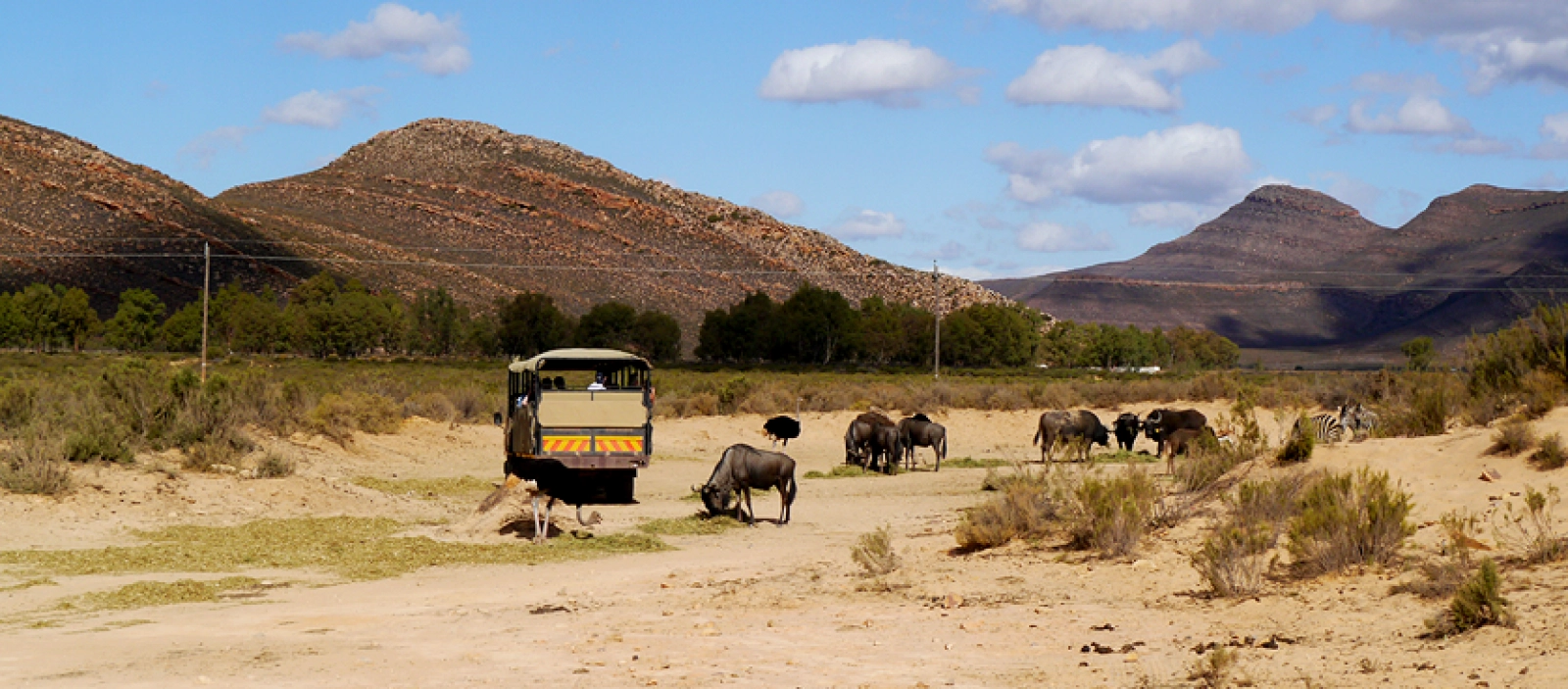
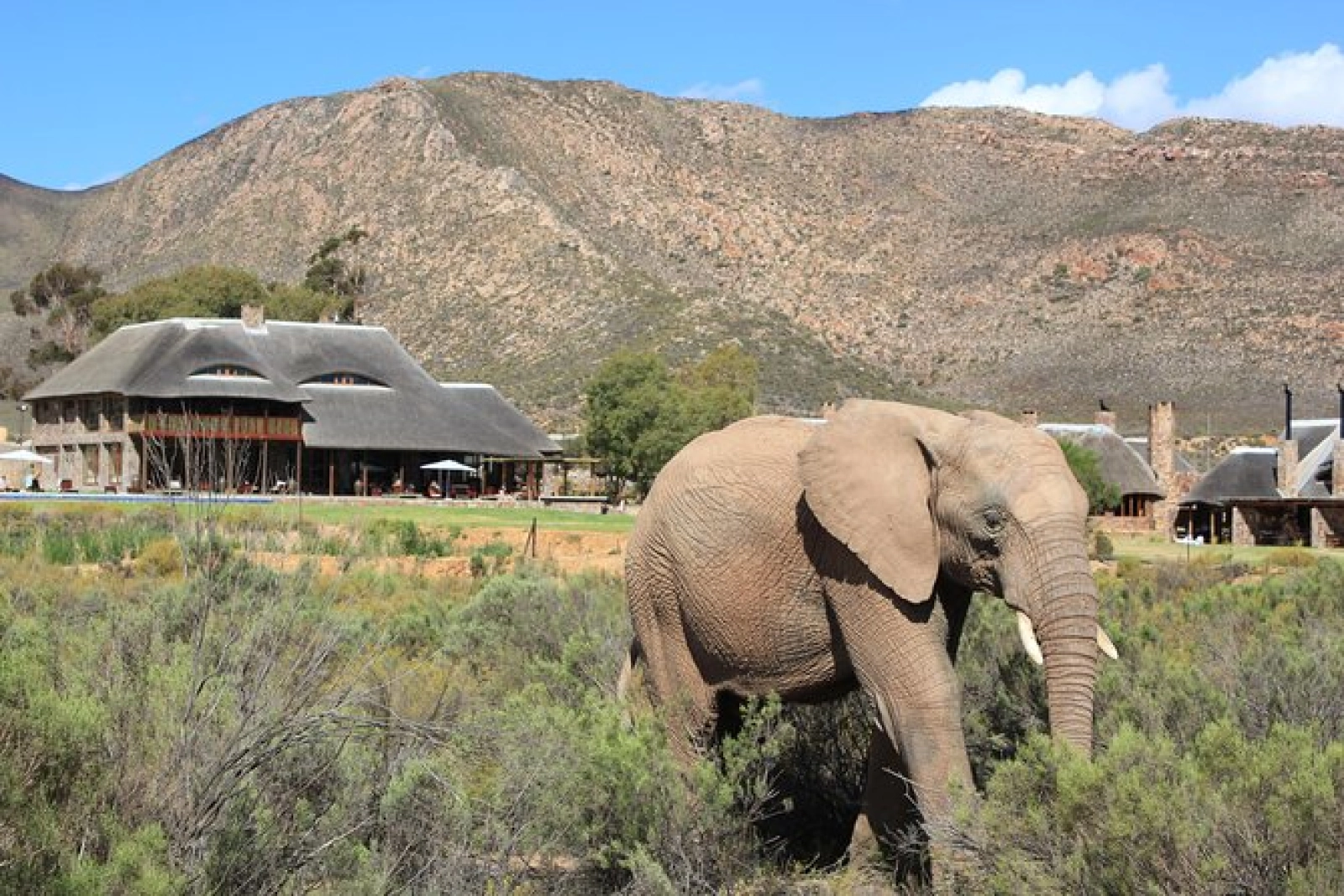
It is better understood on its own terms. Aquila is a private wildlife reserve in the Western Cape offering guided wildlife experiences in a large Karoo landscape. Its proximity to Cape Town and relatively structured safari operation make it very different from exploring an enormous national park. That does not mean the wildlife experience is insignificant. The change from urban Cape Town to open Karoo scenery is dramatic, and seeing elephants, rhinos, buffaloes, zebras, giraffes and antelopes against the mountains and plains of the Western Cape can be a memorable introduction to an African wildlife safari.
A typical game drive is conducted with a professional guide who interprets the landscape, explains animal behaviour and searches for wildlife. Rather than simply ticking animals from a checklist, listen to the guide. A good safari becomes considerably more interesting once you begin understanding why an animal is standing in a particular location, what it is feeding on, how it communicates, why antelope gather together or how different species adapt to the dry Karoo environment.
Yes. Aquila is promoted as a Big 5 game reserve near Cape Town and is home to elephant, rhinoceros, Cape buffalo, lion and leopard. However, there is an important distinction between animals being present and animals being guaranteed. No responsible safari operator should promise that you will see every animal on a particular game drive. Wildlife moves. Visibility changes according to temperature, vegetation, water availability, season, time of day and natural behaviour. Aquila itself explicitly states that Big Five sightings cannot be guaranteed.
Leopards are especially difficult. They are naturally secretive, well camouflaged and often active during lower-light periods. Even in Africa’s premier leopard destinations, seeing one requires a combination of habitat, timing, guide skill and luck. The better way to approach your Aquila Big 5 safari is therefore to appreciate every sighting rather than judging the entire experience according to whether five particular species appear.
One of the easiest ways to improve any safari is to stop thinking only about the Big Five. Aquila’s wildlife includes species such as giraffe, hippopotamus, zebra, wildebeest, springbok, kudu, eland and ostrich, together with smaller animals and birdlife associated with the Karoo. For first-time visitors to Africa, even an animal that experienced safari-goers consider common can be extraordinary. Watching zebras interact is more interesting when you begin noticing their social behaviour. Antelope species can be distinguished by horn structure, markings, body size and habitat preferences. Ostriches are particularly striking when seen moving through an open landscape rather than behind a fence in a zoo.
Birdwatchers should also keep binoculars ready. South Africa has outstanding bird diversity, and even visitors primarily interested in mammals often discover that birds become an unexpected highlight of their safari.
Wildlife tourism should never be discussed without considering conservation. Aquila was founded in 1999 and says its conservation programmes have included wildlife reintroduction, habitat restoration, animal rescue and rehabilitation. The reserve also highlights the restoration of rhinos to this part of the Western Cape after a long regional absence and conservation work connected with the Cape leopard. This background adds another dimension to an Aquila visit. Modern African safari tourism increasingly depends on protected landscapes having economic value beyond agriculture, development or extractive land uses. Private reserves can therefore play a role in maintaining habitat, supporting employment and creating space for wildlife.
Travellers should still ask questions wherever they go. Responsible tourism involves understanding how animals are managed, how guides approach wildlife, what conservation programmes actually accomplish and how tourism benefits surrounding communities.
For many visitors, the Aquila day trip from Cape Town is the most practical option.
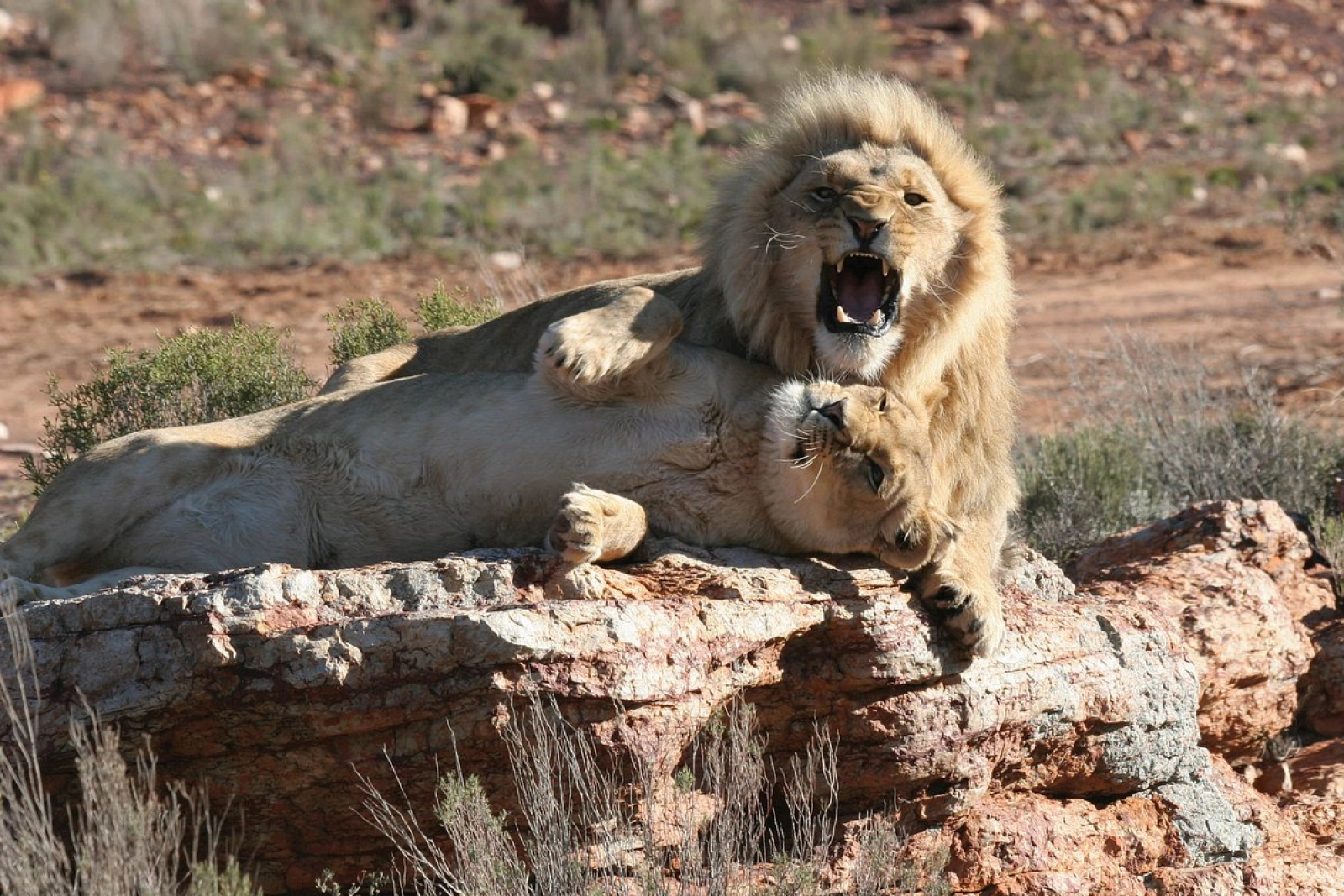
You can retain your Cape Town hotel and dedicate one day to wildlife. The traditional full-day programme currently runs approximately from 09:00 to 16:30 at the reserve, while Aquila also lists shorter early-morning, afternoon and sunset experiences. Exact schedules can change, so travellers should verify current arrangements when booking. If you are travelling from central Cape Town, remember that the safari programme is only part of your day. You also need to account for the road journey in both directions.
This creates a long day, but for travellers with limited time it can be considerably easier than reorganising an entire South African itinerary around a distant safari destination.
Generally, the more time you spend in a wildlife area, the greater your opportunity to experience different conditions. However, the right choice depends on your itinerary. A half-day safari may suit travellers who want a short safari near Cape Town while reserving more time for the Winelands, Cape Peninsula or city. A full-day programme provides a more substantial break from Cape Town sightseeing. If wildlife is one of the main reasons for travelling to South Africa, we would go further and recommend considering an overnight stay.
An overnight Aquila safari changes the pace considerably. Instead of travelling several hours, completing a game drive and immediately returning to Cape Town, you can settle into the reserve and experience the landscape during quieter periods. Aquila’s current overnight packages include accommodation, meals and safari activities, with additional experiences such as Karoo stargazing forming part of its overnight offering. This matters because safari destinations feel different after day visitors leave.
Evenings allow you to appreciate the scale of the sky, changing temperatures and sounds of the landscape. Early mornings can also be especially rewarding for wildlife activity and photography. For couples planning a Cape Town honeymoon safari, families wanting a relaxed introduction to wildlife or travellers who simply dislike rushed day tours, staying one or two nights can be preferable.
Accommodation at Aquila ranges across several room and cottage categories. Current options include standard lodge rooms, family accommodation, premier rooms and different cottage categories. Aquila also has dining facilities, swimming areas and spa facilities, creating an experience that combines safari lodge accommodation near Cape Town with resort-style amenities. The 35-metre infinity pool is particularly appealing during warmer periods, while the broader lodge environment gives guests somewhere to relax between activities.
When selecting accommodation, do not automatically book the most expensive room. Consider how much time you will actually spend there. Safari travellers often wake early, spend significant time outside and return to their rooms primarily to shower, rest and sleep. For some guests, a comfortable standard room therefore offers better value than upgrading. For honeymooners or travellers celebrating a special occasion, the additional privacy and atmosphere of higher room categories may be worthwhile.
Aquila safari prices vary according to the experience, season, room category, transfer arrangements and whether you visit for the day or stay overnight.
Rates should always be checked close to booking because they change. For example, Aquila’s published 2026 overnight rates list different low, shoulder and peak-season prices. Standard lodge accommodation is cheaper than premium cottage categories, while transport and beverages are excluded from the listed overnight accommodation rates. This is an important planning point. When comparing Cape Town safari prices, compare the complete package rather than the headline rate. Ask whether the price includes:
game drives, meals, Cape Town transfers, accommodation, beverages, conservation charges and optional activities. A seemingly inexpensive safari can become considerably more expensive once transfers and extras are added.
There are several ways to reach Aquila. Travellers can self-drive, arrange shared transport where available or organise private transfers. Aquila also promotes fly-in options for travellers looking for a premium experience. For most international visitors, organised transfers are the easiest. You avoid navigating unfamiliar roads and can relax during the journey. Self-driving provides more flexibility and can work particularly well if Aquila forms part of a wider Western Cape road trip.
The route follows the N1 away from Cape Town toward Worcester and onward through the Hex River Valley before the turn toward the reserve.
This is one of the most important comparisons. Aquila and Kruger are not interchangeable safari experiences. Kruger National Park is enormous and forms part of one of southern Africa’s great wildlife ecosystems. Travellers can spend days exploring different habitats, and the Greater Kruger region contains numerous private reserves offering exceptional wildlife viewing. Aquila is much smaller and far more accessible from Cape Town. Choose Aquila Safari when convenience matters, when Cape Town is the centre of your holiday, when you have limited time or when you want a first taste of safari without adding domestic flights.
Choose Kruger National Park or Greater Kruger when wildlife is a major focus of the trip and you can dedicate several days to safari. There is no reason you cannot do both. A well-designed South Africa safari and Cape Town holiday can include several nights in Kruger followed by Cape Town, the Winelands and the Peninsula.
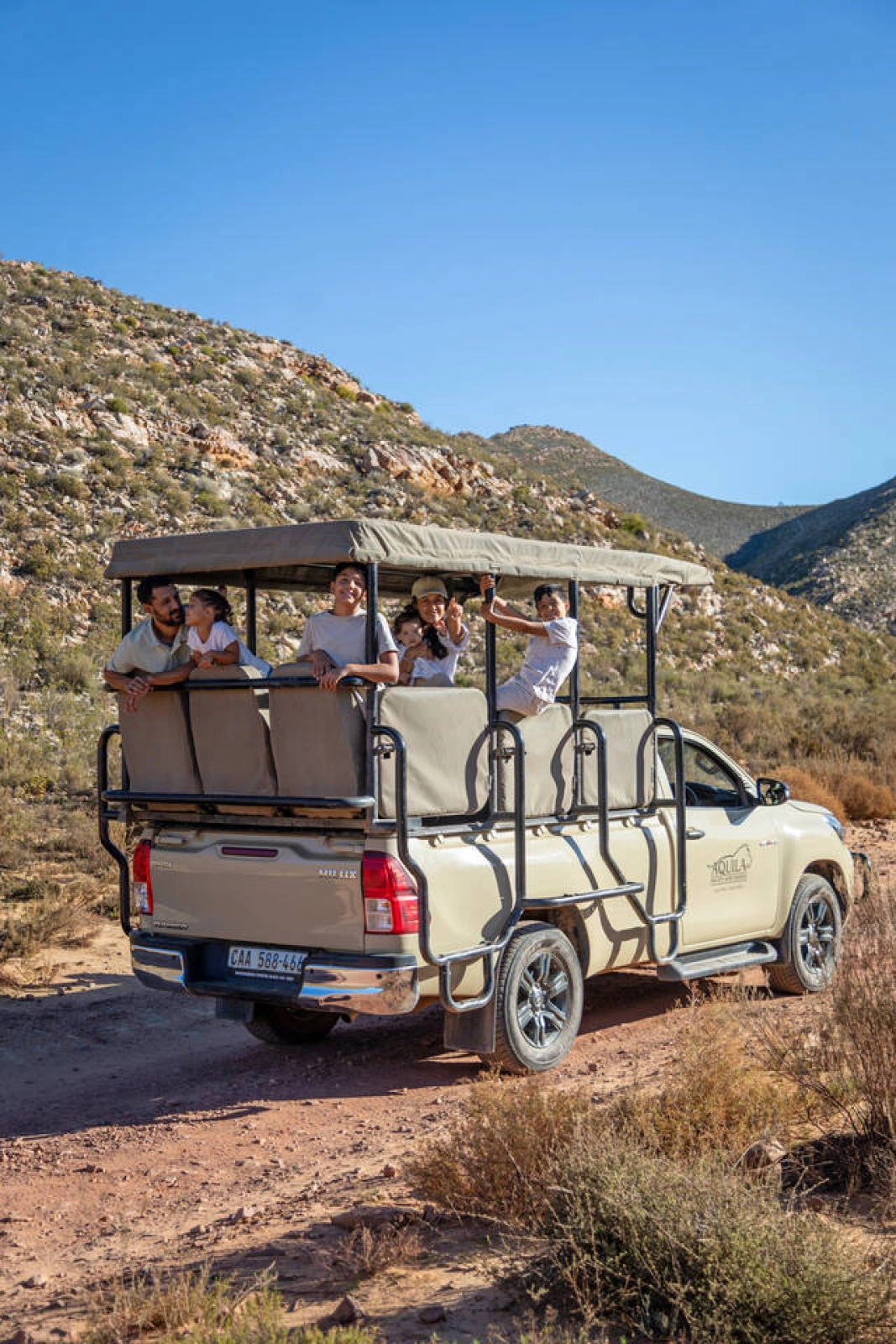
Aquila operates throughout the year. Cape Town and the Western Cape have a Mediterranean-type seasonal pattern, with warmer, drier summers and cooler, wetter winters, although conditions inland around Touws River differ from the immediate coast. Summer can bring hot daytime temperatures in the Karoo. Winter mornings can be cold. Safari clothing should therefore be based on layers rather than assumptions about Africa always being hot. Early-morning and late-afternoon game drives can feel surprisingly chilly, particularly when travelling in an open safari vehicle.
Comfort matters more than trying to look like a stereotypical safari explorer.
Neutral-coloured casual clothing works well. Wear comfortable shoes, carry sun protection and take a warm layer even when the daytime forecast looks pleasant. A hat, sunscreen, sunglasses and reusable water bottle are useful during sunny conditions. In winter, bring a proper jacket. Photographers should protect equipment from dust and avoid changing lenses unnecessarily while the vehicle is moving.
A Cape Town wildlife safari provides excellent opportunities for travellers learning safari photography. A moderate telephoto lens is useful for wildlife, while a wider lens can capture animals within the Karoo landscape. Do not spend the entire game drive looking through a camera. Some of the most memorable safari moments happen unexpectedly and disappear quickly. Take photographs, then lower the camera and watch.
Aquila is particularly accessible for families because of its proximity to Cape Town and lodge facilities. The reserve advertises dedicated children’s areas and family accommodation, and its current policy includes reduced accommodation pricing for certain child age groups. For parents, a nearby reserve can also be easier than taking young children through airports and long transfers to a remote safari camp. Always check minimum-age requirements for specific activities before booking.
Aquila describes itself as a malaria-free Big Five safari reserve. This is one reason Western Cape safari options appeal to families and travellers who prefer to avoid malaria-risk safari regions. Medical decisions should nevertheless be discussed with a qualified travel-health professional based on your complete South African itinerary, because visiting Aquila does not necessarily mean every other destination on your trip is malaria-free.
Do both if time allows.
They offer completely different experiences. The Cape Winelands are about vineyards, mountains, historic towns, food and wine. Aquila is about wildlife and the open Karoo landscape. A longer Western Cape itinerary can combine Cape Town, Stellenbosch or Franschhoek, Aquila and the Garden Route. This produces an unusually varied South African holiday without requiring enormous distances.
Travellers who want a deeper wildlife experience should consider using Cape Town as one component of a broader African journey. Excellent combinations include Cape Town and Kruger, Cape Town and Botswana, Cape Town and Victoria Falls, or even Cape Town followed by an East African safari. For primate enthusiasts, southern Africa can also be combined with Uganda gorilla trekking or Rwanda gorilla trekking. That creates a remarkable contrast. One part of the holiday can focus on South Africa’s landscapes, cuisine, wine and Big Five wildlife, while another introduces the tropical forests and mountain gorillas of Uganda or Rwanda.
For the right traveller, yes. Aquila’s strongest advantage is not that it replaces Africa’s enormous wilderness areas. It is that it makes a Big Five safari accessible from Cape Town. That distinction matters. If you have only three or four days in Cape Town and cannot travel elsewhere for safari, Aquila can add an entirely different dimension to your holiday. If you have ten or fourteen days in South Africa and wildlife is your highest priority, we would recommend comparing Aquila with a multi-night safari in Kruger National Park, Greater Kruger or another major South African wildlife destination.
Travellers should therefore choose according to time, expectations and priorities rather than simply asking which reserve is “best.”
An Aquila Safari near Cape Town fills an important gap in South African travel planning. Not everyone visiting Cape Town has enough time to fly across the country and spend several nights in Kruger. Aquila gives those travellers an opportunity to leave the city behind, enter the open landscapes of the Karoo and experience African wildlife within a relatively short distance of one of the world’s great cities. Go with realistic expectations.
Do not measure the experience only by whether you photograph all five members of the Big Five. Pay attention to the landscape, guides, birds, antelopes, zebras, giraffes and the smaller details that make wildlife travel rewarding. And if Aquila leaves you wanting more, that is a good thing. It may be the beginning of a much larger African journey — perhaps into Kruger National Park, across Botswana, to the Serengeti and Masai Mara, or into the forests of Uganda and Rwanda in search of mountain gorillas.
For travellers planning a broader African adventure, Adventure in the Wild Safaris can help combine wildlife destinations, gorilla trekking and tailor-made safari experiences into a journey designed around your available time, preferred accommodation and travel interests.
Get quick answers to the most common questions. If you still have questions, our safari experts are here to help.
Aquila Private Game Reserve is approximately 170 kilometres from Cape Town, near Touws River. Aquila describes the journey as approximately two hours depending on traffic and travel conditions.
Yes. Day safaris are a major part of Aquila’s offering, with traditional full-day and several half-day formats available.
Aquila is home to lion, leopard, elephant, rhino and Cape buffalo, but sightings of every species cannot be guaranteed on an individual game drive.
Wildlife includes giraffes, hippos, zebras, wildebeest, ostriches, springbok, eland and kudu, among other species.
A day trip is excellent for travellers with limited time. An overnight stay provides a slower safari experience and allows guests to enjoy the reserve outside the core day-trip period.
No. Aquila is a private Western Cape reserve conveniently accessible from Cape Town, while Kruger is one of Africa’s largest and most important wildlife ecosystems. They provide substantially different safari experiences.
One night can work well as an introduction. Two nights provide more time for game drives and relaxation without making the experience feel rushed.
Yes. Its proximity to Cape Town, guided game drives and lodge facilities make it particularly accessible to first-time safari travellers.
Our safari experts are here to help you plan your safari. Get personalized advice, the latest information and a free, no-obligation quote.
We typically reply within a few hours.

Share This Article
When booking a luxury African safari, look beyond the room and compare the quality of guiding, wildlife location,…
Read article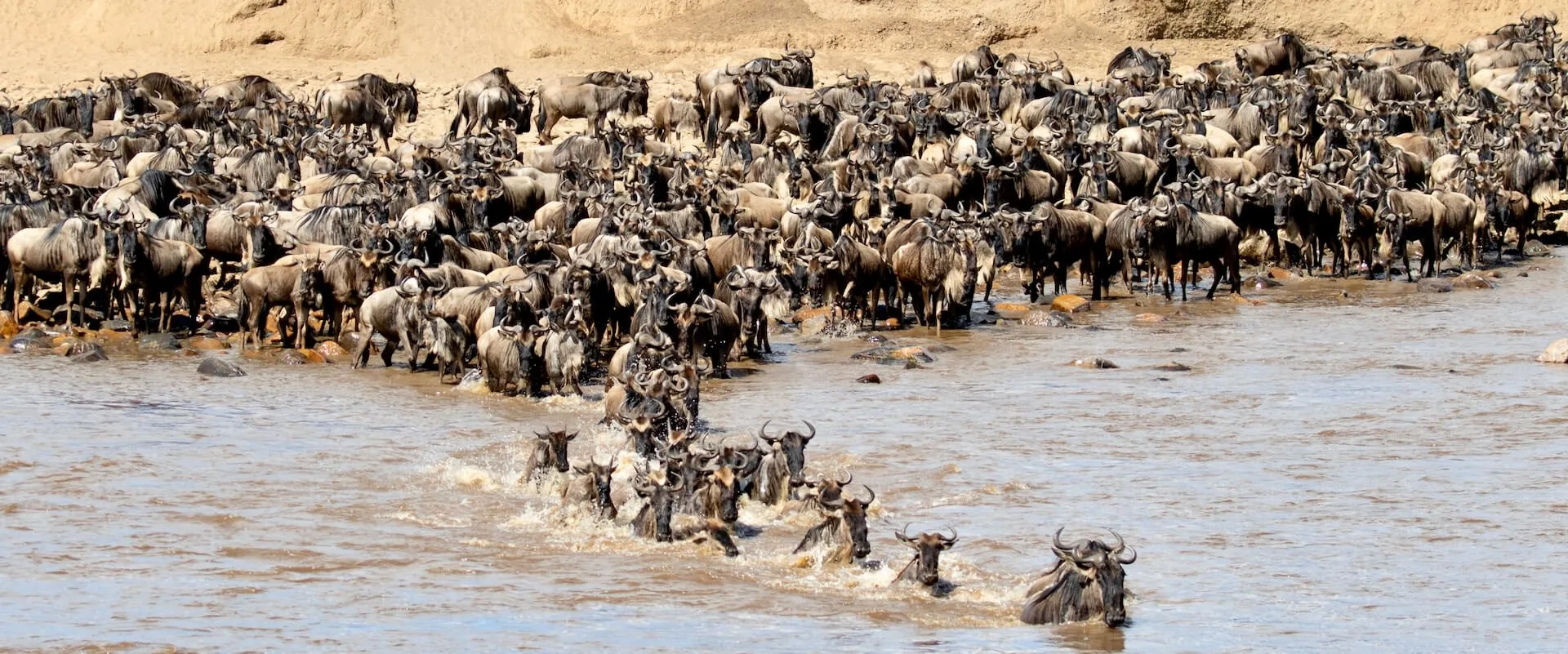
The Great Migration in Africa happens all year because the herds continuously circulate through the Serengeti–Mara ecosystem in…
Read article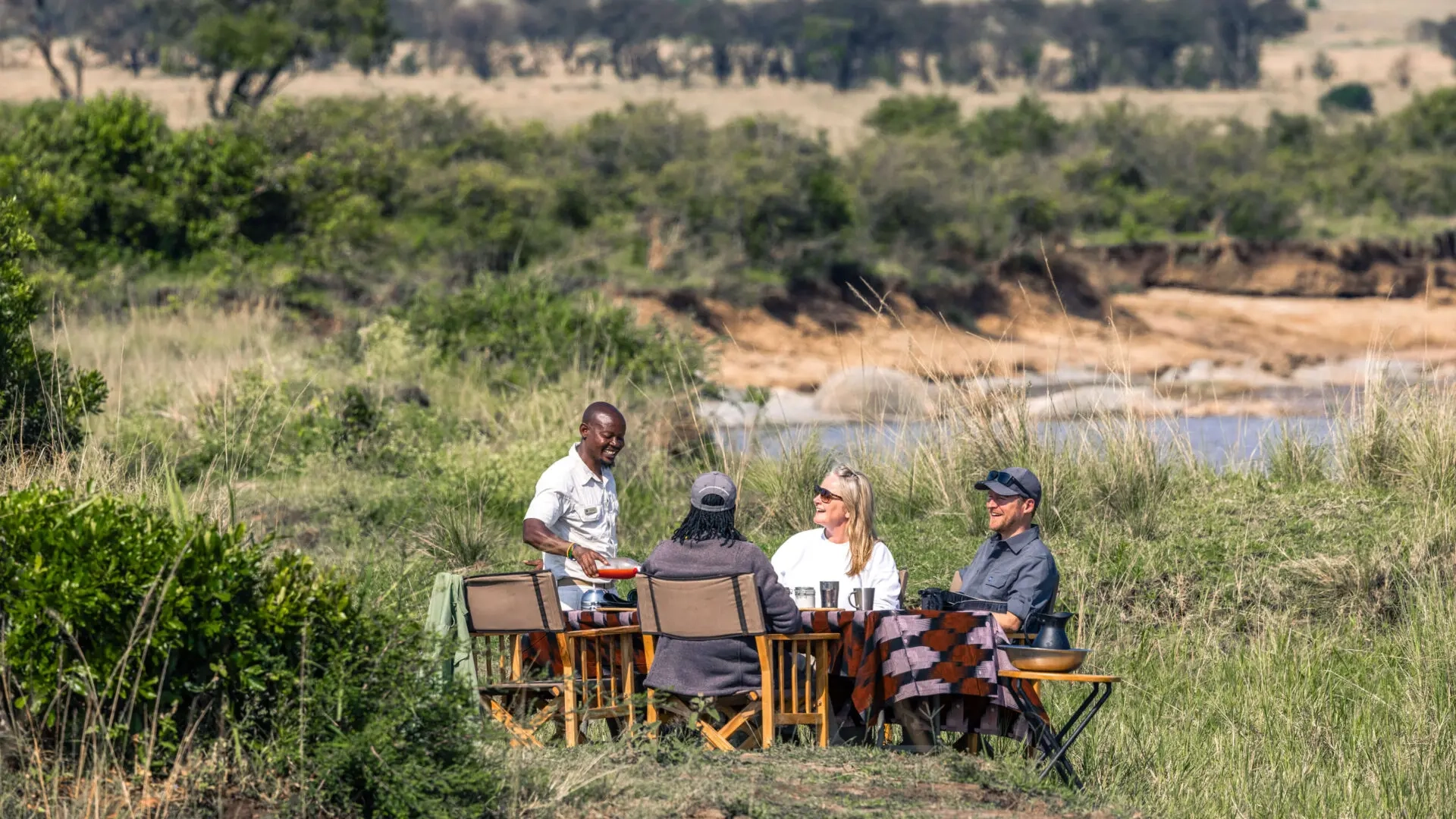
Definitive answer: A picnic lunch on safari is a packed or catered midday meal eaten at an approved…
Read article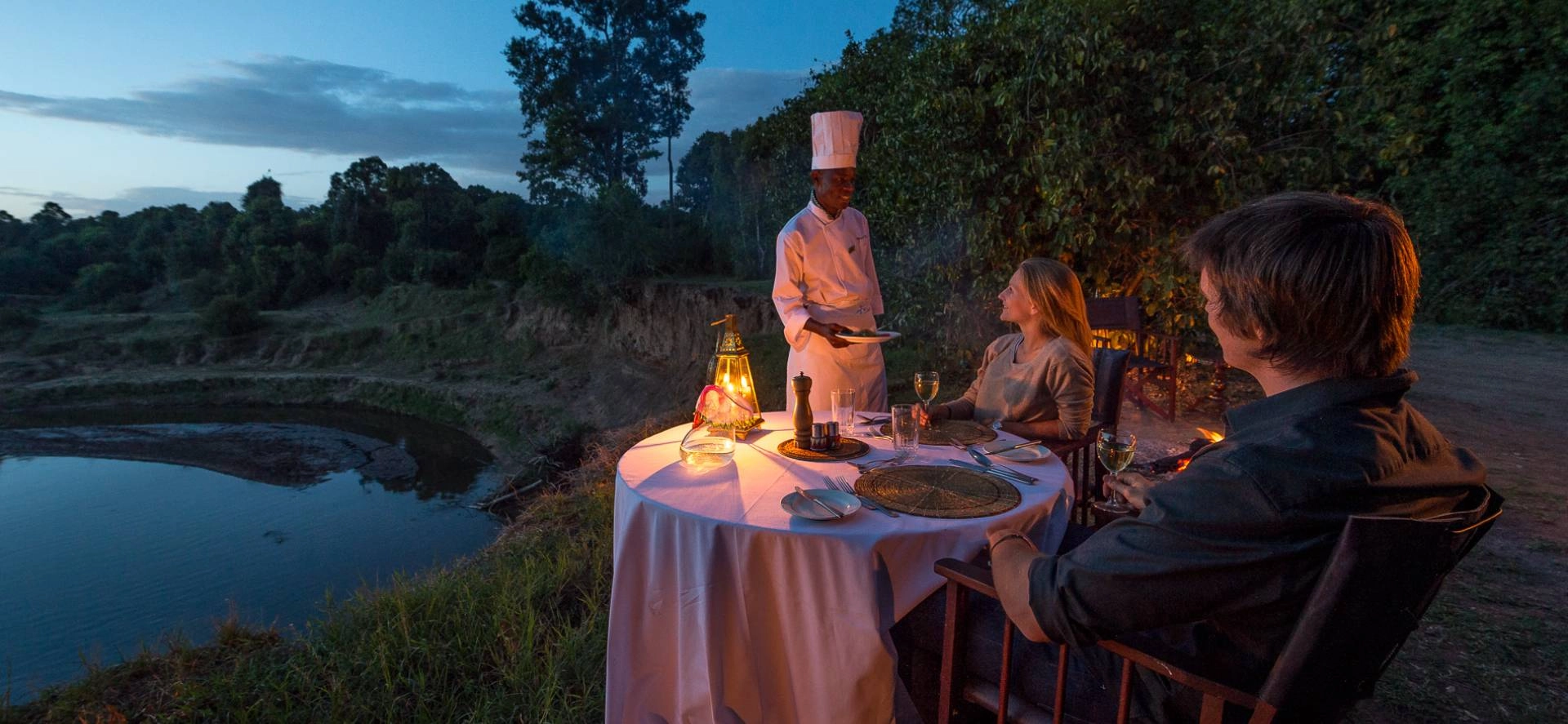
Definitive answer: A bush dinner is an outdoor evening meal arranged in a safe safari setting away from…
Read articleLet us take you closer to the wildlife, people and places that make Africa extraordinary.
Plan Your Safari Today