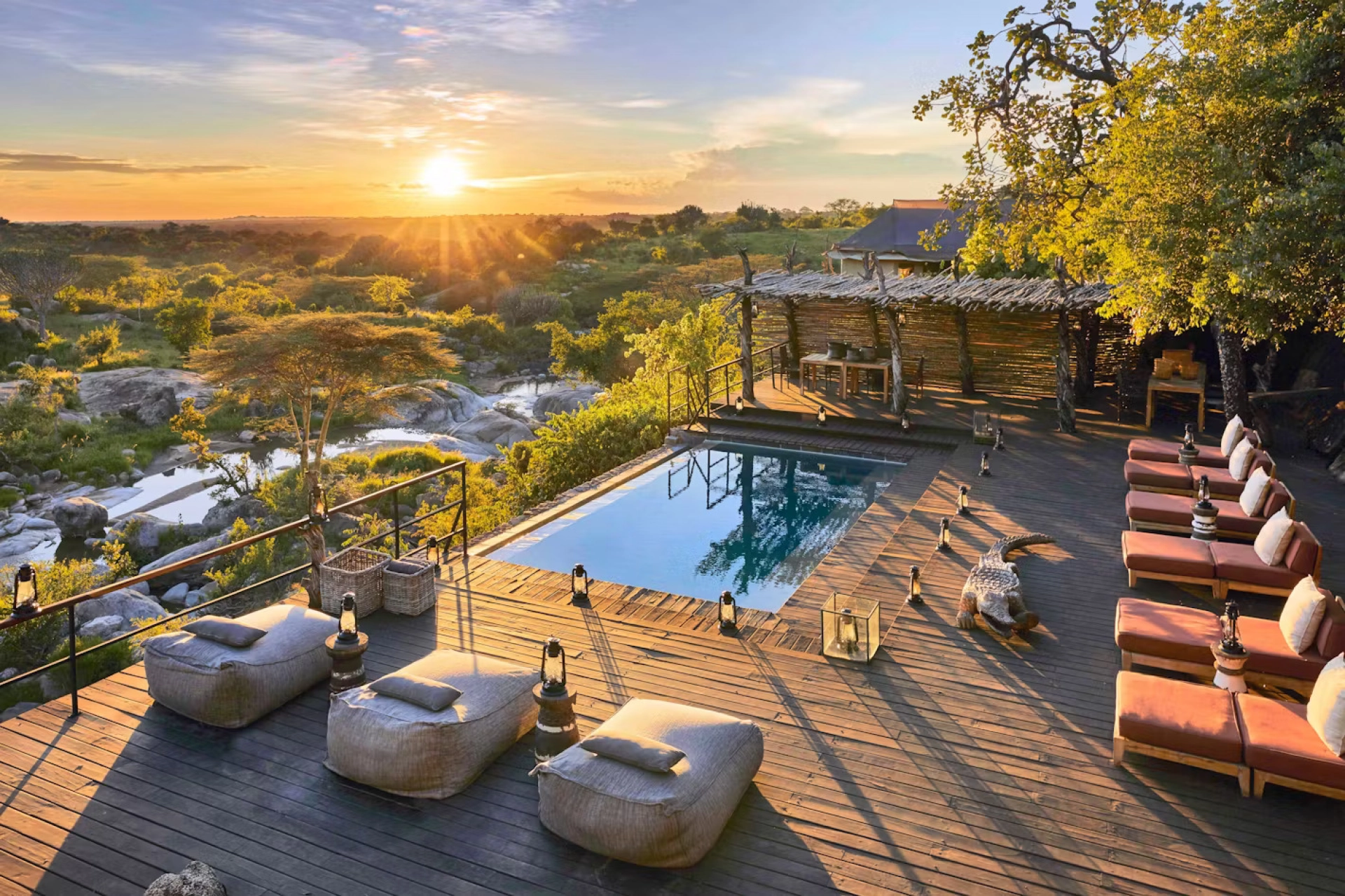
What should I look for when booking a luxury African safari?
When booking a luxury African safari, look beyond the room and compare the quality of guiding, wildlife location,…
Read article

Travel Guide
There is a significant difference between travelling through Africa and genuinely experiencing it. A traveller can spend ten days moving between famous national parks, photograph lions, elephants and giraffes, sleep in beautiful lodges and still leave…
There is a significant difference between travelling through Africa and genuinely experiencing it. A traveller can spend ten days moving between famous national parks, photograph lions, elephants and giraffes, sleep in beautiful lodges and still leave with only a partial understanding of the places visited. Another traveller may spend the same number of days moving more slowly, walking through a wildlife landscape with a local guide, listening to stories around a campfire, watching fishermen return to a lakeshore village, learning how conservation affects neighbouring communities and spending enough time in one wilderness area to notice how it changes from morning to evening. Both journeys are safaris, but the second often creates a much deeper connection.
That deeper connection is at the heart of authentic Africa travel. Authenticity does not mean deliberately choosing uncomfortable accommodation, rejecting popular destinations or pretending that tourism has no influence on the places we visit. Nor does it mean searching for communities supposedly untouched by the modern world. Africa is contemporary, diverse and constantly changing. Its people use smartphones, build businesses, study at universities, protect wildlife, debate politics, produce art and participate in global culture while also maintaining countless local traditions and relationships with land, family and heritage.
A meaningful African safari therefore comes from travelling with curiosity and enough time to understand context. It involves recognising that wildlife does not exist separately from people, that conservation is connected to economics and land use, and that some of the most memorable safari moments happen away from the famous sightings.
A lion hunt can be extraordinary, but so can listening to a guide explain why a particular tree is important to elephants. A gorilla encounter can become even more meaningful when you understand why surrounding communities matter to forest conservation. A mokoro journey in Botswana reveals aspects of the Okavango that cannot be understood from a vehicle. A walking safari changes your attention from distant animals to tracks, smells, insects, plants and wind direction. Spending several nights in one place allows you to notice details that disappear when every morning begins with packing luggage.
The best authentic African safari experiences are therefore not necessarily the rarest or most expensive. They are the experiences that bring you closer to the landscape, wildlife and people while respecting all three.
The word “authentic” is heavily used in tourism marketing. Almost every safari company can promise an “authentic African experience,” but the phrase becomes meaningless unless we define what it actually involves.
Authentic travel begins with reality rather than performance. Wildlife should be observed behaving naturally rather than manipulated for photographs. Cultural encounters should involve people participating voluntarily and receiving meaningful benefits rather than being treated as scenery. Guides should be able to explain the landscape honestly rather than repeating rehearsed clichés. Accommodation should fit responsibly within its environment rather than merely using conservation language as decoration.
Most importantly, meaningful travel in Africa should leave room for discovery. A highly scheduled itinerary can un
Authenticity also requires accepting that Africa is not one place. A safari in Uganda’s rainforest is fundamentally different from a Botswana delta safari. Maasai communities in East Africa should not be used to represent every African culture. The Kalahari, Congo Basin, Ethiopian Highlands, Namib Desert, Great Rift Valley and Indian Ocean coast contain completely different histories and ways of life.
The more meaningful approach is to experience each destination on its own terms.
One of the simplest ways to make a safari more meaningful is also one of the most difficult for first-time visitors: visit fewer places. Africa creates an understandable sense of urgency. International travellers may have flown thousands of kilometres and spent significant money reaching the continent. They therefore feel pressure to see everything. The result can be an itinerary that races through five national parks in seven days. This may produce an impressive list of destinations, but it often provides surprisingly little understanding of any of them.
Slow safari travel works differently. Instead of sleeping one night in each lodge, you spend three. Instead of driving through a national park simply because it connects two destinations, you allocate a full morning and afternoon to exploring it. Instead of treating the lodge as somewhere to sleep, you have time to watch birds from the veranda, speak with staff and observe wildlife around camp.
The difference becomes especially apparent with animal behaviour. On your first game drive you may simply see elephants. By the third day, you begin recognising that one herd contains several calves. You notice how the matriarch responds when another group approaches. Your guide may recognise individual lions or explain the history of a particular leopard territory. The landscape begins developing continuity. This is much more difficult when you are constantly arriving somewhere new.
A vehicle safari teaches you to look outward. A walking safari in Africa teaches you to look down, listen carefully and become aware of your own presence. Once you leave the vehicle, the scale of the landscape changes immediately. An elephant track looks enormous. A pile of dung becomes evidence rather than waste. A broken branch tells a story. The guide begins interpreting details that would disappear beneath the tyres of a safari vehicle.
Walking also changes the way you understand distance. A giraffe that seems nearby from a vehicle may feel surprisingly far away on foot. A small hill becomes part of the route. Wind direction suddenly matters. Bird calls become useful information. The objective of a walking safari is not to approach dangerous animals as closely as possible. Responsible walking is about interpretation and awareness. Professional guides understand animal behaviour, terrain and local regulations. They decide where guests can walk and how encounters should be managed.
Some of Africa’s strongest walking traditions are associated with destinations such as South Luangwa National Park in Zambia, but walking experiences are available in several safari countries. Uganda, Kenya, Tanzania, Botswana, Zimbabwe, Zambia and South Africa all provide walking opportunities in appropriate locations. The exact experience varies enormously. Some are short guided nature walks around a lodge. Others are serious multi-day wilderness journeys. For travellers who have completed many conventional game drives, walking can make safari feel completely new.
Few wildlife experiences illustrate meaningful safari travel better than gorilla trekking in Uganda. Mountain gorillas are not observed from vehicles. Travellers enter their forest habitat on foot, accompanied by trained guides and trackers, and search for a habituated gorilla family according to regulated procedures. The journey through Bwindi Impenetrable National Park can be physically demanding. Trails may be steep, vegetation dense and conditions muddy after rain. The length of the trek depends on where the gorillas are located.
That uncertainty is important. The gorillas are not positioned for tourists. You are entering their habitat. When the group eventually encounters them, the experience is powerful partly because of everything that preceded it: the forest, anticipation, physical effort and understanding that the animals are part of a protected wild population. A meaningful Uganda gorilla safari should also extend beyond the hour or regulated viewing period itself. Travellers should understand something about conservation, habitat protection and the communities living around Bwindi.
Mountain gorilla conservation cannot be separated from the human landscape surrounding the forest. Tourism generates economic value from keeping gorillas alive and habitat protected. Responsible tourism should therefore help strengthen the connection between conservation and local livelihoods. This is what transforms gorilla trekking from a wildlife photograph into a broader conservation experience.
Rwanda offers another extraordinary mountain gorilla experience in Volcanoes National Park. The setting is dramatically different from many parts of Bwindi. The Virunga volcanic landscape creates a powerful backdrop, and Rwanda’s compact geography makes Volcanoes National Park relatively accessible within a short itinerary.
Travellers can combine Rwanda gorilla trekking with golden monkey tracking, hiking and other regional experiences. For those with enough time and budget, trekking in both Uganda and Rwanda can reveal how different landscapes shape the experience. However, there is no requirement to collect gorilla treks simply for bragging rights. One carefully planned trek can be profoundly meaningful. The quality of the experience depends more on your attention, expectations and understanding than the number of permits in your passport.
Chimpanzee trekking creates a completely different primate experience. Gorillas often create an impression of controlled power and calm. Chimpanzees can be far more dynamic. They move rapidly, vocalise loudly and interact within complex social structures. In Uganda, chimpanzee trekking in Kibale National Park is one of the country’s major primate experiences. Other forest destinations also provide chimpanzee opportunities depending on the itinerary. One of the most memorable aspects is often sound.
You may hear chimpanzees before seeing them. A forest that seemed quiet can suddenly erupt with calls. Guides listen carefully, interpret movement and lead visitors through the forest toward the group.
Combining gorilla trekking and chimpanzee trekking in Uganda is particularly rewarding because it allows travellers to compare two of our closest living relatives in very different ecological and behavioural settings.
Modern safari culture can become obsessed with checklists. The Big Five remain an understandable goal for first-time travellers. Lions, leopards, elephants, buffalo and rhinos are extraordinary animals. But a safari becomes much richer once the checklist stops controlling the experience. Imagine two vehicles finding elephants.
The first stops for five minutes, takes photographs and rushes away because the guests still need to “find a leopard.” The second remains quietly for forty minutes. During that time, a calf attempts to climb a bank. Two adult females interact. Another elephant approaches the vehicle. The herd eventually crosses the road. Which vehicle actually experienced elephants?
This is one of the great lessons of slow wildlife travel. Animal behaviour takes time. The longer you remain, the more the sighting develops.
A national park does not stop functioning when the sun disappears. Many animals become more active after dark. Where regulations and conservancy arrangements allow, night game drives can reveal an entirely different ecological community. Nocturnal mammals, predators, owls and other species may become visible.
Even familiar landscapes feel different under darkness. A night drive also reminds travellers how limited daytime safari perception really is. We normally observe only the hours convenient for humans. Adding one night drive can therefore broaden an itinerary considerably. Not every national park permits them, and the experience should only be undertaken in locations where they are properly authorised and professionally guided.
Water is one of the most powerful forces shaping African wildlife landscapes. Yet many safari itineraries spend almost the entire holiday inside vehicles. A boat safari in Africa changes this perspective. In Uganda, the Kazinga Channel boat safari through Queen Elizabeth National Park can reveal dense concentrations of hippos, waterbirds and other wildlife around the shoreline. Elephants and buffalo may approach the water, while crocodiles and numerous bird species create constant activity.
In Murchison Falls National Park, travelling on the Nile introduces another dimension. The river is not simply a scenic feature; it structures the ecosystem. Botswana provides an even more water-dependent safari environment, particularly in the Okavango Delta. When an itinerary combines vehicles, boats and walking, the traveller begins understanding the ecosystem in three dimensions rather than seeing everything through the same safari window.
Few experiences represent slow African travel as beautifully as moving through the Okavango Delta by mokoro. Traditionally associated with dugout canoe travel, modern tourism operations may use different construction materials, but the essential experience remains one of quiet movement through shallow delta channels. There is no roaring engine. The poler guides the craft through water and vegetation while travellers sit close to the surface.
Reeds rise around you. Dragonflies move across the water. Birds appear at eye level. The scale becomes intimate. A mokoro journey is not necessarily about finding the largest animals. Its value lies in experiencing the delta as a wetland. This distinction matters. A traveller who evaluates every activity according to how many lions it produces may miss some of Africa’s most meaningful experiences.
Other destinations provide similarly immersive water experiences. Canoeing can be offered in suitable safari areas under professional guidance. River systems in Zambia, Zimbabwe and elsewhere can create opportunities to experience wildlife from a completely different angle. Water activities demand serious respect for safety. Hippos and crocodiles are wild animals, and guides must understand the environment thoroughly. A professionally managed water safari can nevertheless become one of the most memorable parts of a journey.
For experienced riders, horseback safaris in Africa offer another extraordinary way to leave the vehicle. Kenya’s Laikipia region is especially interesting because ranch heritage, wildlife conservation and equestrian traditions intersect across large landscapes. From horseback, the traveller moves through the environment rather than observing it from a mechanical platform. Giraffes, zebras and antelopes seen while riding create a different emotional relationship with the landscape.
Serious horseback safaris require honest assessment of riding ability. Guests should never exaggerate their experience simply to qualify for an advanced ride. The strongest riding programmes prioritise the welfare of horses, wildlife and guests.
The Great Wildebeest Migration is one of Africa’s most celebrated wildlife phenomena, but tourism marketing has reduced it too often to one image: wildebeest jumping into a river. The migration is far larger than any single crossing. It is an ecological cycle involving vast numbers of herbivores moving through the Serengeti-Mara ecosystem in response to rainfall, grazing and seasonal conditions. Understanding this makes the experience more meaningful.
Calving periods, predator interactions, movement across open plains and the daily feeding behaviour of the herds are all part of the migration. A traveller who spends several days watching enormous herds spread across the Serengeti may have an extraordinary migration safari even without witnessing a dramatic river crossing. Nature does not perform according to a tourism schedule. Authentic wildlife travel accepts that uncertainty.
Safari guests are naturally fascinated by predators.
A leopard stalking through grass or a lion pride preparing to hunt can be thrilling. However, responsible wildlife viewing should never pressure guides to disturb animals in pursuit of dramatic photographs. Predators spend substantial time resting. That is real behaviour too. A lion sleeping beneath a tree is not a failed sighting. It is a lion being a lion. The deeper safari experience comes from learning to read behaviour rather than demanding action.
Seeing a rhino in the wild becomes much more powerful when travellers understand the conservation effort required to protect it. In several African destinations, rhino conservation involves intensive monitoring, security and habitat management. Kenya’s Ol Pejeta Conservancy is one destination where rhino conservation forms an important part of the visitor experience. Other countries maintain their own important rhino populations and conservation programmes.
The best conservation-focused safari experiences explain not only the animal but also the system protecting it. This may include anti-poaching efforts, ranger work, tourism financing and relationships with neighbouring communities.
Travellers who initially say, “I’m not interested in birds,” frequently return from safari talking about them. Birds are everywhere. They add colour, sound and movement even when large mammals are absent. Uganda is particularly rewarding for African birding safaris because of the diversity created by forests, wetlands, savannahs and Albertine Rift habitats. Kenya, Tanzania, Rwanda, Botswana, Zambia and South Africa also offer exceptional birding. You do not need to become a specialist birder. Simply asking your guide to identify ten interesting species can transform the way you see the landscape. Once you start noticing birds, there is almost never a “quiet” safari moment.
The shoebill is one of Africa’s most distinctive birds and a major target for visitors to Uganda. Wetland excursions, including trips associated with Mabamba and other suitable habitats, can create opportunities to search for this prehistoric-looking species. The experience is meaningful partly because it shifts attention from the Big Five toward wetlands. Marshes can appear empty from a distance.
Once entered with an experienced local guide, they become complex ecosystems filled with birds, vegetation and aquatic life.
Famous destinations are famous for good reasons. The Serengeti, Masai Mara, Kruger, Bwindi and Okavango deserve their reputations. But meaningful safari travel should not automatically exclude lesser-known places. Sometimes smaller or less internationally famous destinations provide greater intimacy, fewer vehicles and a stronger sense of discovery. In Uganda, travellers can extend beyond the most famous parks to explore places such as Kidepo Valley National Park, Semuliki, Lake Mburo or other regions appropriate to their interests.
In Tanzania, visitors with sufficient time can explore beyond the standard northern circuit. In Zambia, South Luangwa may be famous among safari enthusiasts while remaining less familiar to mainstream travellers than Serengeti. The purpose is not to avoid famous places simply because they are popular. It is to create an itinerary where each destination contributes something distinctive.
For travellers with enough time, Kidepo Valley National Park can reveal a very different Uganda from the southwestern gorilla circuit. The remote northeastern setting creates a sense of scale and isolation. Reaching Kidepo requires more planning, whether by road or air, but this relative remoteness is part of the attraction. A traveller who combines Kidepo with Bwindi experiences extraordinary contrast: dry savannah and mountain rainforest within the same country.
This is a powerful reminder that Uganda cannot be reduced to gorilla trekking alone.
Cultural experiences can be among the most meaningful parts of an African journey, but they can also become some of the least authentic when poorly designed. The problem begins when communities are presented as though they exist for tourists. People put on traditional clothing, perform briefly, pose for photographs and disappear once the vehicle leaves. There may be little genuine interaction and limited local economic benefit.
Responsible community-based tourism in Africa should be different. Visitors should understand who organised the experience, where the money goes and whether the community has meaningful control over how it is represented. The encounter should also allow room for contemporary reality. A Maasai person does not become less Maasai because they use a mobile phone. A Ugandan community is not less culturally meaningful because children attend modern schools.
Authenticity does not require people to remain frozen in the past.
Maasai cultural experiences are common in Kenya and Tanzania because Maasai communities live near several major safari regions. A thoughtful visit can introduce travellers to pastoral traditions, family structures, changing land use and contemporary challenges. However, avoid reducing Maasai identity to jumping dances and photographs. Ask questions. Listen to explanations. Learn how pastoral life is changing. Understand the relationship between livestock, conservation and tourism. The more context you receive, the more meaningful the encounter becomes.
In southwestern Uganda, cultural experiences involving Batwa heritage can add important human context to a gorilla safari. These encounters should be approached sensitively because the history of forest conservation, displacement and livelihoods is complex. A responsible experience should not romanticise hardship or present Batwa people as relics of an ancient past. Instead, it can help travellers understand forest knowledge, cultural heritage and the difficult relationship between conservation history and local communities.
This is exactly why ethical cultural tourism in Uganda matters.
Some of the most memorable cultural encounters are not formal tours at all. A roadside market, town walk or local food stop can reveal more about contemporary life than a staged performance. Travellers moving by road through Uganda, Kenya, Rwanda or Tanzania see how landscapes are actually inhabited. They pass farms, schools, trading centres and towns.
This is one of the major advantages of a road safari in East Africa. Flying saves time, but driving provides context. A carefully planned safari can use both. Fly where distances are excessive, but retain enough road travel to understand the country between national parks.
Food provides another path into a destination. Safari lodges frequently serve international menus because guests come from around the world, but travellers should also try local dishes where suitable opportunities exist. Uganda, Kenya, Tanzania, Rwanda, Ethiopia, South Africa and other countries all have distinct food traditions. A local meal can become a conversation about agriculture, trade and family life.
Responsible culinary tourism does not require eating something extreme for social media. It simply requires curiosity.
Accommodation shapes the safari experience more than many travellers realise. A huge resort can be comfortable, but a small safari camp may provide more direct interaction with guides and staff. Properties with strong local employment and supply relationships can also keep more tourism value within surrounding communities. Do not assume that small automatically means ethical or that luxury automatically means harmful.
The important question is how the property operates. Where does it source food? Who works there? How does it manage water and waste? Does it contribute to conservation? How does it relate to neighbouring communities? These questions reveal far more than a generic “eco-lodge” label.
One of safari’s greatest experiences happens after the game drive ends. At a well-positioned wilderness camp, night is not silent. Hippos may call. Hyenas can be heard in the distance. Insects and frogs create an enormous background chorus. Occasionally lions roar far away. These sounds remind travellers that they are temporarily living within an ecosystem that continues operating while humans sleep. For many guests, these quiet moments become as memorable as major wildlife sightings.
The campfire remains one of safari’s simplest pleasures. After sunset, guests and guides discuss what happened during the day. Stories emerge. Questions that seemed unimportant during a game drive become interesting. A guide may explain an animal’s behaviour or talk about growing up near the wildlife area. This is one reason smaller camps can feel particularly meaningful. Human conversation becomes part of the safari.
A professional safari guide is one of the most important sources of knowledge available during the trip. Do not treat your guide merely as a driver. Ask questions about wildlife, conservation, geography and daily life. Experienced guides have spent years observing ecosystems. They often recognise individual animals, seasonal changes and subtle behaviour that visitors would never notice. On a private safari, spending several days with the same guide can create continuity. The guide begins understanding your interests and can adapt the experience accordingly.
A meaningful safari can include opportunities to learn directly about conservation. Depending on destination, travellers may encounter ranger programmes, community conservancies, research projects, habitat restoration or wildlife-monitoring initiatives. Not every project should be turned into a tourist attraction, and responsible operators need to protect sensitive conservation work. But where appropriate visitor programmes exist, they can deepen understanding enormously.
You begin seeing that a national park is not simply an empty wilderness protected by a boundary on a map. It requires management, funding, political support and relationships with surrounding people.
Authentic safari travel does not require visiting only during peak season. The African green season can provide a completely different experience. Landscapes become lush. Birdlife can be exceptional. Young animals may be present in certain ecosystems. Storm clouds create dramatic photography. Visitor numbers may be lower in some destinations, and accommodation can sometimes provide better value. Rain obviously creates practical considerations, and conditions vary enormously across Africa. But dismissing an entire season simply because a brochure labels another period “best” can mean missing one of the most beautiful versions of the landscape.
Not every game drive needs to be a high-speed search for predators. Sometimes the most memorable morning begins by stopping somewhere beautiful and watching the light change. Mist lifts. Birds become active. The temperature rises. Animals begin moving. Safari photography often improves when travellers stop chasing sightings and start observing landscapes. Africa’s wilderness is more than its animals. The sky, vegetation, geology and light are part of the experience.
Remote safari areas can offer exceptional night skies because artificial light is limited. After dinner, spend time outside where safe and permitted. The sky can become another wilderness. For travellers arriving from major cities, the number of visible stars can be astonishing. Again, no expensive additional activity is required. You simply need enough time not to rush back to the room.
A safari and beach holiday in Africa can become more meaningful when the beach is treated as a destination rather than merely recovery time. Zanzibar, Kenya’s coast and other Indian Ocean destinations contain histories, cultures and communities extending far beyond resort walls. A few days on Zanzibar can include Stone Town, local food and coastal culture alongside relaxation. Kenya’s coast has Swahili heritage and distinctive historical influences.
The strongest safari-and-beach journeys therefore create contrast without turning the coast into an anonymous hotel extension.
When budgets are limited, travellers often face a choice between upgrading accommodation and adding experiences. There is no universal answer, but meaningful safari travel frequently benefits from spending money on time and access rather than room decoration. An extra night in a wildlife area may provide more memories than a private plunge pool. A private vehicle may improve photography more than a luxury suite.
A walking safari may add more depth than upgrading every dinner. Luxury can be wonderful, but it should support the experience rather than replace it.
Modern travellers can experience an entire safari through a camera screen. The pressure to document every lion, sunset and cultural encounter can become exhausting. Take photographs, but sometimes lower the camera. Watch. Listen. Notice how the air smells after rain. Observe how an elephant uses its trunk. Look at the landscape without composing it into a photograph. The memories created during those moments can be stronger than the images stored on a phone.
Photography requires particular sensitivity when people are involved. Always understand whether photographs are welcome. Do not assume that because you paid for a cultural visit, you purchased unlimited access to people’s faces. Children deserve particular respect. A meaningful cultural exchange begins with conversation, not a camera.
One of the least helpful ideas in safari marketing is the search for an Africa supposedly untouched by modern life. African societies have always changed. Trade, migration, technology, religion, politics and urbanisation have shaped the continent for centuries. A destination does not become less authentic because roads, schools or mobile phones exist. The real Africa is the Africa that exists now.
Meaningful travel engages with that reality.
One of the best ways to make travel meaningful is to organise it around something you genuinely care about. For a birder, that could mean Uganda’s forests and wetlands. For a photographer, it could mean spending several nights in the same predator-rich ecosystem. For a primate enthusiast, Uganda and Rwanda gorilla safaris may become the core of the trip.
For a rider, Kenya’s Laikipia horseback safaris can provide a completely different approach. For someone interested in conservation, rhino projects and community conservancies may matter most. Your safari becomes more memorable when it reflects your curiosity rather than a generic checklist.
First-time travellers do not need to avoid iconic destinations. There is nothing inauthentic about seeing the Serengeti, Masai Mara, Bwindi or Ngorongoro. These places became famous because they are extraordinary. The key is to resist treating them as boxes to tick. Spend enough time. Use knowledgeable guides. Include different forms of wildlife viewing. Add one or two cultural or conservation experiences. Allow some unstructured time. A classic safari can still be deeply authentic.
Repeat travellers have even more freedom. Once the pressure to see the Big Five disappears, Africa opens dramatically. You can focus on birds, walking, photography, remote parks, cultural routes or a single ecosystem. You might spend a week in one region instead of visiting five. This is often when safari travel becomes most rewarding. The first journey introduces Africa. Later journeys allow deeper relationships with individual places.
There is no required length, but meaningful travel needs breathing room. A seven-day safari can be excellent if it focuses on two or three compatible areas. Ten to fourteen days creates more opportunity for variety without constant movement. Three weeks allows travellers to combine countries while maintaining multiple-night stays. The central question is not how many days you have but how many times you are asking yourself to pack. Reducing hotel changes can transform the trip.
At Adventure in the Wild Safaris, our approach to meaningful safari travel begins with the traveller’s interests. Some guests want gorilla trekking in Uganda and Rwanda. Others want the Great Migration. Some are birders. Others want cultural experiences, photography, family travel or remote wilderness. The itinerary should emerge from those priorities. A traveller who loves primates does not need to spend most of the holiday chasing the Big Five simply because that is what a standard safari brochure suggests.
Likewise, someone dreaming of savannah wildlife should not be forced into activities they do not value. Meaningful safari design is personal.
The most authentic safari experience cannot be purchased as a single optional activity. It is a way of travelling. It means giving places enough time. It means listening to guides. It means respecting communities. It means accepting that wildlife is unpredictable. It means understanding that conservation is complicated. It means recognising that Africa is modern and traditional, rural and urban, protected and inhabited, famous and undiscovered all at once. Walk when you can. Take the boat. Spend an hour with the elephants. Listen for chimpanzees before trying to photograph them.
Watch the sunrise. Ask your guide questions. Visit communities respectfully. Try local food. Learn the name of a bird. Stay an extra night. And occasionally leave the camera in the vehicle. That is where authentic Africa travel begins: not by trying to consume more of Africa, but by paying deeper attention to the part of it you are fortunate enough to experience.

Share This Article
When booking a luxury African safari, look beyond the room and compare the quality of guiding, wildlife location,…
Read article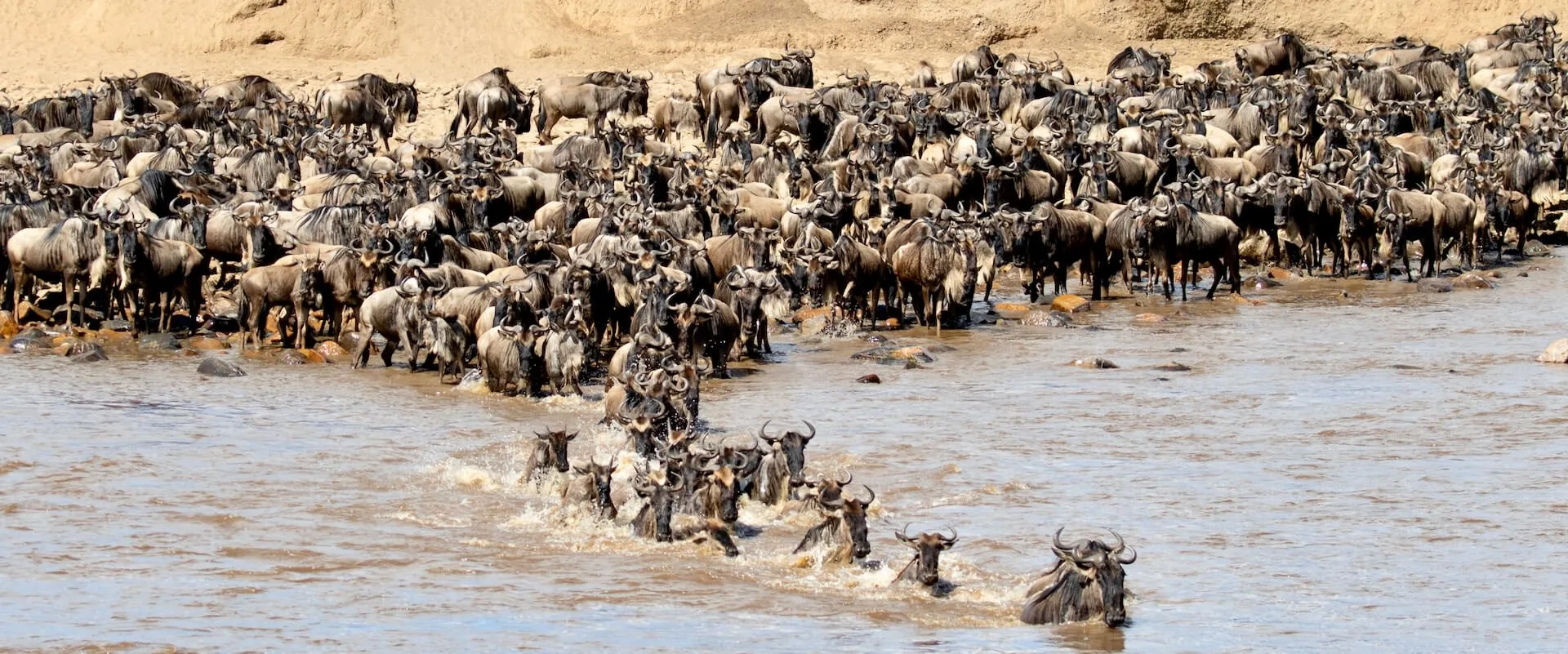
The Great Migration in Africa happens all year because the herds continuously circulate through the Serengeti–Mara ecosystem in…
Read article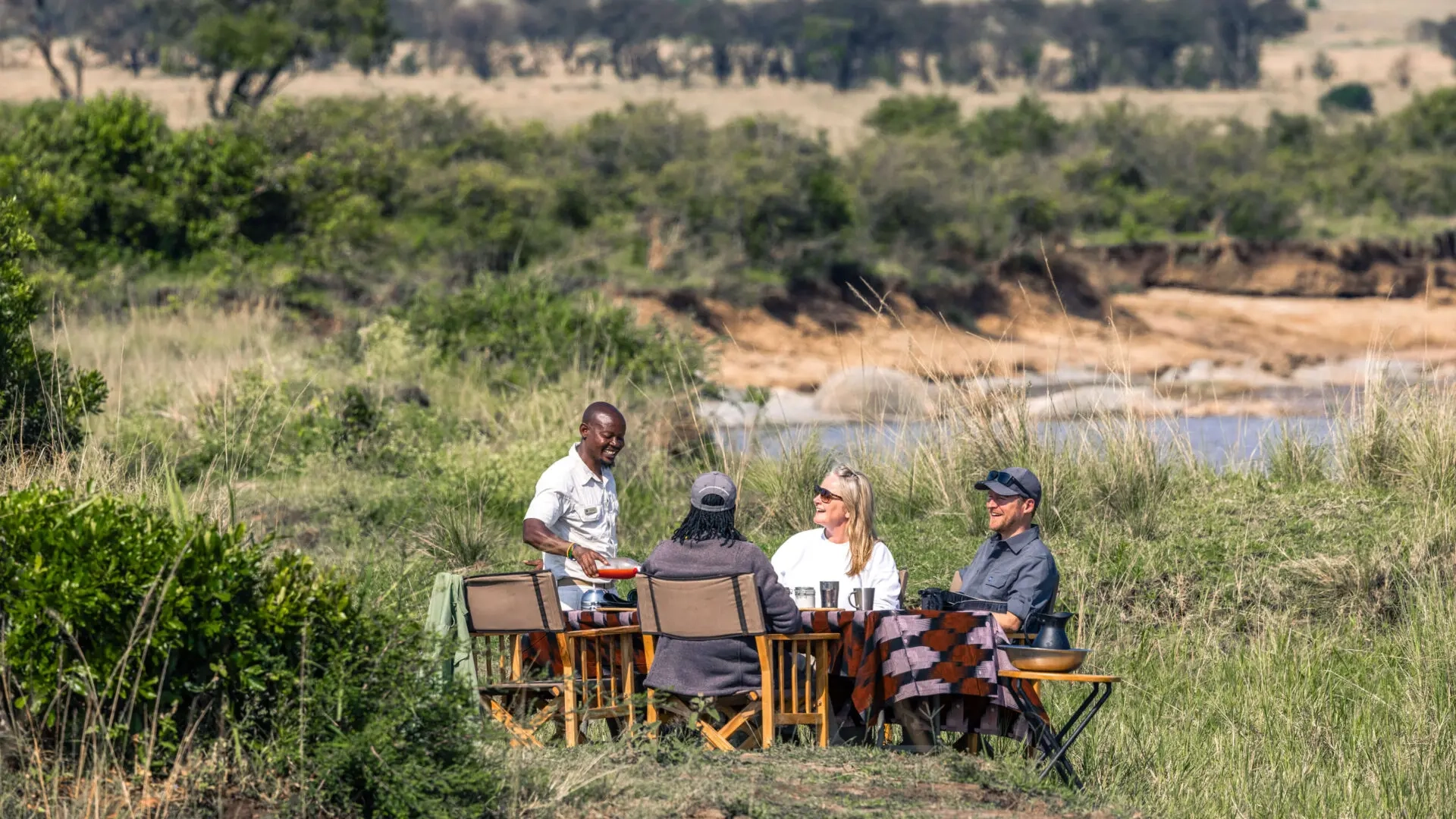
Definitive answer: A picnic lunch on safari is a packed or catered midday meal eaten at an approved…
Read article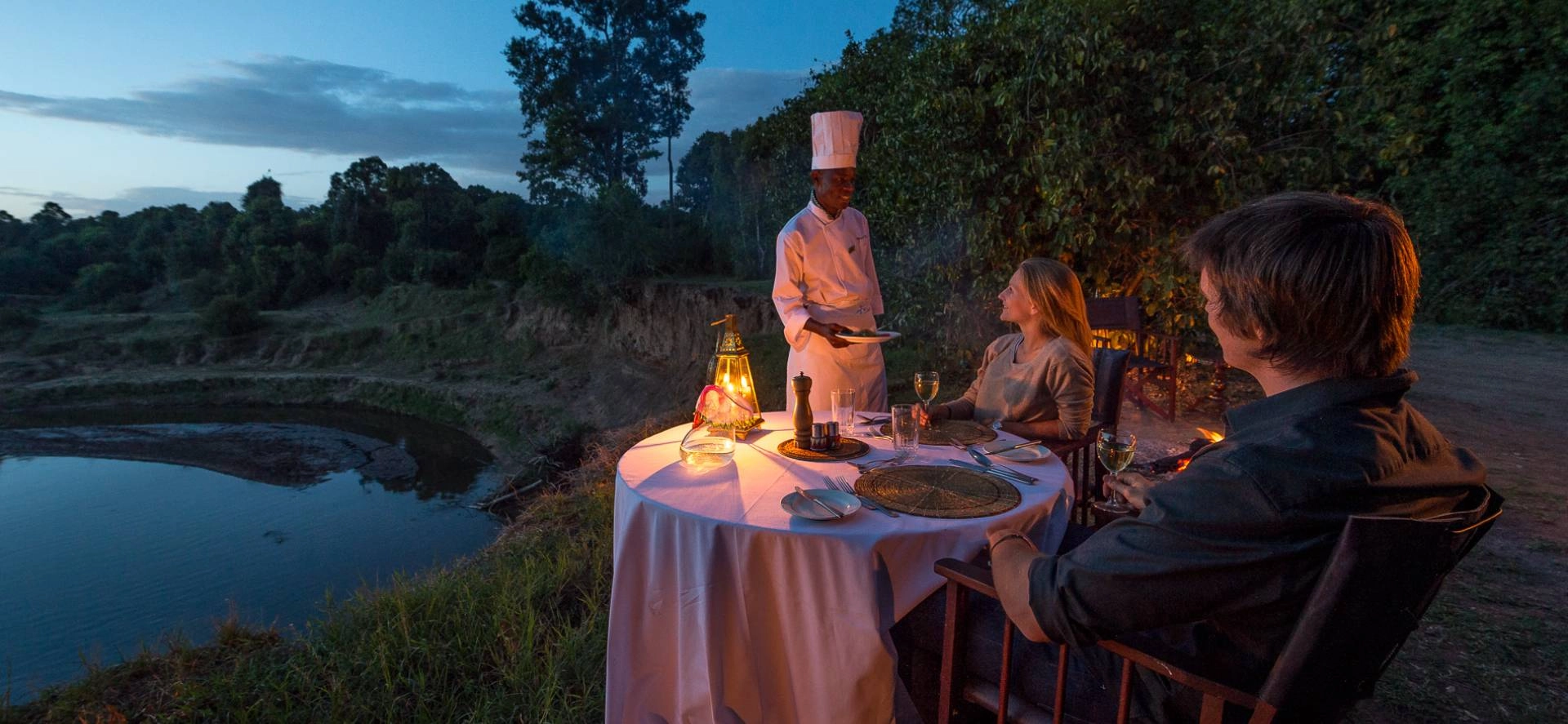
Definitive answer: A bush dinner is an outdoor evening meal arranged in a safe safari setting away from…
Read articleLet us take you closer to the wildlife, people and places that make Africa extraordinary.
Plan Your Safari Today