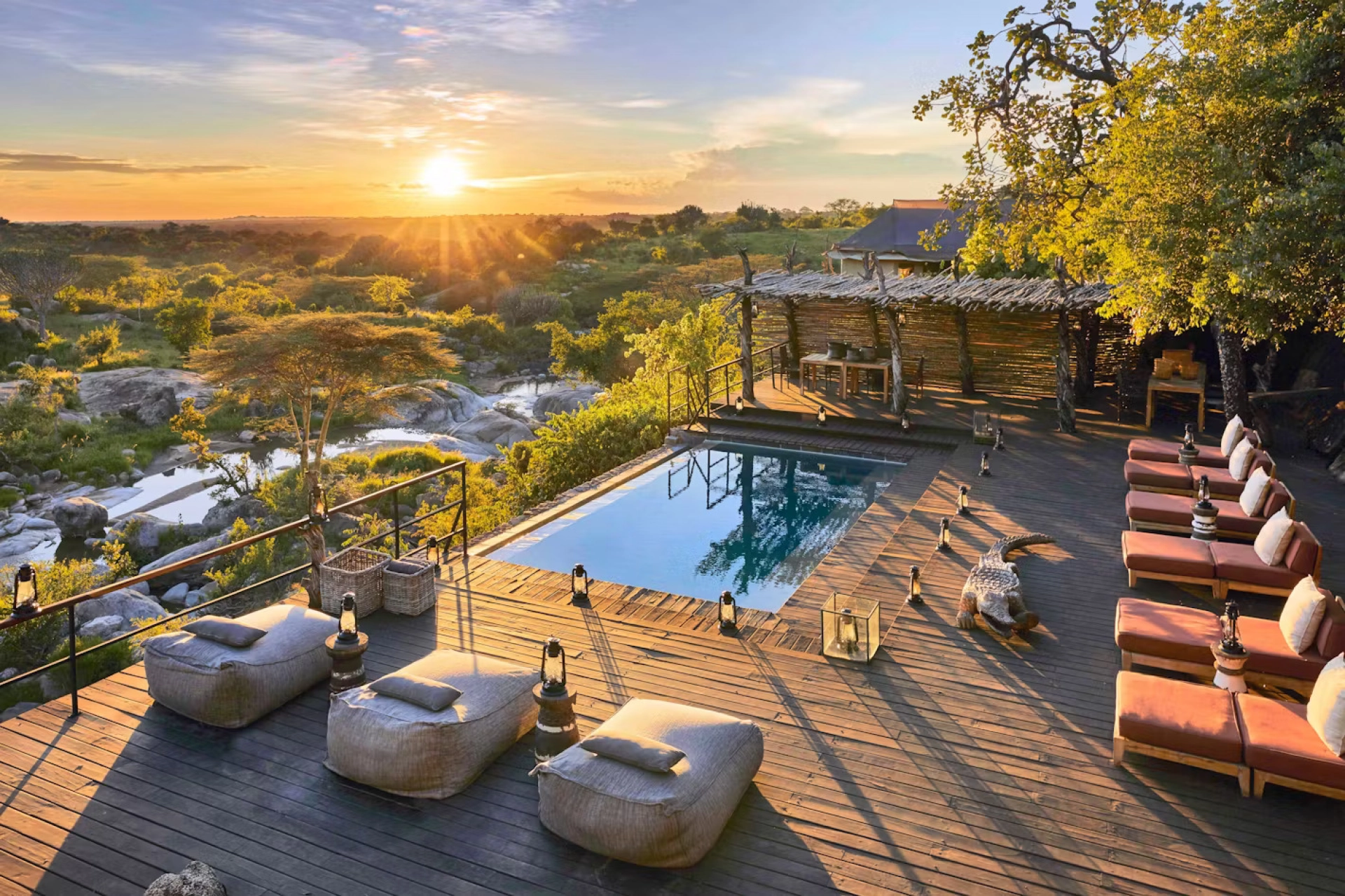
What should I look for when booking a luxury African safari?
When booking a luxury African safari, look beyond the room and compare the quality of guiding, wildlife location,…
Read article
Travel Guide
Some safari destinations impress through a single famous attraction. Botswana is different. Its appeal comes from the way several exceptional wilderness areas fit together, each revealing another side of the country. An authentic Botswana safari through…
Some safari destinations impress through a single famous attraction. Botswana is different. Its appeal comes from the way several exceptional wilderness areas fit together, each revealing another side of the country. An authentic Botswana safari through Chobe, Moremi and the Okavango Delta can begin beside a broad river crowded with elephants, continue through predator-rich woodland and floodplains, and eventually reach a maze of reed-lined channels where traditional mokoro canoes glide almost silently through one of Africa’s most remarkable wetlands.
The landscapes change continuously, but the sense of wilderness remains. For travellers wanting a safari that feels genuinely immersive, Botswana remains one of Africa’s outstanding destinations. Much of the experience is built around relatively low-density tourism, enormous protected landscapes and wildlife encounters that unfold without the feeling of visiting a conventional tourist attraction. An itinerary linking Chobe National Park, Moremi Game Reserve and the Okavango Delta is therefore much more than a checklist of three famous names.
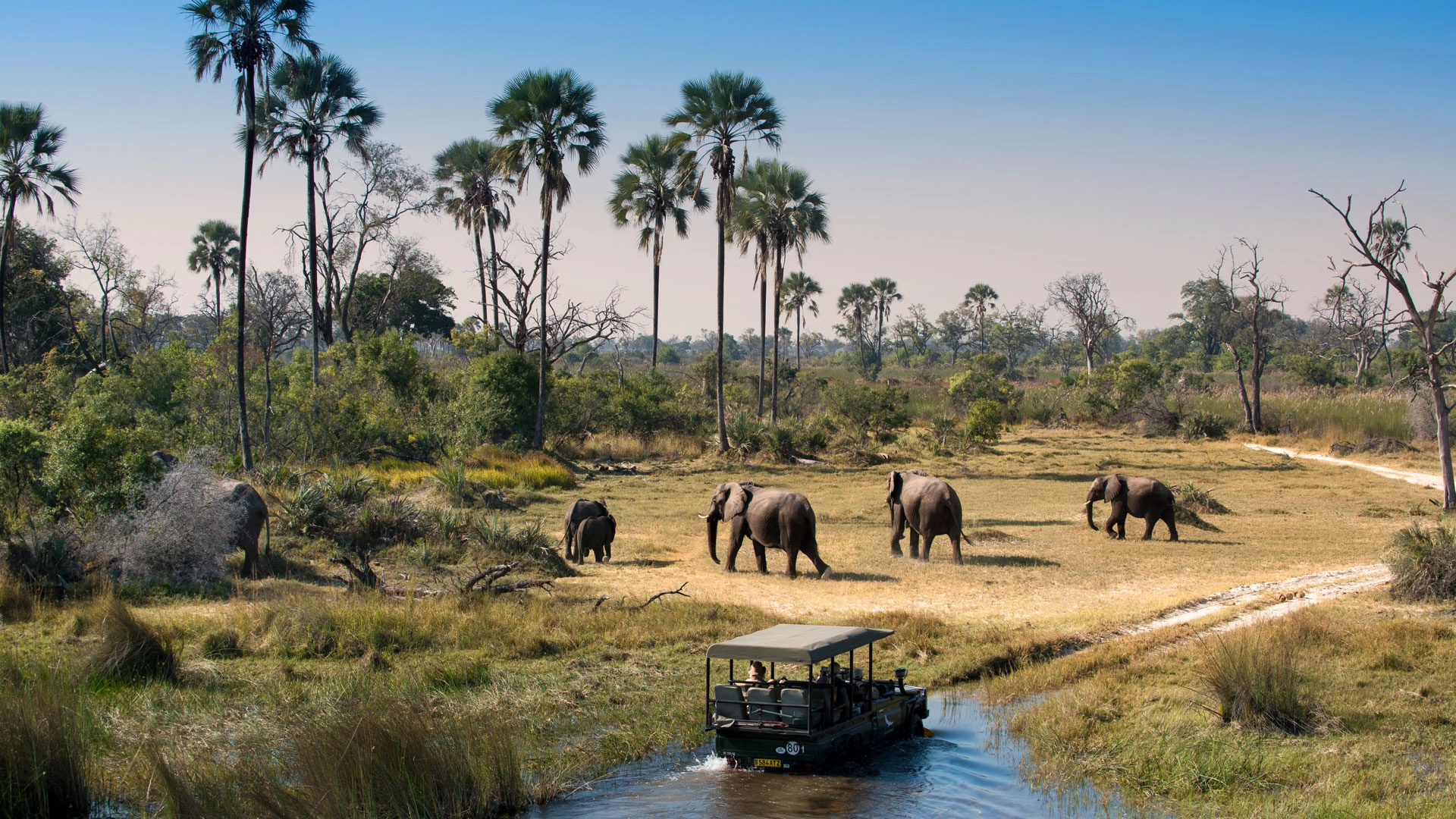
It is a journey through three complementary ecosystems. Chobe gives you elephants, river cruises and accessible big-game viewing. Moremi combines woodland, floodplains and productive predator habitat. The deeper Okavango Delta introduces water-based exploration, remote camps, mokoro excursions and a sense of isolation that is difficult to reproduce elsewhere. For families, couples, photographers and experienced safari travellers, this route can form one of the most rewarding Southern Africa safari itineraries.
Botswana has built much of its safari reputation around wilderness quality rather than mass tourism. The country’s protected areas preserve enormous tracts of the Kalahari and the wetlands associated with the Okavango system. Infrastructure in many areas remains deliberately limited compared with heavily developed destinations. That changes the rhythm of travel. You are not moving from city to wildlife attraction and back again each evening. In the most remote areas, you wake up inside the wilderness, spend the day surrounded by wildlife and fall asleep listening to sounds from the bush.
Elephants may move close to camp. Hippos grunt from waterways after dark. Lions can be heard calling in the distance. A Botswana safari therefore often feels less separated from nature than many first-time visitors expect. The country’s famous wilderness destinations include the Okavango Delta, Moremi, Chobe, Savuti, Linyanti, the Makgadikgadi Pans and Central Kalahari Game Reserve. Each has a distinct character. For a first Botswana journey, however, the combination of Chobe, Moremi and the Okavango is particularly powerful because it delivers exceptional wildlife diversity without repeatedly showing travellers the same habitat.
Northern Botswana’s Chobe National Park is one of the most logical places to begin. Kasane acts as the gateway to the park and is relatively easy to reach compared with Botswana’s more remote wilderness areas. Its proximity to Zimbabwe, Zambia and Namibia also means Chobe fits naturally into multi-country itineraries. Most importantly, the Chobe Riverfront provides extraordinary wildlife viewing. The Chobe River is the lifeline of the northern section of the park. During the dry season, large concentrations of animals move toward the river to drink.
Elephants dominate many travellers’ memories. Botswana is renowned for its elephants, and Chobe is one of the continent’s great destinations for watching them naturally. Herds may emerge from woodland and descend toward the river, adults protecting calves as they approach the water. Some swim. Others spray themselves with water, dust their bodies or interact along the shoreline. The Botswana Tourism Organisation describes the Chobe region as supporting exceptionally large elephant and buffalo populations, while Chobe National Park itself protects approximately 11,700 square kilometres of floodplain, swamp and woodland habitat.
A safari vehicle gives you one perspective of Chobe.
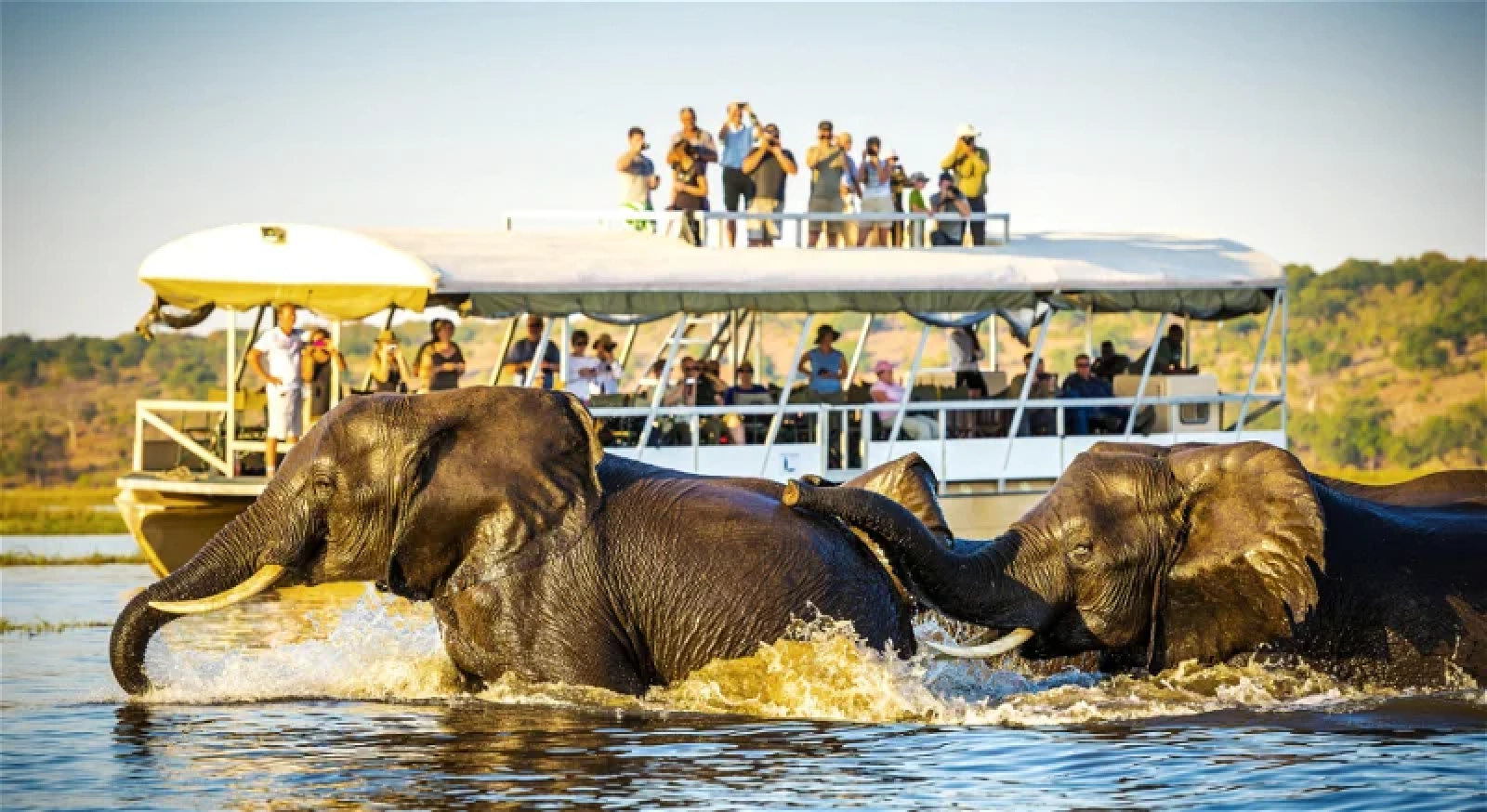
A boat gives you another. That is why combining a Chobe game drive with a Chobe River safari is one of the best ways to experience the park. From the water, you can watch animals approach the river without viewing everything from road level. Elephants may appear almost at eye level as they drink. Hippos surface nearby. Crocodiles rest along exposed banks. African fish eagles call from trees while kingfishers, herons, storks, bee-eaters and other water-associated birds move along the river.
Late afternoon is particularly beautiful. As temperatures fall, wildlife activity around the water can increase and the light becomes warmer. The river begins reflecting the changing sky, making this one of Botswana’s finest photographic experiences. A Chobe sunset cruise should not be treated as an optional relaxation activity after the “real safari.” It is part of the safari. In many cases, some of the day’s most memorable sightings happen from the boat.
Elephants may be the stars, but Chobe offers considerably more. Buffalo gather in large numbers. Giraffes browse woodland. Hippos occupy waterways. Crocodiles patrol the river margins. Impala and other antelope are common, while predators including lions and leopards occur throughout appropriate habitat. Birding can be superb. For first-time safari visitors, Chobe offers an excellent introduction because wildlife can often be observed relatively easily, particularly around the riverfront during drier periods.
For experienced safari travellers, the attraction lies in behaviour. Once you have already seen elephants, the objective changes. You begin watching how calves interact with mothers, how herds negotiate access to water, how elephants communicate and how other species respond when large elephant groups arrive. That is when a Botswana wildlife safari becomes more than species collecting.
Travelling onward from Chobe toward Moremi and the Okavango changes the character of the journey. Roads become rougher. Settlements disappear. Wildlife corridors replace conventional highways. Depending on the itinerary, travellers may move by safari vehicle, light aircraft or a combination of both. For adventurous travellers, an overland Botswana camping safari can be particularly memorable. The distances, sandy tracks and wilderness camps create a genuine expedition atmosphere. A fly-in safari is very different.
Small aircraft connect remote camps quickly, giving travellers spectacular aerial views over channels, floodplains, woodland and islands. Neither approach is universally superior. Camping usually appeals to travellers who enjoy adventure and being physically immersed in the landscape. Fly-in safaris maximise time and comfort. A well-designed mid-range itinerary can combine the two.
If Chobe introduces Botswana’s great wildlife, Moremi Game Reserve deepens the experience. Moremi occupies part of the eastern Okavango ecosystem and is especially important because it protects areas where dry woodland, seasonal floodplain and permanent water interact. The reserve covers roughly 3,900 square kilometres and was established through local conservation leadership in the 1960s. Botswana Tourism notes that Moremi was the first African reserve established through the initiative of local residents, led by the Batawana community concerned about wildlife losses.
That history gives Moremi special conservation significance. Ecologically, it is equally remarkable. The reserve contains lagoons, channels, floodplains, forests, grassland and islands. These habitats create exceptional wildlife diversity. One game drive may move through dry woodland. The next section becomes wet. Red lechwe appear near floodplains. Elephants cross channels. Predators use woodland edges and open clearings. This constant transition is one reason a Moremi safari feels so dynamic.
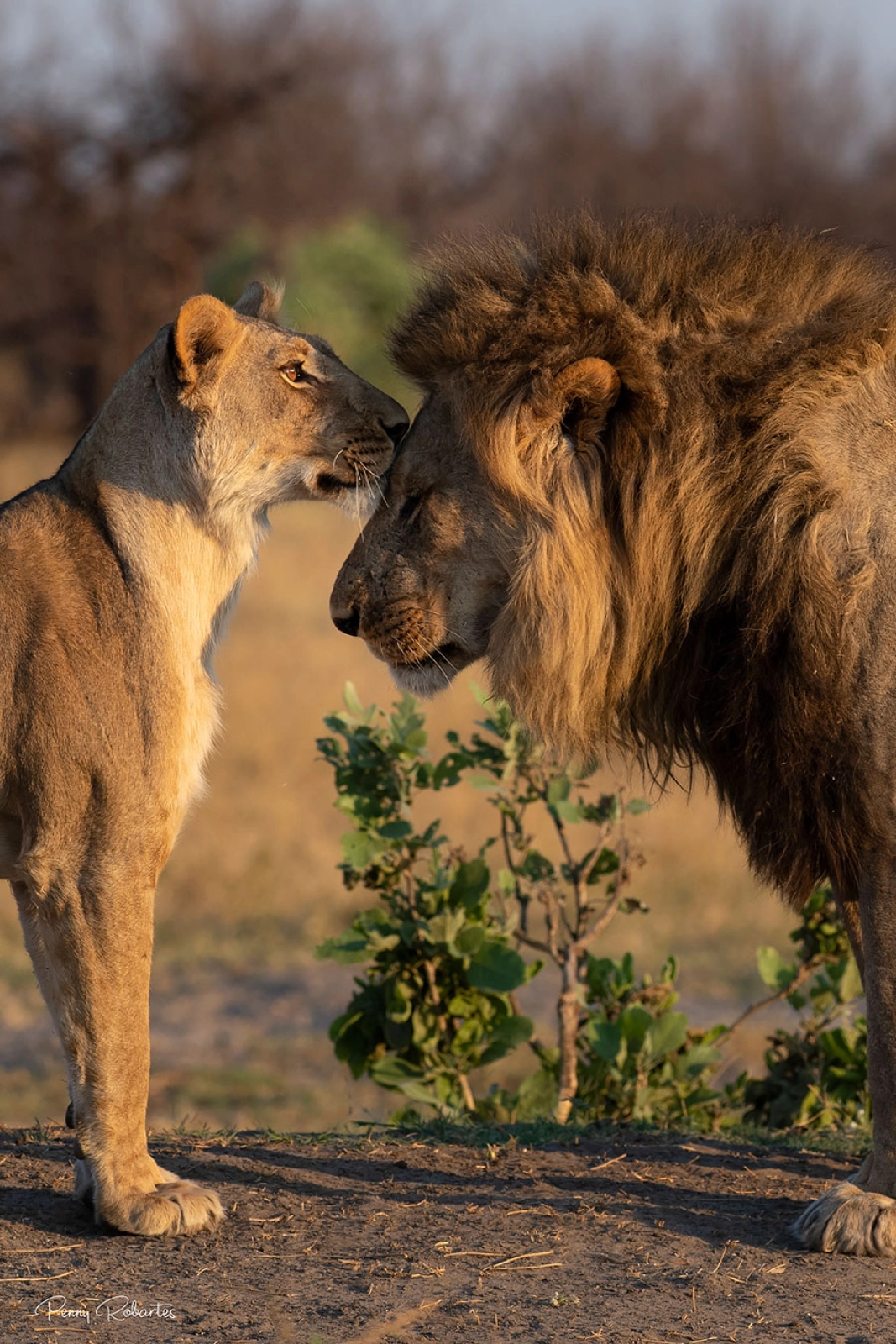
Moremi is one of Botswana’s premier predator destinations.
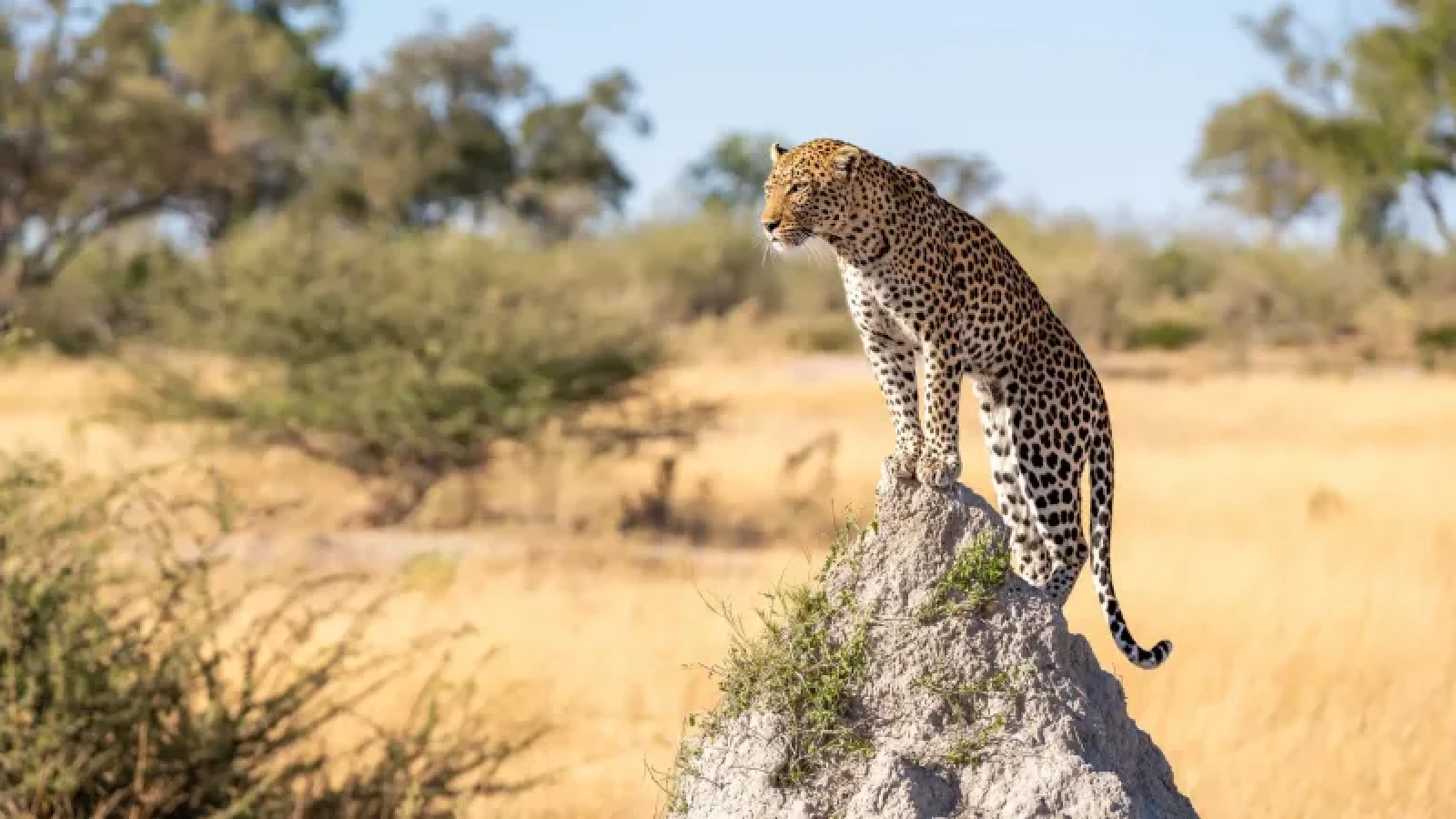
Lions are regularly encountered. Leopards use woodland and riverine habitat. African wild dogs occur within the wider ecosystem. Spotted hyenas patrol large territories. The abundance of herbivores supports this diverse carnivore community. For photographers, Moremi provides opportunities that extend far beyond close portraits. A leopard moving through woodland, lions resting on a floodplain edge or wild dogs travelling beneath an enormous Botswana sky create photographs that communicate habitat as well as species.
The reserve is also recognised for more than 400 bird species and an impressive range of herbivores and carnivores.
Chobe Riverfront can feel concentrated because so many animals depend on the river during dry periods. Moremi feels more intricate. Here, finding wildlife often involves reading the landscape. Tracks across sandy roads reveal which predators moved overnight. Alarm calls can indicate hidden cats. Vultures circling above the woodland might suggest a carcass. A guide may stop repeatedly to interpret signs that an inexperienced traveller would miss. That process of searching is an important part of a genuine safari.
It reminds you that these are wild animals moving naturally rather than attractions positioned for tourists.
Eventually, water becomes dominant. The Okavango Delta is one of the great geographical wonders of Africa: an inland river system spreading across the Kalahari rather than reaching the sea. Water arriving from the Angolan highlands fans across Botswana, forming an intricate mosaic of channels, lagoons, islands, reed beds, seasonal floodplains and dry land. Botswana Tourism describes the Delta as the world’s largest intact inland delta and notes that its area can vary substantially between dry and wet conditions, with water creating an extraordinary mixture of permanent swamp and seasonal floodplain.
The transformation is extraordinary. After dusty game drives, travellers suddenly find themselves moving through a landscape defined by reflections, reeds and open water. The pace changes as well.
Perhaps no activity represents the Okavango Delta more strongly than the mokoro safari. A mokoro is a traditional-style canoe used to navigate shallow waterways. Modern tourism operations may use fibre-glass versions for sustainability and durability, but the basic experience remains wonderfully simple. A skilled poler guides the craft through narrow channels. There is no roaring engine. You sit close to water level. Reeds rise beside you. Dragonflies hover above the surface.
Frogs cling to vegetation. Birds call from nearby islands. Sometimes elephants or antelope appear in the distance. The experience is less about racing between major mammals and more about becoming attentive to details. That makes a mokoro excursion one of the most valuable contrasts to vehicle-based African game drives.
The Okavango supports an extraordinary range of species.
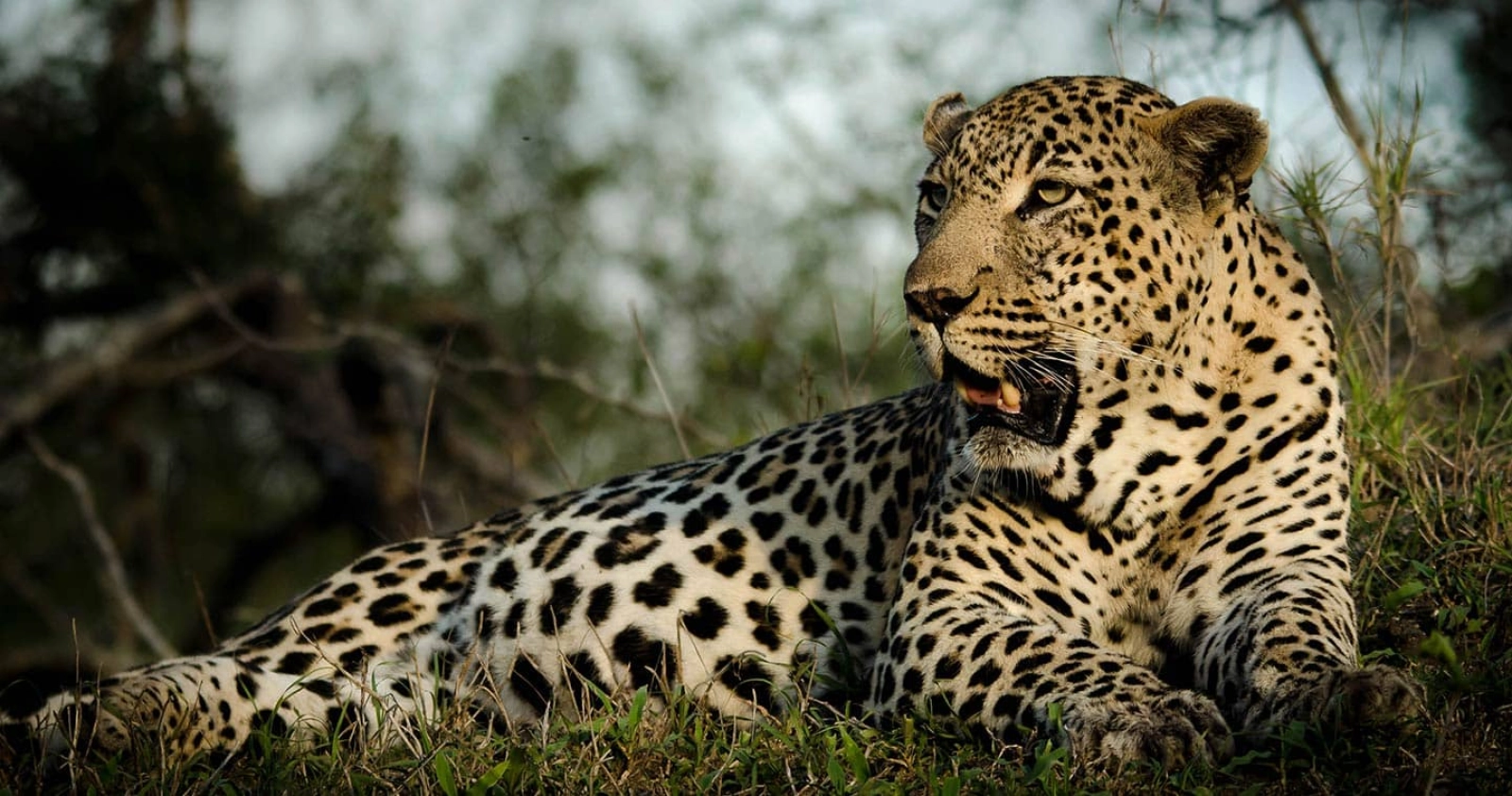
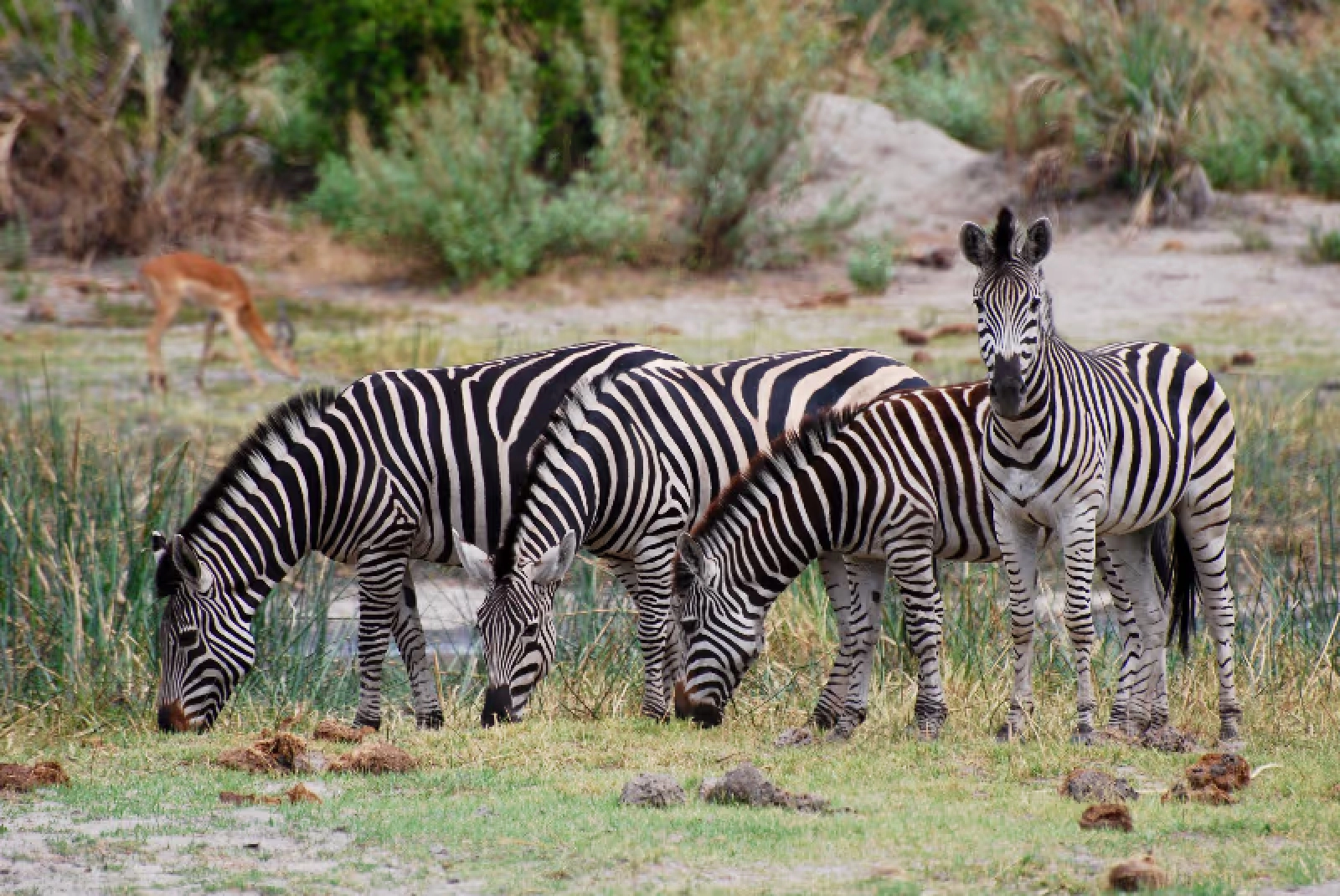
Elephants, buffalo, giraffes, zebras, hippos, crocodiles, red lechwe, waterbuck, kudu, impala and numerous other herbivores occur in the wider ecosystem. Predators include lion, leopard, cheetah and smaller cats, while wild dogs inhabit suitable areas. Botswana Tourism lists more than 120 mammal species and over 400 bird species across the broader Delta region. Wildlife distribution changes according to water. That is crucial for understanding an Okavango Delta safari. A camp that is superb for boating at one point in the year may offer different activity possibilities when water levels change.
Similarly, animals move between wet and dry areas according to food availability. Botswana should therefore never be marketed as if conditions remain identical every month.
One of the most fascinating aspects of the Delta is that its major floodwaters often arrive during Botswana’s dry season. Rain falling far away in Angola moves slowly through the river system before spreading across the Delta. By the time water reaches many parts of northern Botswana, local rains may have ended months earlier. The result is ecologically remarkable. While surrounding landscapes become drier, sections of the Delta expand with water.
Animals respond to this transformation, concentrating around productive habitats. Understanding this pattern helps explain why Botswana safari seasons are more complex than simply “wet season versus dry season.”
Accommodation is central to the Botswana experience because remote camps function as both hotel and gateway to the wilderness. A typical day may begin before sunrise. Coffee is served while the bush is still dark. Guests depart for game drives, boating, walks or mokoro excursions. After several hours, they return for brunch and rest during the hottest part of the day. Afternoon activities begin as temperatures cool. Sundowners may be served at a scenic location.
Dinner follows back at camp. Luxury varies tremendously. Some Okavango Delta lodges offer private plunge pools, elaborate cuisine and exceptional suites. Others focus on simpler tented accommodation. The important distinction is not whether a camp looks expensive online but whether its location and activity mix suit your priorities.
Botswana can be an extraordinary family destination, particularly for older children genuinely interested in wildlife. Seeing elephants, watching tracks being interpreted and travelling by boat through the Delta can transform lessons about ecology into direct experience. However, families must check age restrictions carefully. Some camps have minimum ages for walking safaris, mokoro excursions or shared activities. Long game drives can also be tiring for very young children. A successful Botswana family safari therefore depends heavily on appropriate pacing.
Private vehicles can provide valuable flexibility.
Botswana offers almost limitless photographic variety.
Chobe provides elephants against water. Moremi gives you predators in woodland and floodplain settings. The Delta creates reflections, aerial patterns and animals surrounded by wetland. A telephoto lens is useful but not sufficient. Bring a wider focal length for landscapes and environmental portraits. The view from a light aircraft can be spectacular, although reflections through windows and aircraft movement introduce challenges. On boats, protect equipment against spray. In dusty areas, avoid unnecessary lens changes.
Most importantly, photograph behaviour rather than simply collecting portraits. An elephant entering the river tells more of a story than another tightly cropped headshot.
For Chobe, Moremi and the Okavango Delta together, approximately seven to ten nights provides a good foundation. Travellers with more time can slow down and include additional areas. A possible structure might involve two nights near Chobe, two or three nights in Moremi and three nights in the Delta. The exact balance depends on camp choice and travel method. Avoid trying to cover too many camps merely to say you visited them.
Moving between properties consumes time. Three nights in an excellent location can be more rewarding than one night each at three different camps.
One of the easiest extensions to Botswana is Victoria Falls. Kasane lies close enough to the Falls for road transfers, making a Botswana and Victoria Falls combination extremely logical. Travellers can begin or end with Zambia or Zimbabwe. This creates a spectacular contrast: the waterfalls and adventure activities of the Zambezi followed by elephants on the Chobe River and wetland wilderness in the Okavango. For first-time visitors to Southern Africa, few itineraries offer greater variety.
Botswana has a reputation as one of Africa’s more expensive safari countries. There is truth in this, particularly for remote fly-in camps. Small camps, charter flights and limited-access wilderness areas increase operating costs. However, affordable Botswana safaris do exist. Mobile camping, overland itineraries and carefully chosen lodges can reduce costs substantially. The key is understanding what you are paying for. A lower-cost safari may involve longer road transfers, simpler accommodation and shared facilities.
A high-end fly-in safari prioritises convenience, exclusivity and comfort. Both can deliver exceptional wildlife.
The dry-season months are popular because wildlife becomes increasingly concentrated around water.
Chobe can be spectacular as elephants gather near the river. The Okavango flood also influences wildlife movements. The wetter green season offers different rewards. Vegetation becomes lush. Many animals give birth. Migratory birds increase diversity. Storm clouds create dramatic photography. Rates may also be more favourable at some properties. The best time to visit Botswana therefore depends on priorities rather than a universal answer.
Botswana requires practical safari clothing rather than elaborate outfits. Neutral lightweight clothing is ideal. Bring warm layers because early mornings can become surprisingly cold. A hat, sunscreen and sunglasses are important. Binoculars dramatically improve the experience. For photographers, dust protection and spare batteries are essential. Soft-sided luggage is commonly required when travelling by light aircraft because small planes have strict baggage limitations. Always confirm the latest restrictions before departure.
The quality of Botswana’s wilderness depends on responsible tourism. Follow guide instructions. Keep appropriate distance from animals. Never pressure a guide to pursue wildlife for a photograph. Avoid sharing sensitive wildlife locations, particularly rhinos. Reduce unnecessary plastic. Respect communities and staff. Most importantly, choose safari experiences where conservation is treated as more than marketing language. Botswana’s wilderness is valuable precisely because so much of it remains relatively intact.
An authentic Botswana safari through Chobe, Moremi and the Okavango Delta works because no two parts of the journey feel quite the same. Chobe introduces the power of the river and extraordinary elephant gatherings. Moremi brings intricate habitats and superb predator country. The Okavango changes the pace completely as water, reeds and islands replace long stretches of conventional safari road. Together they create a safari built around contrast. Adventure in the Wild Safaris can combine Botswana with Victoria Falls, Namibia, South Africa or East Africa, creating a journey built around your preferred balance of wildlife, adventure, photography and comfort.
Botswana does not need to be rushed. Give its wilderness time, and the quiet moments often become as memorable as the dramatic sightings.
Get quick answers to the most common questions. If you still have questions, our safari experts are here to help.
Yes. Botswana offers superb wildlife, professional guiding and outstanding wilderness. Travellers should simply be prepared for potentially higher costs than some East African or South African alternatives.
Absolutely. Chobe is especially famous for elephants and offers the excellent combination of vehicle game drives and boat safaris.
Moremi protects an extraordinary meeting point between dry land and the Okavango wetlands, producing diverse habitats and excellent predator viewing.
Combine game drives with water-based activities such as boating and mokoro excursions where water levels and camp locations permit.
Seven to ten nights is excellent for combining Chobe, Moremi and the Okavango without rushing.
Yes. Chobe and Victoria Falls combine particularly easily because Kasane is close to both the Zambian and Zimbabwean sides of the Falls.
Botswana supports the Big Five, although your chance of seeing all five depends on the exact reserves and camps visited.
For travellers who value wilderness, wildlife, wetlands and remote safari camps, the Okavango is one of Africa’s most distinctive destinations.
Our safari experts are here to help you plan your safari. Get personalized advice, the latest information and a free, no-obligation quote.
We typically reply within a few hours.

Share This Article
When booking a luxury African safari, look beyond the room and compare the quality of guiding, wildlife location,…
Read article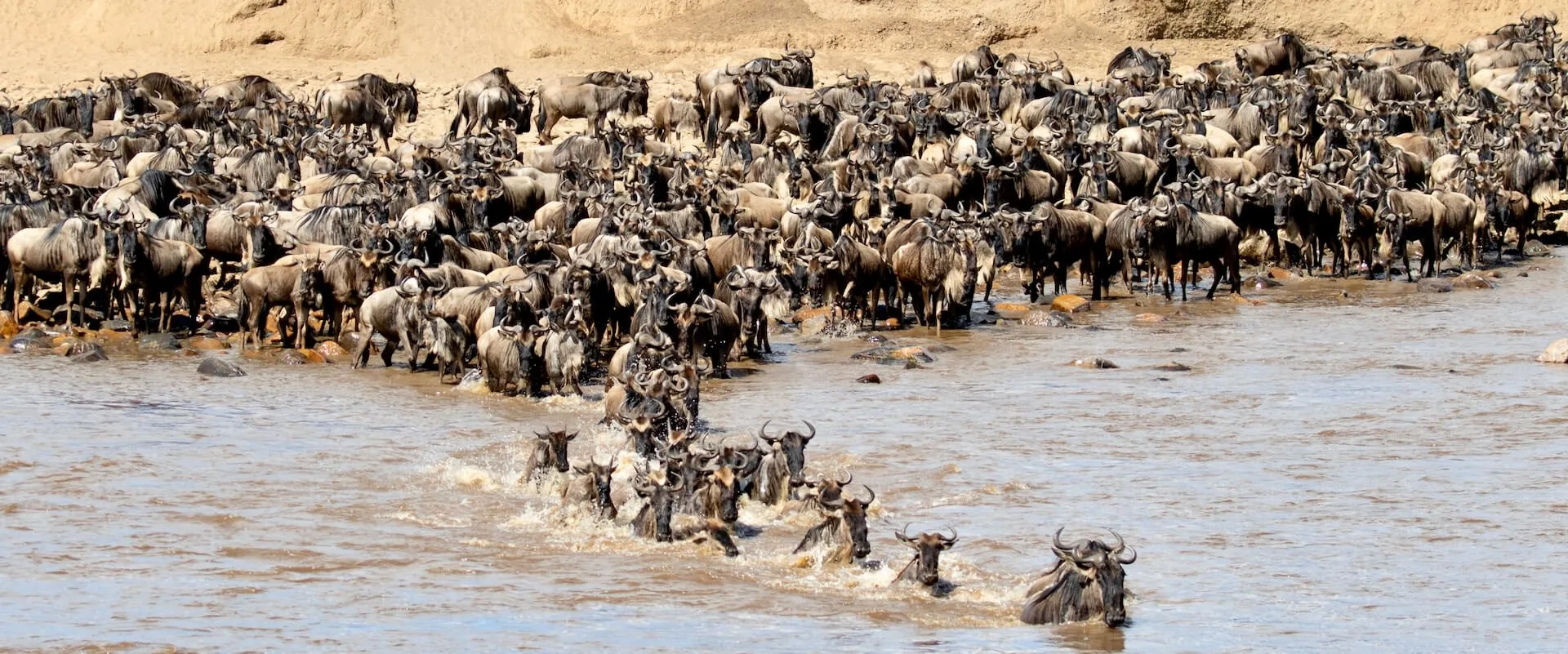
The Great Migration in Africa happens all year because the herds continuously circulate through the Serengeti–Mara ecosystem in…
Read article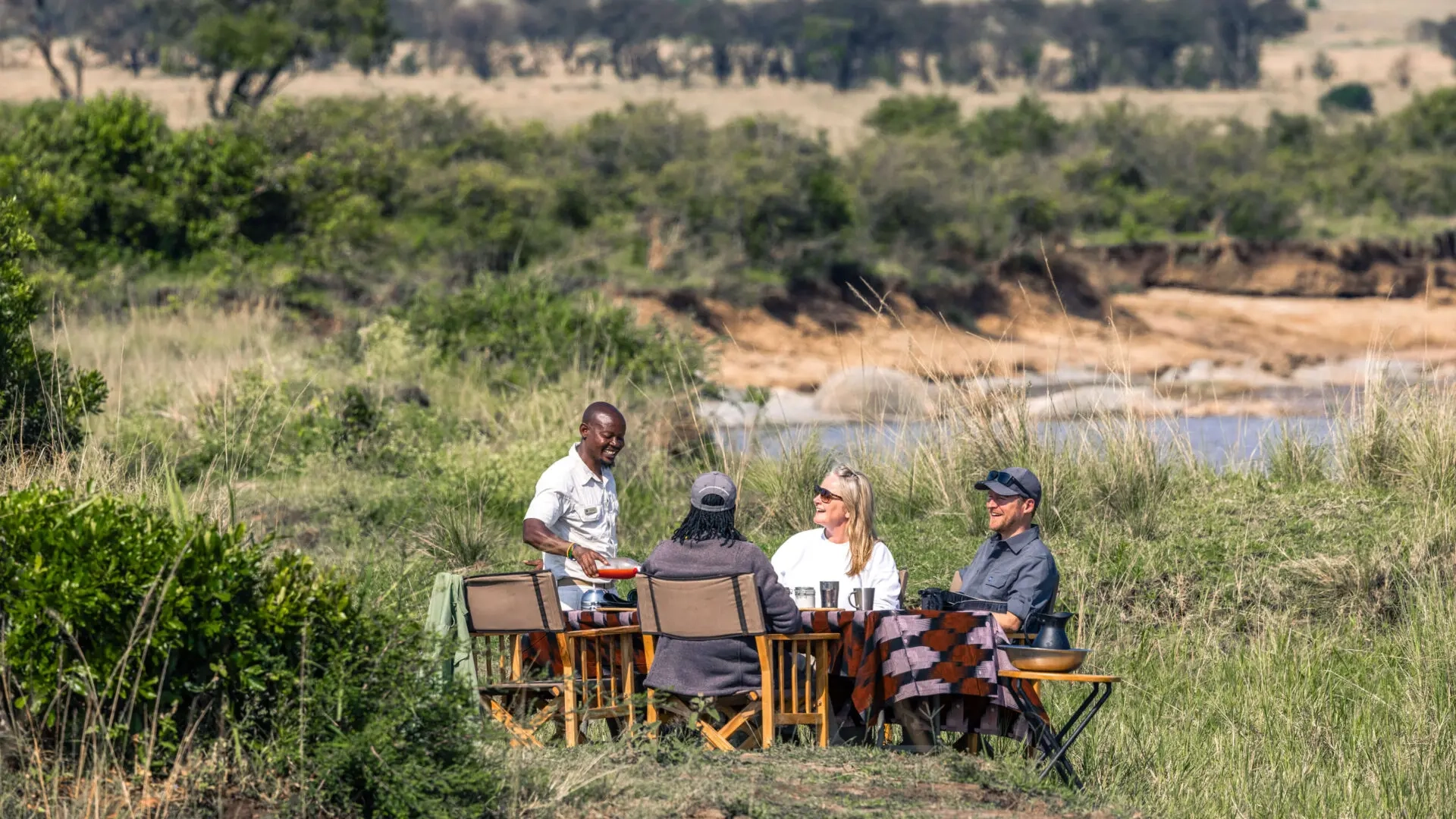
Definitive answer: A picnic lunch on safari is a packed or catered midday meal eaten at an approved…
Read article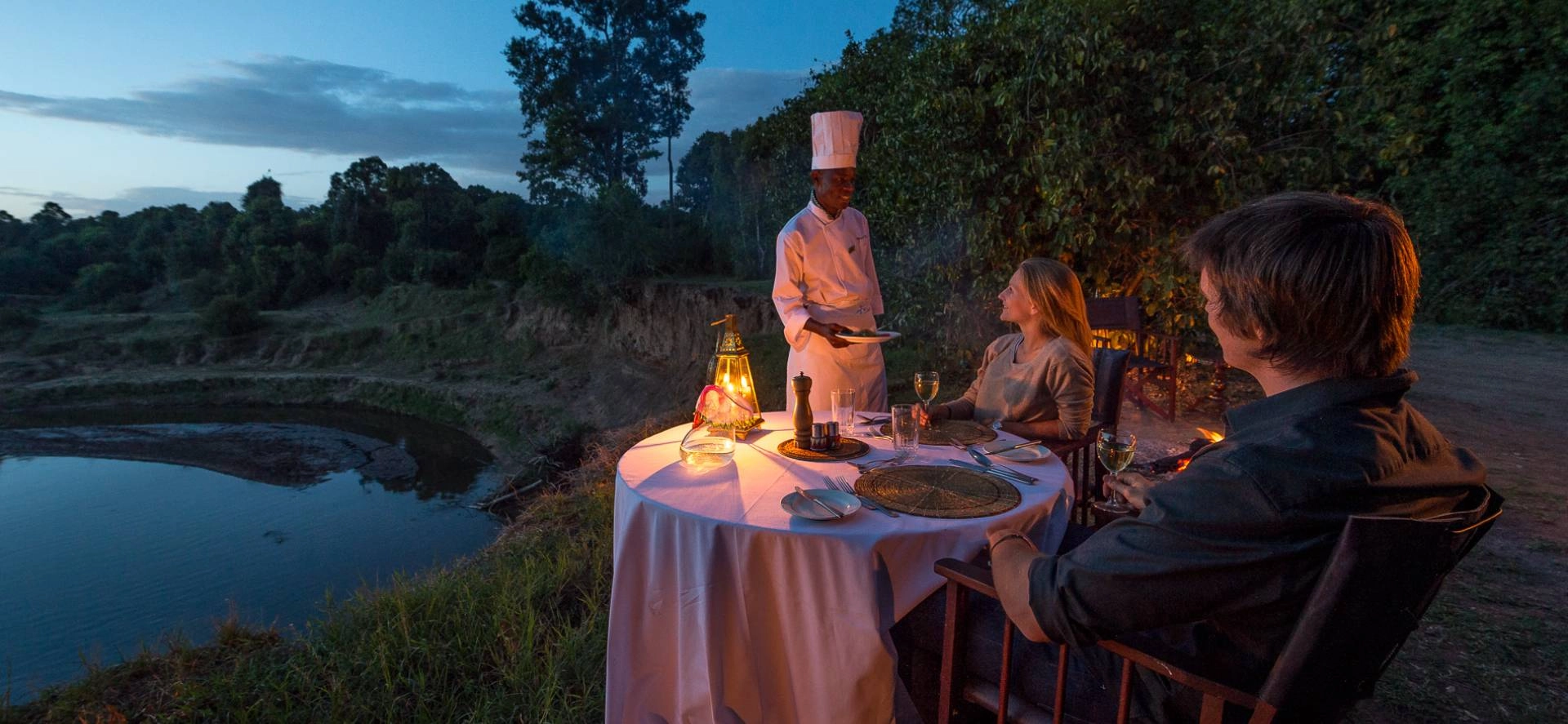
Definitive answer: A bush dinner is an outdoor evening meal arranged in a safe safari setting away from…
Read articleLet us take you closer to the wildlife, people and places that make Africa extraordinary.
Plan Your Safari Today