
What should I look for when booking a luxury African safari?
When booking a luxury African safari, look beyond the room and compare the quality of guiding, wildlife location,…
Read article
Travel Guide
To understand Uganda, you eventually have to understand the banana. Not the perfectly yellow dessert banana displayed in a European supermarket, but the astonishing variety of bananas that grow across Uganda's fertile landscapes and appear in…
To understand Uganda, you eventually have to understand the banana. Not the perfectly yellow dessert banana displayed in a European supermarket, but the astonishing variety of bananas that grow across Uganda’s fertile landscapes and appear in kitchens, markets, gardens, roadside stalls, ceremonies and everyday conversation. In many parts of the country, bananas are not a snack added to the edge of a meal. They are part of the structure of life itself.
Travel through central or western Uganda and banana plantations become an almost constant part of the scenery. Tall green leaves rise beside family homes. Bunches hang heavily beneath plants. Farmers transport enormous green clusters toward roadside markets. Women prepare food around kitchens where bananas may be steamed, mashed, roasted or combined with sauces. In towns, trucks arrive carrying bunches from rural farming districts. In restaurants, matooke appears beside meat, groundnut sauce, beans or vegetables.
This is why a traveler exploring Uganda culture can learn surprisingly much by following the story of a single crop. The banana connects agriculture with cuisine, cuisine with hospitality, hospitality with family life, and family life with wider questions about land, identity, trade and tradition. It is simultaneously an everyday food and a cultural symbol. Understanding bananas in Uganda culture therefore opens a window into the country’s history and contemporary life that conventional wildlife tourism can easily overlook.
For travelers arriving primarily for gorilla trekking in Uganda, chimpanzees or savannah safaris, discovering this culinary landscape can make the journey far richer. Uganda is not only what happens inside national parks. The farms, villages and kitchens between those parks are part of the travel experience too.
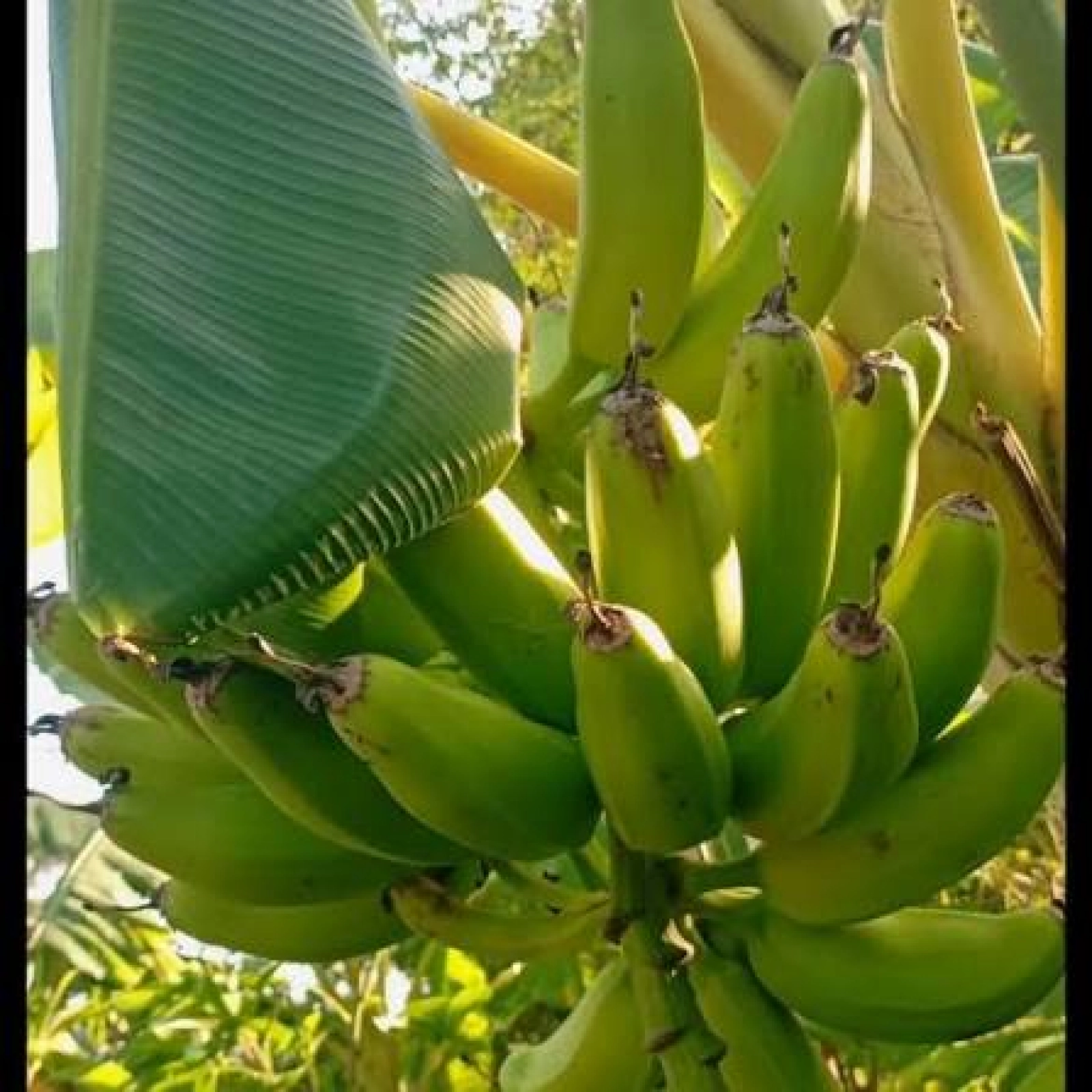
International visitors often use the word “banana” as though it describes a single fruit. Ugandans know better. Different banana varieties serve different purposes, and the distinctions matter enormously in cooking. Some bananas are eaten ripe and sweet. Others are cooked while green. Some varieties are particularly suitable for roasting. Others have traditionally been used in beverage production. The most culturally important category for many Ugandans is the group of cooking bananas commonly associated with matooke, one of the country’s best-known staple foods.
This distinction immediately changes how visitors understand a Ugandan food market. The large green bunches stacked beside a roadside stall are not simply unripe versions of breakfast bananas waiting to become yellow. They may be varieties grown specifically to be harvested and cooked green. For anyone interested in traditional Ugandan cuisine, this is the first important lesson: bananas are not merely fruit. In much of Uganda they function as a starch, occupying a place on the plate comparable to potatoes, rice, cassava or maize in other food traditions.
Few foods are as closely associated with Uganda as matooke. The word can refer both to particular East African highland cooking bananas and to the prepared dish made from them. For many families, especially across central and western Uganda, matooke is not special-occasion cuisine. It is everyday food, deeply connected with ideas of a proper meal and home cooking.
Preparation traditionally begins by peeling green cooking bananas. Anyone who has tried peeling matooke for the first time quickly discovers that this is not the same as opening a ripe dessert banana. The peel is firm, and sticky sap can stain hands and clothing. Experienced cooks work quickly, using practiced movements that make the process look deceptively simple.
The peeled bananas may then be wrapped in banana leaves and steamed for an extended period. The leaves are not merely decorative. They create a moist cooking environment and contribute to the traditional character of the preparation. Once sufficiently soft, the bananas can be mashed while still wrapped, producing the smooth golden food that appears on tables throughout Uganda.
The result is mild rather than intensely flavored. That subtlety is important because Ugandan matooke is usually eaten with richer accompaniments. Groundnut sauce, beef stew, goat, chicken, beans, fish or vegetables provide stronger flavors, while matooke forms the comforting base of the meal. For visitors accustomed to eating sweet bananas, the first taste can be surprising. There is no dessert-like sweetness. Instead, the texture and culinary role are closer to a soft savory starch.
Calling matooke simply a popular Ugandan dish misses its cultural significance. Food becomes meaningful when it is connected with memory, family and identity, and matooke carries all three. For many Ugandans, the smell of banana leaves steaming over a cooking fire or stove is associated with home. Preparation can be part of family routine. Large meals for gatherings may require significant quantities. The crop itself is visible around homesteads, connecting the food eaten at the table directly with the land surrounding the household.
This relationship between cultivation and cuisine is one reason a Uganda cultural tour can be so much more interesting when it includes agriculture. A visitor who eats matooke at a lodge learns something about Ugandan food. A visitor who walks through a banana plantation, sees how the crop grows, watches a bunch being harvested and then participates in preparation understands an entire chain of relationships. That chain is what makes culinary travel valuable.
A mature banana plantation in Uganda has a distinctive atmosphere. Large leaves overlap above pathways, creating areas of shade beneath the canopy. Younger shoots emerge around established plants. Fallen leaves and organic material cover the soil. Depending on the farm, other crops may grow within or around the banana system. To an untrained visitor, every plant may look similar. A farmer sees differences immediately. They know varieties. They know which plants are healthy.
They know which bunches are approaching harvest. They understand how rainfall, soil condition, disease and pests influence production. They know how much work stands behind the plate of matooke served at lunch. This agricultural knowledge is rarely visible to a traveler moving quickly between national parks. Yet for anyone interested in responsible tourism in Uganda, spending time with farmers and community guides can reveal a dimension of the country that wildlife-only itineraries miss.
Uganda’s agricultural productivity is closely linked to its climate, soils and varied elevations. Large areas receive enough rainfall to support intensive cultivation, and banana-growing landscapes are particularly prominent in central, western and southwestern regions. For safari travelers, these landscapes become part of the journey. The road between Kampala and western Uganda passes through farming communities. Routes toward Kibale National Park, Queen Elizabeth National Park, Bwindi Impenetrable National Park and Lake Mburo National Park reveal changing agricultural systems alongside the changing natural ecosystems.
This is why road travel can be so rewarding. A flight transports you efficiently between points. A road journey shows how people live between them. You see produce being sold. Children walking to school. Cattle moving beside roads. Tea plantations. Coffee farms. Banana plantations. Small trading centers. Uganda gradually becomes a place rather than a sequence of tourist attractions.
Bananas, and matooke in particular, are deeply associated with the food culture of central Uganda and the Baganda, although cooking bananas are widely consumed far beyond Buganda. In Buganda, banana cultivation historically became deeply integrated into household agriculture and food systems. The crop’s importance helped shape landscapes around settlements, while matooke became strongly associated with hospitality and everyday meals. For travelers exploring Kampala cultural attractions or communities in central Uganda, understanding matooke provides context for what appears on the table. A meal is no longer simply “Ugandan food.” It reflects geography, agriculture and cultural history.
This is also a useful reminder that Uganda contains many ethnic and cultural traditions. There is no single universal Ugandan cuisine. Foods and preparation methods vary across regions, and travelers should resist reducing the country’s culinary diversity to one dish. Matooke is enormously important, but it is one chapter within a much larger food story.
Western Uganda is equally important to the banana story. Drive through parts of the region and vast green plantations cover hillsides and valleys around family farms.
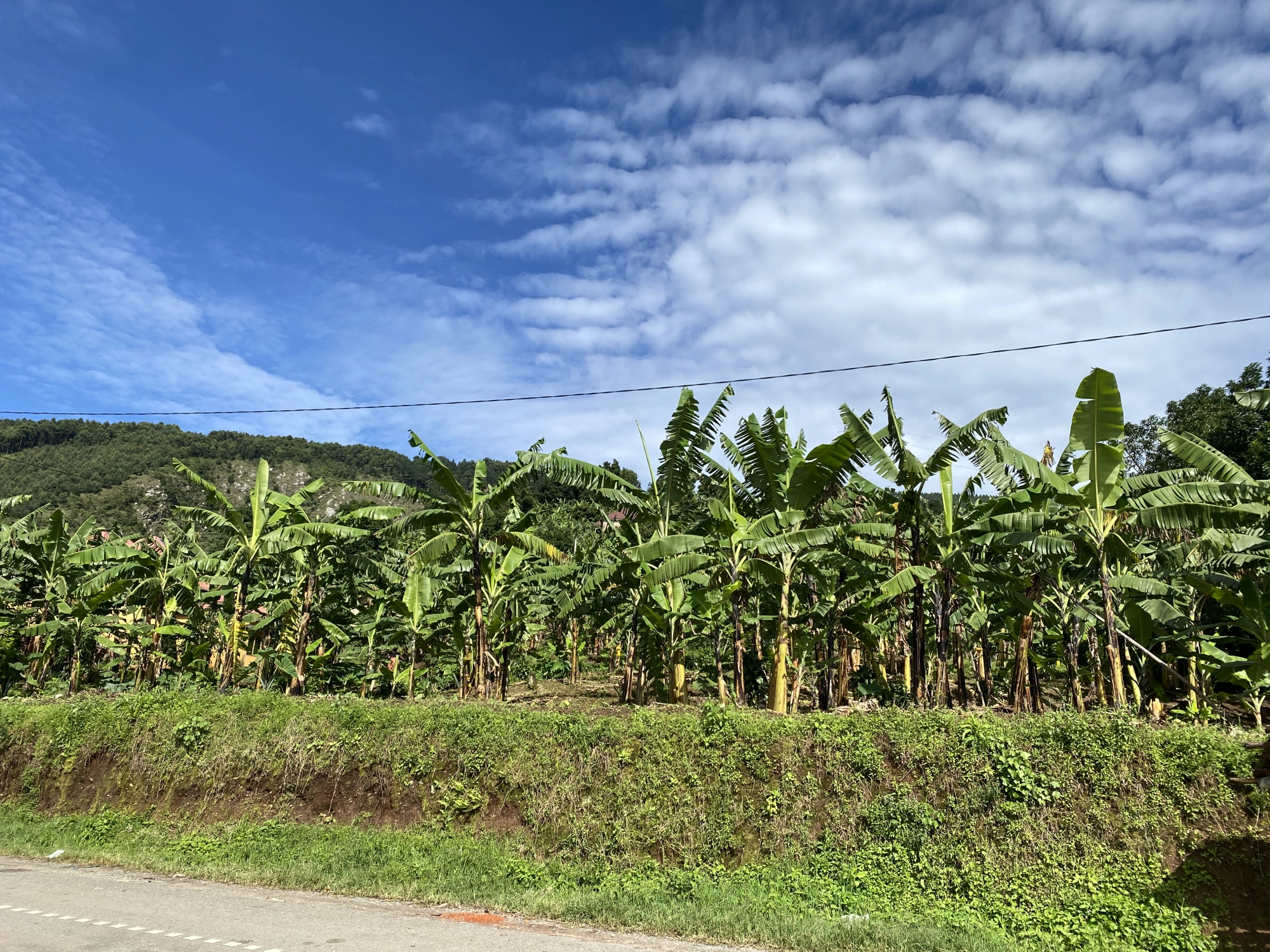
This is also the Uganda that many safari travelers encounter because the western circuit contains several of the country’s most famous tourism destinations. A journey toward Kibale chimpanzee trekking, Queen Elizabeth, Bwindi or Lake Mburo naturally passes through agricultural areas where bananas form part of both the economy and everyday diet.
For travelers, this creates excellent opportunities for community tourism in Uganda. Rather than treating the drive as dead time between national parks, an itinerary can incorporate a farm visit, market stop or local meal. These experiences do not need to be elaborate. Sometimes sitting with a family and learning why different bananas are used for different dishes provides more cultural insight than a highly staged performance.
Banana harvesting requires knowledge and physical skill. A mature bunch can be extremely heavy. Farmers must support and lower it carefully to avoid damaging the fruit. The plant’s structure also surprises visitors. What looks like a tree is technically a giant herbaceous plant rather than a conventional woody tree. After fruiting, the producing pseudostem is cut back while younger shoots continue the cycle. This means a banana plantation is constantly renewing itself. Mature plants, younger followers and newly emerging shoots exist together.
For a farmer, managing this cycle is part of maintaining future production. For a traveler, seeing it firsthand transforms the banana from an anonymous supermarket product into the outcome of skilled agricultural work.
If farms reveal production, Ugandan local markets reveal scale. Large bunches arrive from agricultural districts and are redistributed toward urban consumers. Vendors arrange bananas alongside cassava, sweet potatoes, tomatoes, onions, avocados, pineapples, passion fruit and other produce. Markets are among the most visually intense places in Uganda. Color. Movement. Negotiation. Motorcycles. Trucks. Voices. Smells. Stacks of food. For photographers, they are irresistible, but visitors should remember that markets are workplaces, not staged tourist attractions. Ask before taking close photographs of people. Avoid blocking customers. Follow a local guide where appropriate.
A thoughtful Uganda market tour can teach visitors about seasonal food, price changes, rural-to-urban supply chains and household cooking in a way no restaurant menu can.
One of the most distinctive aspects of traditional matooke preparation is the use of banana leaves. The leaves act as natural cooking material, wrapping the peeled bananas and helping retain steam and moisture. Traditional preparation can involve carefully layering leaves within a cooking vessel and creating a package around the food. The process requires patience. Modern kitchens may adapt methods for convenience, but leaf-wrapped preparation remains culturally recognizable and produces the texture many people associate with properly cooked matooke.
For travelers participating in a Uganda cooking experience, this is often the most memorable stage because it demonstrates how the banana plant contributes more than fruit. Leaves themselves become part of the culinary technology.
One of the most satisfying combinations in traditional Ugandan food is matooke served with groundnut sauce. Groundnuts—peanuts—are used to create a rich sauce whose flavor contrasts beautifully with the mild cooking banana. Depending on household and region, preparation varies, and additional ingredients may be incorporated. The pairing demonstrates an important principle in Ugandan cuisine. Staple foods often provide a substantial, comforting base while sauces contribute richness, protein and stronger flavor. A traveler tasting matooke alone may wonder why it is so beloved. Eat it properly with a good sauce or stew and the logic becomes immediately clearer.
Meat stews are another common accompaniment. Slow-cooked beef or goat can produce rich sauces that soak into the soft matooke. For visitors on a Uganda safari holiday, this type of meal can be particularly satisfying after a long day. Imagine returning from a Queen Elizabeth National Park game drive after sunrise, lions and elephants, then sitting down to a warm plate of matooke and stew. The meal connects the wildlife experience with the human landscape around the park. This is one reason locally influenced lodge menus can improve a safari. Travelers have crossed continents to experience Uganda. They should have opportunities to taste Uganda too.
Another important dish visitors may encounter is luwombo, in which meat, chicken, fish or other ingredients are traditionally cooked within banana leaves. Luwombo and matooke are different dishes, but together they demonstrate the importance of banana leaves within Ugandan culinary traditions. The leaves create a sealed cooking environment that helps retain moisture and flavor. Opening the parcel at the table releases aroma and creates a sense of occasion. For culinary travelers, learning to prepare luwombo alongside matooke provides a deeper introduction to Uganda’s traditional cooking methods than simply ordering familiar international food throughout the safari.
Not every banana experience requires hours of steaming.

Certain bananas are suitable for roasting, producing a completely different texture and flavor. Travelers may encounter roasted foods at roadside stops and local trading centers. Roadside food is part of the rhythm of Uganda road safaris. Drivers stop for fuel. Travelers stretch their legs. Fruit sellers approach vehicles. Markets appear around junctions. These moments can become memorable because they are unscripted. A pineapple bought beside the road may be sweeter than anything served at a hotel. A roasted banana may introduce a new flavor. A conversation with a vendor may reveal more about everyday Uganda than an hour of formal sightseeing.
Uganda also grows the sweet bananas international visitors recognize more easily, although local varieties can differ in size, texture and flavor. Small sweet bananas can be intensely flavorful. They make convenient road snacks and are widely available. Travelers should try different varieties rather than assuming every banana tastes identical. The contrast between a sweet ripe banana and cooked matooke demonstrates the extraordinary culinary range hidden within the simple English word “banana.”
Certain banana varieties have historically been used in traditional beverage production, including fermented drinks in parts of Uganda. These beverages have cultural and social contexts that differ by community and should be approached as part of local tradition rather than simply as tourist novelty. For visitors participating in a Uganda cultural experience, a community guide can explain how bananas are selected, ripened, processed and incorporated into traditional beverage-making practices. The value lies in understanding the process and its social context.
Travelers researching Ugandan food and drink may encounter references to tonto, a traditional fermented banana beverage associated with parts of the country. Its preparation and role vary according to community and context. Traditional methods involve specific banana types and fermentation processes rather than simply leaving ordinary dessert bananas to ferment. A culturally responsible visit should focus on the knowledge surrounding production: which bananas are selected, how families learned the process, when the beverage is consumed and how practices have changed over time. That transforms the experience from curiosity into cultural education.
Food in Uganda is closely connected with hospitality. Offering a visitor something to eat or drink can be an expression of welcome. In homes where matooke is a staple, serving it is therefore more than providing calories. The meal says something about generosity. For international travelers, this matters because cultural experiences can become superficial when reduced to performances. Eating together creates a different relationship. A Uganda community safari becomes more meaningful when visitors have time to ask questions and listen rather than moving through a village according to a rigid ten-minute photo schedule.
What crops are grown? How long does matooke take to prepare? Who taught the cook? How have food prices changed? What do children prefer eating today? These conversations reveal contemporary Uganda rather than an artificial image of culture frozen in the past.
One particularly interesting combination for travelers is a banana and coffee farm experience in Uganda. Coffee is one of Uganda’s important agricultural products, while bananas play an enormous role in household food systems. In some farming landscapes, visitors can learn about both within the same broader agricultural environment. A farm visit can explain how coffee is grown, harvested and processed while also showing how banana plants contribute to household food security and farm structure.
For travelers heading toward Bwindi Impenetrable National Park, incorporating a Uganda coffee experience can be an excellent cultural complement to gorilla trekking. The day stops being only about wildlife and begins revealing how communities surrounding conservation landscapes earn livelihoods.
The communities around Bwindi live in one of Uganda’s most extraordinary tourism landscapes. International visitors arrive for mountain gorillas, yet people have farmed the surrounding hills for generations.
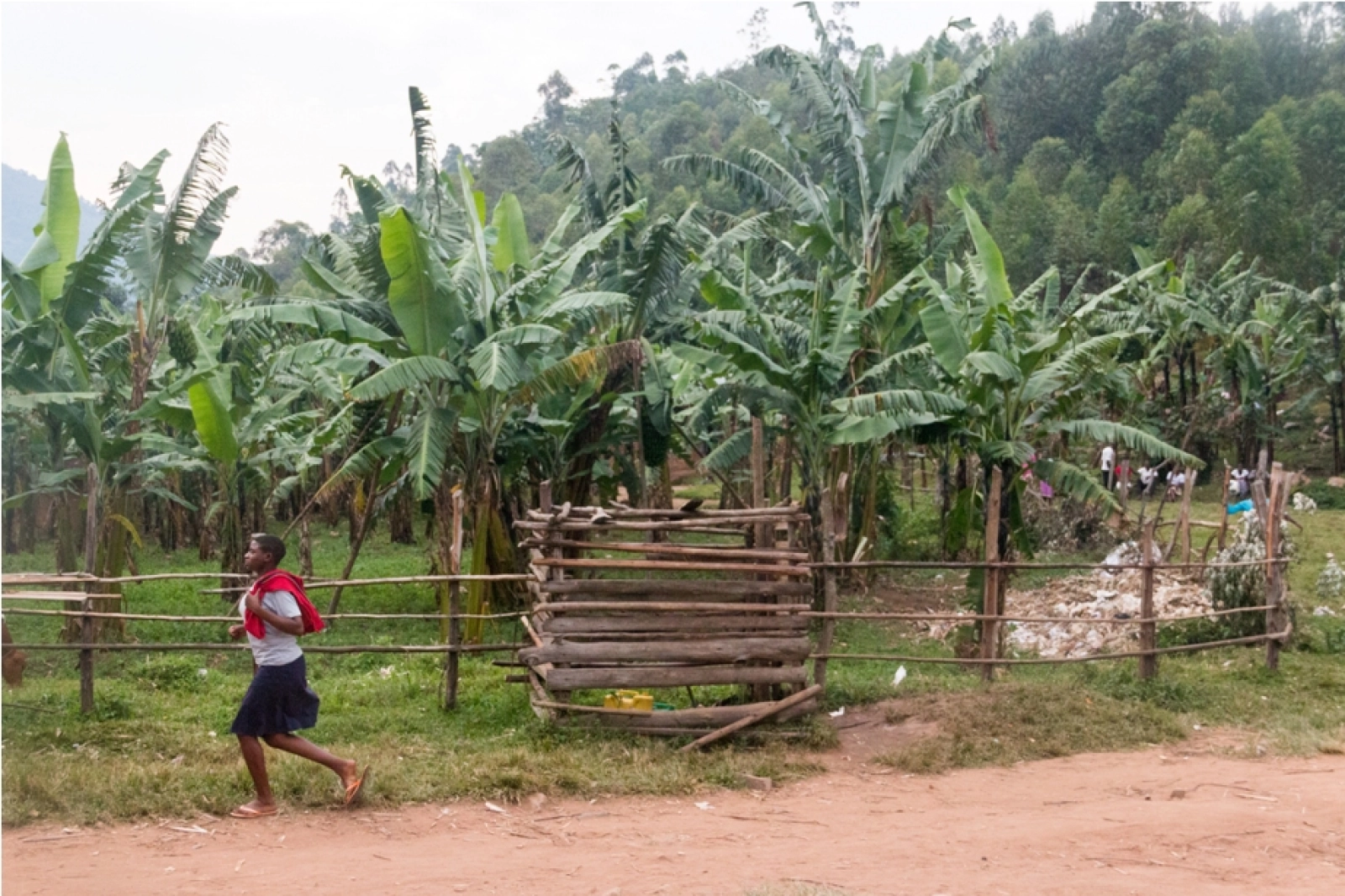
Bananas are part of this agricultural mosaic alongside tea, coffee, beans and other crops depending on the location. Adding a Bwindi community tour before or after gorilla trekking allows travelers to understand this relationship between conservation and livelihood. The forest boundary becomes particularly meaningful. On one side is protected habitat critical to mountain gorillas and biodiversity. On the other are farms supporting families. Conservation cannot be understood properly without recognizing both.
One of the strongest arguments for integrating cultural and culinary experiences into safari itineraries is economic. Wildlife tourism generates the greatest conservation value when surrounding communities see meaningful benefits from visitors. A traveler may spend substantial money on a Uganda gorilla trekking permit, lodge and safari vehicle. Adding locally operated farm visits, community walks, craft purchases or cooking experiences can spread tourism income further. This is not charity. Visitors receive something valuable in return: knowledge, conversation, food and a deeper understanding of Uganda. The best responsible Uganda safaris therefore combine conservation experiences with respectful opportunities to engage with people living around protected areas.
The cultural importance of bananas is closely connected to their practical importance as food. For households that depend on cooking bananas as a staple, the health of banana plantations has direct consequences for daily life. Agricultural diseases, changing rainfall, soil fertility and market conditions are therefore not abstract farming issues. They affect what families eat and what farmers earn. This is another reason the banana story deserves attention from travelers interested in sustainable tourism. A landscape that appears beautifully green from a safari vehicle is also an economic landscape under constant management.
Farmers must make decisions about planting material, crop diversity, soil management and disease control. Traditional knowledge and modern agricultural science increasingly meet within these decisions.
Climate variability creates additional uncertainty for agriculture. Changes in rainfall timing, extended dry periods, intense storms and shifting pest or disease pressures can affect farmers. Bananas require moisture, but excessive water and poor drainage can also create problems. Different regions and varieties respond differently. For visitors, the important point is not to simplify climate change into a single dramatic story. Instead, speak with farmers. Ask what they have observed. Many can describe changes in planting seasons, rainfall reliability or crop performance based on decades of personal experience. A farm tour in Uganda can therefore become a conversation about the future as much as the past.
Ugandan food culture is not static. Cities are changing quickly. Kampala contains restaurants serving cuisines from across Africa and the world. Fast food, international ingredients and changing work schedules influence how people eat. Younger Ugandans may enjoy matooke while also eating pizza, burgers, rice dishes, Indian food or Chinese cuisine. This does not mean tradition is disappearing. Food cultures constantly evolve. Matooke can remain culturally important even when families prepare it using modern equipment or eat it alongside dishes that previous generations rarely encountered. Travel writing becomes more accurate when it recognizes Uganda as a modern country rather than presenting every cultural practice as an untouched relic.
Travelers do not need to visit a remote village to try authentic Ugandan food. Kampala offers numerous opportunities to sample local dishes. A well-prepared Ugandan buffet can be an excellent introduction because visitors can compare matooke with rice, sweet potatoes, cassava, posho, beans, groundnut sauce, vegetables and different meat preparations. The experience becomes even better with someone who can explain what you are eating. Instead of filling a plate randomly, ask which foods traditionally pair together. Learn the names. Taste slowly. Food becomes a form of cultural interpretation.
Any discussion of traditional cooking must recognize the enormous role women have played in preserving and transmitting culinary knowledge across generations. Recipes may not always exist as written measurements. Knowledge is learned by watching. How much water? How long should the food steam? How do you know the bananas are ready? Which leaves work best? How should a sauce look? Experienced cooks answer these questions through touch, smell and observation rather than a timer. For visitors participating in Uganda cooking classes, respecting this expertise is essential. The person teaching you is not merely demonstrating a recipe. They are sharing knowledge developed through years of practice.
A good Ugandan cooking experience should begin before the stove.
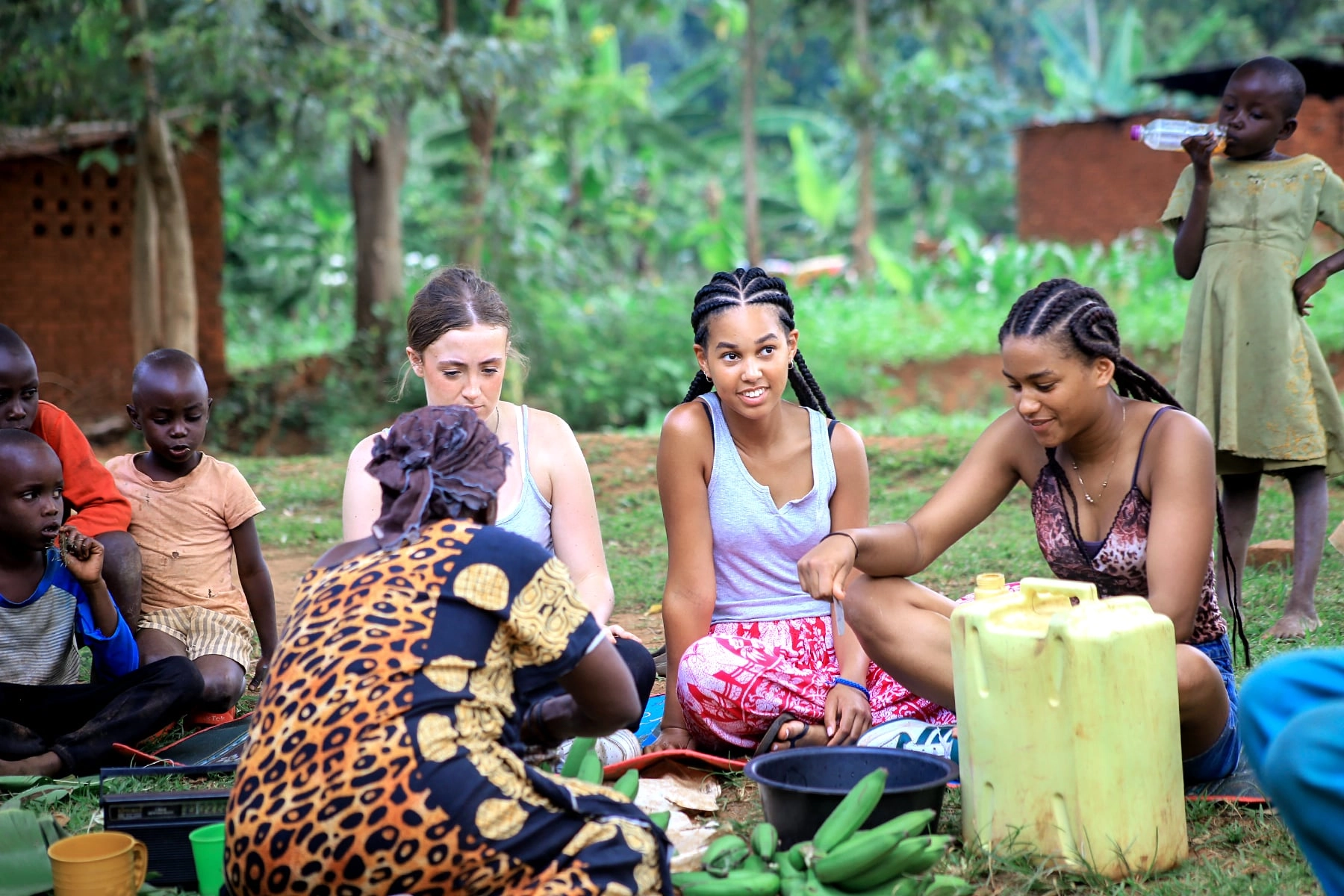
Visit a market or garden. Identify ingredients. Learn which banana varieties are used. Peel matooke. Prepare banana leaves. Make a sauce. Watch the steaming process. Then eat together. This takes time, which is precisely why it is valuable. Modern safari itineraries can become excessively rushed. Every hour is assigned to another attraction. Cooking forces travelers to slow down. And while food cooks, conversation happens. That conversation may become the most memorable cultural experience of the journey.
A particularly strong itinerary can combine Uganda gorilla trekking and cultural tourism. Imagine spending the morning in Bwindi with mountain gorillas. The following day, instead of immediately driving six hours toward another park, spend several hours exploring the community. Visit a farm. Learn about coffee. See banana cultivation. Prepare matooke. Meet local artisans. Then continue the safari. This pacing gives Bwindi context. The destination becomes more than a forest containing gorillas. It becomes a living region where conservation, agriculture and tourism meet.
The same principle applies around Queen Elizabeth National Park. The wider region contains fishing communities, agricultural landscapes and towns connected economically with tourism. A safari that includes only game drives and boat cruises sees one layer of the region. A community or food experience reveals another. This can be particularly valuable on longer Uganda wildlife safaris, where travelers have enough time to move beyond the headline attractions.
One of the pleasures of traveling Uganda by road is watching food move through the country. Motorcycles carry improbable loads. Trucks transport produce. Roadside stalls display bananas in bunches. Small towns become collection points for surrounding farms. These scenes reveal the connection between rural production and urban consumption. For photographers, the temptation to photograph everything is understandable. But respect comes first. Ask permission when photographing people closely. Buy something if you stop at a vendor. Do not treat working farmers as scenery. A responsible Uganda cultural safari should create exchange rather than extraction.
This is one of the most common questions from first-time visitors. Properly cooked matooke has a soft, smooth texture and a relatively mild savory flavor. It is not sweet like a ripe dessert banana. Its strength comes from how it works with sauces. A rich groundnut sauce provides nuttiness. Beef stew adds depth. Beans provide earthy flavor. Chicken or goat sauces create another combination. Think of matooke less as a fruit dish and more as the foundational starch of the meal.
Matooke provides carbohydrates and forms part of a broader diet that may include legumes, vegetables, meat, fish, groundnuts and other foods. As with any cuisine, the nutritional character of a meal depends on the complete plate rather than one ingredient. Travelers should resist simplistic claims that one traditional food is either a miracle superfood or inherently unhealthy. Its importance is cultural, agricultural and nutritional within a wider food system.
Plain steamed matooke itself is plant-based, but the sauces served with it vary.
Groundnut sauces may be vegetarian depending on preparation. Beans and vegetables provide additional options. Other preparations may include meat, fish or animal-derived ingredients. Vegetarian and vegan travelers should communicate dietary requirements clearly rather than assuming every sauce is plant-based. Uganda can accommodate vegetarian travelers well with advance planning.
Although bananas are the subject of this article, they should inspire travelers to explore the rest of Ugandan cuisine. Cassava, sweet potatoes, millet, maize, groundnuts, beans, fish, meat and vegetables all play important roles in different regions. The country’s cultural diversity means food changes as you travel. Northern Uganda does not have exactly the same culinary traditions as Buganda. Western Uganda introduces different regional influences. Communities around Lake Victoria have strong fish traditions. A serious Uganda food tour should therefore emphasize diversity rather than presenting one national menu.
One of the most popular modern street foods is the Ugandan Rolex, which has nothing to do with watches. A chapati is combined with egg and commonly vegetables, then rolled into a convenient handheld meal. The name is generally associated with the idea of “rolled eggs.” Rolex represents another side of Ugandan food culture: fast, urban, affordable and contemporary. Eating matooke and then trying a Rolex shows how misleading it is to describe Ugandan cuisine as purely traditional. Both belong to modern Uganda.
Mountain gorillas may be the reason a traveler books Uganda, but culture often determines how deeply they remember the country. Years later, travelers may remember the silverback. But they may also remember the woman who showed them how to peel matooke. The farmer who explained his coffee plants. The roadside pineapple. The children walking home from school. The guide explaining why one banana is roasted while another is steamed. These details turn a safari into travel. Wildlife creates awe. Culture creates connection. Uganda offers both.
Not every community visit is automatically responsible. Good experiences should respect local privacy, compensate guides and participants fairly, avoid turning poverty into entertainment and allow communities meaningful control over how visitors engage. Travelers should be cautious about experiences that encourage intrusive photography or present communities as though their lives exist for tourist observation. The strongest community tourism experiences in Uganda are educational and reciprocal. Visitors learn. Local people earn. Culture is represented with dignity.
A banana plantation may not initially seem as dramatic as a mountain gorilla. There is no silverback. No lion. No elephant. No roaring waterfall. Yet travel is not only about spectacle. Sometimes understanding a country begins with something ordinary. A bunch of green bananas carried toward a market. A farmer cutting a mature plant. A family peeling matooke. Banana leaves folded around food. Steam escaping from a cooking pot. Groundnut sauce poured beside a mound of soft matooke.
A meal shared around a table. These moments reveal Uganda in a different way. The story of bananas in Uganda culture is a story about land, agriculture, family, trade, hospitality and adaptation. It connects rural farms with Kampala markets, traditional kitchens with modern restaurants, and everyday Ugandan meals with the growing world of Uganda culinary tourism. For safari travelers, that story is especially valuable. You may come to Uganda for mountain gorilla trekking in Bwindi.
You may track chimpanzees in Kibale National Park. You may photograph lions in Queen Elizabeth National Park, elephants in Murchison Falls National Park and zebras in Lake Mburo National Park. But between those wildlife experiences lies another Uganda. It grows food. It farms. It cooks. It welcomes visitors. And in much of that Uganda, the banana is never far away. A well-designed Uganda safari with Adventure in the Wild Safaris can therefore do more than move travelers from one national park to another. It can create time to experience the communities, farms, markets and food traditions that give those landscapes human meaning.
Because seeing Uganda’s wildlife helps you understand its natural heritage. But sitting down to a plate of matooke—and understanding the journey from plantation to plate—helps you understand Uganda itself.

Get quick answers to the most common questions. If you still have questions, our safari experts are here to help.
Bananas are important as food, agricultural crops, sources of household income and elements of cultural tradition. Cooking bananas are especially significant across central and western Uganda.
Matooke refers to East African highland cooking bananas and commonly to the traditional Ugandan dish prepared by steaming and mashing green cooking bananas.
No. Cooked matooke has a mild savory flavor rather than the sweetness associated with ripe dessert bananas.
Green cooking bananas are peeled, traditionally wrapped using banana leaves and steamed until soft. They can then be mashed and served with sauces or stews.
Common accompaniments include groundnut sauce, beans, beef, goat, chicken, fish and vegetables, depending on household and region.
Yes. Matooke is widely available in local restaurants, hotels, safari lodges and homes.
Cooking and community experiences are available in several tourism regions. They can be incorporated into a broader Uganda cultural safari.
Yes. Agricultural and community experiences in various parts of the country can include banana-growing areas.
Yes. Southwestern Uganda provides opportunities to combine Bwindi gorilla trekking with community, coffee and agricultural experiences.
No. Uganda has numerous banana varieties used for cooking, roasting, eating ripe and traditional beverage production.
Different communities have traditions involving fermented banana beverages. Production methods and cultural contexts vary by region.
Matooke is an essential starting point, but visitors should also explore groundnut sauces, luwombo, local fish dishes, cassava, sweet potatoes, beans, chapati and the popular Ugandan Rolex.
Many traditional dishes are flavorful without necessarily being extremely hot. Spice levels vary according to dish and household.
Yes. Beans, groundnuts, vegetables, matooke, cassava, sweet potatoes and other plant-based foods provide many options, although travelers should communicate dietary requirements clearly.
Kampala has restaurants and food experiences specializing in Ugandan dishes, alongside a very diverse modern restaurant scene.
No. Although matooke has particularly strong cultural associations in central and western Uganda, cooking bananas are consumed across many communities.
Our safari experts are here to help you plan your safari. Get personalized advice, the latest information and a free, no-obligation quote.
We typically reply within a few hours.

Share This Article
When booking a luxury African safari, look beyond the room and compare the quality of guiding, wildlife location,…
Read article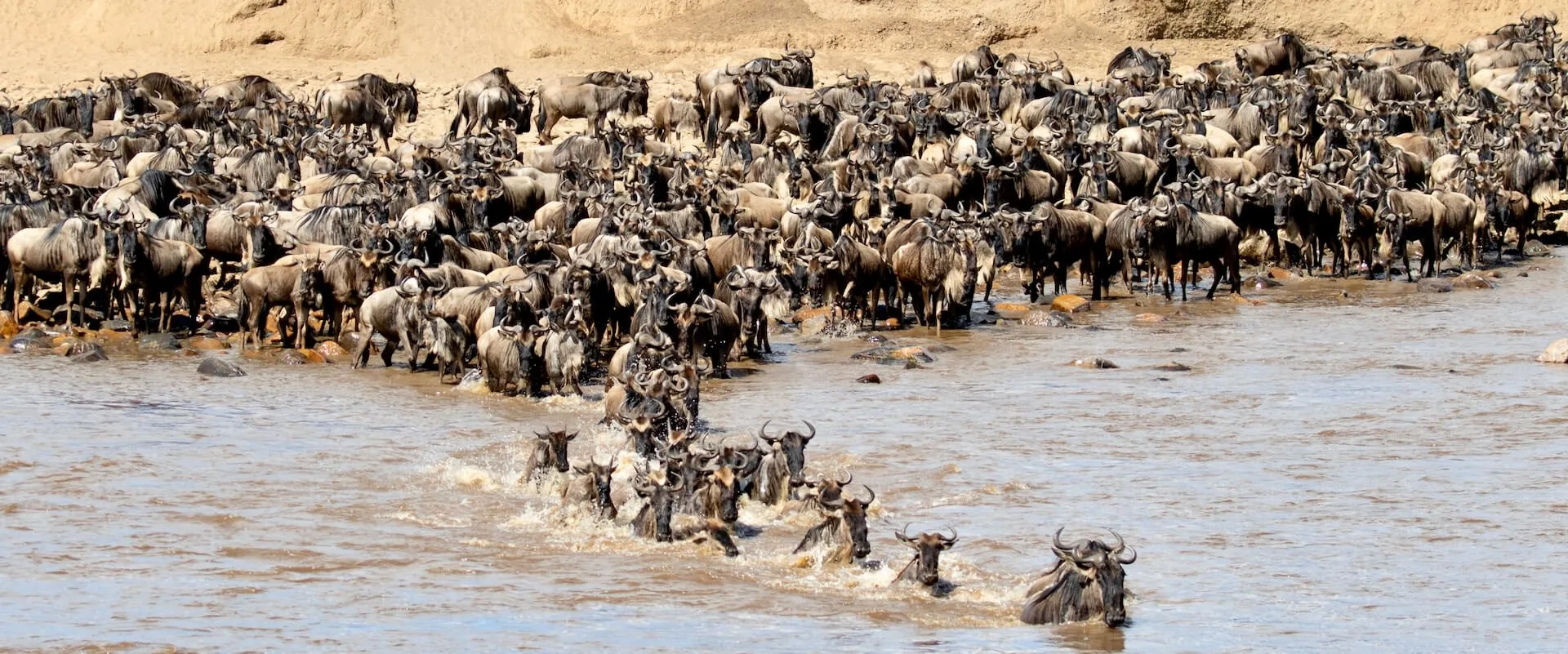
The Great Migration in Africa happens all year because the herds continuously circulate through the Serengeti–Mara ecosystem in…
Read article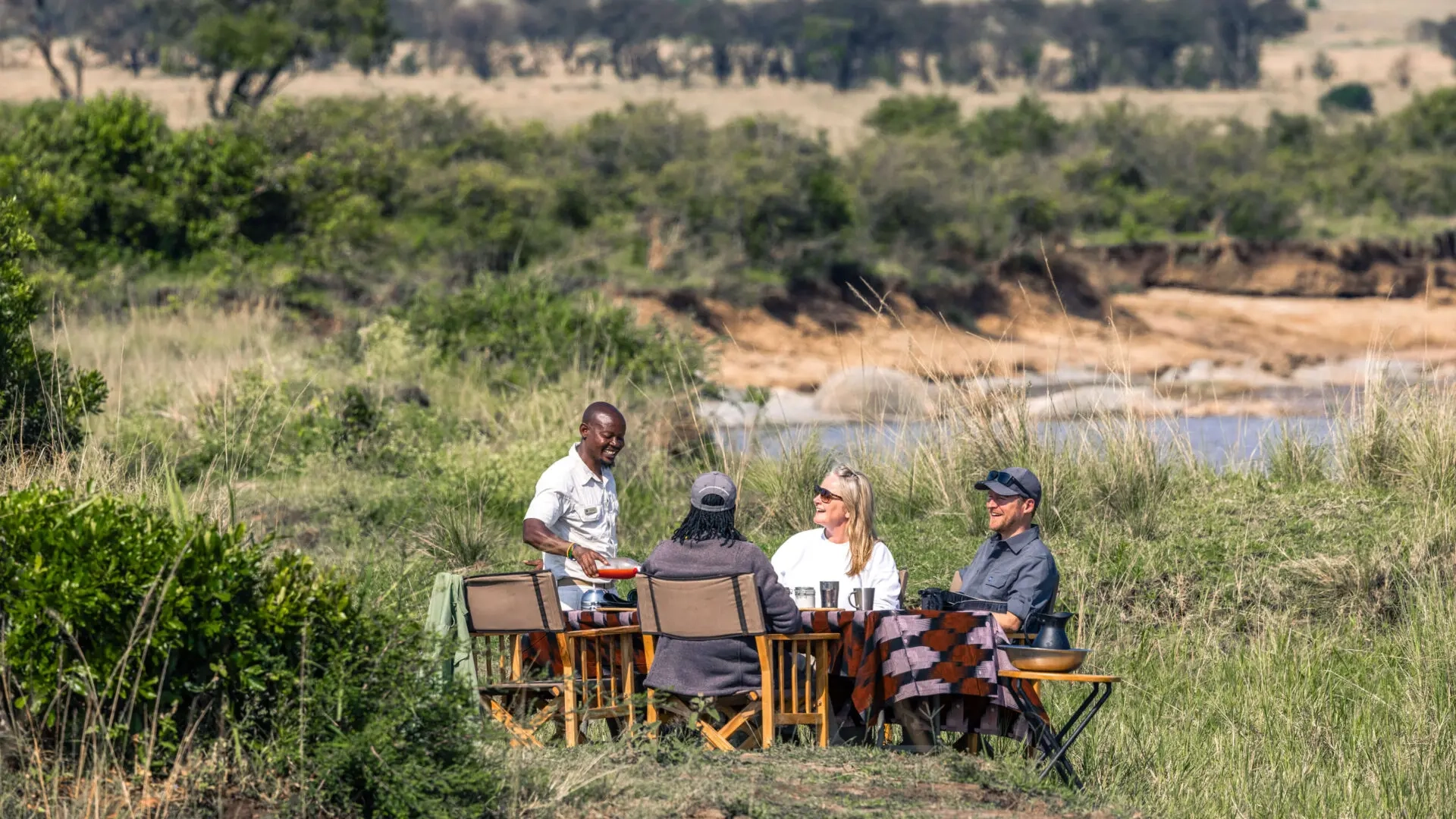
Definitive answer: A picnic lunch on safari is a packed or catered midday meal eaten at an approved…
Read article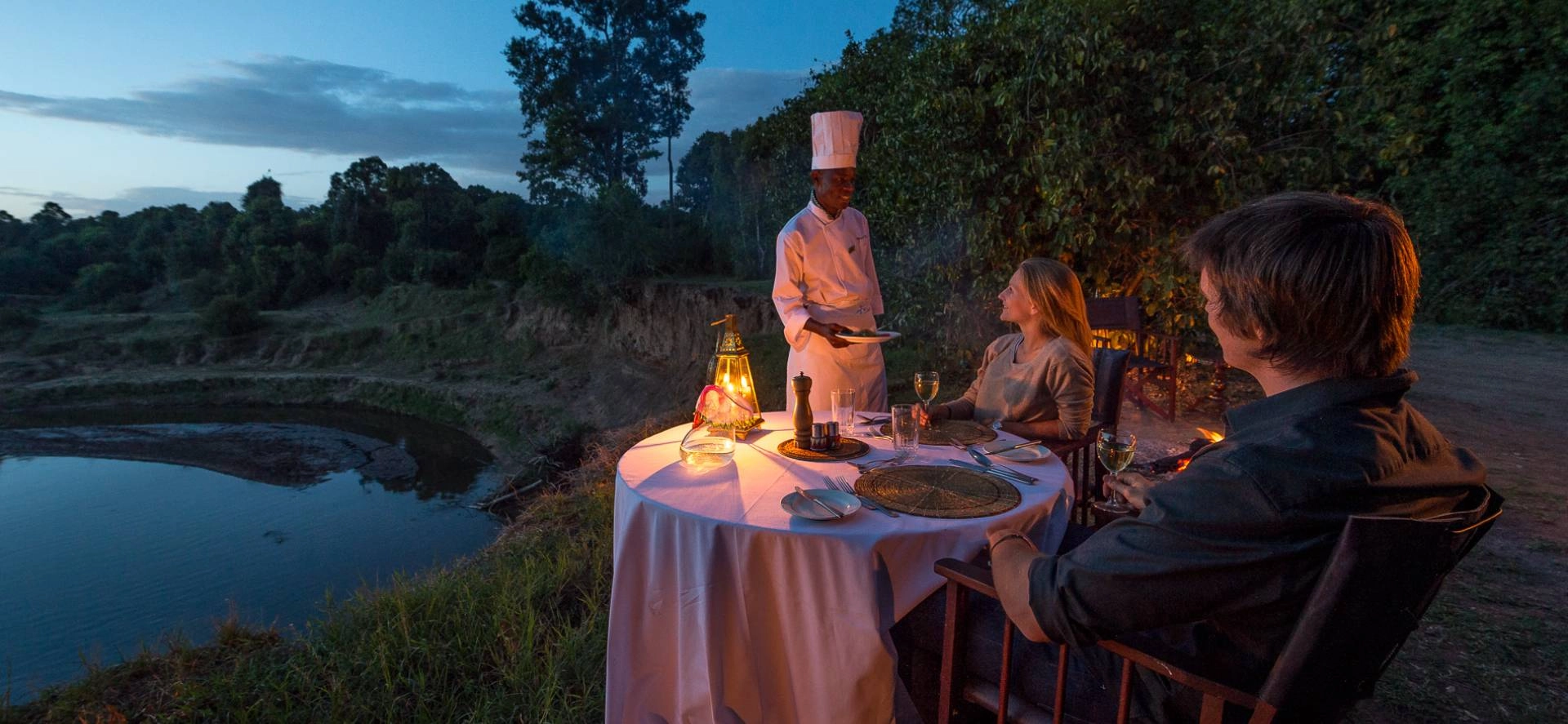
Definitive answer: A bush dinner is an outdoor evening meal arranged in a safe safari setting away from…
Read articleLet us take you closer to the wildlife, people and places that make Africa extraordinary.
Plan Your Safari Today